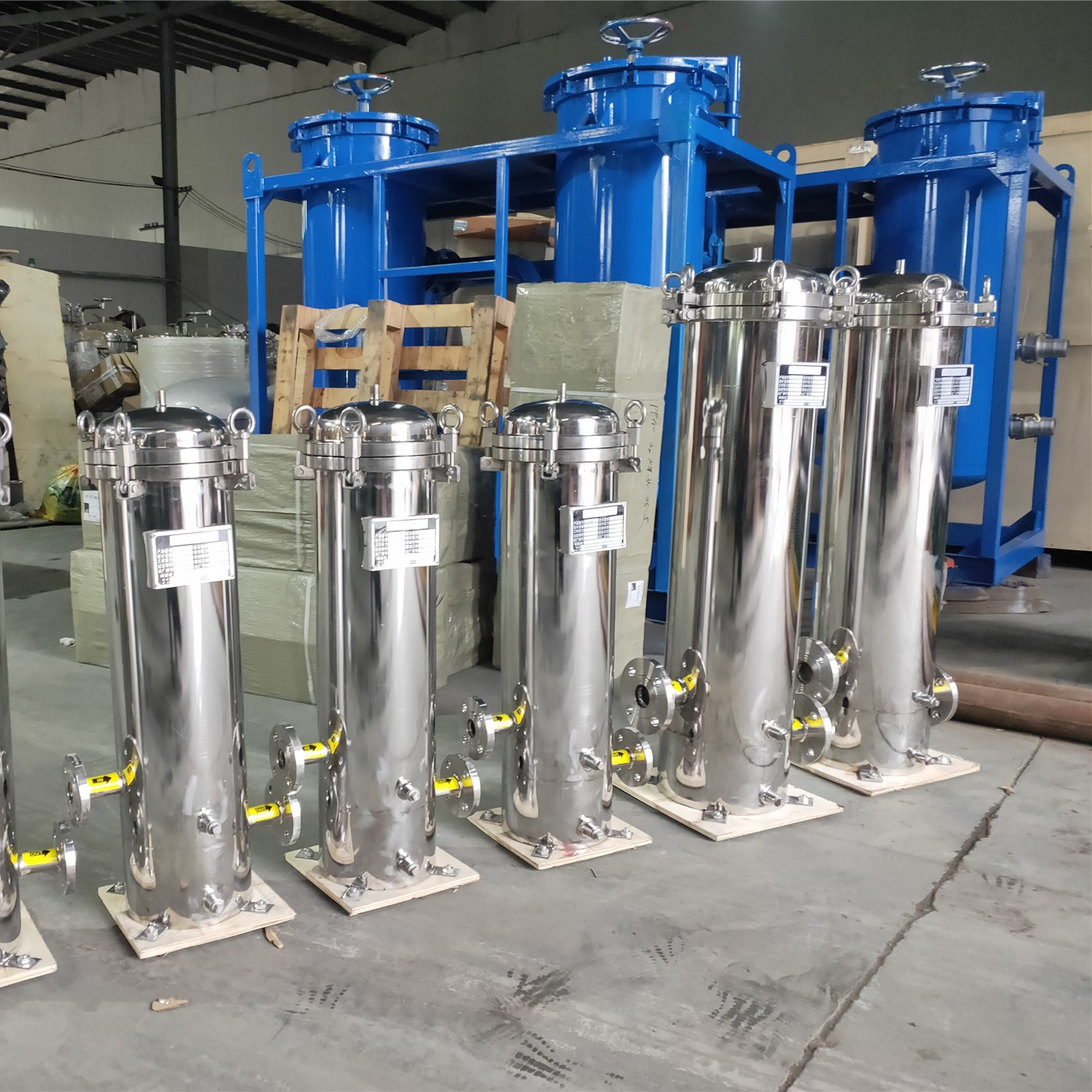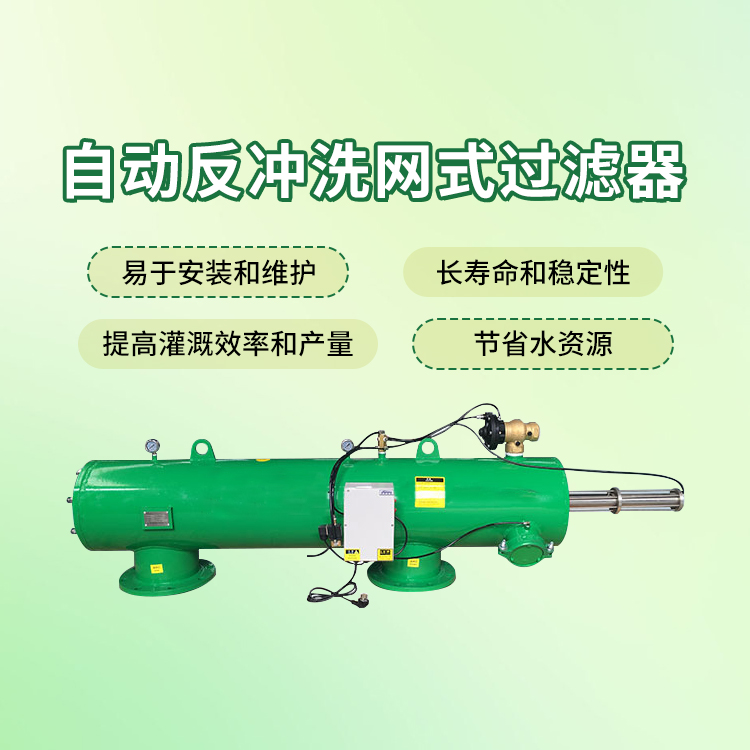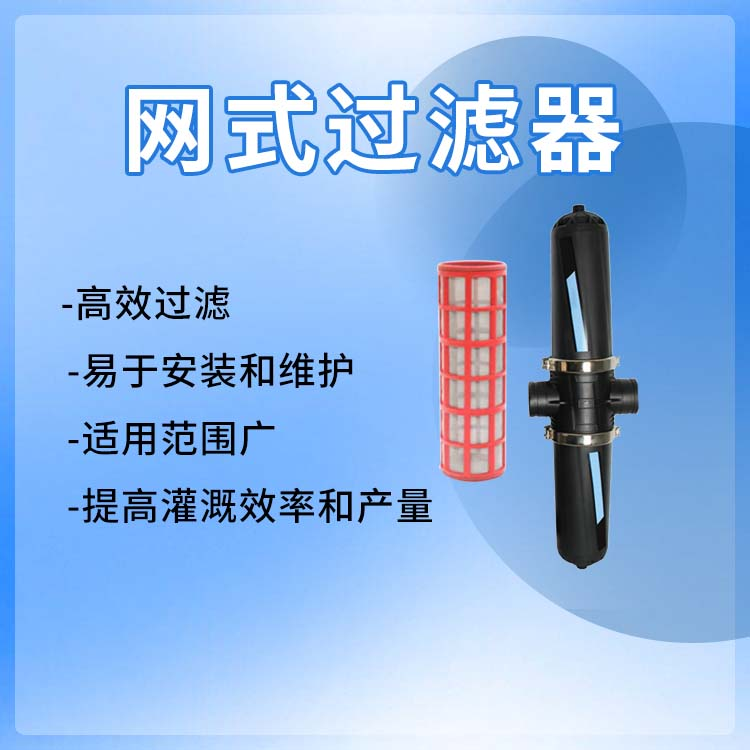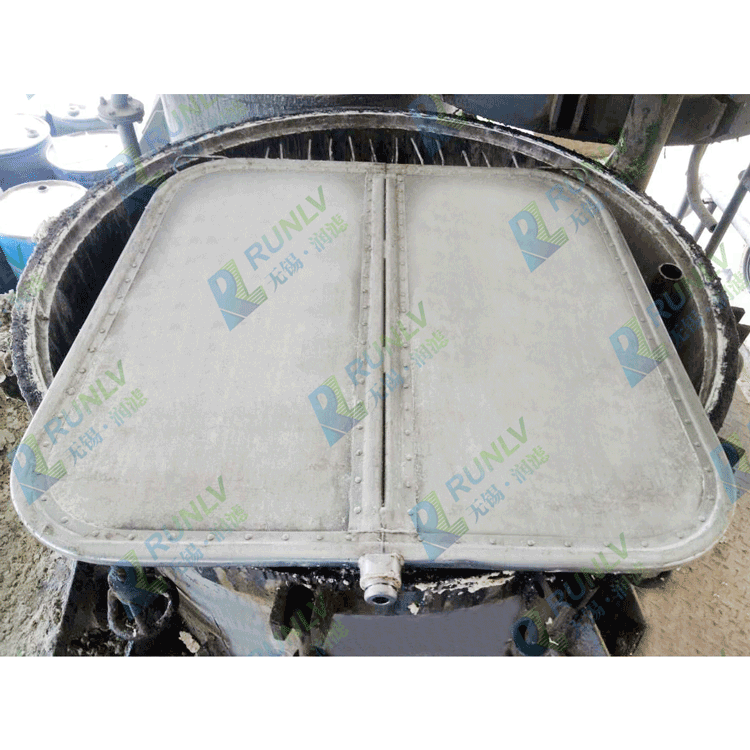


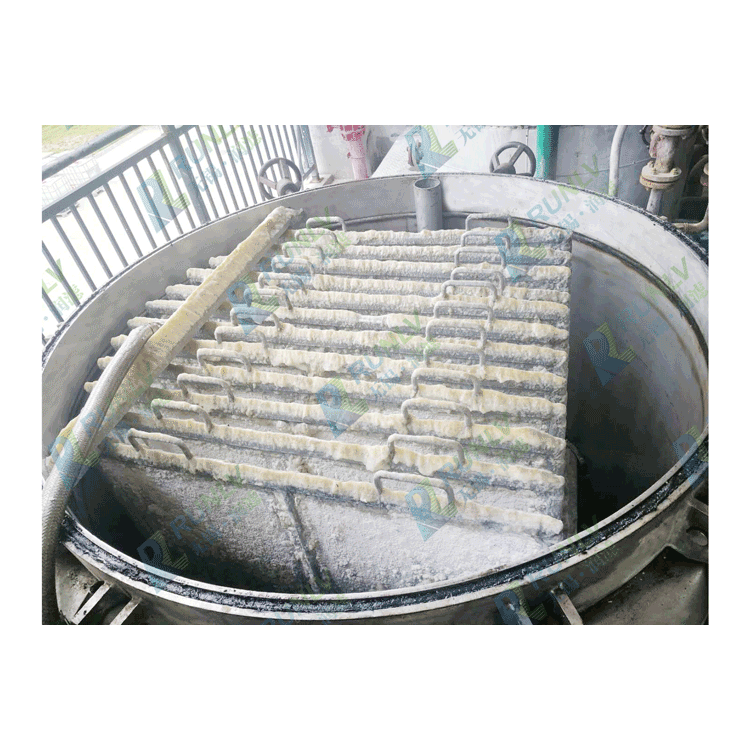


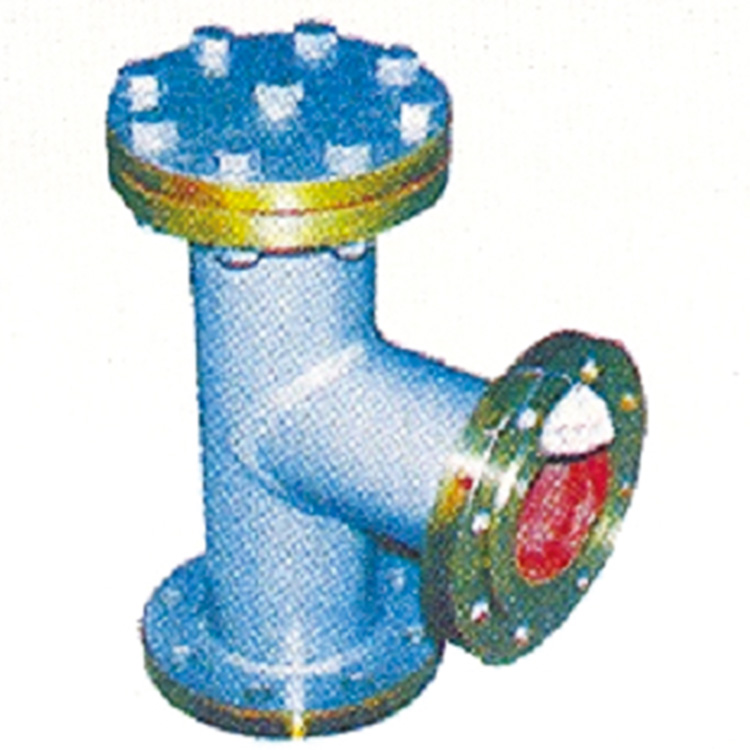
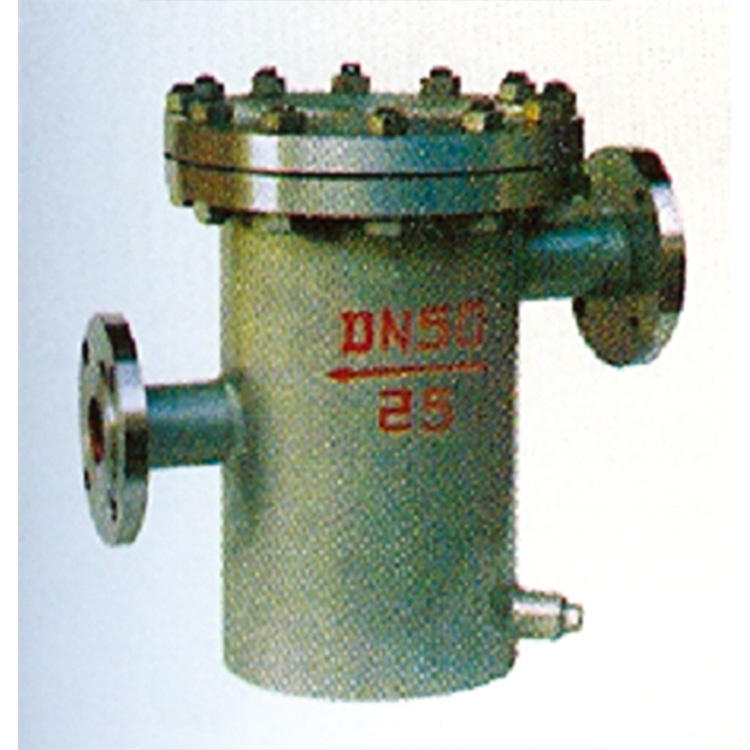






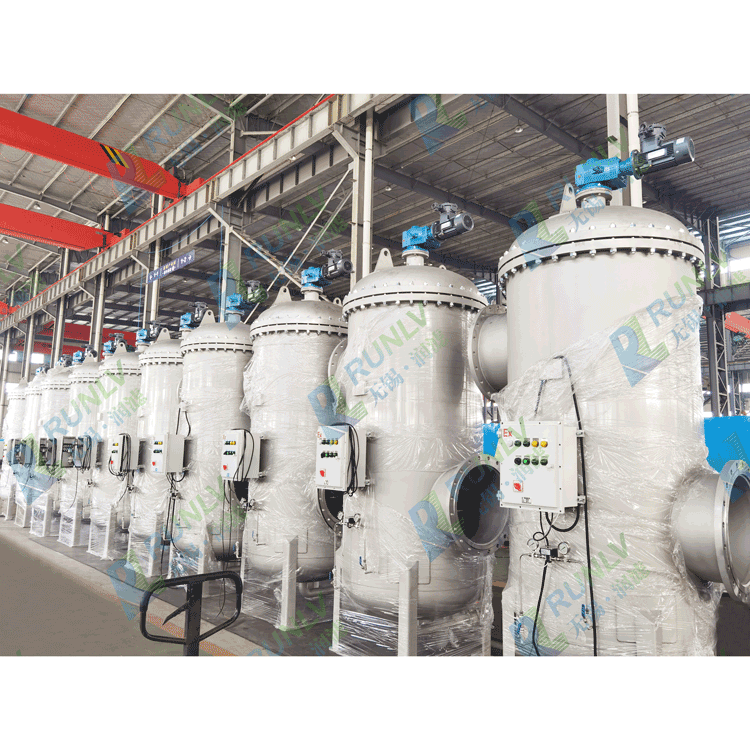
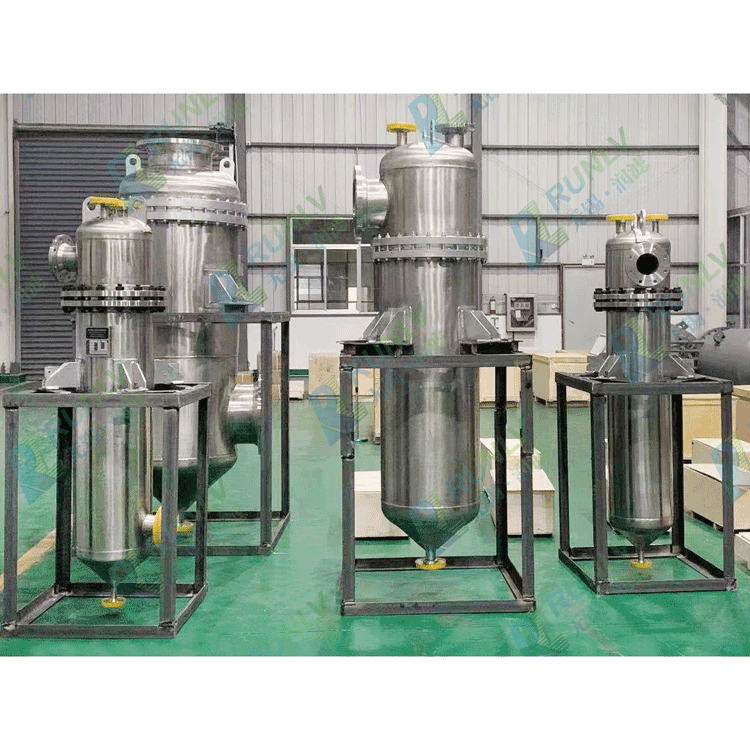
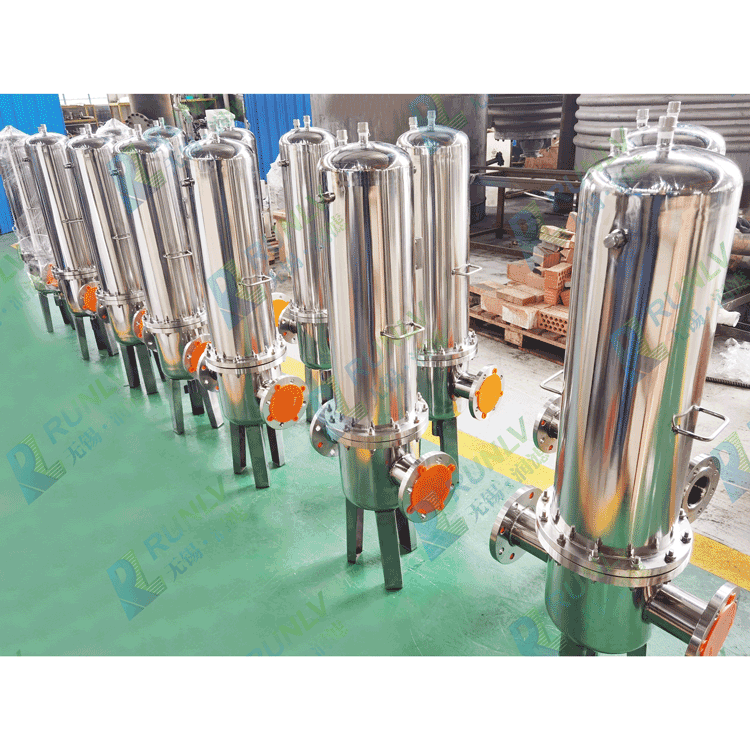
Sealed Plate-type Filter
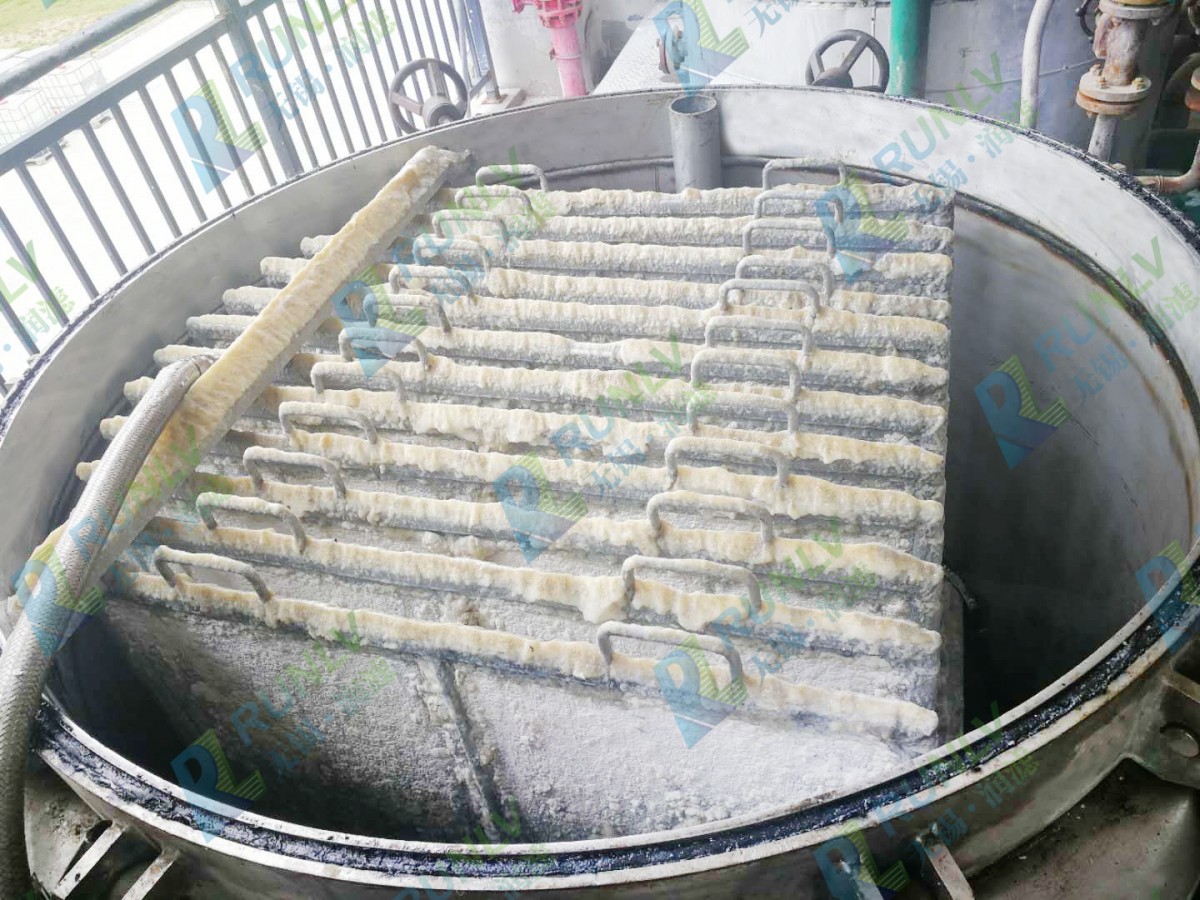
Introduction
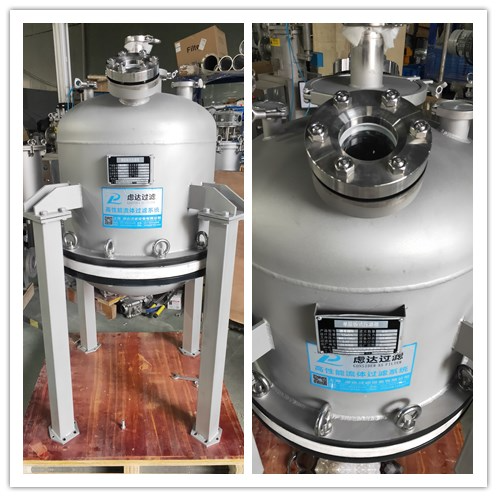
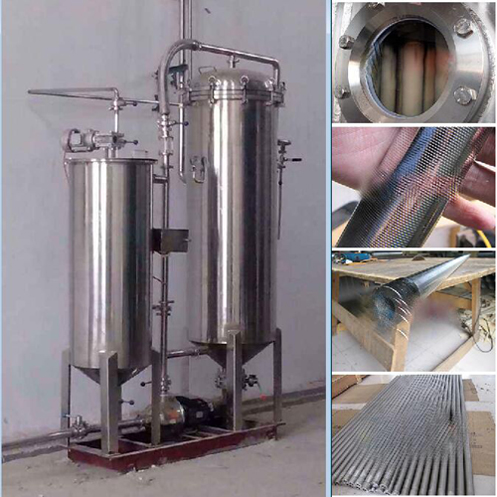
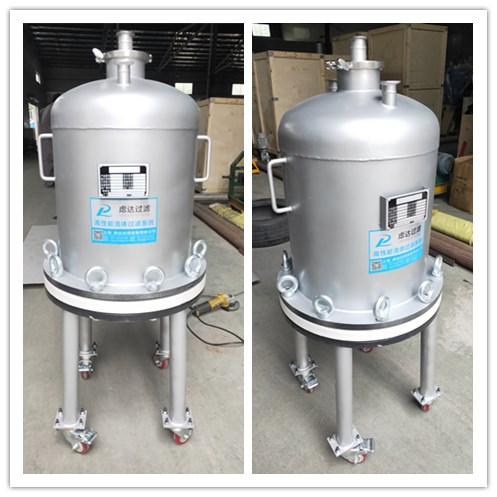
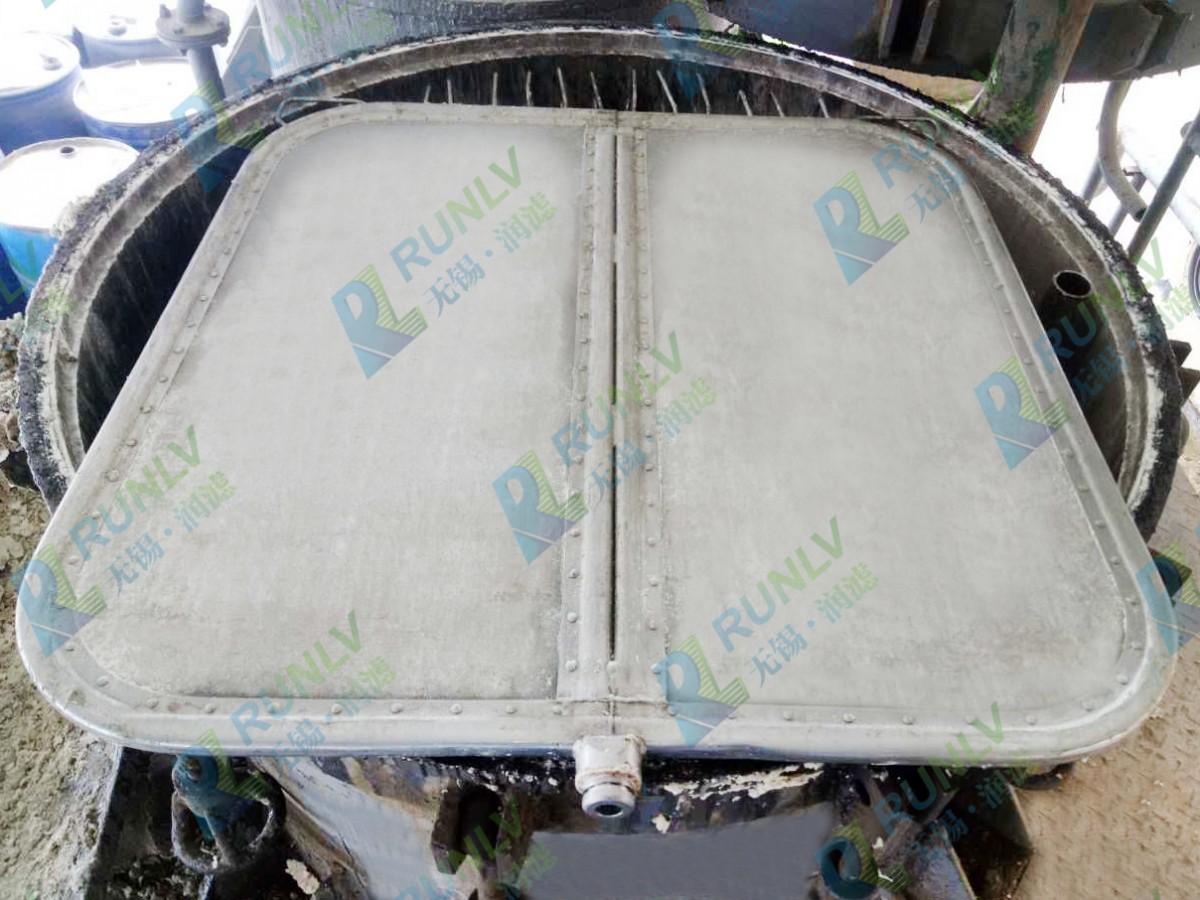
A密闭板式过滤器 is a type of filtering equipment, primarily used for liquid, gas, and air filtration applications. Its structure mainly includes the following components:
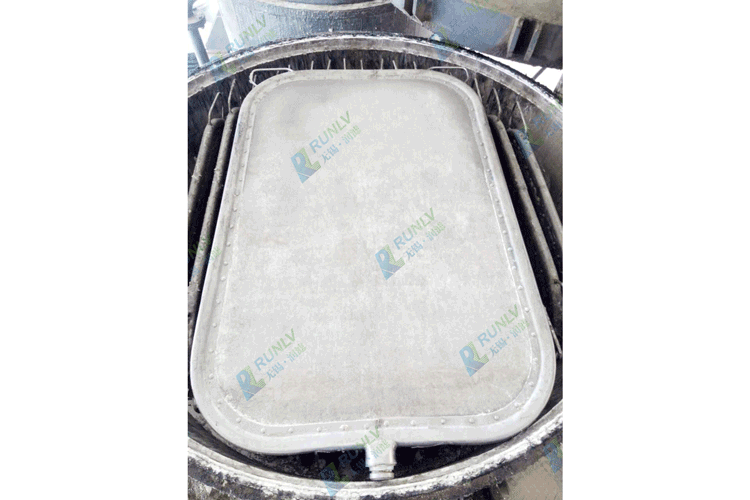
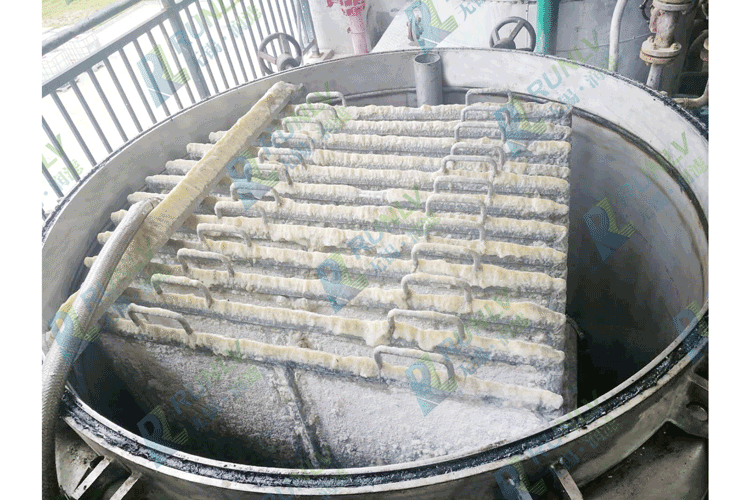
Filter Plate: The filter plate is a core component of the closed plate-type filter machine, with its surface covered by filtering media such as filter cloth or filter paper. Liquids or gases are filtered through the filter media on the filter plate, removing impurities and particles.
2. Pumps: Enclosed plate filter machines are equipped with pumps, designed to transport the liquid or gas to be filtered into the filter plates. The selection of the pump should be matched to the specific application scenarios and flow requirements.
3. Pressure Gauge: The pressure gauge is used to monitor the pressure difference on both sides of the filter plate. When the pressure difference exceeds a certain value, it indicates that the filter plate is clogged and needs to be replaced or cleaned.
4. Sealing Ring: The sealing ring is positioned between the filter plate and the filter housing, used to seal the filter plate and ensure no leakage of liquid or gas.
The working principle of the enclosed plate filter is relatively simple. Liquids or gases are pumped into the filter plates, where the filter medium intercepts impurities and particles, allowing clean liquids or gases to pass through. When the filter plates become clogged, the pressure difference increases, and it is necessary to replace or clean the filter plates to restore their filtering function.
Advantages
The advantages of the enclosed plate filter mainly include the following:
1. Stable Filtration Effect: As the filter plate is fixed to the equipment, its filtration effect is more stable and not affected by fluid dynamics.
2. Easy Maintenance: Replacing or cleaning the filter plate is convenient, and the pump's maintenance is also straightforward.
3. Wide Application Range: Enclosed plate-type filters can be used for the filtration of various liquids and gases, offering a broad range of applications.
However, the price of the enclosed plate filter is relatively high, which may not be suitable for users sensitive to price.
In summary, the enclosed plate filter is a stable filtration equipment suitable for filtering various liquids and gases. Its advantages include consistent filtration performance, easy maintenance, and a wide range of applications.
Principle
The working principle of a closed plate filter is to utilize the intercepting, adsorbing, and sieve-filtering effects of the filter cake to separate solid impurities from the liquid, thereby achieving the purpose of liquid purification. Specifically, a closed plate filter pumps the liquid into the equipment at high pressure, passes it through the filter interior, where the filter cake forms, and then the liquid flows out after passing through the filter cake.
Features
High-Efficiency Filtration: The sealed plate filter utilizes high-pressure filtration to rapidly form a filter cake, enhancing filtration efficiency.
Energy-saving and Environmentally-friendly: The enclosed plate-type filter machine features a sealed structure, reducing liquid waste and pollution while lowering operating costs.
Easy to Maintain: The enclosed plate filter is equipped with a professional control system, enabling automated control and fault diagnosis.
Applied
Enclosed plate-type filters are used in industries such as chemicals and food processing, such as:
Chemical Industry: Enclosed plate-type filters are suitable for filtering chemicals, catalysts, etc.
Pharmaceutical Industry: Enclosed plate filter machines are suitable for filtering pharmaceutical products, such as oral liquids.
Food Industry: Enclosed plate filters are suitable for filtering juices, wines, and other food products.
Maintain
To ensure the smooth operation of the enclosed plate-type filter, regular maintenance is required, which mainly includes the following aspects:
Cleaning Equipment: Regularly clean the interior of filters and pipes to maintain equipment cleanliness.
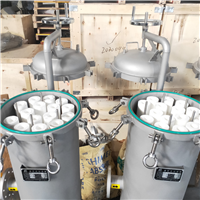
Replace Filters: Regularly replace filters to ensure optimal filtration performance.
Inspect equipment operation: Regularly check equipment parameters such as vibration and temperature to assess equipment operation status.
Regular Calibration: Regularly calibrate the equipment to ensure precision and reliability.