








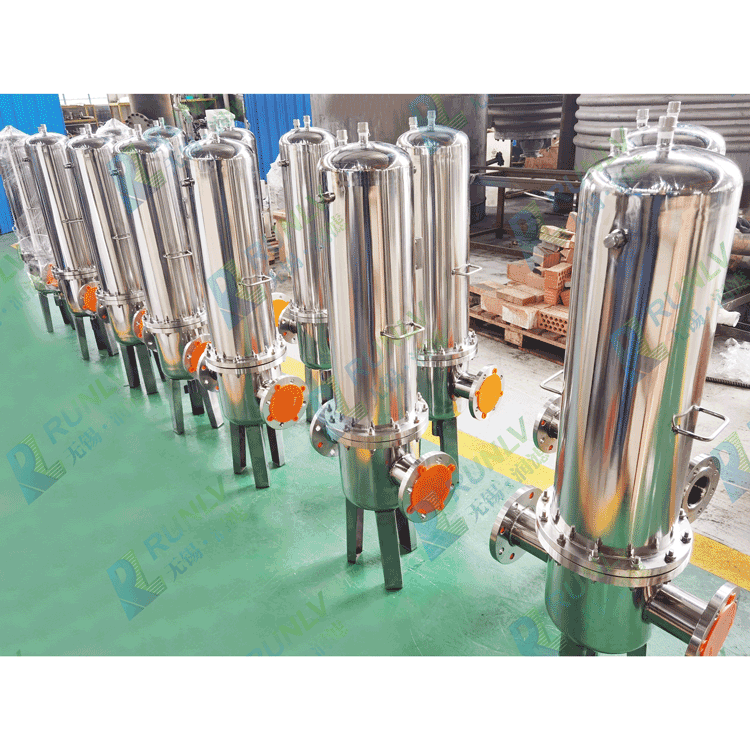
Fully Automatic Backwashing Filter
Introduction
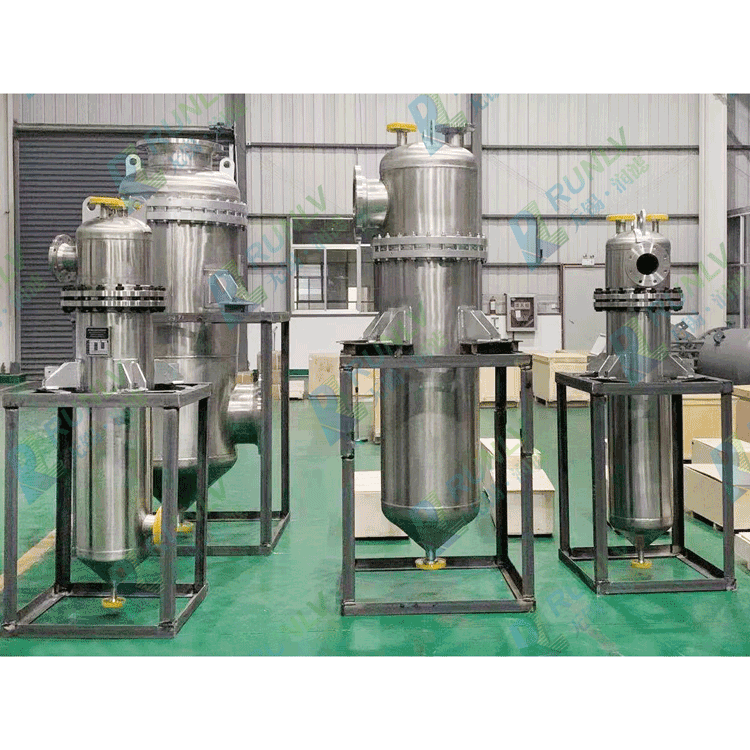
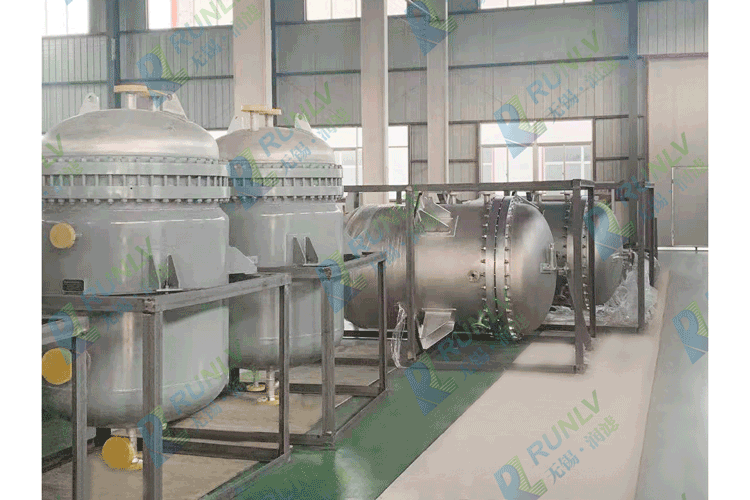
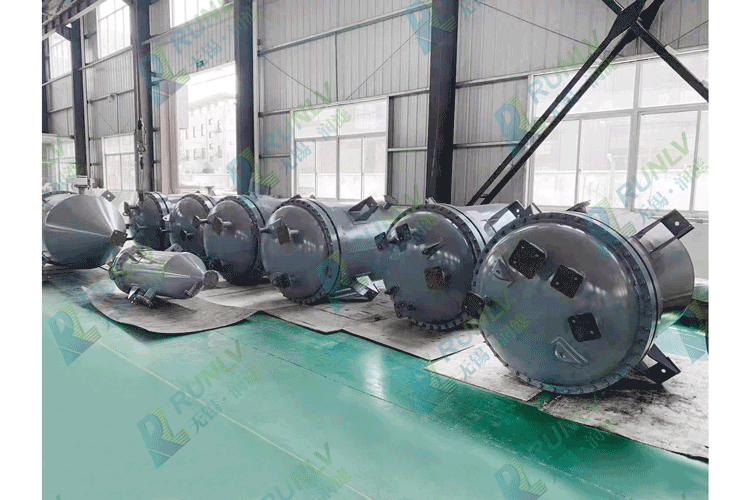
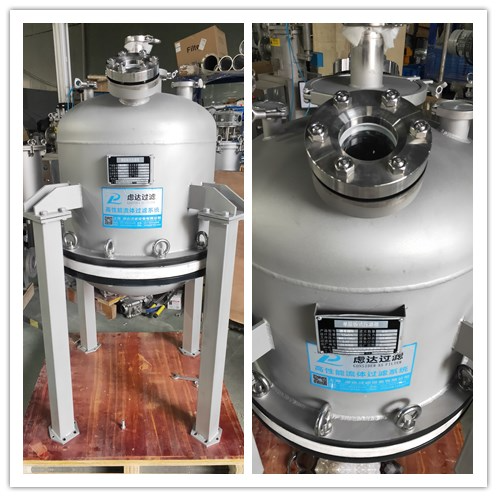
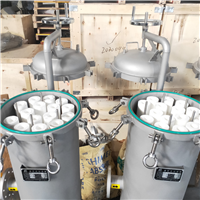
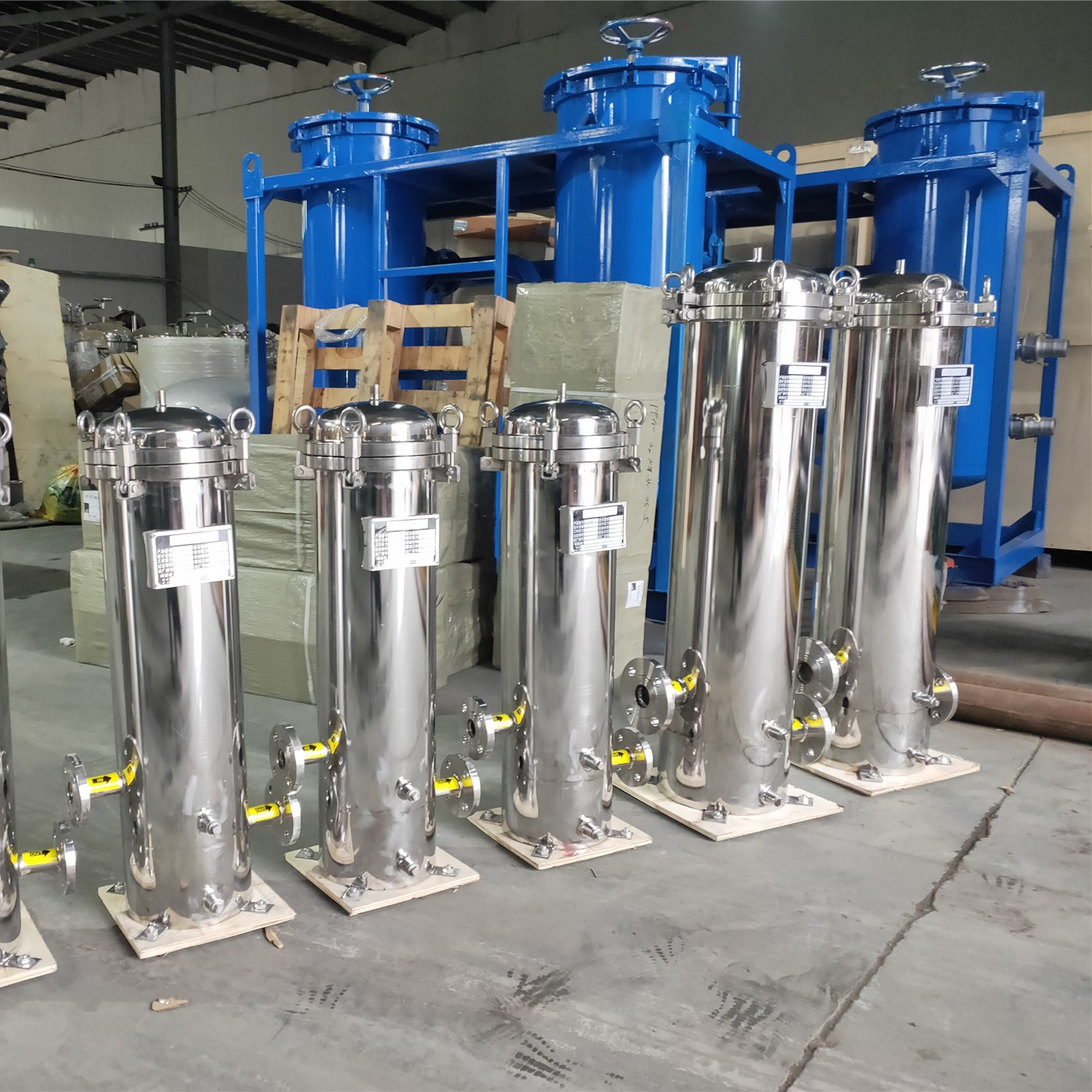
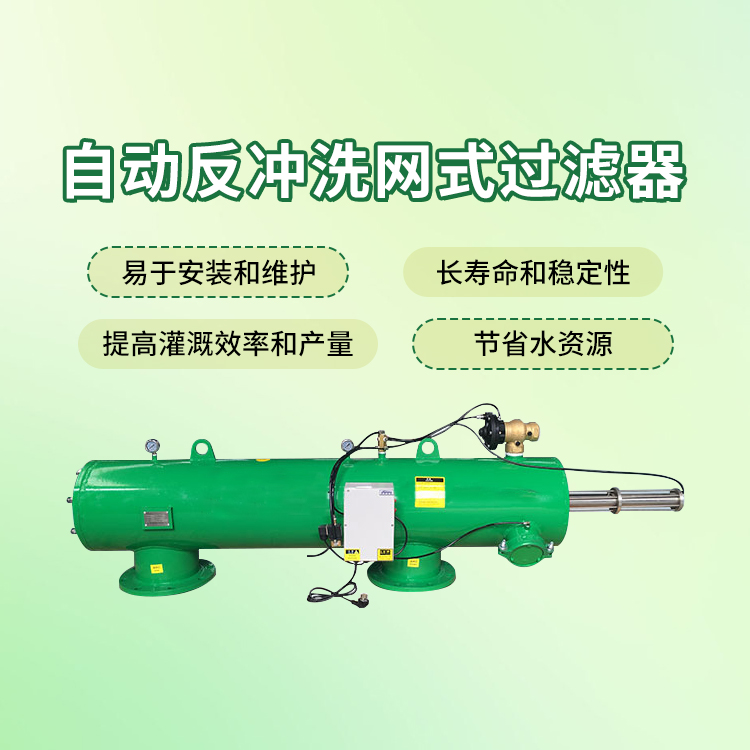
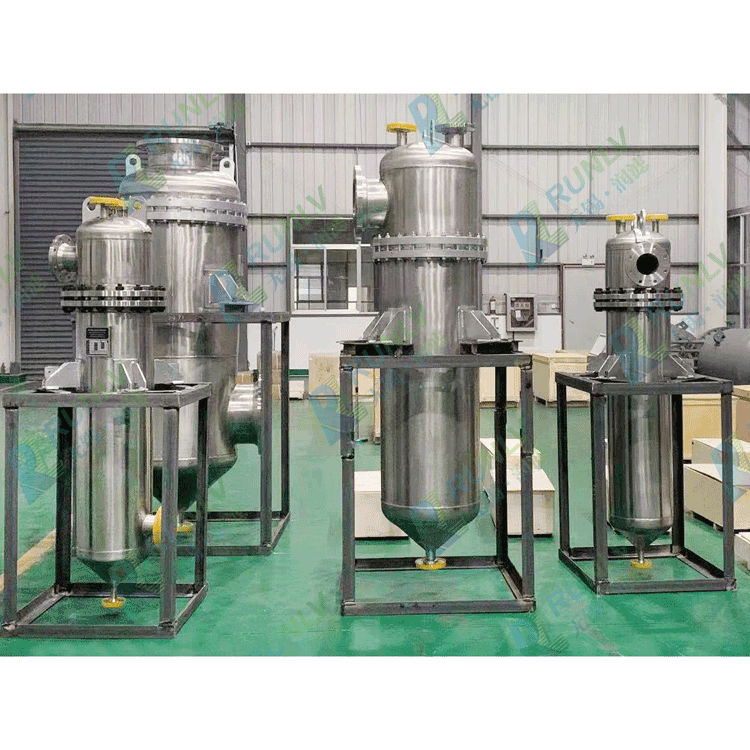
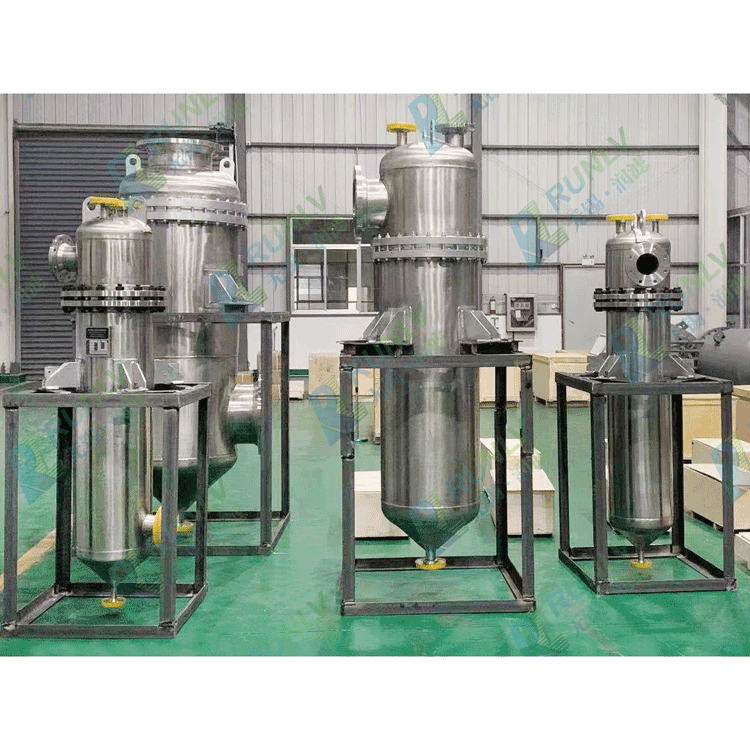
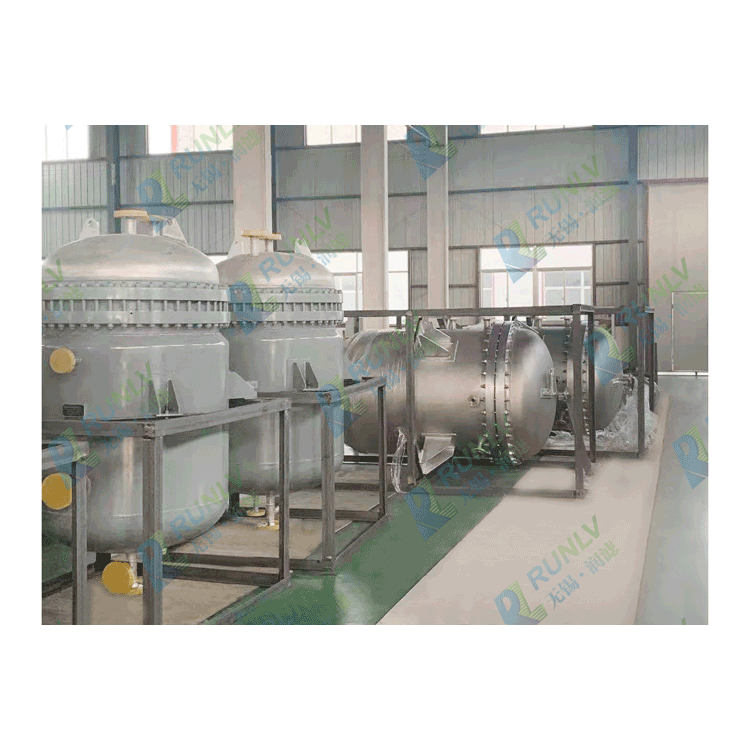
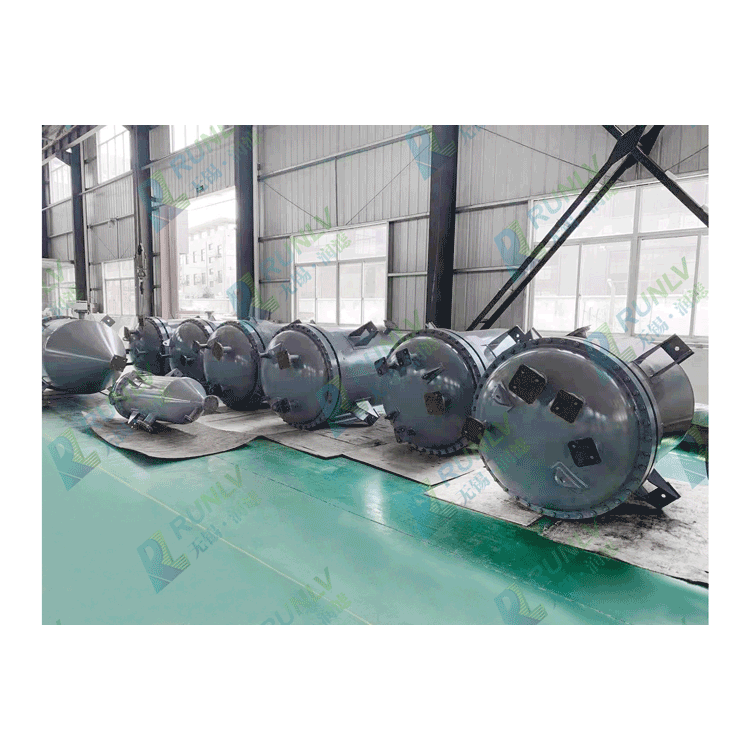
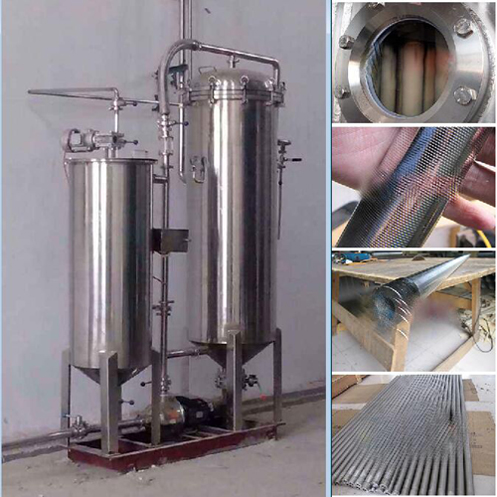
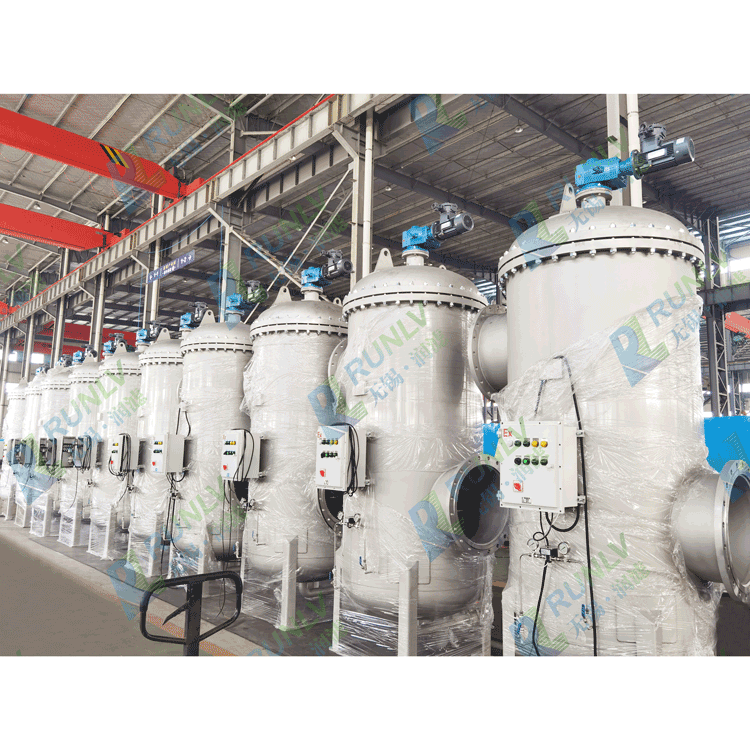
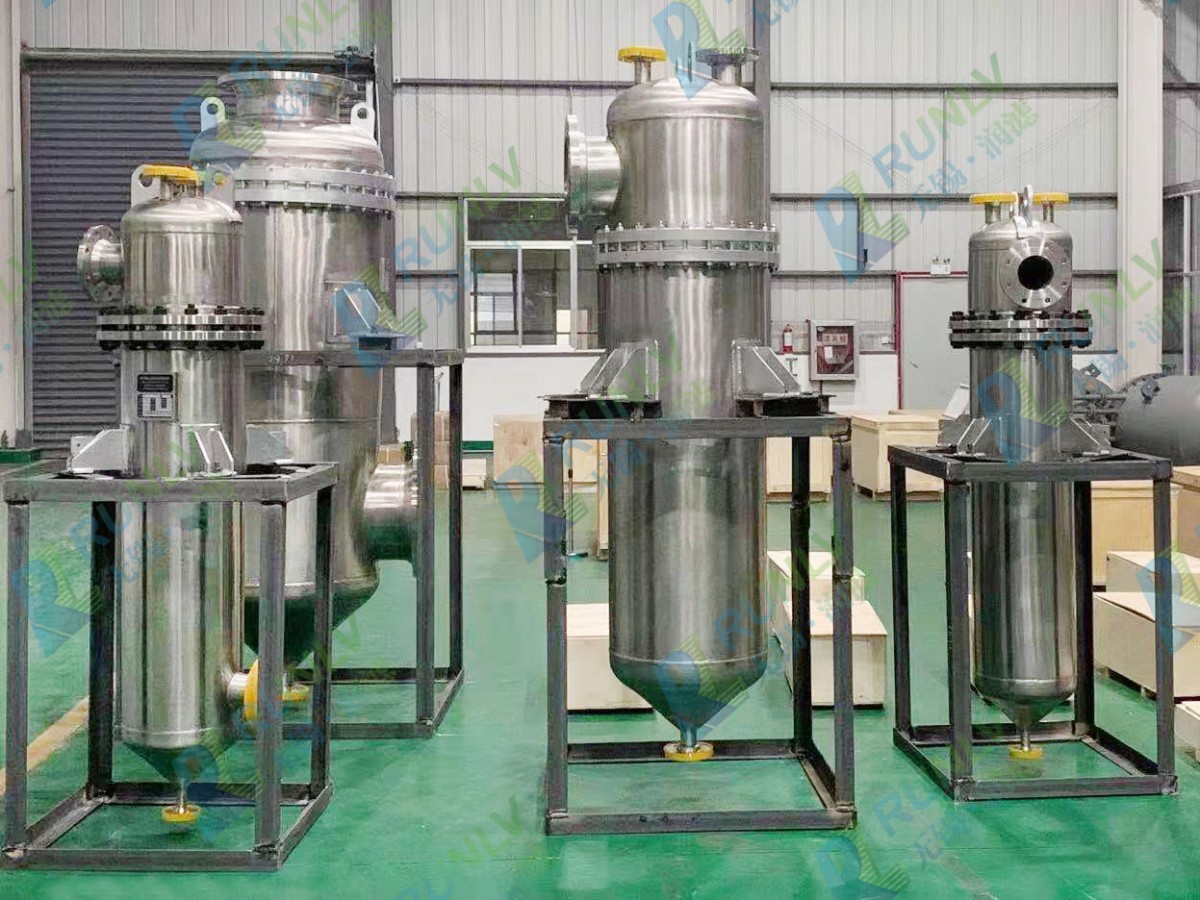
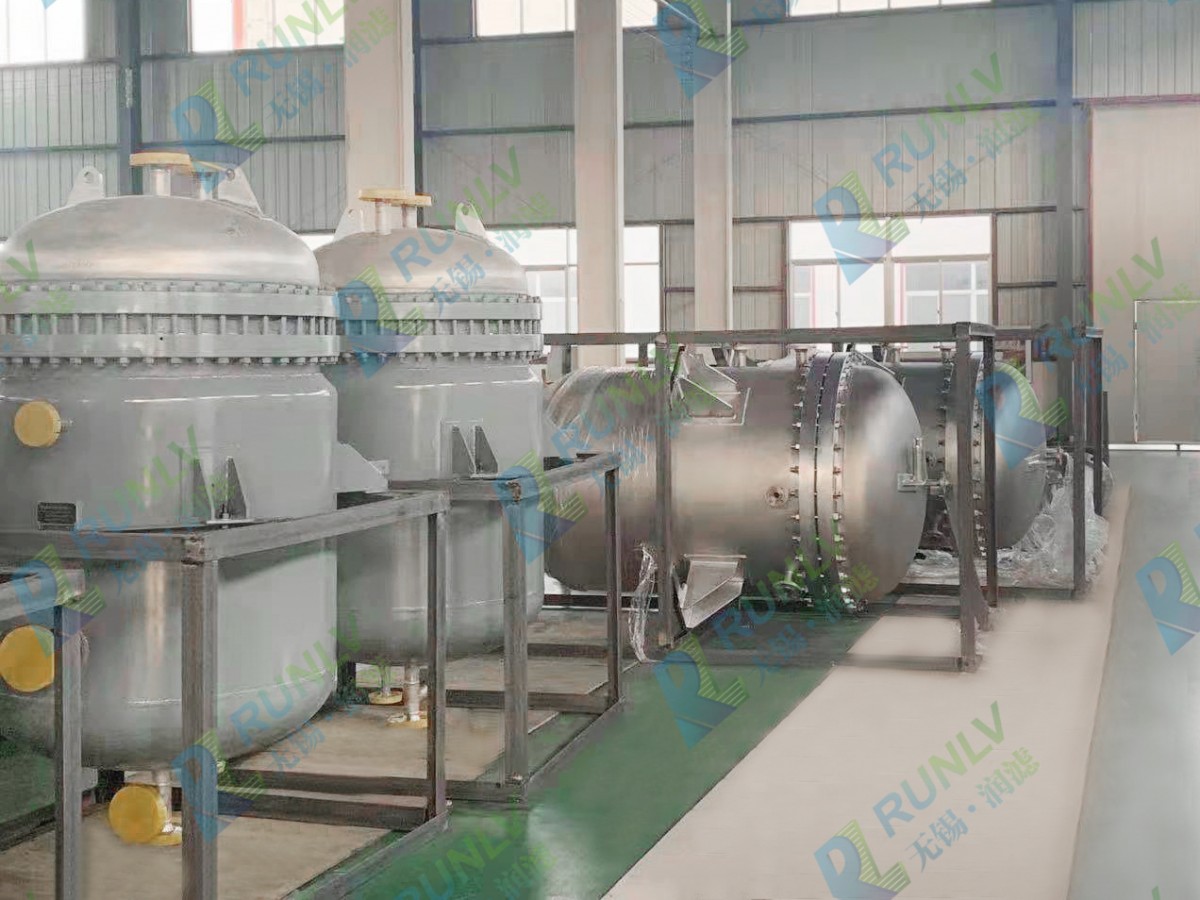
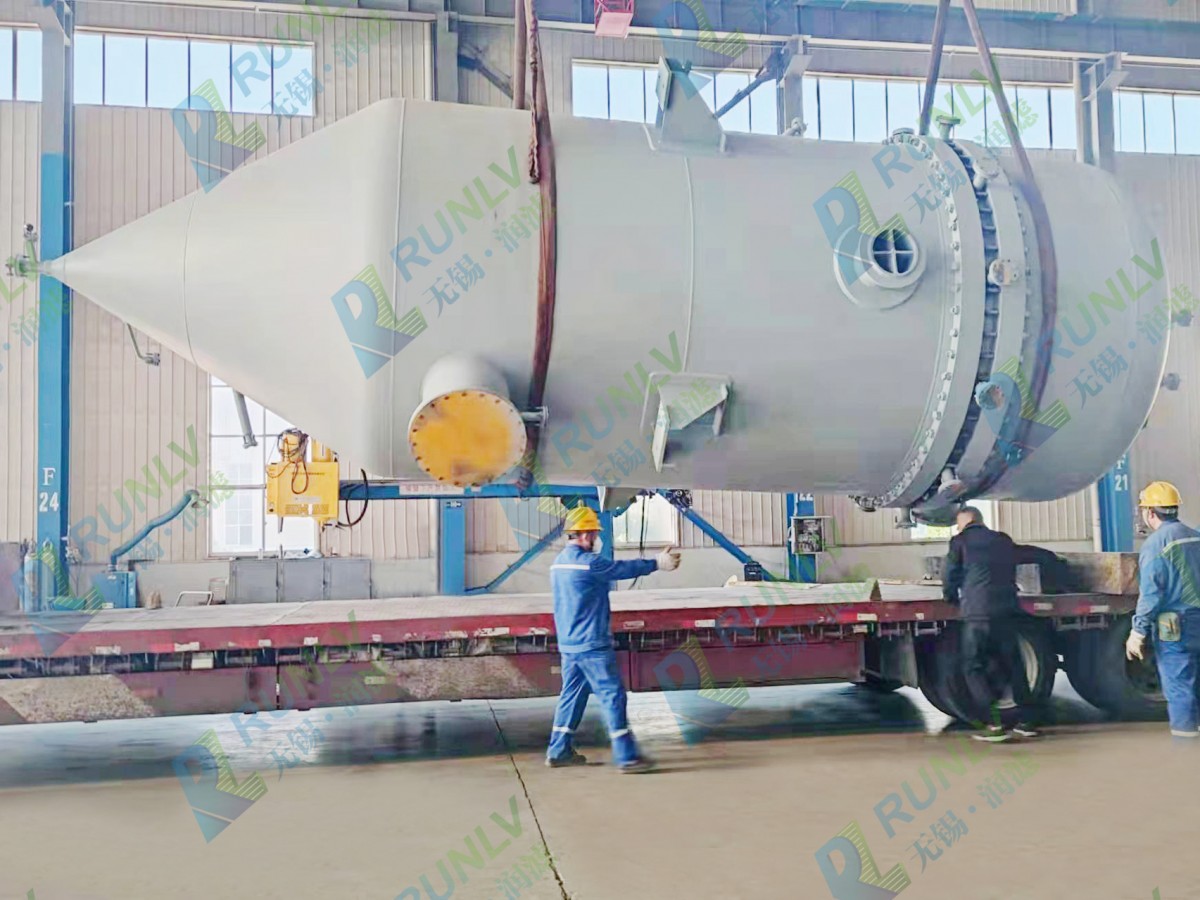
The Runfil EMS High-Efficiency Multi-Core Backwash Filter is a new generation of high-efficiency, large-scale backflush self-cleaning filtration system independently developed by Runfil. It is an automatic filter that can serve various purposes, capable of filtering out various water and water-based low-viscosity liquids (such as solid particle impurities in "machine tool cooling agents"), meeting the cleanliness requirements of system operation and subsequent processes. It can also be used to protect downstream critical equipment from particle blockage, wear, or scaling, thereby enhancing operational efficiency and lifespan. The Runfil EMS High-Efficiency Multi-Core Backwash Filter meets the needs of online automatic continuous filtration systems, reduces downtime costs, maintenance costs, and labor costs, and serves as a solution for water and water-based liquid filtration.
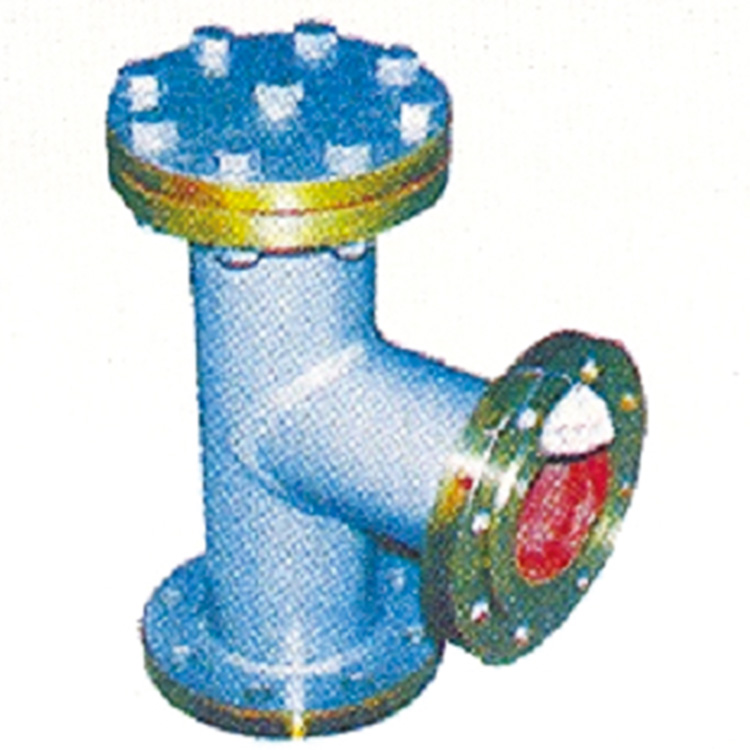
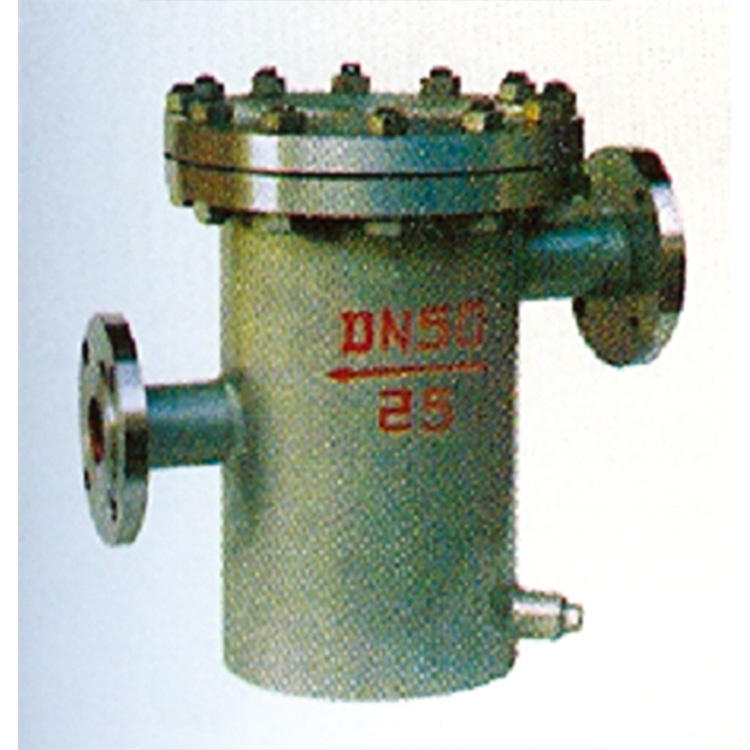
The EMS high-efficiency multi-core backwashing filter, according to the requirements of the application conditions, can be divided into the following four models based on the filter elements and cleaning methods:
EMS single pole double suction type, EMSDD single pole single suction type;
EMSSS Bipolar Double-Suction Recirculating Type; EMSSD Bipolar Single-Suction Recirculating Type
EMS High-Efficiency Multi-Core Backwashing Filter, with filtration precision up to 25~3000 pm, single unit flow rate of 5~7000 m3/h, filter inlet and outlet flanges from 2” to 36”, fully meeting the automatic filtration requirements for low viscosity liquids (below 50 cp).
Working Principle
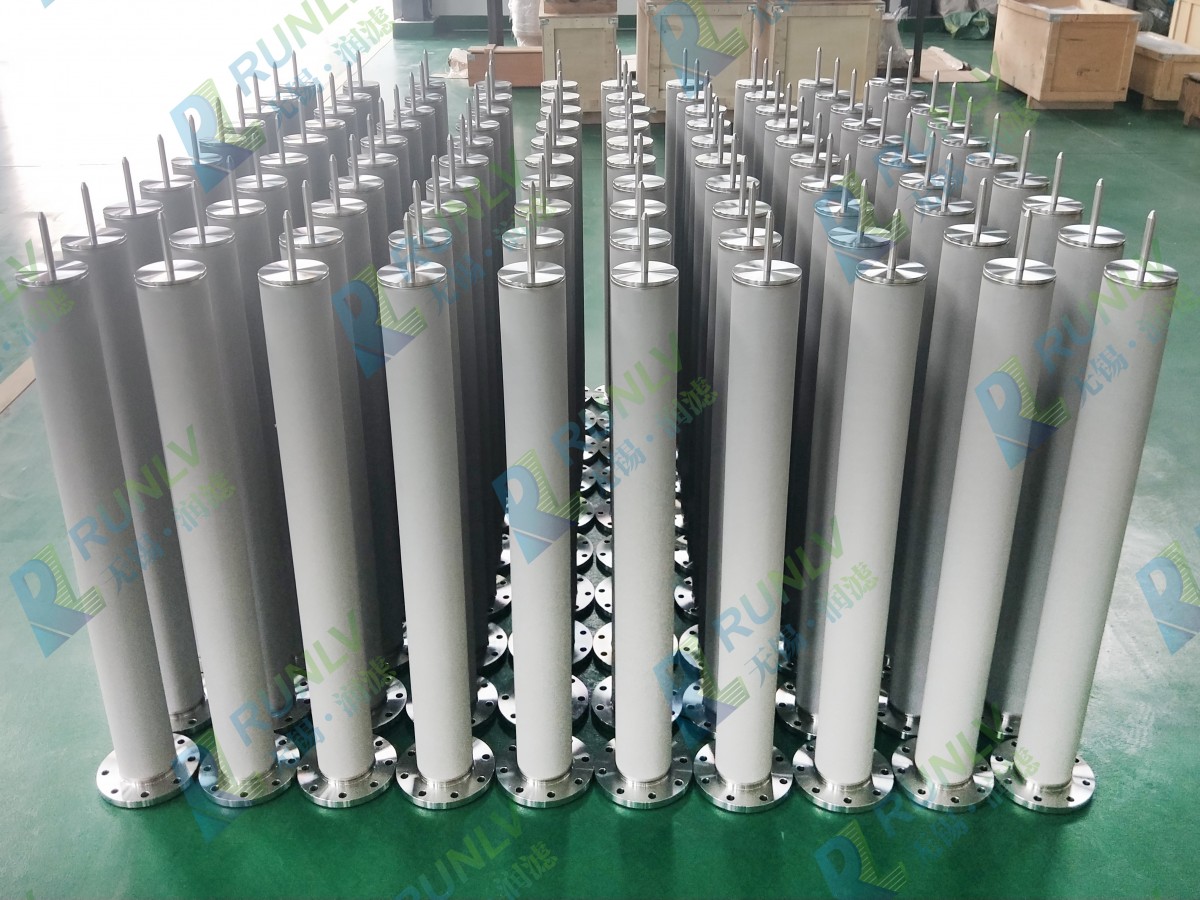
During filtration, the liquid enters through the inlet (1) and flows into the filter, with a portion entering the upper section through the central分流管. The liquid simultaneously enters the filter element from both the top and bottom ports, passing through the NOVOTM filter element's inner surface and collecting at the outlet. Particle impurities are intercepted and accumulate as filter cake, gradually increasing the pressure difference between the filter's inlet and outlet, indicating that the filter cake has reached a certain thickness, at which point the flow rate of the filter element decreases. During backwashing, when the set pressure difference or time is reached, the self-cleaning program is initiated. The motor drives the internal up-down backwashing tubes to alternately align with a group of filter elements' top and bottom, then the backwashing drain valve is opened, connecting the filter element to the atmosphere. The remaining filter elements' liquid pulses in reverse, and with the help of the optimized element in the middle of the filter element, surface crossflow is generated, quickly removing the filter cake from the inner surface of the filter element, and excluding residual liquid from flowing into the sludge collection pipeline. The drain valve is then closed, the backwashing tubes are aligned with the next group of filter elements, and the backwashing process is carried out. After all filter elements have been alternately backwashed from top to bottom, the entire backwashing process is completed.
Technical Specifications

*Economic Flow Rate (150um): For reference only. Flow rate is affected by liquid viscosity, filtration accuracy, and cleanliness. Please confirm with the filtration engineer's technical team.*High Working Temperature: Achievable only with high-temperature-resistant sealing rings and sealing mechanisms.
High working pressure: This is the standard working pressure. Customization is available for higher pressure requirements.
*Recommended Cleaning Pressure Difference: 0.06 Mpa, for reference only; varies with liquid and particle forms.
Application Fields
Filtering Methods: Filtration, Separation, Sifting, Suction Type, Backwash Type, Intelligent Automatic; Continuous Online Self-Cleaning Filtration: Used for filtering out large particle impurities, purifying required liquids, and protecting critical equipment.
Application Industries: Water Treatment, Desalination, Steel, Papermaking, Mining, Petrochemicals, Machining, Municipal, Agricultural Irrigation, etc.
Applicable Liquids: Seawater, Lake Water, Reservoir Water, Pond Water, Groundwater, Recirculating Cooling Water, Chilled Water, High/Low Pressure Sprinkler Water, Water Jet Water, Heat Exchange Water, Raw Water, Sealed Water, Vehicle Engine Cooling Water, Cooling Tower Water, High/Low Pressure Clear Water for Oil Wells, Process Recirculating Water, Machining Coolant, Cleaning Agents, Cleaning Water, etc.