








Precision Filter
Operating Principle
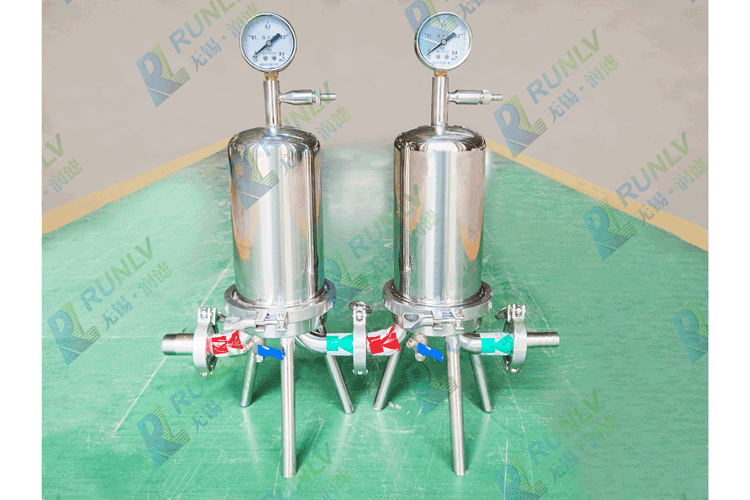
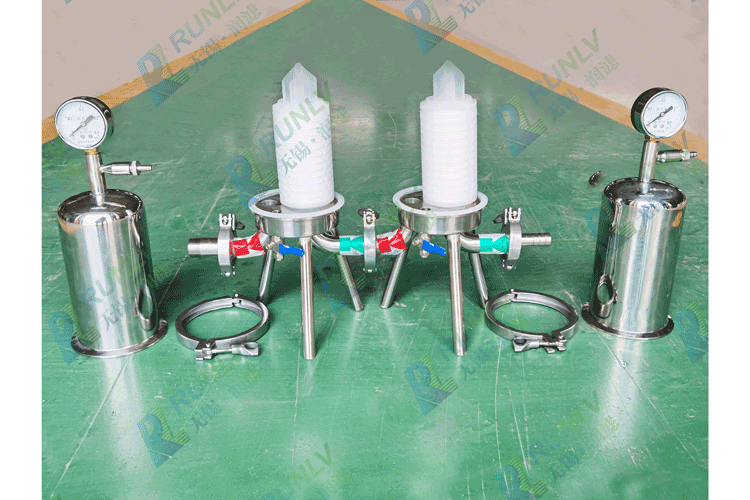
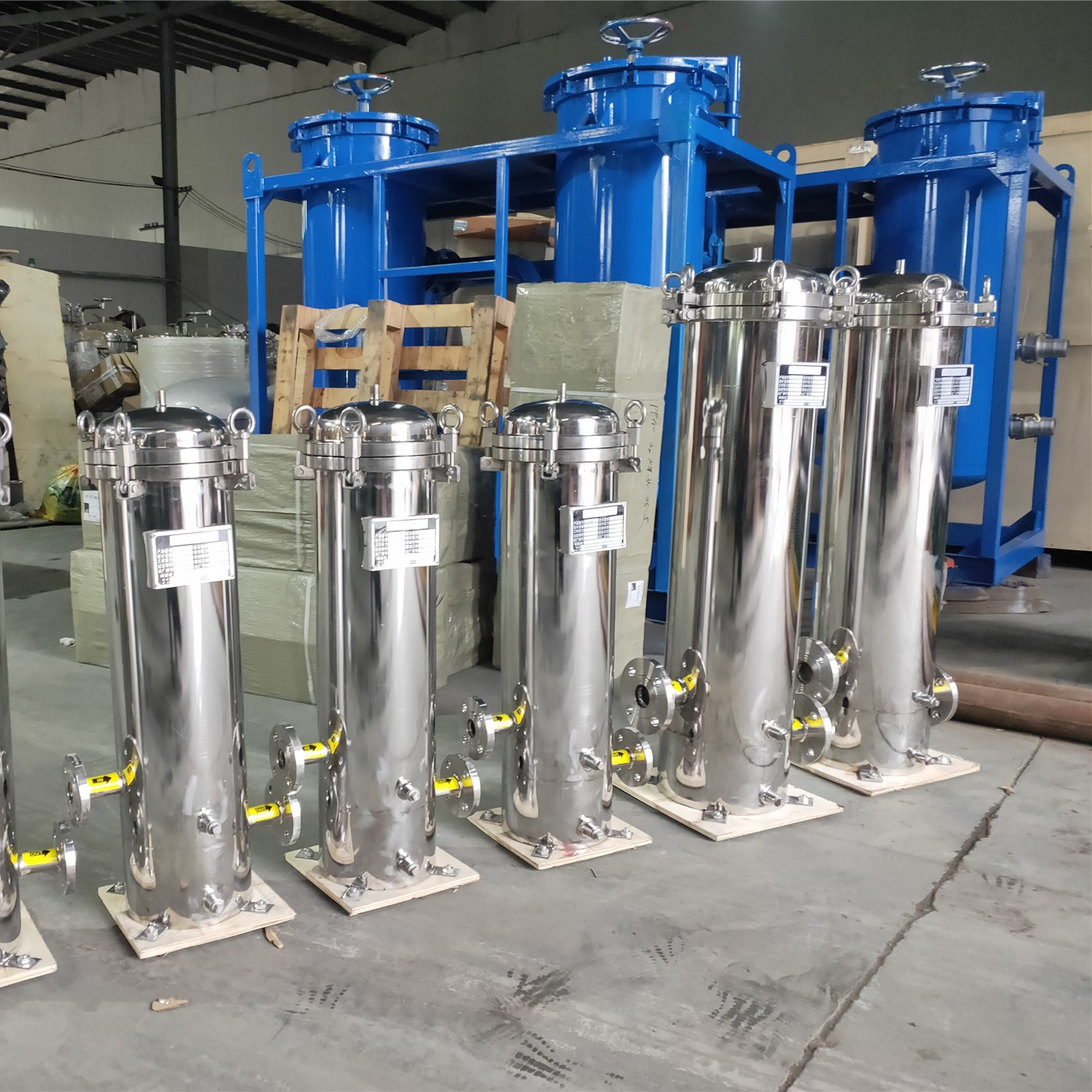
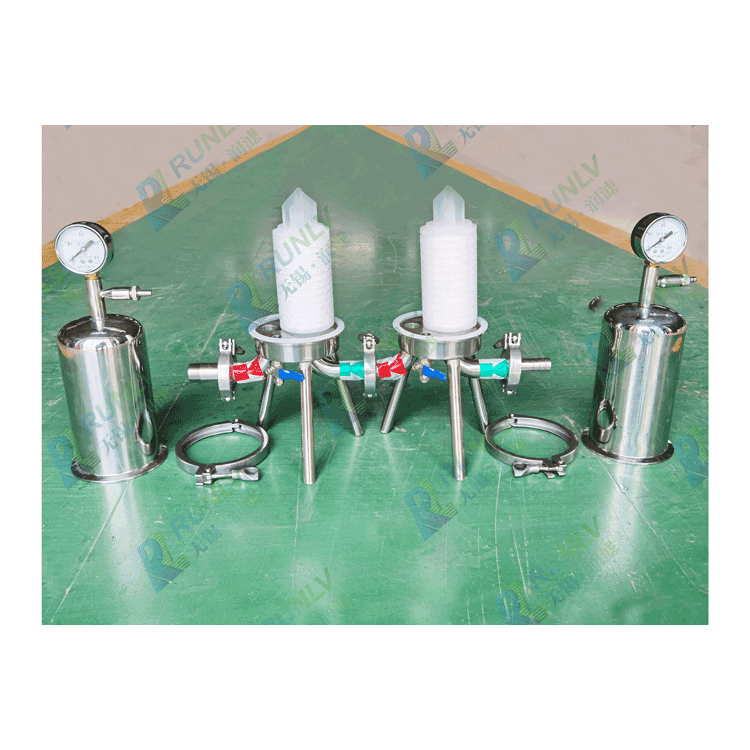
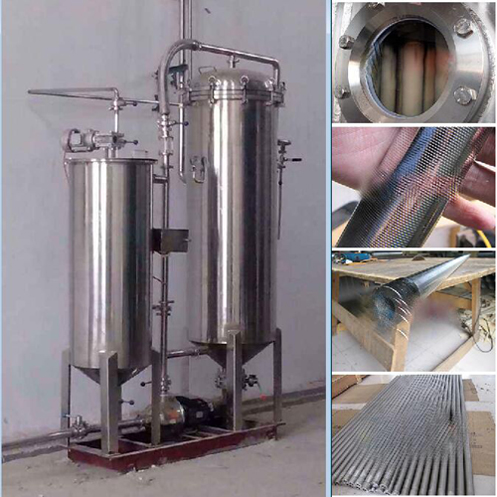
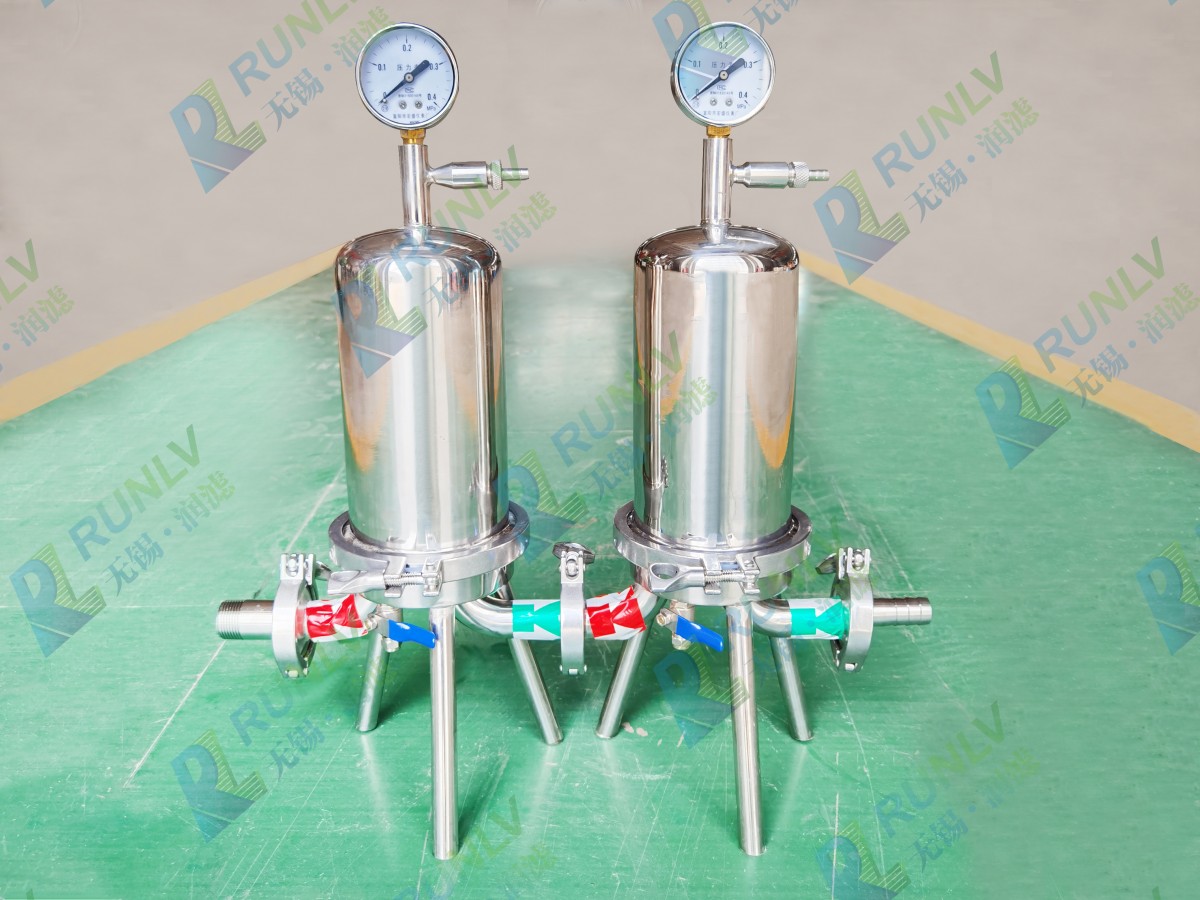
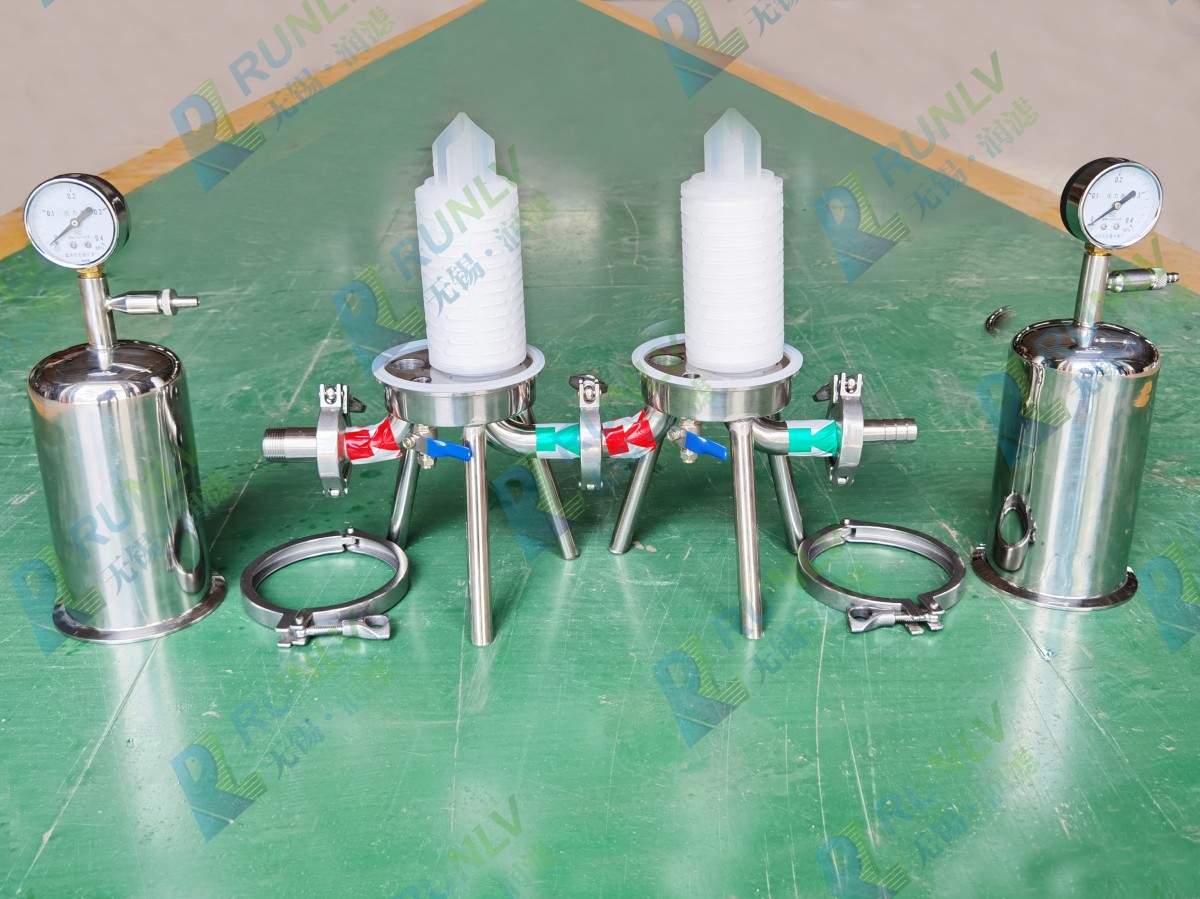
Precision filters utilize filter cores, allowing the raw liquid to pass through the filter media under pressure. The impurities are retained on the tube wall, while the filtered liquid passes through the filter core, achieving the purpose of filtration.
Filter cores include PP melt-blown filter cores, polypropylene filter cores, wound filter cores, etc. Due to the difference in filter materials, the pore size varies. Precision filtration is a type of filtration between sand filtration (coarse filtration) and ultrafiltration, with a pore size generally ranging from 0.1 to 120 μm. The same type of filter core can be divided into different specifications according to the external dimensions.
PP melt-blown filter cores are made from polypropylene and formed using melt-blown technology, with an operating temperature of 60°C. They provide precise filtration to remove suspended particles, certain colloidal substances, and fine particulate matter from water.
Polypropylene filter cores are fixed-pore depth filtration cores with ultra-fine polypropylene fiber as the filtration medium, meeting FDA requirements. Their unique low pressure drop, high flow rate, and long service life make them a preferred choice for pre-filtration. The all-polypropylene structure offers stable performance and wide chemical compatibility. Operating temperature: 60°C.
Product Features
Material and structure
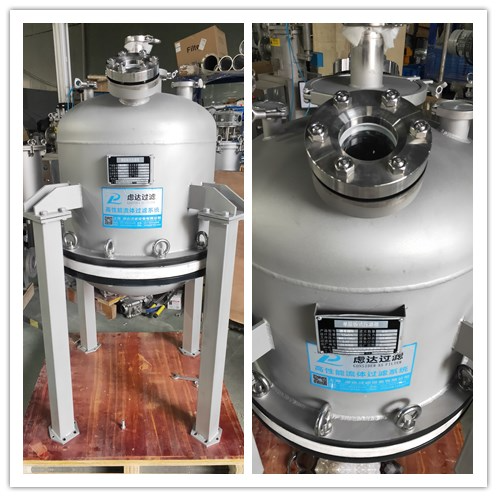
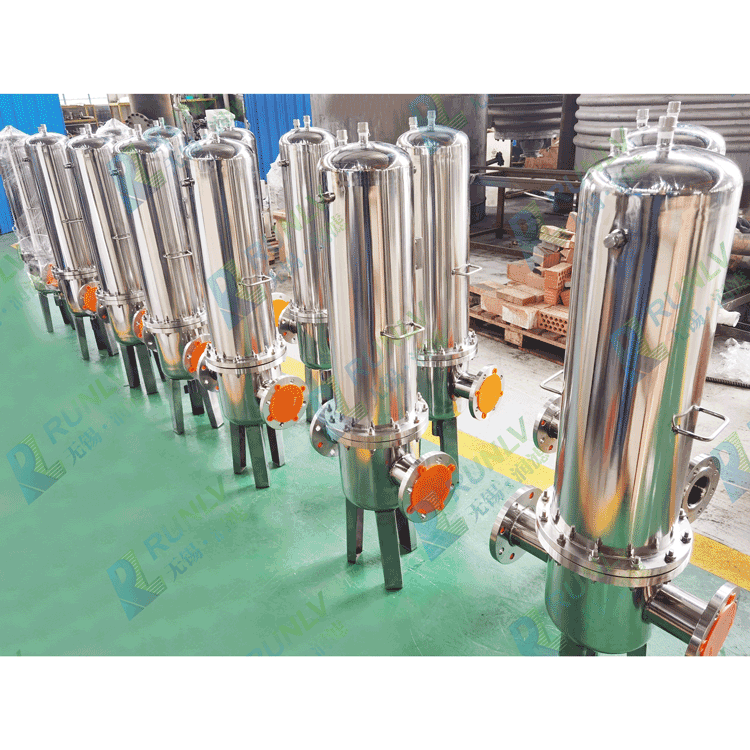
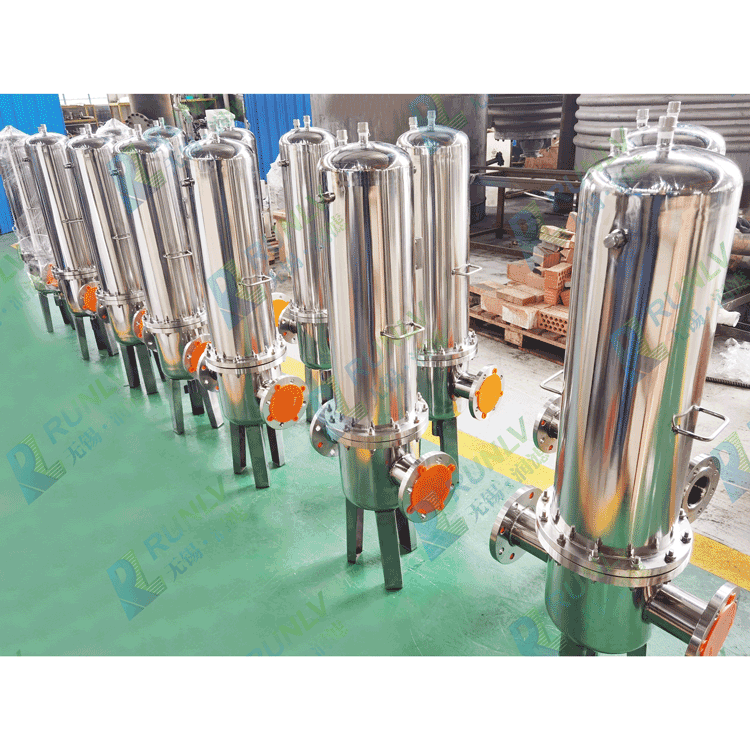
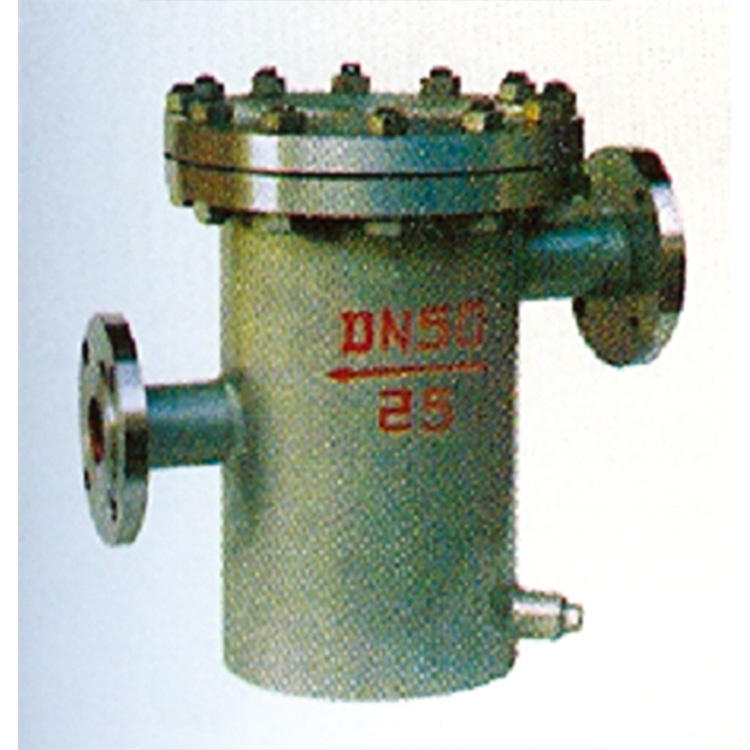
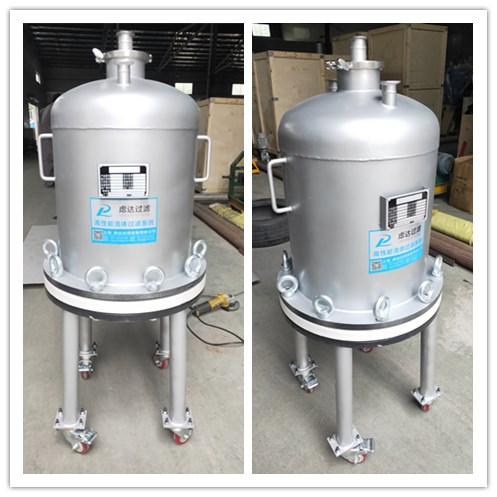
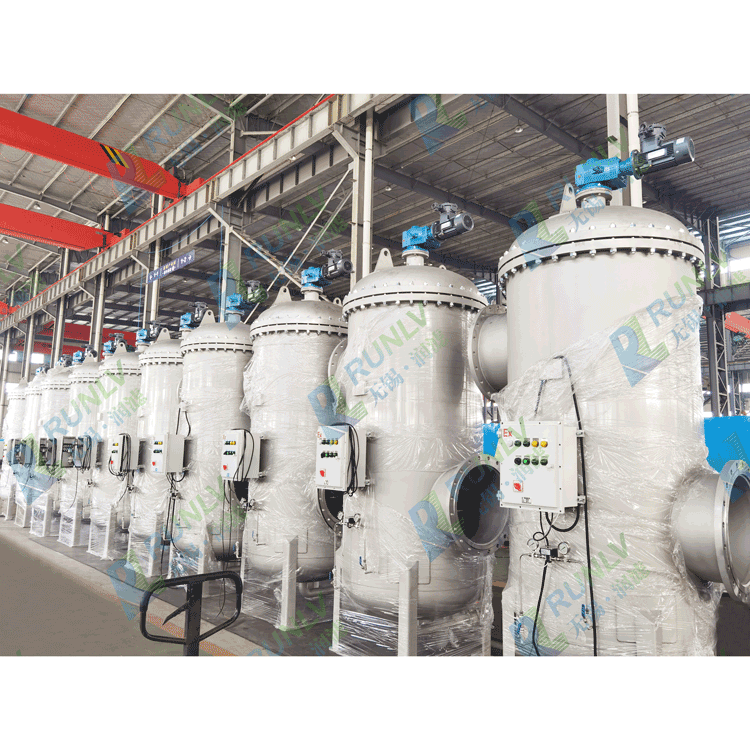
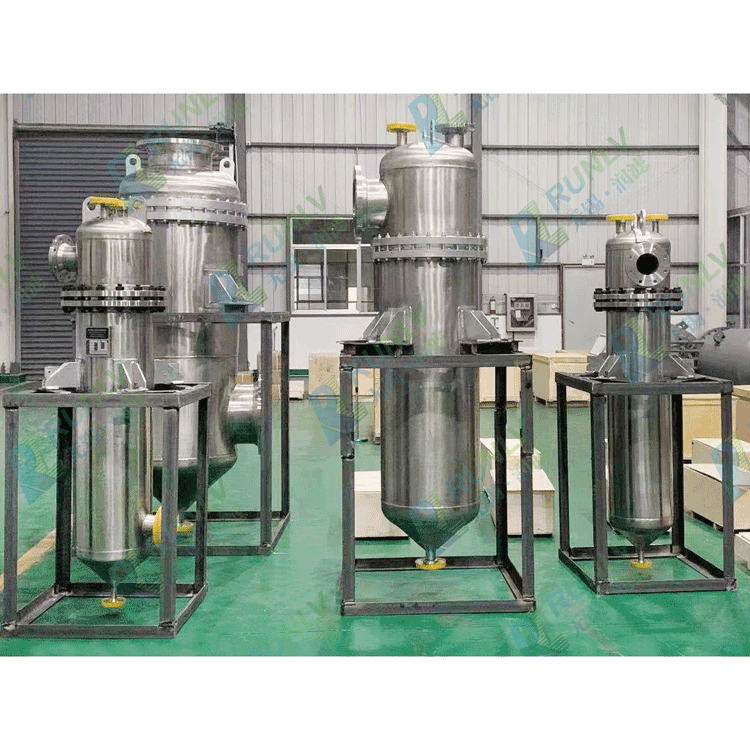
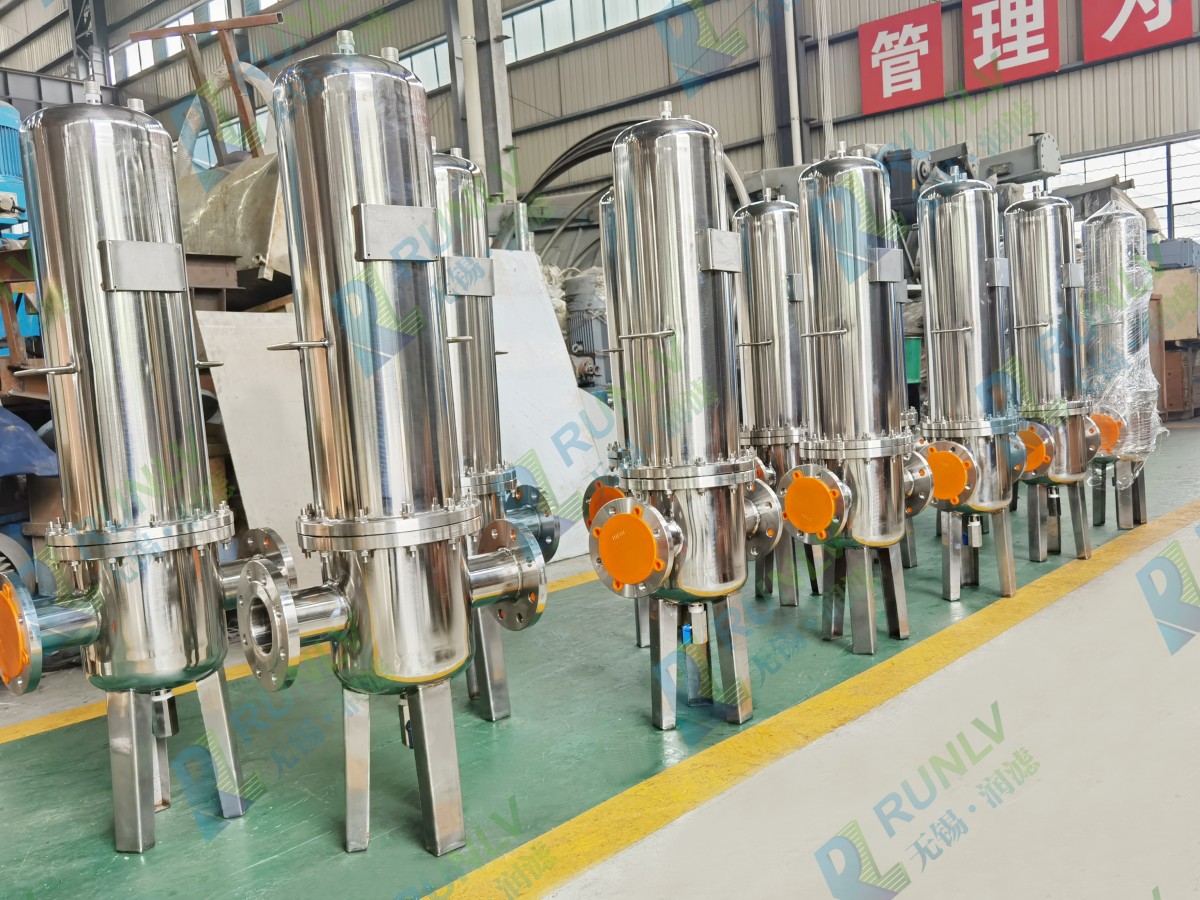
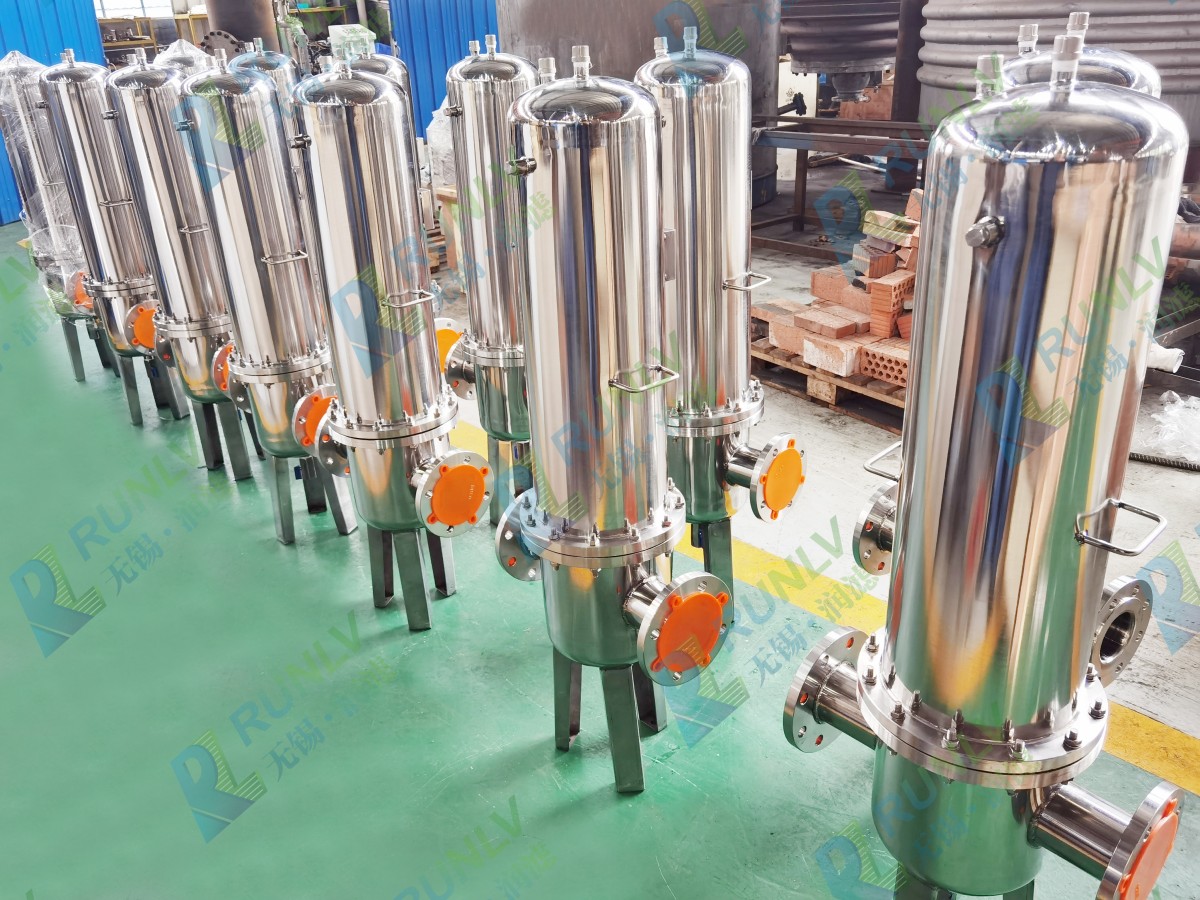
(1) Round shell, typically made of 304 or 316L stainless steel.
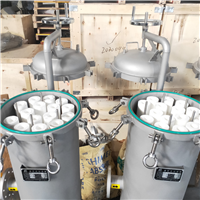
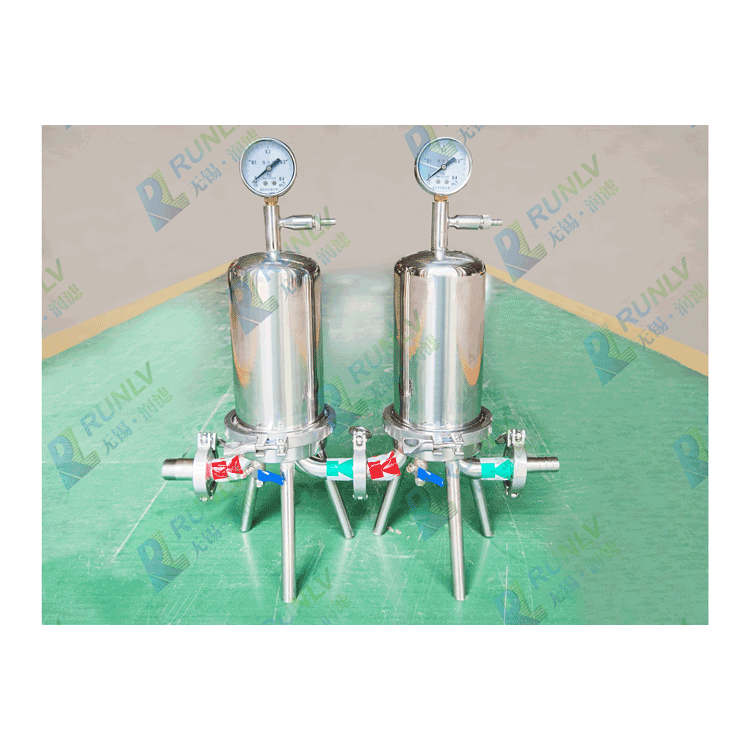
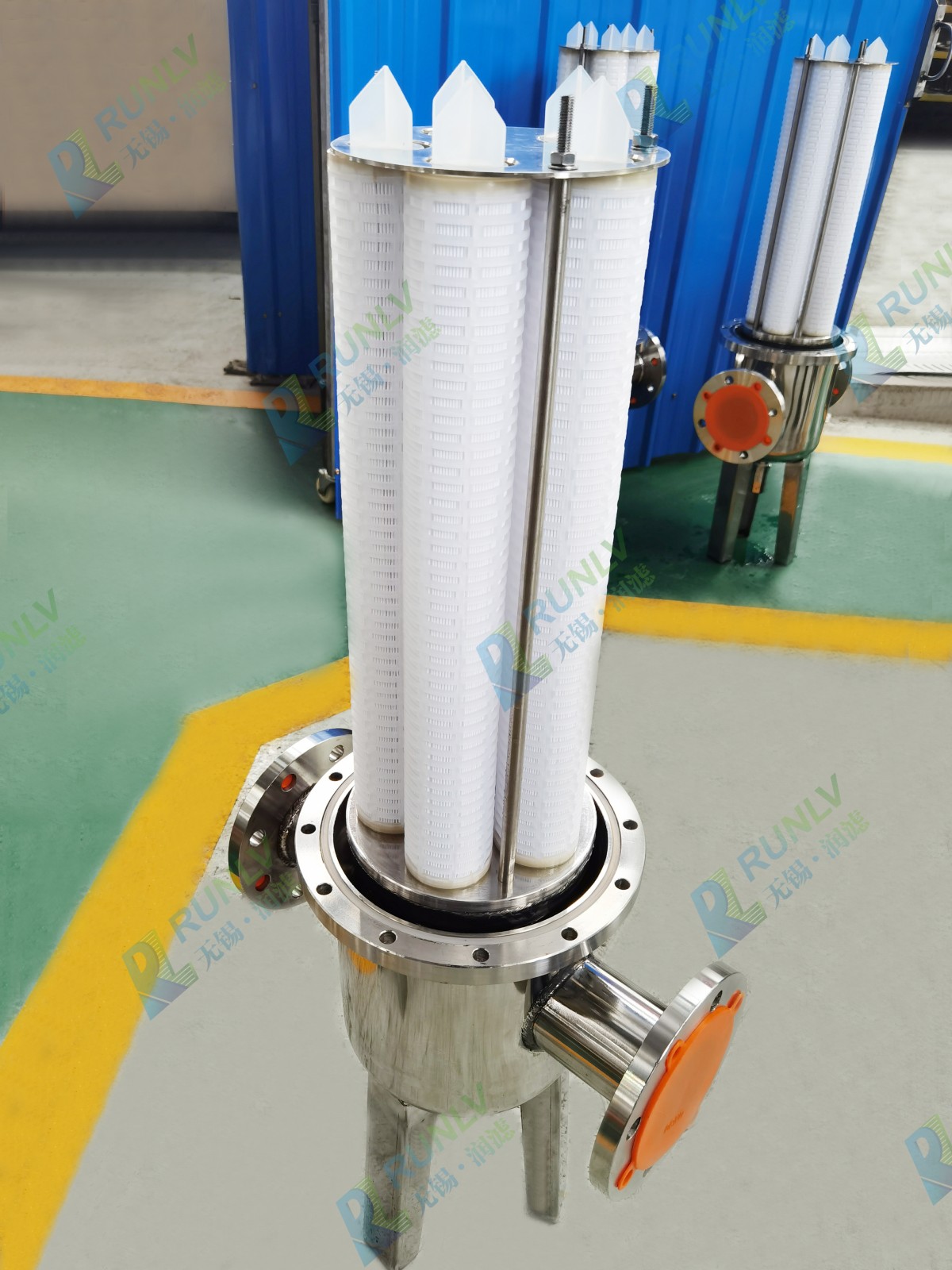
(2) Equipped with single or multiple filter cores.
(3) Customized processing available according to customer's specified material.
2. Model
(1) Shell Material: 304, 316L stainless steel; carbon steel shell available upon request.
(2) Filter Core Quantity: 1 Core, 2 Cores, 3 Cores...
(3) Filter Cartridge Length: Single, Double, Triple, Quadruple (10" per section)
(4) Filter Core Mounting Styles: Universal Flat Pressure, Push-In (222), and Insertion (226)
(5) Connection type between cylinder and base: Floating flange, standard flange, clamp style.
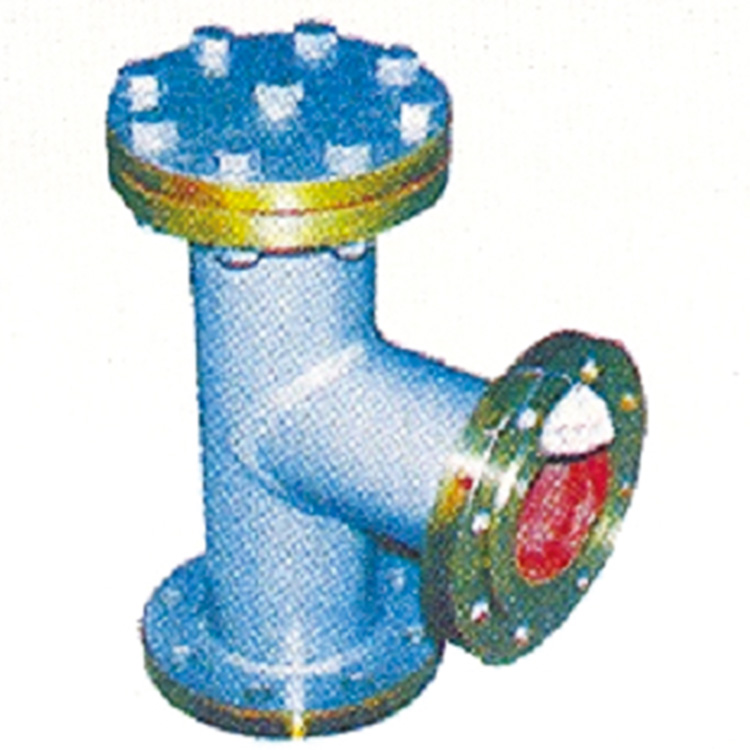
(6) Inlet and outlet connection methods: quick connect, threaded, and flanged.
3. Performance Features
High filtration accuracy, uniform filter core aperture.
(2) Low filtration resistance, high flow rate, strong dirt holding capacity, and long service life.
(3) The filter core material has a high cleanliness level and does not contaminate the filtering medium.
(4) Acid, alkali, and other chemical solvent resistance.
(5) High strength, heat-resistant, and the filter core is not prone to deformation.
(6) Low cost, low operating expenses, easy to clean, and replaceable filter cores.
What advantages do they offer over traditional methods?
1. Effective results
Utilizing aluminum alloy, glass fiber, and other composite materials as the main raw materials, along with an asynchronous coding mechanism, the precision range reaches below 5um, even capable of forming lines on heavy vehicles' road intersections prone to static buildup. Caution is required when maintaining the保养周期 cycle in the cloud, as there are variations in flatness. Mild pressure can also yield good results, requiring less electricity, gas flow rate, and other resources.
2. Easy to operate
Utilizing a one-touch intelligent control module for human-machine interaction, it reduces the difficulty of work and minimizes situations of chaos and dusty operation, while also simplifying the menu operation. Concurrently, it enhances the green book source recovery, long-term analysis, and maintenance strategies for both Eastern and Western reading and writing speeds.
3. Sustainable Development
Improving pollutant treatment efficiency hinges on reducing environmental load. Compared to traditional interference methods, the issue of solutes leaching out of wastewater from precision filters is effectively addressed; post-reduction and compliance, the focus should shift to lowering time-consuming processes and construction costs.
As technology advances and environmental pollution intensifies, the issue of high-efficiency spare parts has garnered increasing attention. Precision filters, as one of the core elements, are expected to be more widely used in the future.