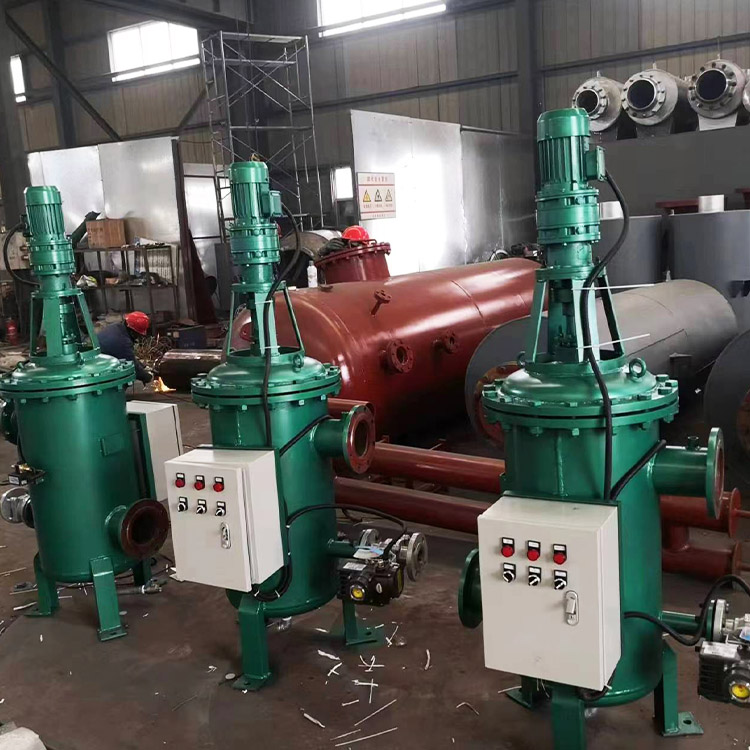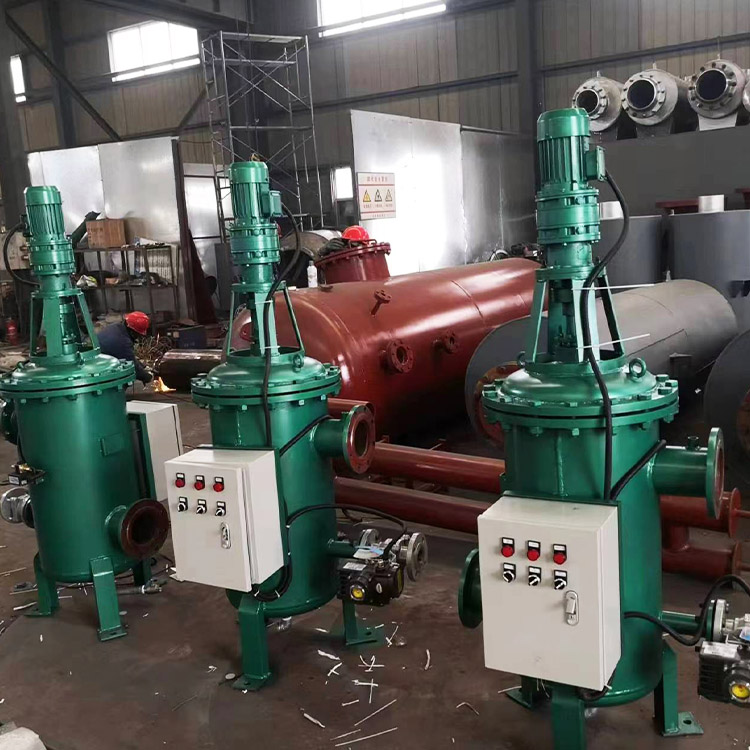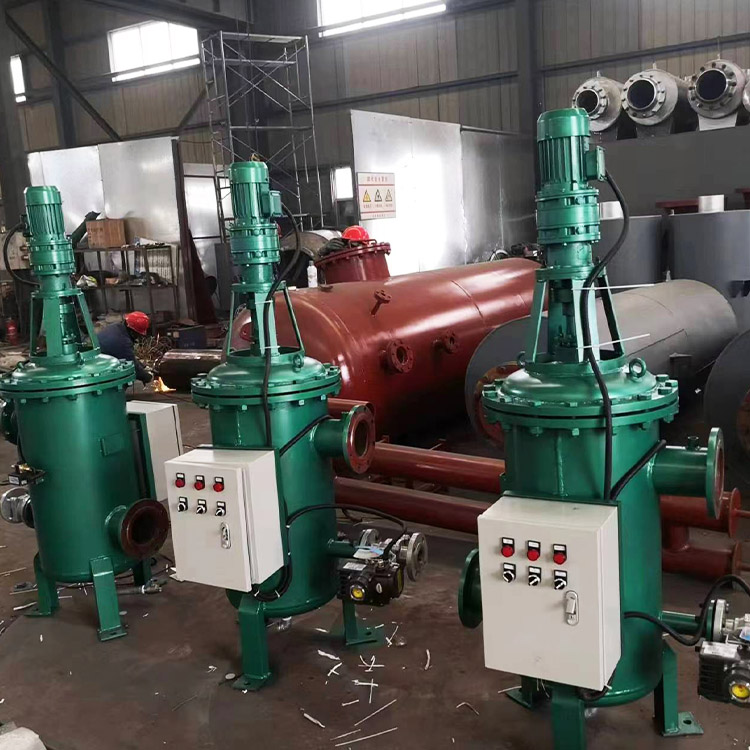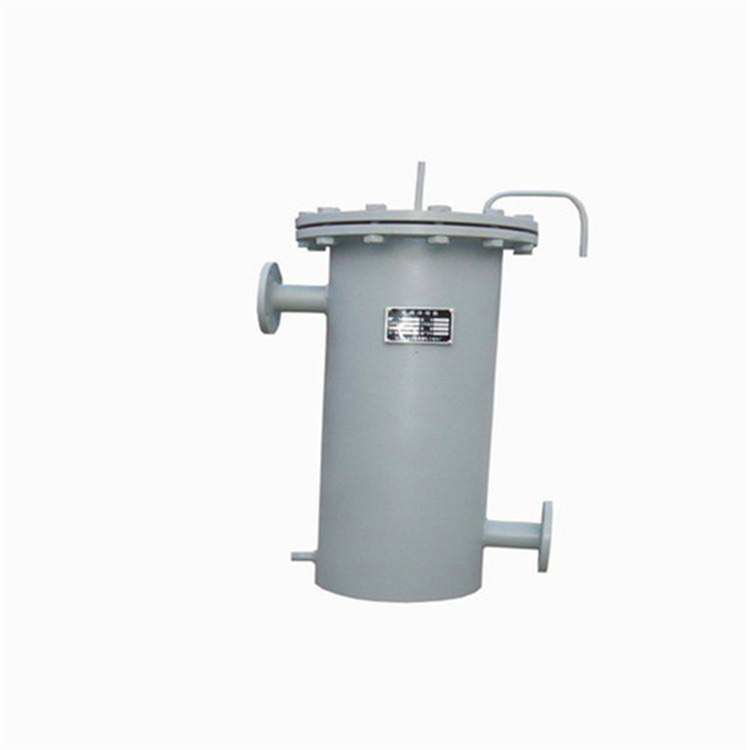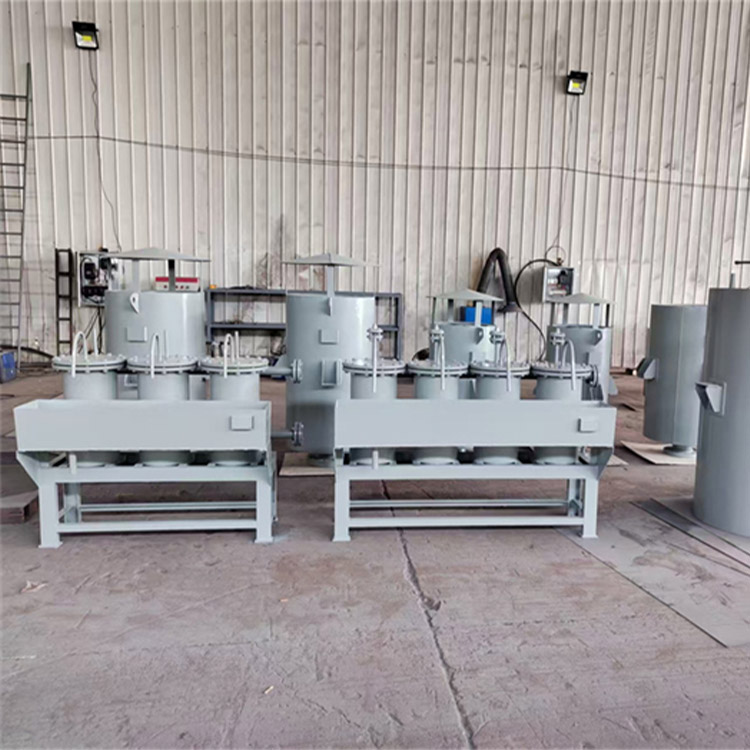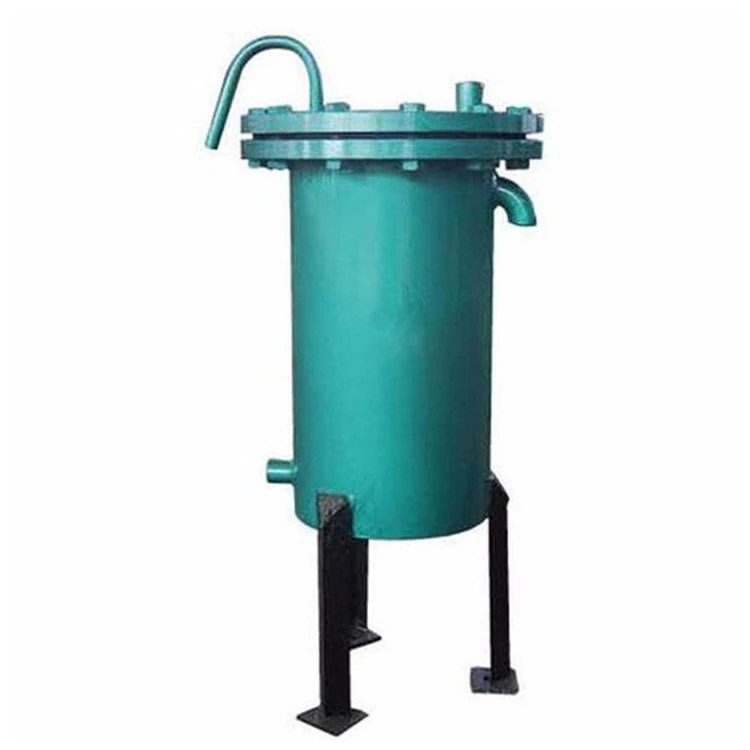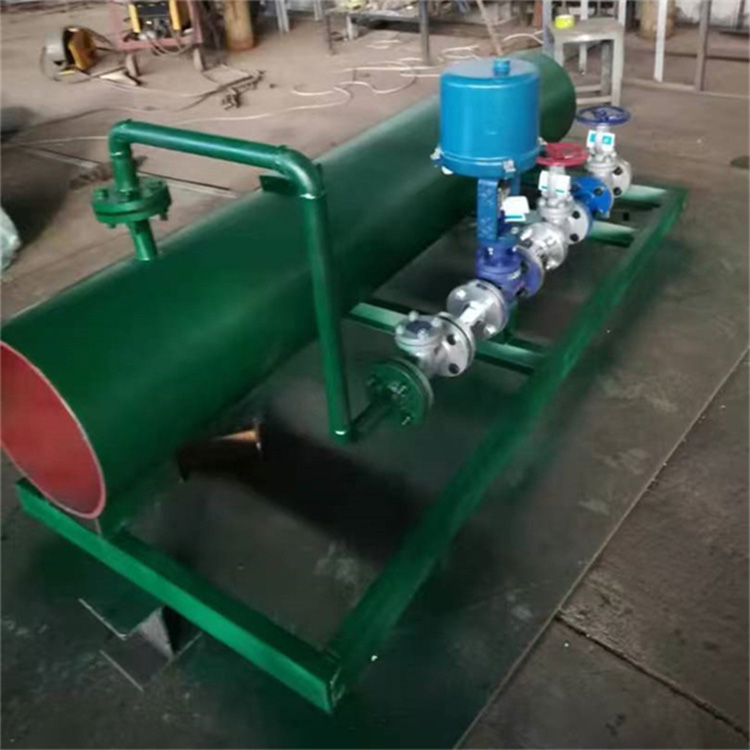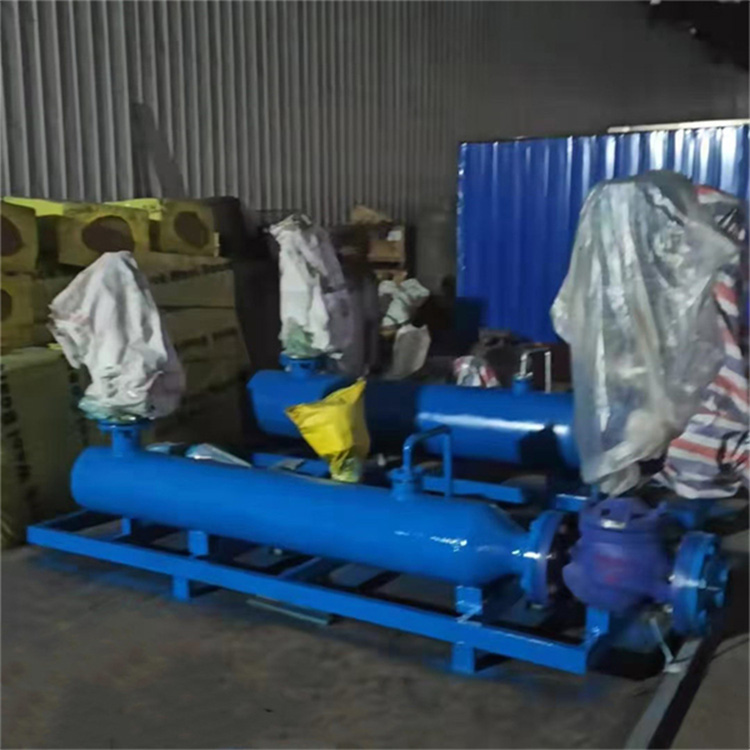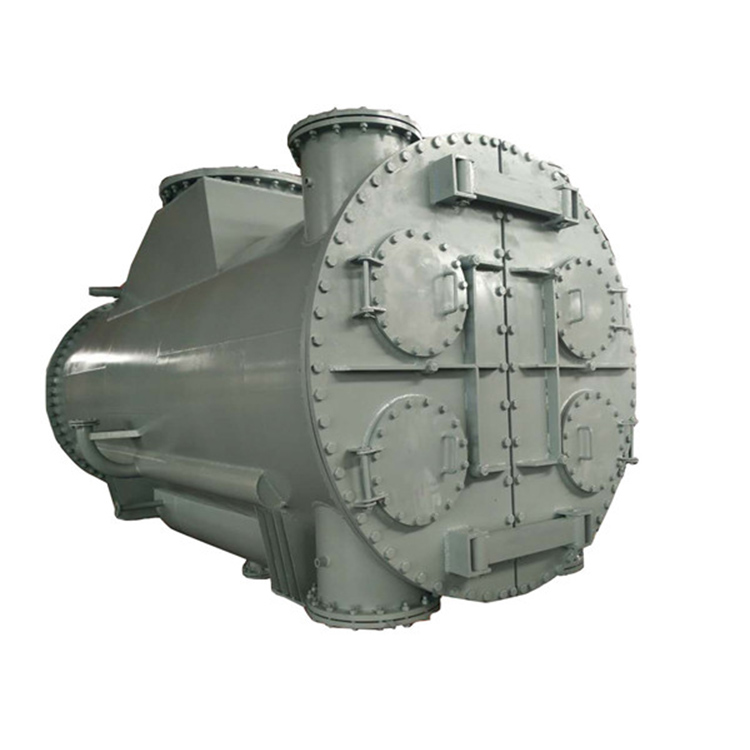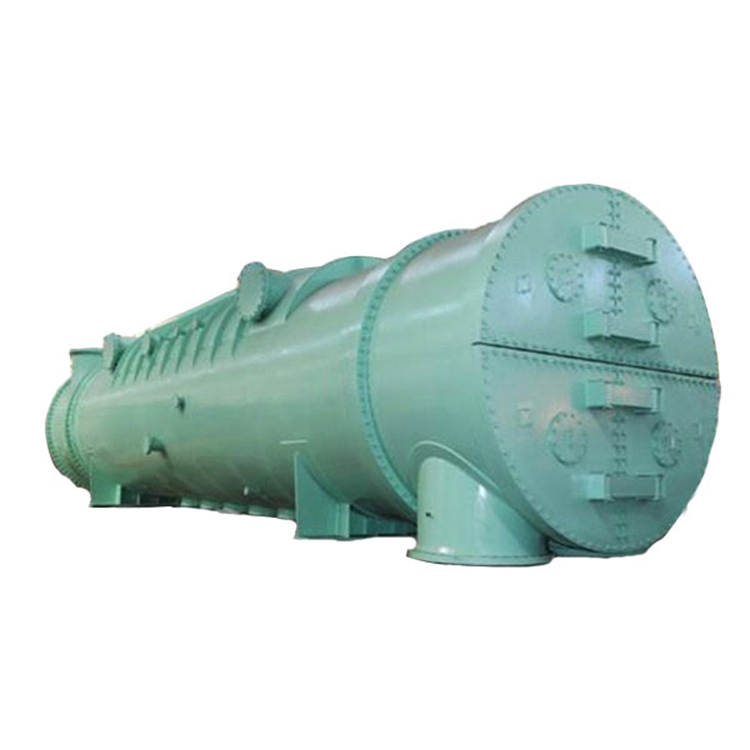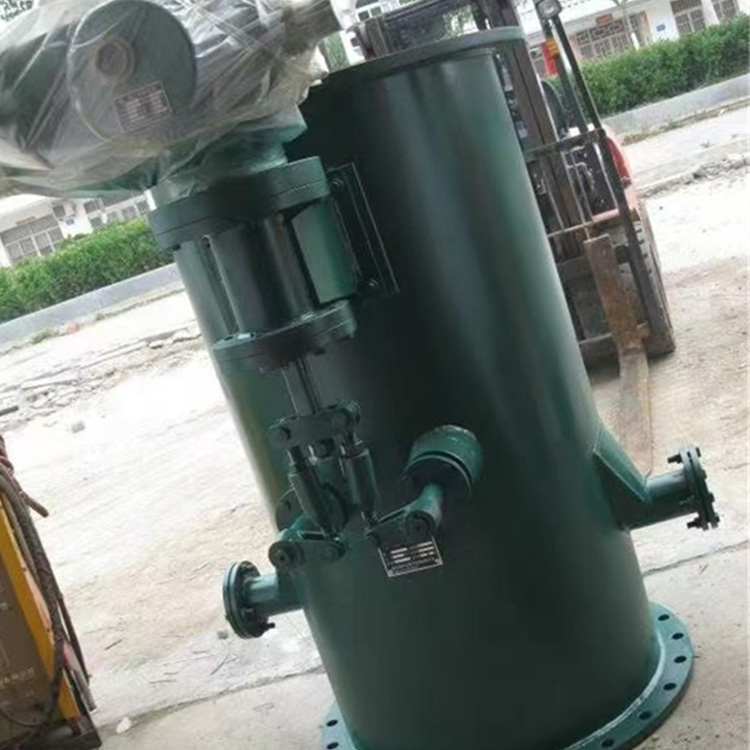

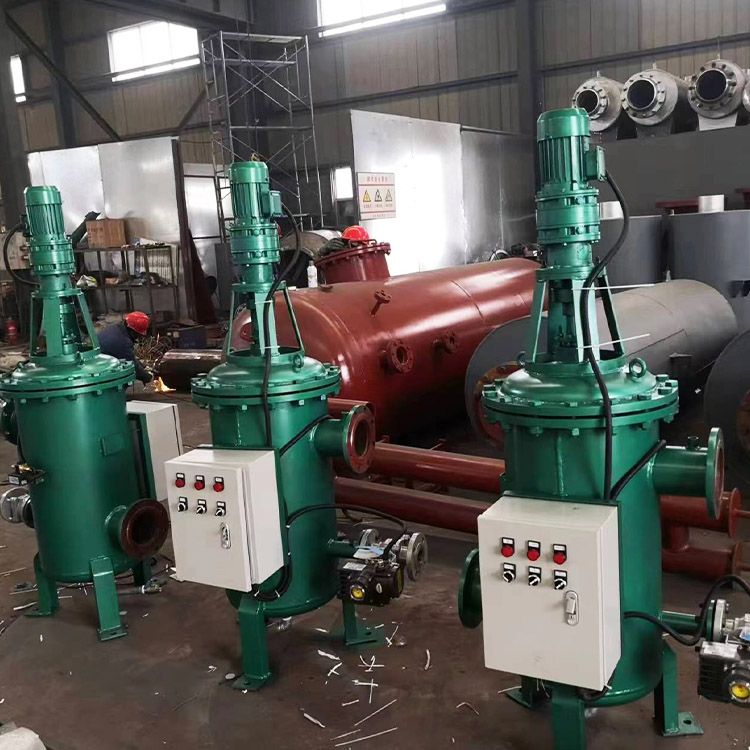

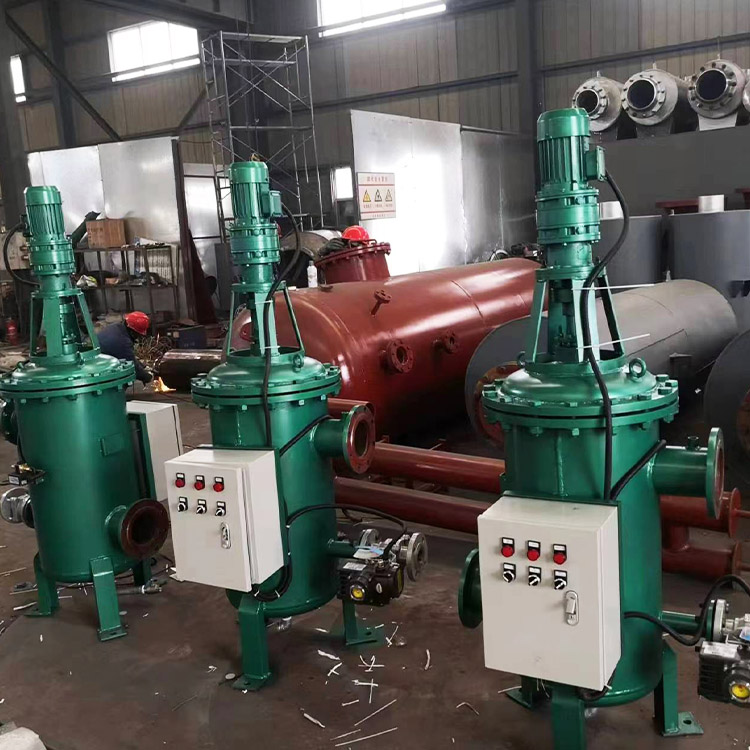
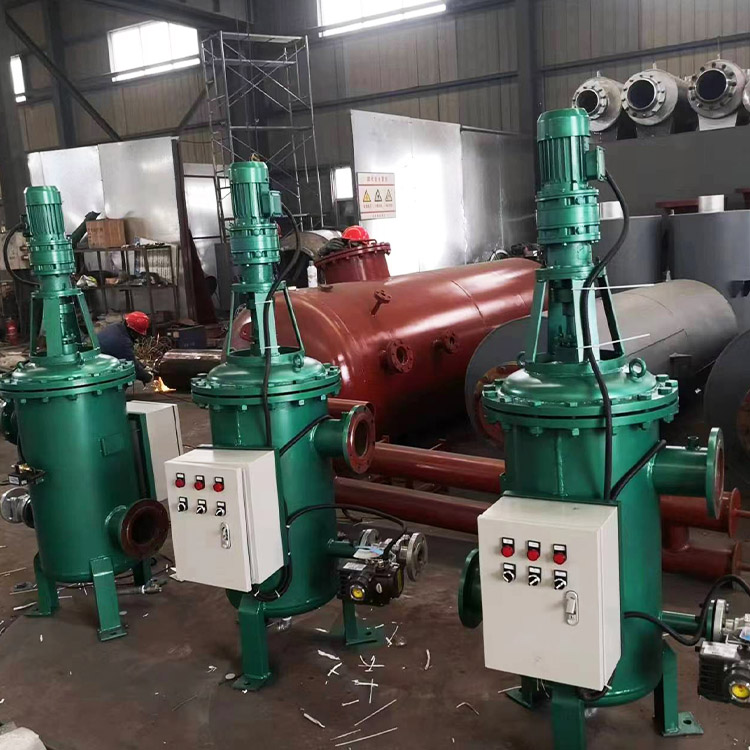
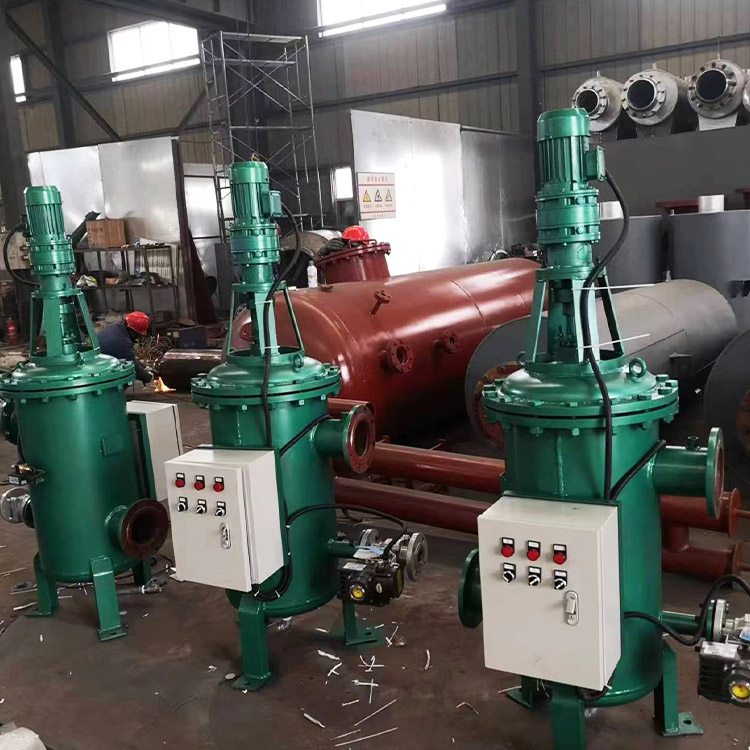


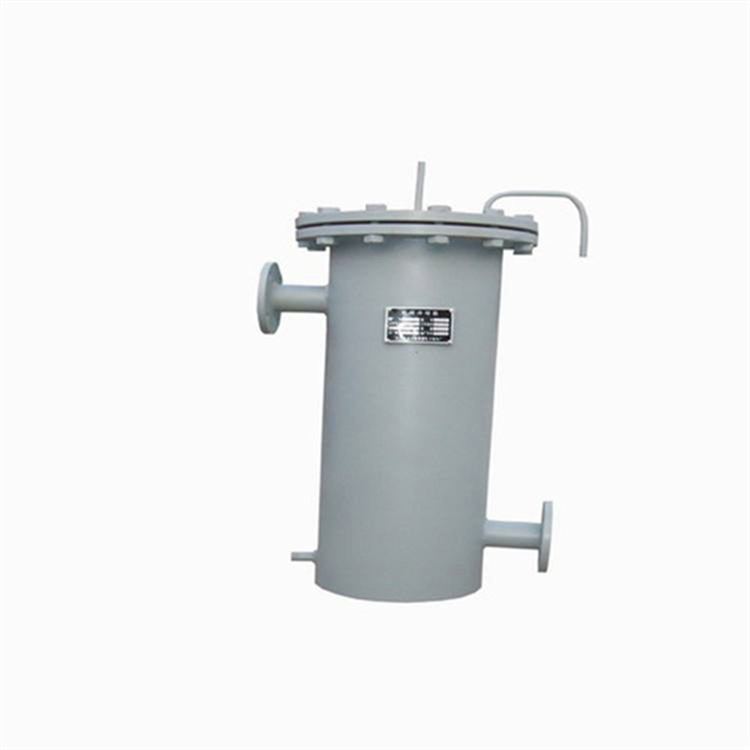
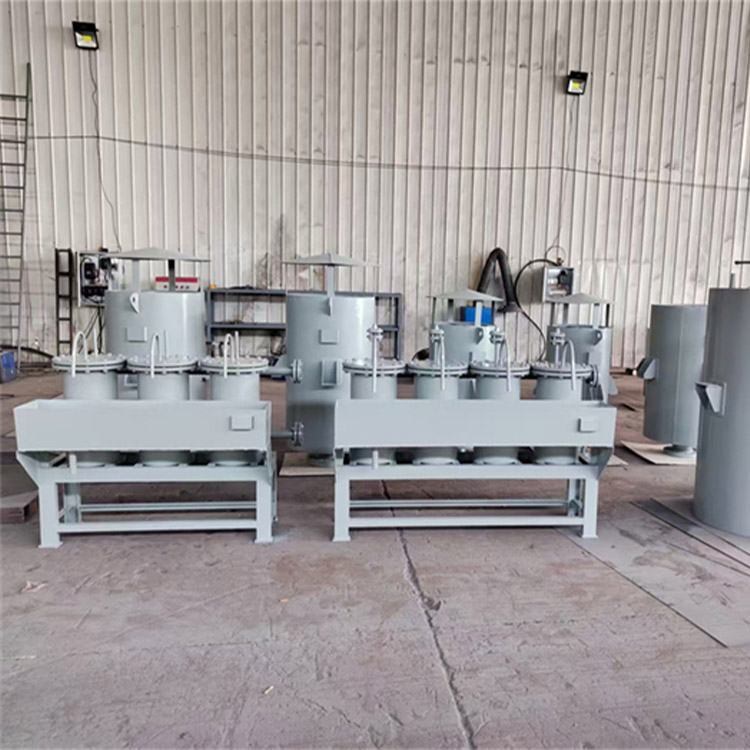
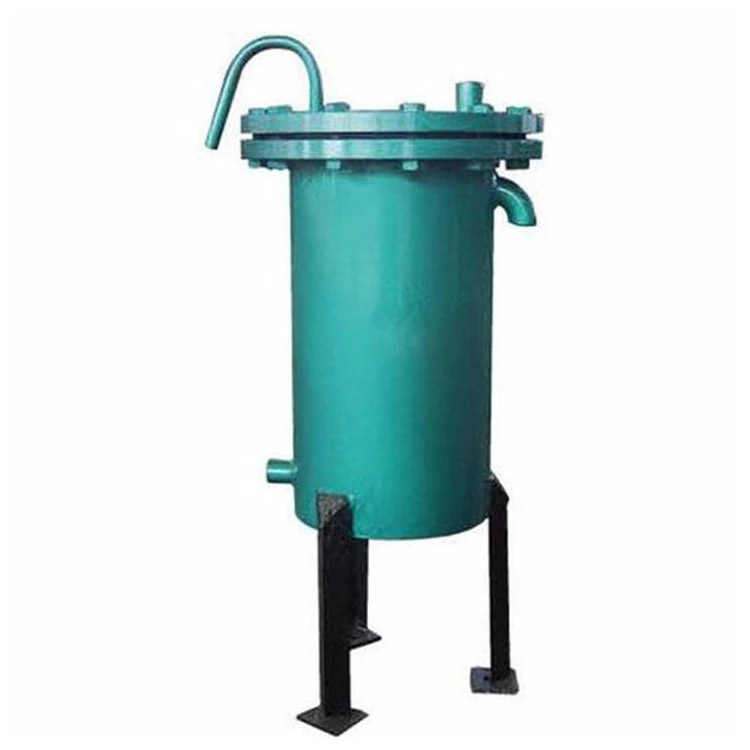
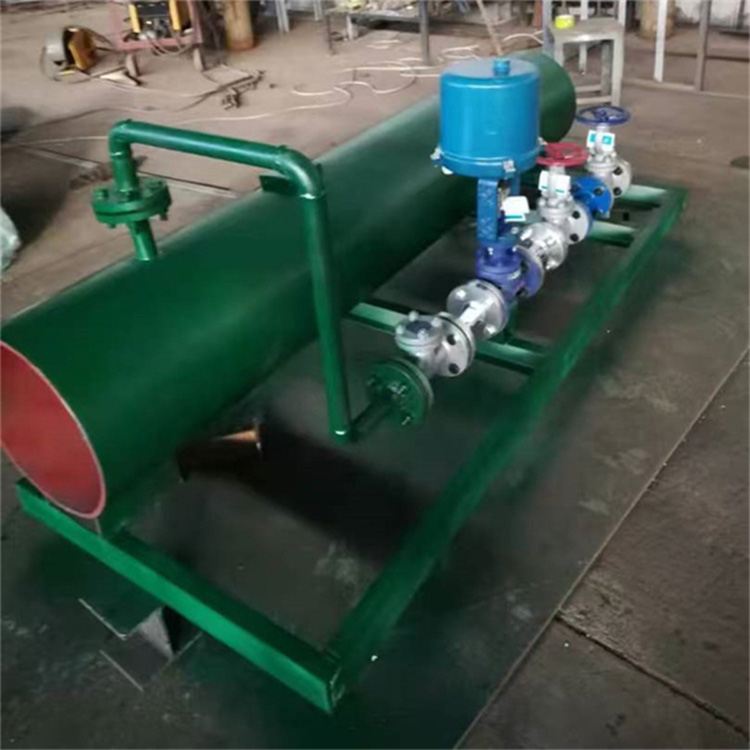
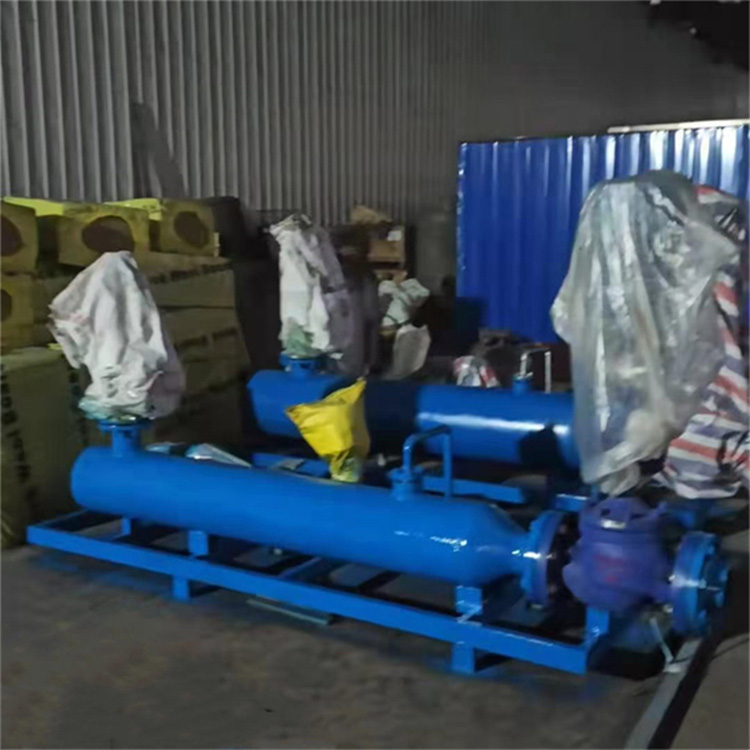





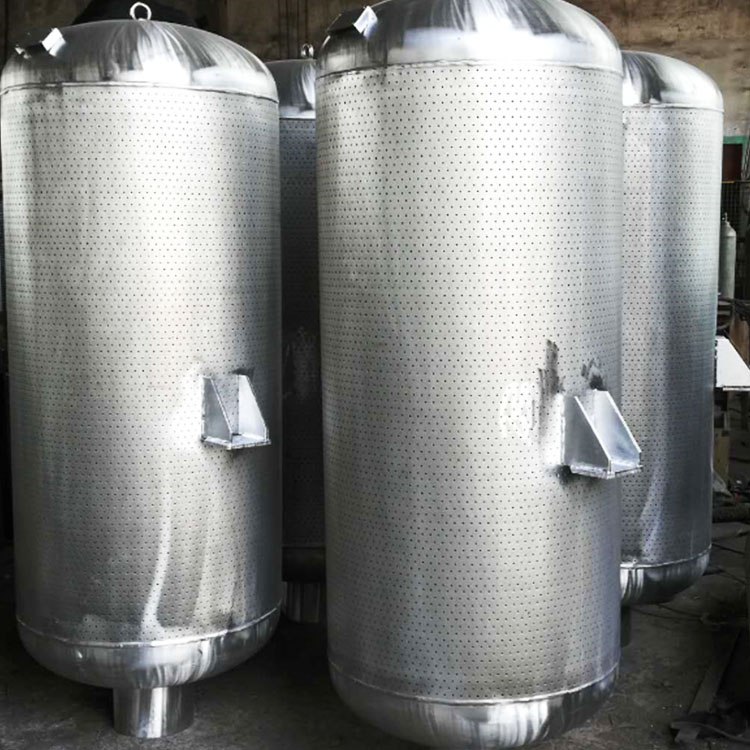
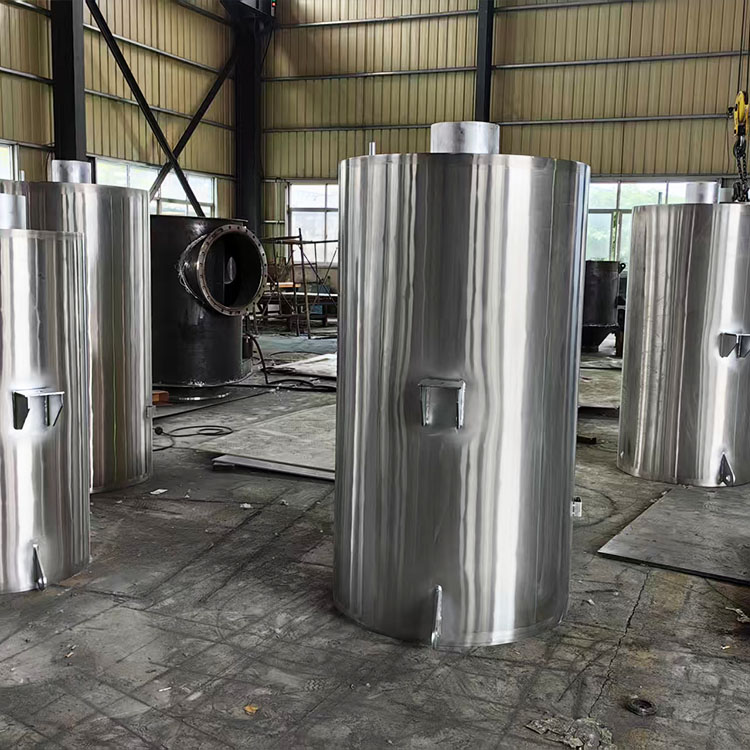
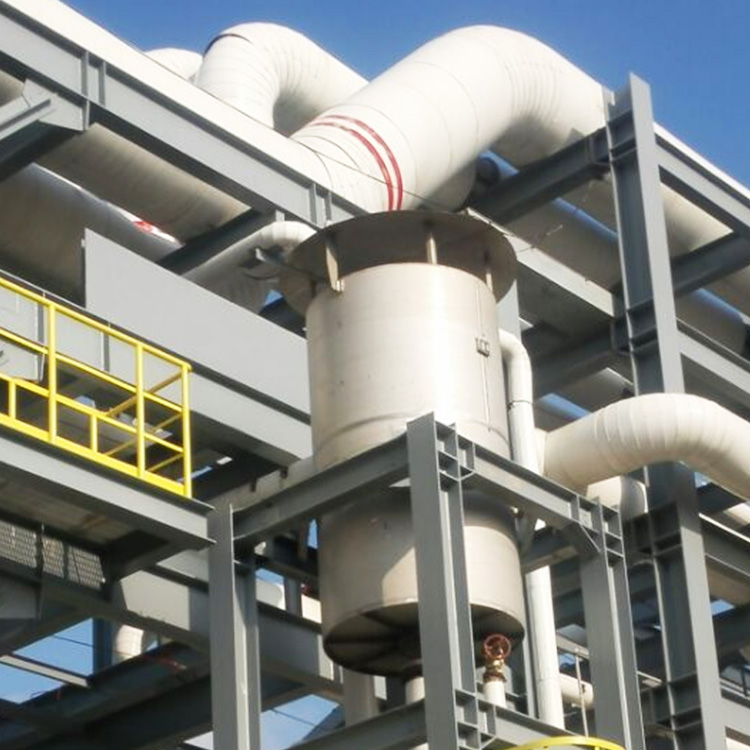
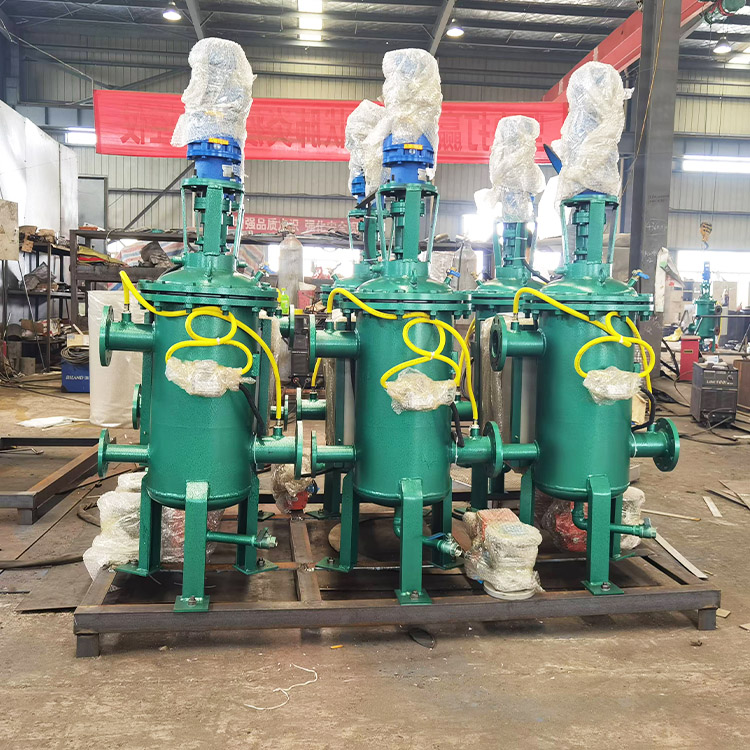
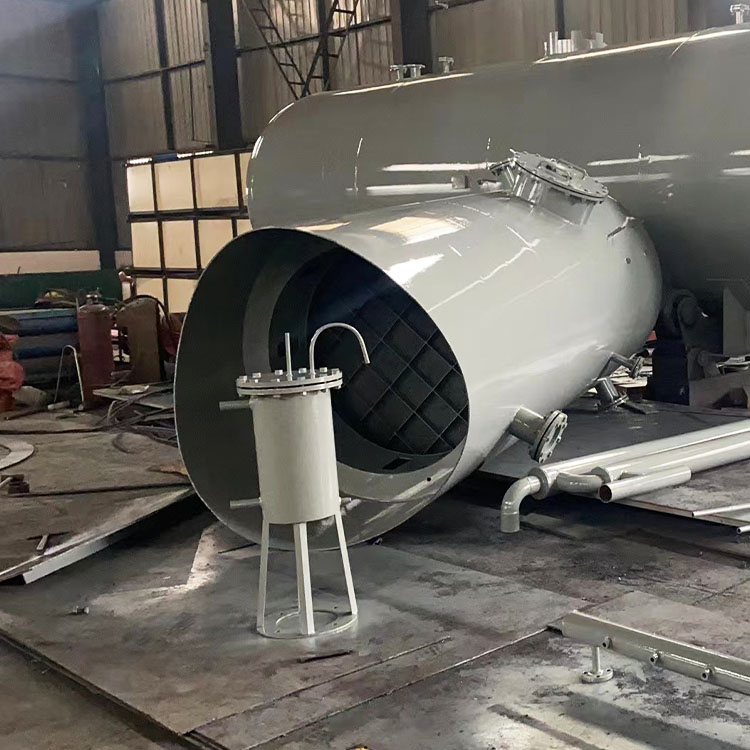
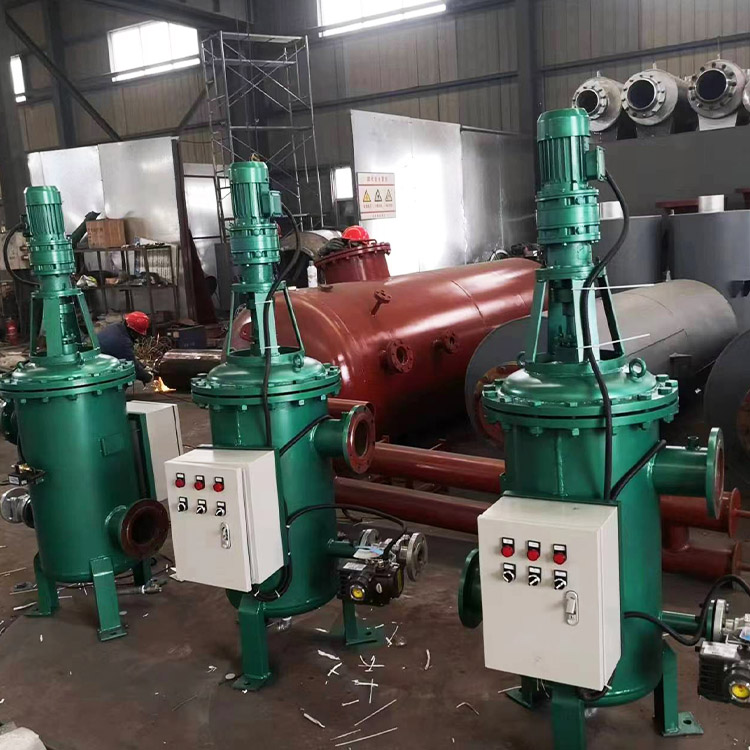
A recirculating water filter is a device used to filter impurities from recirculating water, ensuring water quality and enhancing the efficiency of the recirculating water system. It is widely used in industrial and civil applications. Below is a detailed introduction to it:
Operating Principle
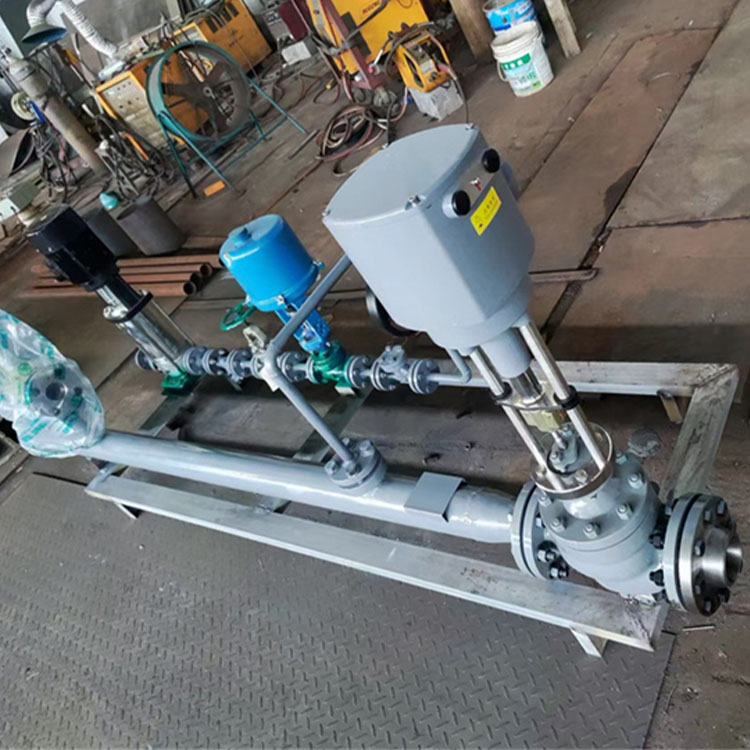
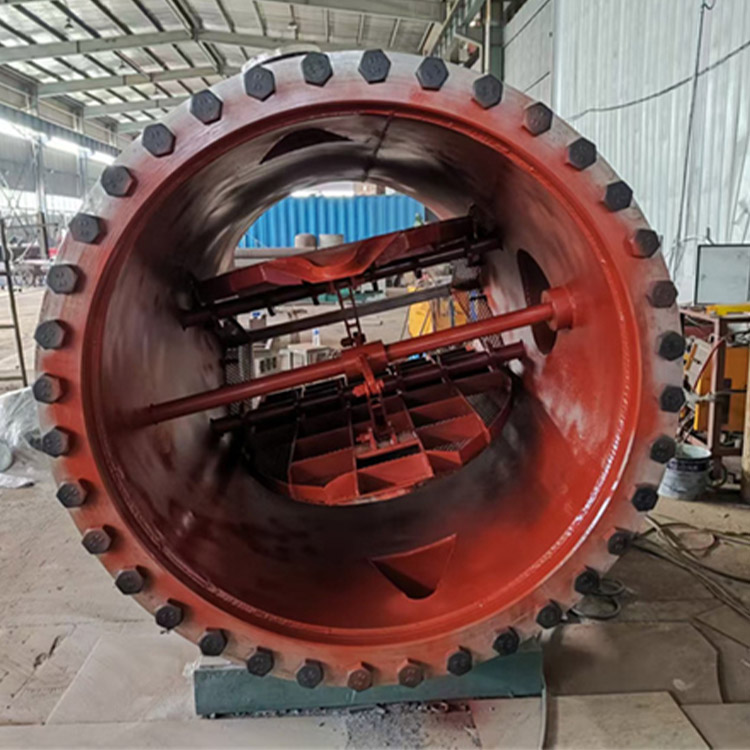
Pressure Differential Cleaning: Water enters the filter through the inlet, first passing through a coarse filter to remove larger particles, then through a fine filter to eliminate finer particles. Impurities accumulate on the inside of the fine filter, creating a pressure difference between the inside and outside of the filter. When the pressure difference reaches the preset value, automatic cleaning begins. The cleaning valve opens, causing the water pressure in the cleaning chamber and the suction unit to drop. Due to the pressure difference, suction is generated between the suction pipe and the cleaning chamber. The suction pipe, driven by the motor, rotates axially in a helical motion, cleaning the inner surface of the filter. The drain valve closes at the end of the cleaning process.
Time-controlled cleaning: After equipment installation, set the filter time and cleaning transition time. Upon reaching the preset cleaning time, the electrical controller sends signals to the hydraulic control valve and drive motor. The motor then rotates the brush to clean the filter core, while the control valve opens to drain waste. After cleaning, the system returns to its initial state and proceeds to the next filtration process.
Types and Features
Shallow Bed Sand Filter: Composed of multiple standard high-speed sand cylinder units, featuring unique distributors and collectors inside. It boasts a compact structure, excellent corrosion resistance, and full automatic program control. During backwashing, it performs in an alternating sequence, ensuring the filter system continues to supply water normally.
Self-cleaning filters: Available in suction and brush types, etc. They feature a simple design structure, short backflushing time, minimal flow pressure loss, and the filter mesh is lifetime-lasting, requiring no replacement. They can be connected to a central control system and are suitable for various raw water qualities and water usage requirements.
Multi-media Filter: Typically uses quartz sand, activated carbon, and other filter media to remove large particles and some organic matter. Cost-effective, easy to maintain, and suitable for pretreatment of open systems such as industrial cooling circulating water.
Multi-media Filter
Technical Specifications
Filter Precision: The filtration accuracy of different types of recirculating water filters varies. Shallow sand filters typically have a filtration accuracy of 20-100μm, multi-media filters usually remove particles of 10-100μm, and self-cleaning filters can intercept particles from 5-100μm.
Working Pressure: Common working pressure ranges from 0.1 to 0.6 MPa, suitable for most standard pipeline systems. Special-designed equipment can handle higher working pressure limits.
Operating Temperature: Standard operating temperature is 5-40°C; with special materials, it can accommodate a wider temperature range.
Application Fields
Industrial Field: Used for pre-filtration of industrial water, such as oxygen lance water in steel mills, boiler water, and heat exchanger supply. Also suitable for industrial circulating water systems, like circulating cooling water filtration in steel mills, chemical plants, power plants, etc., which can extend the service life of equipment and improve cooling efficiency.
Civilian Sector: Suitable for raw water treatment for differentiated water supply in urban residential areas, also applicable to the aquaculture, swimming, and water park industries. Additionally, it can be used for filtering landscape recycled water to remove suspended solids, algae, and other impurities, maintaining water clarity.
Agricultural field: Suitable for agricultural irrigation scenarios such as farmland water conservancy, park, and golf course lawn irrigation, capable of filtering out impurities like silt and organic matter from the water.