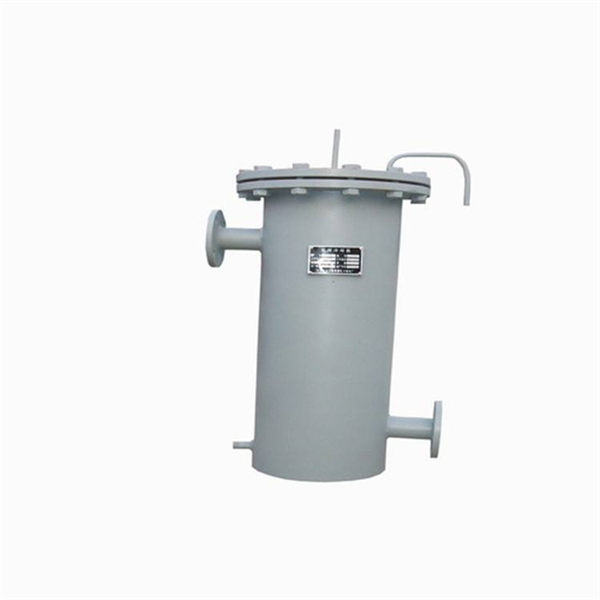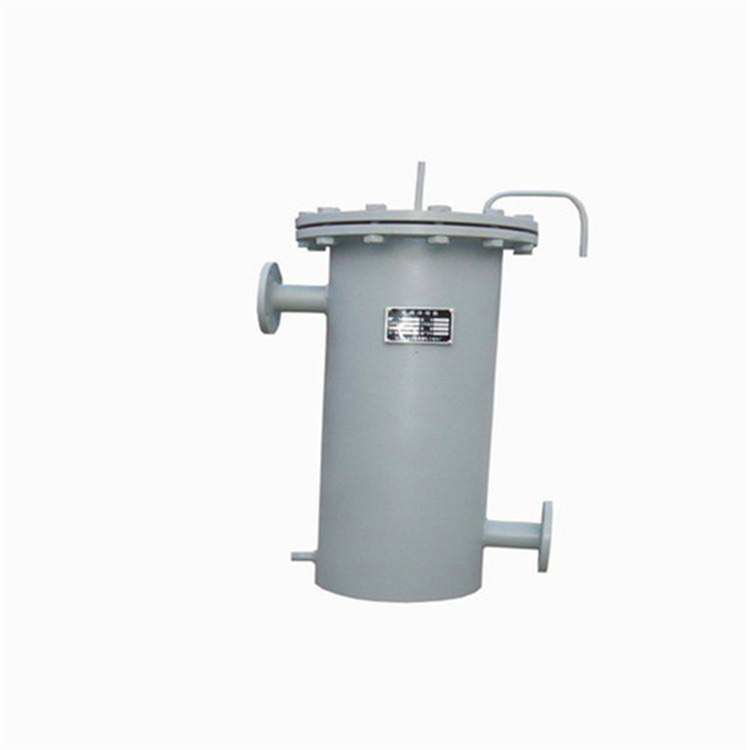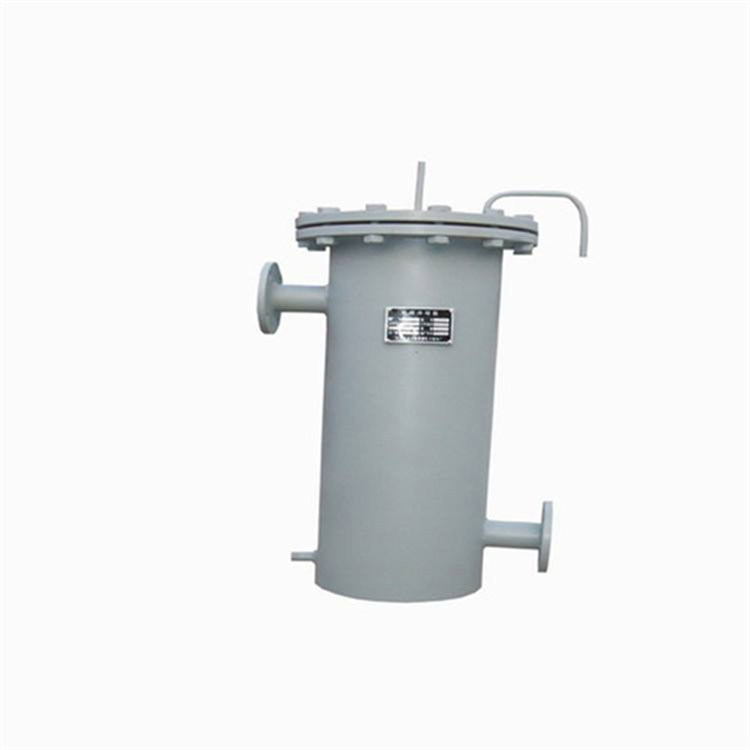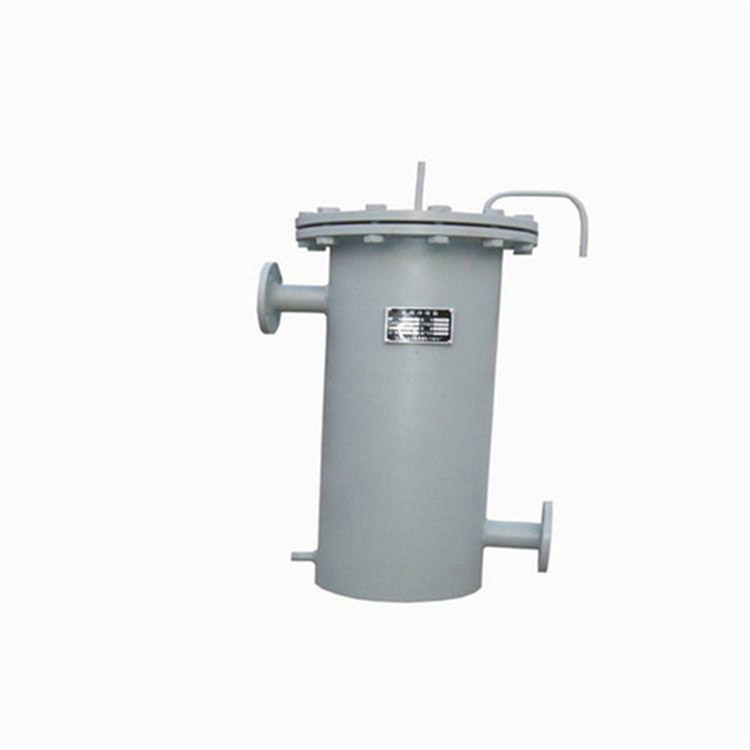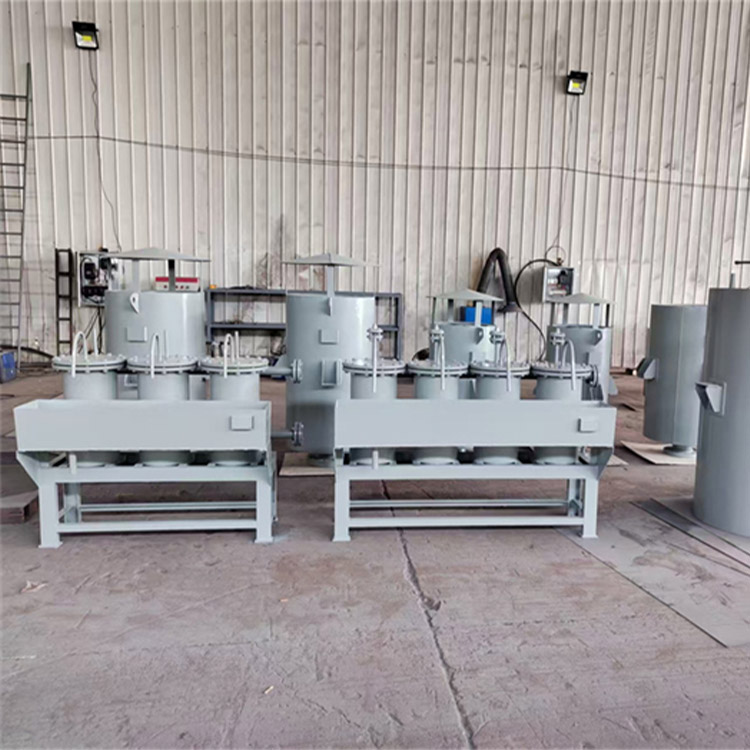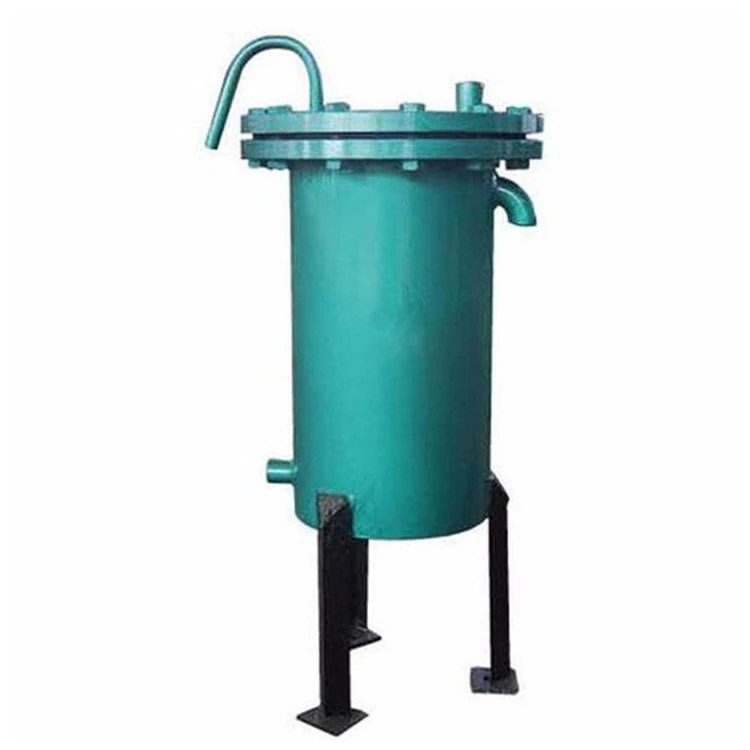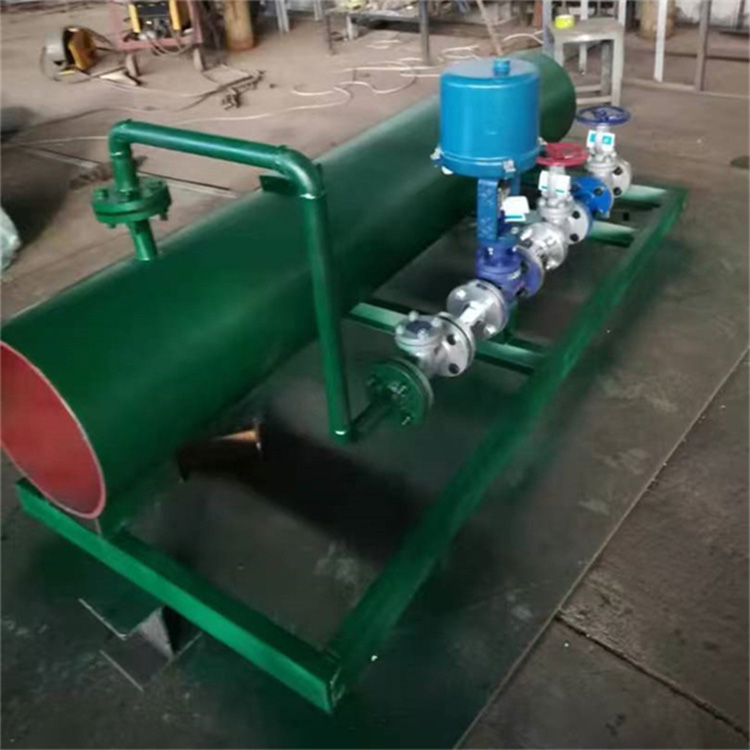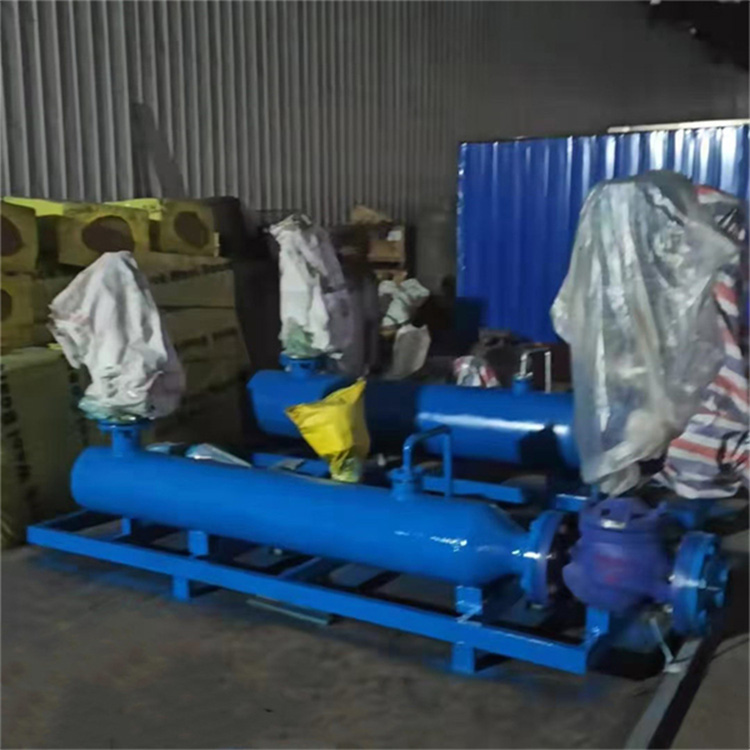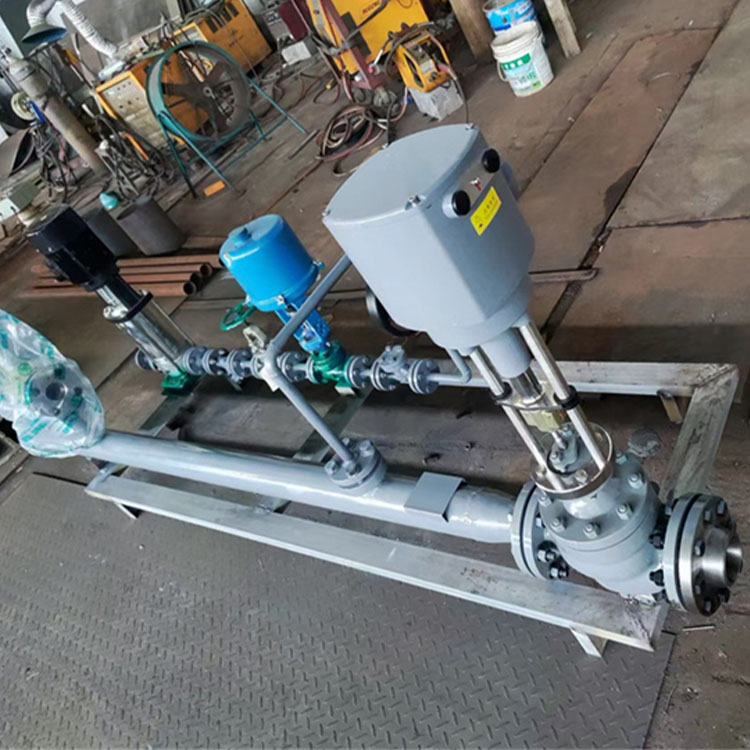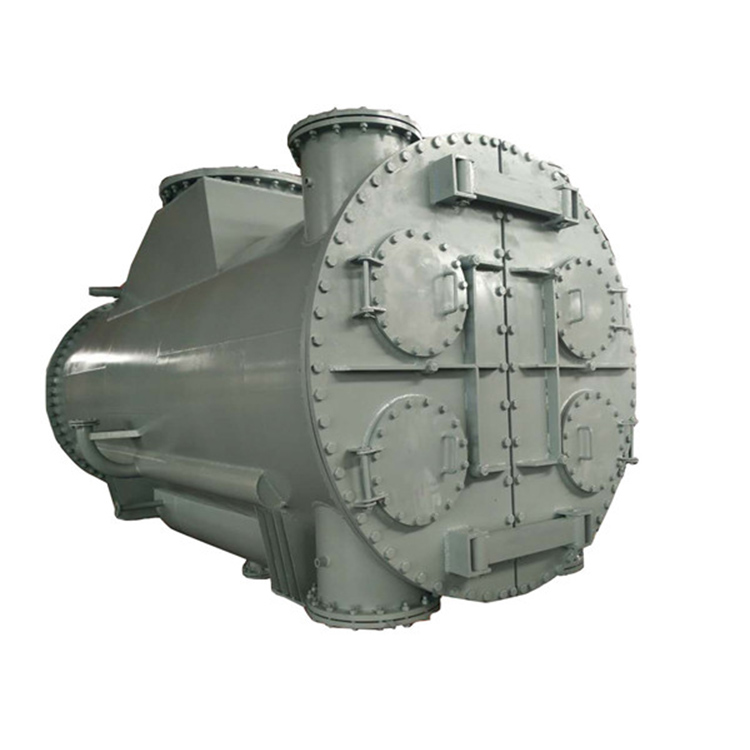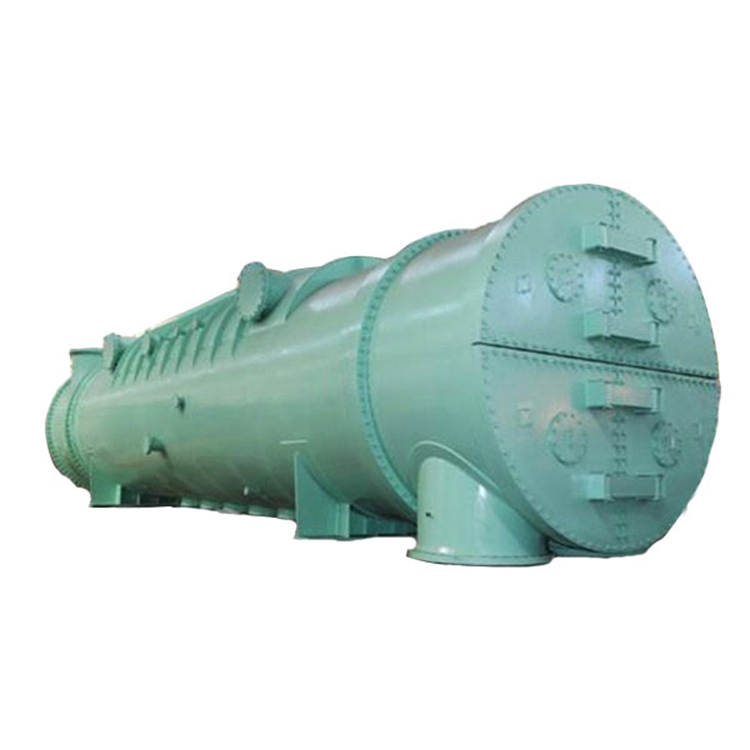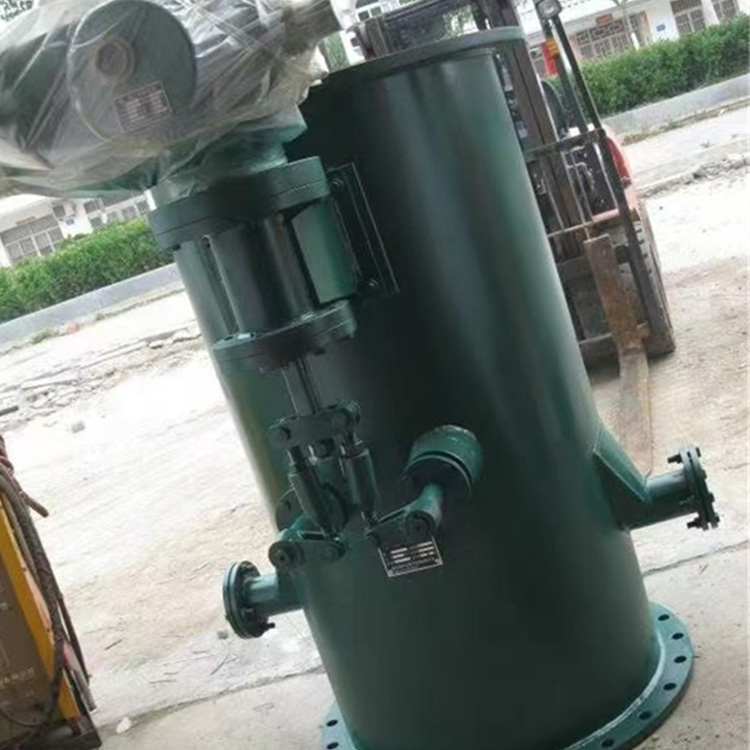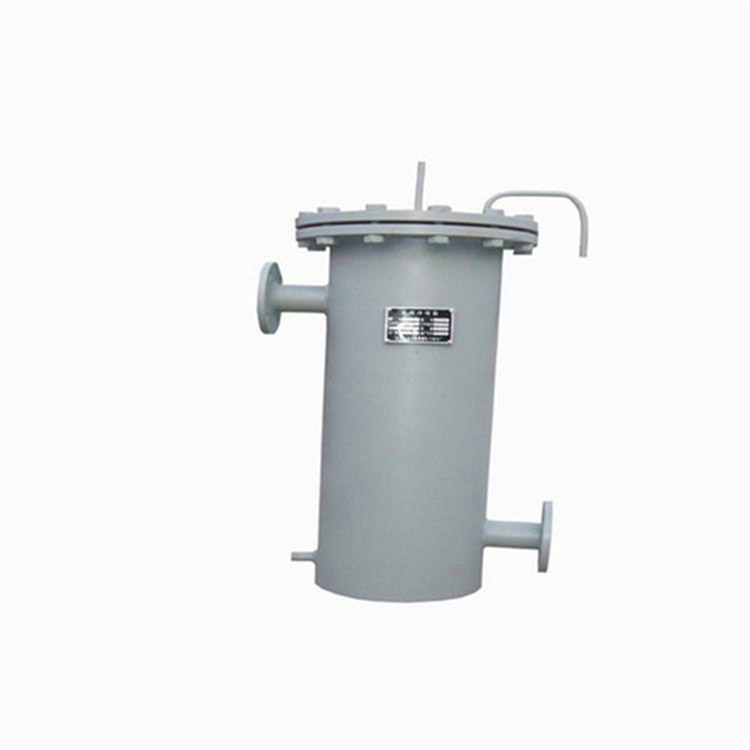

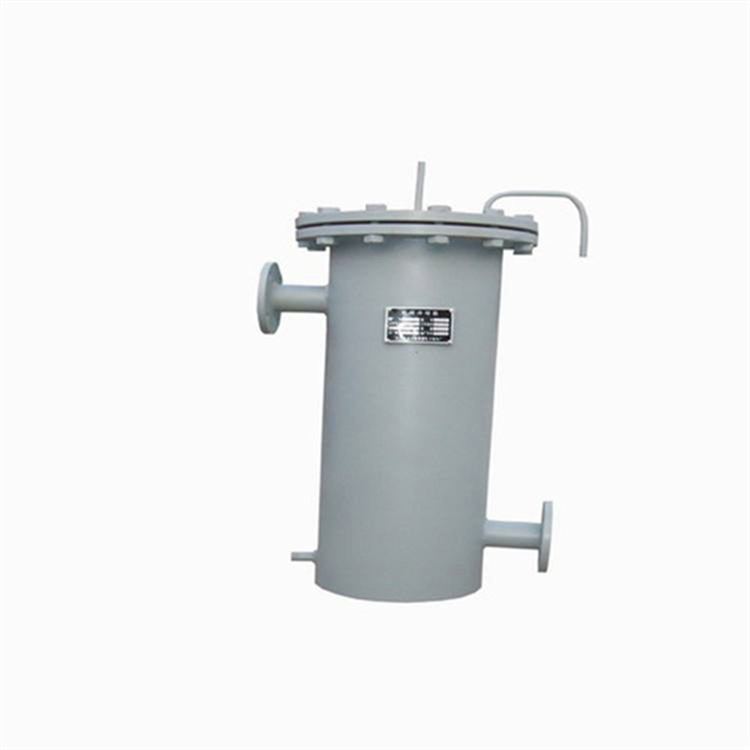
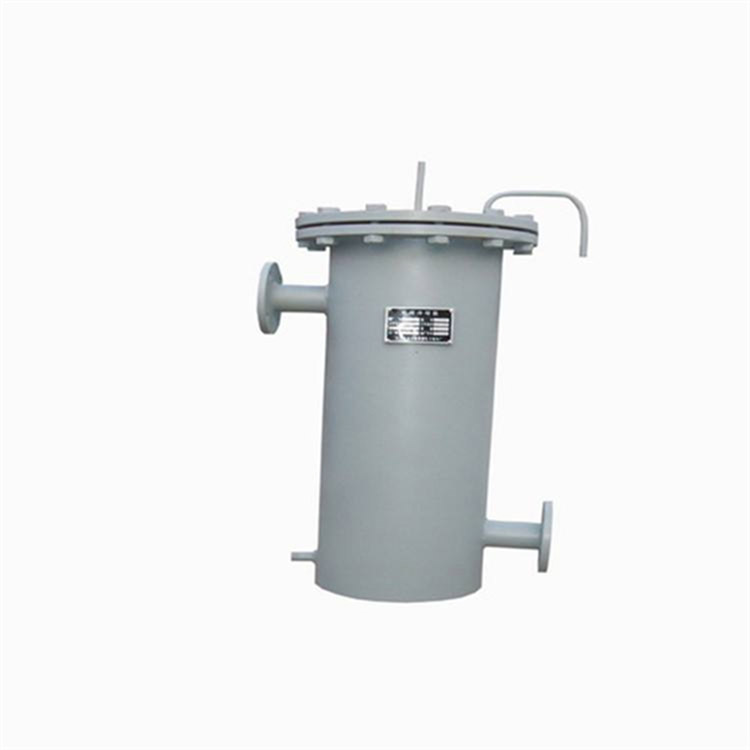
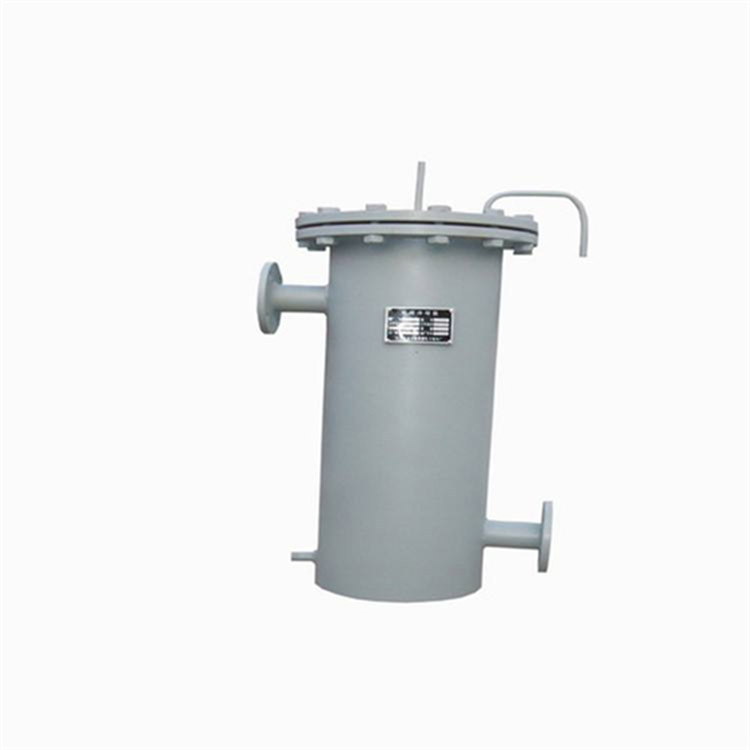


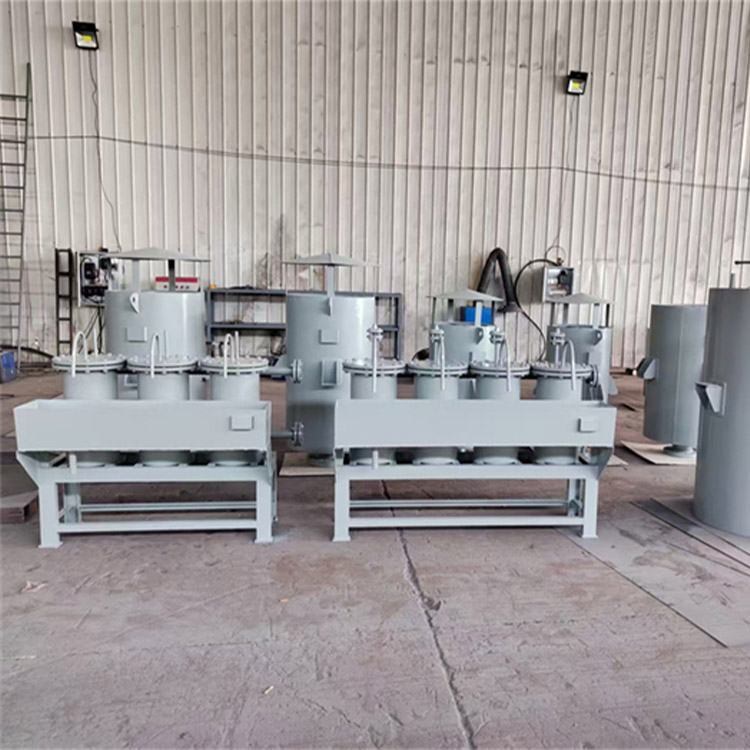
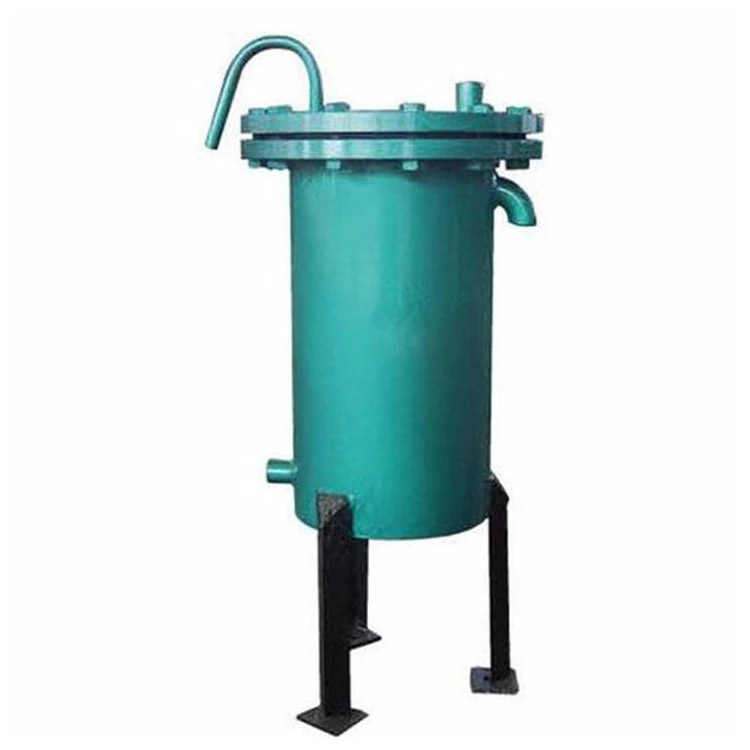
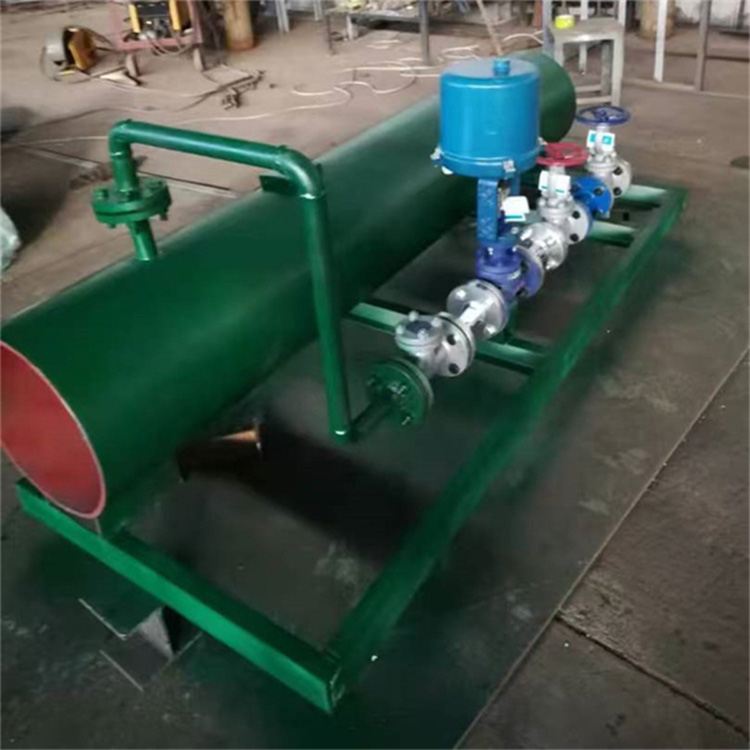
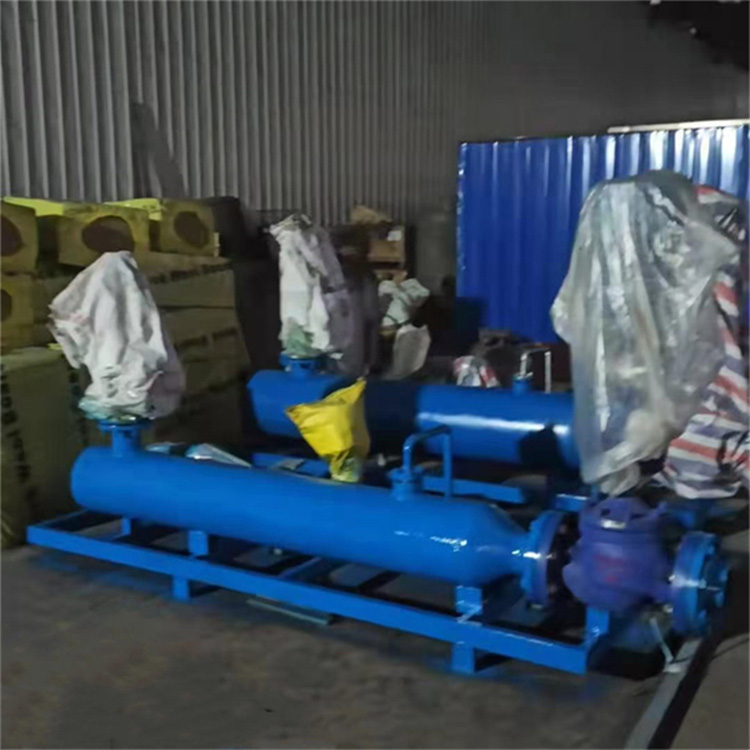





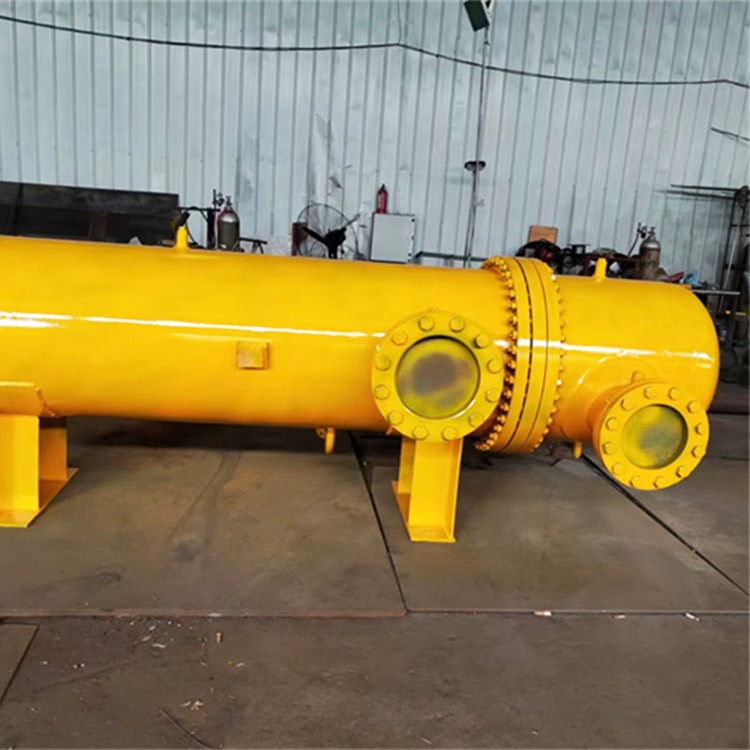
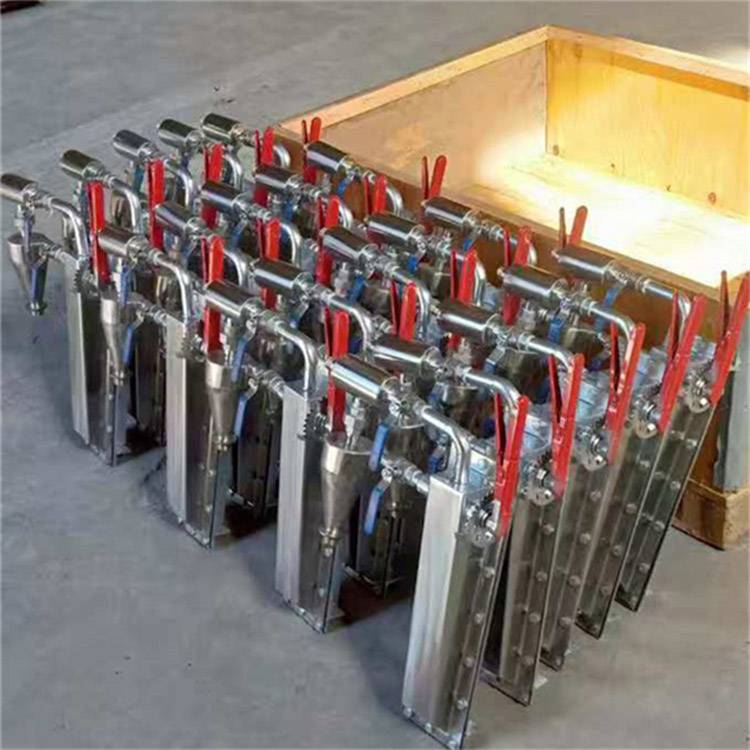
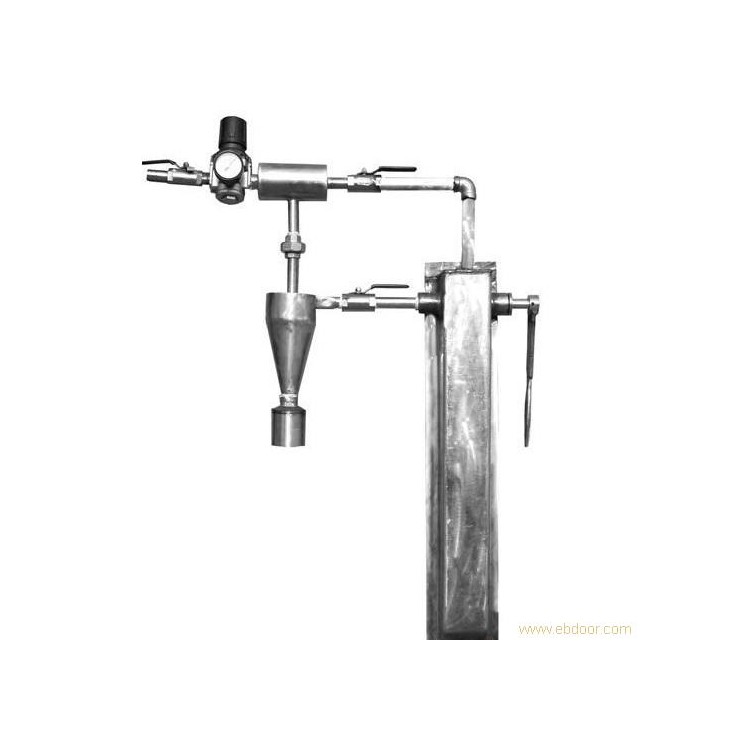
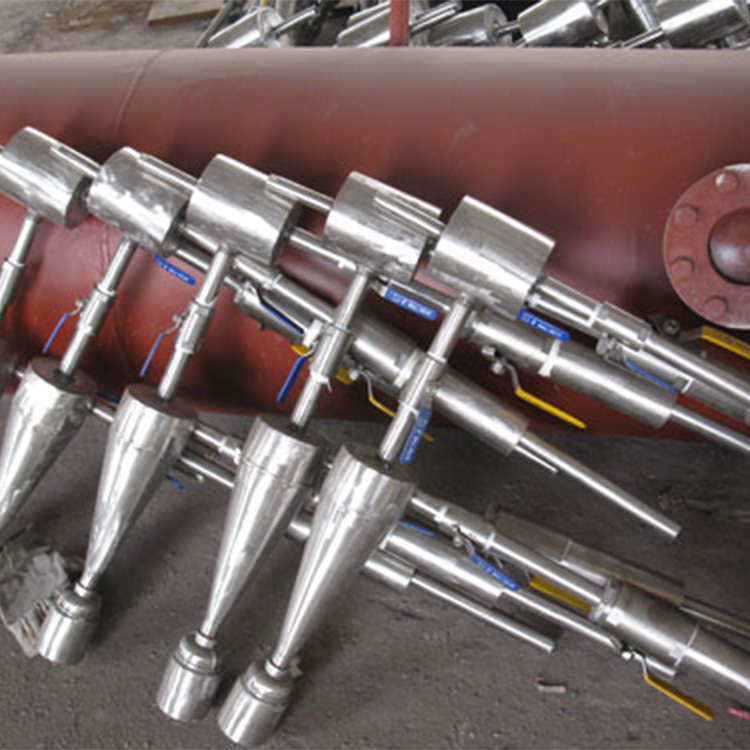
The Sampling Cooler is a specialized cooling equipment used in systems such as boilers, thermal networks, water treatment, and power stations to cool and sample high-temperature steam, boiler water, feed water, and condensate. It is designed for manual sampling or online water quality monitoring to ensure accurate testing and safe operation.
I. Core Features
Rapid Cooling: Cools high-temperature mediums (up to +300℃) to a safe sampling temperature of **30~40℃**, meeting water quality testing requirements.
Safety Protection: Prevent burns from high-temperature media and splashes, ensuring the safety of sample collectors.
Stable Flow Field: Constant flow regulation ensures accurate data from on-line water quality monitoring instruments.
Flash Vapor Prevention: Prevents flash vaporization during steam/boiling water sampling, ensuring the authenticity of the water sample.
2. Operating Principle
Typical shell-and-tube counterflow heat exchanger structure:
Shell side passes cooling water (recirculated water / tap water).
Controlled flow for high-temperature pot water / steam / condensate.
Reverse flow heat exchange of cold and hot media; the high-temperature medium is quickly cooled and flows out through the sampling port, while the cooling water absorbs heat and is discharged.
Section 3: Core Structural Components
Housing: Painted Carbon Steel / Stainless Steel 304/316L
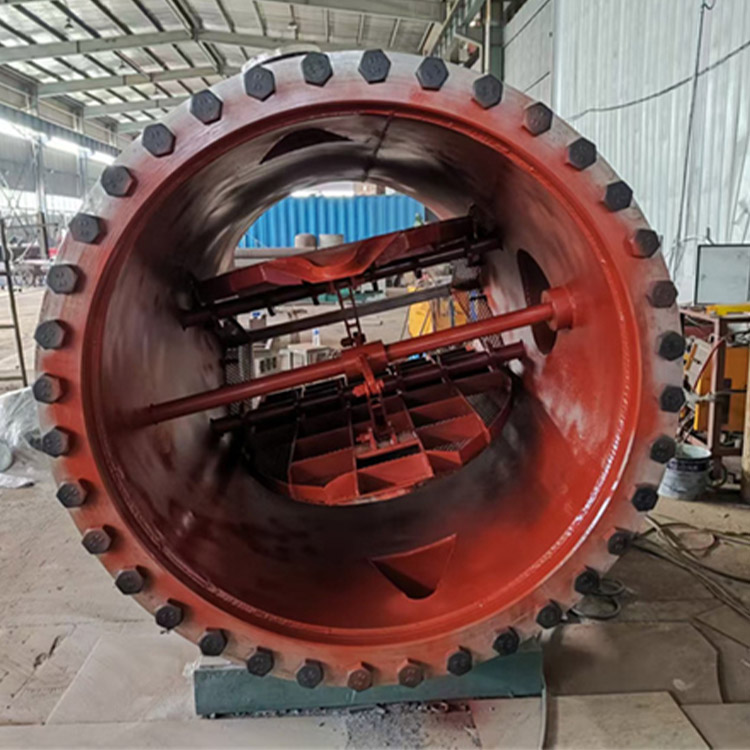
Cooling Coils: Stainless Steel 304/316L (Corrosion-resistant, good heat exchange)
Inlet and outlet water / gas interfaces, sampling nozzles, drain outlets, brackets
Optional: Flow Control Valve, Thermometer, Pressure Gauge
Four: Key Selection Parameters
Sampling Medium: Pot Water / Steam / Condensate Water
Medium Temperature, Pressure, Flow Rate
Cooling water volume, incoming water temperature
Target Export Water Sample Temperature
Material, coil quantity, installation method (vertical/ horizontal)
V. Maintenance and Care Points
Regularly inspect for leaks and blockages in the coiled tube to ensure unobstructed heat exchange.
Regularly clean scale from cooling water pipes and deposits on the coil exterior walls.
Inspect valve tightness to prevent leaks.
Long-term shutdown: drain and cool water emptying to prevent freezing and cracking in winter.
Maintain the sampling port clean to prevent water sample contamination.