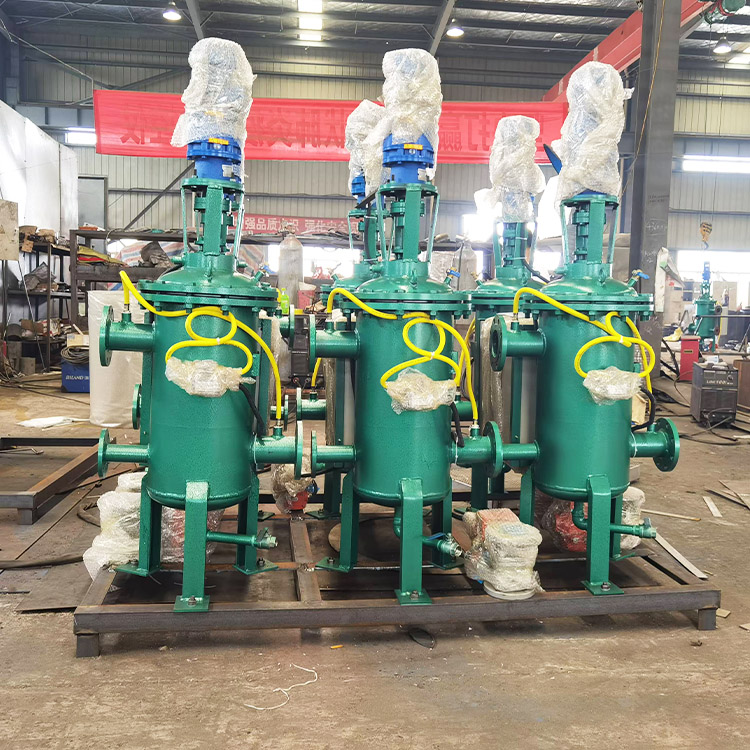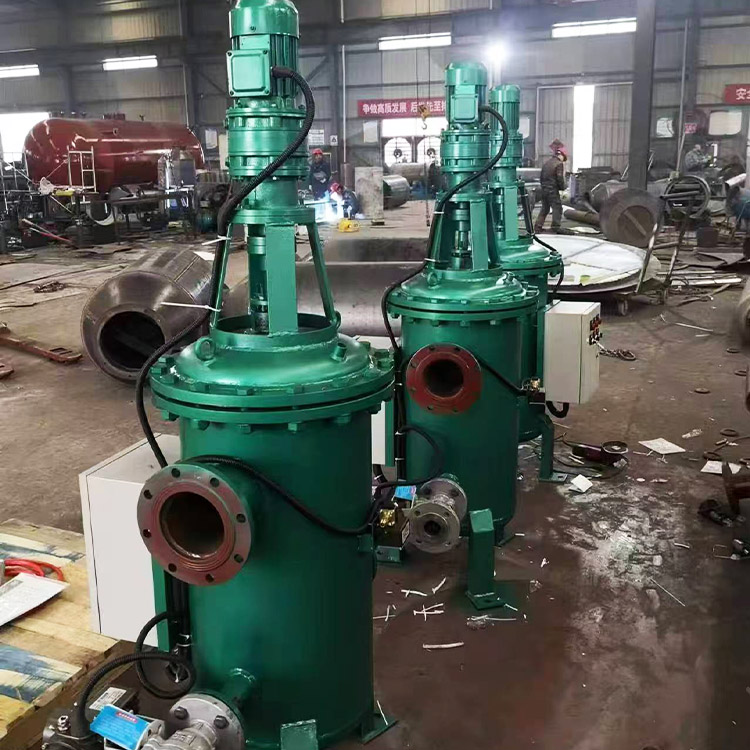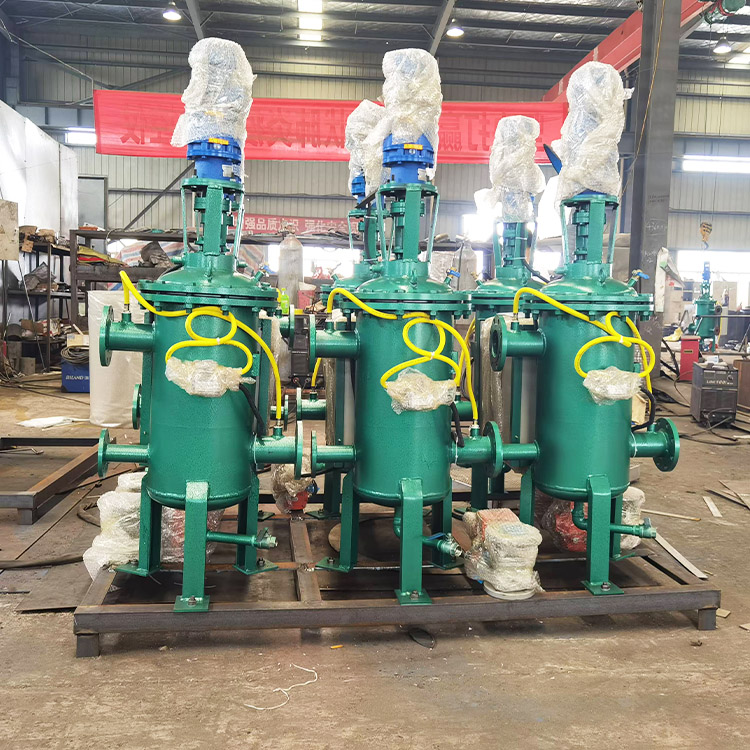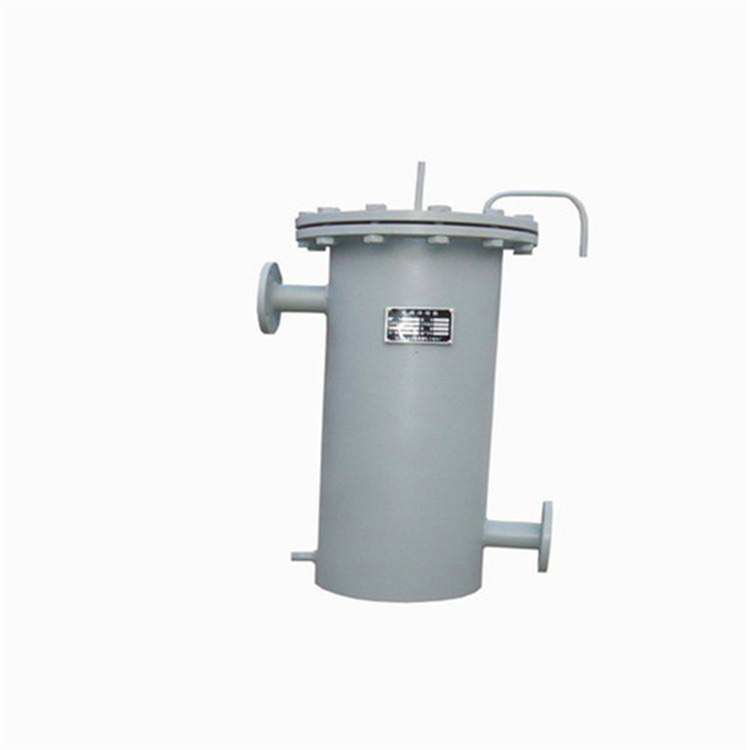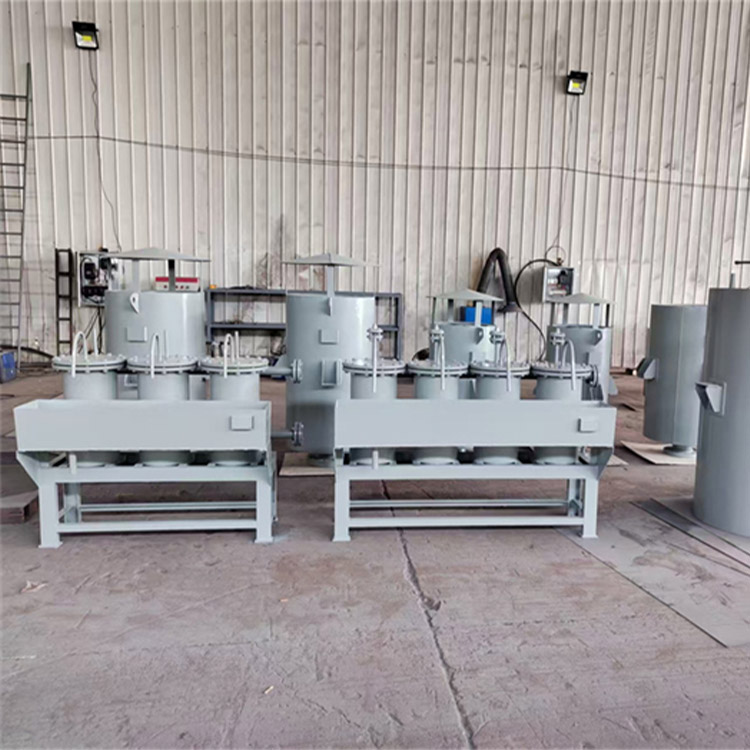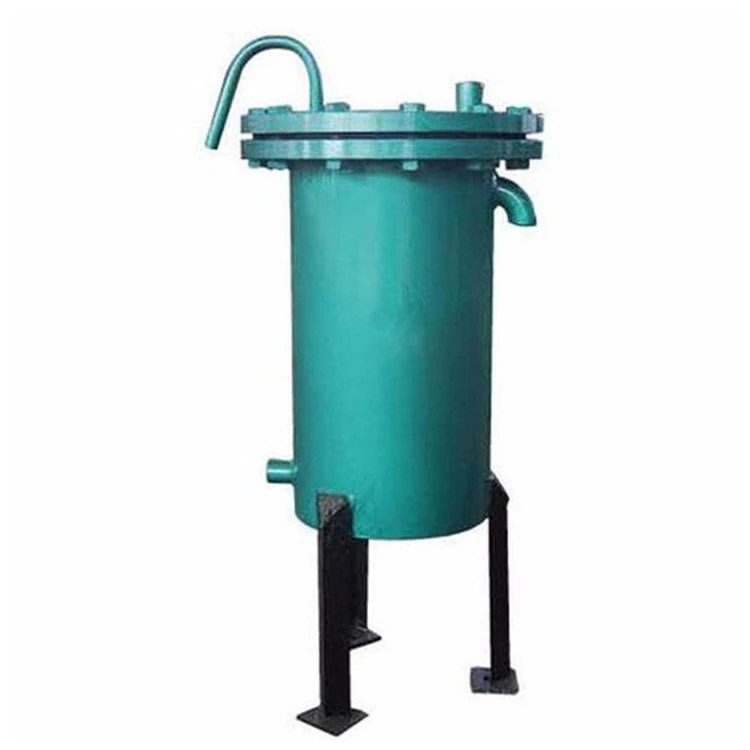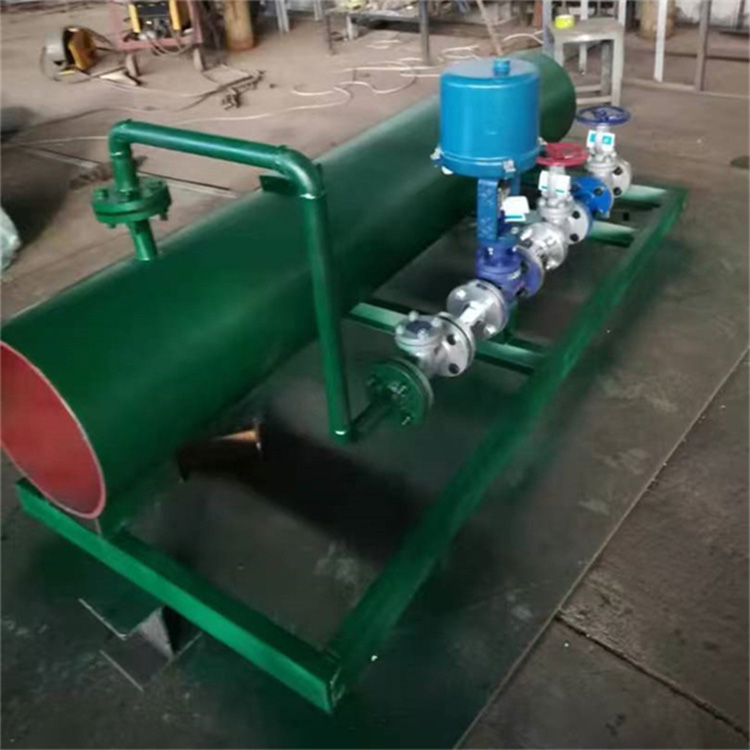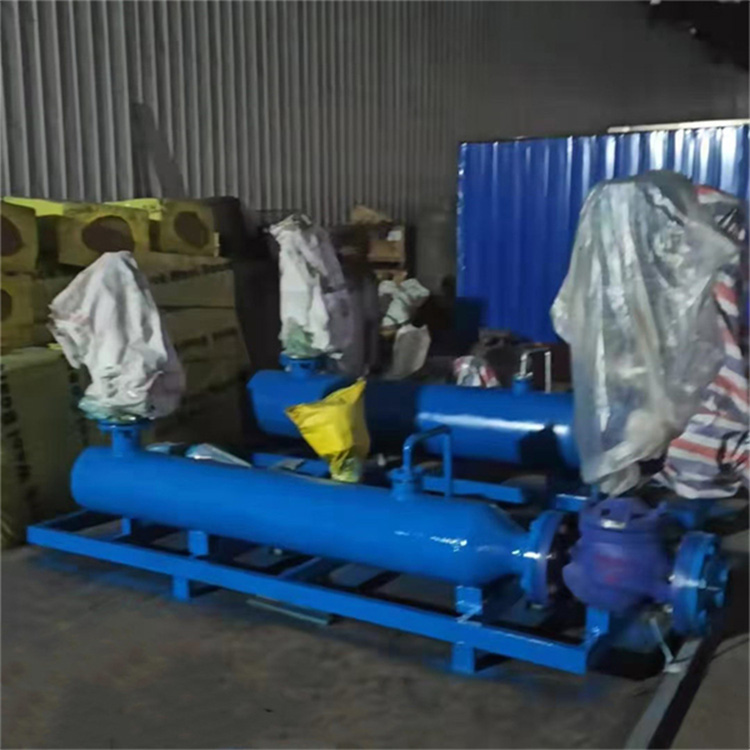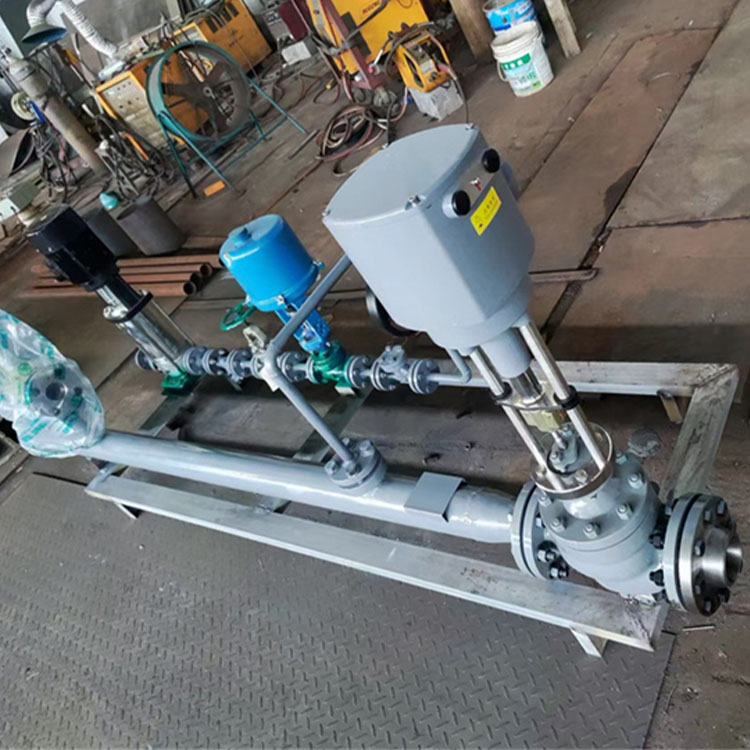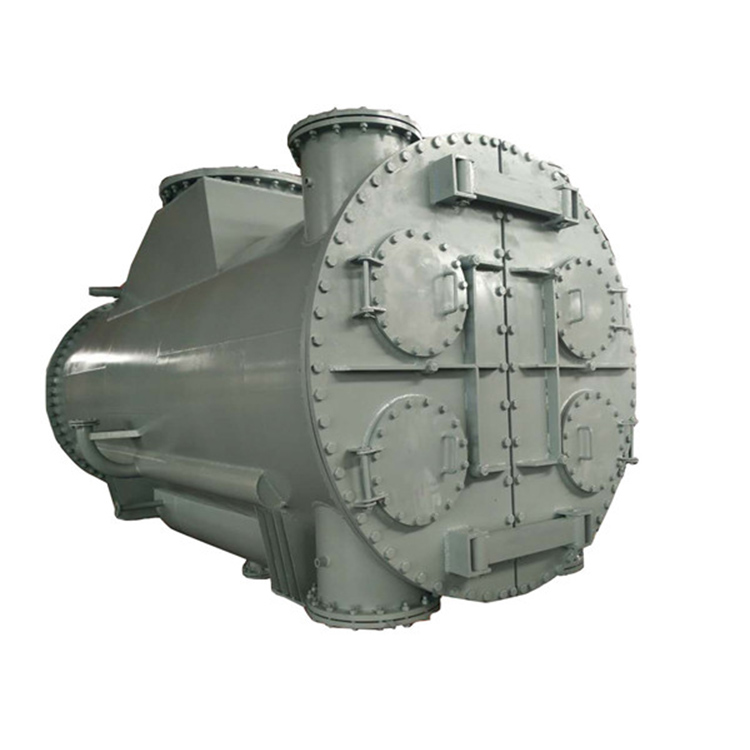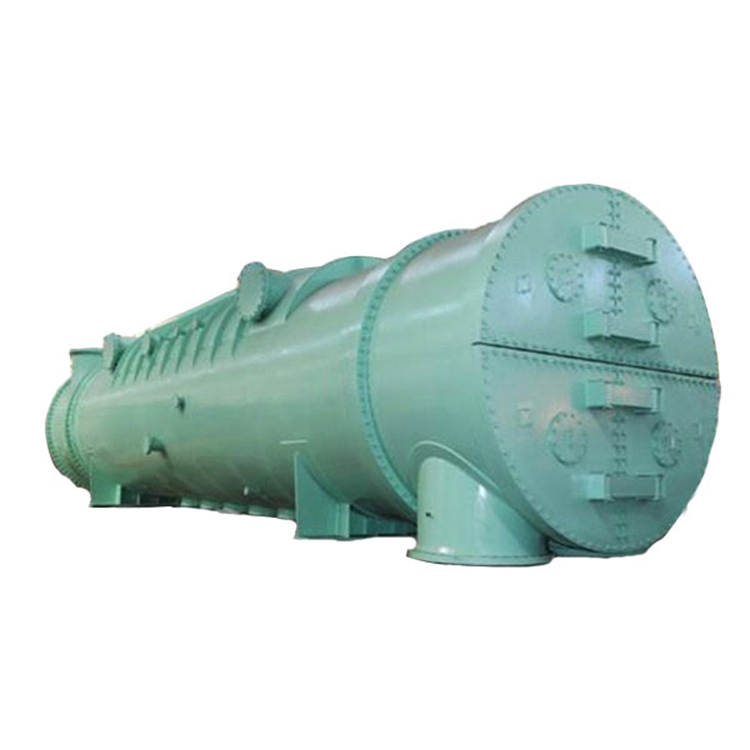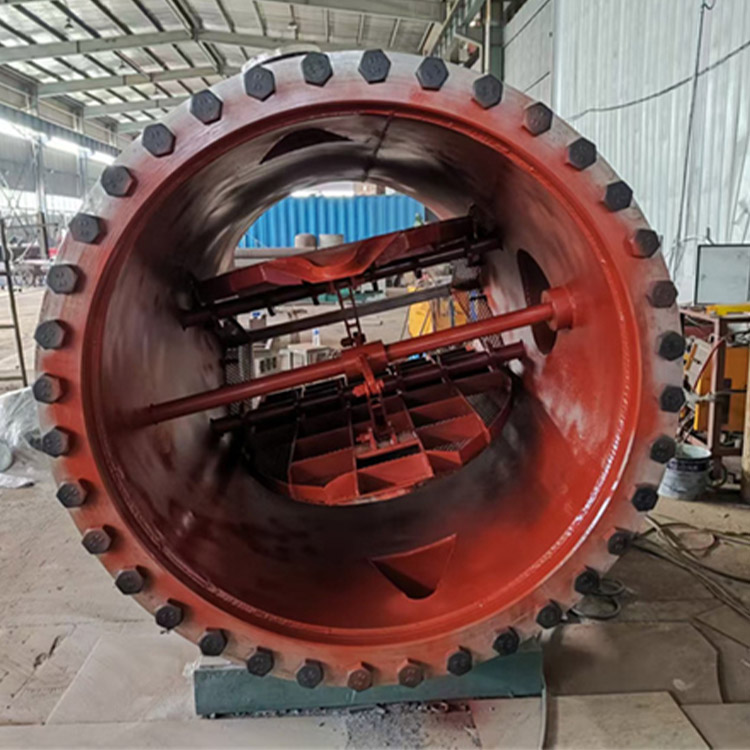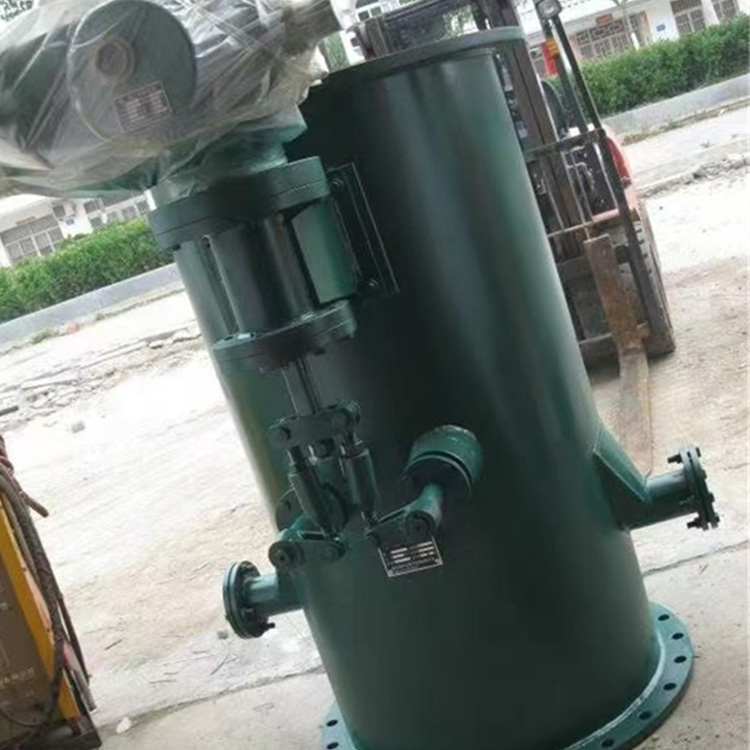

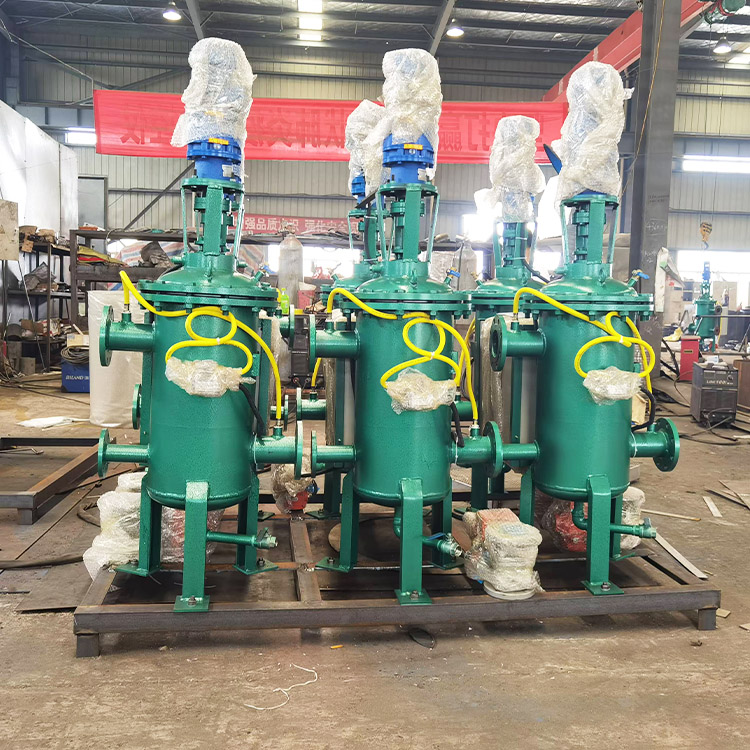

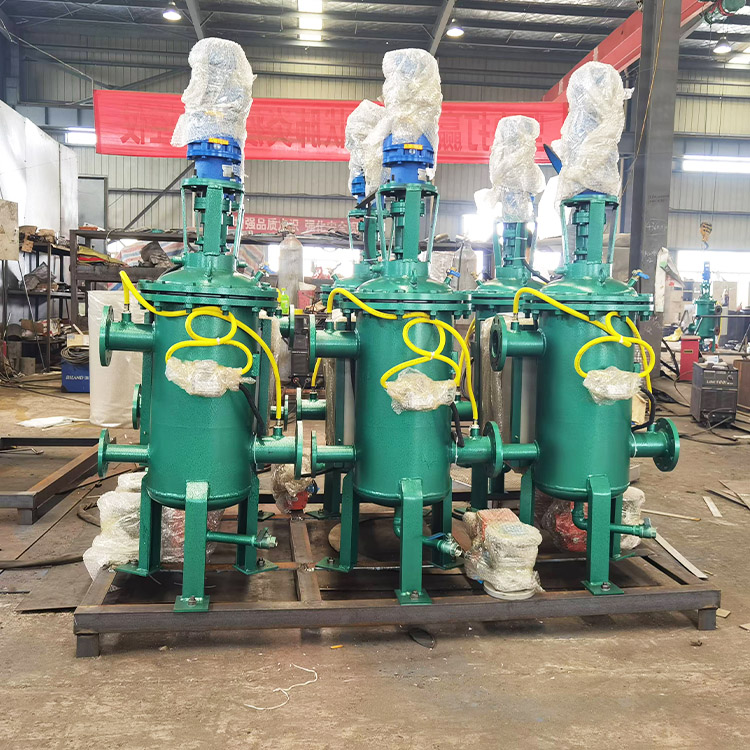
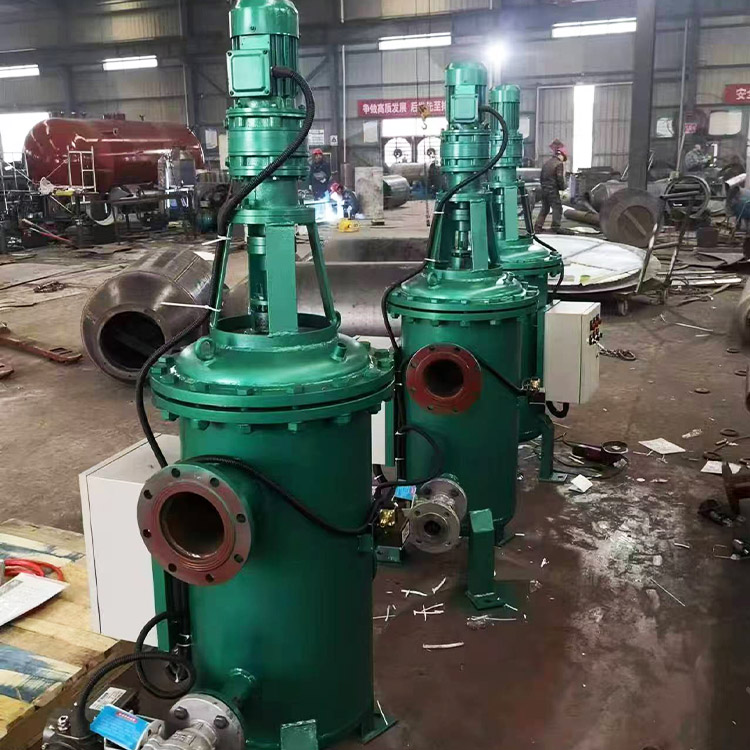
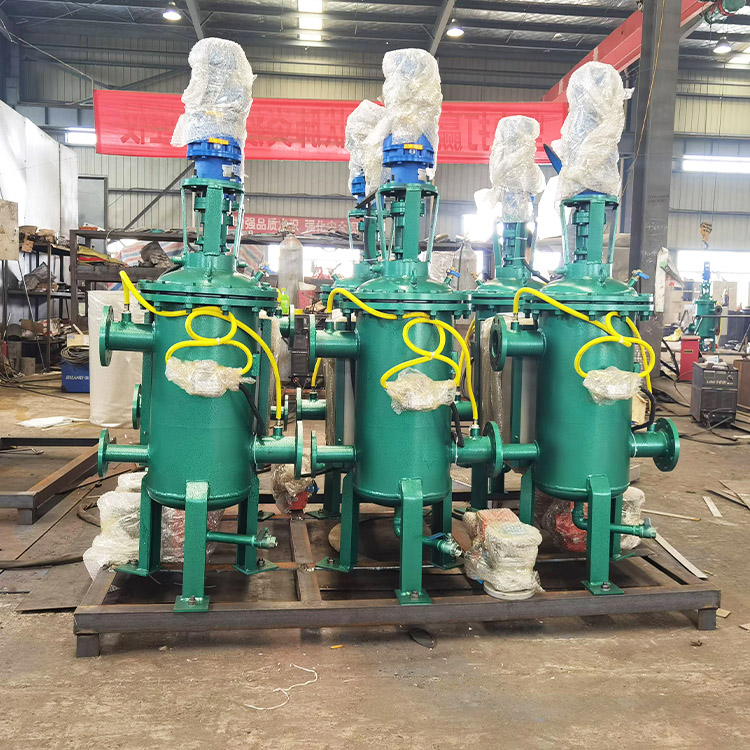


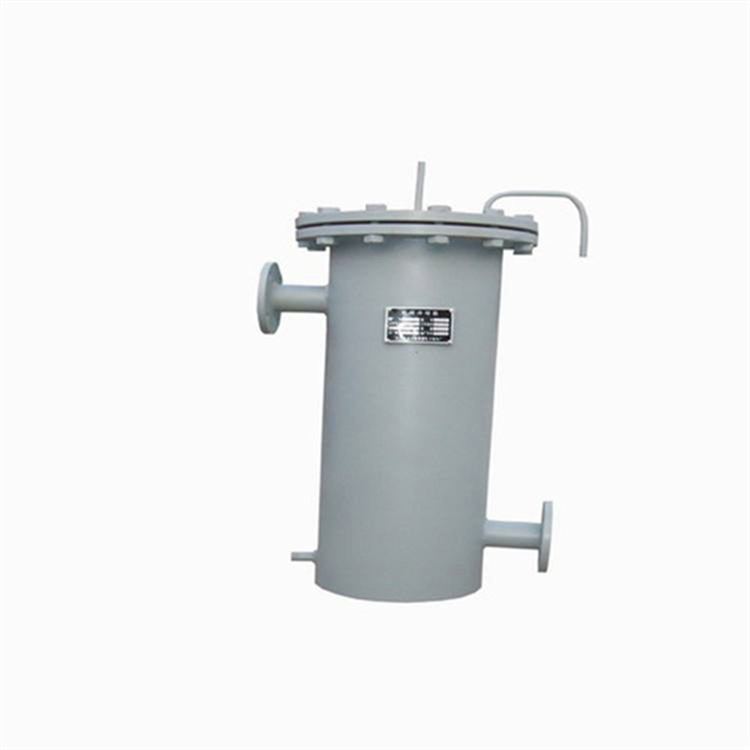
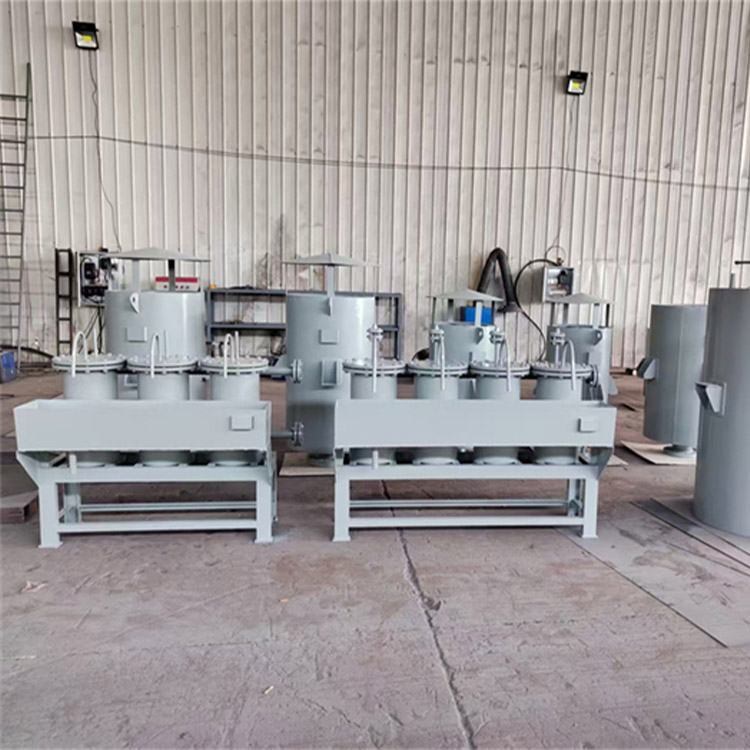
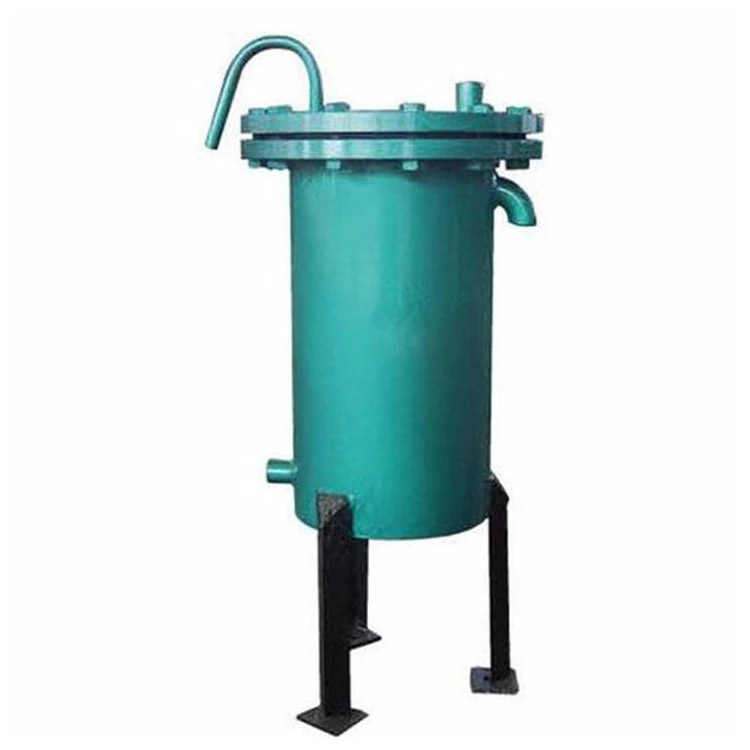
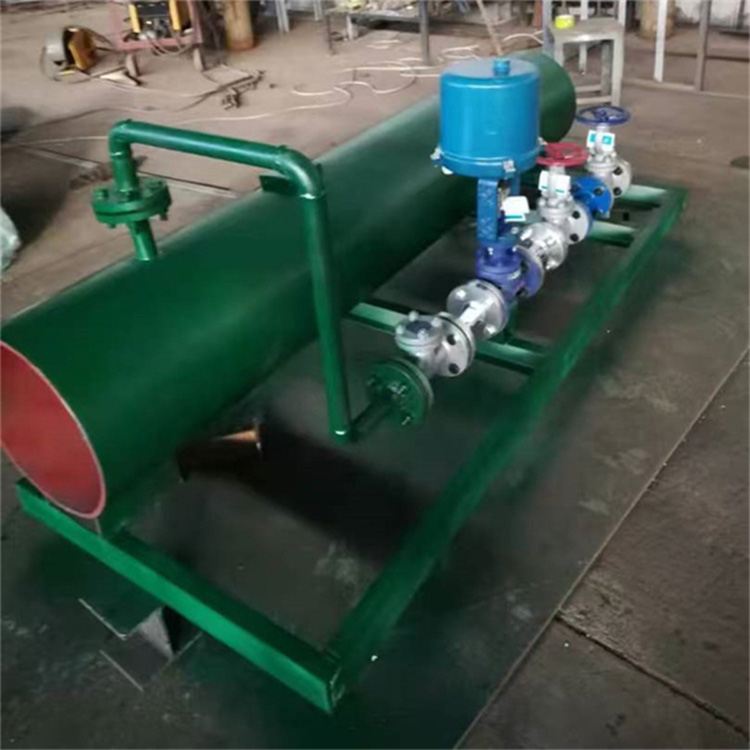
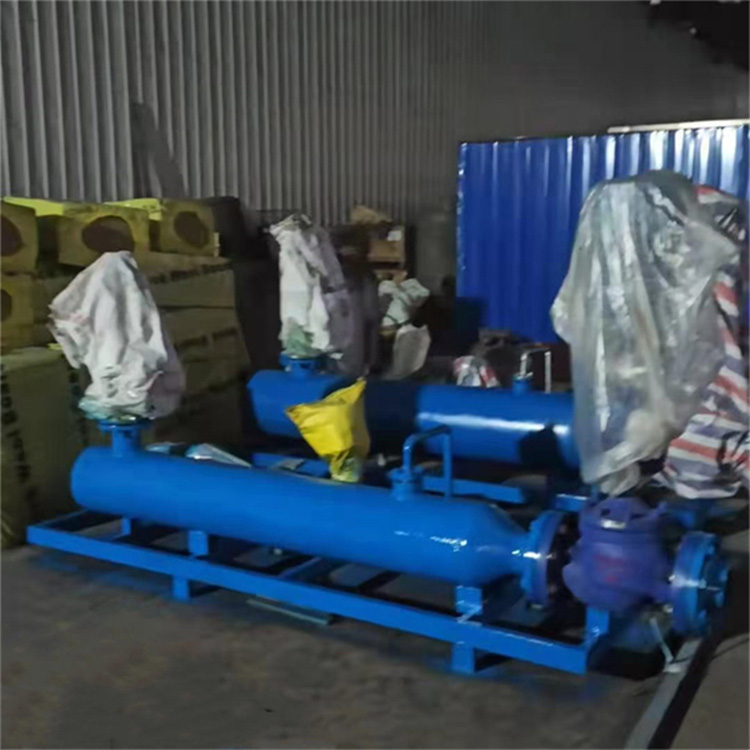





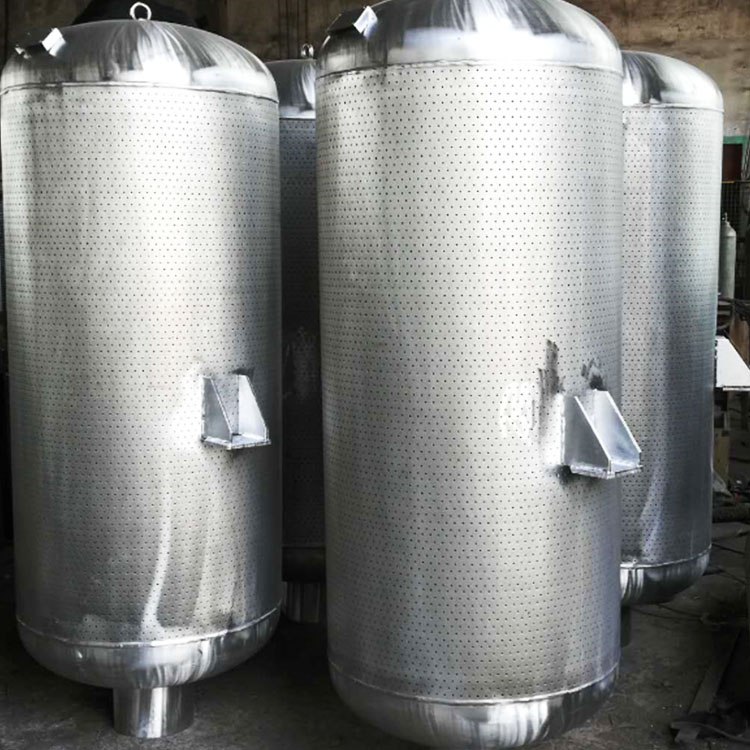
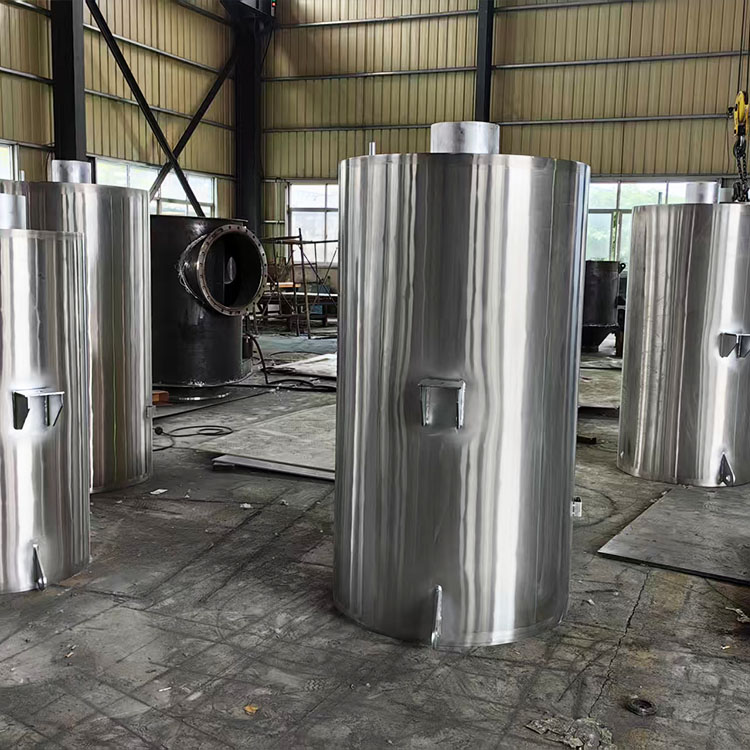
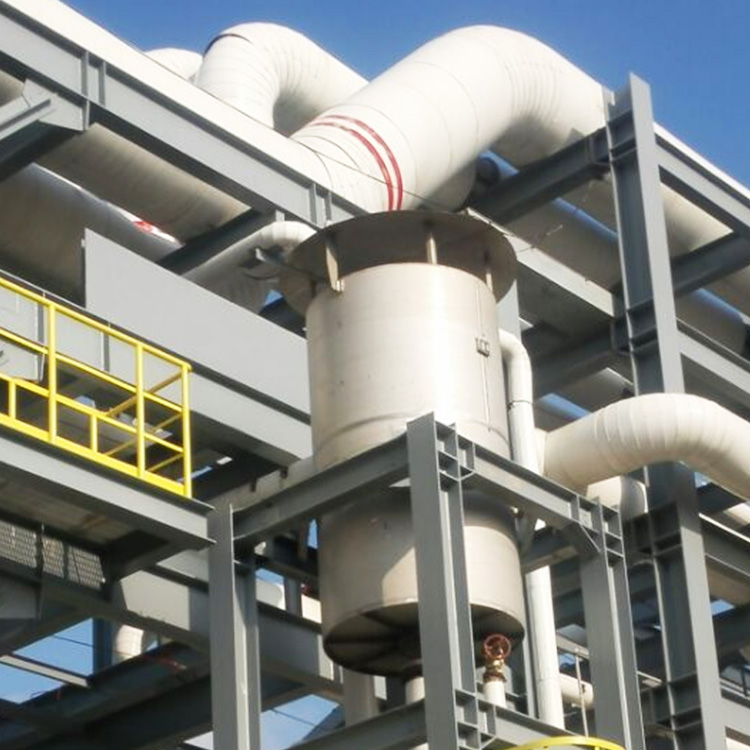
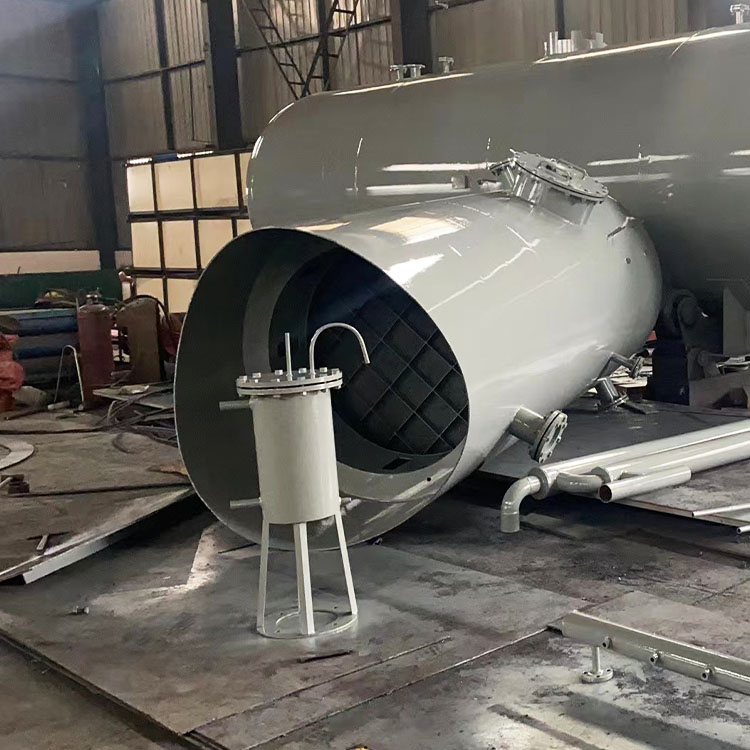
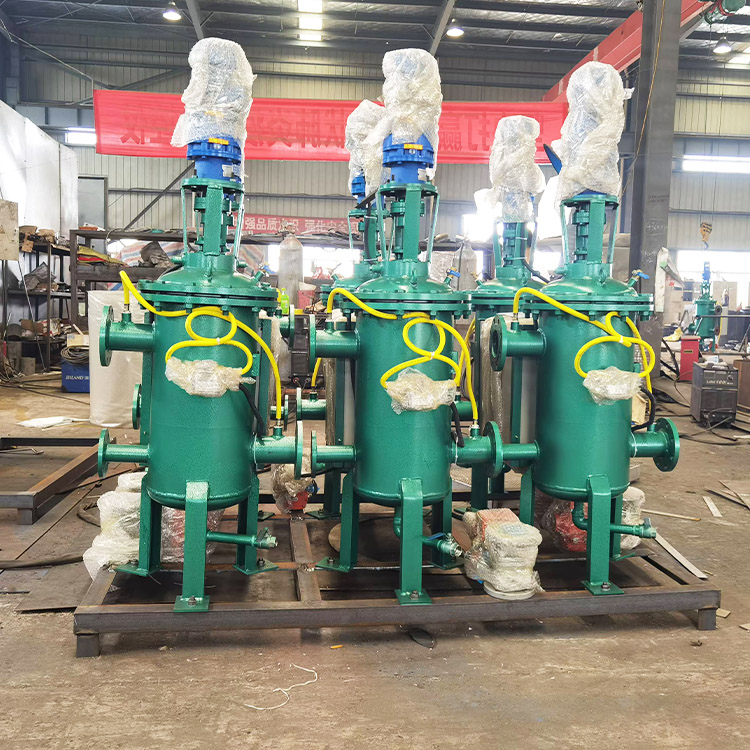
Industrial water filters are devices used to remove impurities in industrial water systems, primarily functioning to trap sediment, suspended particles, and granular matter in the water. Their main purpose is to protect subsequent equipment such as pipelines, pumps, valves, and heat exchangers from clogging or abrasion. They are widely used in circulating water, cooling water, and raw water systems in the power, chemical, metallurgical, and municipal sectors.
Core Information:
1. Common Types
Based on different drive methods or structures, they are mainly categorized as:
Manual Water Filter: Requires manual disassembly and cleaning of the filter screen regularly, low cost but maintenance-intensive, suitable for low flow and low contamination scenarios.
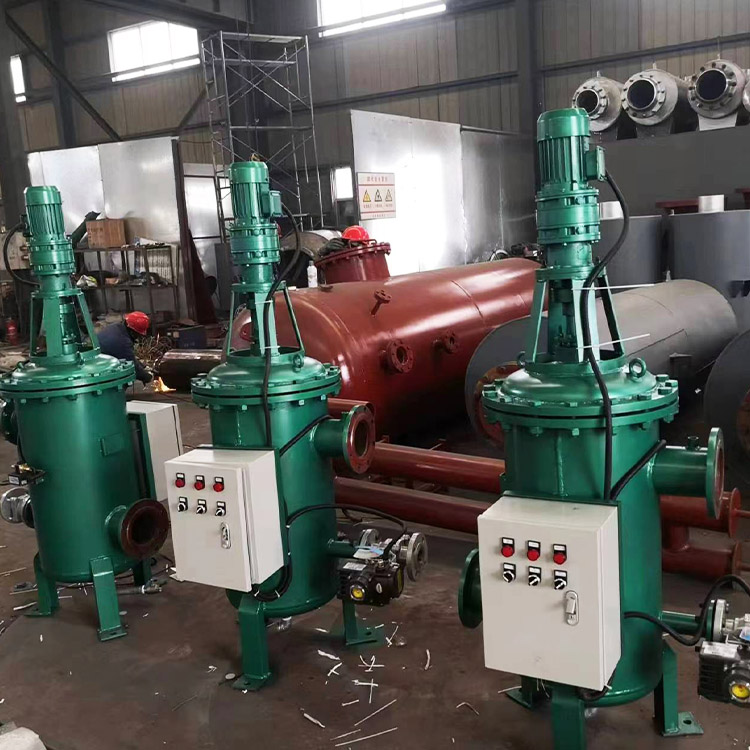
Electric water filter: Automatic flushing (as previously introduced), no downtime required, suitable for high-flow, continuous-running systems.
Self-cleaning filter: Driven by water pressure difference to rotate/flush the filter screen, no additional power required, suitable for small and medium-sized systems.
2. Core Structure
Housing: Carbon steel / Stainless steel material, withstands system pressure.
Filter Mesh: Stainless steel mesh / Wedge mesh (filtration accuracy typically 50-3000μm, customizable)
Wastewater Components: Manual/Electric Drain Valves for discharging trapped debris.
Drive/Control Components (Electric/Self-Cleaning): Motors, Differential Pressure Controllers, PLCs, etc.
3. Work Logic
After water enters the filter, impurities are intercepted by the filter mesh, and the filtered clean water flows out through the holes of the mesh; when the impurities in the filter accumulate to a certain extent, they are drained out manually, by an electric automatic flush, or through an automatic cleaning mechanism, thereby restoring the filtering capability.
It serves as the "primary protective equipment" for industrial water systems, effectively reducing equipment failure rates and minimizing maintenance costs.