

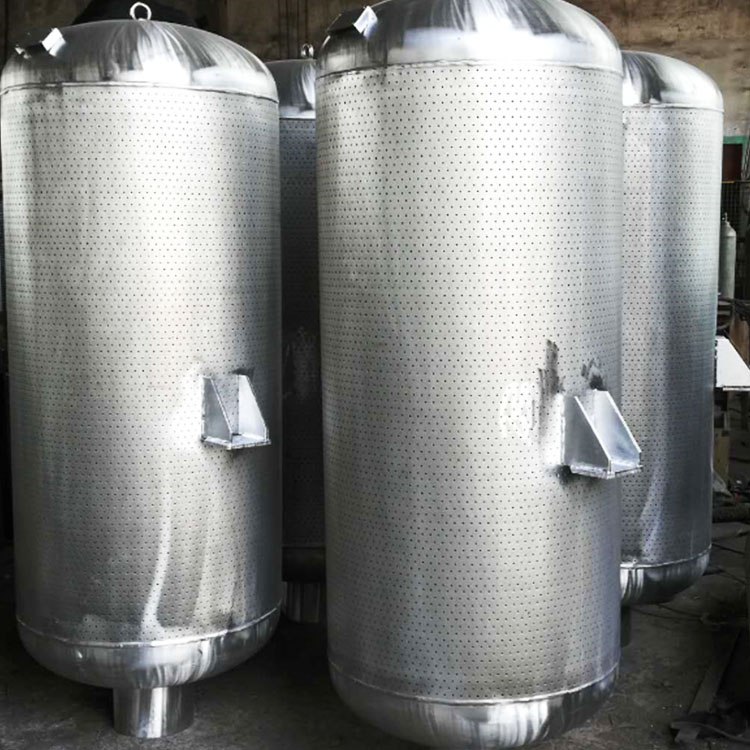








Microhole muffler: Core noise reduction equipment for steam/gas venting
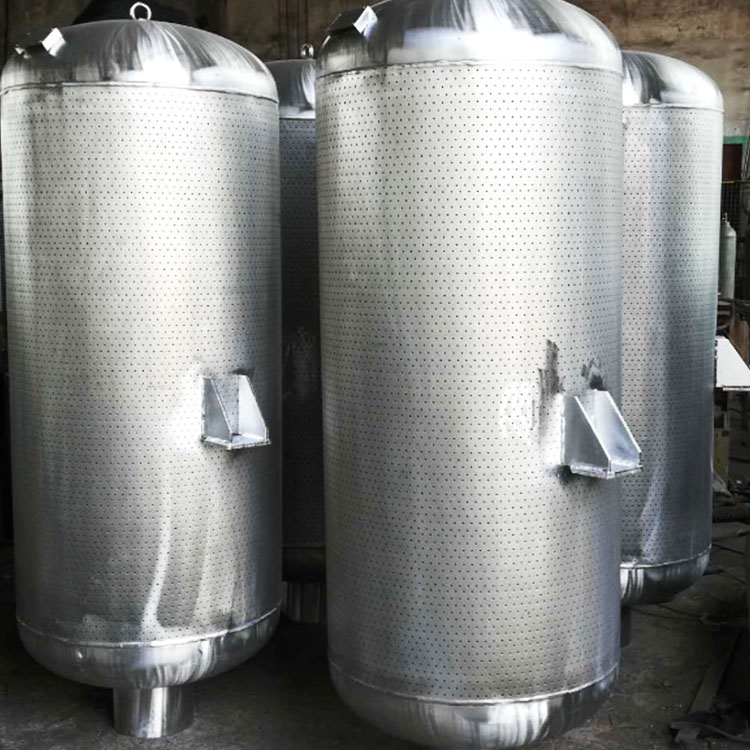
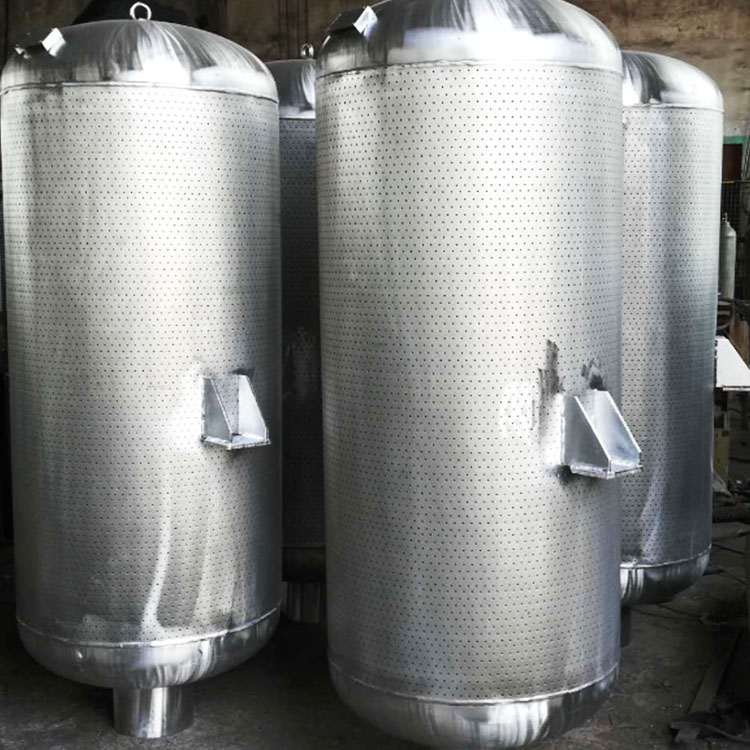
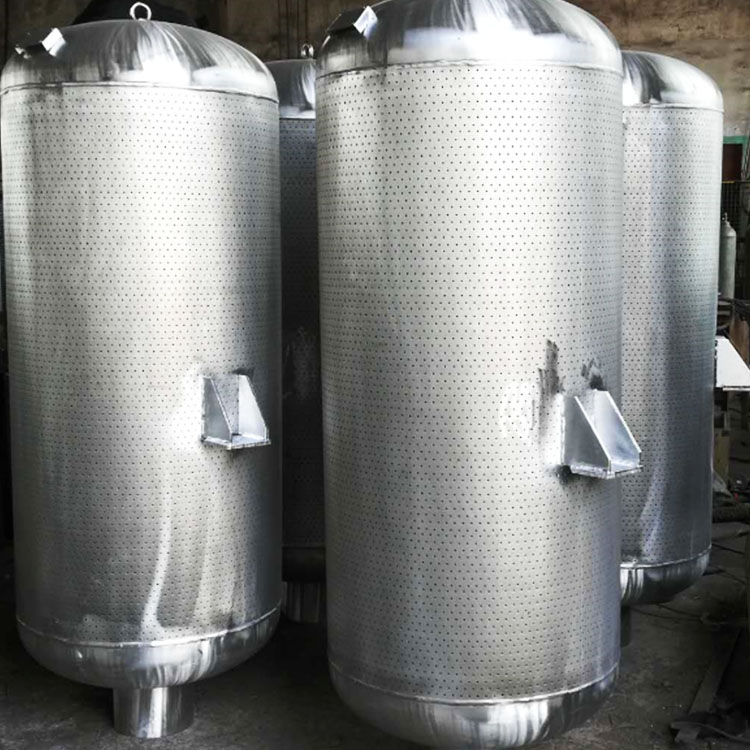
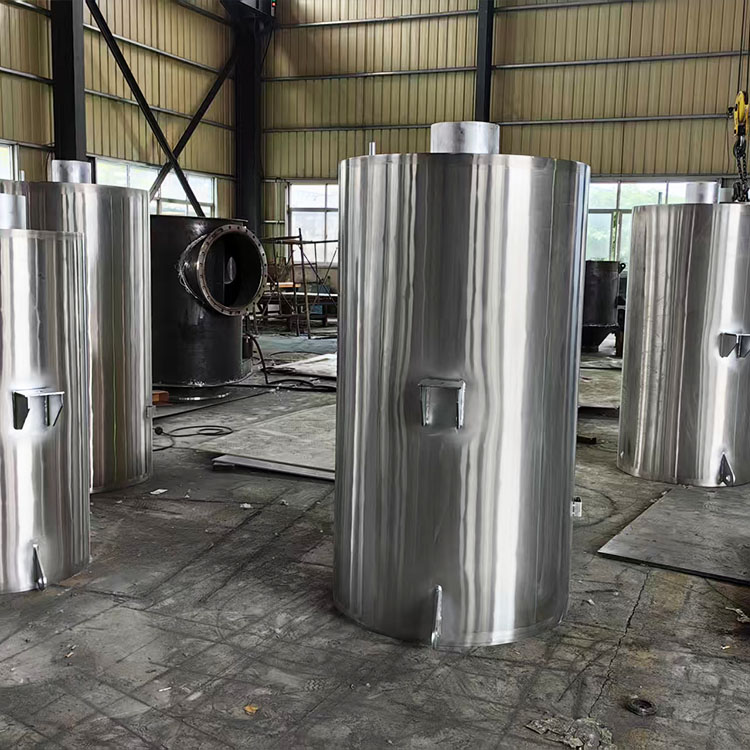
The Small Holes Muffler is a specialized noise reduction device designed based on the "Small Holes Injection Noise Reduction Principle." By dividing the large-diameter exhaust outlet into dense small holes (φ1-3mm), it converts gas supersonic jet streams into subsonic small hole injections, significantly reducing turbulent noise and high-frequency howling. It is particularly suitable for high-pressure gas exhaust scenarios such as steam, compressed air, blast furnace gas, and can achieve a noise reduction of 20-35dB (A). It is widely used in the exhaust of safety valves in power plants, chemical industries, metallurgy, and other industries, as well as for boiler exhaust and exhaust pipe noise reduction.
Core Working Principle
When high-pressure gas is discharged through a large-diameter outlet, it generates a strong jet noise dominated by high-frequency components (peak frequency > 1000 Hz). The small-pore muffler reduces noise through the following mechanisms:
Jet Fragmentation: Divides a single large jet into hundreds of individual micro-jets, with each micro-jet having significantly less noise energy than the large jet and a more dispersed energy distribution.
Frequency Offset: The noise peak frequency of the small hole jet will shift to a high frequency range that is not sensitive to the human ear (>8000Hz), and after air attenuation, the perceived noise by the human ear will significantly decrease.
Expanding Buffer: Some small hole mufflers incorporate expansion chambers, first expanding and reducing the pressure of high-pressure gases, then further decreasing noise intensity through jet injection via small holes.
In summary, the core of the small-hole muffler is "replacing low-frequency loud noise with high-frequency small noise," combined with natural air attenuation to achieve noise reduction.
Structural Features and Types
1. Basic Structure
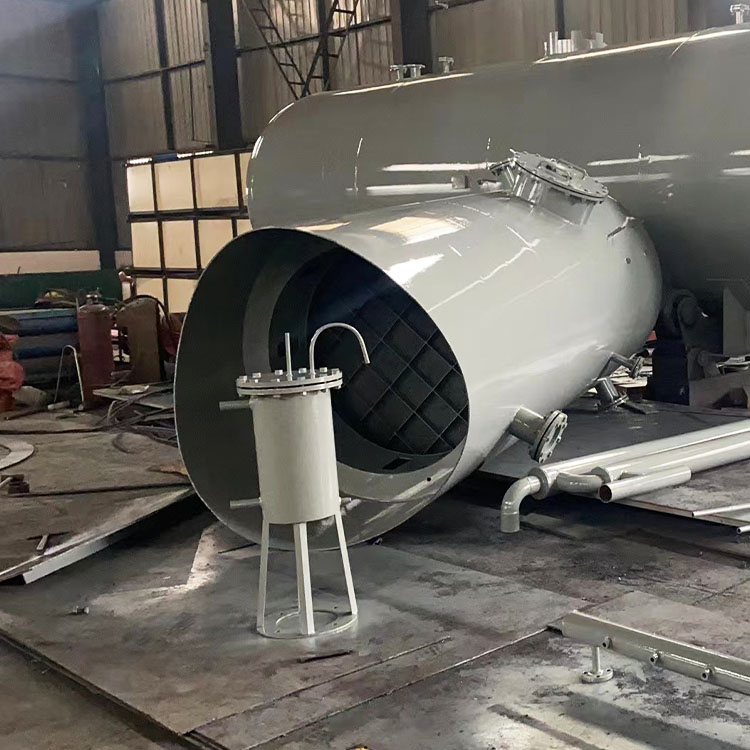
Housing: Carbon steel / 304/316L stainless steel, with high-temperature resistance (≤540℃), high-pressure resistance (≤25MPa), suitable for steam / corrosive gases.
Orifice plate: Core component, orifice rate 1%-5%, hole diameter φ1-3mm (smaller hole diameter results in better noise reduction, but it must match gas flow to avoid clogging).
Expanding chamber: The shell internally features 1-2 expansion chambers, with a volume 5-10 times that of the imported pipeline, used for pre-decompression buffering.
Key Selection and Installation Points
Core of工况Matching
Select type by gas pressure: Low pressure (≤0.6MPa) choose pure pinhole type; Medium to high pressure (0.6-25MPa) choose expanded pinhole type; with low-frequency noise choose composite type.
Aperture Selection: The higher the pressure, the smaller the aperture should be (e.g., for 25MPa steam, select φ1mm); for dusty gases, choose φ2-3mm to avoid blockage.
Flow Calculation: Ensure the total flow area of the small holes meets the gas exhaust flow to prevent excessive back pressure that could affect equipment safety (such as when safety valves are fitted, the exhaust capacity needs to be verified).
Installation Standards:
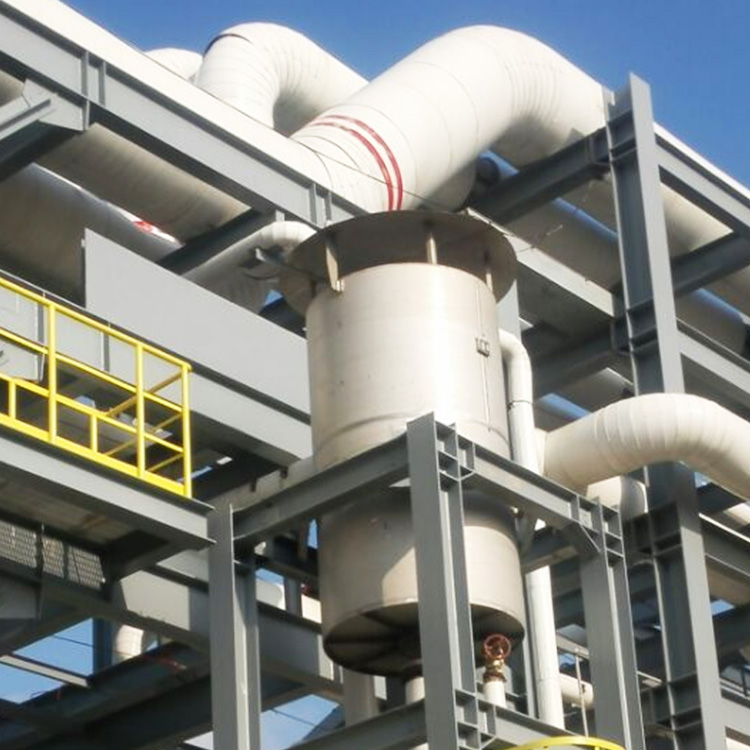
Location: Directly installed at the end of the exhaust pipe, as close to the noise source as possible to minimize secondary radiation noise from the pipe.
Connection: Flanged connection (GB/T 9119) with high-temperature-resistant sealing gaskets (e.g., graphite gasket); welding reinforcement required for high-pressure conditions.
Support: Independent load-bearing bracket, bearing capacity ≥ 2 times the weight of the equipment; provide space for thermal expansion (compensator required for high-temperature steam pipelines).
Direction: The steam exhaust muffler should be installed vertically upwards to prevent condensate water from flowing back.
Advantages and Limitations
Advantages:
Highly targeted noise reduction efficiency for high-pressure gas venting high-frequency noise.
Withstanding high temperature and pressure: Compatible with severe working conditions such as steam and high-temperature flue gas, durable in structure.
Low resistance loss: Does not affect gas emission efficiency, particularly suitable for safety valves and other safety equipment.
Low-maintenance: No fragile absorbent materials (purely porous), with low operation and maintenance costs.
Limitations:
The noise reduction effect on low-frequency noise (<500Hz) is limited, requires pairing with resistive/restrictive structures.
Small holes tend to clog: Gases containing dust or sticky substances require a pre-filtering device.
High precision of hole diameter machining is required: deviations in the hole diameter will directly affect the noise reduction effect.
Typical Application Scenarios
Power Plant: Boiler ignition exhaust, safety valve exhaust, turbine bypass venting.
Chemical Industry: Pressure Vessel Relief Valves, Compressed Air Release, Gas Vent Pipe;
Metallurgy: Blast furnace gas venting, oxygen pipeline depressurization.
Industrial Boilers: Steam venting, blowdown and expansion tank exhaust.