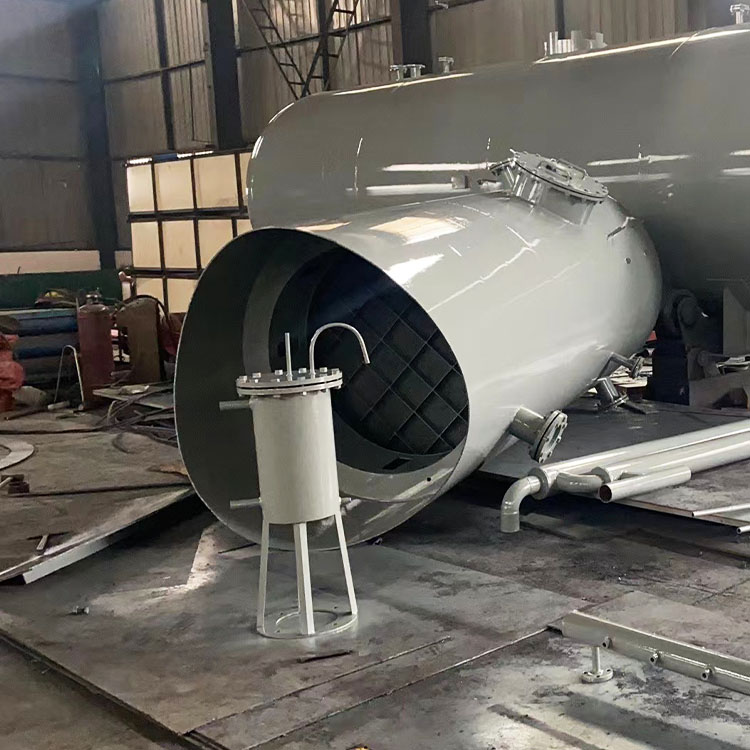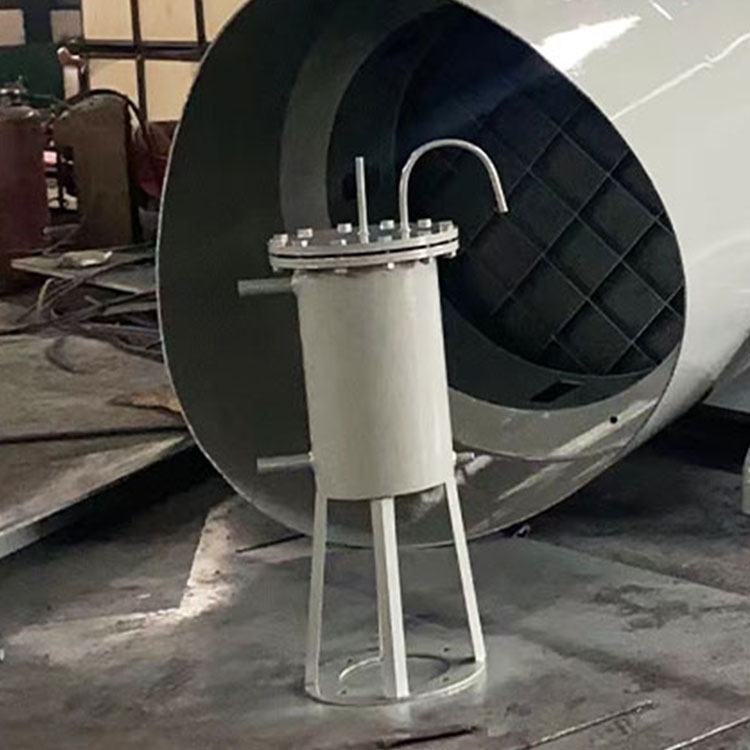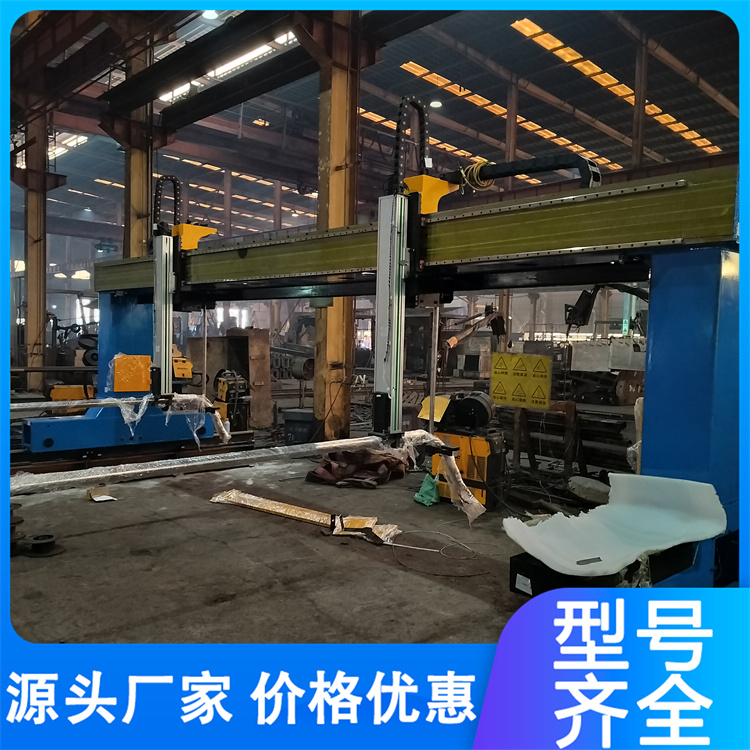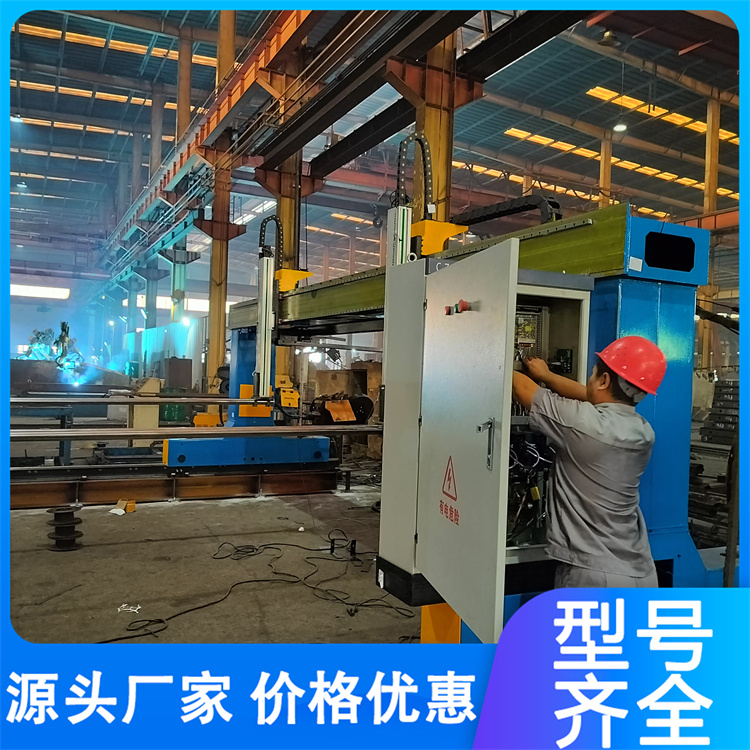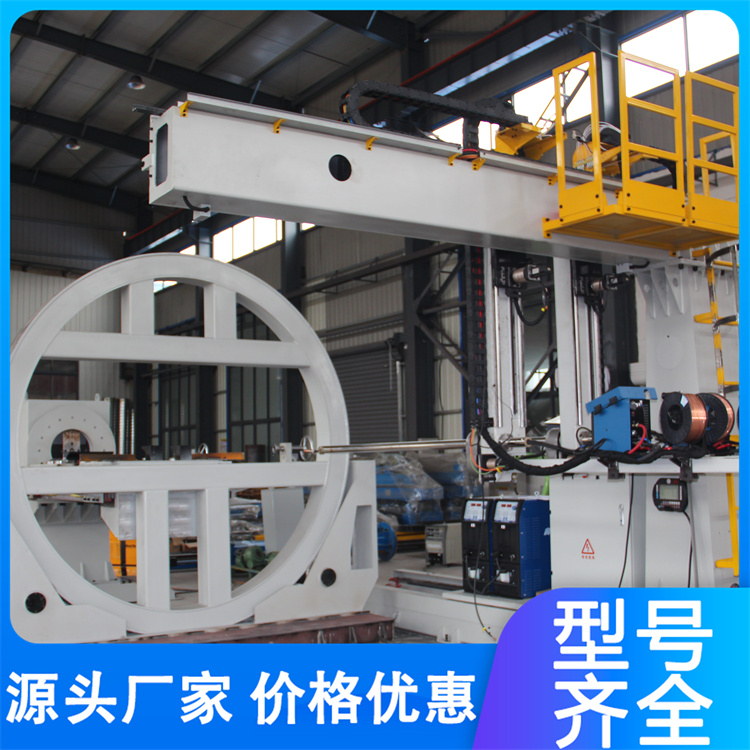

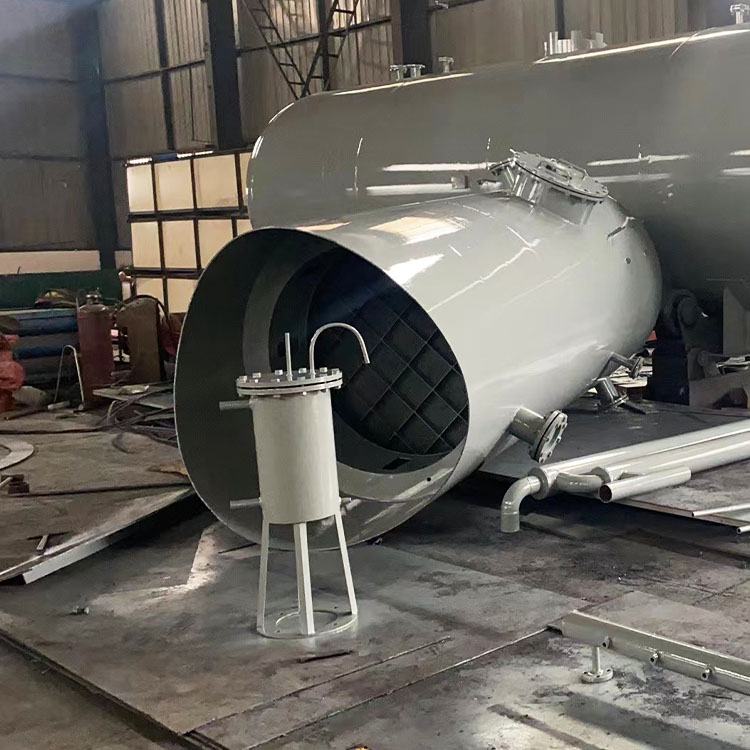

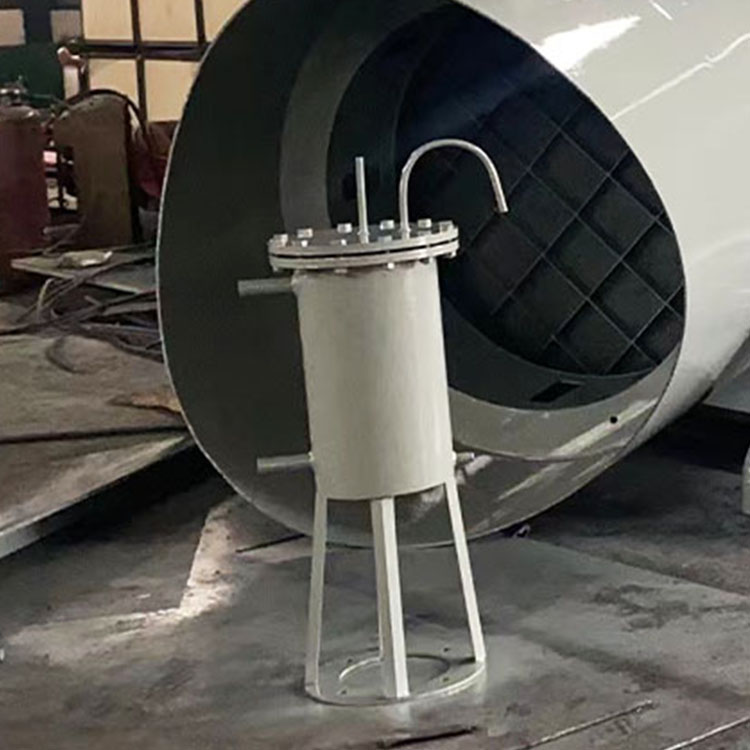











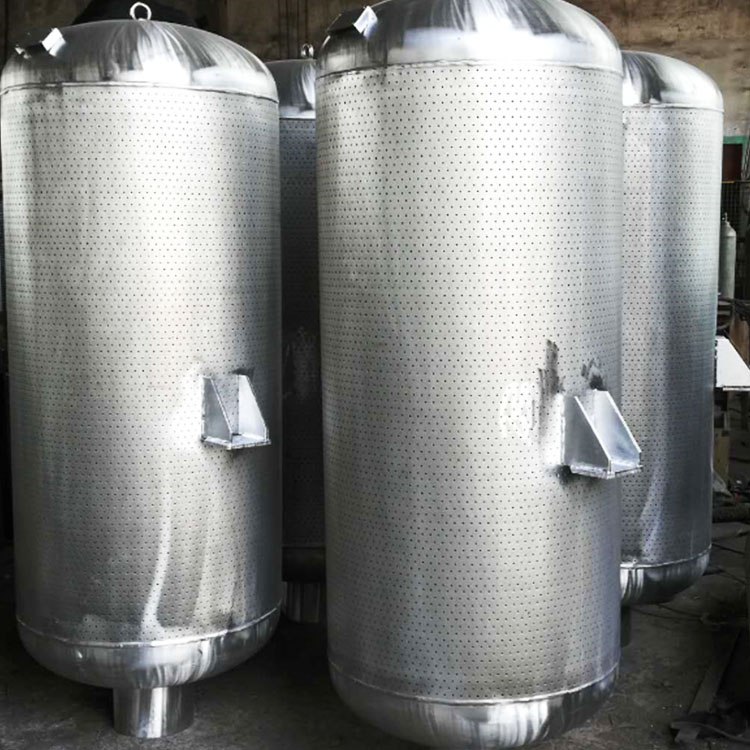
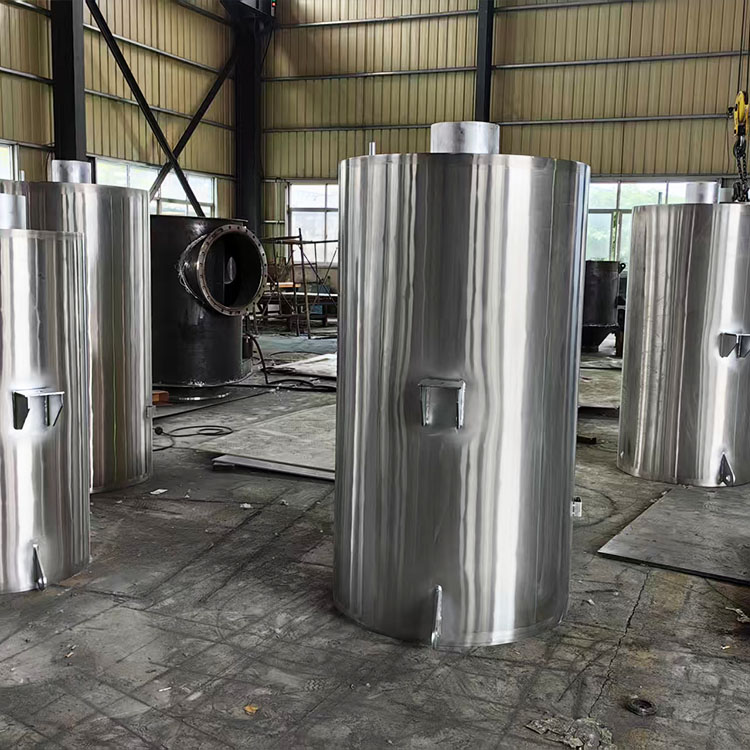
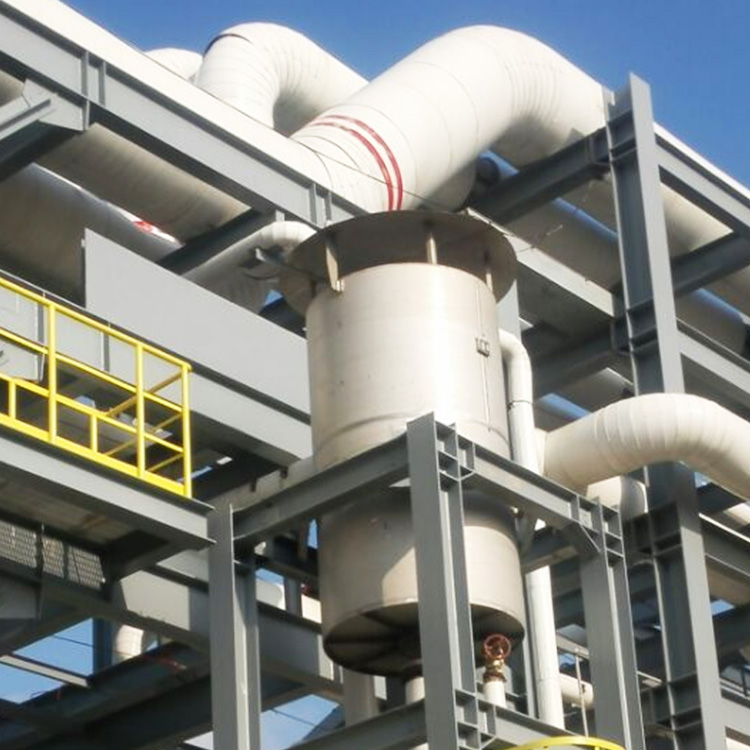
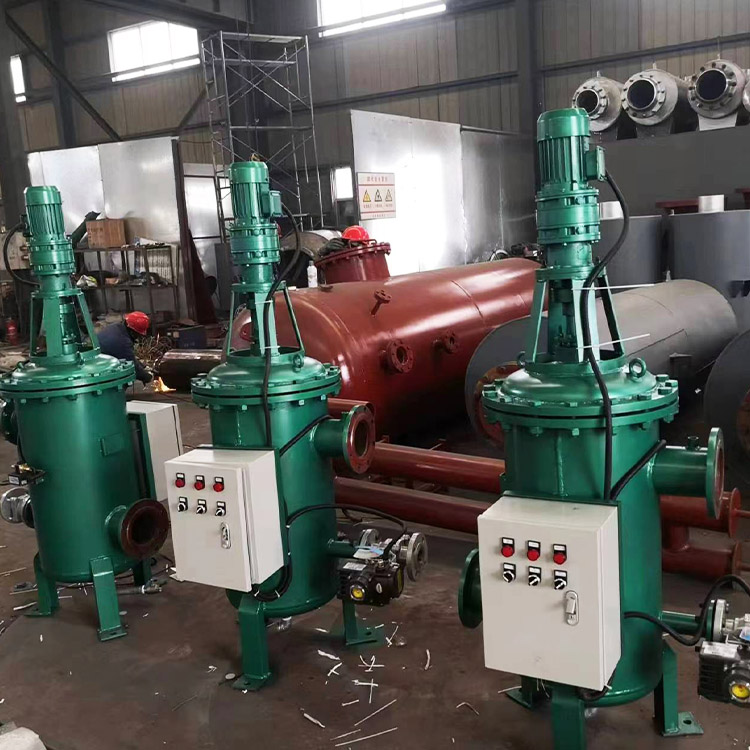
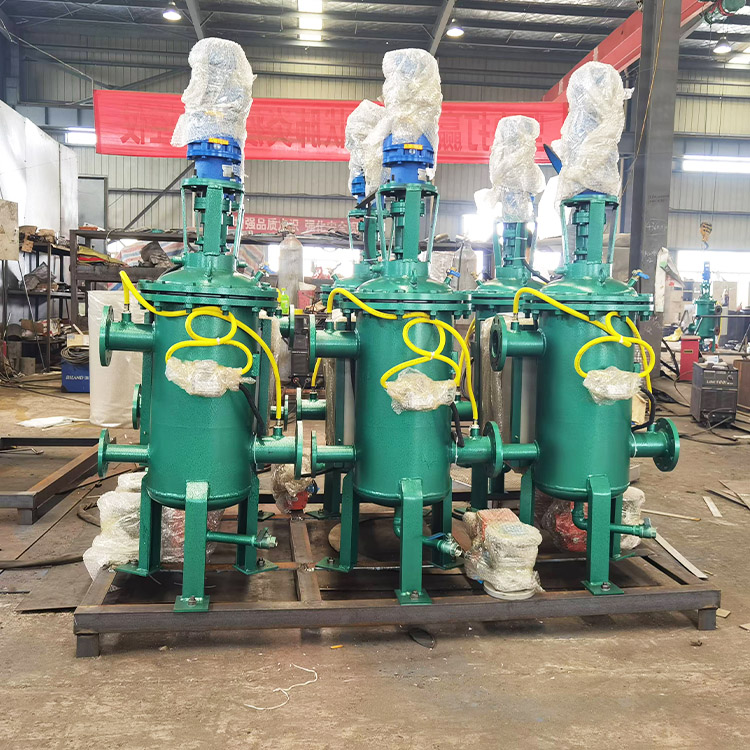
The sampling cooler is a specialized equipment used in industrial systems for medium sampling and cooling, commonly found in scenarios involving high-temperature fluids (such as steam, hot water, and oils) in power plants, chemical industries, metallurgy, and other fields.
Core Information:
1. Features and Applications
High-temperature media (such as boiler steam, high-temperature circulating water) can cause burns during direct sampling and may not meet the temperature requirements of the testing equipment. The function of the sampling cooler is to rapidly cool the high-temperature fluid to 30-40℃ (suitable for the testing instrument's temperature range), facilitating safe and accurate component analysis and water quality testing.
2. Structure and Principle
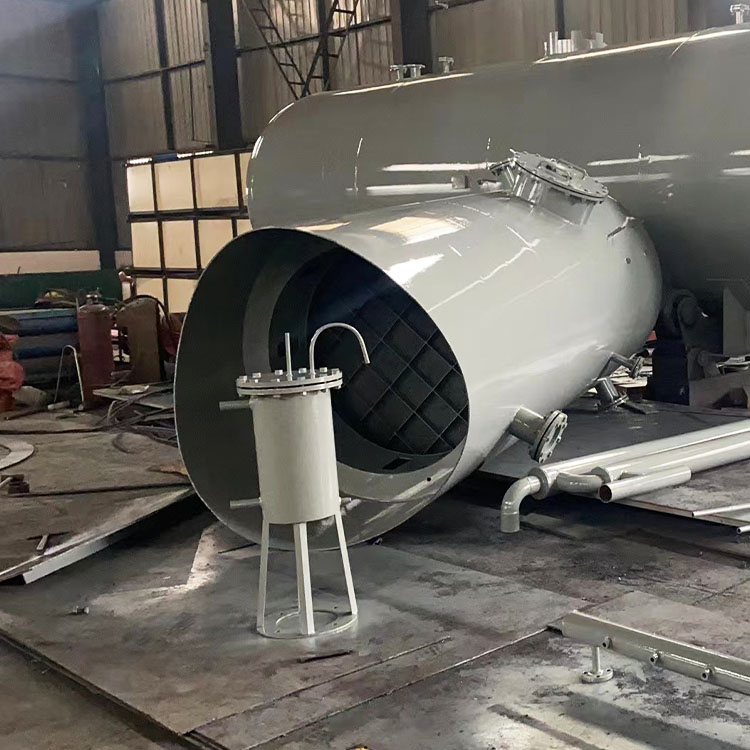
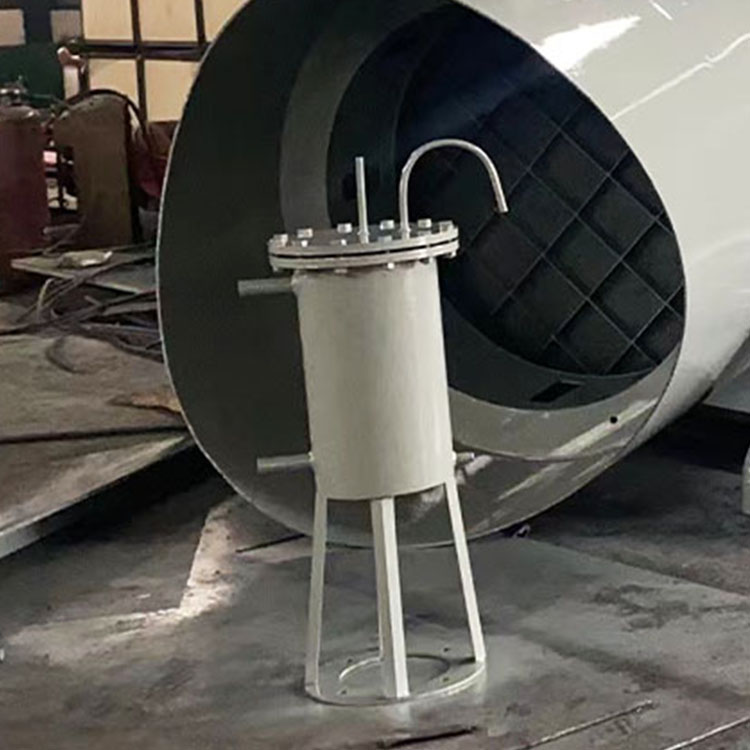
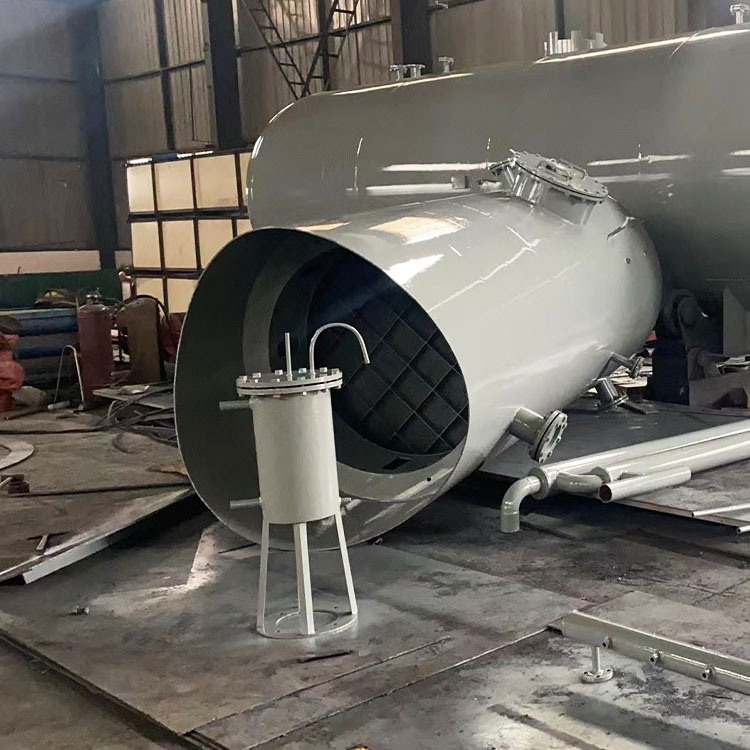
The main structure typically consists of a stainless steel or carbon steel shell plus multiple serpentine cooling coils (the pipes or grates within the container in the image may also serve as supporting structures for the cooling coils).
Process Workflow:
High-temperature medium enters the cooling coil through the sampling port.
Cooling water (commonly industrial recirculating water) is introduced into the casing, and through heat exchange between the medium inside the coil and the cooling water in the shell, the high-temperature medium is rapidly cooled.
The medium, cooled down, flows out from the sampling outlet for testing purposes.
3. Core Features
High-efficiency Heat Exchange: The serpentine coil design increases the heat exchange area, enabling quick cooling.
Safety and Reliability: Prevents direct contact with high-temperature media, eliminating the risk of burns during the sampling process.
High compatibility: Customizable cooling coil materials (such as stainless steel 304/316) and sizes according to medium temperature and flow rate.
It is a crucial auxiliary equipment for the "medium sampling and testing" stage in the industrial process, ensuring the safety of sampling operations and the accuracy of testing data.