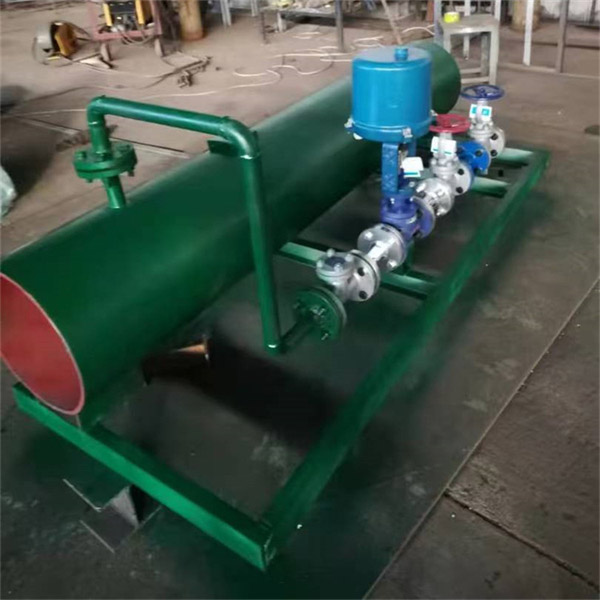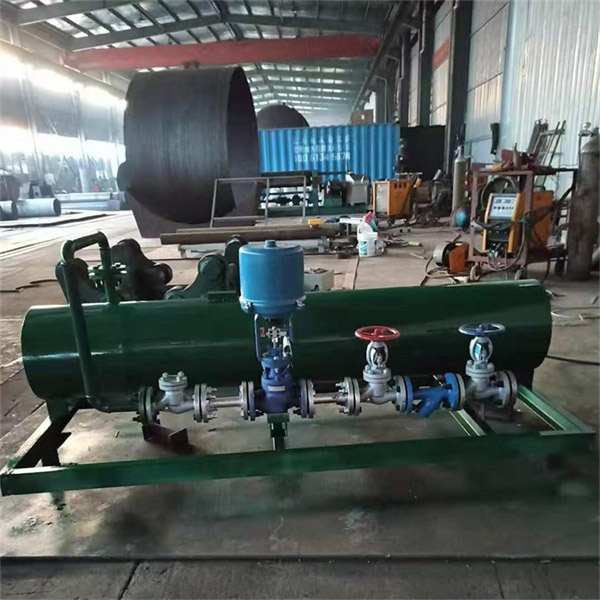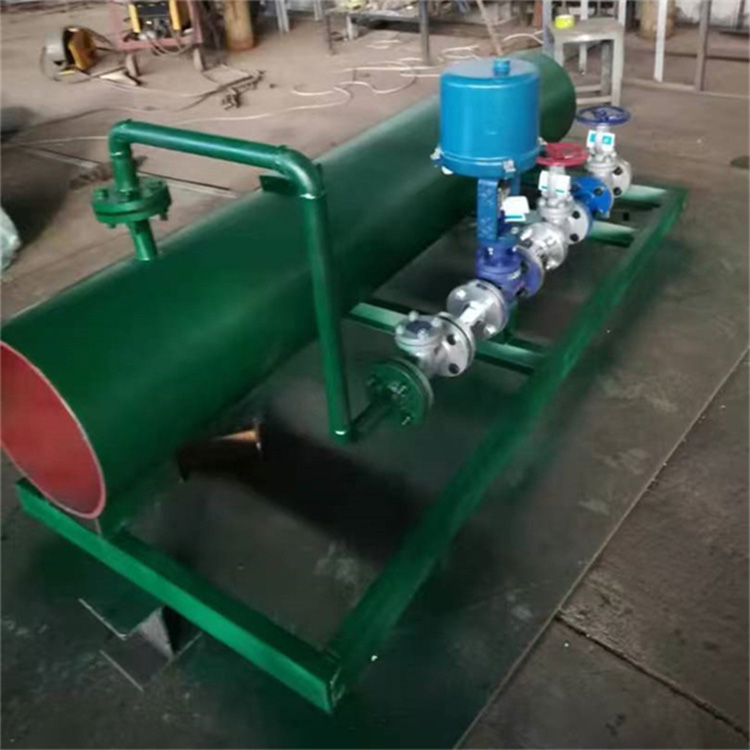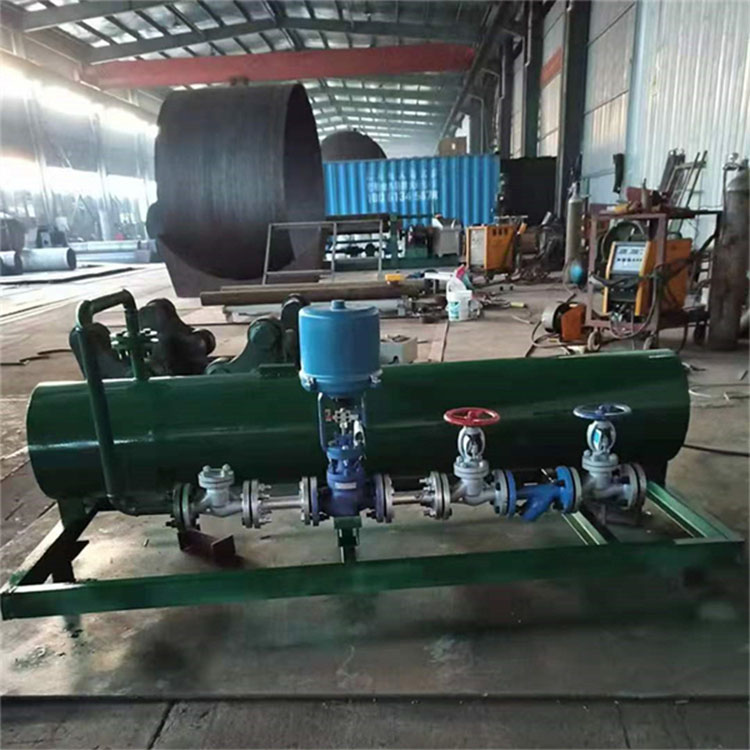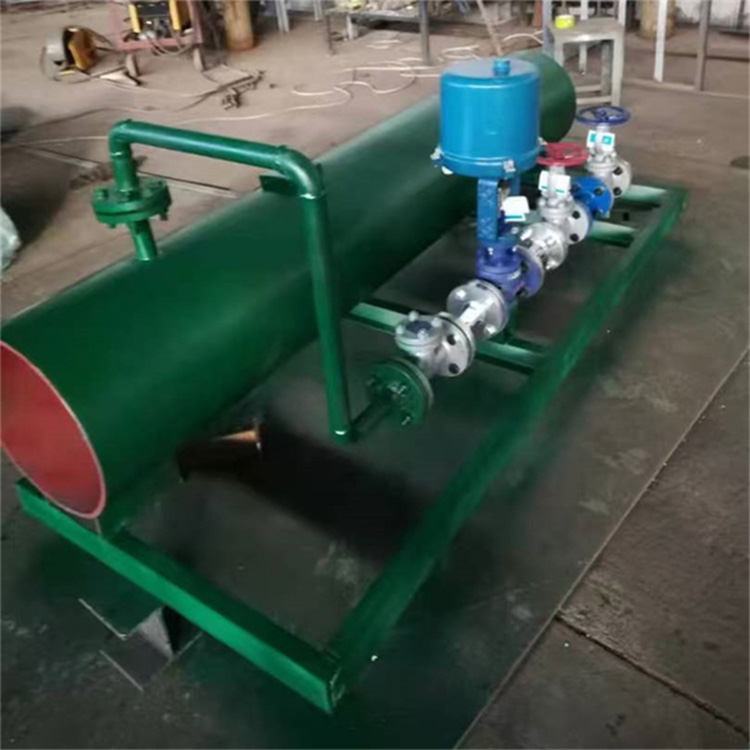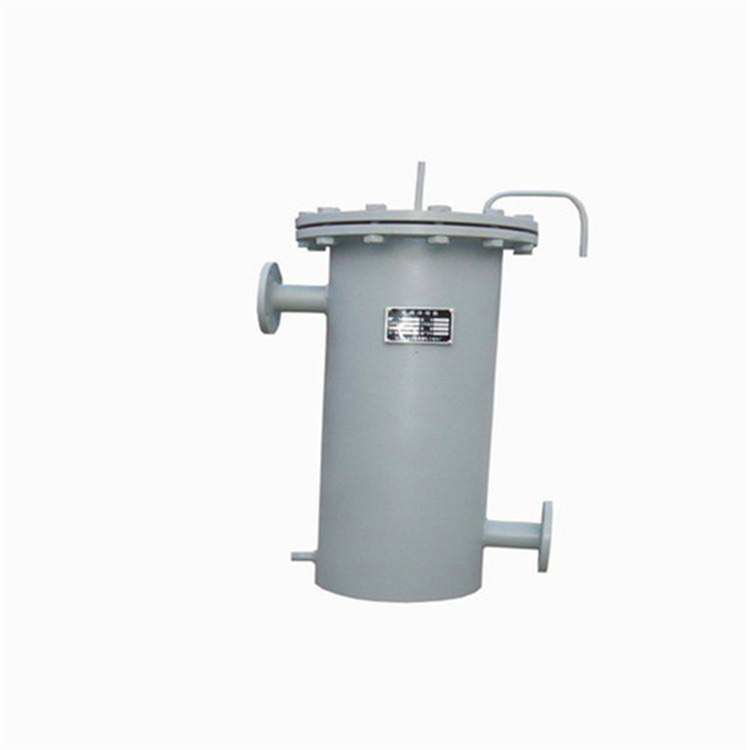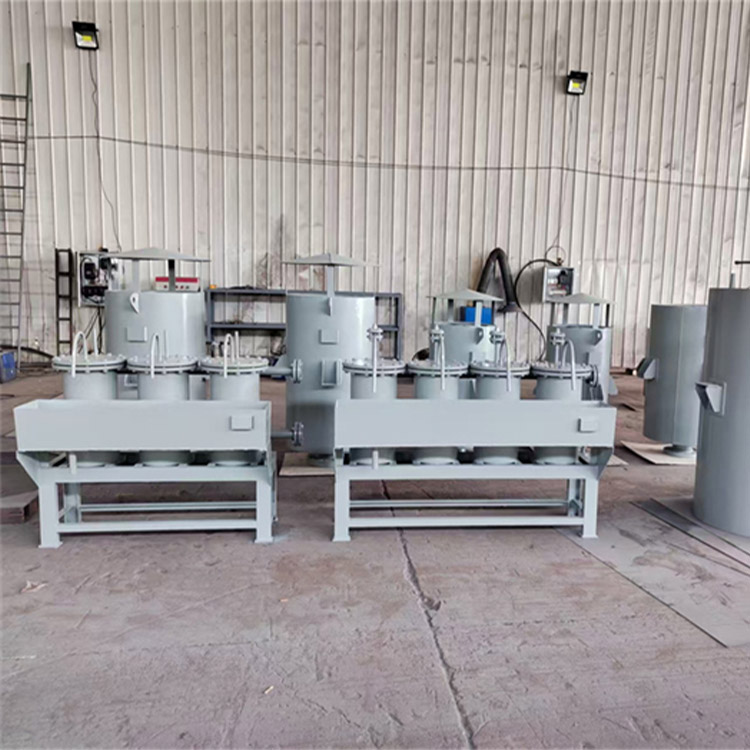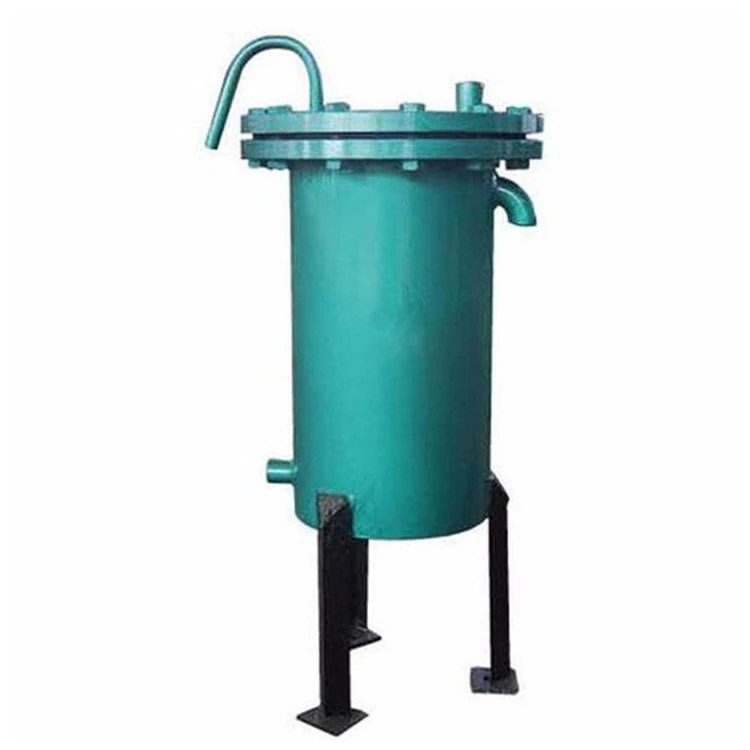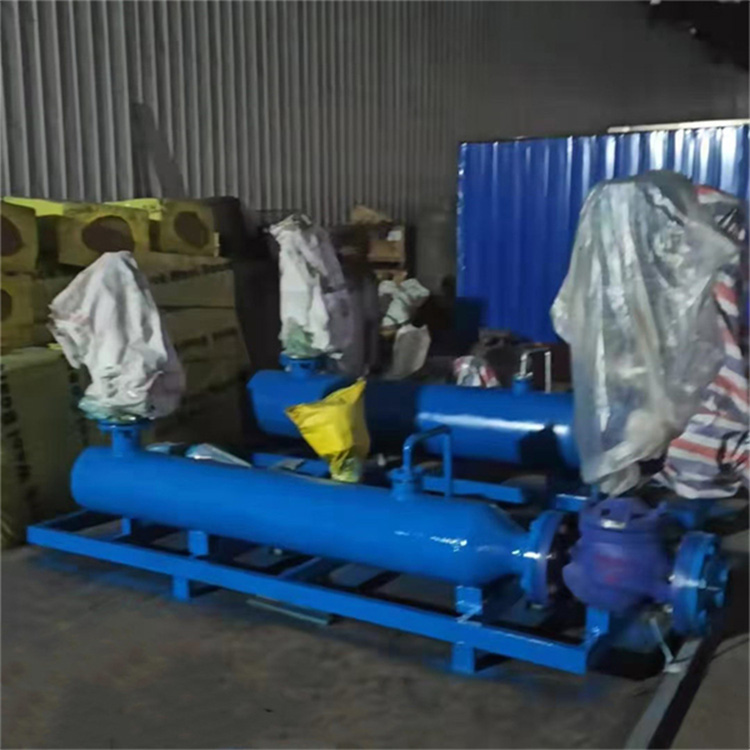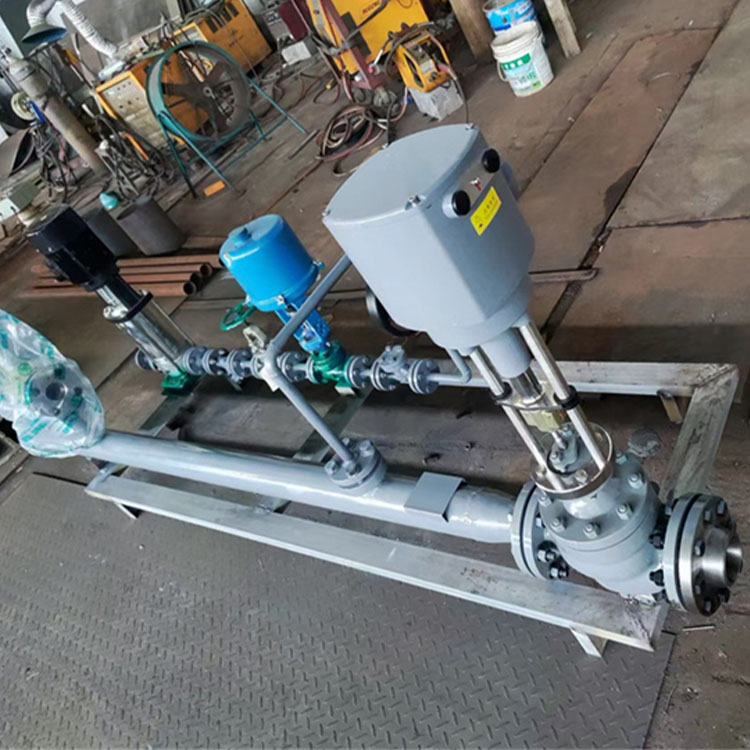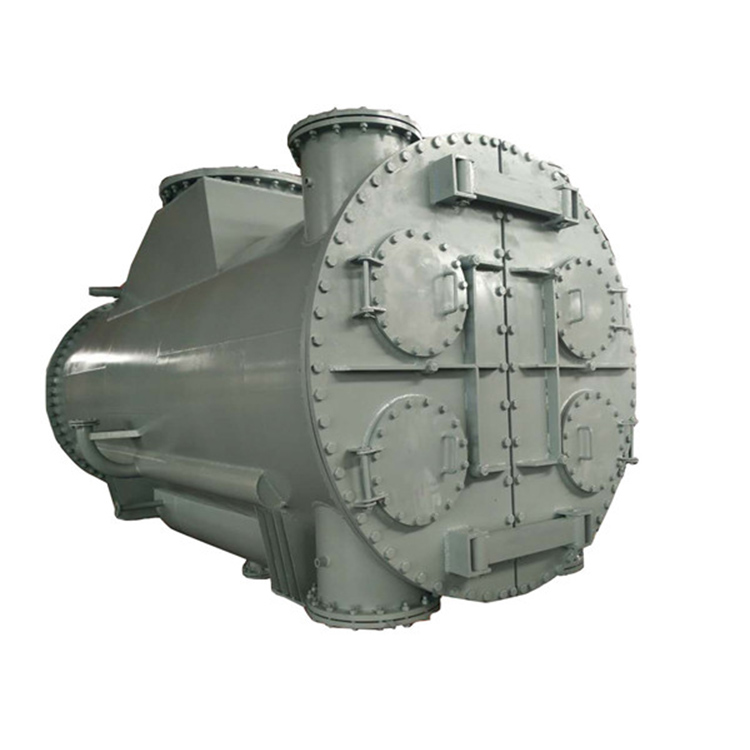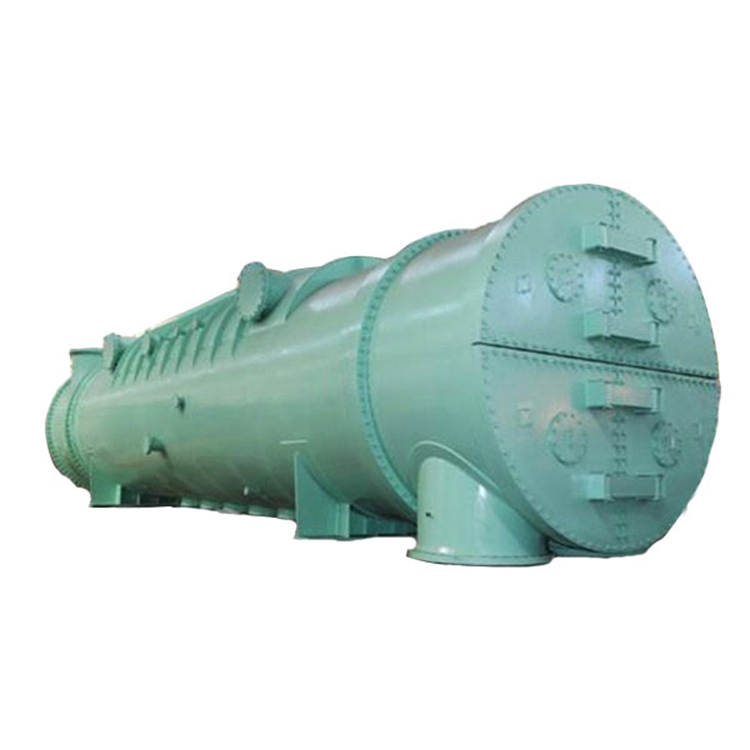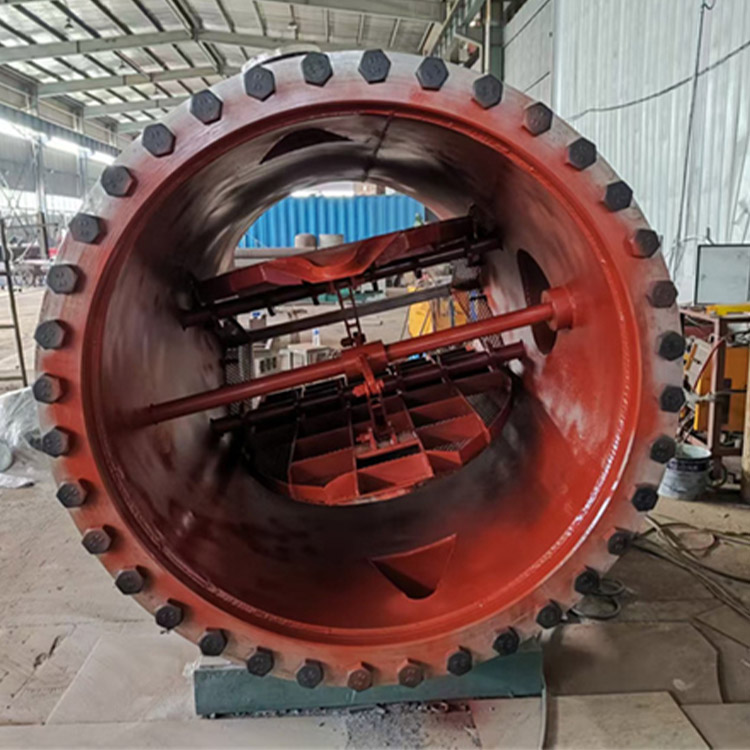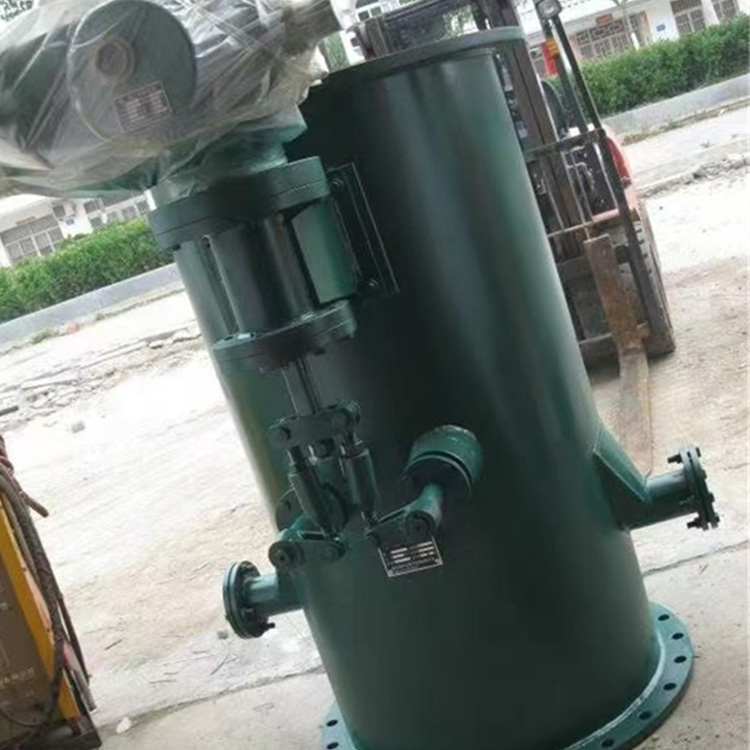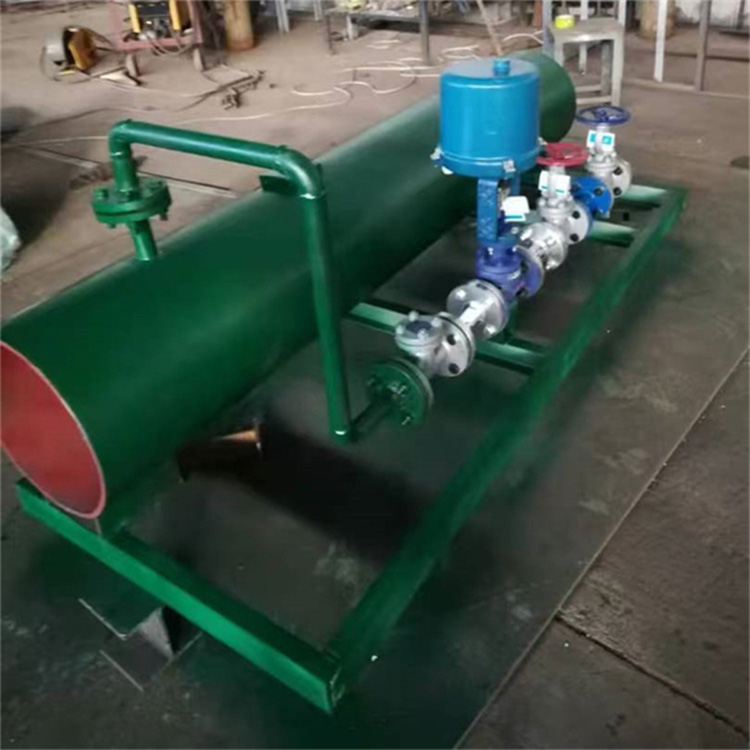

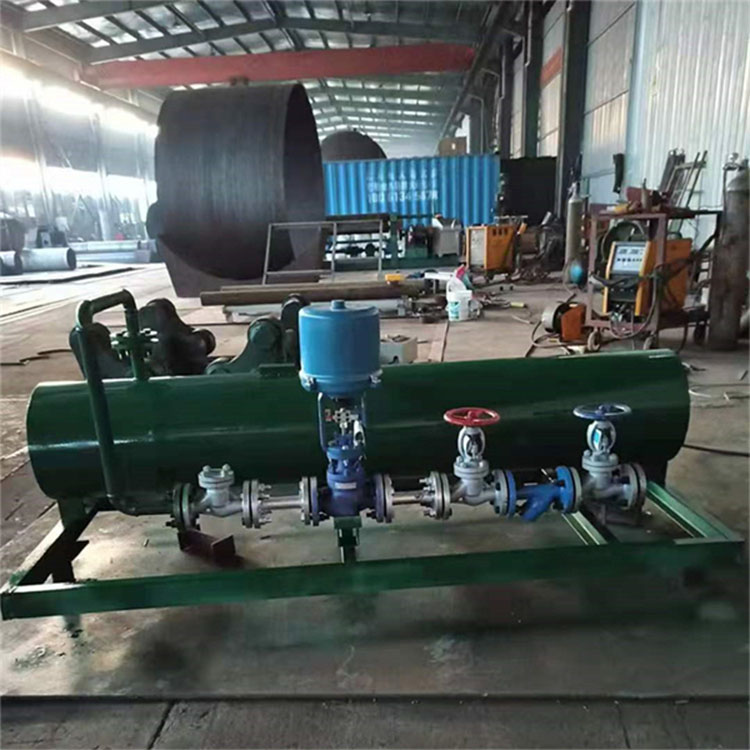
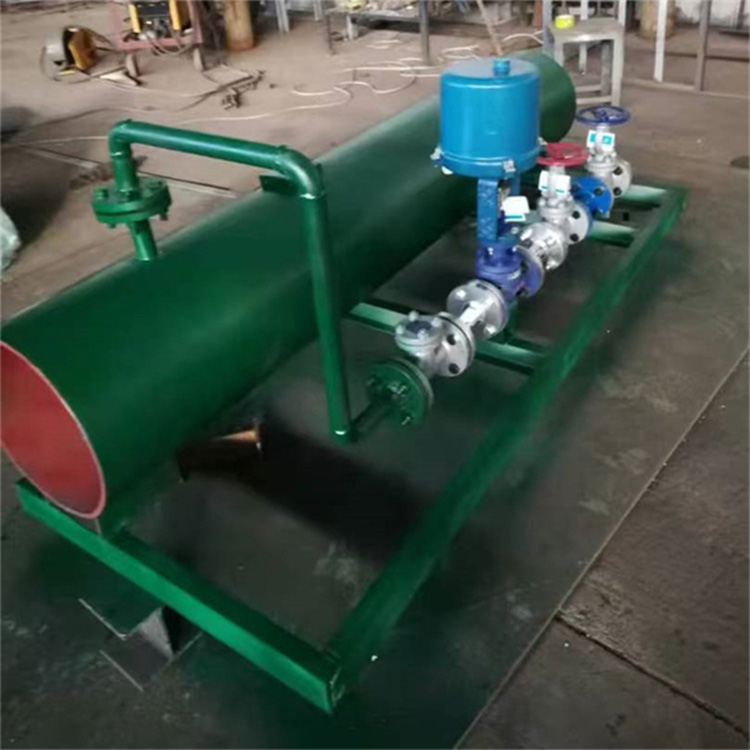


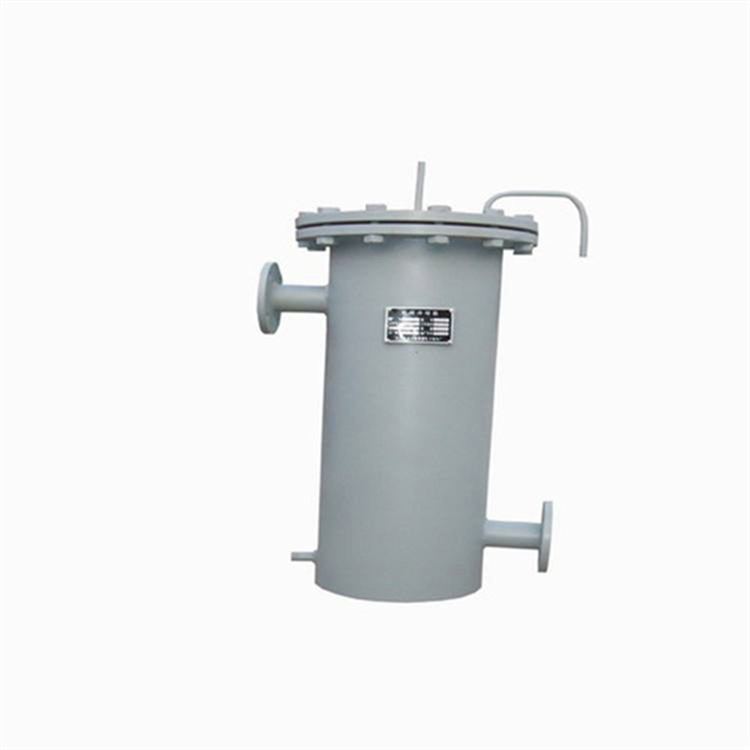
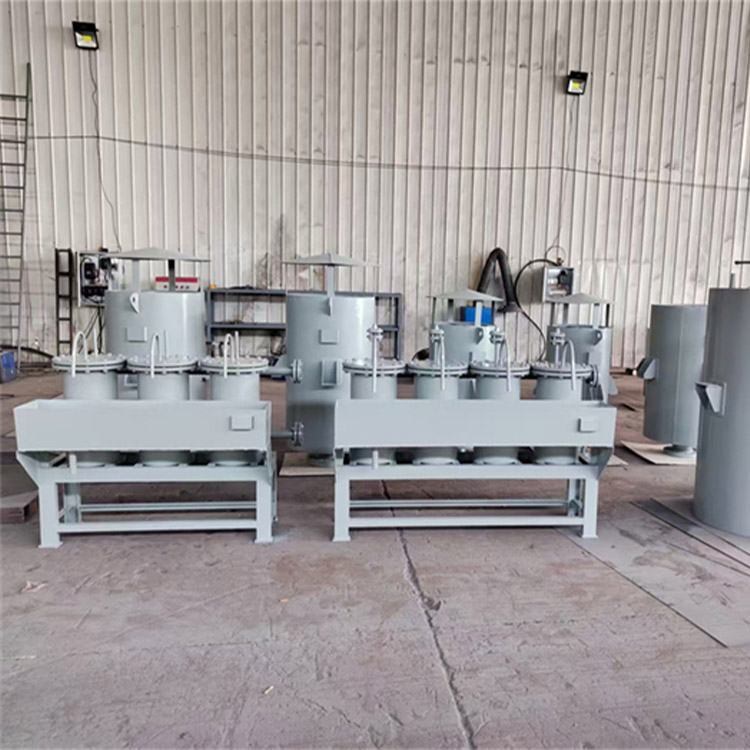
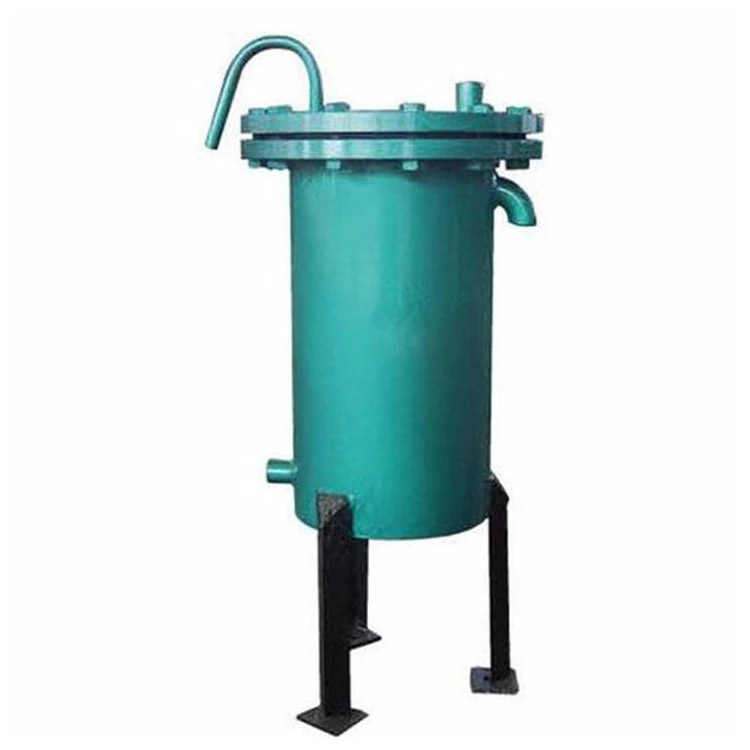
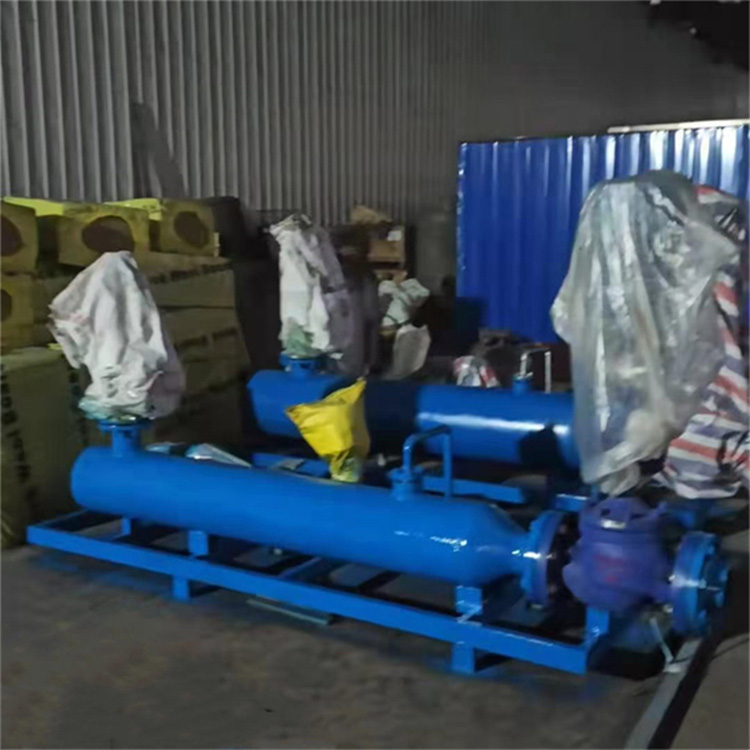





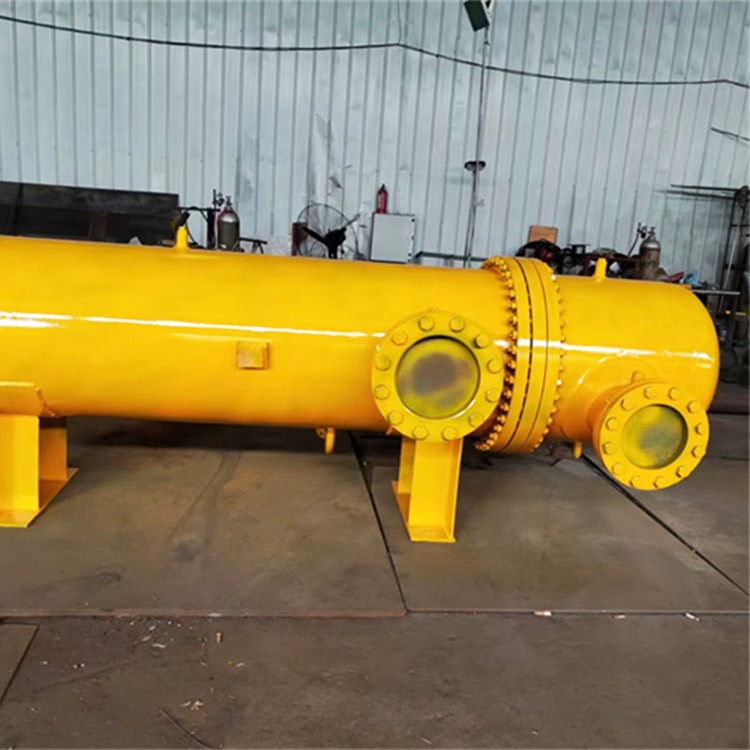
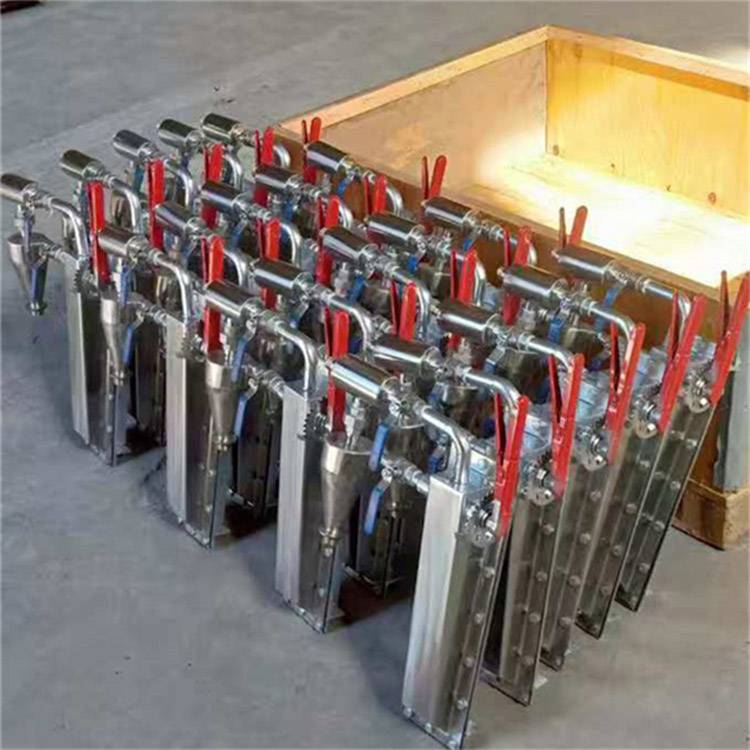
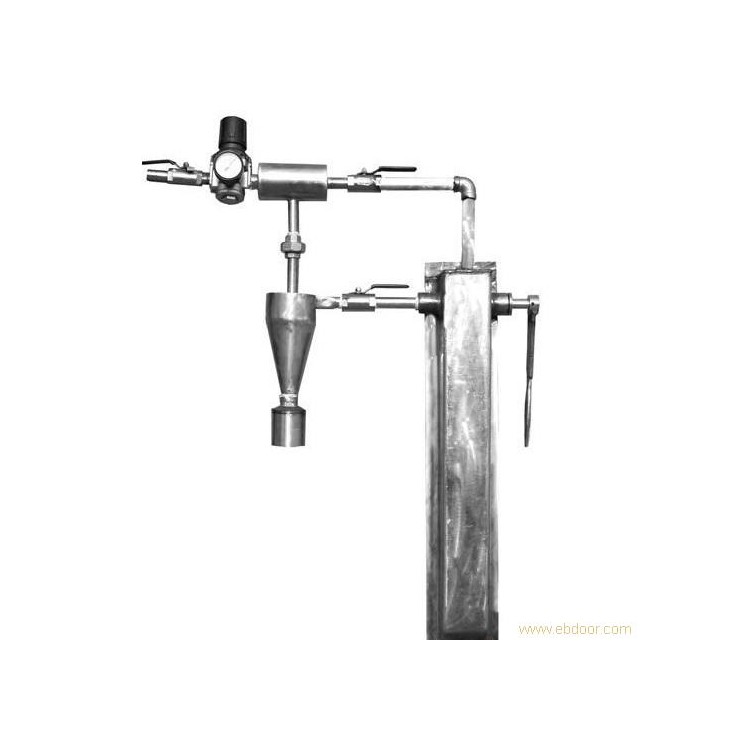
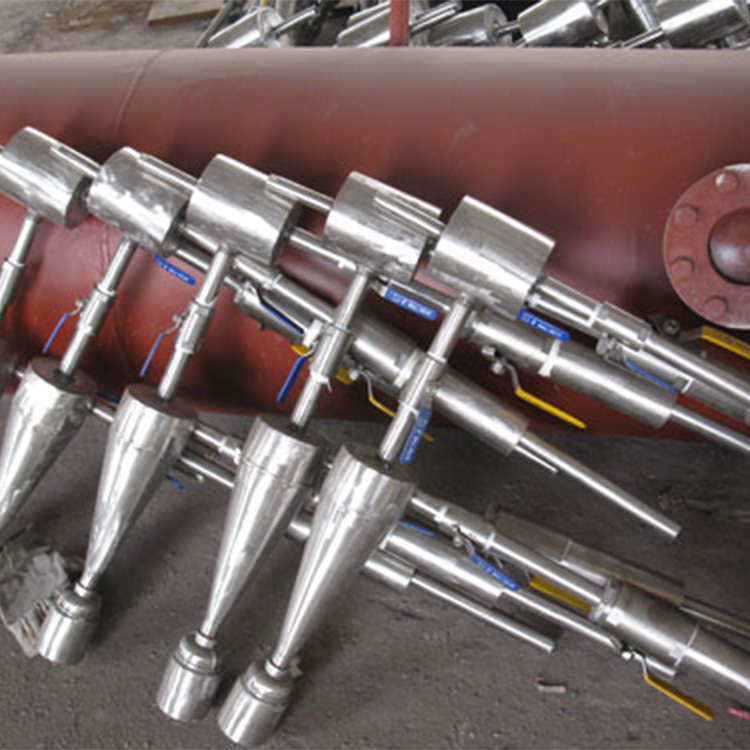
The temperature and pressure reducing device is the core pressure/temperature regulating equipment for steam energy transmission and power supply systems. It integrates pressure reduction, temperature reduction, pressure stabilization, and temperature regulation into one unit, converting high-pressure, high-temperature steam into low-pressure, low-temperature steam that meets process/ heating/ heat exchange requirements. It is widely used in scenarios such as thermal power plants, chemical industry, papermaking, textile industry, and centralized heating in industrial parks.
I. Core Functions
Pressure Regulation: Throttle high-pressure steam / multi-stage depressurize to the set outlet pressure
Temperature Regulation: Cools through atomized water spray, precisely controlling the outlet steam temperature.
Voltage and Temperature Stabilization: Automatic closed-loop regulation to overcome fluctuations in inlet pressure, ensuring stable outlet parameters
Safety Protection: Over-pressure/over-temperature interlock action, equipped with safety valves and shut-off valves to ensure system safety.
Allocation Adaptation: Satisfying the differentiated steam parameter requirements for various process branches
II. Working Principle
Adopting a combination of pressure and temperature reduction control:
Pressure-reducing section: High-pressure steam is reduced to the target pressure through a pressure-reducing valve assembly/multi-stage throttle cage.
Temperature reduction section: The cooling water is sprayed into the steam stream through an efficient atomizing nozzle, instantly vaporizing to absorb heat and reduce temperature.
Mixed section: Carbonated drinks are fully mixed to ensure the outlet steam is slightly superheated/saturated steam, free of water hammer.
Self-contained system: Pressure/temperature sensor feedback signals, PID control for valve opening, to achieve automatic control
Section 3: Core Component Parts
Pressure Reduction Components: Pressure Relief Valves, Multi-Stage Throttle Cores, Actuators (Electrical / Pneumatic)
Cooling Components: Atomizing Nozzle, Water Flow Control Valve, Check Valve
Measurement Instruments: Pressure Transmitters, Temperature Sensors, Flow Nozzles
Control Unit: PLC / Local Control Cabinet, PID Control Module
Safety Attachments: Safety Valve, Drain Valve, DrainTrap Valve, Pressure Gauge
Section 4: Key Selection Parameters
Inlet Steam: Pressure, Temperature, Flow Rate
Export Steam: Target Pressure, Temperature, Flow Range
Cooling Water: Water Quality, Pressure, Temperature, Water Source
Adjustment Precision: Pressure ±0.05 MPa, Temperature ±5℃ (Standard)
Execution Method: Electric / Pneumatic Adjustment, Manual Backup
Material: Valve body carbon steel / chrome-molybdenum steel / stainless steel, compatible with temperature and pressure ratings
V. Maintenance and Care Points
Routine inspection
Monitor import/export pressure, temperature, and flow rate of reducing water
Inspect valve actuator operation, for leaks, unusual sounds, or vibrations
Verify that the nozzle is free of blockages, drainage is clear, and there are no water hammer risks.
Regular maintenance and service
Clean and de-foaming atomizing nozzles, remove scale and impurities
Inspect the valve core and seat for erosion and wear; grind and replace if necessary.
Verification instruments, actuator stroke and PID control parameters
Replace sealing washers; inspect and detect leaks for pipeline flanges and valve stems.
Shutdown maintenance
Drain steam and reducing water, winter frost prevention
Nozzles and valve chamber flushing and cleaning, ensure anti-corrosion protection
Actuator power off, transmission part lubrication and maintenance