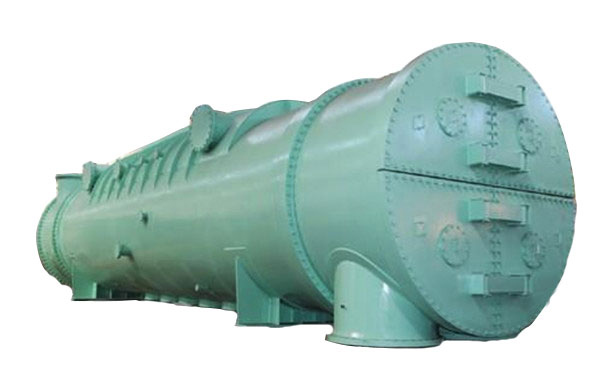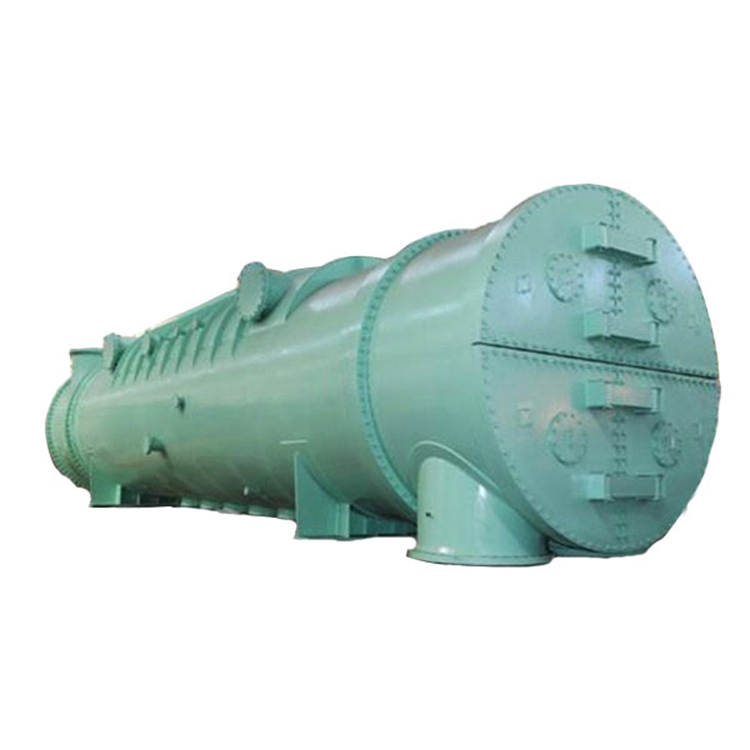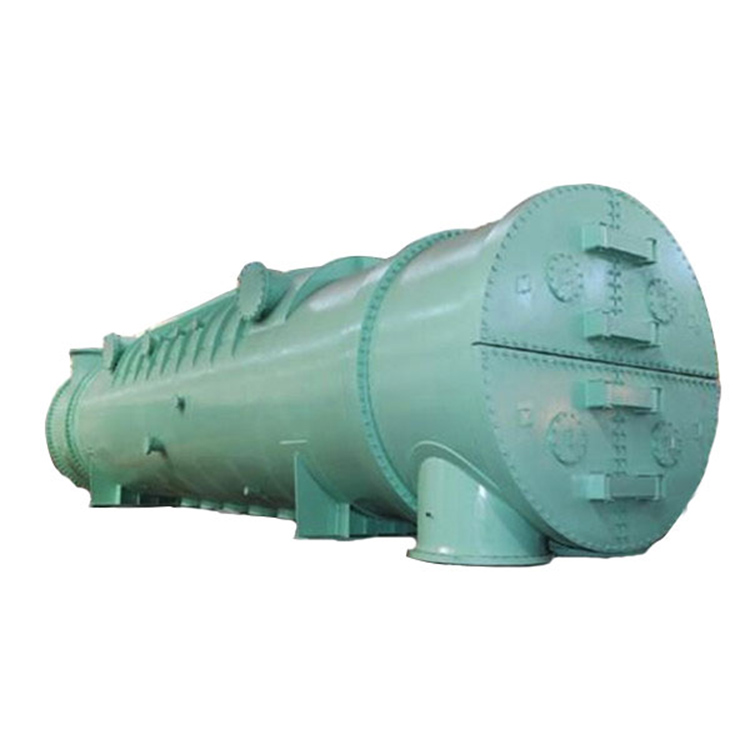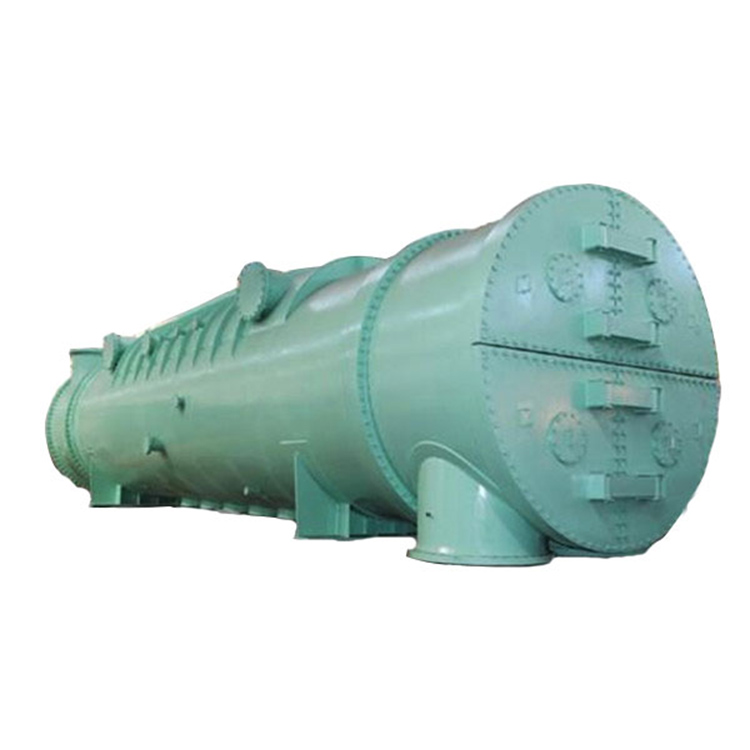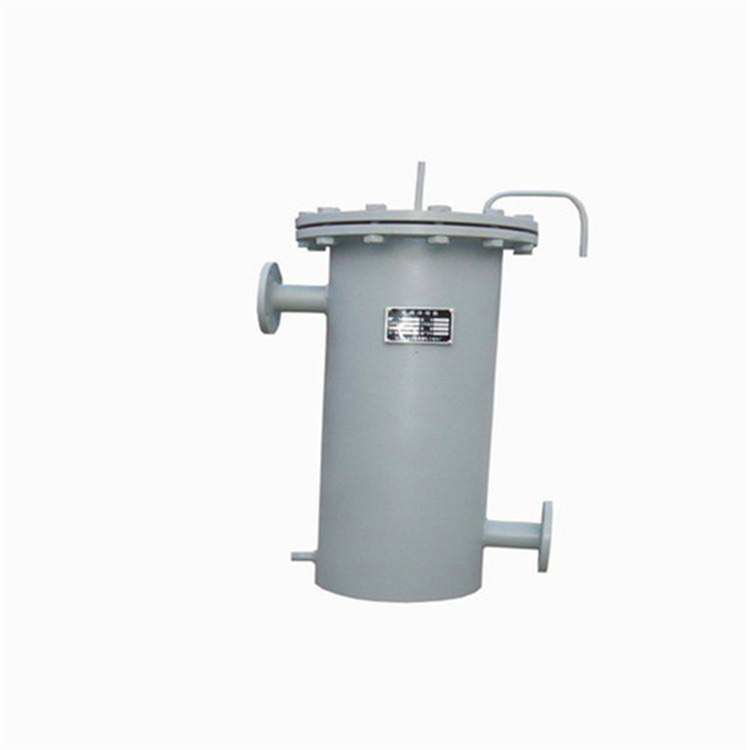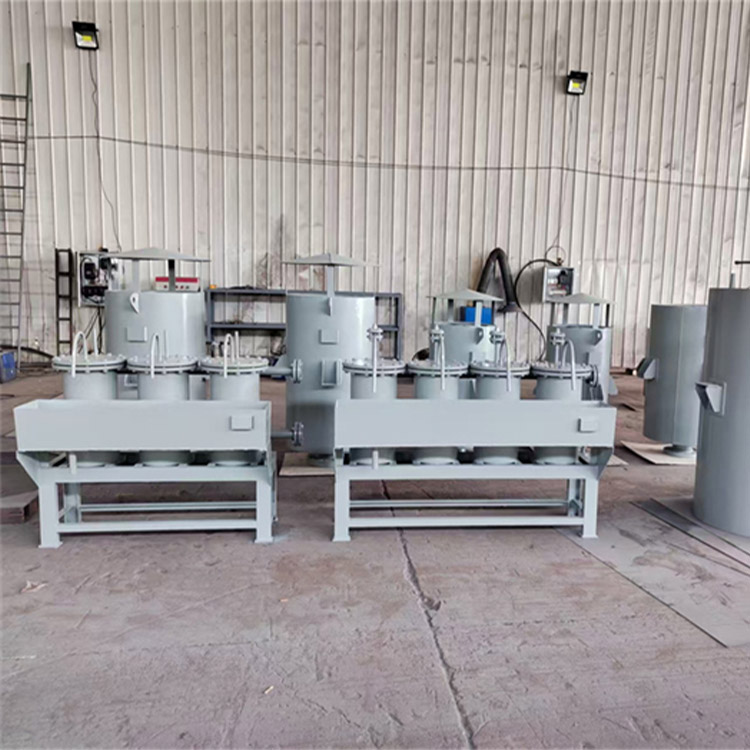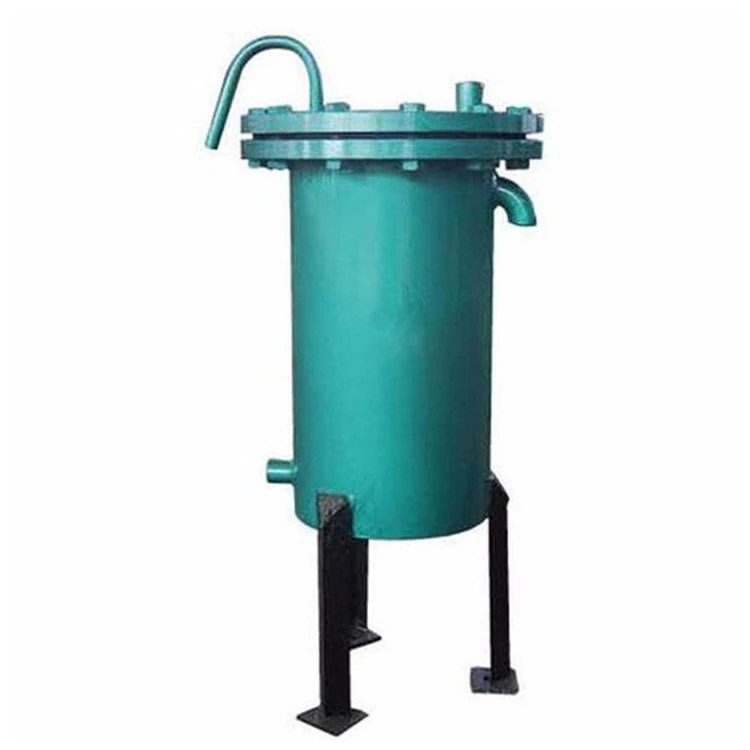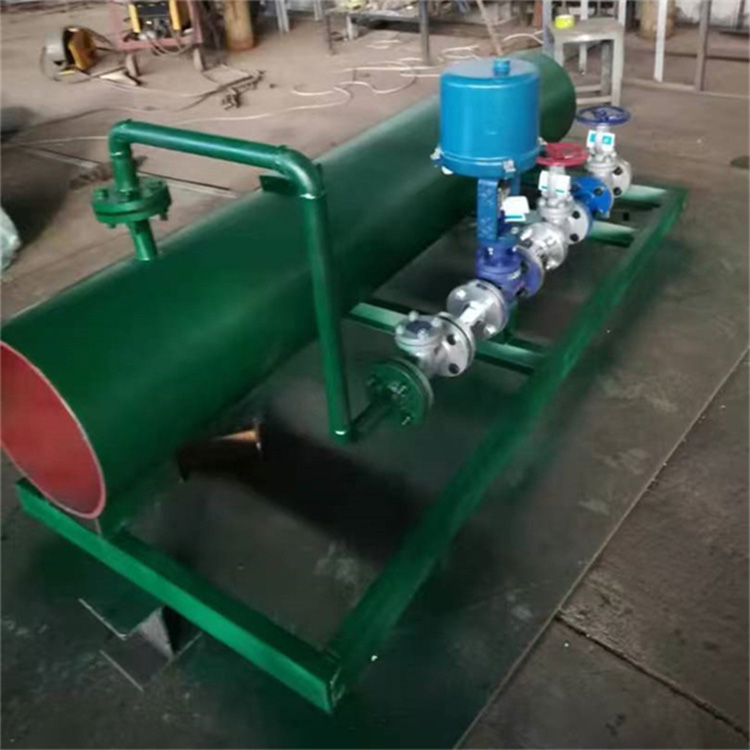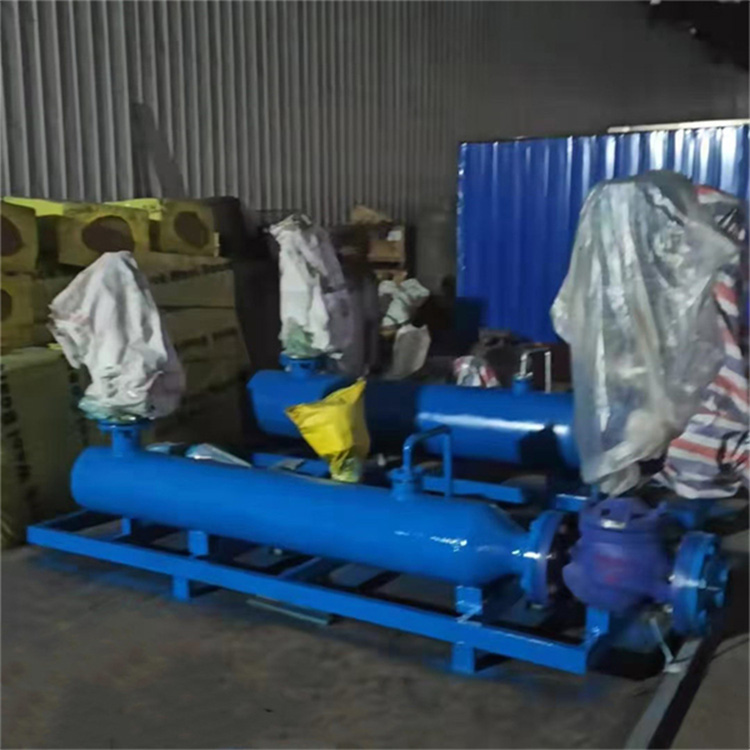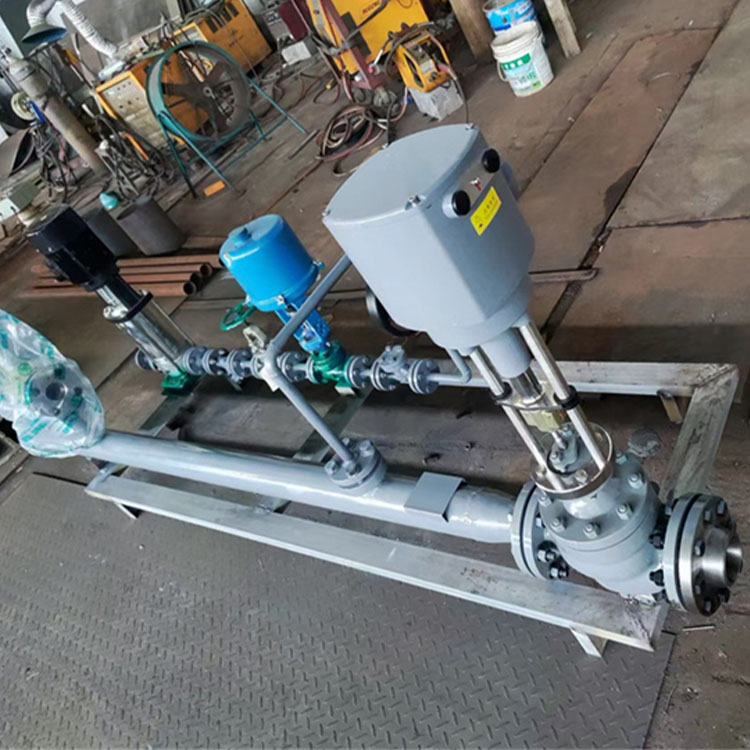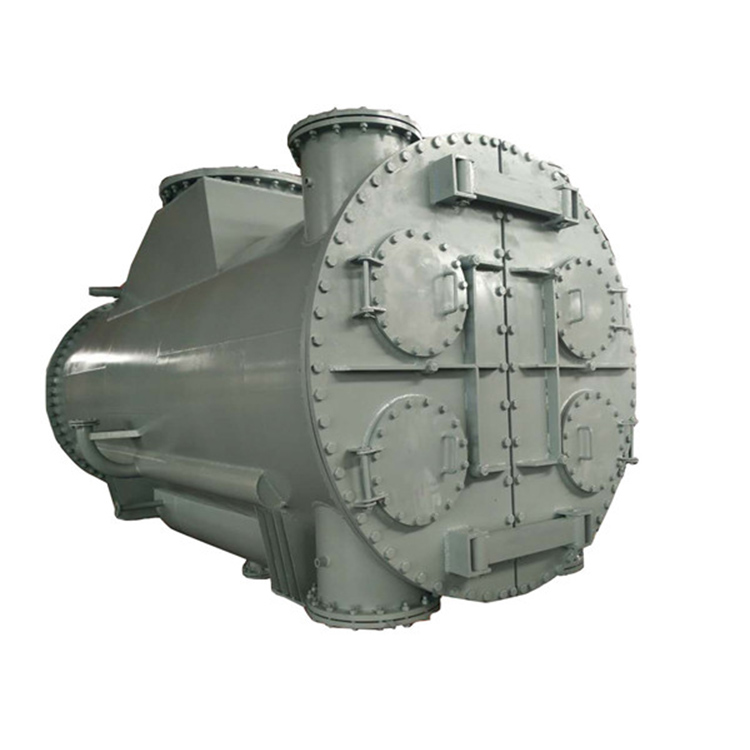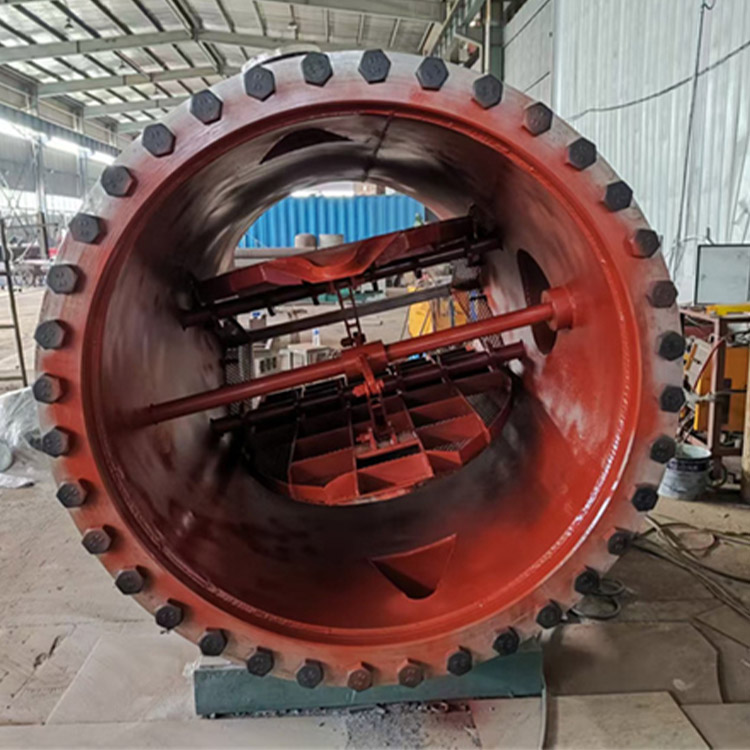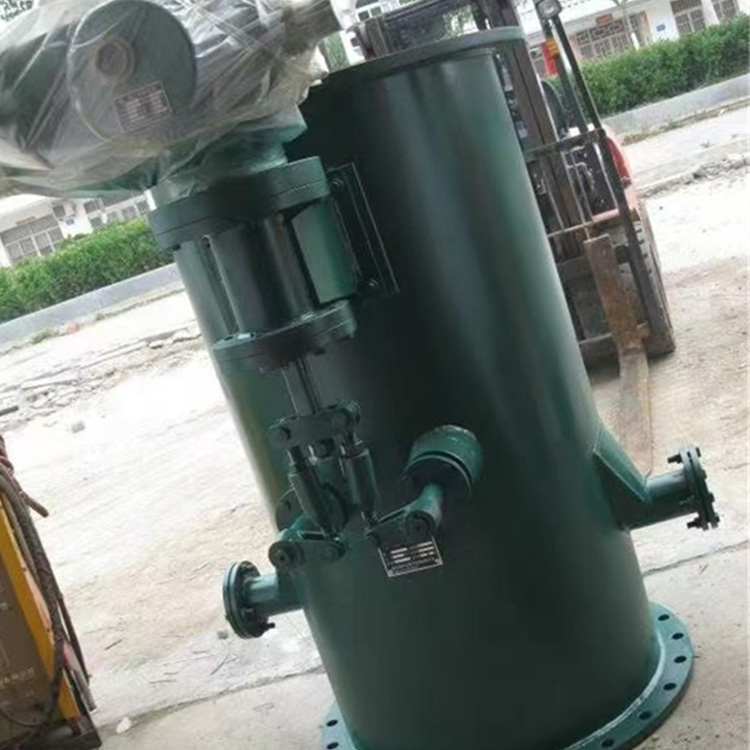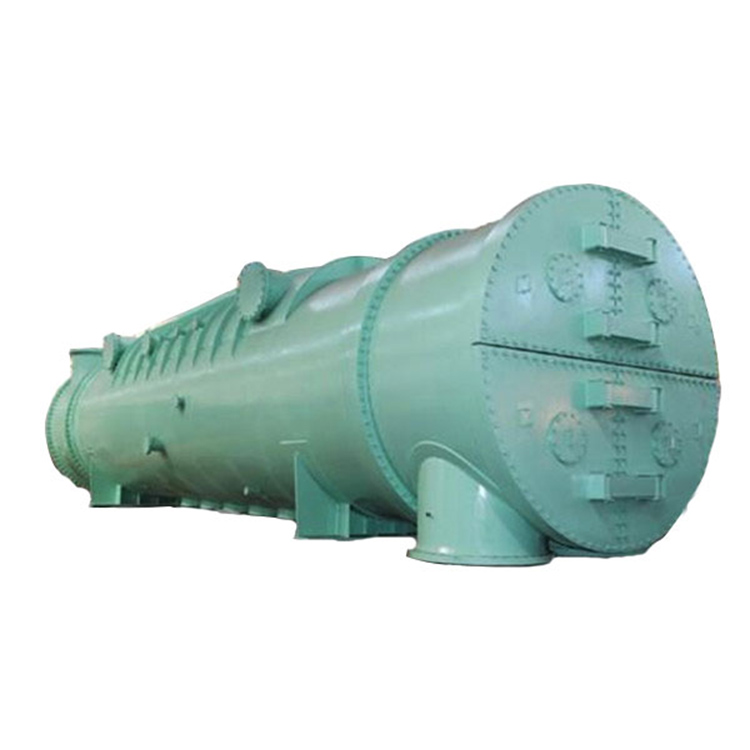

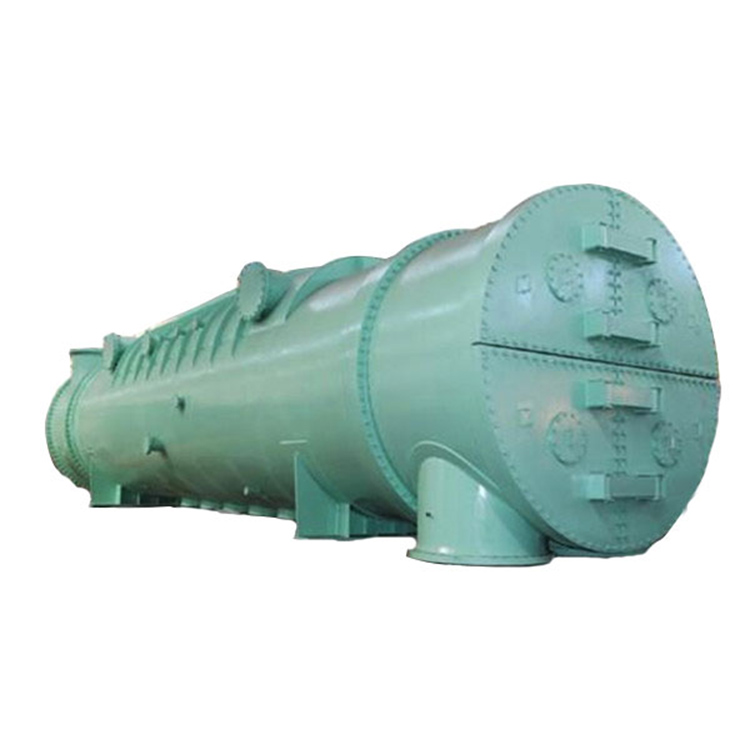
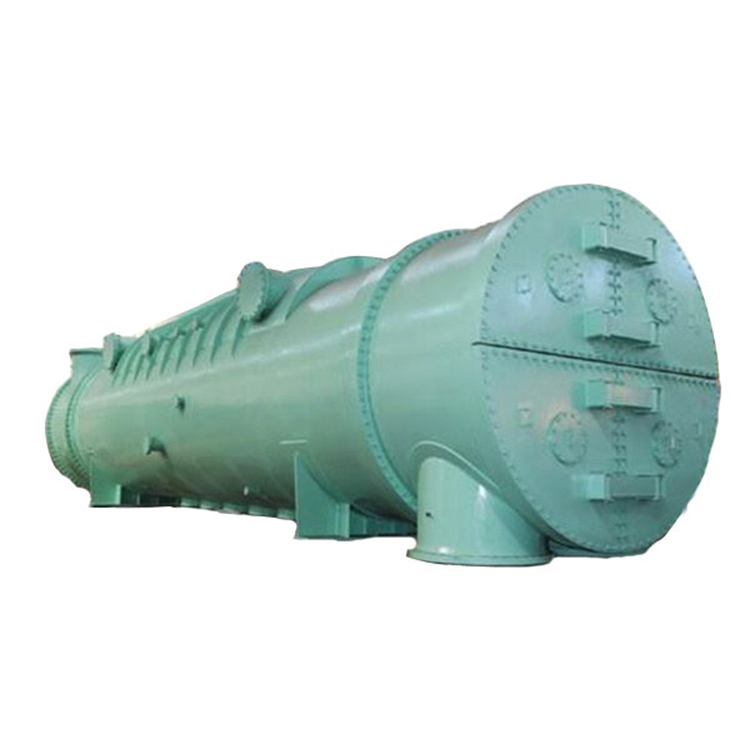
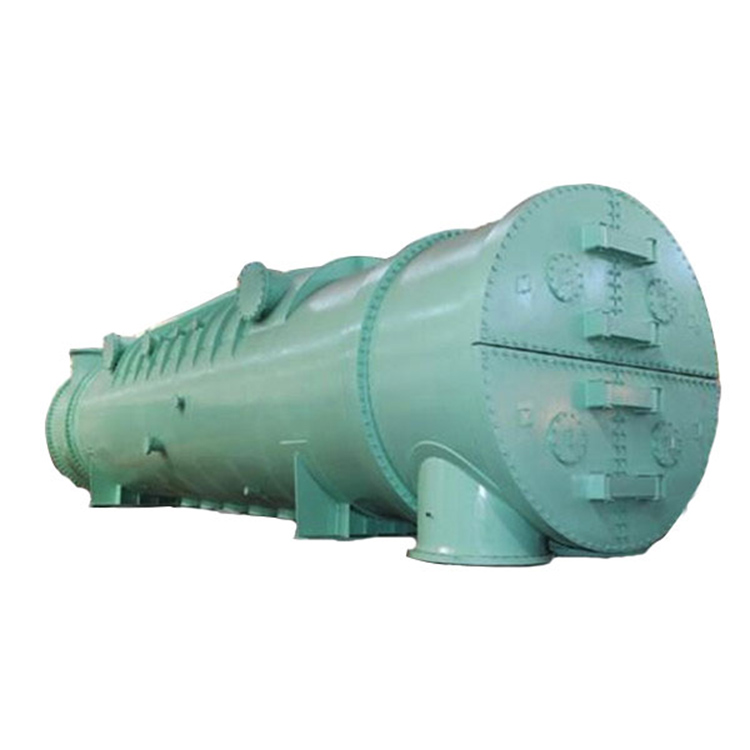


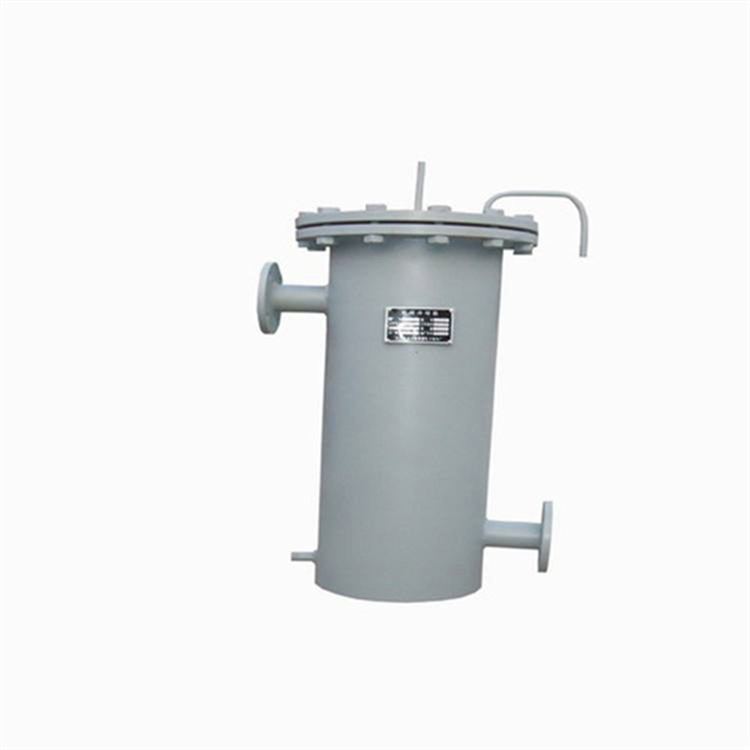
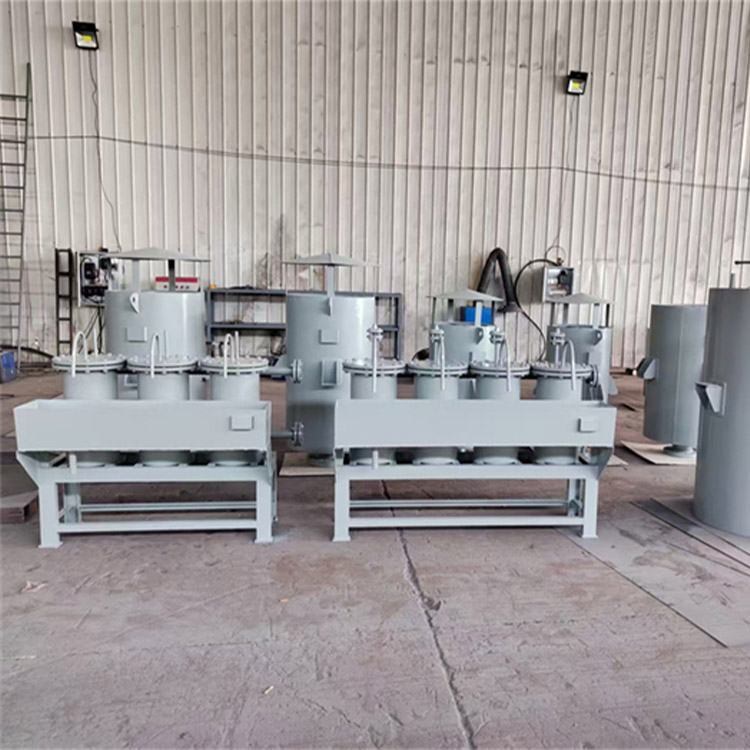
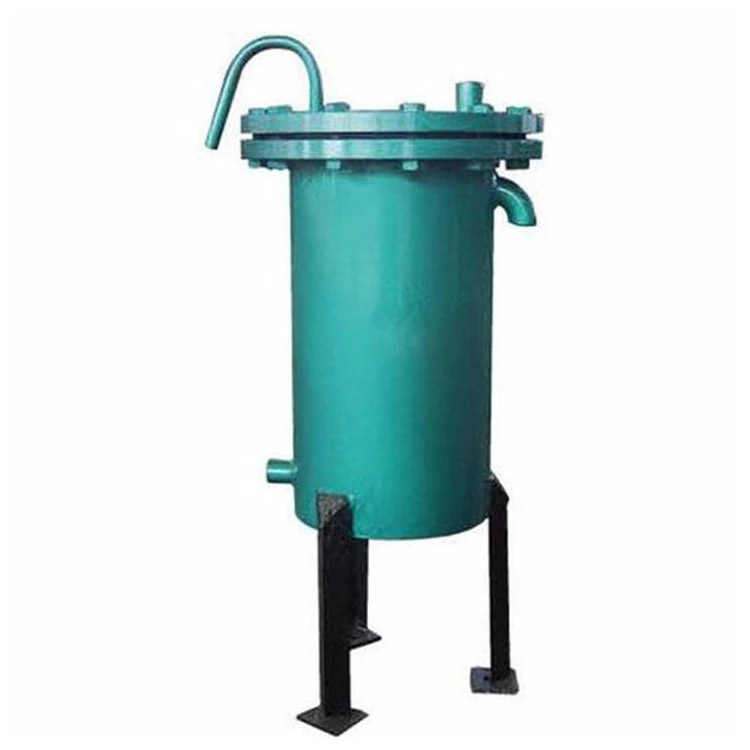
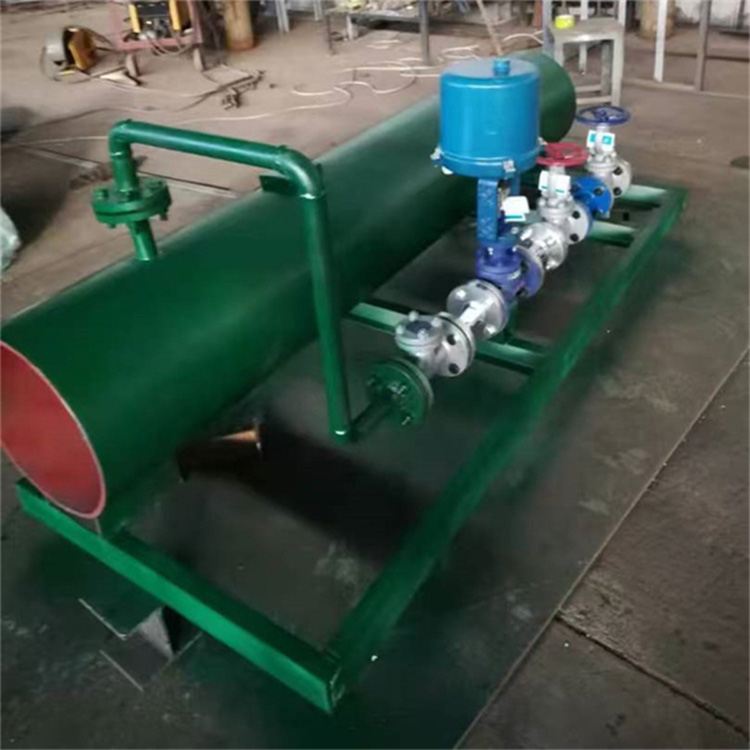
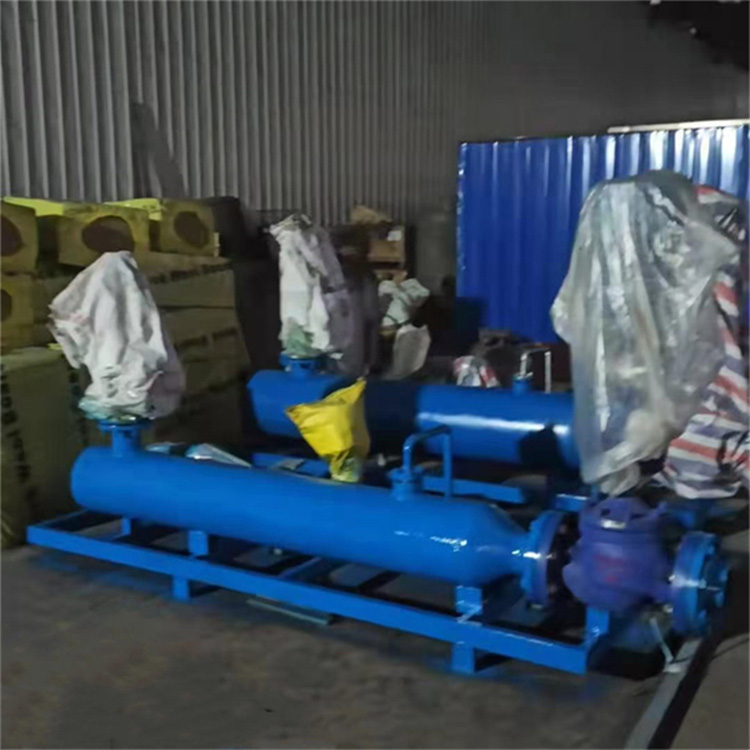





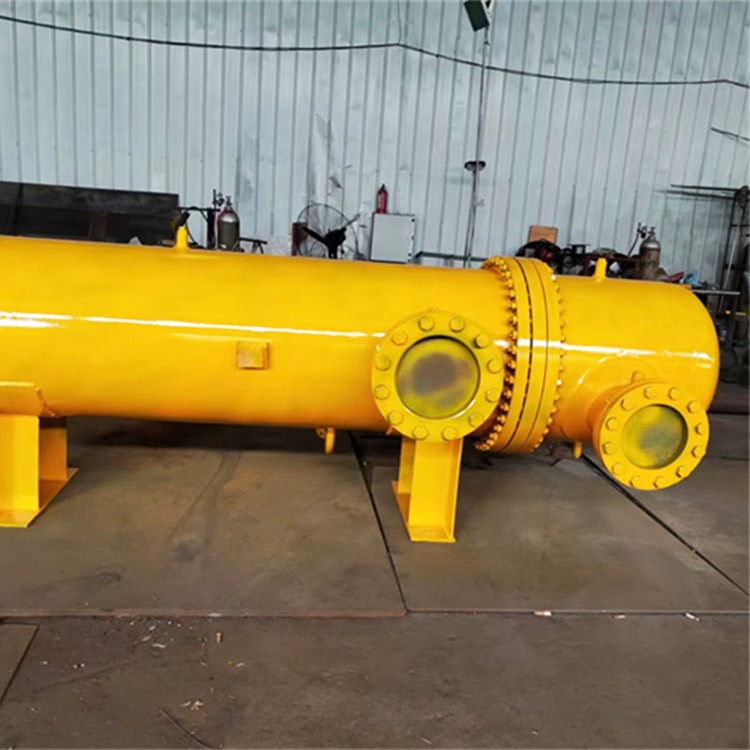
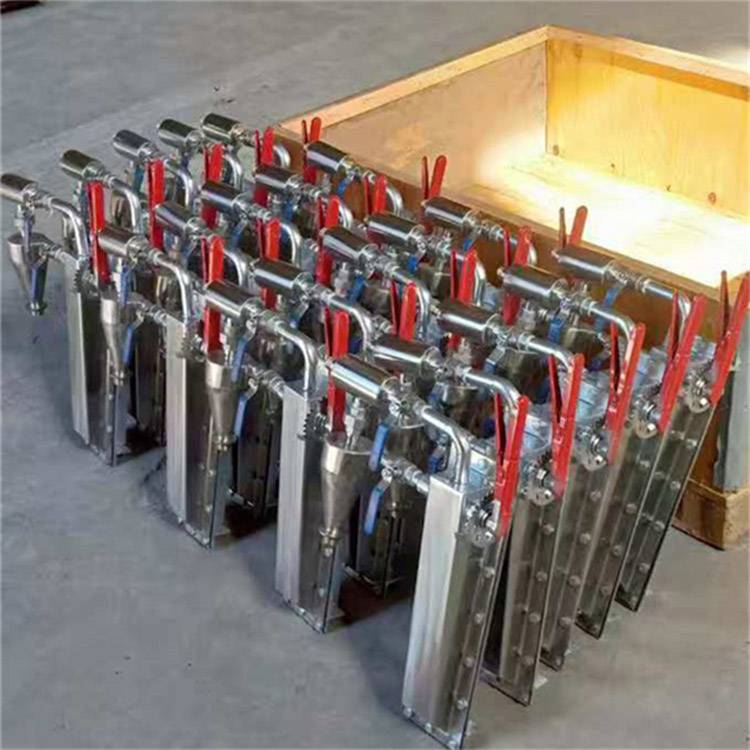
A condenser is a critical auxiliary equipment in thermal power generation, nuclear power, combined heat and power, and steam turbine-driven systems. It falls under the category of shell-and-tube heat exchangers and its core function is to condense the exhaust steam from the turbine into water while establishing and maintaining a high vacuum at the turbine exhaust port, thereby enhancing the thermal efficiency of the cycle.
I. Core Features
Condensate Exhaust: Converts turbine exhaust steam into clean condensate, and recycles the working substance back to the boiler.
Establish Vacuum: Achieve a high vacuum of -0.095 to -0.099 MPa, increase the steam turbine pressure difference, and enhance the power output.
Deoxygenation Purification: Complementing the vacuum system, it removes non-condensable gases (O₂, CO₂) from condensate, protecting subsequent pipeline equipment.
Heat Source Recovery: Recycles steam latent heat, enhancing the overall energy utilization efficiency of the plant.
Section 2: Working Principle
Turbine exhaust enters the condenser shell, where it undergoes inter-wall heat exchange with the circulating cooling water inside the tubes.
Steam condenses on the outer wall of the tubes, collects in the hot well, and is then pumped out by the condensate pump.
Configure exhaust fan/vacuum pump to continuously exhaust non-condensable gas, maintaining the shell process vacuum.
After absorbing heat, the cooling water is sent to the cooling tower for cooling and recirculated for use.
Section 3: Main Structure Composition
Shell: Carbon steel welded cylinder / rectangular box, pressure-sealed
Cooling Tube Bundles: Brass, Stainless Steel, Titanium Tubes (for Sea Water Cooling)
Header / Water Chamber: Left and right water chambers, front and rear headers, available in dual flow / single flow
Hot Well: Bottom water storage tank for condensate storage
Supporting Partition / Vibration Damping Partition: Prevents Confinement Vibration Damage
Attachment: Vacuum Extraction Port, Water Filling Port, Drain Port, Manhole for Inspection
V. Key Selection Parameters
Turbine exhaust flow rate / pressure/temperature
Cooling water volume, inlet water temperature, temperature difference target
Cooling Tube Material, Diameter, Length
Design vacuum degree, thermal well volume
Interface dimensions, installation layout (horizontal predominant)
Maintenance and Care Points (Compatible with your previous cold oil cooler maintenance system)
Routine inspection
Monitor vacuum level, end difference, exhaust steam temperature, and water temperatures at the inlet and outlet.
Check the hot well water level and the operating status of the condensate pump
Monitor tube constraint vibration, investigate water chamber / flange leakage
Regular maintenance and service
Water chamber / High-pressure water cleaning for tubes, on-line cleaning balls for scale removal and anti-corrosion
Identify and plug leaks, replace corroded and leaking heat exchange tubes
Water tank anti-corrosion coating, sealing gasket replacement
Vacuum System (Water Ring Pump / Jet Vacuum Pump) Performance Calibration
Hot well effluent treatment, silt and debris cleaning
Shutdown maintenance
Relieve cooling water, blow dry
Shell Filling with Nitrogen / Corrosion Inhibitor Protection, Atmospheric Corrosion Prevention
Winter anti-freezing drain