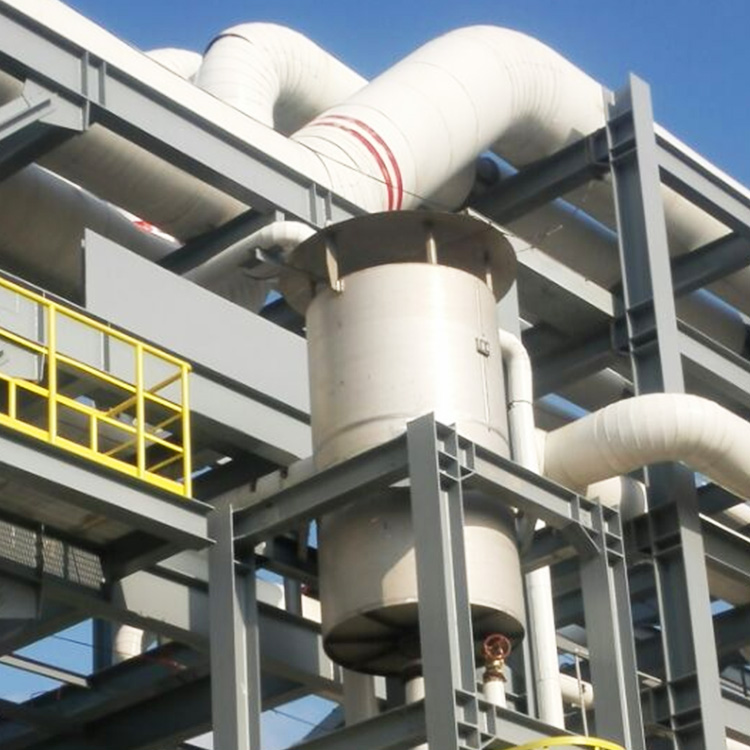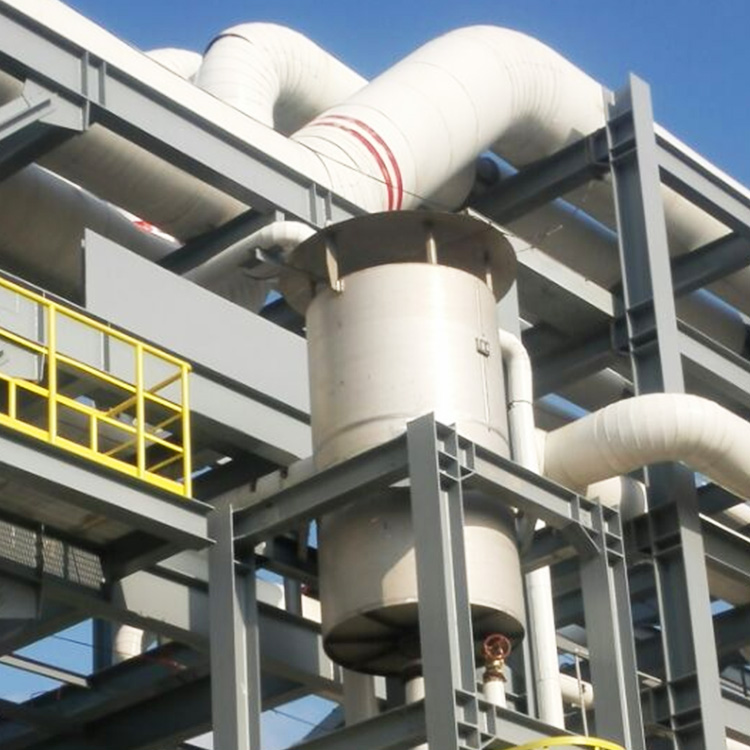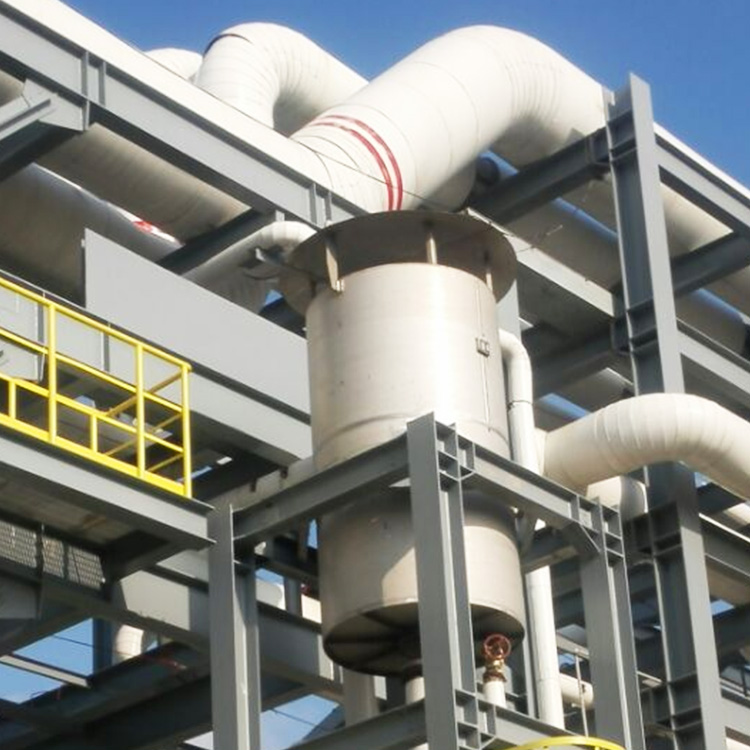

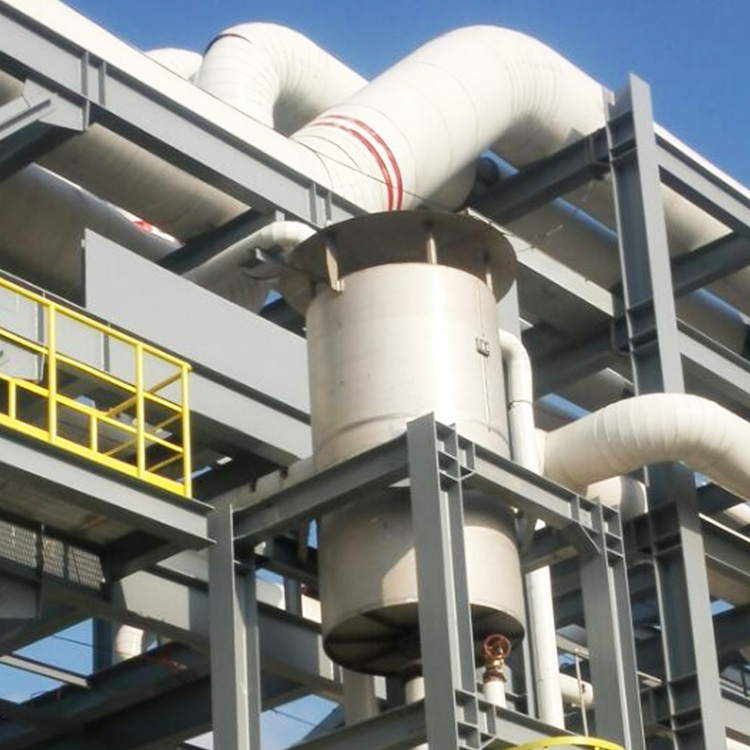

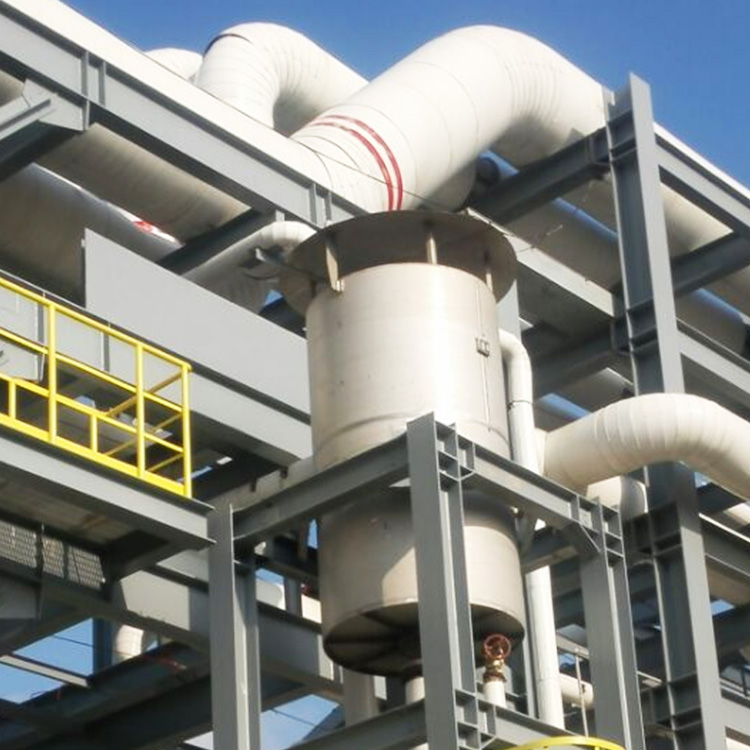
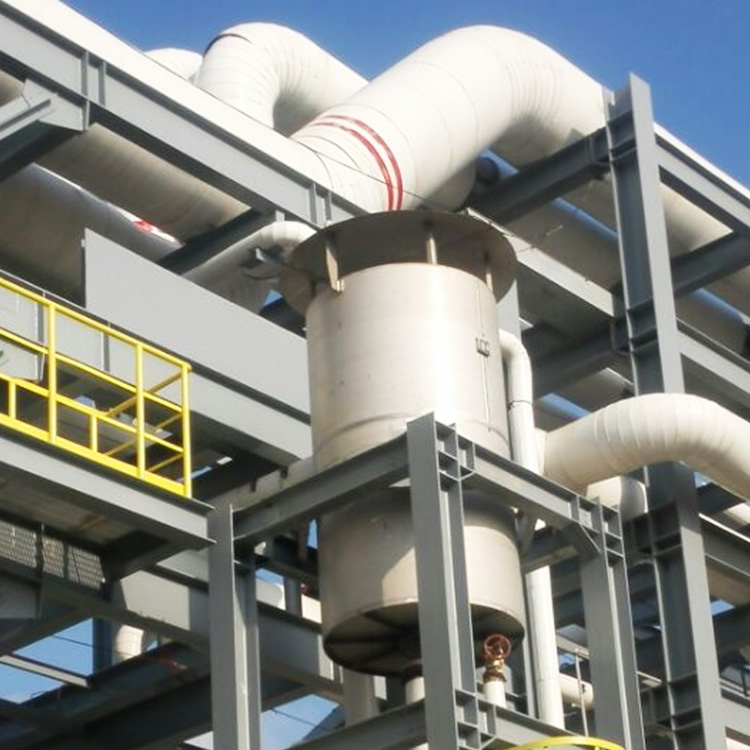
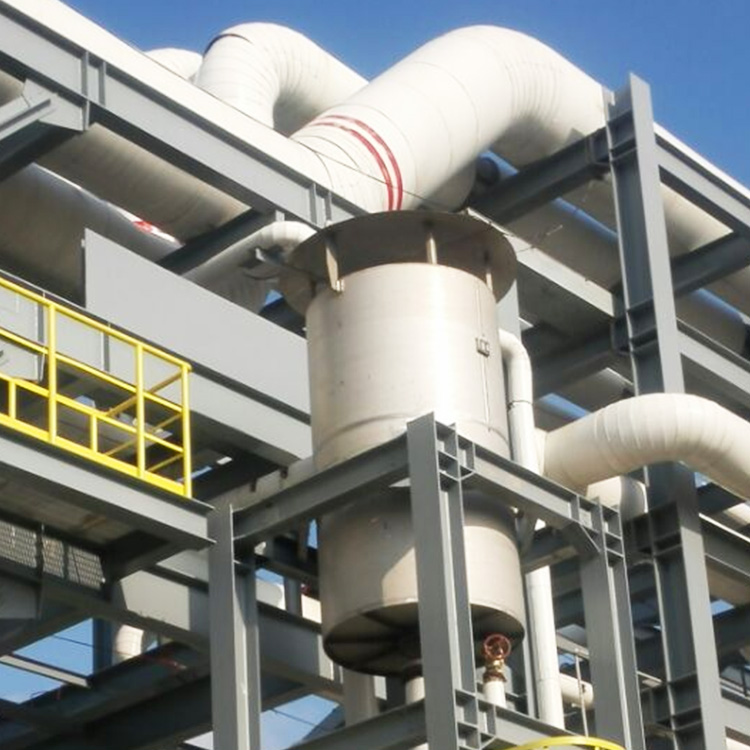








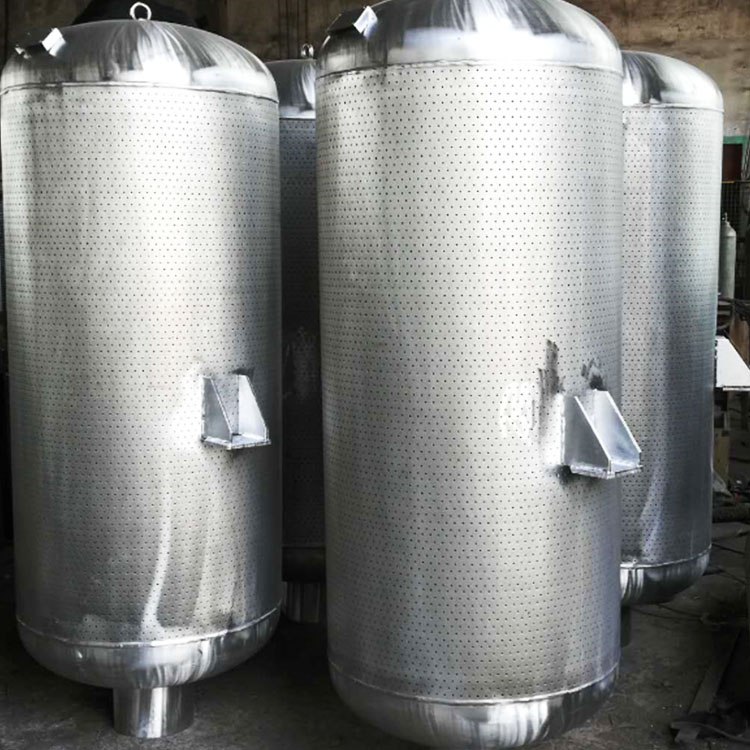
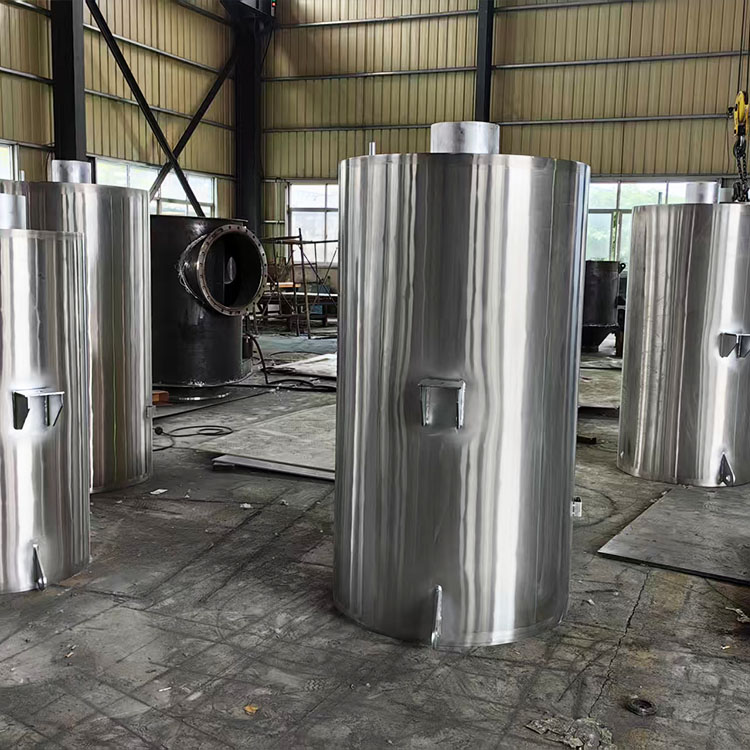
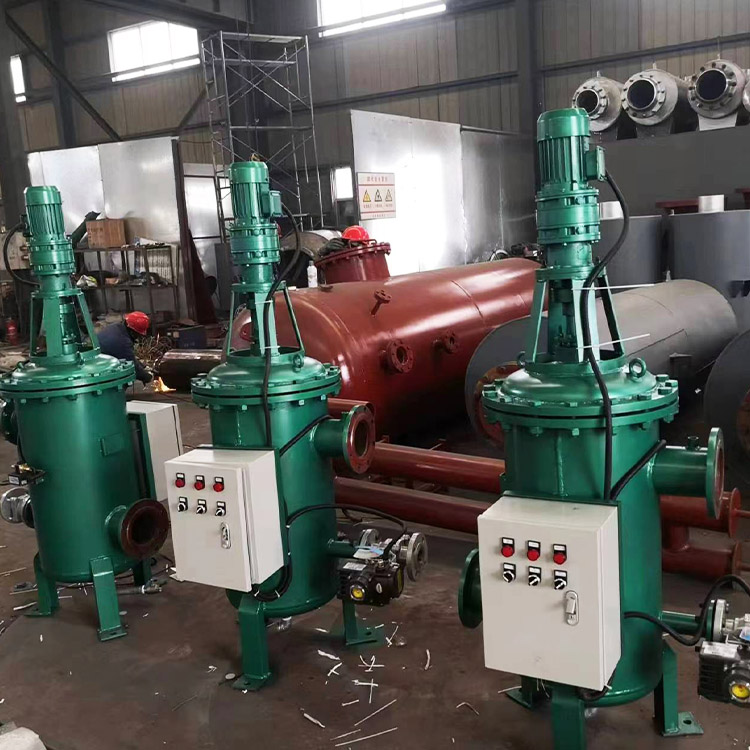
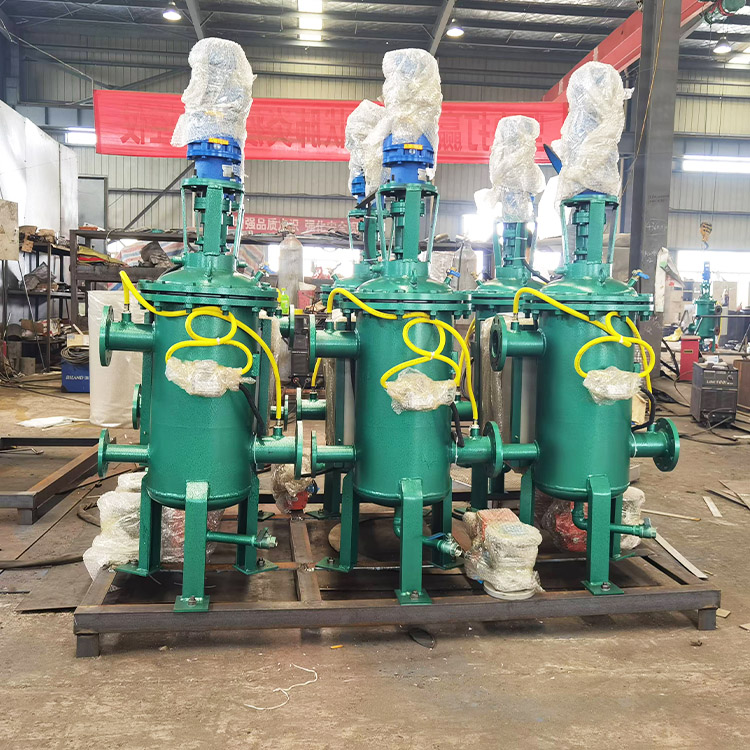
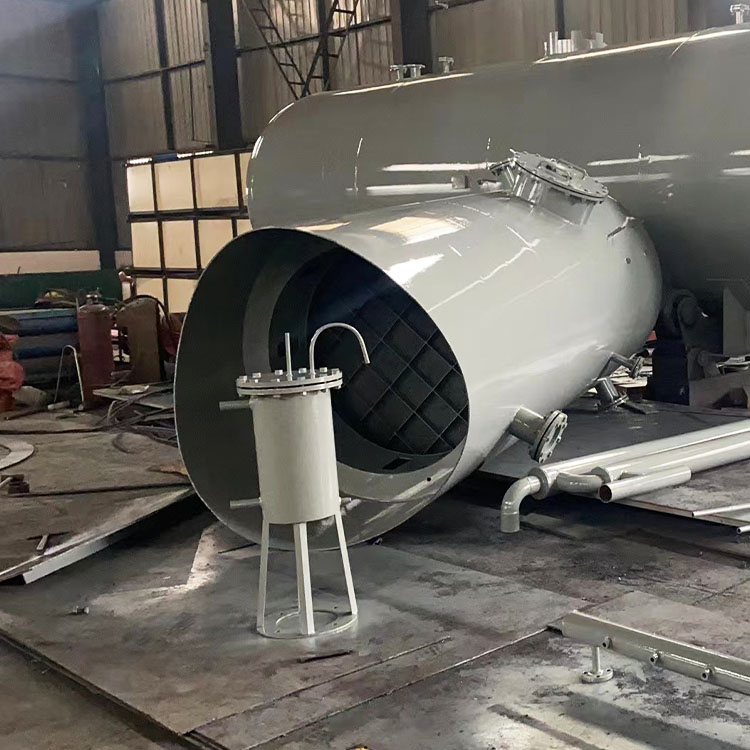
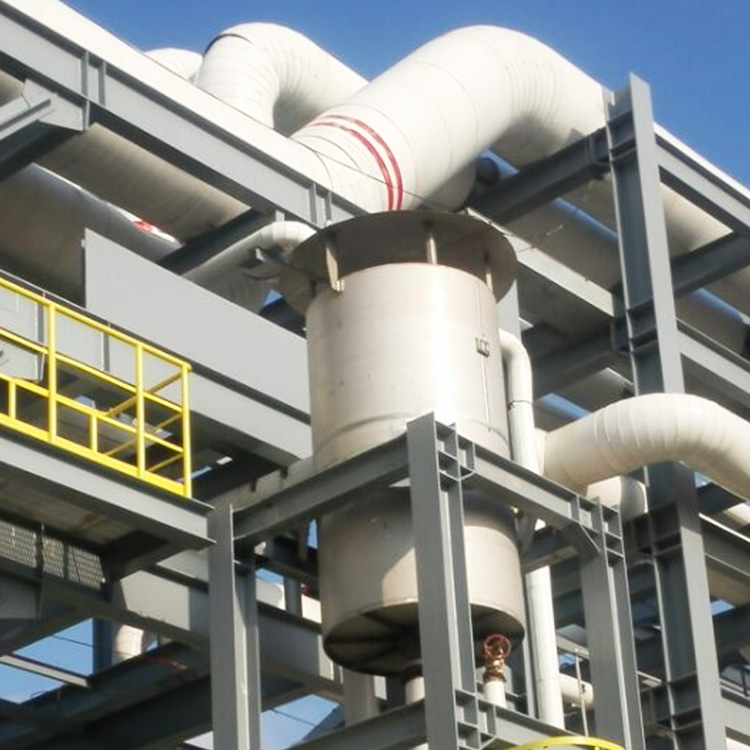
Pipe fan muffler is an aerodynamic noise reduction device connected in series to the intake/exhaust air ducts of the fan, its core function is to attenuate the wideband noise generated by the fan operation while ensuring smooth airflow, compatible with centrifugal, axial flow, and Roots blowers, etc. Widely used in industrial workshops, HVAC systems, clean rooms, and other applications.
Selection and Installation Key Points
Noise Diagnostics: First measure the noise spectrum; for low frequencies, choose resistive; for mid to high frequencies, choose inductive; for broad frequencies, choose impedance composite. Match the cross-sectional area and length to the fan's air volume and speed to avoid regenerative noise.
Operating Condition Compatibility: For high temperature/clean environments, choose micro-perforated plates or resistive materials; for corrosive media, select 316L stainless steel; for continuous operation, prefer low resistance models with online maintenance capabilities.
Installation Specifications:
Location: Installed at the inlet and outlet of the fan (1-2 times the pipe diameter from the fan), close to the noise source.
Connection: Flanged with oil-resistant gasket to prevent air leakage; independent bracket supports a load of ≥2 times the weight of the muffler to prevent transmission of pipe stress.
Airflow: The muffler's direction is consistent with the airflow, avoiding sharp bends and sudden changes in diameter.
Application Value
Noise Reduction Compliance: Meets GB 12348 standards for factory boundary noise and occupational health, reducing surrounding equipment noise by 15-35dB(A).
Energy-saving and Efficiency Improvement: Low resistance design (≤300Pa) does not affect the air volume/pressure of the fan, reducing energy loss.
Long-lasting and durable: Metal housing + modular design, lifespan of 8-10 years, low maintenance costs.
Rapid Selection Steps
Confirm fan type, airflow, wind speed, pipe cross-section (circular/rectangular), and noise spectrum.
Select type by frequency band: Low frequency → Resistive, Mid-high frequency → Inductive, Wideband → Impedance composite.
Match material and connection method, control pressure loss ≤ 300Pa.
Calculate the sound absorption and installation space; customize length/cross-section as needed.