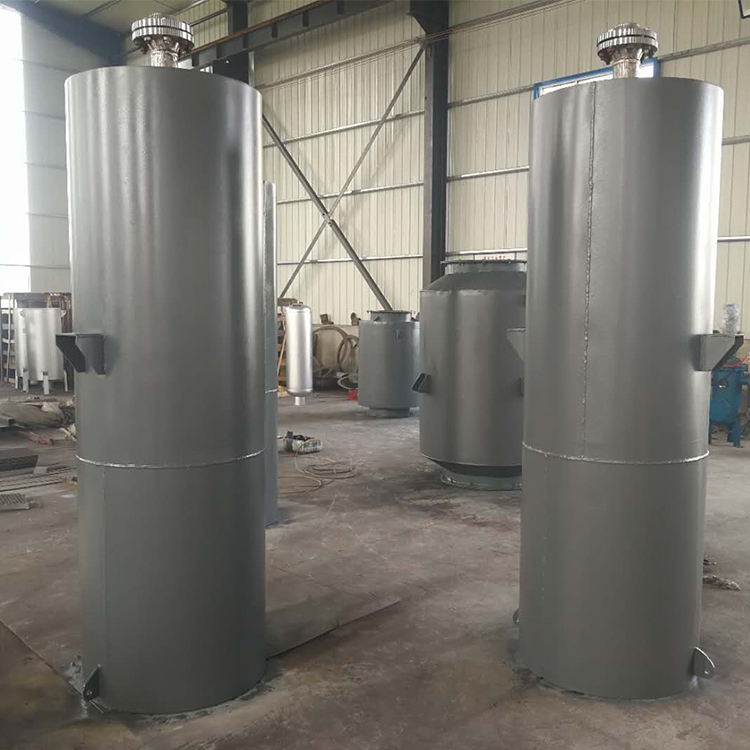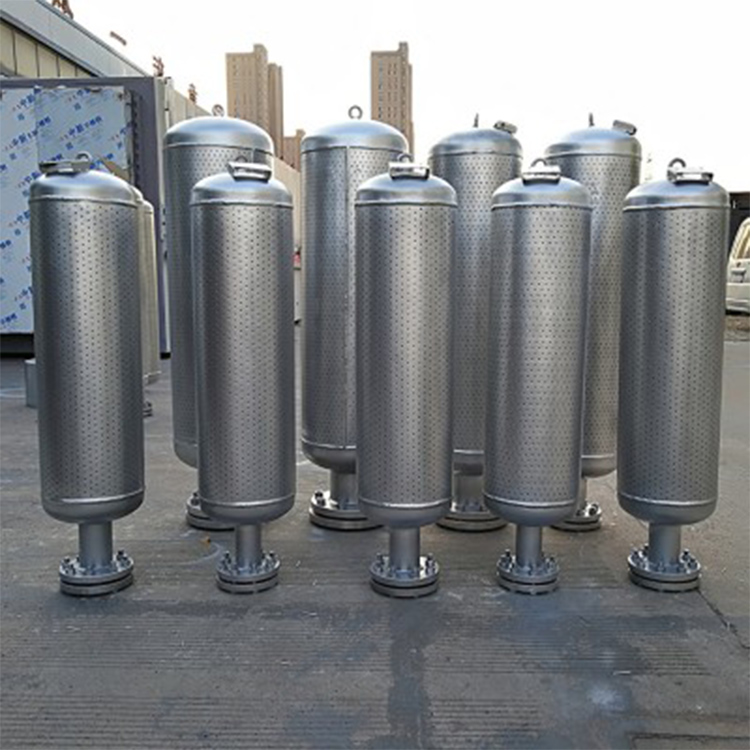




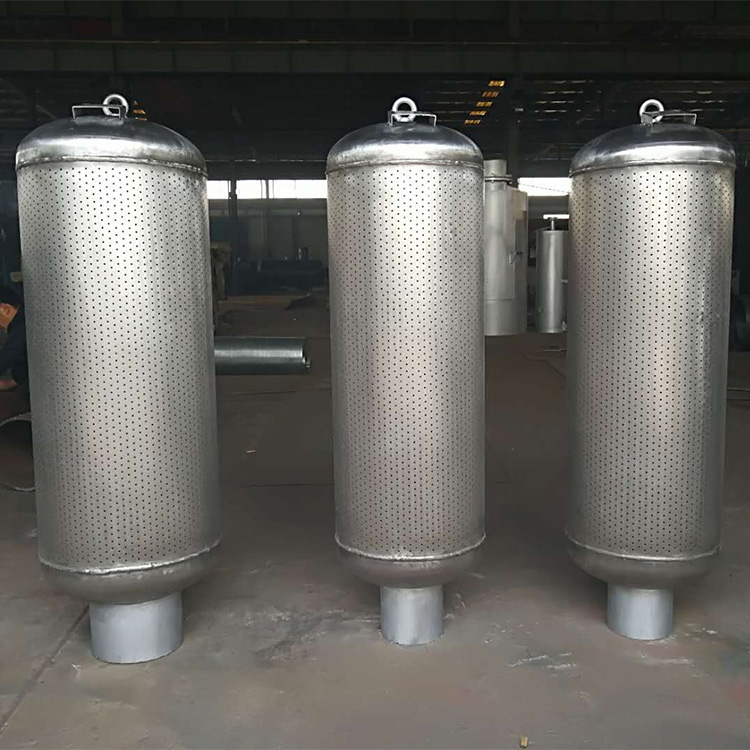
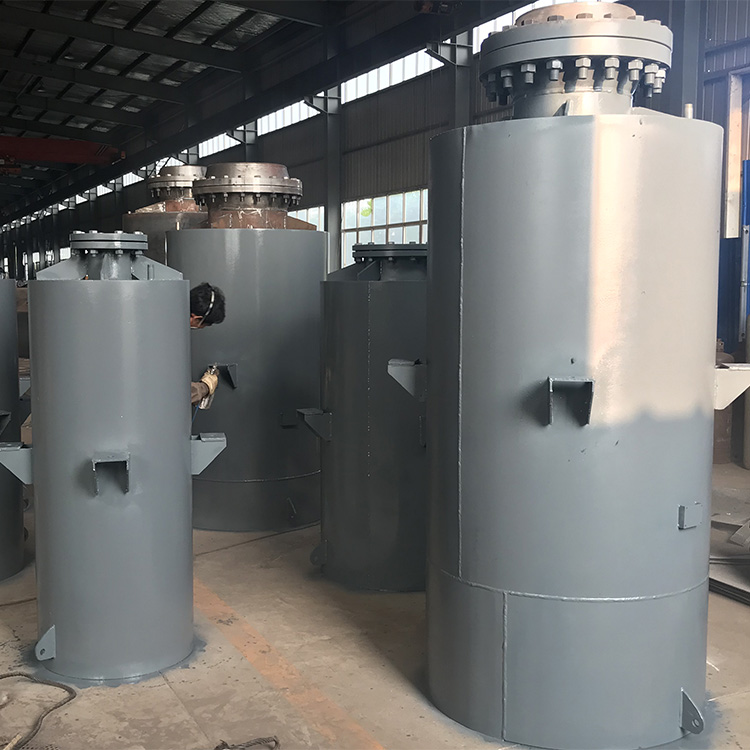
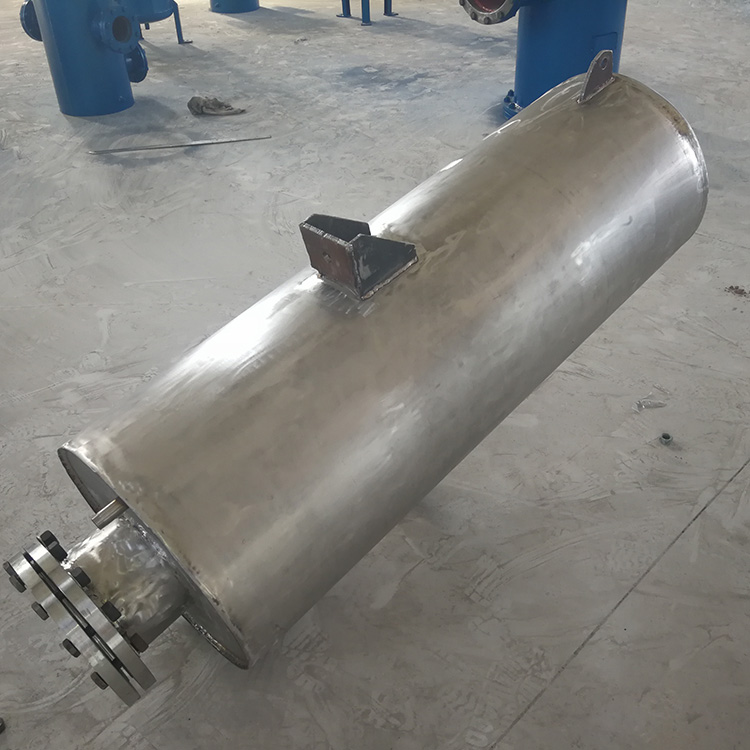







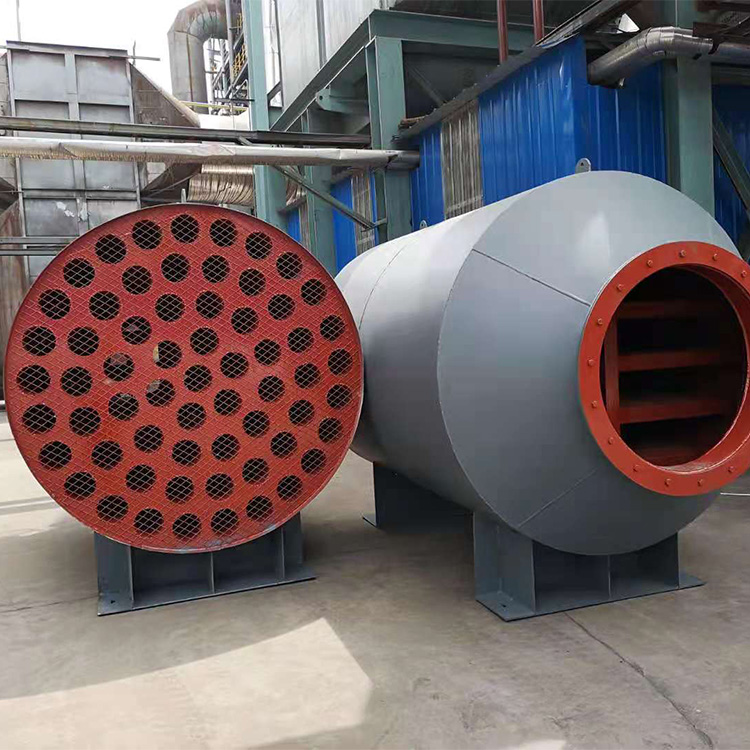
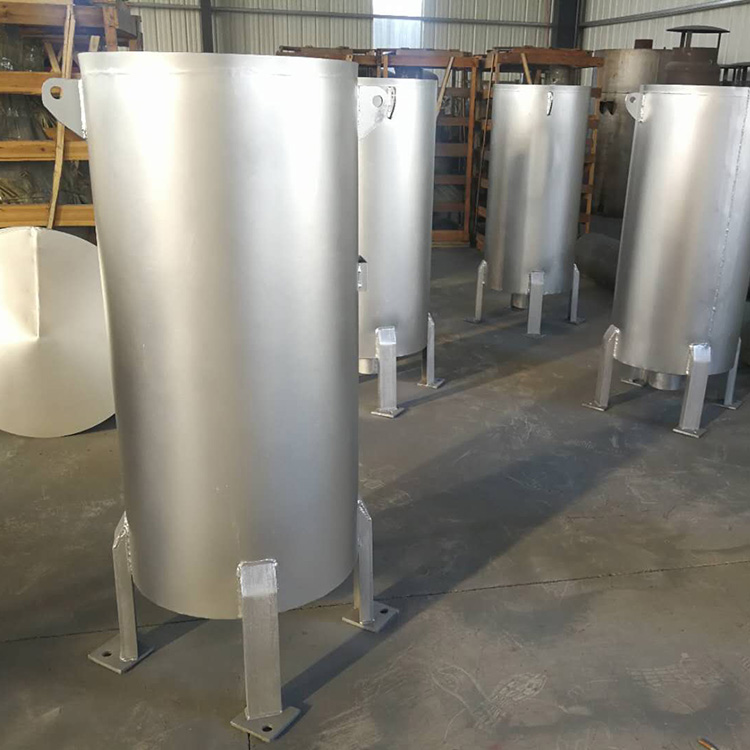
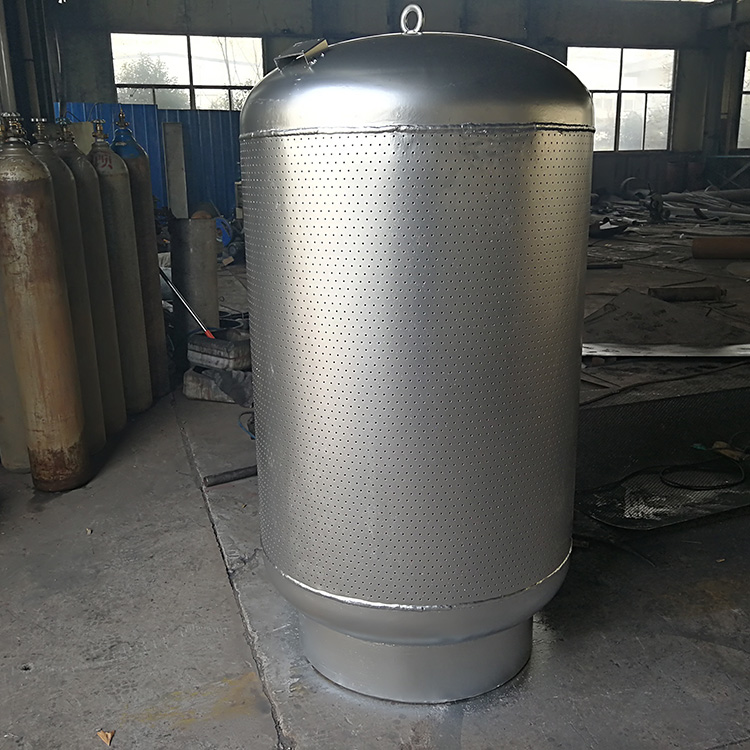
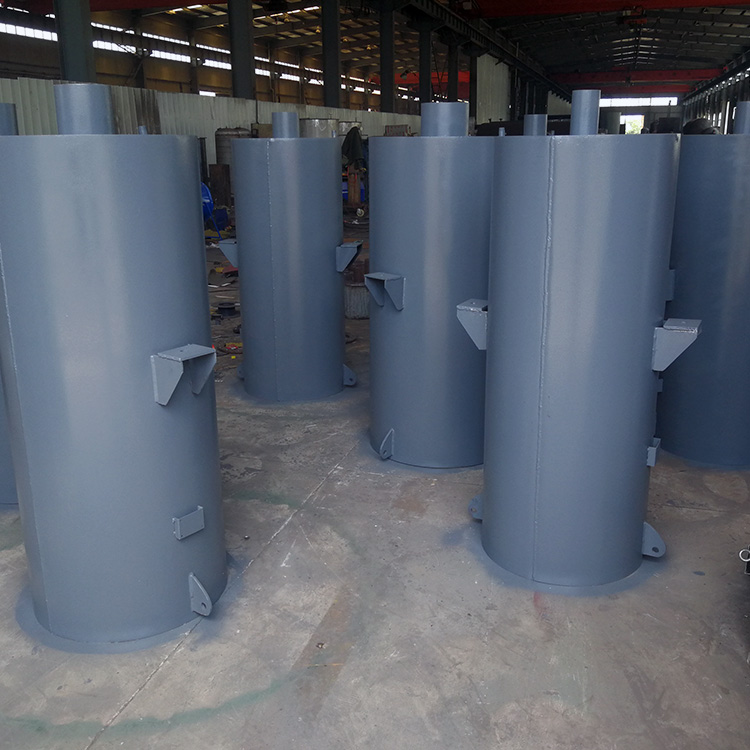
Steam-heated muffler, Overview of Steam-heated Muffler
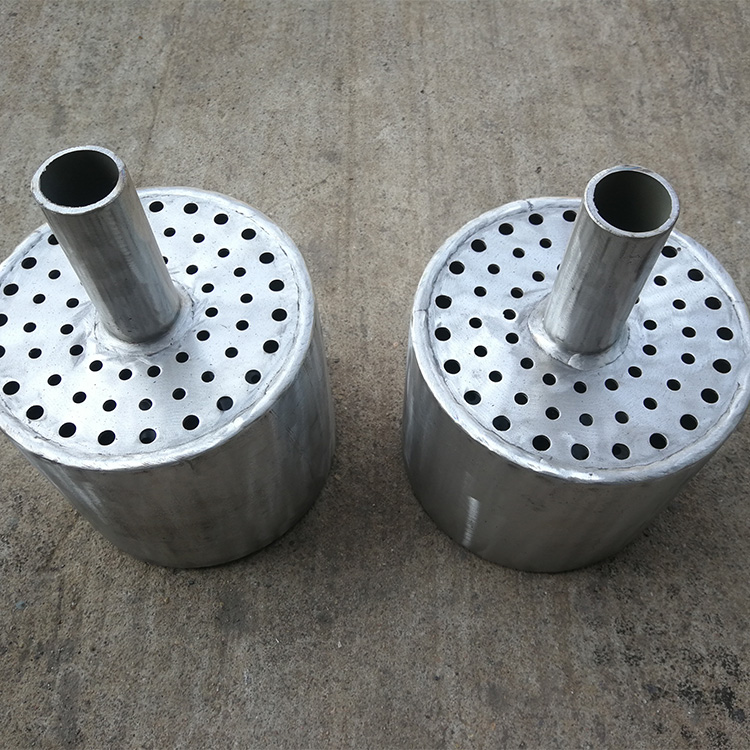
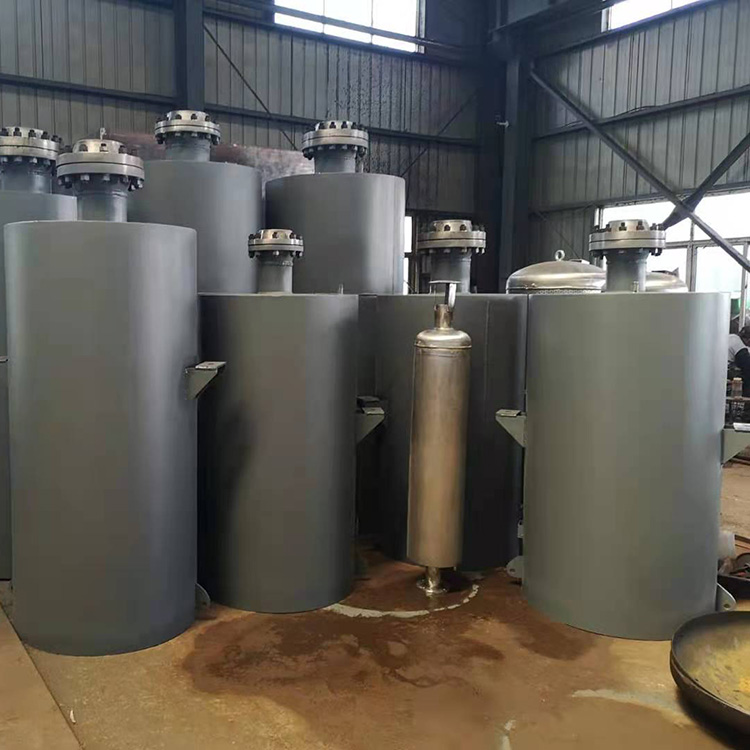
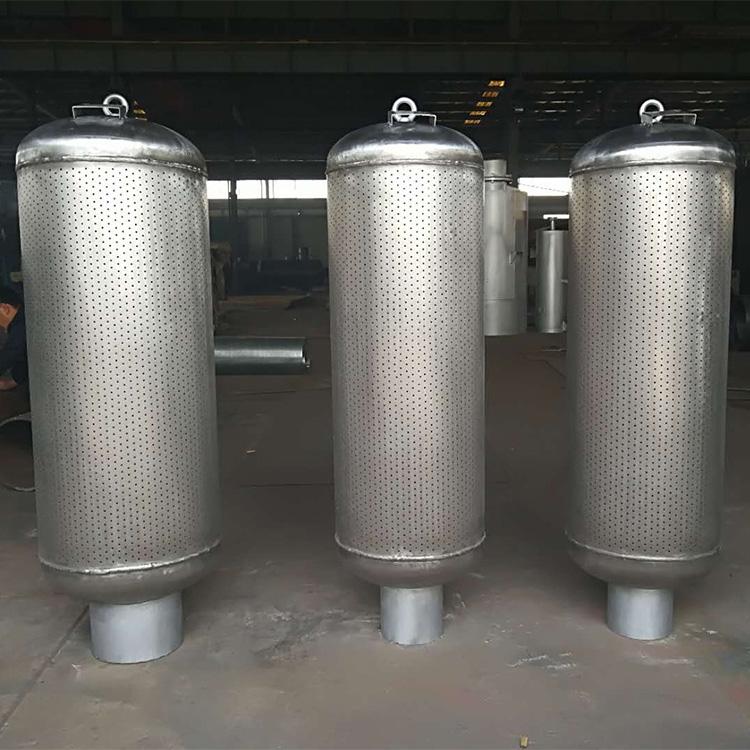
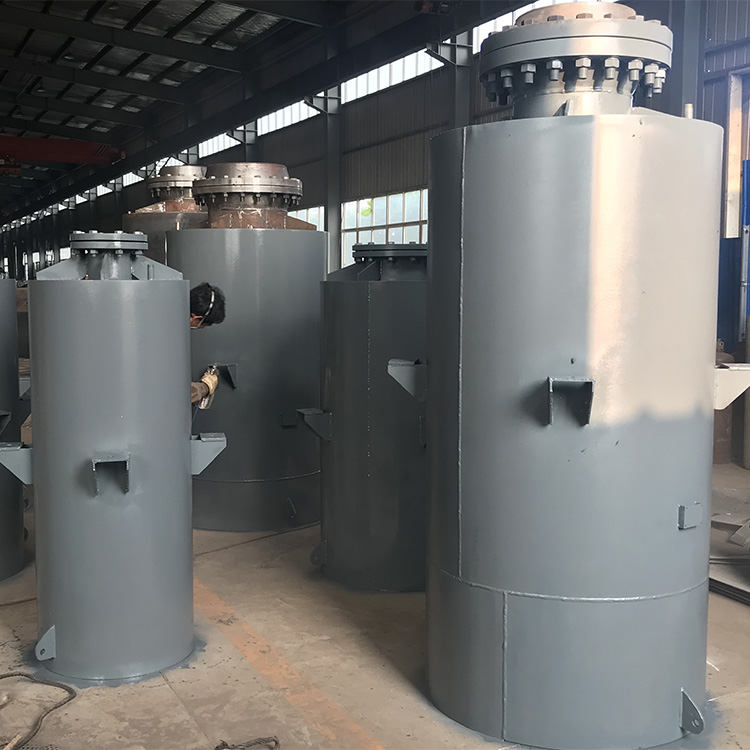
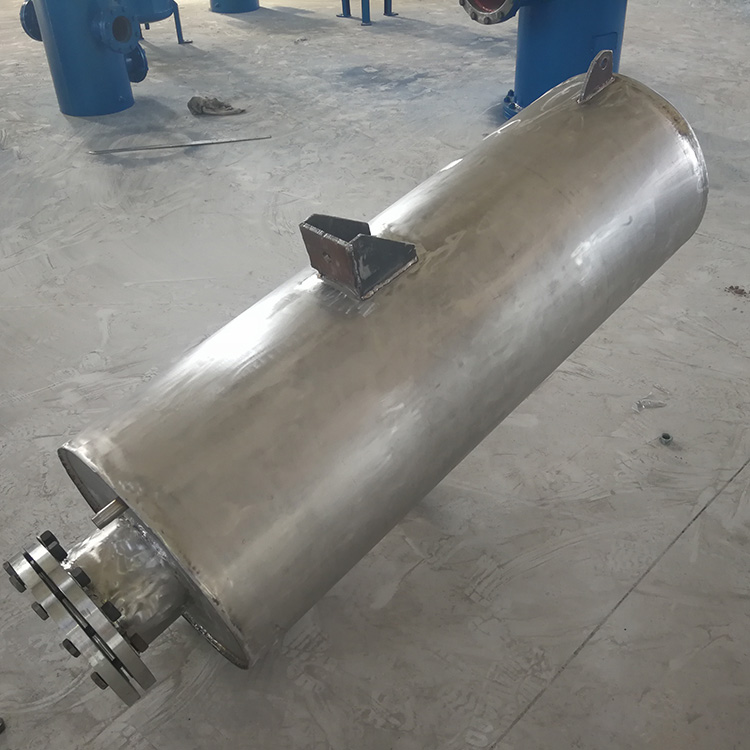
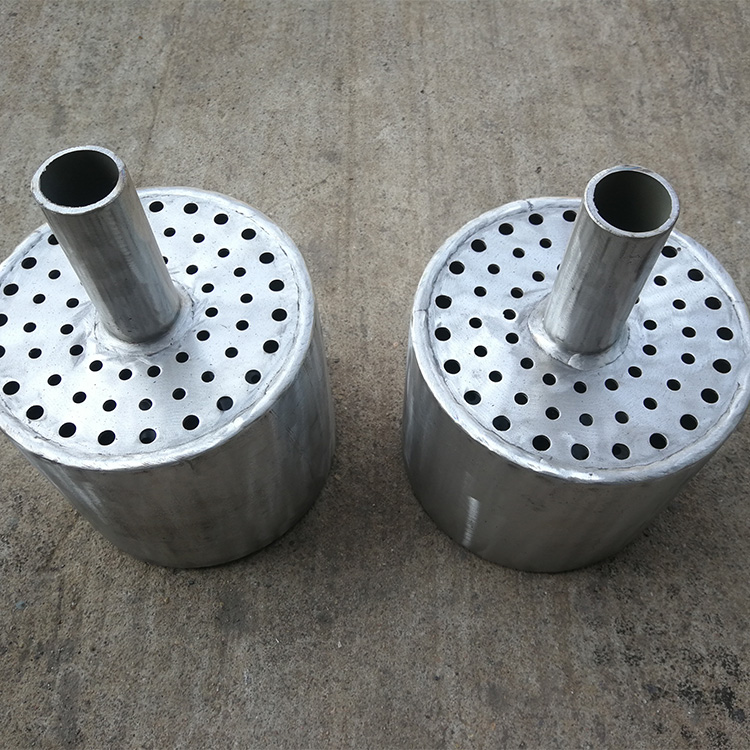
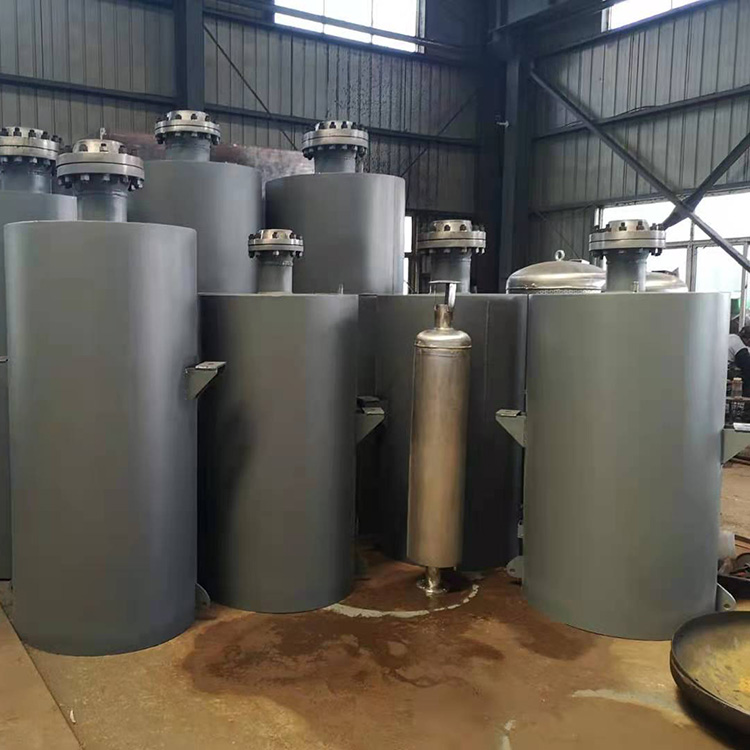
Steam heating sound absorber, a steam heating sound absorber is a device installed inside steam heating water pools, tanks, reservoirs, and water containers that use high-pressure steam, connecting to the outlet of the high-pressure steam管道. It is designed to eliminate the loud noise and vibration produced when steam and water mix. It can also be referred to as: steam heating water sound absorber, steam entering water sound absorber, hot water tank sound absorber, and hot water tank steam sound absorber.
Section 2: Steam-heated Silencer, Principle and Features of Steam-heated Silencer
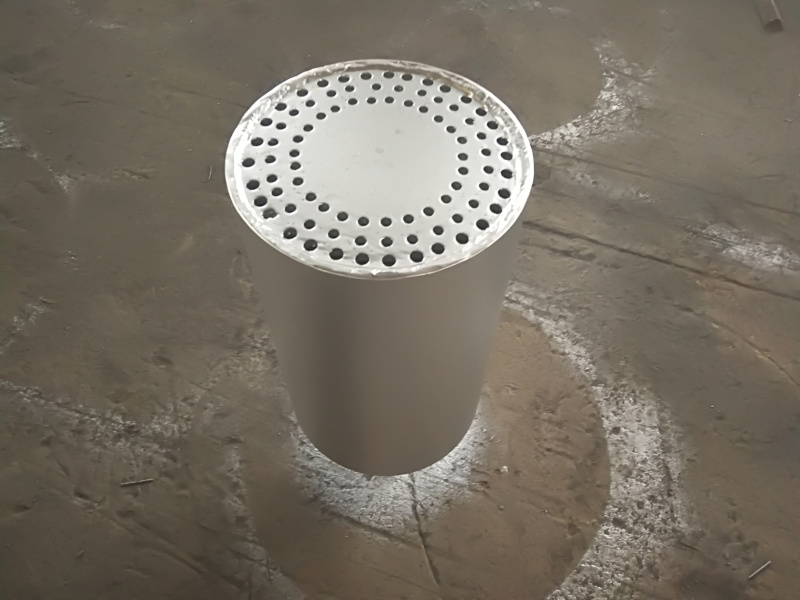
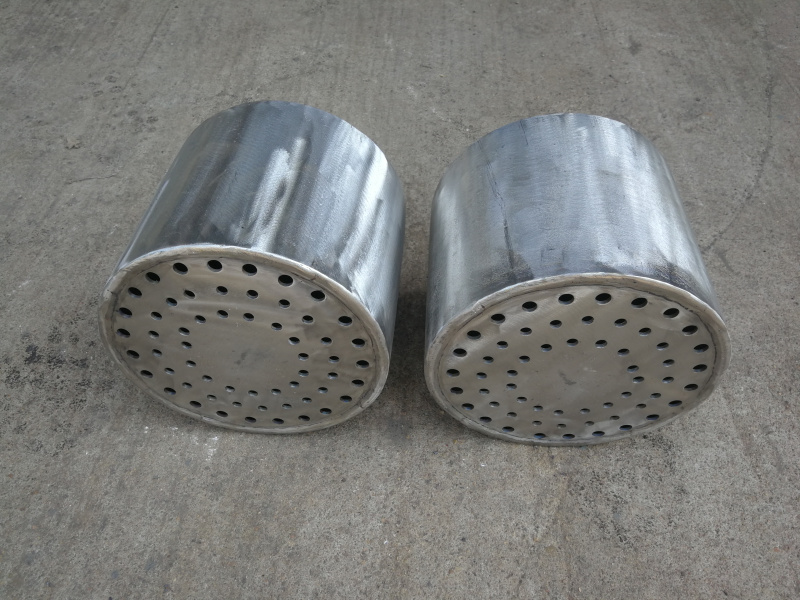
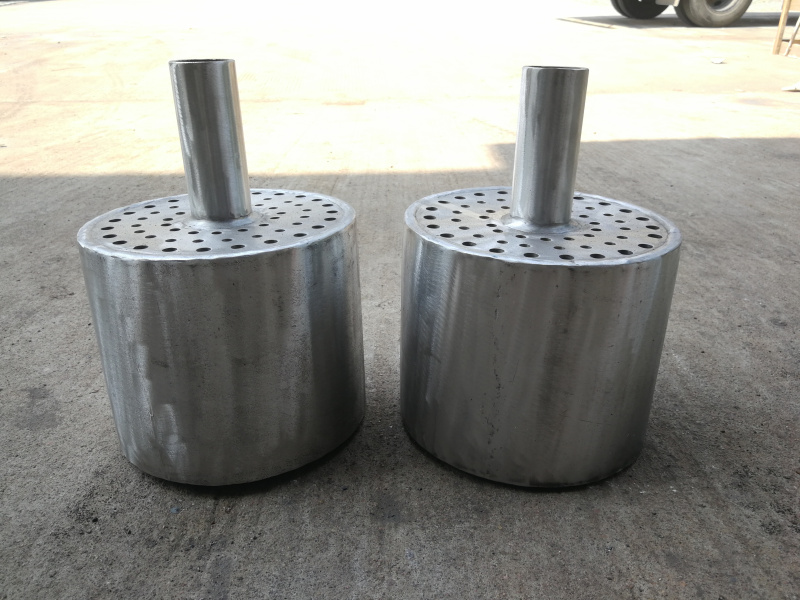
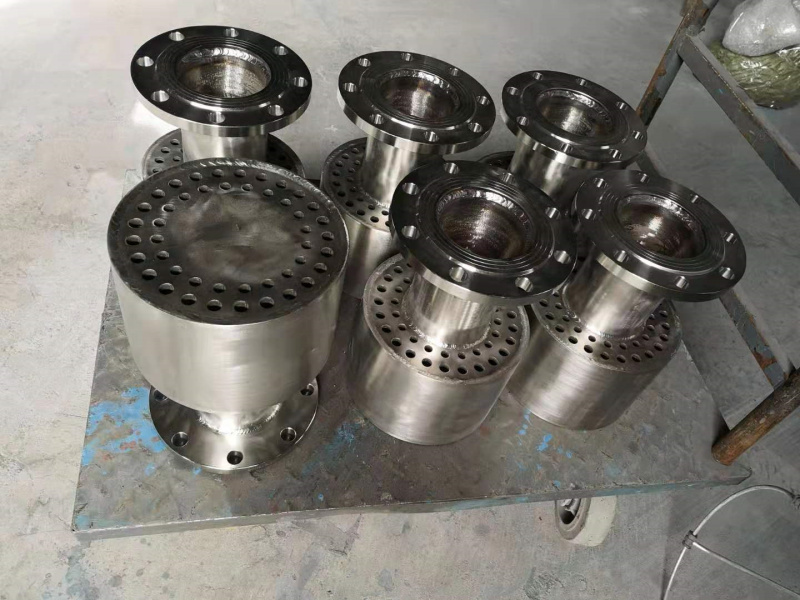
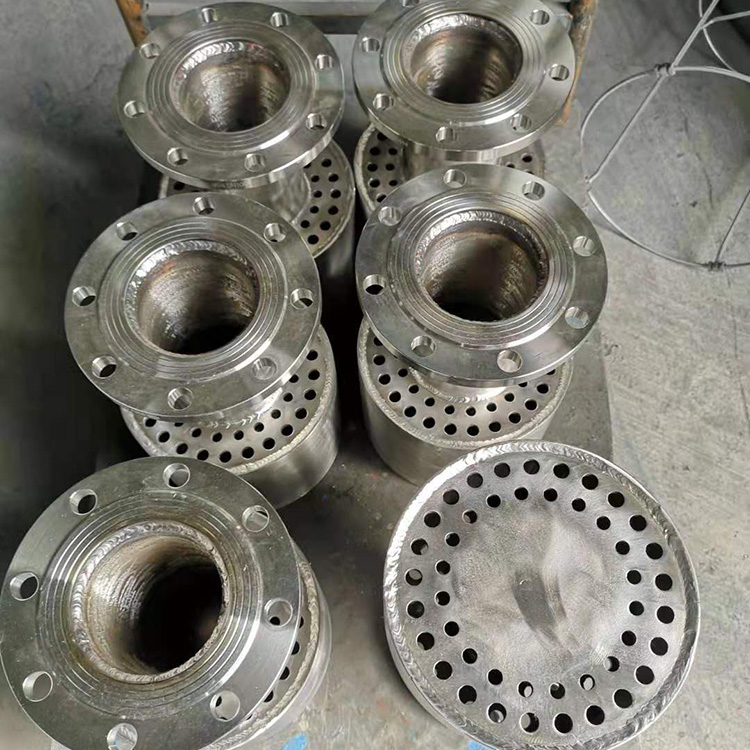
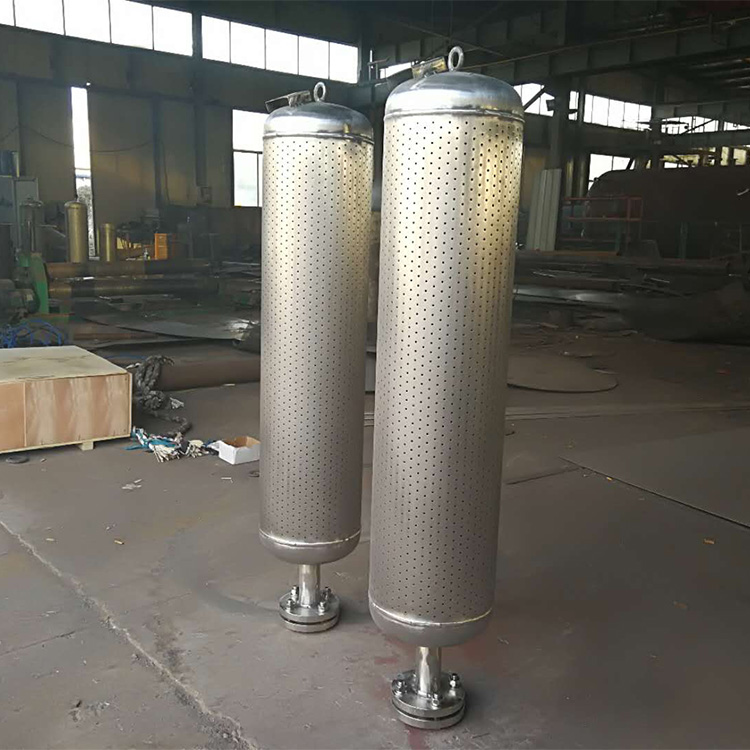
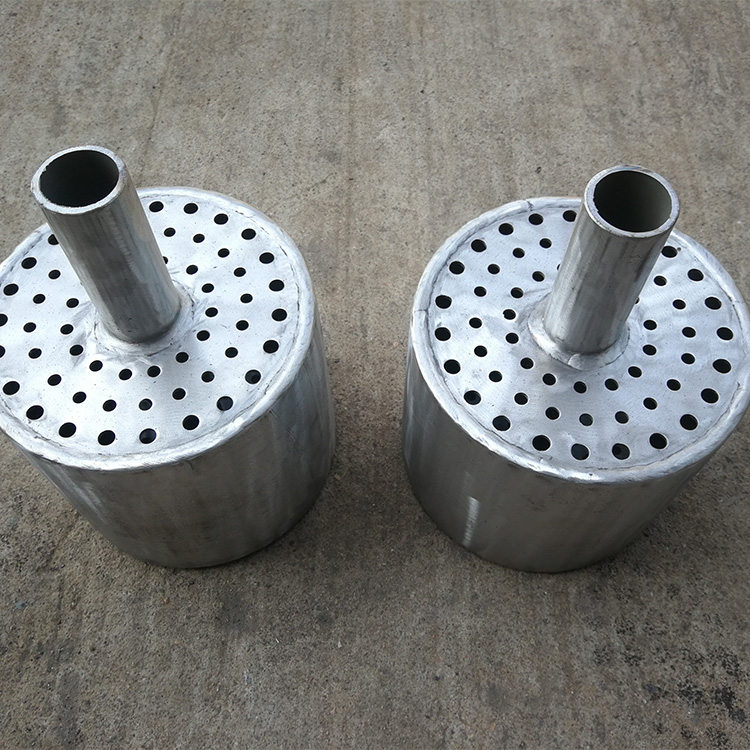
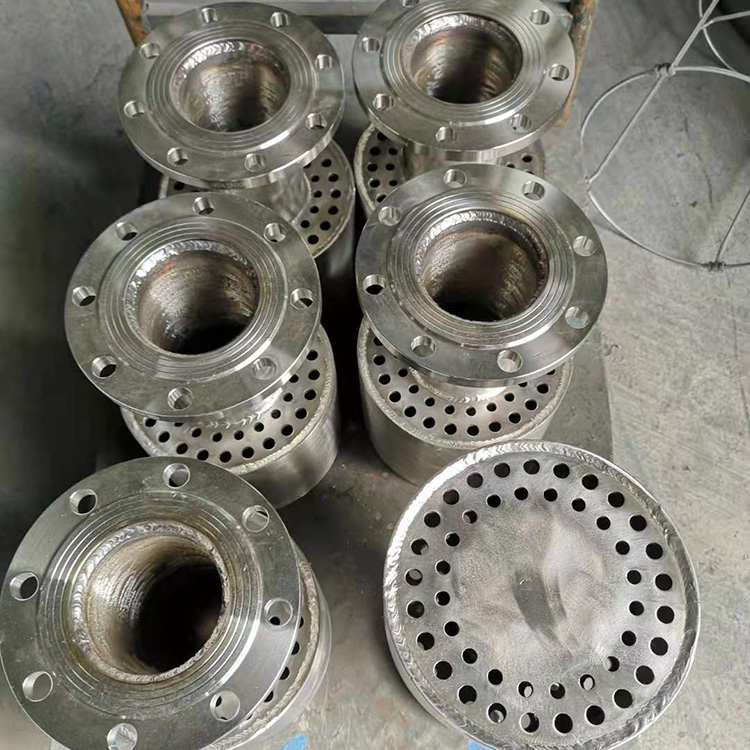
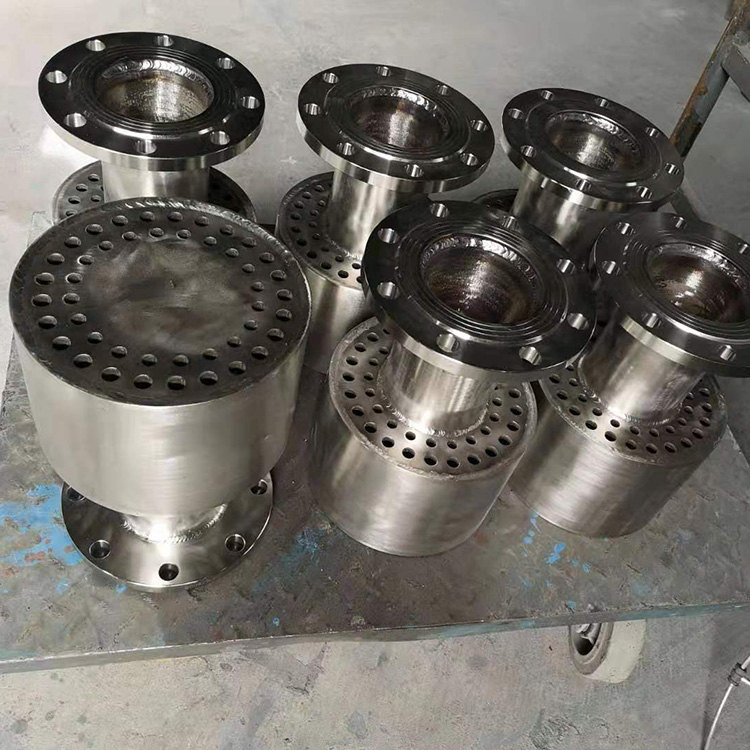
Steam-heated muffler, composed of an outer shell and a core body. The outer shell is equipped with holes of varying sizes at the top and bottom, while the core body features small oblique holes around its periphery. The space between the outer shell and core body is an efficient mixing and heating zone. During operation, steam is高速 ejected into the mixing heating zone through the core body's small oblique holes, propelling the water within the zone to rotate at high speed while achieving steam-water mixing and heat exchange. Simultaneously, the heated water is continuously discharged from the upper holes of the outer shell and replenished from the lower holes, facilitating a circulating heating process within the water tank. The steam-heated muffler is made up of an orderly two-phase flow channel, heat exchange rings, and acoustic cavities, all formed from a single piece of raw material, boasting a compact size, light weight, high flow rate, and long service life. It exhibits good stirring kinetic energy. With the expansion of industrial applications, its categorization has become increasingly refined, and the variety more comprehensive.
Three. Steam-heated mufflers, various classifications of steam-heated sound absorbers
Steam-heated silencers are categorized into: resistance silencing, buffer silencing, and束源 silencing, among others, with the jet-type束源 silencing offering the best performance.
Buffer-type mufflers are more like heat exchangers or radiators, utilizing a large contact surface to first transfer a small portion of the steam's thermal energy to water, thereby cooling and reducing the steam pressure. The low-pressure steam and condensate are then introduced into the water to achieve noise and vibration reduction. However, their drawbacks include high initial investment, high maintenance costs, short service life, and poor noise reduction effectiveness. Regular cleaning of scale and rust is required.
Resistant-to-noise steam-heating silencers often use small holes to disperse steam, aiming to cancel out and suppress noise and vibration from multiple sound sources to a certain extent by reducing and dispersing the noise source. However, these silencers are extremely difficult to manufacture, prone to failure, and highly sensitive to water temperature, steam pressure, scaling, etc. Most of these silencers can only effectively reduce vibrations within a certain range.