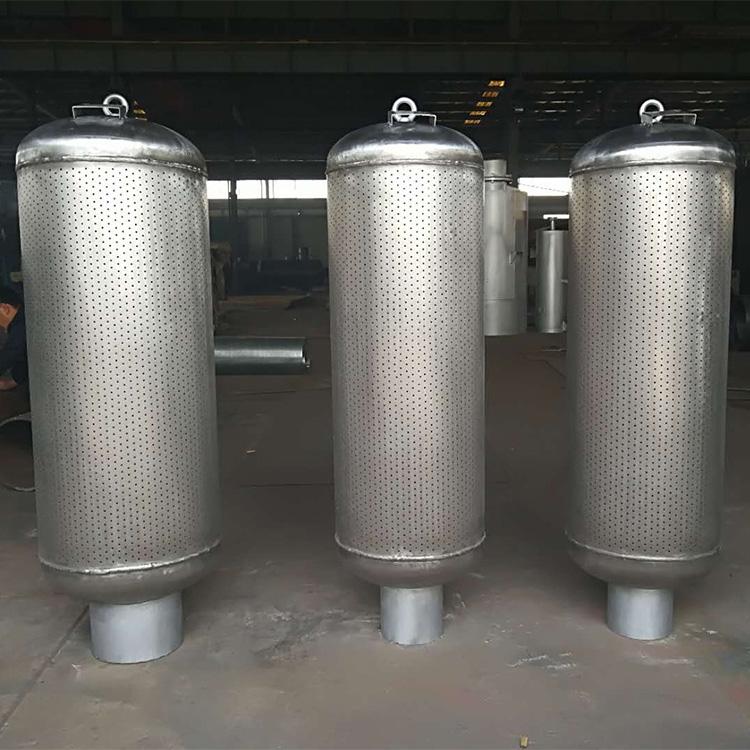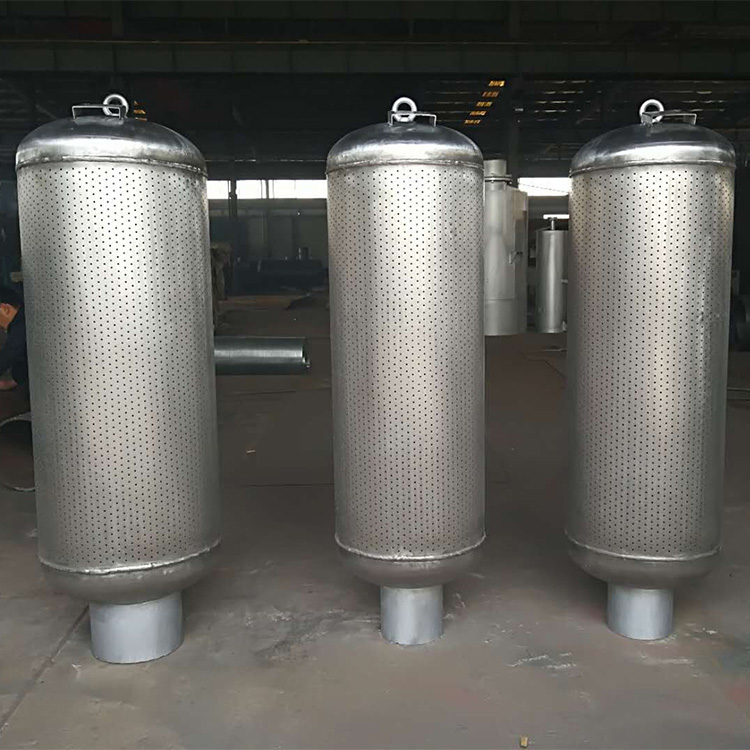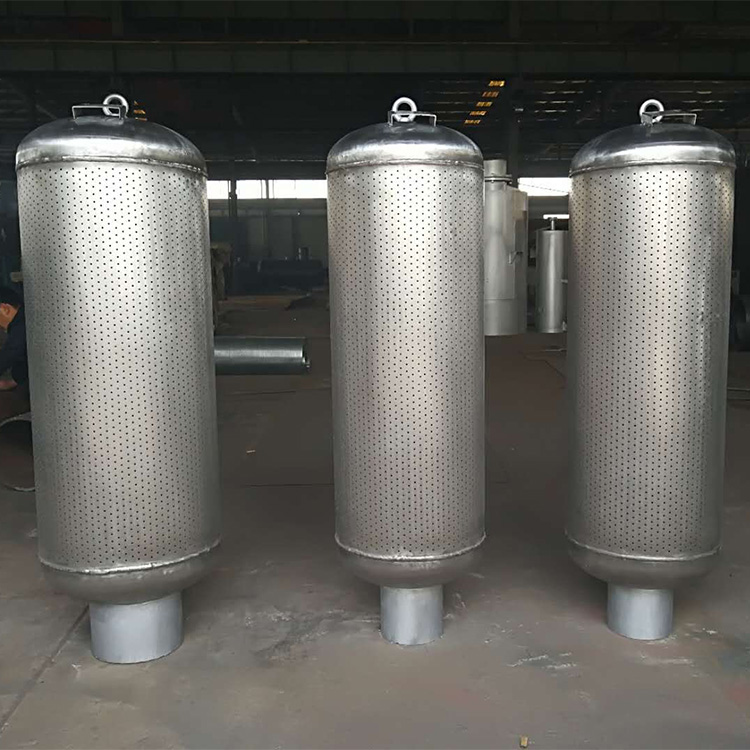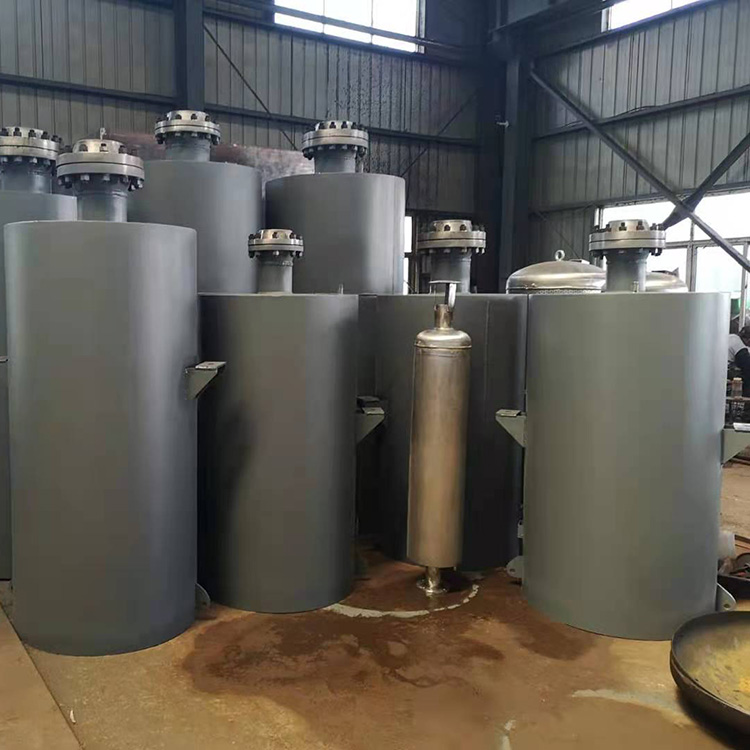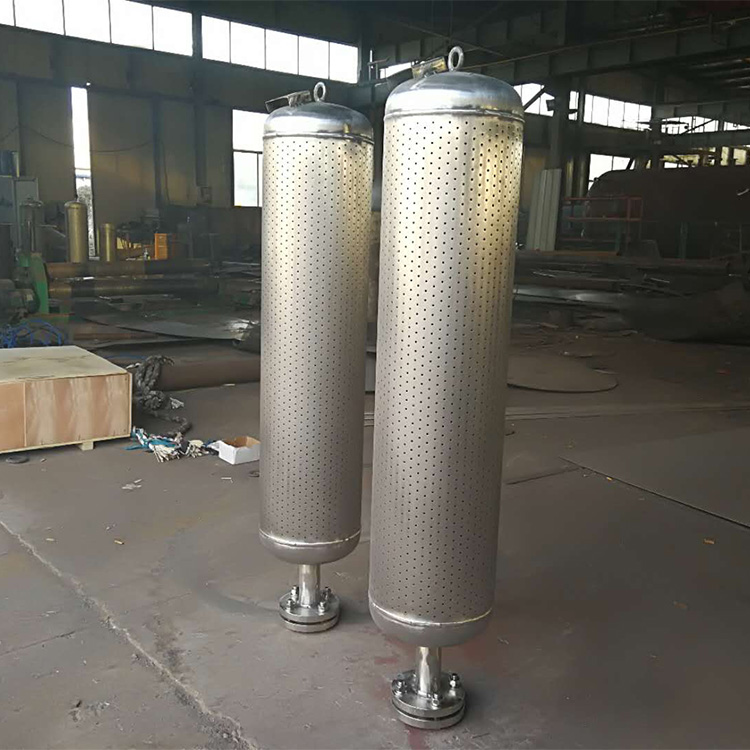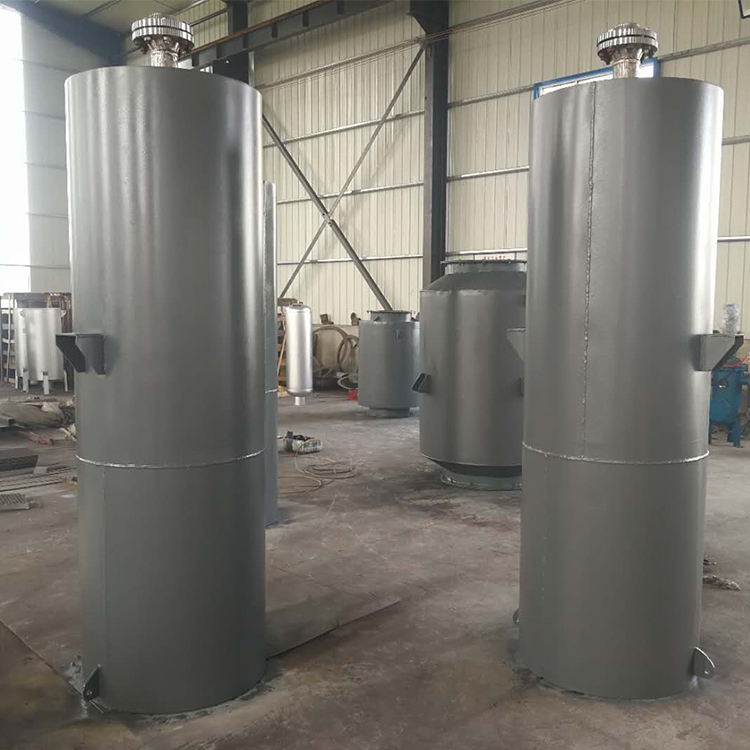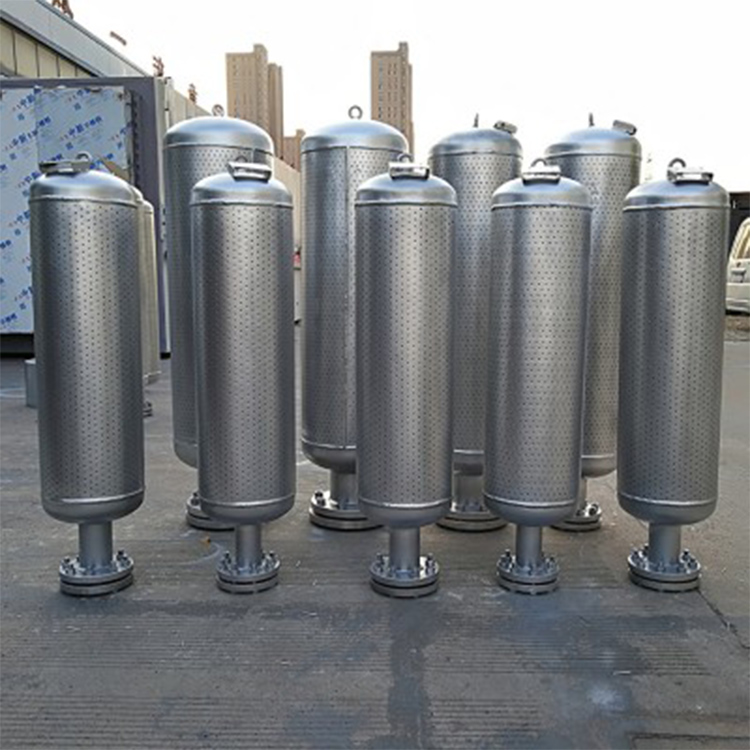

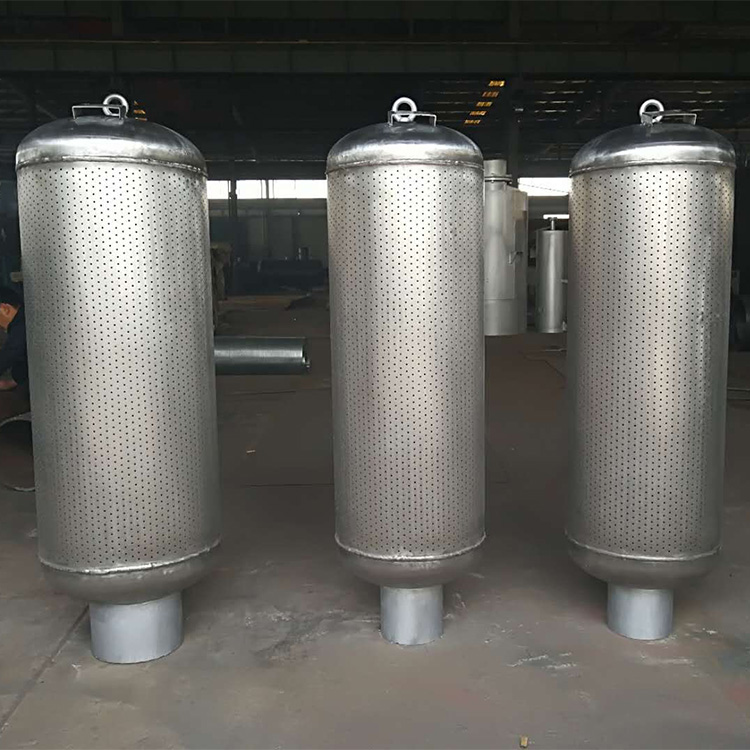

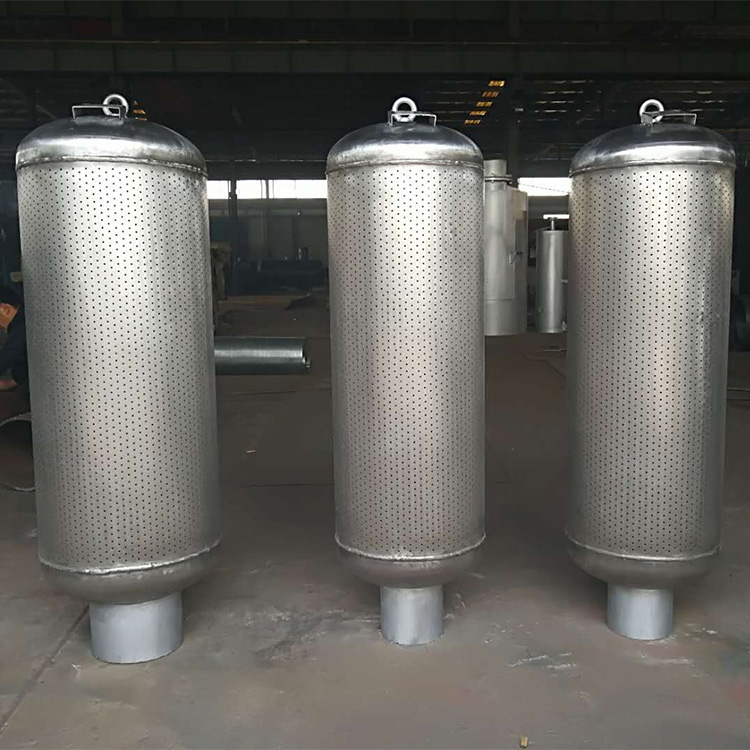


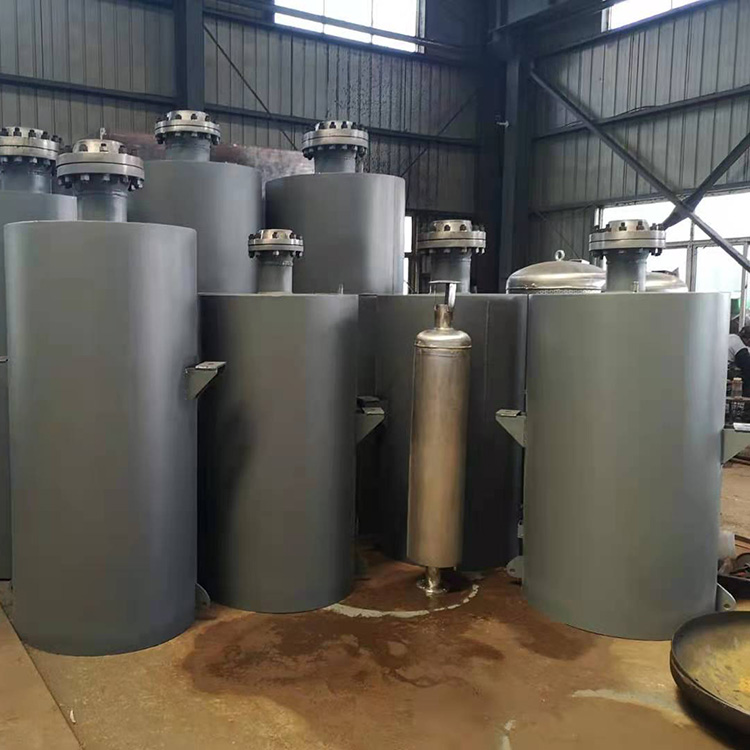
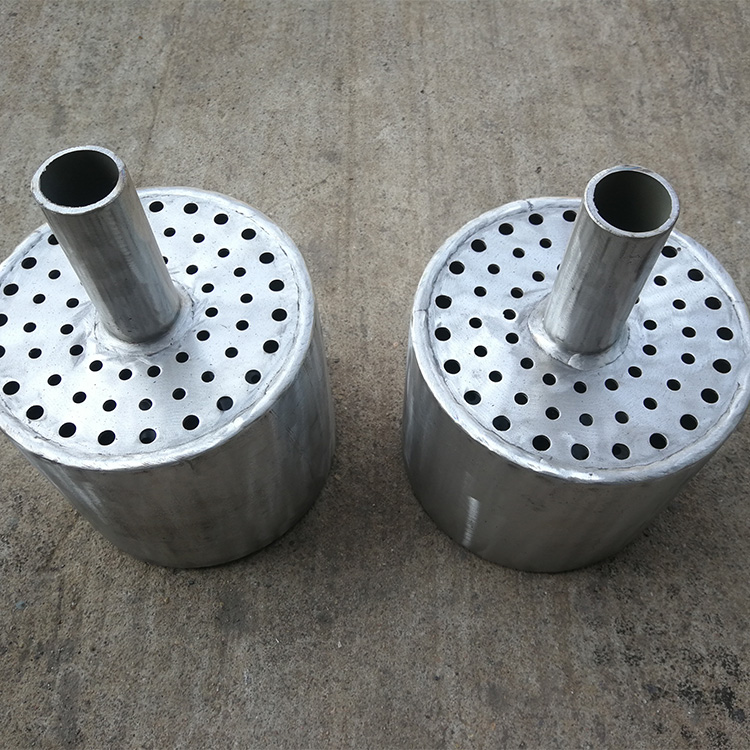
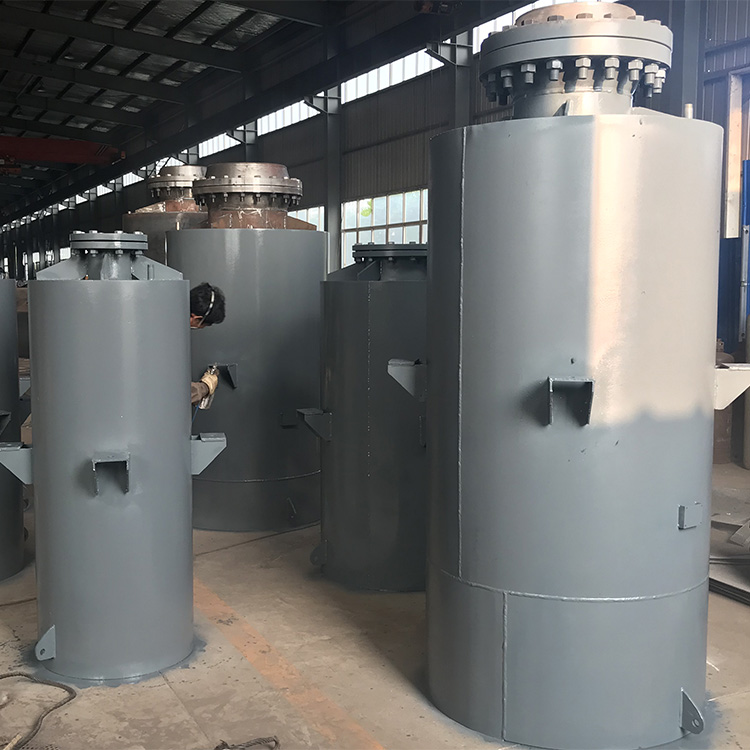
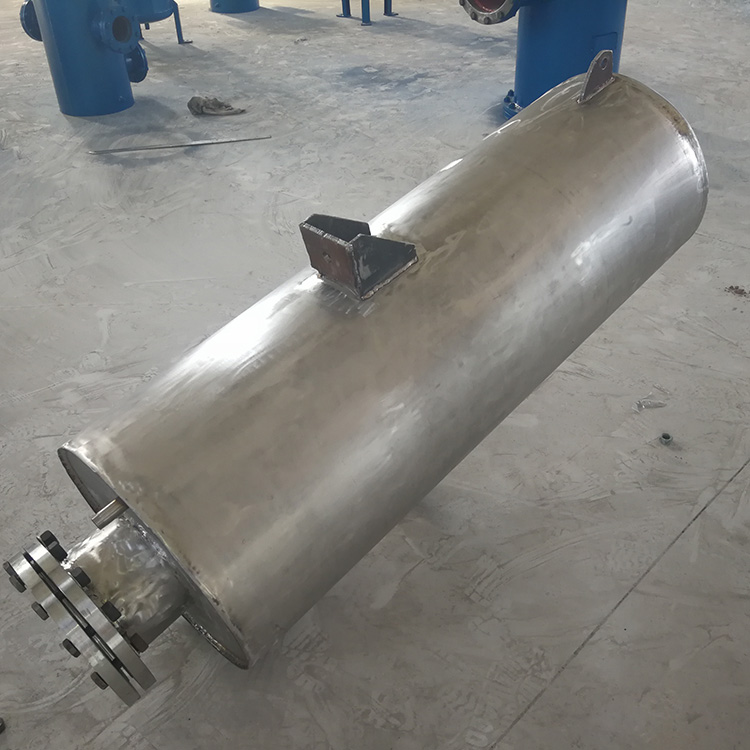







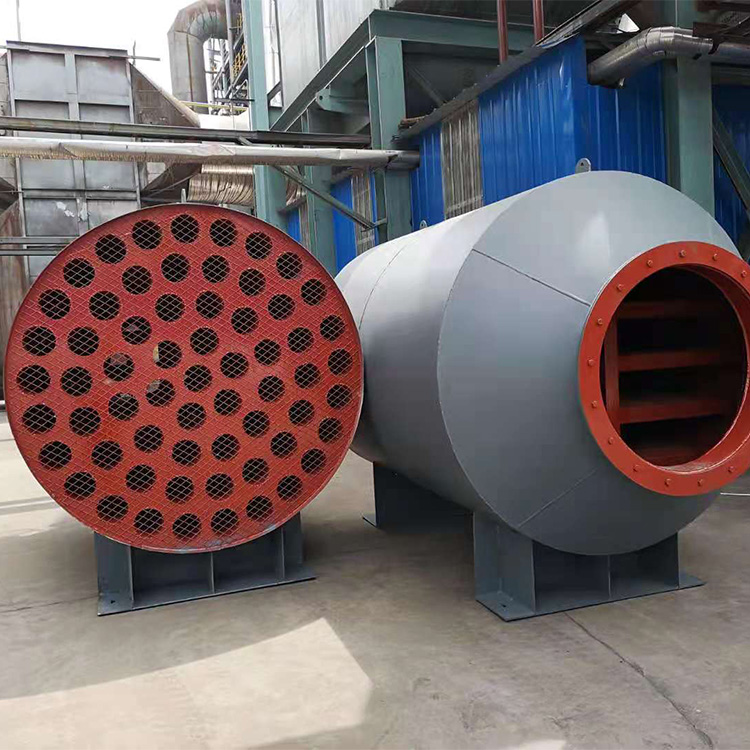
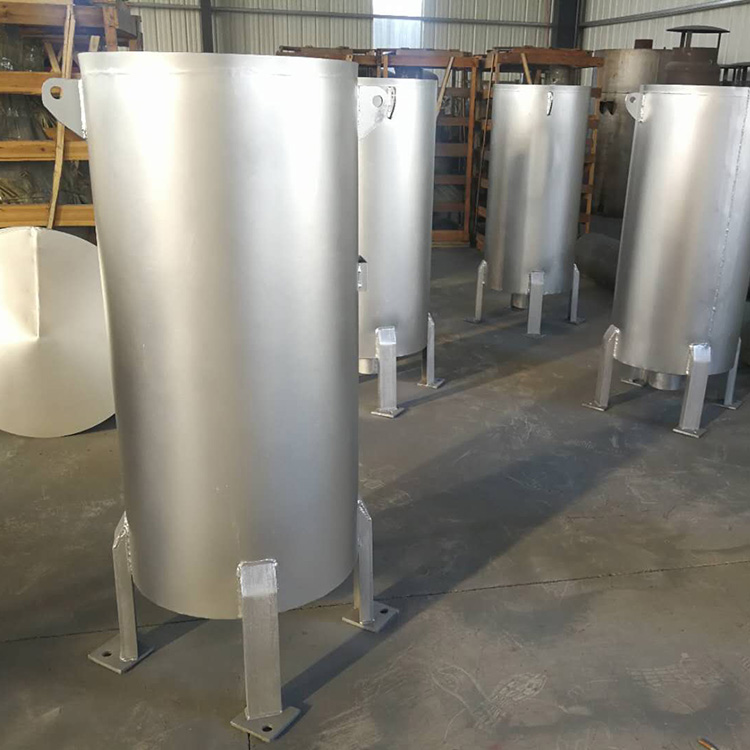
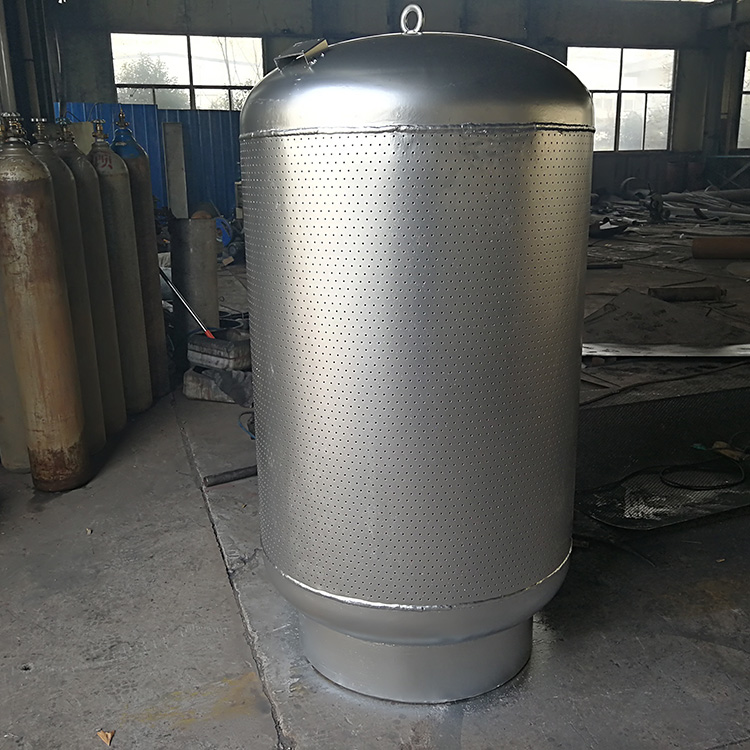
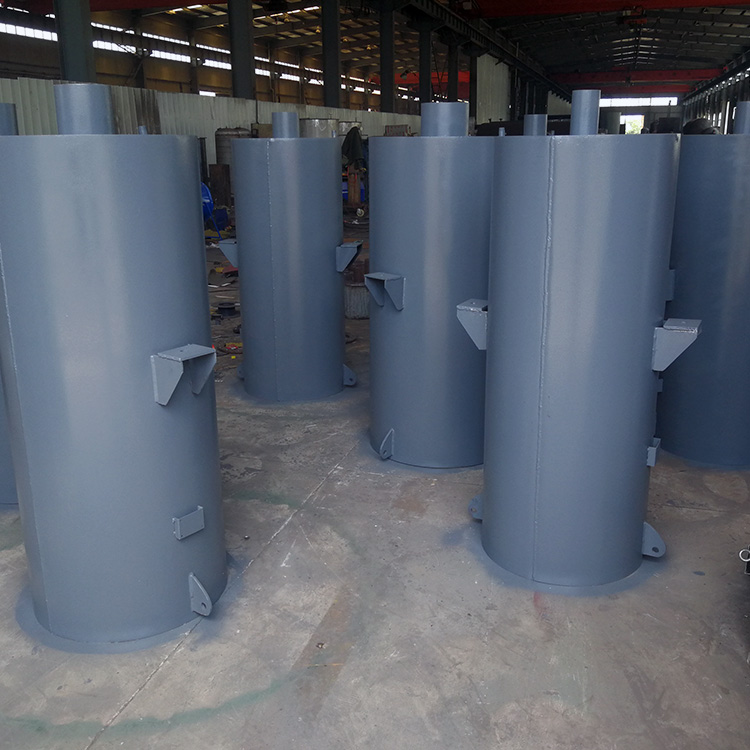
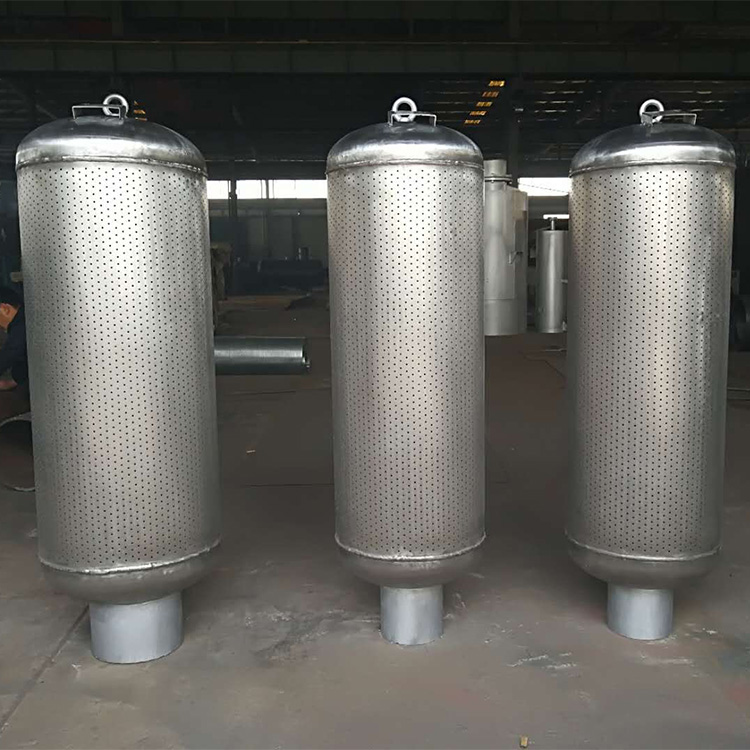
Section 1: Purpose of Exhaust Pipe Muffler:
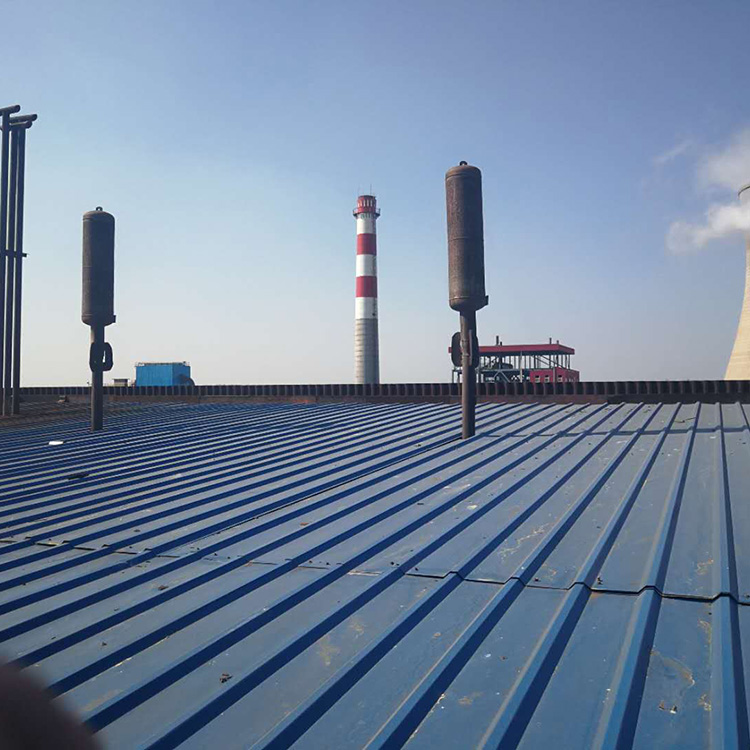
This series of silencers is primarily used for effective noise reduction in power, chemical, metallurgical, mining, and textile industry boilers, steam emissions, gas emissions, fans, and other equipment.
Section II: Exhaust Pipe Muffler Features:
1. Exhaust pipe muffler
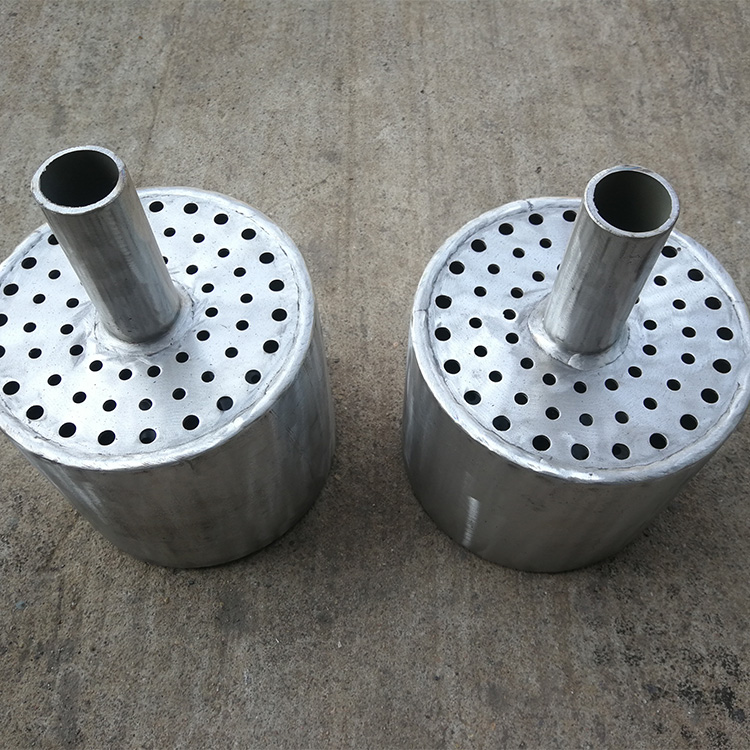
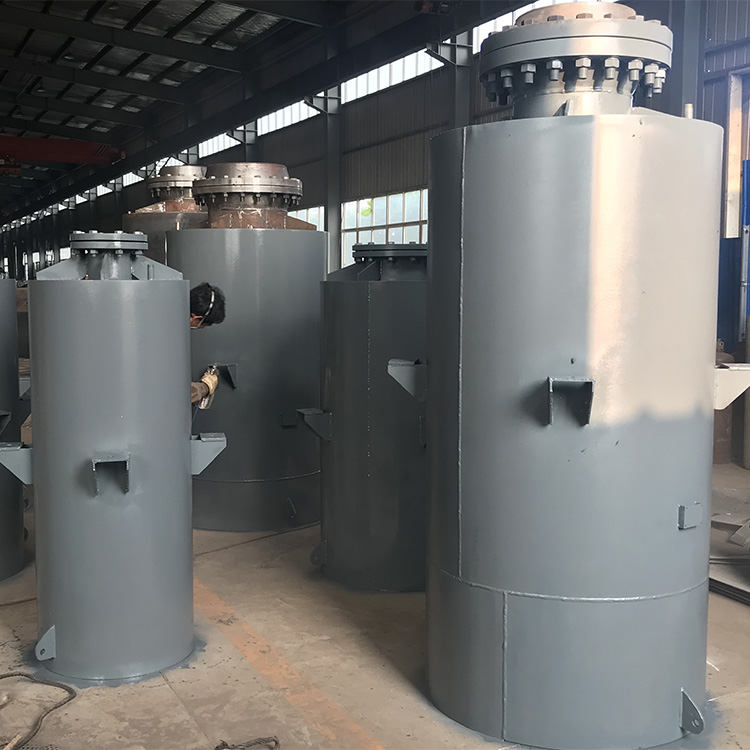
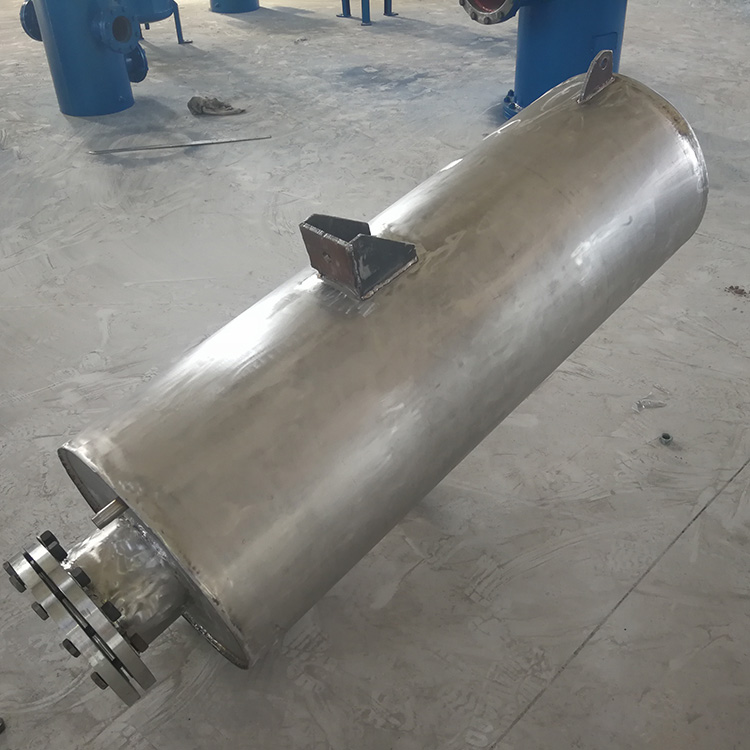
To suppress the noise from high-pressure gas flow emissions, this type of silencer is designed by integrating reasonable noise reduction principles. After a single controlled flow inside the silencer, the gas enters the pressure-reducing chamber, where it is expanded in a large volume to reduce pressure, forming a low-pressure gas flow that is then ejected. During this process, a portion of the gas flow's internal energy is converted into sound energy of a certain frequency. Although the noise power is significantly reduced, it often remains above the standard value due to various reasons such as the exhaust gas deviating from the design value. To address this, a double-layered noise-insulating hood is designed outside the pressure-reducing chamber, tailored to the spectral characteristics of the residual noise emitted by the pressure-reducing chamber, to effectively absorb the remaining noise. After installation according to specifications, the total noise reduction can reach 36~42 decibels.
2. Exhaust pipe muffler
For the safety doors of devices like gas emissions, the exhaust should avoid excessive noise while ensuring smooth gas flow. Therefore, the commonly used multi-stage throttling and small hole injection noise reduction methods are not suitable. Such restrictions have always been the design challenge of safety door noise reduction systems and the reason for their poor noise reduction performance. This noise reducer also employs the noise reduction principle of resistance, injection, and restriction. It replaces the smaller diameter flow control holes with larger diameter expansion holes, structurally enhancing the resistance, injection, and restriction noise reduction effects, achieving ideal noise reduction results.
3. Low-pressure Exhaust Muffler (Type TD)
A large number of industrial and mining enterprises utilize low-pressure boilers of 0.13MPa and below, and there are also numerous low-pressure thermal devices in power plant thermal systems, such as back-pressure turbines, deaerators, auxiliary exhaust blowers, turbine oil pumps, continuous blowdown of boilers, and periodic blowdown, etc. The exhaust pipes of the above equipment require the installation of noise dampers that are lightweight in structure and easier to install. Our company designs dedicated noise dampers for different noise reduction targets, which can meet the requirements of our customers.
4. Fan muffler
Our GF series of fan silencers are designed to reduce aerodynamic noise generated by fans and are used for silencing purposes in both intake and exhaust ducts of centrifugal and axial fans.
This series of silencer products is of impedance type. The design of the absorptive panel structure and fluid channels is primarily based on the frequency spectrum characteristics obtained from actual tests of noise sources at various fans in power plants, determining the required amount of sound absorption at which frequencies. A narrow rectangular channel with a large material surface is used to enhance absorption effects. At high noise levels, the noise source of the fan often has multiple frequency values, and the requirements for sound absorption vary for different frequency bands. Therefore, this product utilizes resistive structure for high and medium-frequency noise reduction and resistive structure for medium and low-frequency noise reduction. High-frequency and low-frequency absorption zones are also employed within the resistive channels to greatly expand the sound absorption frequency range for optimal noise reduction. After installation according to specifications, the maximum noise level will not exceed 85-90 decibels.
Section 3: Ordering Instructions for Exhaust Pipe Mufflers
1. Application objects (such as boiler ignition exhaust, safety valve exhaust, fans, deaerator exhaust, etc.).
2. Boiler evaporation capacity, steam pressure, and temperature.
3. Emission Rate: t/h.
4. Original interface pipe diameter and wall thickness.
5. As long as the technical parameters provided by the customer are complete, our company can assist in designing and manufacturing any type and specification of silencer.
Section 4: Installation Precautions for Exhaust Pipe Mufflers:
During shipment, the packing materials come with a detailed user manual.
Description:
1. When the user's exhaust manifold specification does not match the table, the outer dimensions will vary.
2. Our factory offers a variety of steam exhaust equipment, tailored to the user's specified steam volume, pressure, and pipe size requirements.