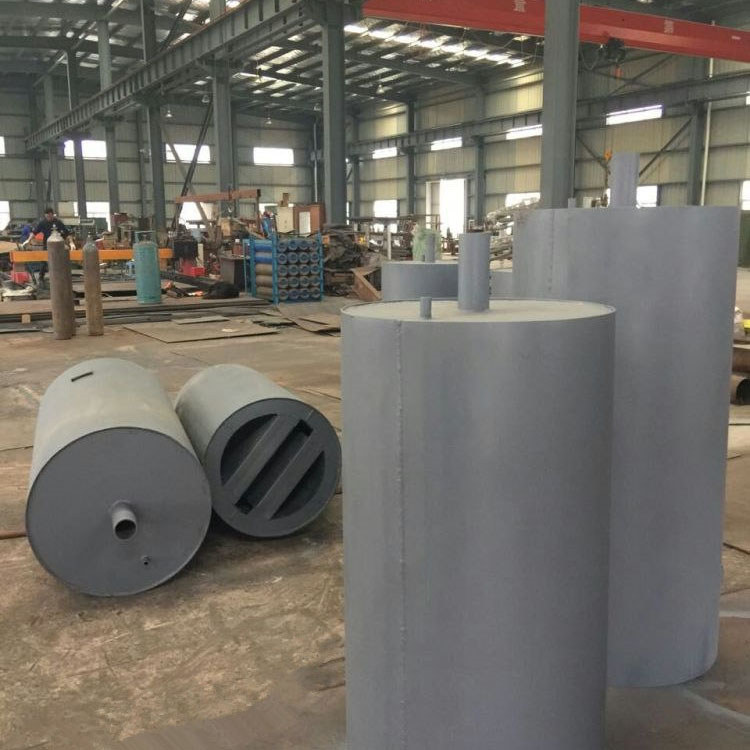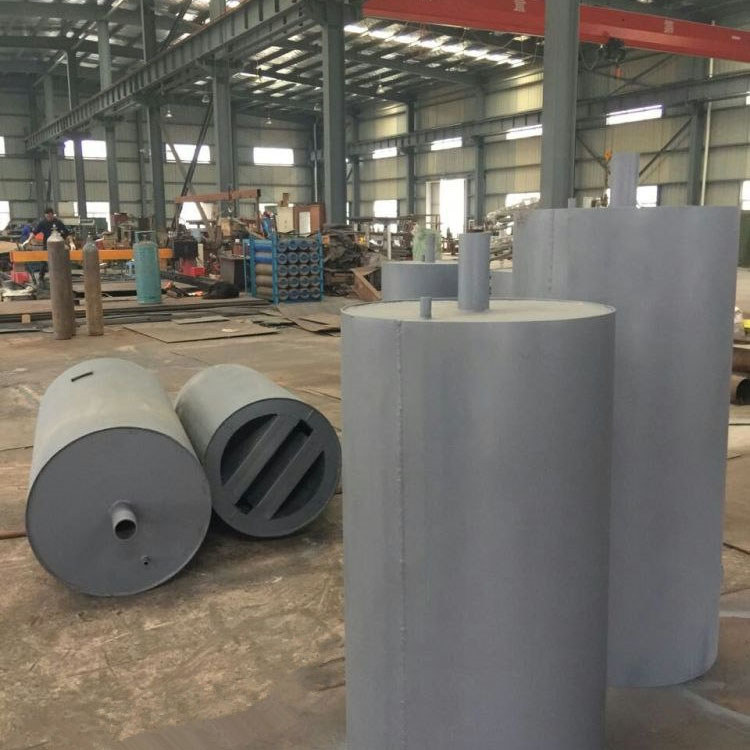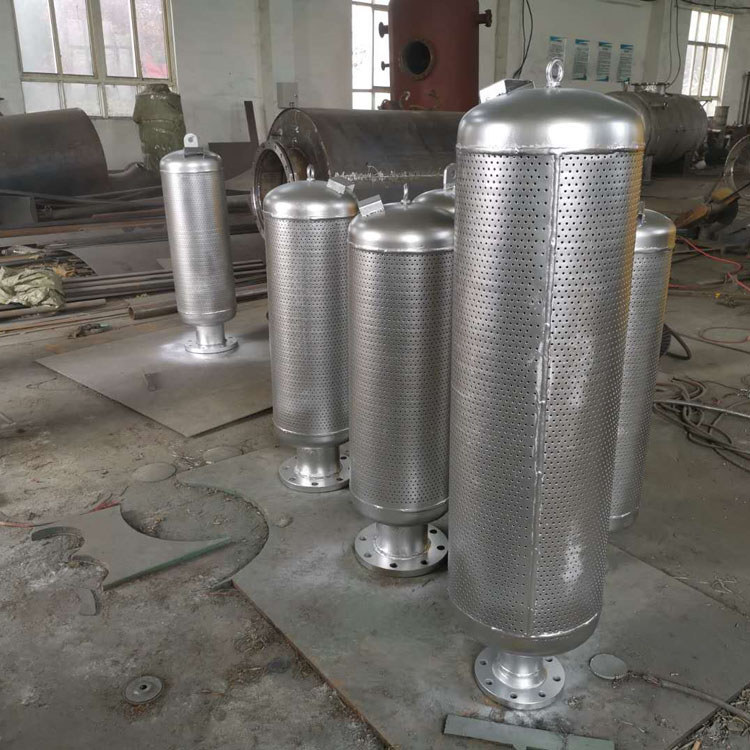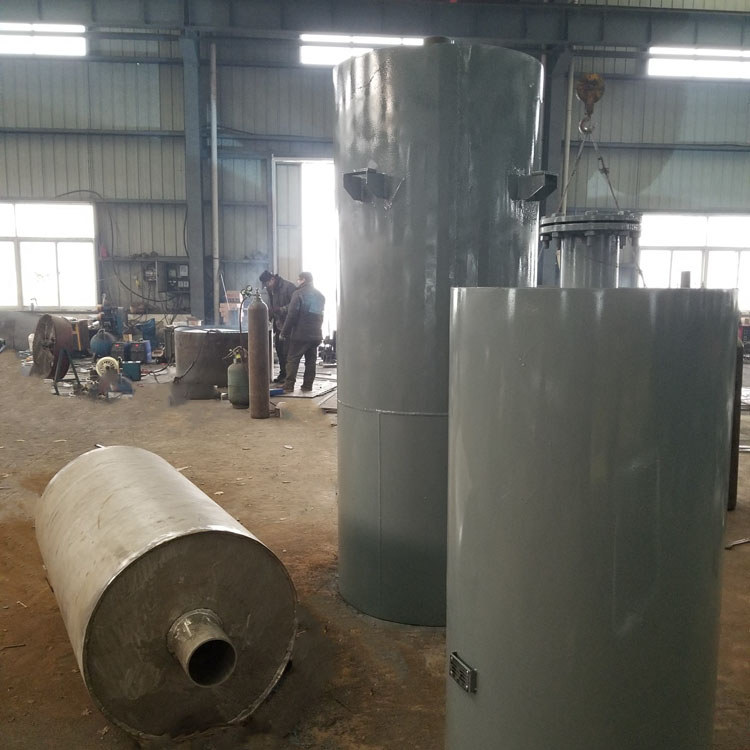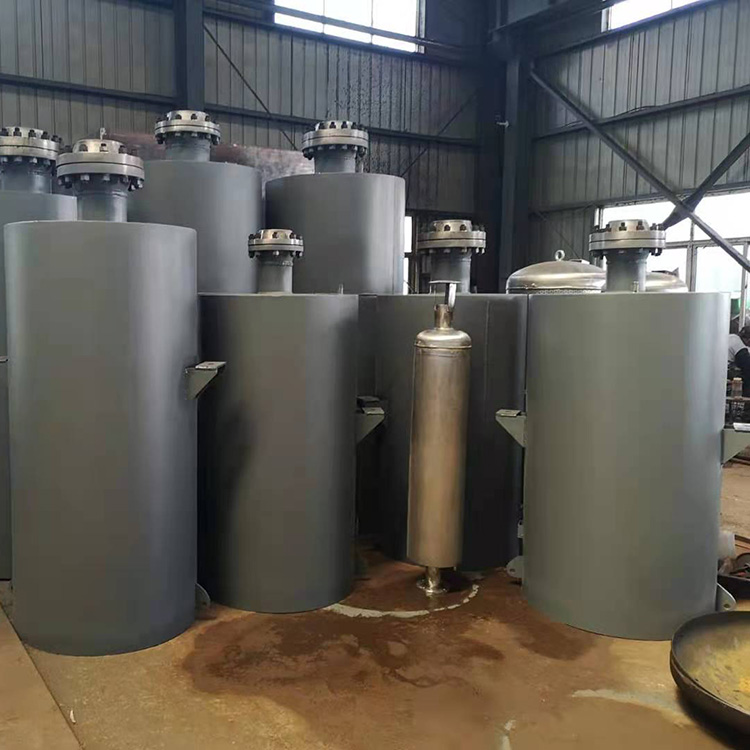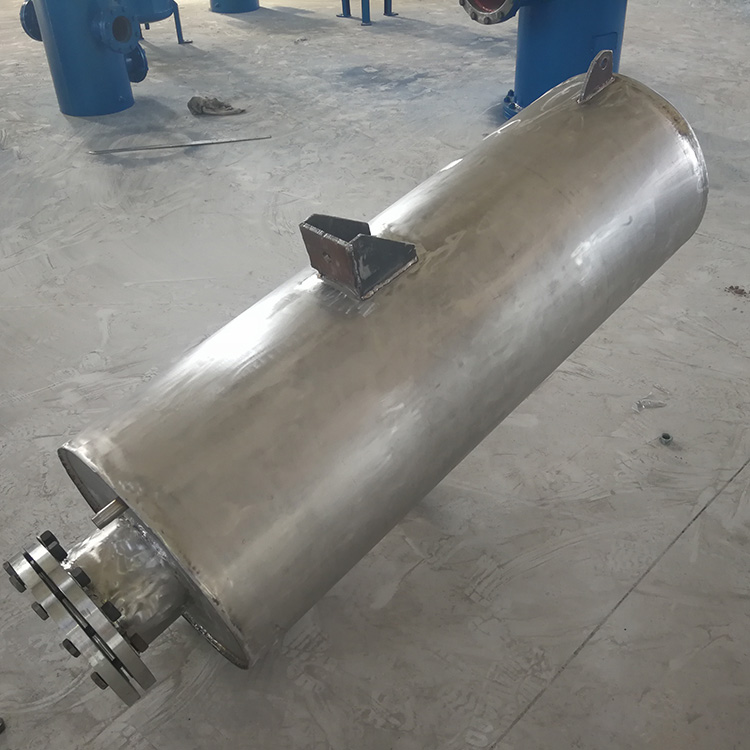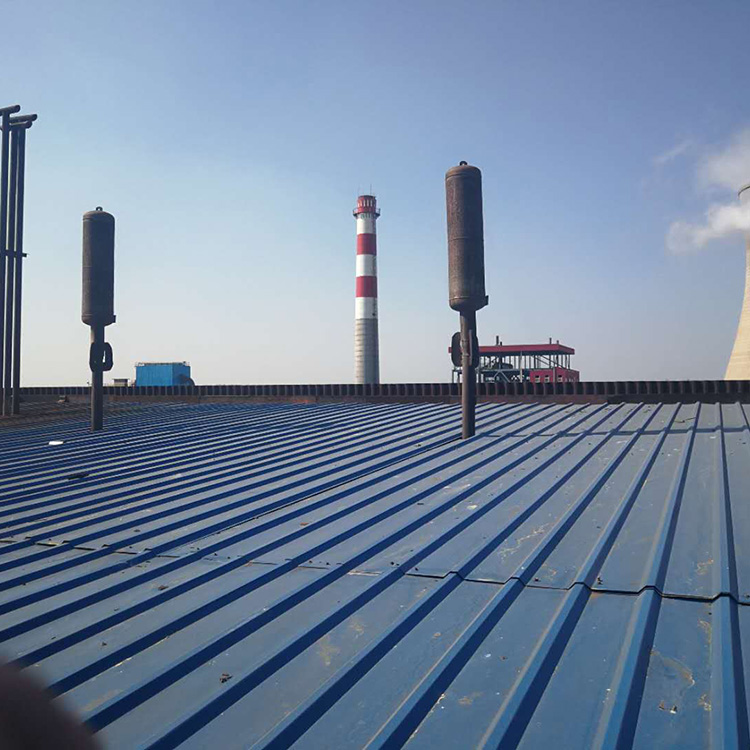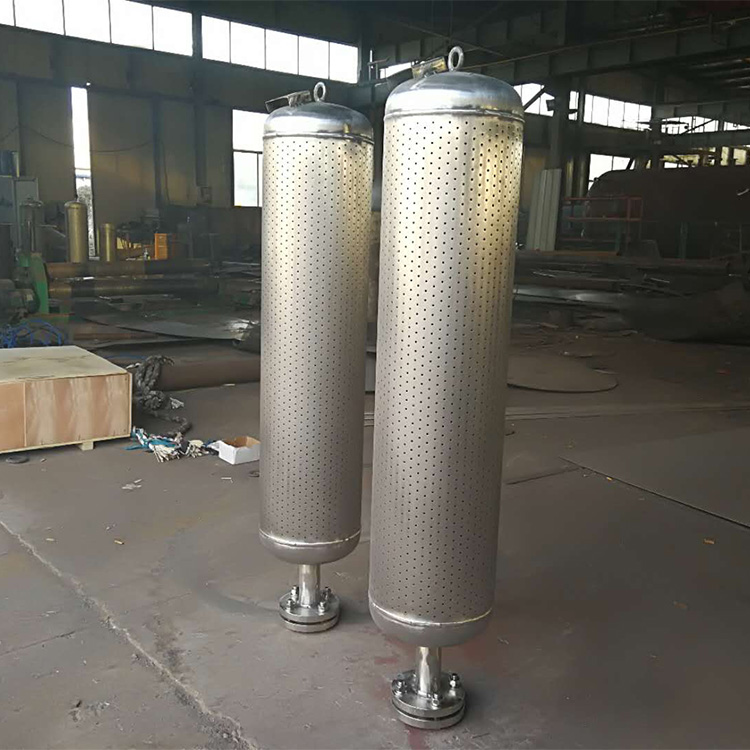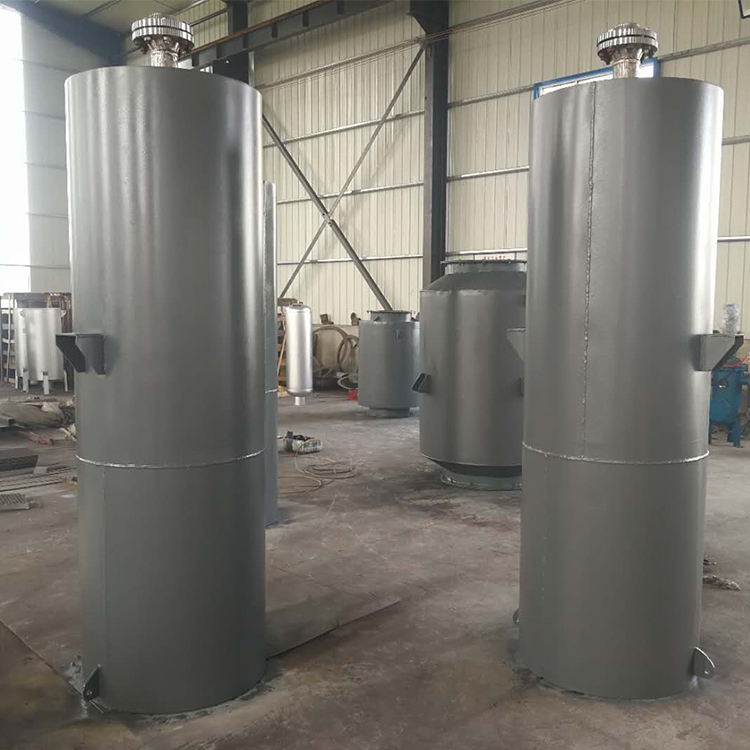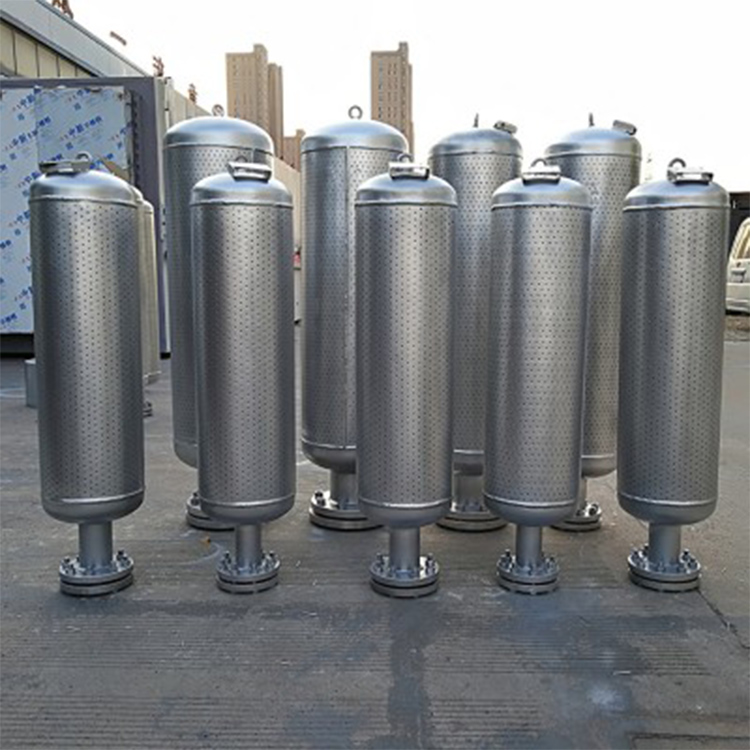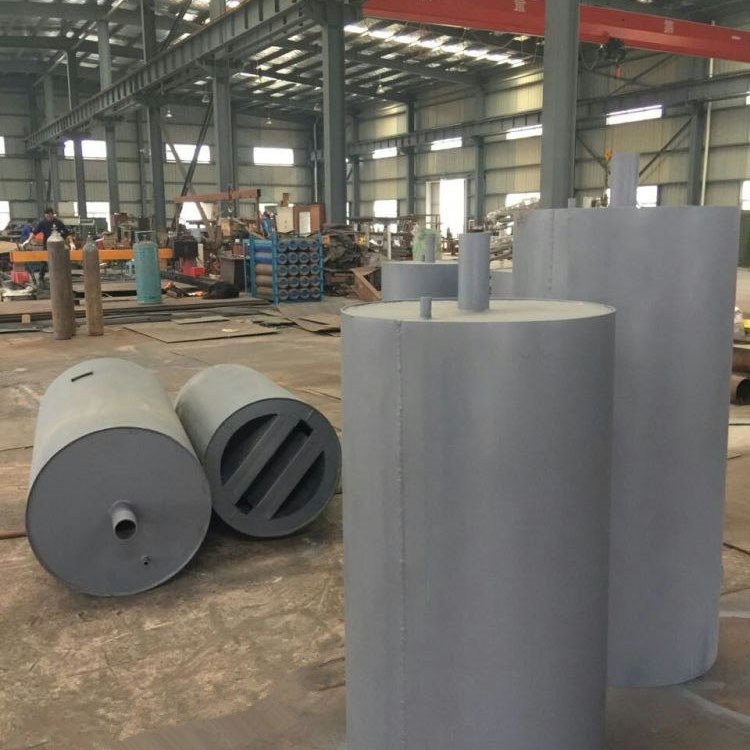


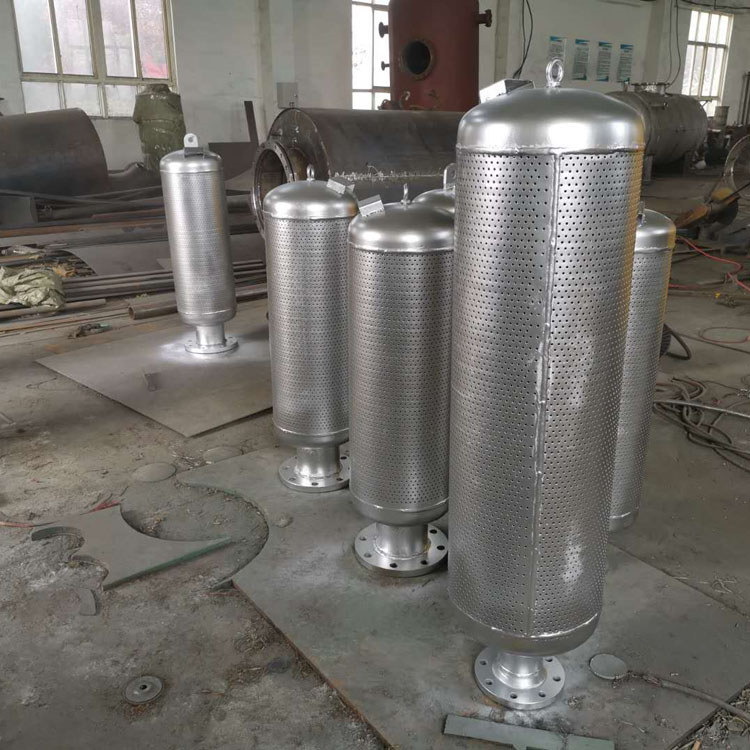
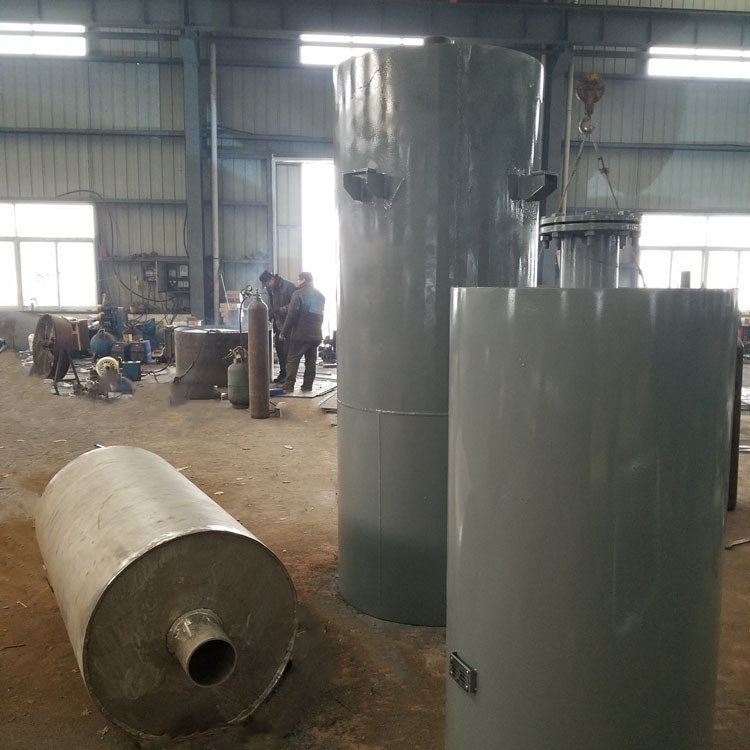


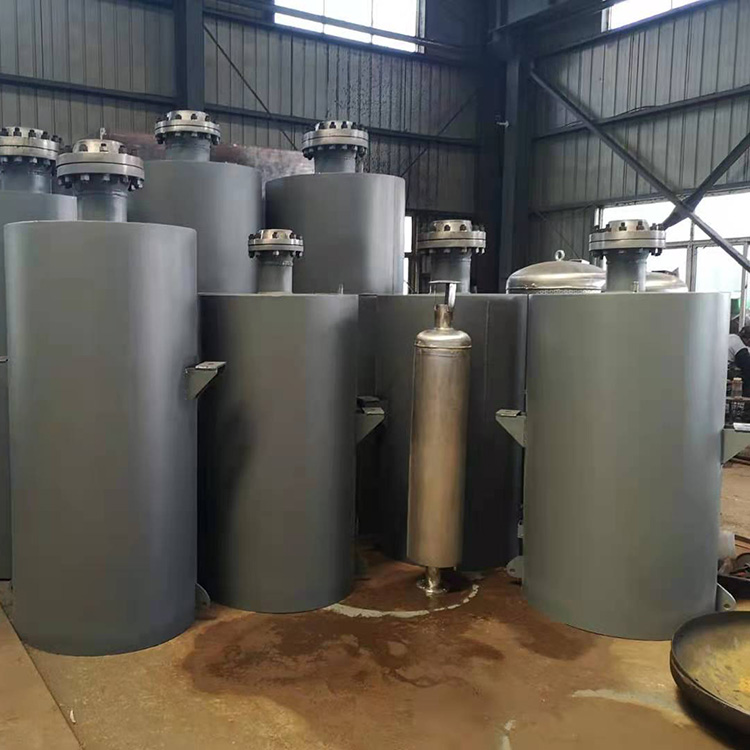
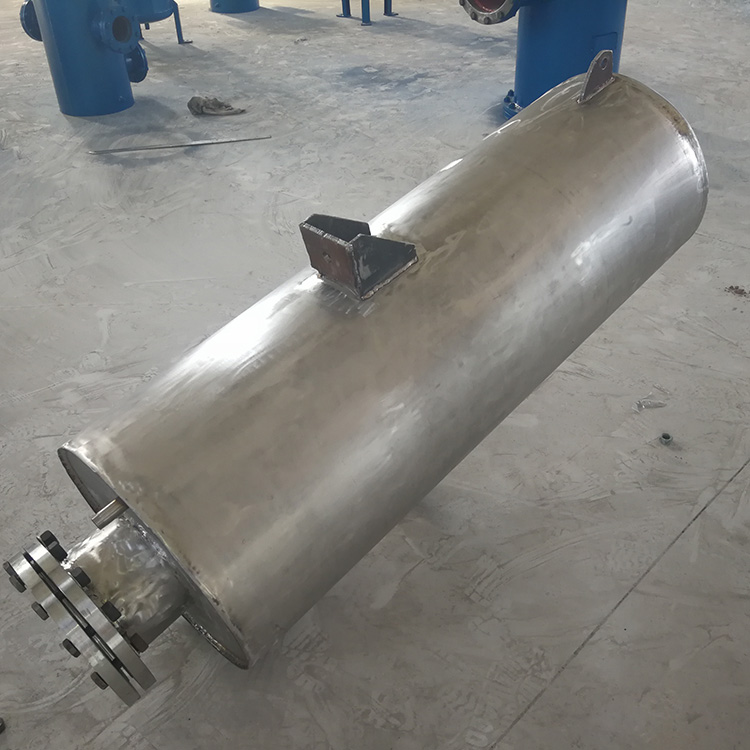





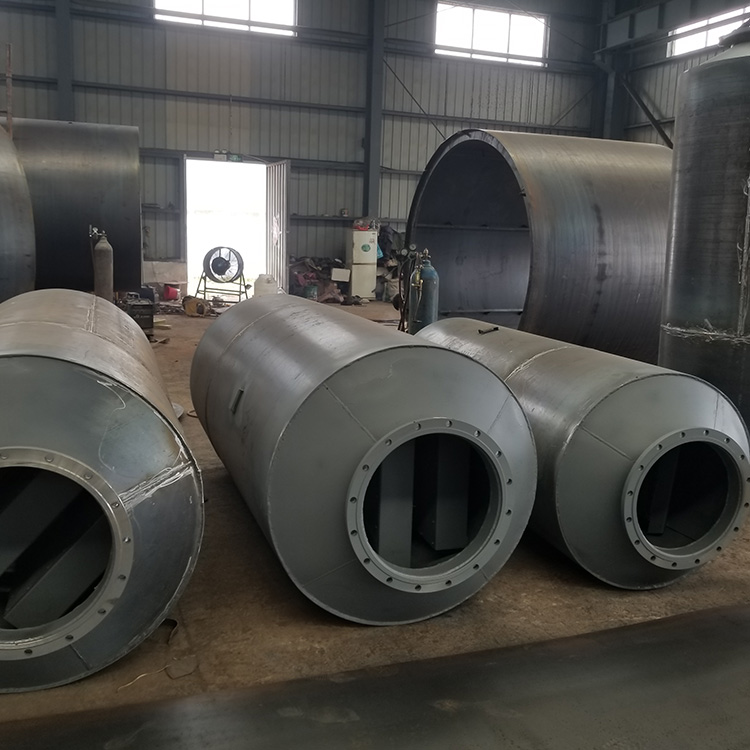
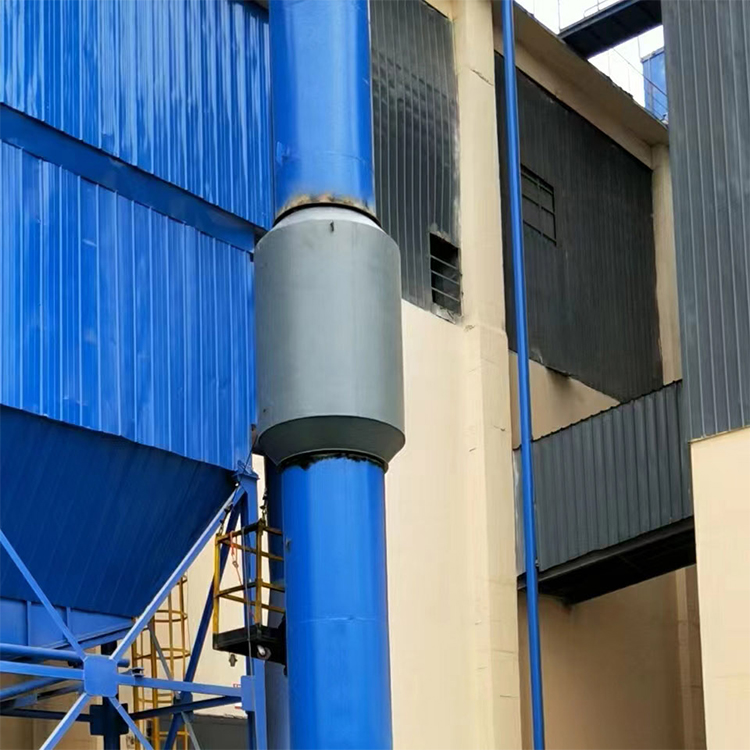
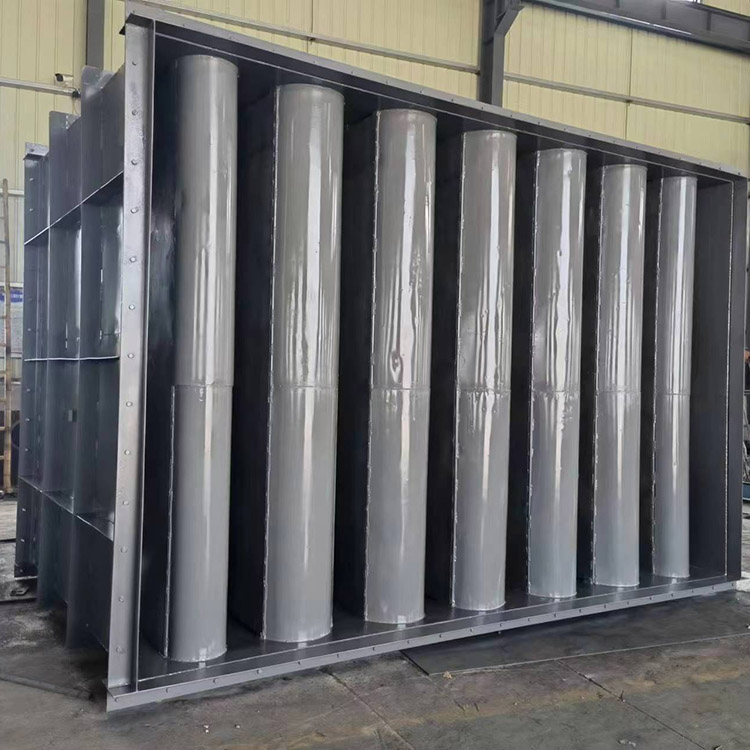

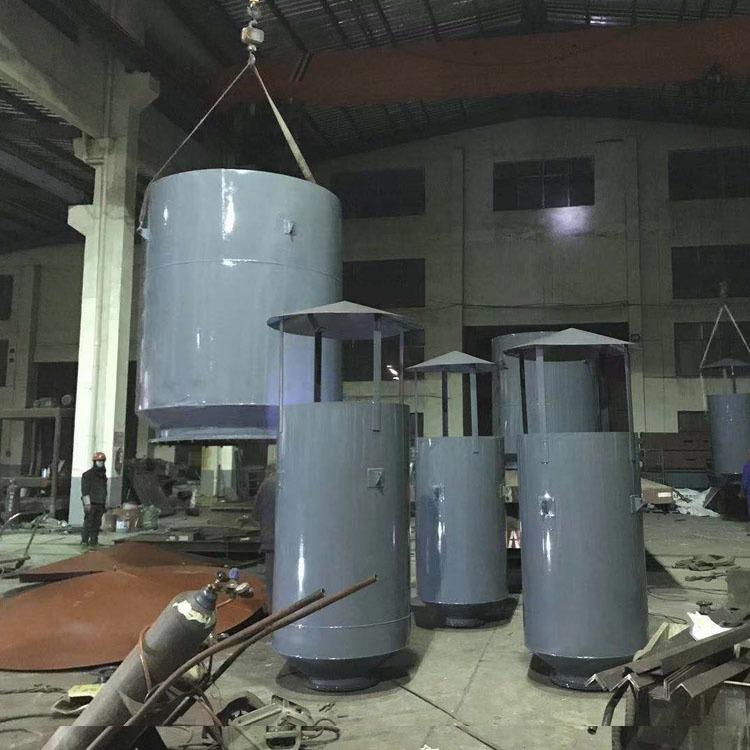
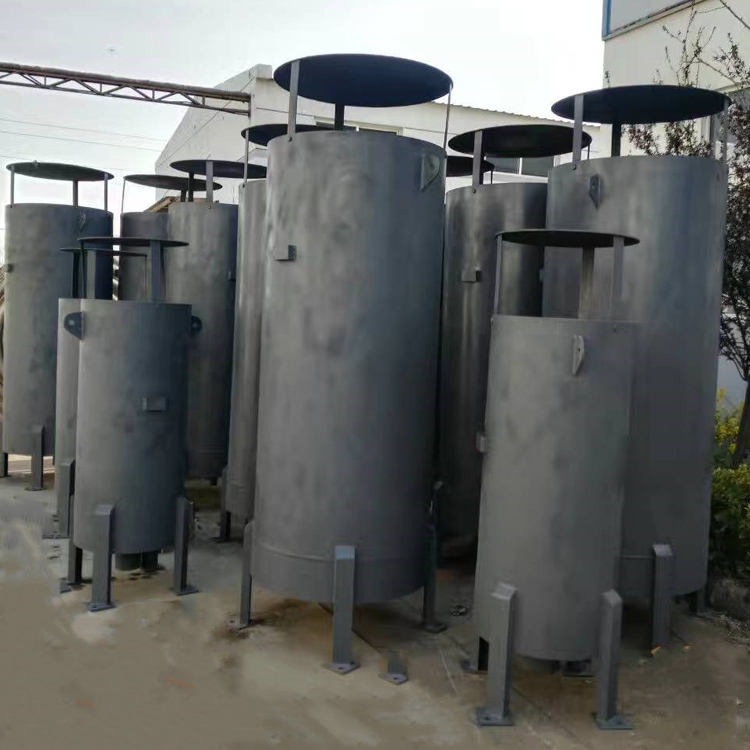
Product Applications: Steam exhaust, boiler valve exhaust, drum exhaust, pressure vessel water expansion tank exhaust, ignition exhaust, gas box exhaust, carbon dioxide exhaust, oxygen exhaust, pipeline exhaust, air compressor exhaust, fan exhaust, noise control in soundproof rooms, etc.
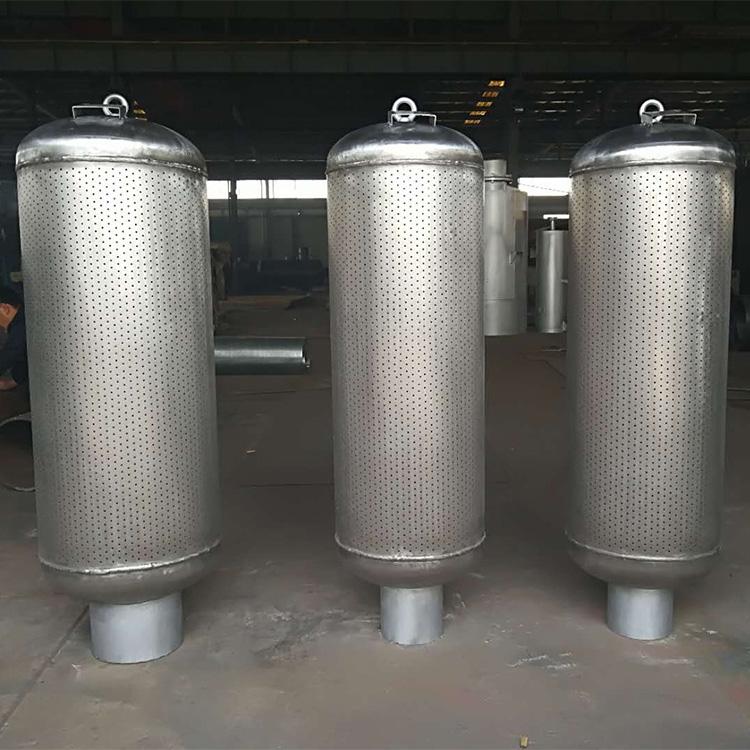
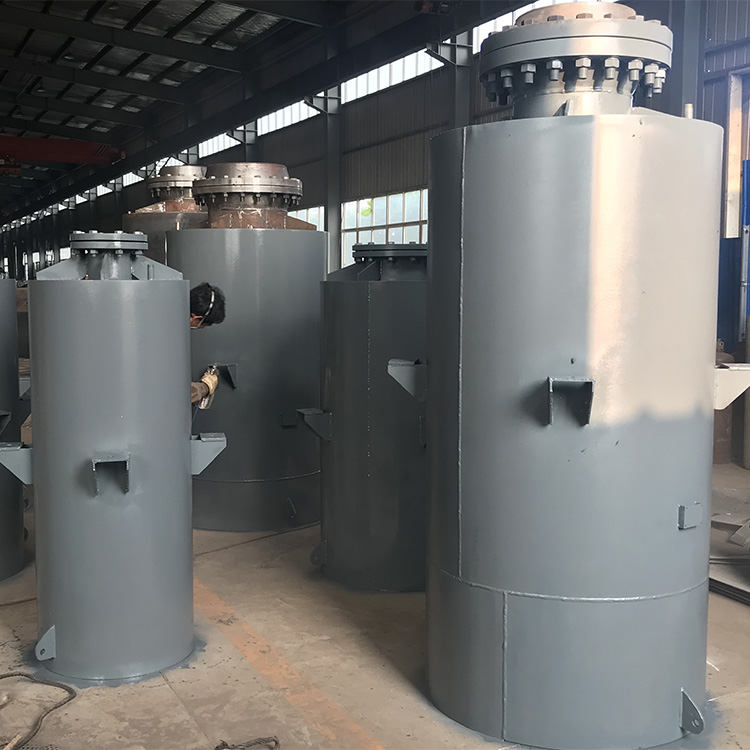
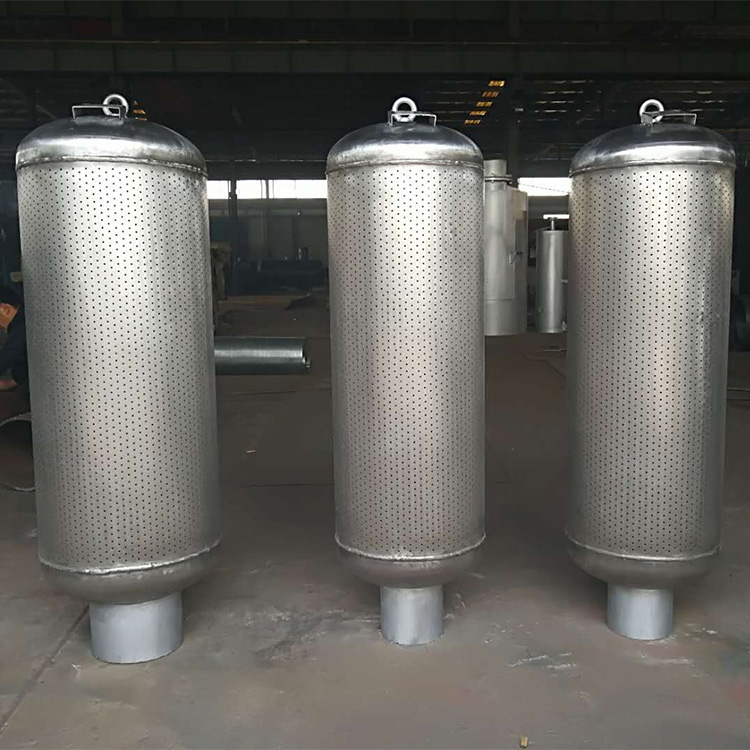
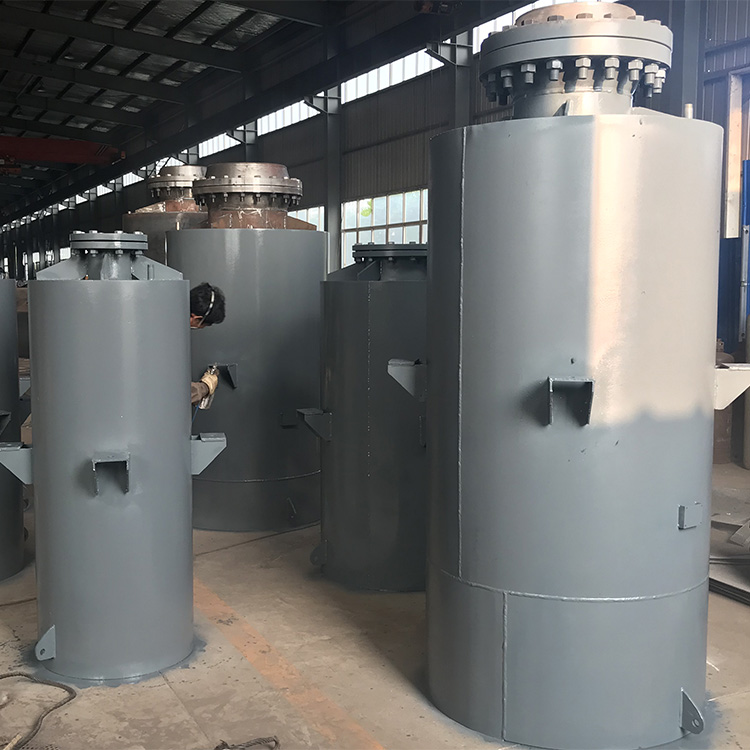
Steam muffler, mainly used for effectively silencing high-temperature and high-pressure steam emissions in industries such as power, chemical, and metallurgy.
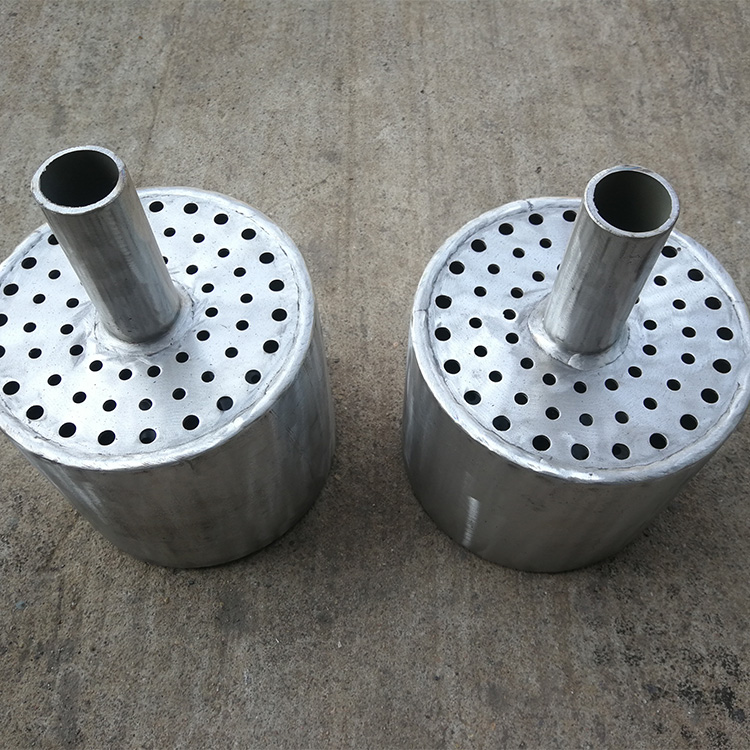
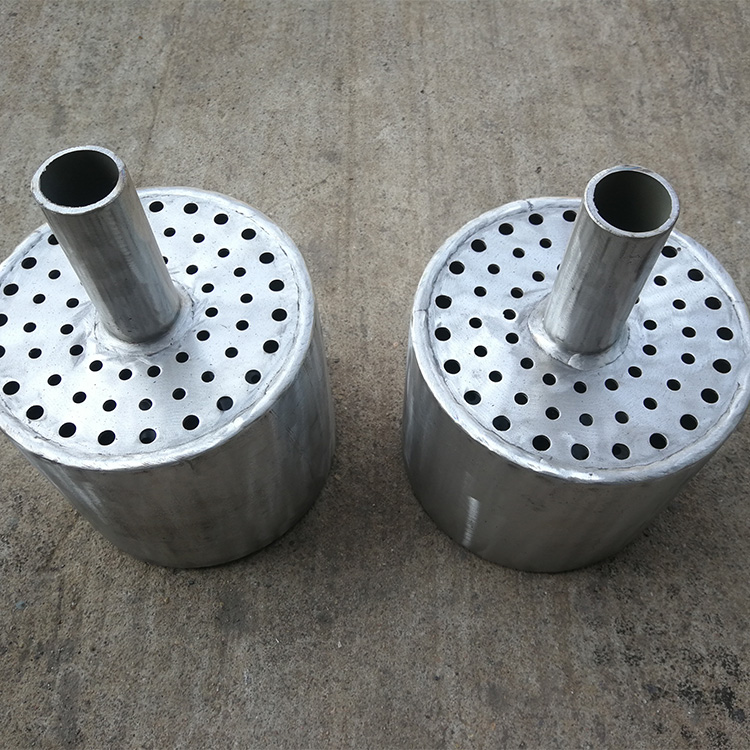
Steam mufflers are designed primarily for medium to high-frequency noise reduction. Therefore, our TA series steam mufflers utilize the principle of through-hole expansion, volume increase, and pressure reduction combined with noise absorption, replacing the small hole injection with through-hole expansion and pressure reduction to ensure smooth steam exhaust. The composite noise and sound-absorbing shield, along with the sound-absorbing panels, effectively absorb any remaining medium to high-frequency noise. The PA series steam mufflers employ a design consisting of through-hole expansion and pressure reduction tubes and small hole injection exhaust shells. The expansion and pressure reduction tubes disperse the airflow, reducing noise and preventing the generation of additional sound. The small hole injection exhaust shells are small hole components with many holes, machined from stainless steel, directing the broadband exhaust noise into frequencies less sensitive to the human ear and accelerating sound attenuation.
Product Features:
1. Steam muffler; the noise reduction of the steam muffler meets the requirements of the "Noise Hygiene Standards for Industrial Enterprises," reducing the noise level at the outlet by 36-39 decibels (A-weighted).
2. Steam muffler, simultaneously muffling steam without affecting the valve's flow, nor its lift and return.
3. Steam mufflers, with their structural and performance characteristics, are designed to accommodate the impact of instantaneous discharge of high-temperature, high-pressure steam.
Operating Principle:
Steam mufflers are designed based on a rational noise reduction principle. High-pressure steam, after undergoing a single controlled flow in the muffler, enters a pressure-reducing chamber. It is then expanded and depressurized in a large volume, forming low-pressure steam that is expelled. During this process, a portion of the steam's internal energy is converted into a certain frequency of acoustic energy, resulting in a significant reduction in noise power. However, due to factors such as the steam discharge deviating from the designed value, the exhaust noise may still exceed the standard. To address this, a composite noise-reduction and absorption cover made of multiple materials is designed outside the pressure-reducing chamber, tailored to the spectral characteristics of the remaining noise emitted from the pressure-reducing chamber. After installation as required, the total noise reduction can reach 36-42 decibels. To suppress the noise from high-pressure gas flow discharge, various types of mufflers have been developed, most of which use multi-stage throttling to depressurize. Due to their complex structure, heavy weight, and difficulty in maintenance, their application range is limited. This steam muffler and steam muffler overcomes these shortcomings, integrating a rational noise reduction principle in its design. High-pressure steam, after a single controlled flow in the muffler, enters a pressure-reducing chamber where it is expanded, forming low-pressure steam that is expelled. In this process, a portion of the steam's internal energy is converted into a certain frequency of acoustic energy, greatly reducing the noise. Inside a single suction and mixing noise-reduction shell, 2-4 energy-reduction and noise-suppression liners are arranged, which can move vertically and horizontally to absorb the thermal expansion of the exhaust pipe. Outside the pressure-reducing chamber, a double-layer noise-reduction cover is designed.
Steam mufflers are designed based on a rational noise reduction principle. High-pressure steam, after passing through a single control flow in the muffler, enters a pressure-reducing chamber. It is then expanded and pressure-reduced in a large volume, forming low-pressure steam that is ejected. During this process, a portion of the steam's internal energy is converted into sound energy of a certain frequency. Although the noise power is significantly reduced, the exhaust noise may still exceed the standard due to reasons such as deviation from the design value. To address this, a composite noise and sound absorption hood with a multi-material structure is designed outside the pressure-reducing chamber, tailored to the spectral characteristics of the residual noise emitted by the pressure-reducing chamber, for effective noise absorption. After installation according to specifications, the total noise reduction can reach 36-42 decibels. To suppress the noise from high-pressure gas flow emissions, various types of mufflers are already available, with the principle generally involving multi-stage throttling and pressure reduction. However, due to their complex structure, heavy weight, and difficulty in maintenance, their application range is limited. Our steam muffler and steam muffler overcome these shortcomings and are designed with a comprehensive rational noise reduction principle. High-pressure steam, after passing through a single control flow in the muffler, enters a pressure-reducing chamber and is expanded to form low-pressure steam that is ejected. During this process, a portion of the steam's internal energy is converted into sound energy of a certain frequency, significantly reducing the noise. Within a single, mixed-flow muffler shell, 2-4 energy-reducing and noise-suppressing liners are arranged, which can move vertically and horizontally to absorb the thermal expansion of the exhaust pipe. A double-layered noise-reducing shield is designed outside the pressure-reducing chamber.