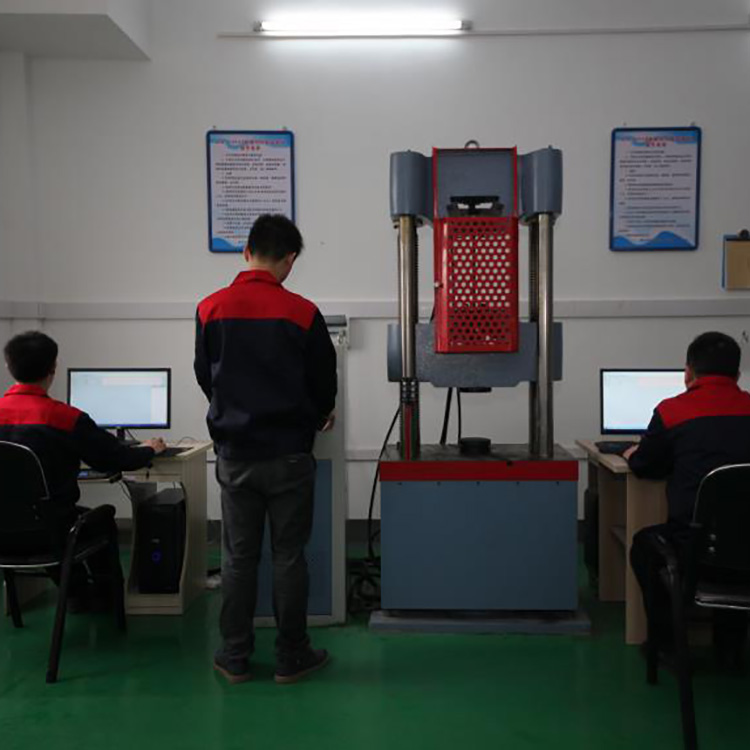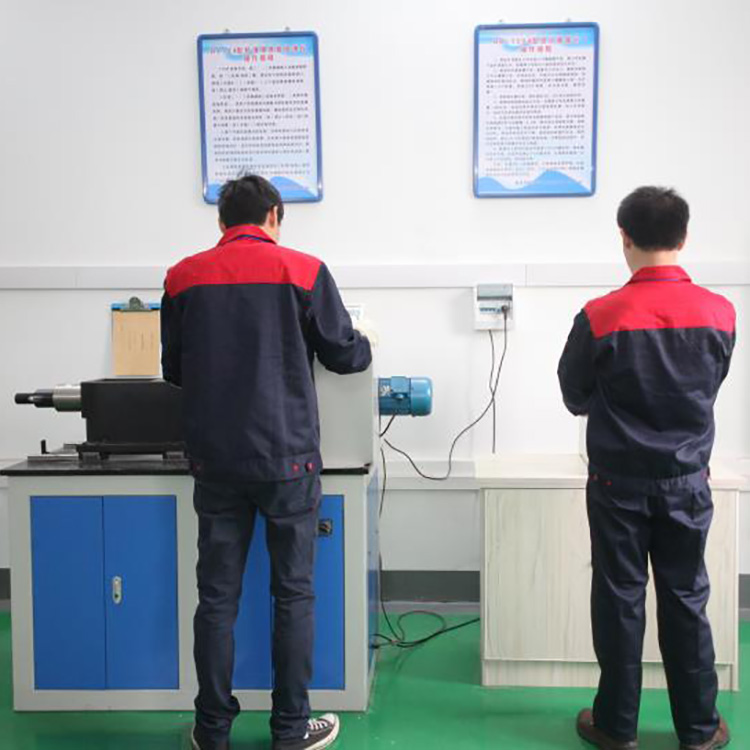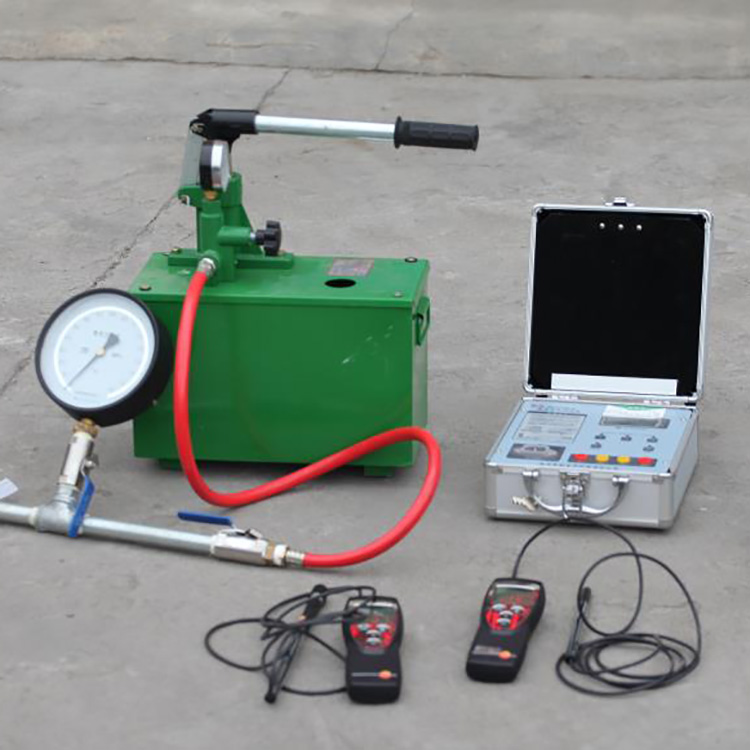








Building Energy Efficiency Inspection
Exterior Insulation and Finish System (EIFS)
1.1 Weather Resistance 1.2 Wind Load Resistance 1.3 Impact Resistance 1.4 Thermal Conductivity
2. Anchor bolts
2.1 Standard Tensile Load Value for Individual Anchor Bolt
3. Alkali-resistant glass fiber mesh
3.1 Tensile Strength at Break 3.2 Alkali Retention of Tensile Strength 3.3 Elongation at Break 3.4 Unit Area Mass
4. Thermal Properties of Materials
4.1 Thermal Conductivity Coefficient
5. Polystyrene bead slurry
5.1 Dry Bulk Density 5.2 Compressive Strength 5.3 Tensile Bond Strength
6. Insulation Materials
6.1 Apparent Density 6.2 Dimensional Stability 6.3 Tensile Strength 6.4 Compressive Strength 6.5 Flammability 6.6 Oxygen Index
7. Inorganic thermal insulation materials
7.1 Density 7.2 Moisture Content 7.3 Compressive Strength 7.4 Flexural Strength 7.5 Water Absorption Rate
8. Expanding Perlite
8.1 Moisture Content
8.2 Particle Size
9. Insulating Masonry Mortar
9.1 Bulk Density 9.2 Compressive Strength 9.3 Shear Bond Strength
10. Surface Mortar
10.1 Tensile Bond Strength 10.2 Flammability after Coating on EPS Boards
11. Adhesives
11.1 Tensile Bond Strength
12. Joint Compound
12.1 Tensile Bond Strength
13. Cracking Agent and Cracking Mortar
13.1 Tensile Bond Strength
14. Ceramic Tiles
14.1 Water Absorption Rate 14.2 Breaking Strength
15. Autoclaved aerated concrete blocks
15.1 Compressive Strength 15.2 Dry Density
16. Retaining Structure
16.1 Thermal Defects 16.2 Bond Strength Between Insulation Board and Substrate
Insulation material for exterior walls: inspection items
Insulation Materials: Straw, rice hulls, sugarcane fiber, cork cotton, wood shavings, sawdust, wood fibers, and their products. Advantages: These materials have low bulk density, are widely available, and are generally inexpensive. However, they have high moisture absorption, are prone to rotting when damp, and can decompose or burn easily at high temperatures.
2. Inorganic thermal insulation materials: Mineral-based products include mineral wool, expanded perlite, expanded vermiculite, diatomite gypsum, slag, glass fiber, rock wool, aerated concrete, foamed concrete, pumice concrete, and their products. Chemical synthetic materials such as polystyrene, polyvinyl chloride, polyurethane, polyethylene, urea-formaldehyde plastics, and rigid foam polyurethane, and their products.
Inspection Service:
1. Exterior Wall Insulation System
EPS (Expanded Polystyrene) External Wall Insulation Systems, XPS (Extruded Polystyrene) External Wall Insulation Systems, PU (Polyurethane) External Wall Insulation Systems, Adhesive Powder EPS Granule External Wall Insulation Systems, various Insulating Mortar External Wall Insulation Systems, Cast-in-Situ Concrete External Wall Insulation Systems, Insulating Decorative Panel External Wall Insulation Systems, etc., capable of handling various tests for external wall insulation systems, including weather resistance, wind pressure resistance, fire performance, seismic performance, and more.
2. Composition Materials for External Wall Insulation System:
EPS foam board, XPS extruded polystyrene board, rigid polyurethane foam (PU), thermal insulation mortar with adhesive powder and polystyrene beads, various thermal insulation mortars, steel wire mesh sandwich EPS board, energy-saving thermal insulation decorative boards, adhesives, joint mortar, crack-resistant mortar, various glass fiber mesh cloths, steel wire mesh, anchor bolts, adhesive powder, polystyrene beads, flexible water-resistant putty, interface mortar, tile jointing material, tile adhesive mortar, etc.