








Once the upper structure work is completed, the stability of the steel structure foundation becomes the issue. Generally, high-precision total stations are used to measure and judge the deflection of column supports and the tilt at the four corners of the house to assess structural deformation; in case of necessity, settlement observations of the house are conducted to determine the stability of the foundation.
Detailed Knowledge of Steel Structure Testing Mechanics: How much do you know about steel structure testing - steel structure mechanics: a. Testing of metal materials such as steel plates and round steel bars for tensile strength, yield strength, elongation after break, bending tests, impact tests (room temperature, low temperature, aging impact), and hardness, etc., for toughness and plasticity; tensile testing of reinforcing steel bars (yield strength, tensile strength), bending, etc. Z-direction tensile test of steel plates. b. Welding process evaluation of metal welding parts, tensile and bending tests of reinforcing steel welding parts. c. Metal hardness test is the ability of metal to resist local deformation, which is plastic deformation, indentation, or scratch, and is a measure of the degree of hardness of the metal material. Hardness includes: Vickers hardness, Leeb hardness, Rockwell hardness, Brinell hardness.
Therefore, steel structure inspections are of utmost importance. Changes in building function or factory production processes can increase the load on the building structure; sudden disasters such as fires or earthquakes can more easily damage the structure, making steel structure inspections a necessary prerequisite for quality assurance and reinforcement.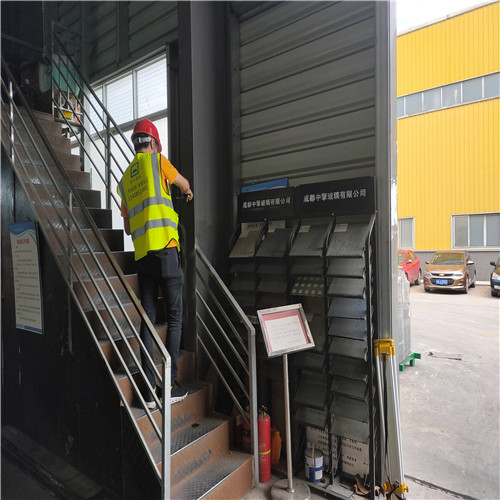
The necessity of steel structure inspections—how much do you know about it? Steel structure inspections involve on-site surveys and structural testing, considering the impact of defects, and assessing the reliability of building structures based on the requirements of relevant codes or standards. To effectively carry out these tasks, it is essential to have a clear understanding of the issues related to the safety, suitability, and durability of the building. Only then can you develop safe, reasonable, economic, and feasible solutions. What the reliability of the building provides is an accurate evaluation of these issues.
Structural steel inspection is one of the specialized areas within engineering structure inspection. It is not necessarily required to provide a separate inspection report for the entire building or structure's reliability. The results of the structural steel inspection can be listed as a single item in the overall inspection report. When a separate structural steel专项 report is requested, the inspection findings, rating results, and recommendations for handling, including usage management, maintenance, reinforcement, modification, or demolition, should be provided, as well as required. Additionally, suggestions for seismic resistance and disaster mitigation strategies should be offered.
Steel structure factory buildings are easy to construct, reliable in quality, and environmentally friendly with no pollution, thus their application range is expanding. The design of steel structure factory buildings adheres to load-bearing standards and does not allow arbitrary increase in load or additional floors. It also prohibits changes in usage functions without permission. Vibration should comply with design requirements to prevent the risk of excessive pressure on the lower structure, floors, and walls.
WeChat Official Account

Scan to follow Official Account













