








Building Renovation, Addition, and Floor Addition Inspection
4. Prior to increasing the number of floors in a building: Refers to the need for the building's user to assess the current foundation and main load-bearing components' load-bearing capacity to ensure it meets the safety requirements for the increased floor level. It also provides reasonable reinforcement recommendations for components that do not meet the load-bearing or safety requirements.
5. Extension of Design Life for Buildings: Refers to the inspection before continuing to use the building after its original design life has been exceeded. This is to ensure that the current technical parameters of the building meet the safety requirements for future use, and to provide reasonable reinforcement suggestions for any existing damage and components that do not meet the safety requirements.
6. Pre-renovation property: This type typically involves routine reliability inspections without altering the structural composition, primarily to assess the original structure's safety and usability (collectively referred to as reliability) to ensure they meet current usage requirements and regulatory standards before the property is re-renovated.
7. Performance prior to installation and reinforcement of screens and interior renovations.
8. Inspection after renovation and reinforcement modifications.
9. Review upon质疑the quality of the main building structure, structural safety, durability of components, and usability.
What documents are required to apply for building quality and safety inspections?
Answer: 1. Residential Safety Trustee Letter (to be obtained from the institution; if judicial, the trustee letter should be submitted by the judicial unit).
2. Copy of authorization certificate from property owner; copy of lease agreement from user; copy of land ownership certificate for all owners on collective land; if the relevant stakeholders are individuals, provide a copy of the applicant's information; if the stakeholders are organizations, stamp the application form. (If any of the above documents are missing, individuals should submit the residential committee or village committee of the property location. Organizations should submit the documents from the competent authority.)
3. Other relevant technical documents required by the institution (such as engineering survey reports, original design drawings, original design structural construction drawings, structural completion acceptance drawings, etc.).
Any alterations to the existing use of a building, or those that have already been made, must be justified. This primarily depends on the structural integrity of the old building, determining whether the change in use will affect safety due to increased loads or structural modifications, and assessing whether the structure can meet the new functional requirements prior to the change of use.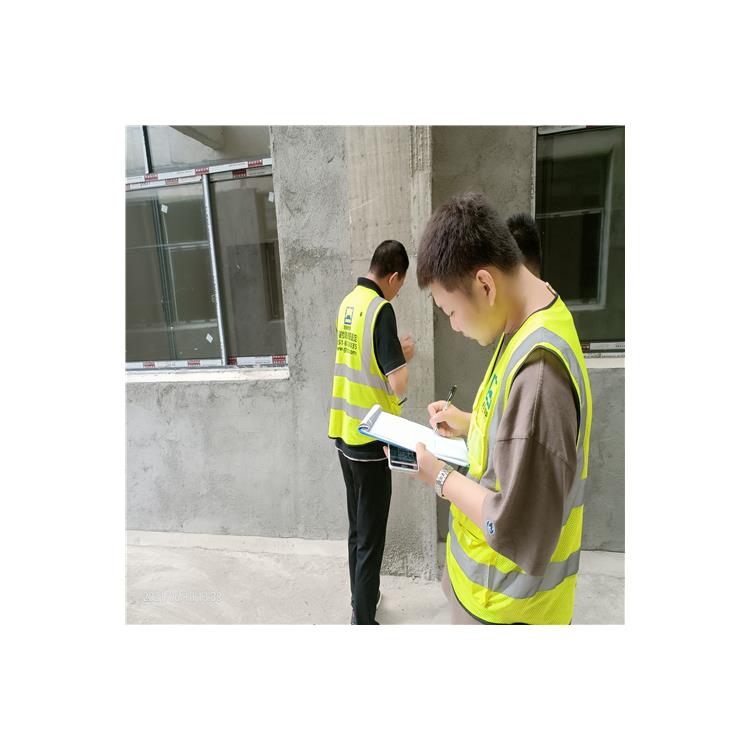
What parts should not be randomly removed during building renovation and remodeling?
1. Load-bearing wall
Brick walls over 600px thick are typically load-bearing walls and cannot be easily removed or altered. Load-bearing walls support the entire building's weight and maintain the structural balance of the house. Destroying a load-bearing wall is like disrupting this balance of forces, which could have catastrophic consequences, a threat to life that no one can bear. 2. Door frames embedded in concrete If there's a real need to remove or modify them, it poses certain risks to the building structure, reducing the safety index of the house. Additionally, re-installing new doors can be quite challenging.
3. Low wall
Most rooms have a door and a window on the wall separating them from the balcony. These doors and windows can be removed, but the wall below the window cannot be taken down, as this section is a "counterweight wall." It functions like a weight in a scale, supporting the balcony. Removing this wall would decrease the balcony's load-bearing capacity, potentially causing it to collapse.
Beams and columns
Beams and columns are used to support the upper floor slabs.随意拆除或改造 them could cause the upper floor slabs to collapse, posing a significant danger. Therefore, they must never be removed or altered.
5. Wall Reinforcement Steel
Load-bearing wall
When installing pipelines, if the reinforcing bars are damaged, it will affect the bearing capacity of the walls and floors, leaving potential safety hazards. Therefore, it is also not permissible to dismantle them arbitrarily.
Industrial buildings (including factories, warehouses, production workshops, and machine rooms), in order to meet operational needs, require the addition of cranes, filing cabinets, machinery and equipment, and containers, etc., before (or after) the installation. A detection is necessary to assess whether the current floor load-bearing capacity of the building meets the safety requirements for the added equipment. Recommendations for reasonable reinforcement of components that do not meet the load-bearing and safety requirements will also be provided.
Another method involves the addition of an outer cabinet frame structure, which is a method of adding floors by constructing foundations and frames externally to the original building. This method has little to do with the existing structure and is relatively rare. The foundation is set separately, bearing all the loads of the newly added floors, as long as the original structure still retains its usability. Harbin Medical University's Hospital Building has adopted this method of adding an outer cabinet frame structure. It is quite flexible, with the number of intermediate floors varying, but it is relatively expensive in terms of cost.
WeChat Official Account

Scan to follow Official Account













