







Before the public place is put into use and opened for business, a fire inspection should be conducted to check the following:
(1) Whether buildings or sites have passed fire safety inspection and approval in accordance with the law or have been qualified through fire inspection after completion; whether buildings or sites that have completed fire safety recordal for completion inspection but have not undergone recordal抽查 comply with fire technical standards.
(II) Whether fire safety regulations, fire extinguishing, and emergency evacuation plans have been established.
(3) Are the operators of the automatic fire protection system certified, and have employees received pre-job fire safety training?
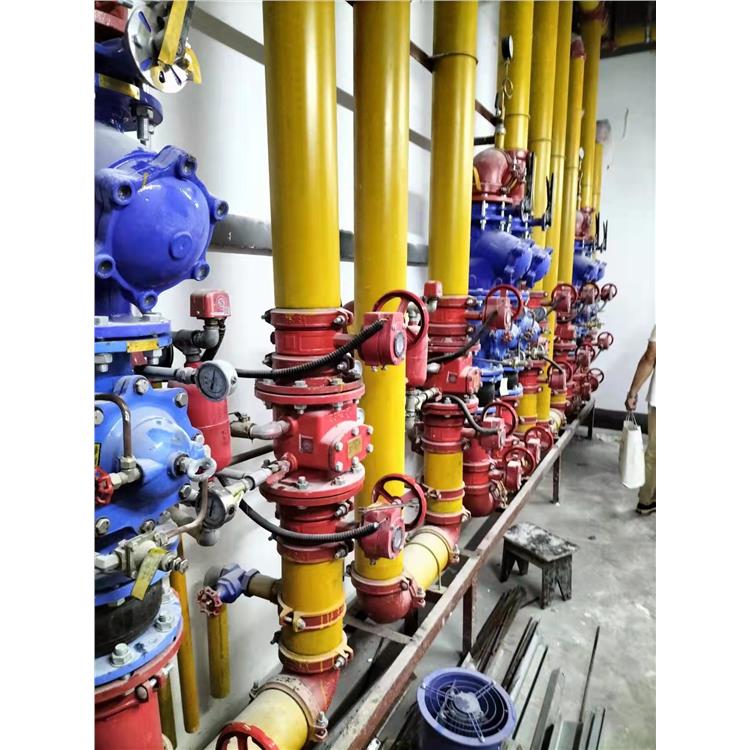
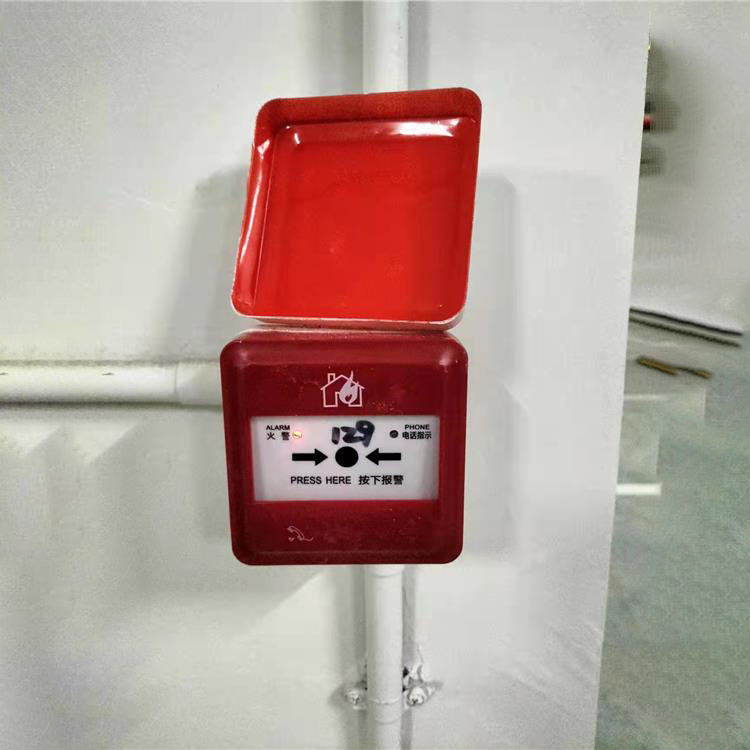
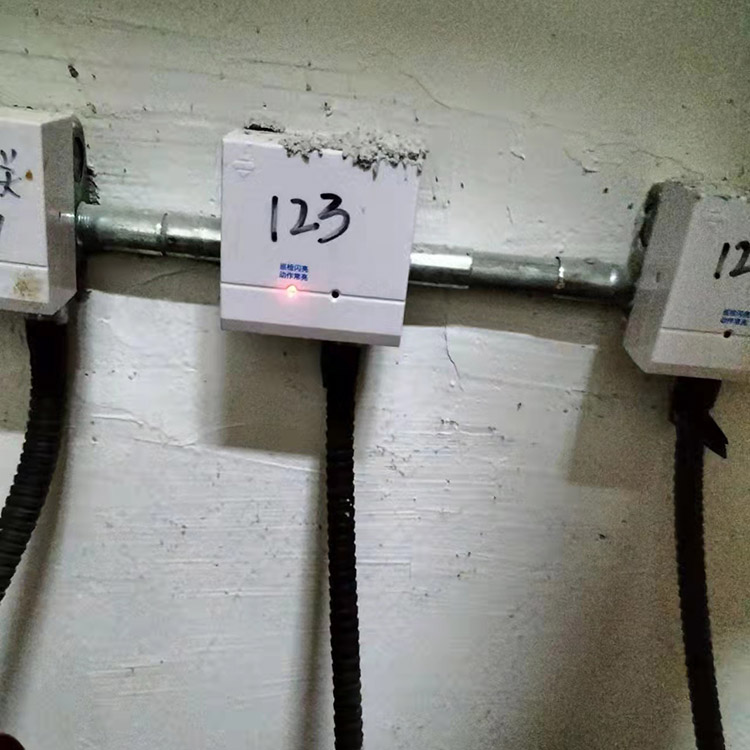
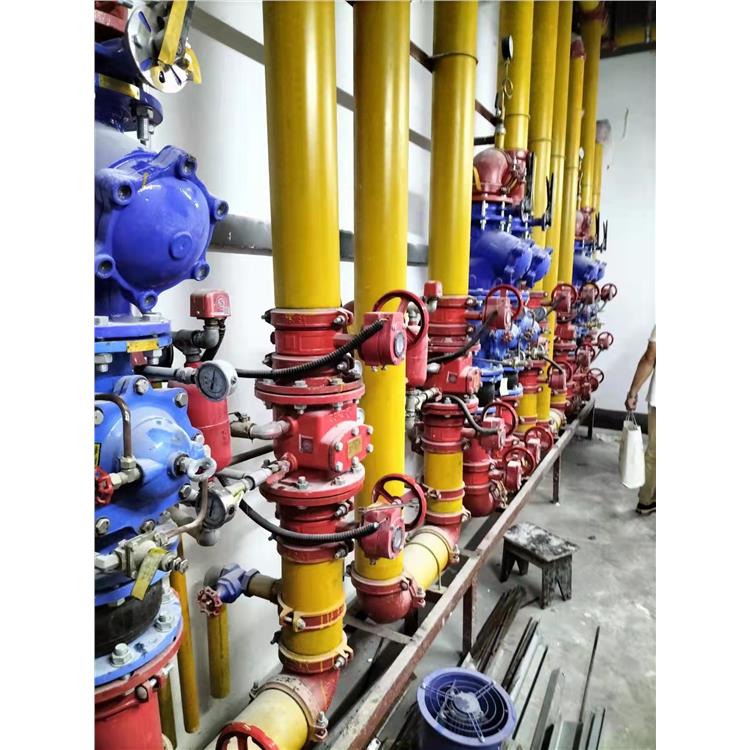
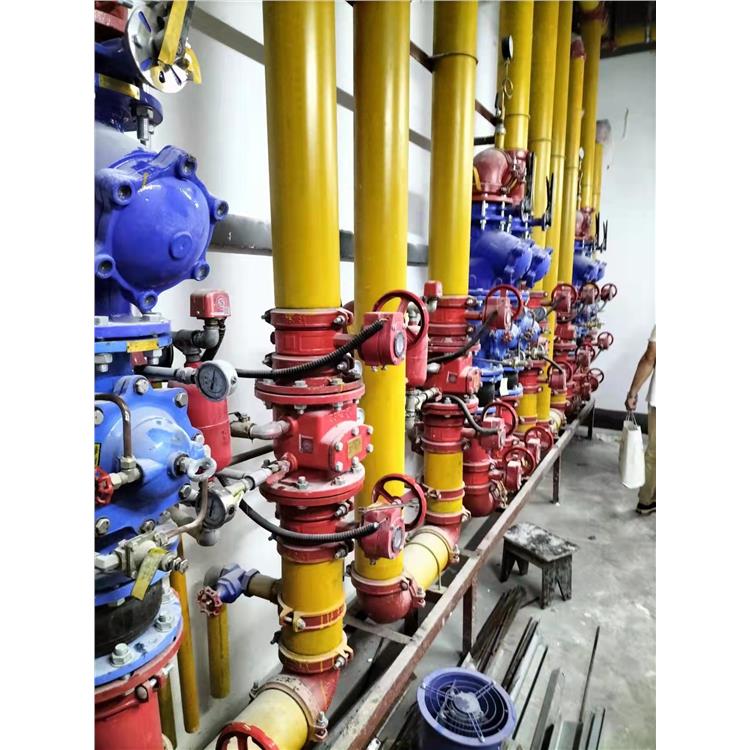
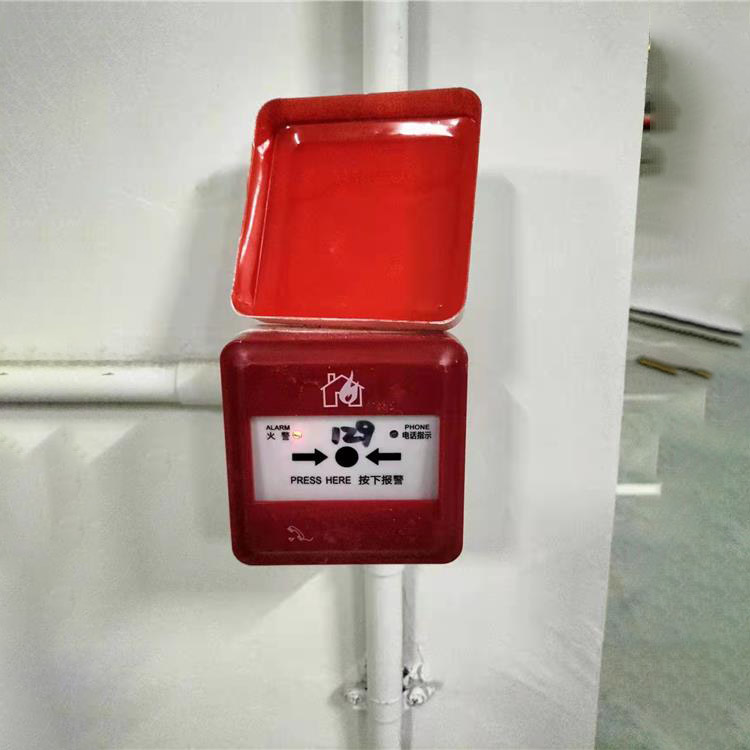
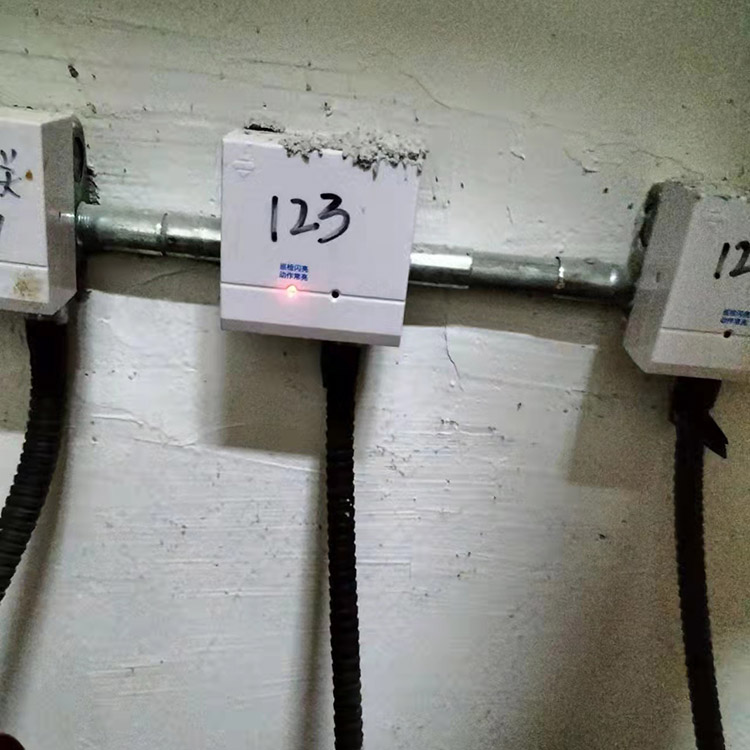
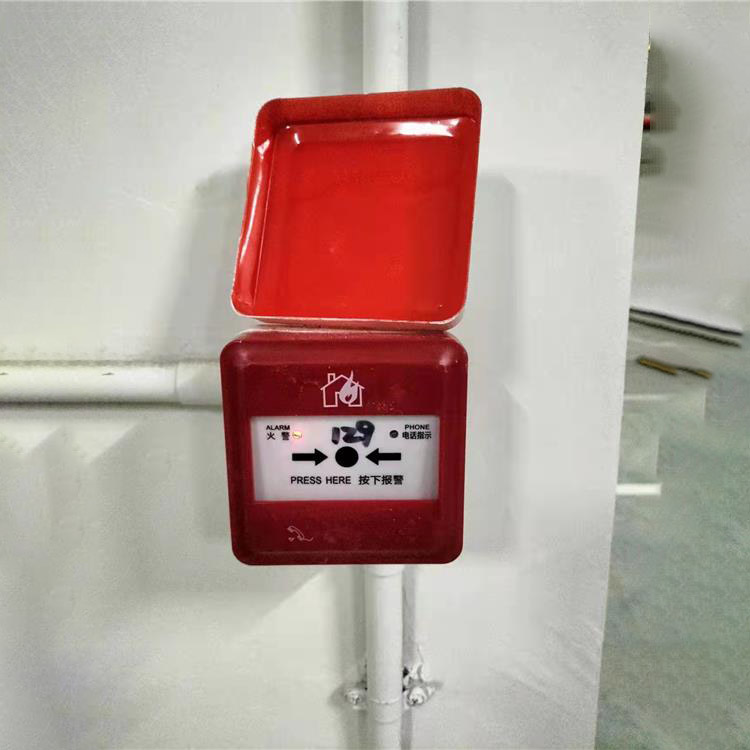
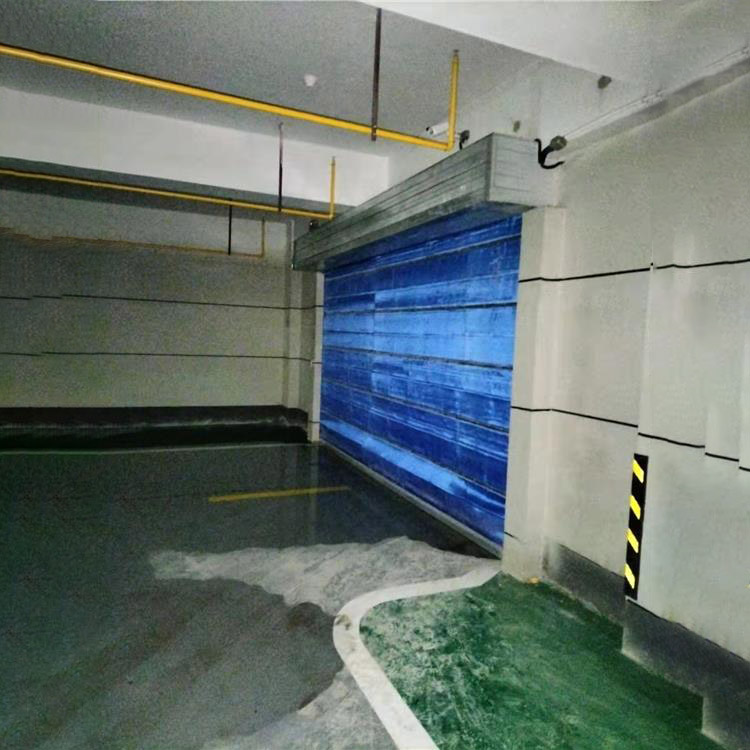
(Four) Do the fire protection facilities and equipment meet the fire technical standards and are they in good working order and effective?
(Five) Are the evacuation routes, exits, and fire lanes clear and accessible?
(6) Compliance of interior decoration materials with fire technical standards.
(Seven) Are there any obstructions on the exterior doors and windows that could hinder escape and fire rescue efforts?
Which projects require a fire inspection upon completion?
According to the "Regulations for Fire Supervision and Administration of Construction Projects" (Order No. 119), for places with personnel concentration where any of the following situations apply, the construction unit shall apply for fire design review and fire acceptance after completion:
1. Sports venues, auditoriums, public exhibition halls, and museum display areas with a total floor area exceeding 20,000 square meters.
2. Civil airport terminal buildings, passenger train station waiting rooms, and passenger ferry terminal waiting halls with a total floor area exceeding 15,000 square meters.
3. Hotels, restaurants, shopping malls, and markets with a total floor area exceeding 10,000 square meters.
4. Movie theaters with a total floor area exceeding 2,500 square meters, reading rooms in public libraries, commercial indoor fitness and leisure facilities, university teaching buildings, libraries, and dining halls, labor-intensive enterprise production and processing workshops, temples, and churches.