










Sichuan Guotai Company undertakes services within Sichuan Province, including: factory building structural safety assessment, factory inspections, dilapidated building assessment, old house safety inspections, hotel and guesthouse building inspections, construction quality inspections, steel structure engineering inspections, residential safety inspections, kindergarten safety inspections, factory load-bearing capacity inspections, load inspections, structural safety inspections, school seismic assessments, building safety inspections and assessments, steel structure factory inspections and assessments, and various building main structure inspections and assessments.
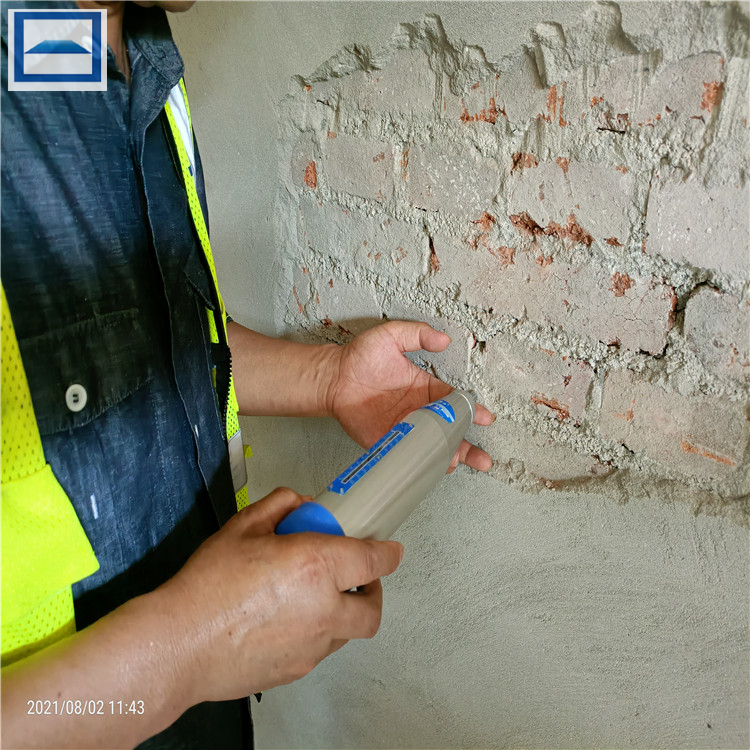
Concrete and steel structure testing, concrete surface and internal defect detection, crack inspection, settlement observation, masonry joint mortar strength testing, concrete and masonry corrosion layer thickness testing, steel bar diameter, quantity, and rust level testing, concrete anchor or joint pull-out and shear resistance testing, load tests for various structures.
Performance assessment prior to renovation and reinforcement, including changes in use, structural alterations, increased load-bearing capacity, extended design life, additional storeys, and pre-decoration inspections, as well as post-renovation and reinforcement acceptance assessments, including installation of advertising screens.
Which buildings require house construction safety inspections?
1. When the environment or function of a building changes from its original use, the structural load requirements will also change accordingly. To determine the structural load needed, a detection and assessment is required.
2. Changes to the internal structure of a building can pose very serious safety hazards, and safety inspections and appraisals must be conducted.
3. The building is quite old and has sustained some damage. For safe and worry-free use, safety inspections are particularly important.
4. Buildings with degraded load-bearing structures should undergo safety inspections to prevent potential hazards.
5. Buildings with a usage lifespan of 50 years must undergo safety inspections for those exceeding 50 years without being decommissioned.
6. Shoddy workmanship or design flaws have resulted in defects in the construction, necessitating safety inspections.
7. Prior to reinforcing and repairing the building, a safety inspection must be conducted.
8. Cracks have appeared in the ground and on the walls, reinforcement and repair are required to prevent severe consequences. A safety inspection is also necessary.
9. Exposed steel reinforcement for extended periods can lead to corrosion, with various factors causing the bearing capacity to fall short of requirements. Safety inspections are necessary.
10. The structure of the house has deformed, and if it's visibly severe to the naked eye, it poses significant risks to both usability and safety.
Deformation of structural components in buildings is one of the key inspection items in building assessment. Uneven distribution of load in the building's plan layout and upper structure can also lead to overall tilt of the building. When buildings are constructed on silt or clay soil in a soft plastic state, due to the low soil strength and high compressibility, both the settlement amount and the relative uneven settlement may be significant. If the building has a large height-to-length ratio, poor overall stiffness, or an eccentric distribution of load in the upper structure, uneven settlement is more likely to occur. Additionally, neglect in design and survey stages may also result in uneven foundation settlement.
Overall Sloping House Inspection and Appraisal: In accordance with the requirements of the client and residents, the general inspection of sloping houses typically includes a risk assessment of the house. The on-site inspection generally includes a survey of the house's basic conditions, review and re-measurement of architectural structural drawings, assessment of the house's condition, material strength testing, and measurement of building deformation. It is also necessary to investigate the ground conditions of the site where the house is located, and if necessary, re-examine the site conditions.
The architectural structure of the house is further divided into:
1. Brick and wood structure
The primary materials are bricks and wood, but this brick-wood structure is not suitable for high-rise buildings; it is mostly used in rural areas. The brick-wood structure is easy to construct and economically priced.
2. Steel Structure
Structural steel is divided into frame structures and shear wall structures; frame structures refer to the load-bearing components consisting of beams, slabs, and columns, with walls serving solely for partitioning and insulation; shear wall structures involve a load-bearing composition of beams, slabs, and walls, where certain walls bear the structural load.
3. Reinforced concrete structure
This type of building structure is widely used in today's society. Most high-rise buildings opt for reinforced concrete construction, with beams, slabs, and columns all made of reinforced concrete. This type of structure is commonly used in public buildings or high-rise residential apartments.
The renovation of a property leads to a change in its use and relative seismic rating. The seismic capacity of the renovated property may not necessarily withstand the current usage demands. Seismic evaluation of a building is the process of testing the building's seismic capacity, assessing its safety under the prescribed seismic defense requirements by inspecting the current state of the building and evaluating its response to the specified seismic forces.
The development of society has put forward new requirements for the level of building safety assessment. Structural quality inspection is the main method for building safety assessment, which requires us to comprehensively ensure the quality of building inspections.
WeChat Official Account

Scan to follow Official Account













