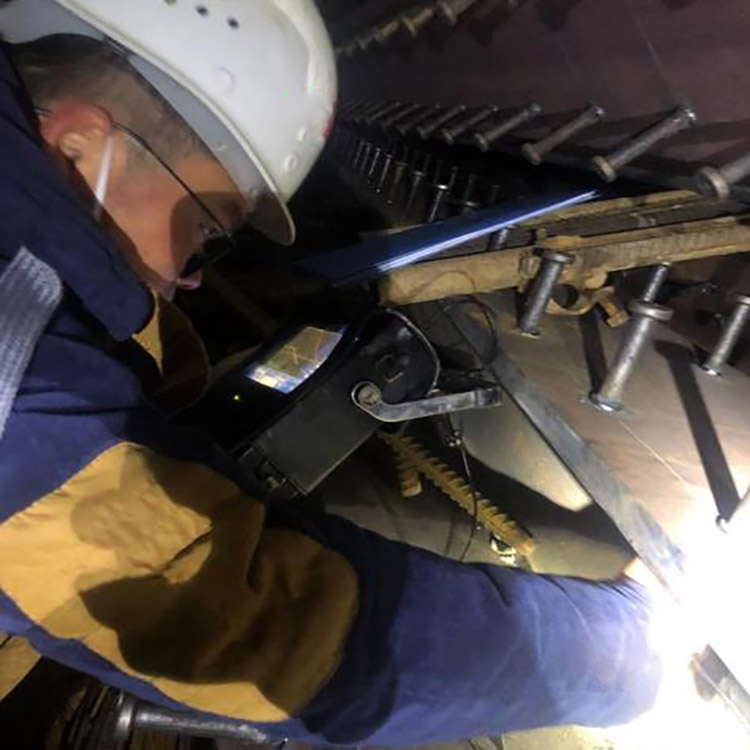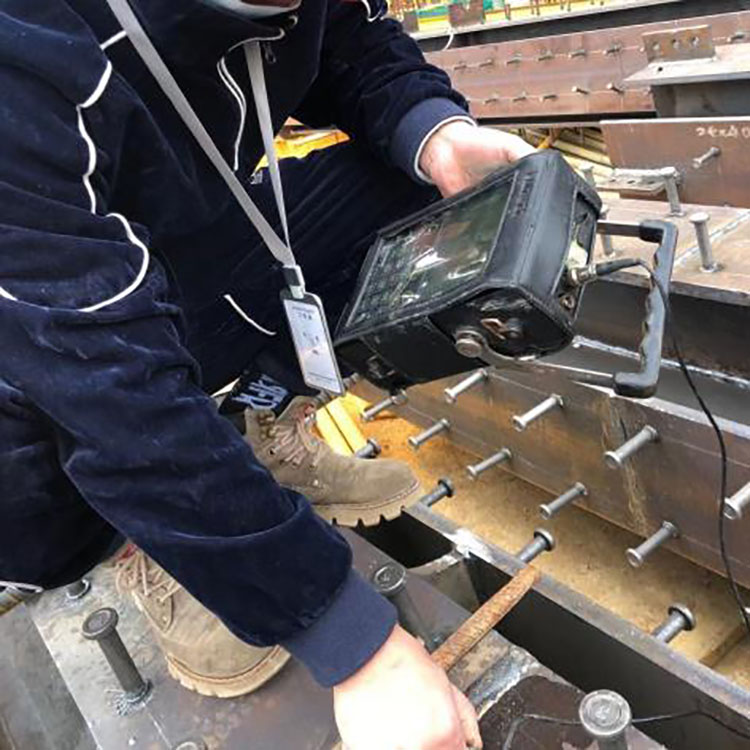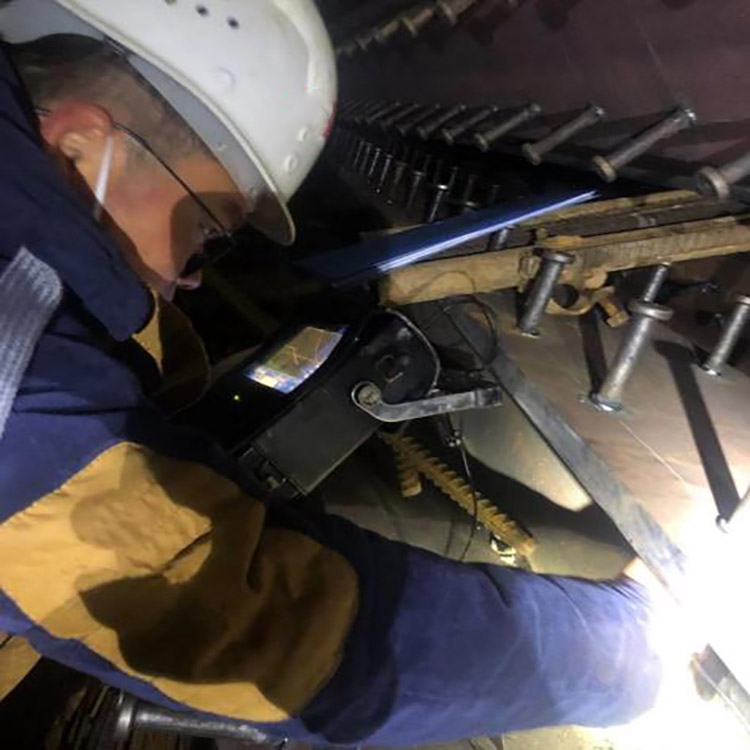

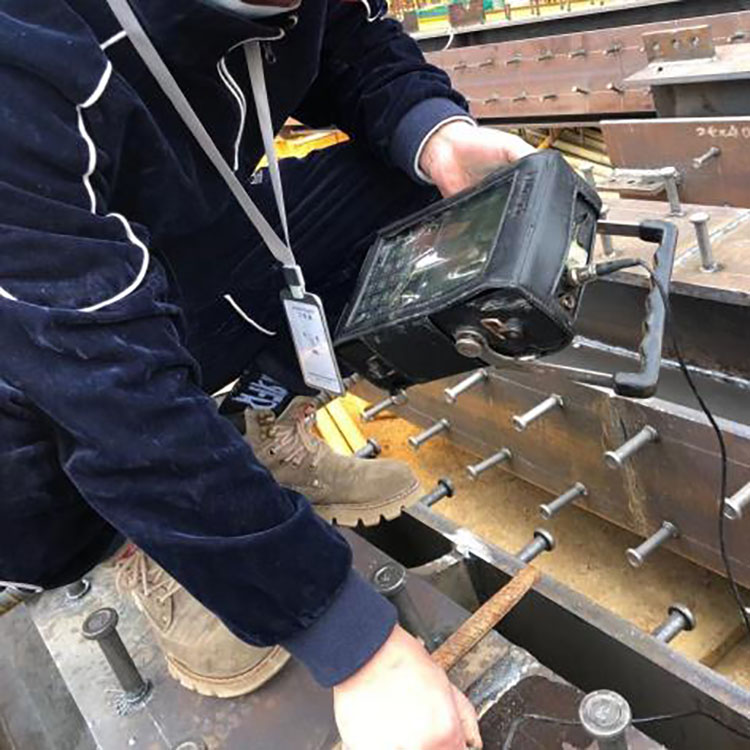







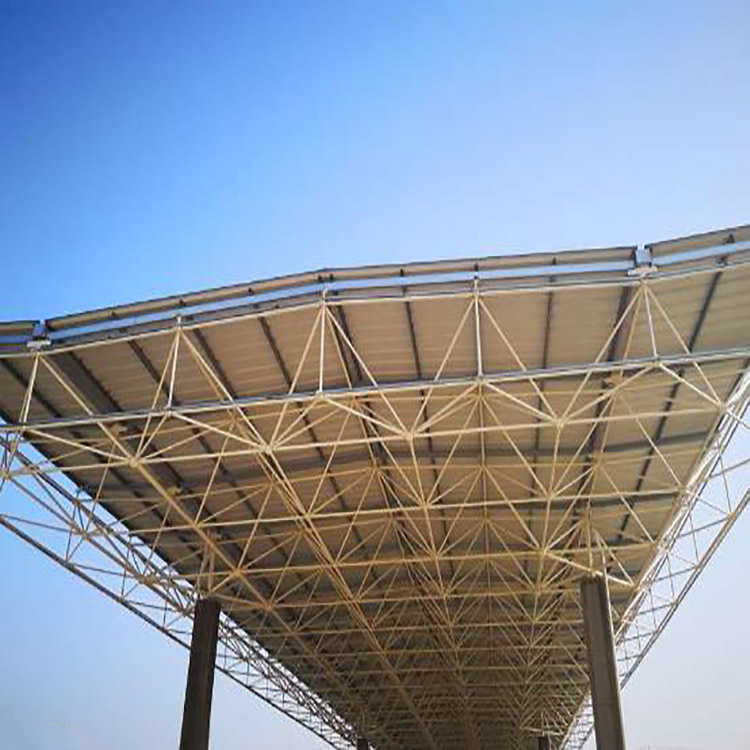
Tenyan Maoyan District steel truss structure construction acceptance material re-inspection unit, as a third-party Tenyan Maoyan District steel truss structure testing agency, we are committed to multi-disciplinary certifications including steel structure testing, Tenyan Maoyan District steel structure safety testing, steel truss testing, steel material inspection, and factory steel structure safety assessment. Our company provides quick report issuance and offers welding flaw detection engineering safety certification solutions along with corresponding project services.
Tenyan Maojian District Steel Mesh Structure Mechanical Property Testing
1. Structural Steel Mechanical Property Testing:
a. Metal raw materials such as steel plate and round steel tensile testing (tensile strength, yield strength, elongation after break), bending test, impact test (room temperature impact, low temperature impact, aging impact), hardness, and other toughness and plasticity performance testing, rebar tensile testing (yield strength, tensile strength), and bending properties. Z-directional tensile test for steel plates.
b. Welding process evaluation for metal welding components, tensile and bending tests for rebared steel components.
c. The hardness test of metal measures its ability to resist localized deformation, particularly plastic deformation, indentation, or scratches, serving as an indicator to assess the degree of softness or hardness of metallic materials. Hardness types include: Vickers hardness, Leeb hardness, Rockwell hardness, and Brinell hardness.
2. Mechanical property testing of steel structural fasteners
Bolt connection torque coefficient, clamping axial force, tensile properties (yield strength, tensile strength), wedge load test, bolt and nut retention test, bolt washer hardness, and anti-slip coefficient testing for bolt connection plates.
Structural Performance Load Testing and Dynamic Measurement
1. For large and complex steel structural systems, in-situ non-linear real load tests can be conducted to directly verify structural performance. Real load tests of structural performance can be conducted according to the provisions of Appendix H. Load factor and judgment criteria can be determined according to the provisions of Appendix H.2, or appropriately adjusted based on specific circumstances.
2. When in doubt about the load-bearing capacity of structures or components, prototype or full-scale model load tests can be conducted. The tests should be entrusted to specialized institutions with adequate equipment capabilities. A detailed test plan should be established prior to the test, including the test objectives, selection or fabrication of specimens, loading devices, placement of measurement points and instruments, loading steps, and evaluation of test results. The test plan can be formulated according to Appendix H and should be agreed upon by all relevant parties before the test.
3. For large, significant, and new structural steel systems, it is advisable to conduct actual structural dynamics tests to determine parameters such as the natural vibration period of the structure. The structural dynamics should comply with the provisions of Appendix E.
4. The stress of steel structural rods can be measured using a resistive strain gauge or other effective methods, depending on actual conditions.
In general, the following situations require assigning a professional building structural safety inspection and evaluation department to conduct a factory floor load-bearing capacity test:
1. Over time, the factory facilities have aged, leading to damage in structural components, posing safety hazards in the factory.
2. Large signs, water tanks, ponds, gardens, swimming pools, air conditioners, solar water heaters, and other equipment installed on the factory building may affect the structural safety of the building.
3. Incomplete construction permit procedures or lack of a building construction permit, yet the facility has been put into use without determining the floor bearing capacity of the factory building.
4. Concerns regarding the factory's floor load-bearing capacity for placing large equipment.