









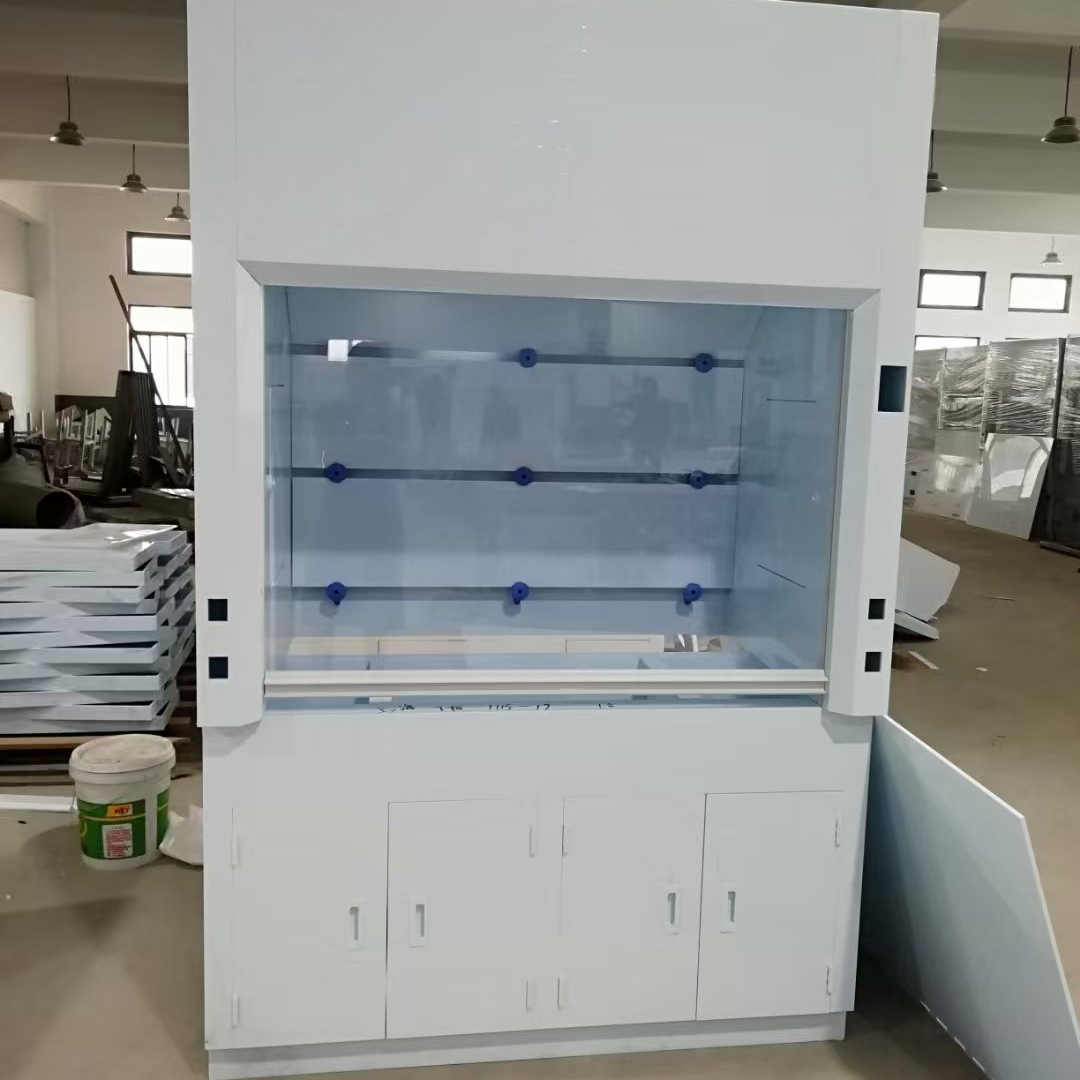
PP Spray Tower Instructions
1. PP Spraying Tower Composition, Features, and Application Scope
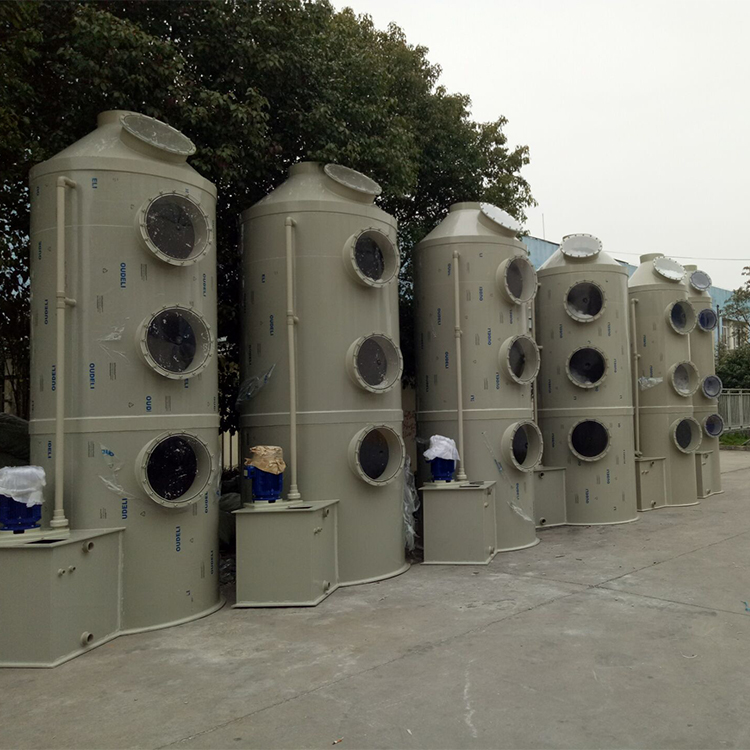
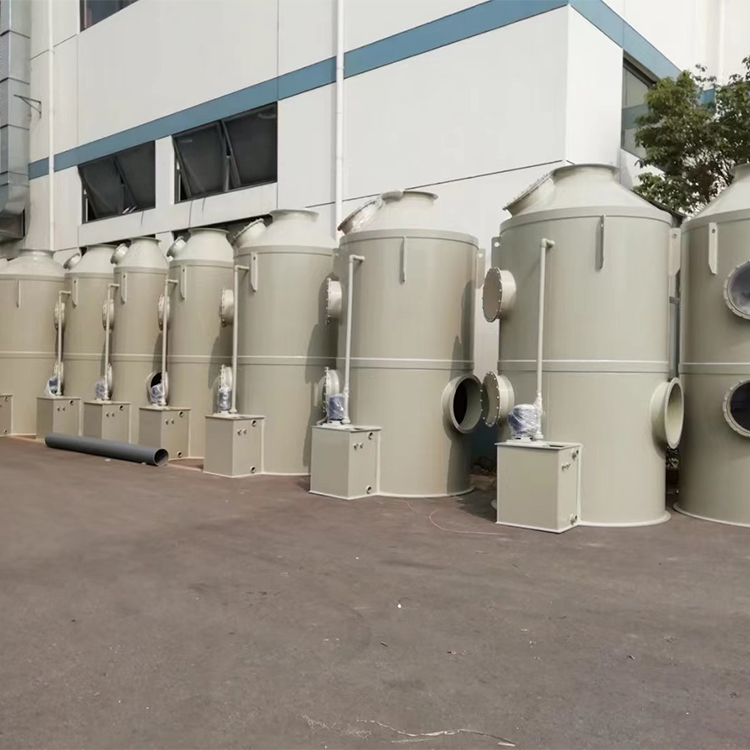
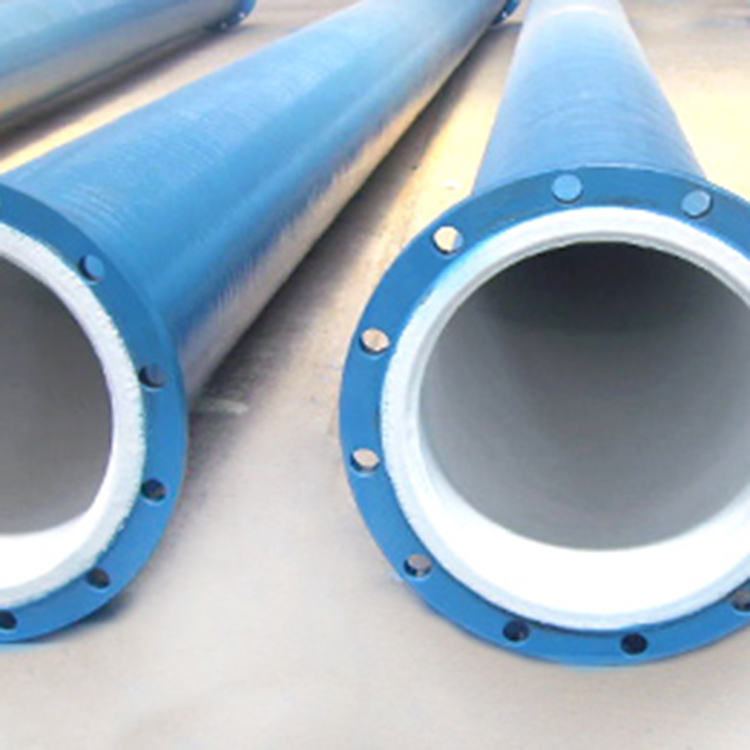
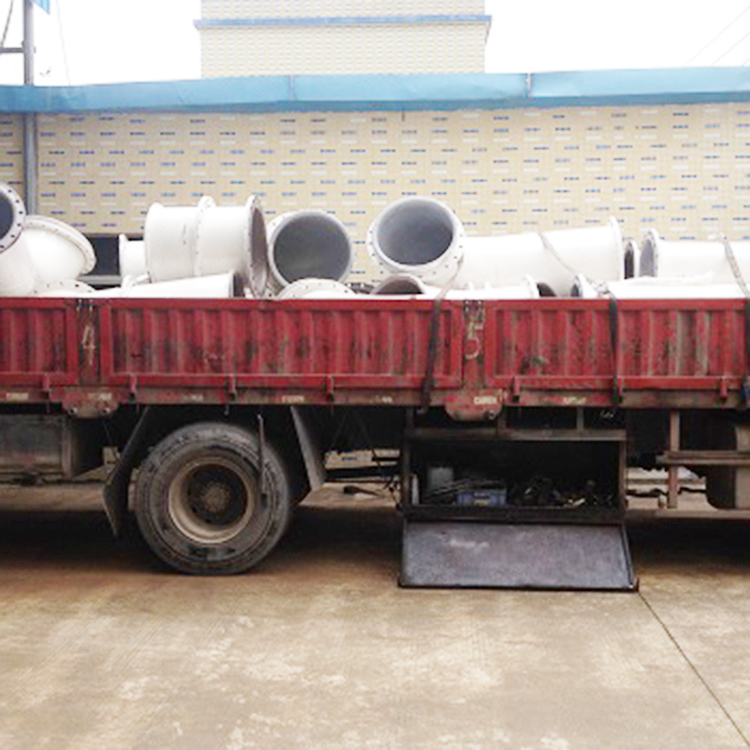
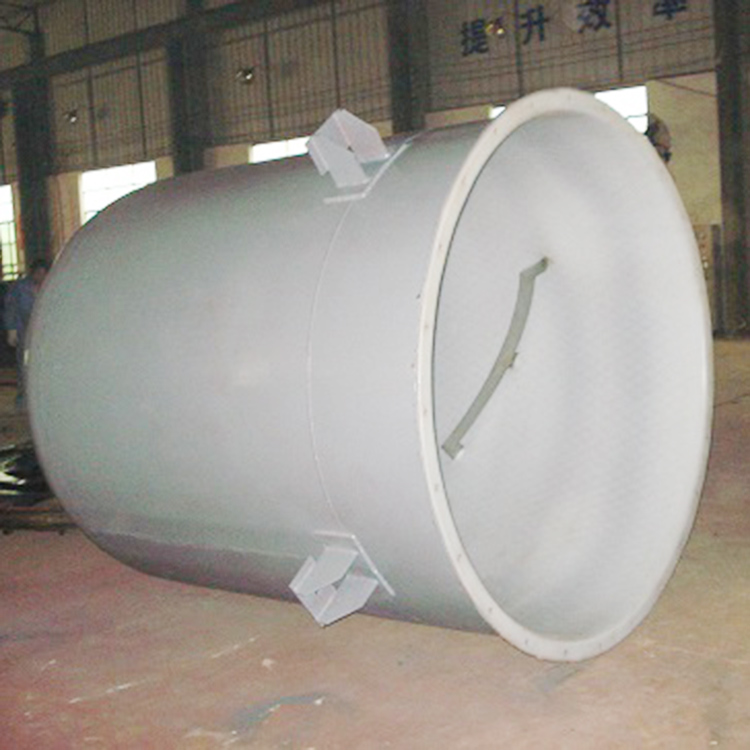
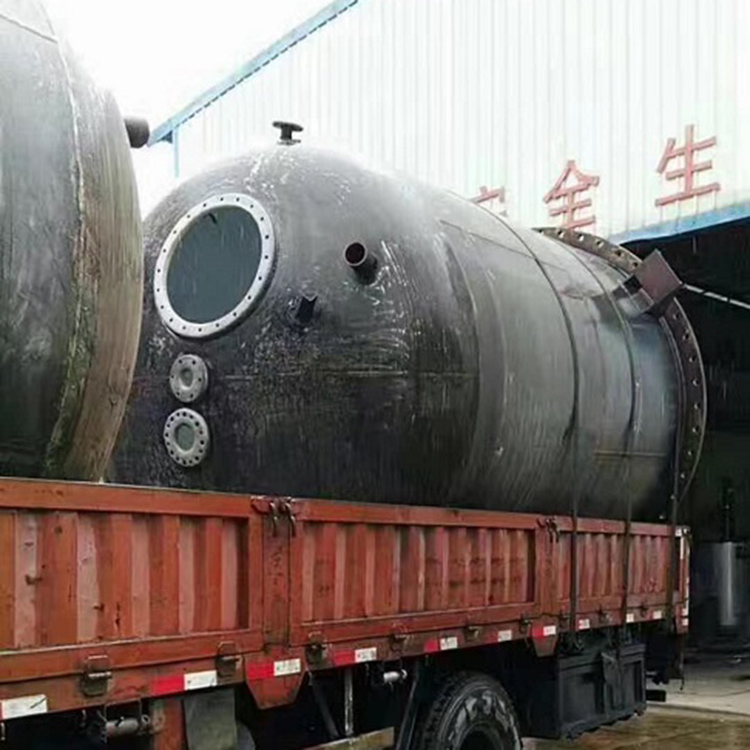
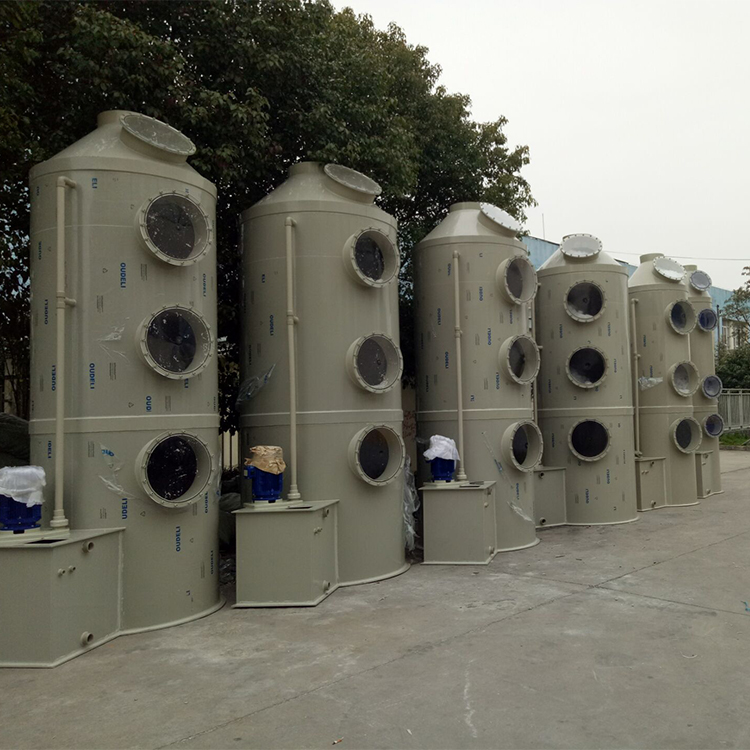
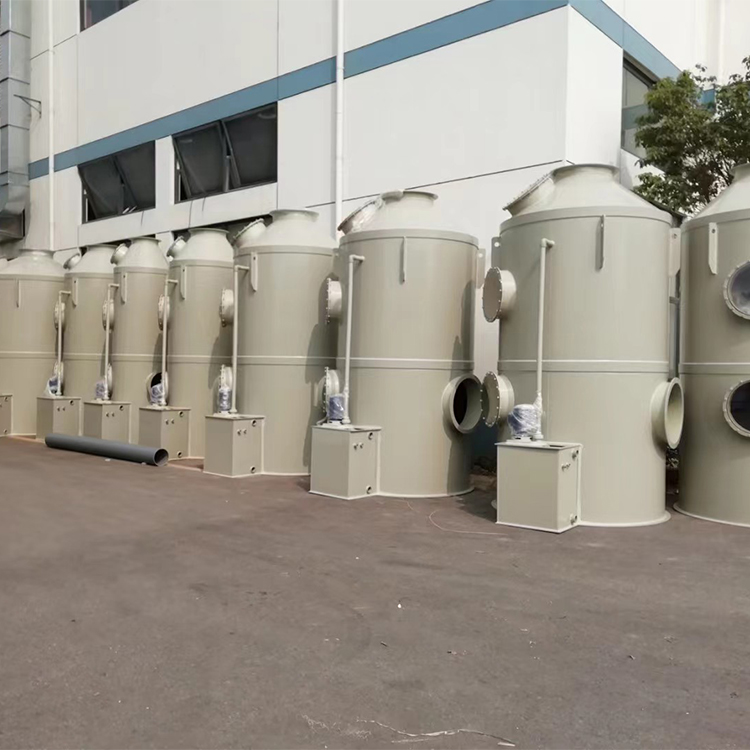
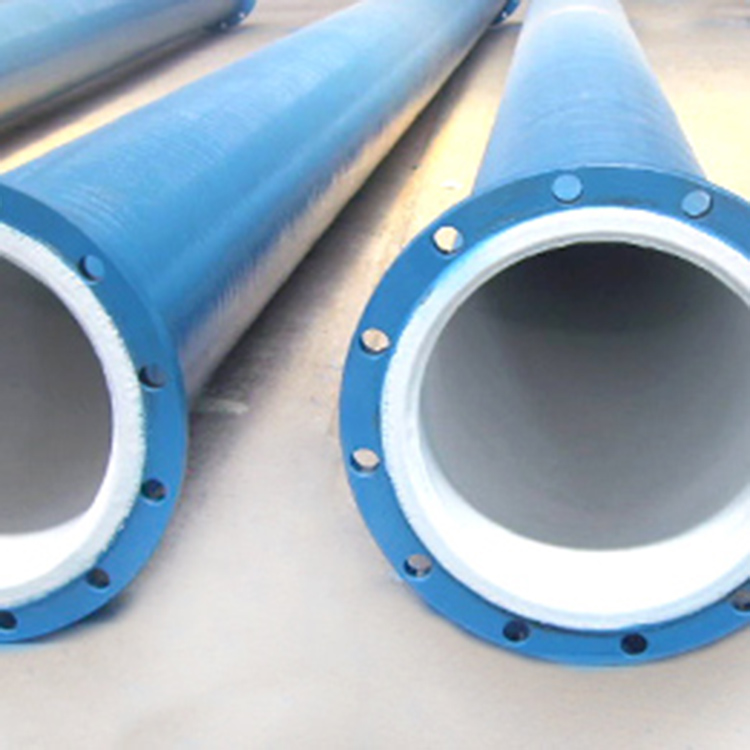
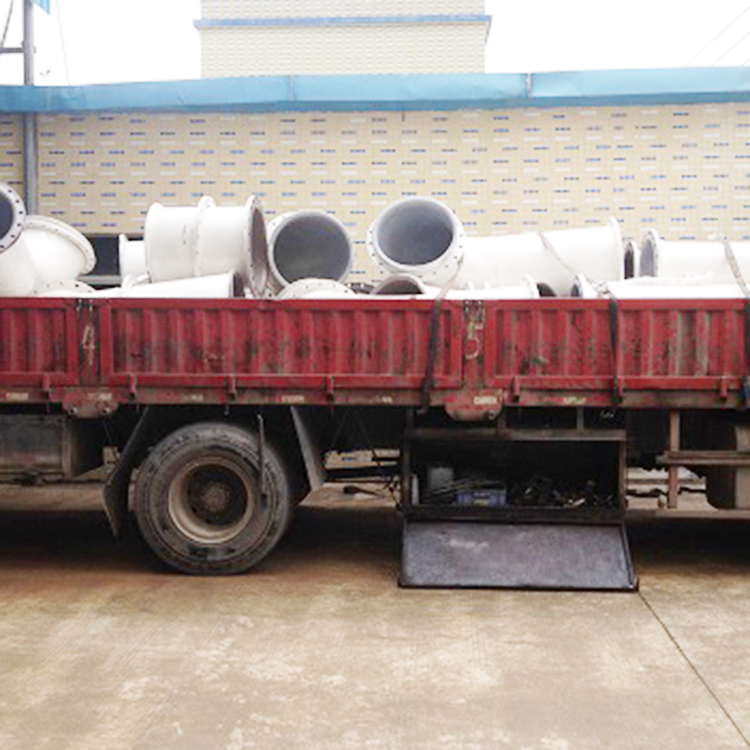
The PP spray tower consists of components such as the shell, circulating water tank, inlet section, spray layer, packing layer, demisting layer, exhaust cone cap, and inspection holes. Made of PP material, it offers UV resistance and aging resistance. Currently, the treatment of inorganic waste gas is mostly carried out using the liquid absorption and neutralization method. This process and product feature simple structure, low energy consumption, high purification efficiency, and broad application range. The packing uses high-efficiency, low-pressure resistance Raschig rings, Pall rings, etc., and the spray layer is assembled with sufficient atomizing nozzles. The nozzles can be disassembled for easy cleaning of scale and blockages, as well as for maintenance and replacement.
Suitable for the treatment of continuous and intermittent emissions of waste gas; simple in process, with convenient and straightforward management, operation, and maintenance, causing no impact on the workshop production; wide application range, capable of purifying various inorganic waste gases, water-soluble waste gases, and dust-laden gases simultaneously; low pressure drop, high operational flexibility, and excellent demisting performance.
Section 2: Working Principle of the PP Spray Tower
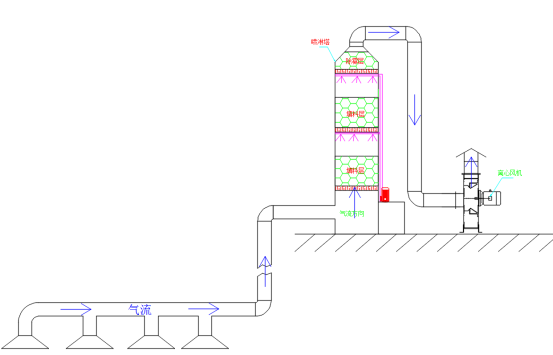
Waste gases are introduced into the purification tower through ducts. The absorbent liquid, after being pressurized by a pump at the bottom of the tower, is sprayed from the top and flows down over the filling material. The waste gases and absorbent liquid come into full contact, allowing for a complete gas-liquid phase absorption and acid-base neutralization reaction. Finally, the mixture returns to the bottom of the tower for recirculation. After purification, the waste gases are dried and defogged by a demister plate before being discharged into the atmosphere by a fan.
Section 3: Process Flow Diagram
Operation Instructions
1. Pre-test Preparation Work:
Before initiating this system, a comprehensive check is required, verifying and confirming the accuracy of each installation according to the installation diagram, and cleaning all visible debris within the system.
(2) Prior to initiating this system, all pipelines, equipment, and other facilities within the system must be checked accordingly to ensure their performance is good and meets the testing requirements.
(3) Prior to initiating this system, it is essential to confirm that the power system, water supply system, and drainage system compatible with this system are functioning normally and fully meet the requirements for the system's test operation.
2. Daily Startup Procedures:
Plug in the power source, sequentially start the circulating pump and fan. Note to check for any abnormal situations with the working indicator lights.
(2) After completing the operation, sequentially turn off the fans and the circulating water pump.
3. Routine Maintenance Matters:
(1) Conduct weekly routine checks of the storage tank's fluid level to maintain proper liquid height.
(2) If the automatic make-up water or non-makeup water device of the exhaust gas tower level control fails, disconnect the power and restart it. If it still cannot return to normal operation after the restart, check for loose connections at all circuit junctions and ensure that the circulating pump or dosing unit is operating normally.
(3) Regularly inspect the operation of the exhaust fan.
(4) Daily operation and maintenance of the exhaust gas purification tower are recommended to be handled by a designated person.
(5) Repairs to the purification tower equipment must not be performed while in operation.