


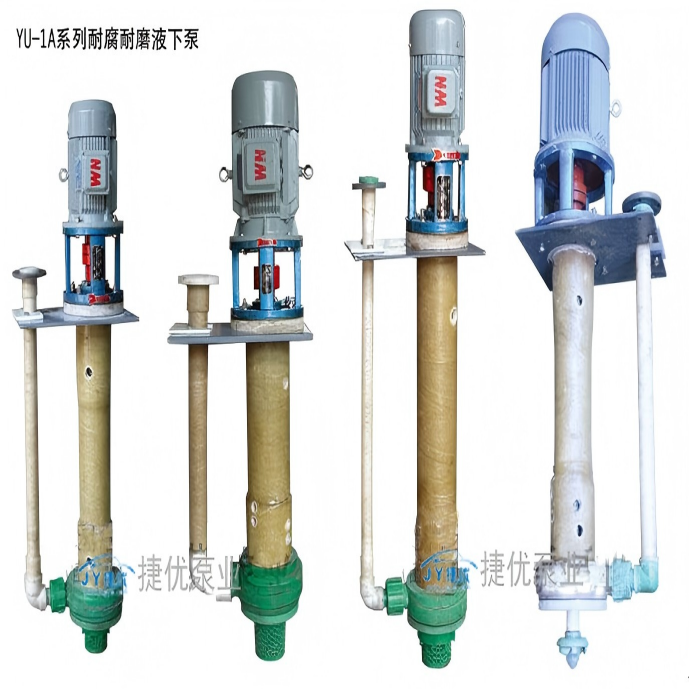
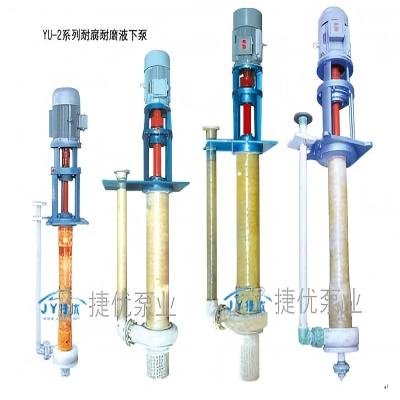









1、Submerged Pump Structure Analysis for Desulfurization Liquid of Stainless Steel
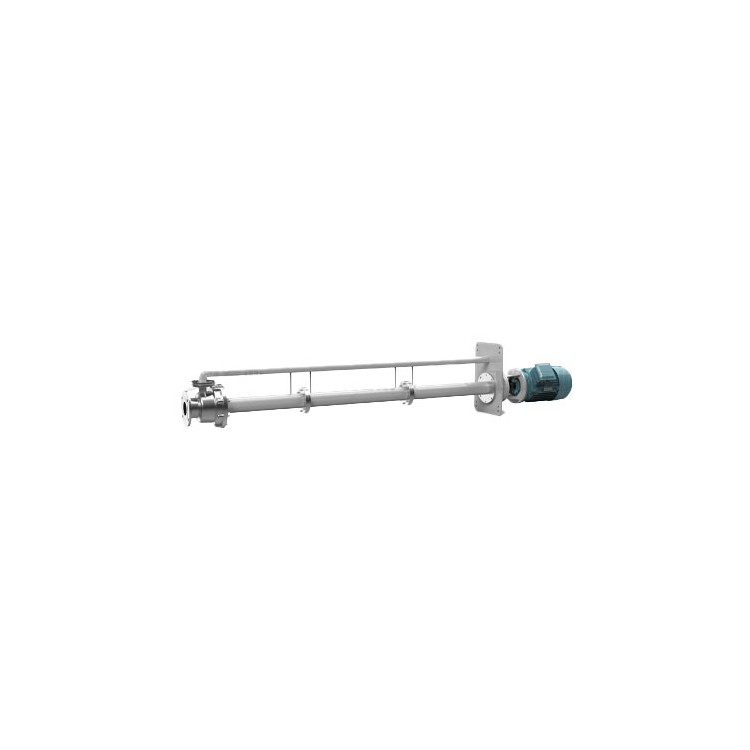
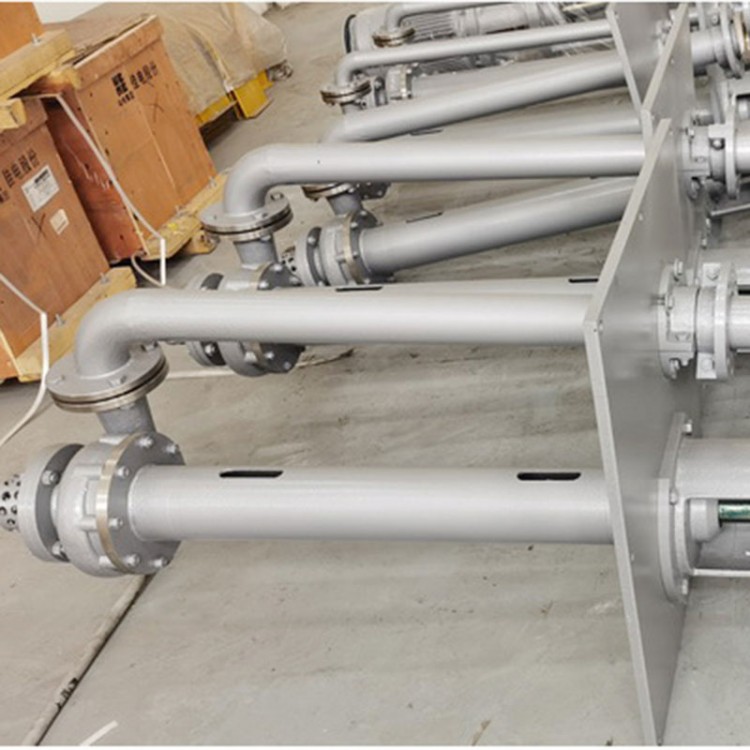
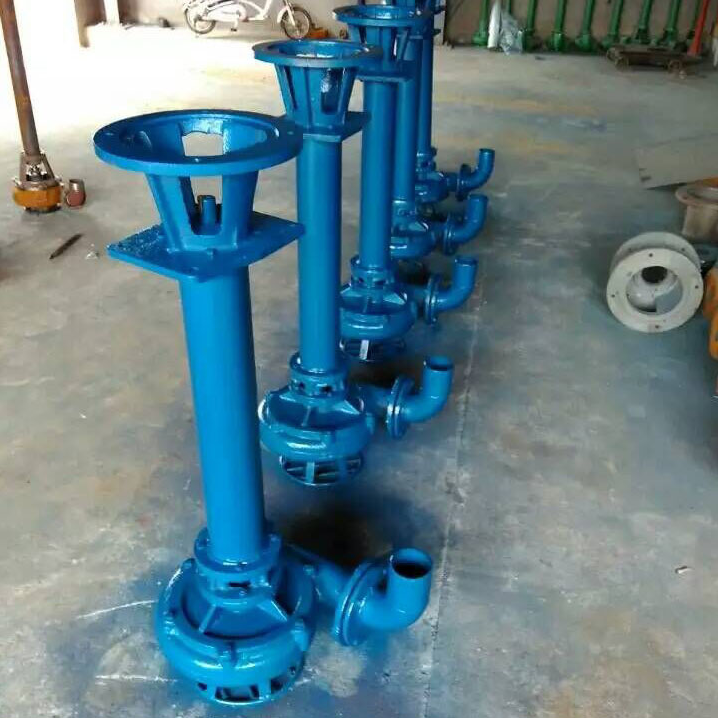
Currently, there are two types of submersible pump structures used in desulfurization systems: the type without shaft seal and the type with shaft seal (mechanical seal).
1) Axle Sealless Mechanism

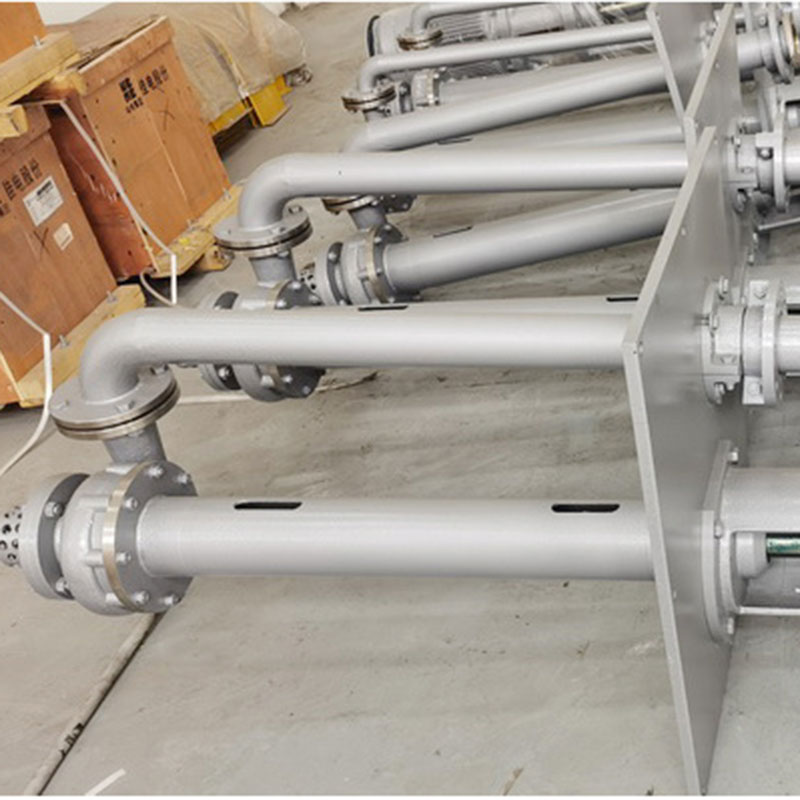
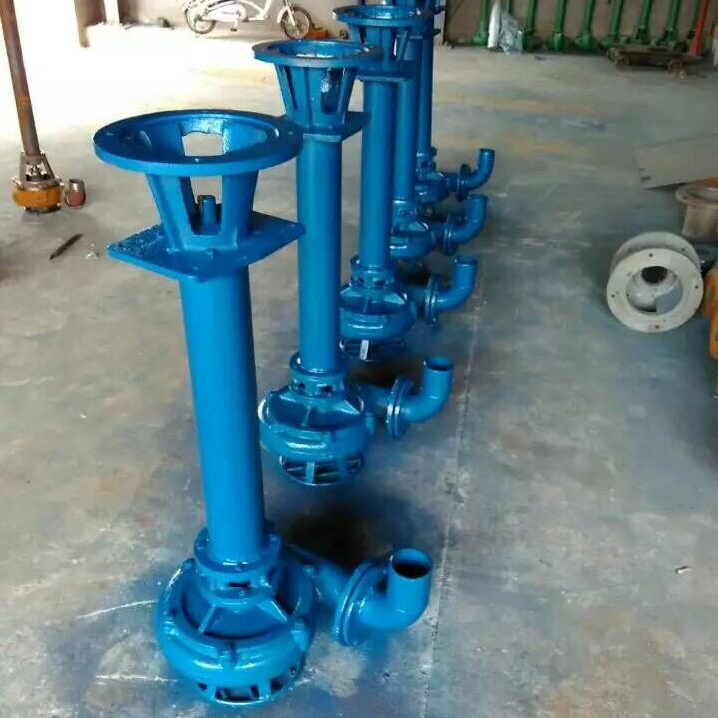
As shown in Figure 1, there is no shaft seal between the impeller hub and the rear guard plate, leaving a significant gap. This type of structure is commonly used in standard slurry pumps and the slurry pool depth is usually ≤2.5m. Its application in submersible pumps in desulfurization systems is less frequent. When this structure is used in long shaft submersible pumps in desulfurization systems, it mainly presents two issues. First, due to the long cantilever of the impeller, the pump vibrates significantly under the action of centrifugal force during operation, which may even prevent the pump from running; second, without a shaft seal, the pump shaft operates at high speed in corrosive media, requiring high corrosion resistance from the pump shaft material.
2) Mechanical Seal Mechanism

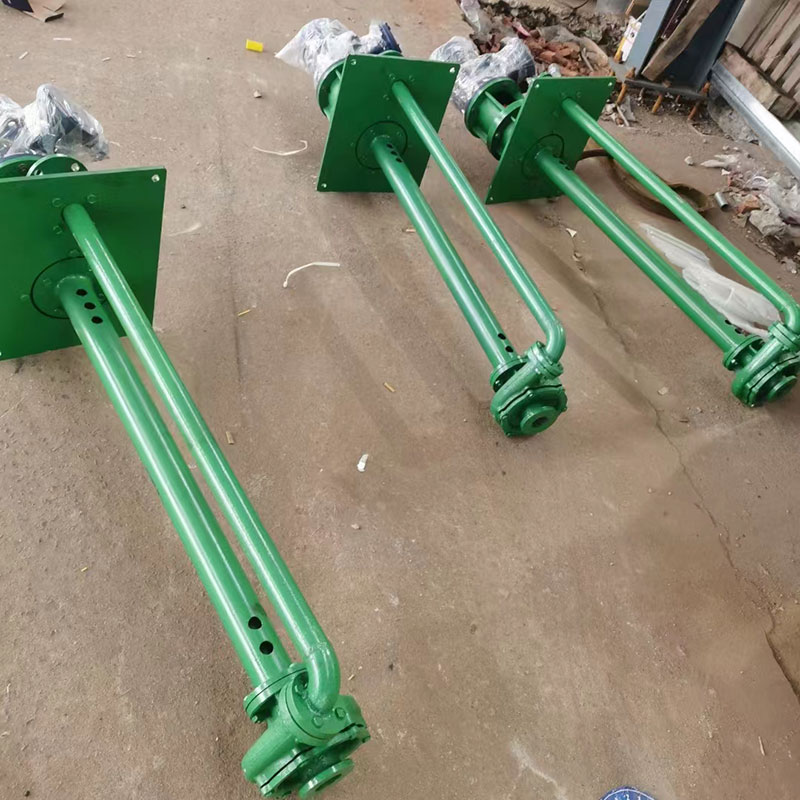
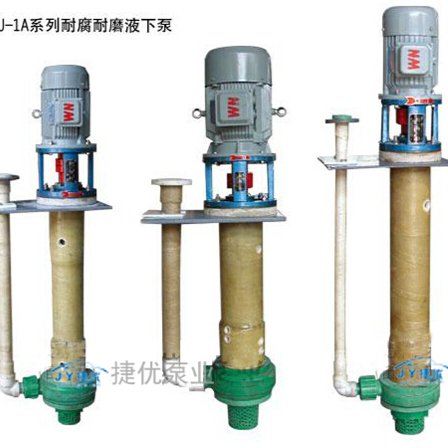
The shaft seal of the long shaft submersible pump in desulfurization systems is commonly fitted with a mechanical seal, as shown in Figure 2.
Due to the high-speed rotation of the vertical pump impeller underwater, it generates significant radial force. As the pump shaft operates, there is considerable deflection at the mechanical seal installation point, leading to uneven force distribution between the sealing surfaces and poor sealing performance. Therefore, it is necessary to set supports on the mechanical seal to reduce the overhang length, and rolling bearings are commonly used for support. Additionally, using a mechanical seal effectively prevents the slurry from contacting the pump shaft, allowing the shaft material to be of standard quality, thus avoiding the use of corrosion-resistant materials and additional cost.
2. Key Points of the Submerged Pump Shaft Seal Structure in Desulfurization System
In the desulfurization system, the shaft seal of the long shaft submersible pump should be a mechanical seal. Due to the special operating conditions of the long shaft submersible pump, the requirements for the mechanical seal are different from those of a standard mechanical seal.
1) To ensure the tribological pair has wear and erosion resistance in a granular medium, the hardness of the tribological pair material must be higher than that of the abrasive particles. Typically, a hard-on-hard pairing can be chosen, with materials such as tungsten carbide or silicon carbide. Compared to tungsten carbide, silicon carbide has higher hardness, better thermal conductivity, better chemical stability, and self-lubricating properties, but at a higher cost. Additionally, the width of the tribological pair should be wider than that of the mechanical seal for clear water pumps, and it should have sharp edges to minimize the entry of solid particles between the sealing surfaces. The spring is of the static type, using a static ring for compensation. Placing the spring inside the pressure cover, away from solid particles, reduces wear and prevents failure due to spring blockage, ensuring flexibility, stability, and reliability of the compensation.
2) Due to the high concentration of medium particles in the slurry, the sealing chamber is designed as an open type to prevent particle sedimentation around the mechanical seal after the pump stops, which could affect the pump's next startup operation. This design also facilitates the removal of medium particles from the sealing chamber by the backwash water in the desulfurization system.
3) In the design of the sealed cavity structure, ensure that the gas within the sealed cavity can be exhausted to prevent mechanical dry friction, and drill exhaust holes on the rear pump housing.
4) The structural form of mechanical seal varies depending on the solid content of the slurry. When the solid content is low, a single face mechanical seal is used, where the medium itself cools and lubricates the mechanical seal. However, the structural design of the mechanical seal should avoid the accumulation of medium particles around the friction pairs. When the solid content is high, the lubricating effect of the medium deteriorates due to the increase in particles, so a double face mechanical seal is used, cooled, lubricated, and sealed by external shaft seal water.
3. Summary of Desulfurization Long Axial Submerged Pump
In the submersible pump for desulfurization liquid, all are supported by submersible bearings to reduce impeller deflection and avoid vibration. For low slurry concentration, a single-face mechanical seal without flushing water is used; for high slurry concentration, a double-face mechanical seal with shaft seal water is employed. Additionally, during structural design, it is essential to fully consider factors such as preventing sedimentation and accumulation around the friction pairs, as well as the exhaust of gases surrounding the mechanical seal friction pairs.