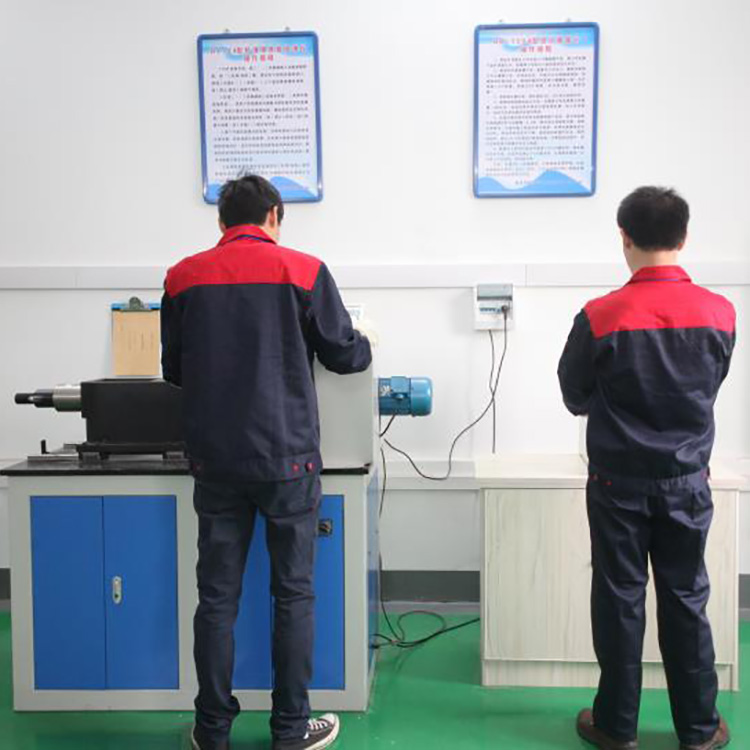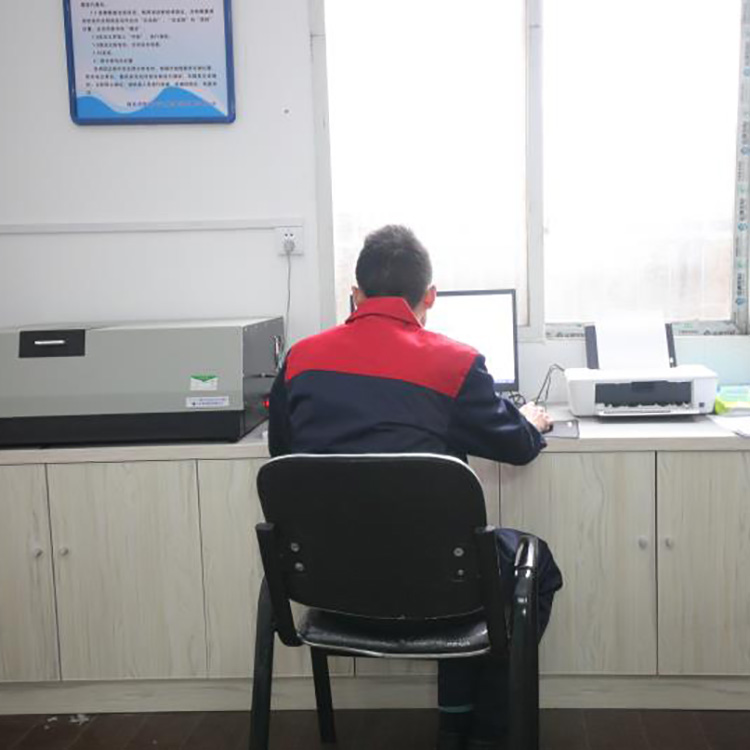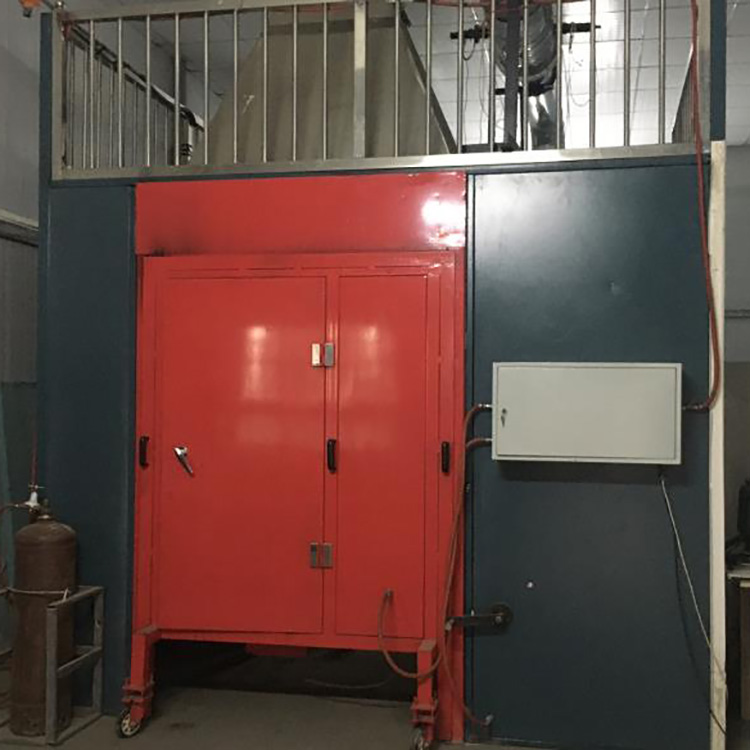








Raw material inspection
Expanded Polystyrene Board Thin Coating External Insulation System
Expanded Polystyrene (EPS)
① Standard of Execution: JG149-2003
② Inspection Batches: For products of the same type from the same manufacturer, inspect at least 3 times when the floor area of the unit project is below 20,000 square meters; inspect at least 6 times when the floor area is above 20,000 square meters.
Sample specification quantity: 1200×600mm, two pieces.
④ Test Content: Thermal Conductivity, Apparent Density, Tensile Strength
⑤ Inspection Time: Before the materials are used, the client shall provide the product specifications and inspection reports.
2. Joint Compound
① Execution Standards: JG149-2003, JG/T3049-1998
②Inspection Batches: For products of the same type from the same manufacturer, conduct no fewer than 3 random inspections when the floor area of the unit project is below 20,000 square meters; and no fewer than 6 random inspections when the floor area exceeds 20,000 square meters.
Sample specification quantity: 8 kg
④ Inspection Content: Room Temperature and Normal Condition, and Water Immersion Tensile Adhesion Strength (with Extruded Polystyrene Board)
⑤ Inspection Time: Prior to the material's use, the principal shall provide the product specification sheet and inspection report.
Adhesive
① Standard of Execution: JG149-2003
② Inspection Batches: For products of the same type from the same manufacturer, conduct no fewer than 3 random inspections when the unit project floor area is below 20,000 square meters; and no fewer than 6 random inspections when the unit project floor area exceeds 20,000 square meters.
③ Sample specification quantity: 8kg
④ Inspection Content: Adhesive Strength at Normal Temperature and Humidity, and Under Water Tension (separated by cement mortar and expanded polystyrene board)
⑤ Inspection Time: Applicant shall provide product specifications and inspection reports prior to the use of materials.
The re-inspection of the entire external thermal insulation system materials, including the re-inspection of insulation boards, the inspection of mesh cloth, the inspection of insulation nails, the inspection of adhesives, the inspection of joint mortar, and the inspection of胶粉颗粒; the inspection batches are determined by the height of the building project. For buildings with less than 20 floors, each building requires 3 batches of inspections for the above materials. For buildings with 20 floors or more, each building requires 6 batches of inspections. At the construction site, each building must undergo 2 batches of pull-out test inspections for polystyrene boards and anchor bolts. These tests are conducted during the construction process. After completion of the construction, each building's exterior wall must undergo one batch of surface impact resistance tests.
Typical indoor decoration materials are categorized into: wall and cabinet materials, flooring materials, decorative trim, materials and fasteners, connectors, and adhesives. Both structural materials and those affecting the functionality of use must be inspected. According to regulations, basically all materials should be tested, but in practice, it is unnecessary. A certificate of compliance and the inspection report accompanying the materials are sufficient, such as for structural concrete, steel for structural use, and connectors; fire-resistant coatings, joists, hanger rods, and structural adhesives for safety; and wooden panels, paints, tiles, marble, etc., for environmental protection.
Insulation materials for exterior walls generally include:
1. Approval documents for construction materials, including the certificate of qualification for thermal insulation materials, the manufacturer's inspection report, and the material re-inspection report (note that a report from an energy-saving qualification unit is required for energy-saving inspections), and if it's insulation棉, a fire-resistant material grade inspection report is also needed. Additionally, the thermal insulation material must have an energy-saving material license or permit issued by the local energy-saving administration.
2. Exterior wall insulation construction records for quality inspection, concealed insulation acceptance records for exterior walls, and inspection batch acceptance records for exterior wall insulation projects. Inspection batch acceptance records for energy-saving exterior wall insulation projects, acceptance records for each sub-item and divisional engineering projects.
3. Complete set of materials for construction completion, construction records, item-by-item acceptance records, and section-by-section acceptance records.
Exterior wall insulation is composed of materials such as polymer mortar, glass fiber mesh, flame-retardant expanded polystyrene (EPS) or extruded polystyrene (XPS) boards, and is installed on-site with adhesive bonding.
The new thermal insulation and decorative integrated board is produced on an assembly line, combining functions like thermal insulation, waterproofing, and decoration. It is an ideal material to meet the current energy-saving requirements for building construction, enhance the thermal insulation level of industrial and residential building facades, and is also suitable for energy-saving renovations of existing buildings.
Currently, commonly used thermal insulation materials for civil buildings mainly include the following types:
1. Insulation boards, generally including polystyrene, extruded polystyrene, and polyurethane boards, etc.
2. Insulating mortar, which is inexpensive, has been explicitly restricted in certain areas (note: not banned), while some smaller regions are still using it.
3. Other new technologies, such as self-insulating masonry, foamed (coated) insulation layers, etc.
There are many items to inspect. Let's take the commonly used thermal insulation board as an example; generally, the following items require sampling and re-inspection:
Insulation board
2. Adhesive mortar
3. Crack-Resistant (Coating) Mortar
4. Reinforce the mesh fabric
5. Anchor bolts
6. System Drawing Test
Material testing items include thermal conductivity, compressive strength, and dry density. For the same condition test blocks, measure the thermal conductivity with a 300*300*30 size, and the compressive strength with a 100*100*100 size.
Inorganic thermal insulation mortar, plywood, flame-retardant boards, extruded boards, expanded boards, expanded perlite boards, homogeneous boards, polyurethane boards, cement foamed boards, fire-resistant coatings, mineral wool sound-absorbing boards, rock wool boards, glass wool boards, phenolic boards, gold boards, black gold boards, wall boards, foam concrete, and other thermal insulation materials.