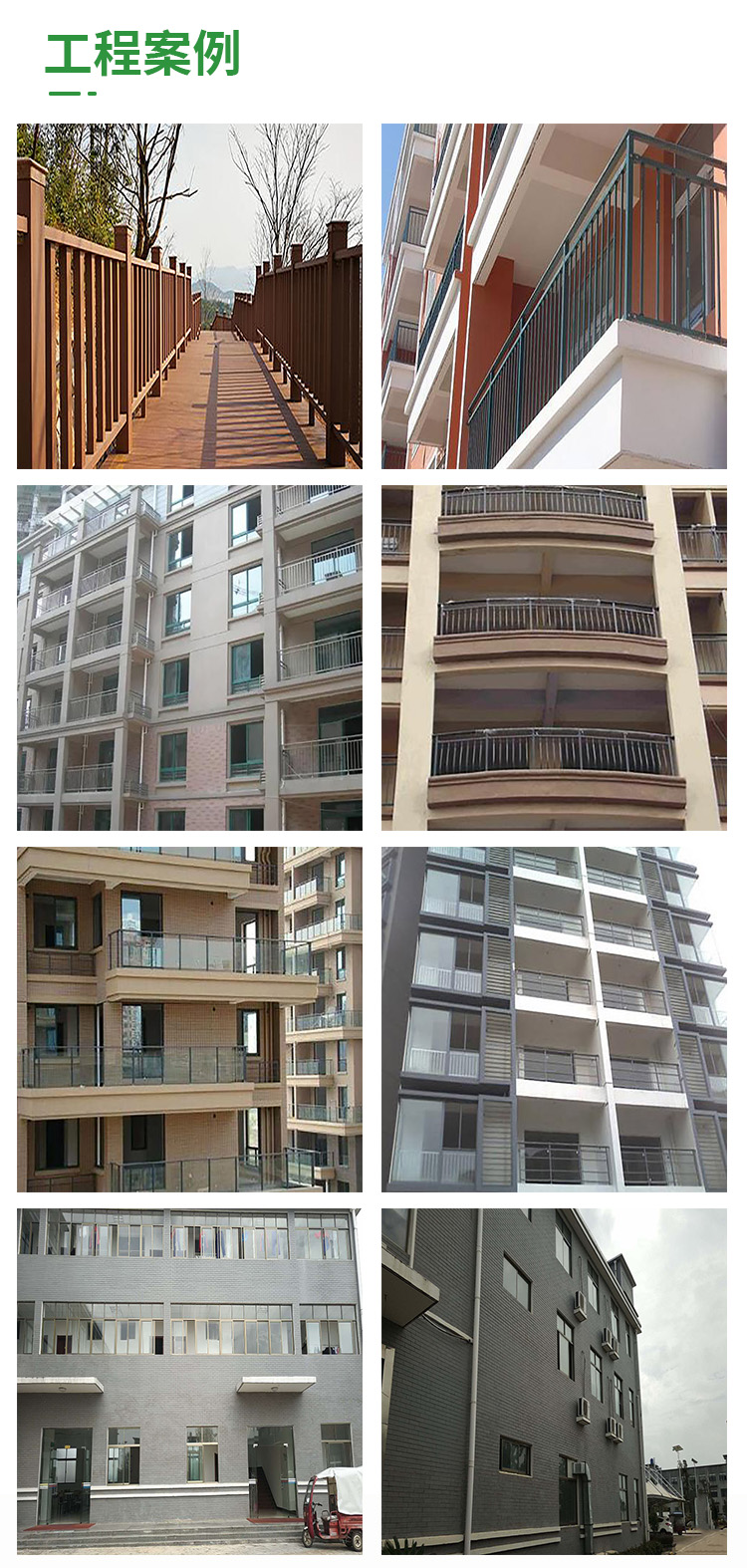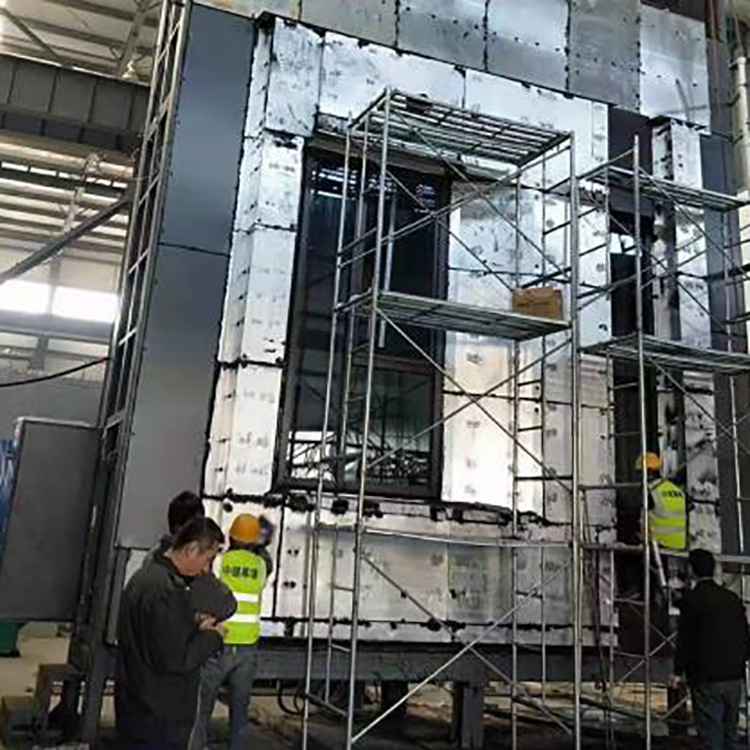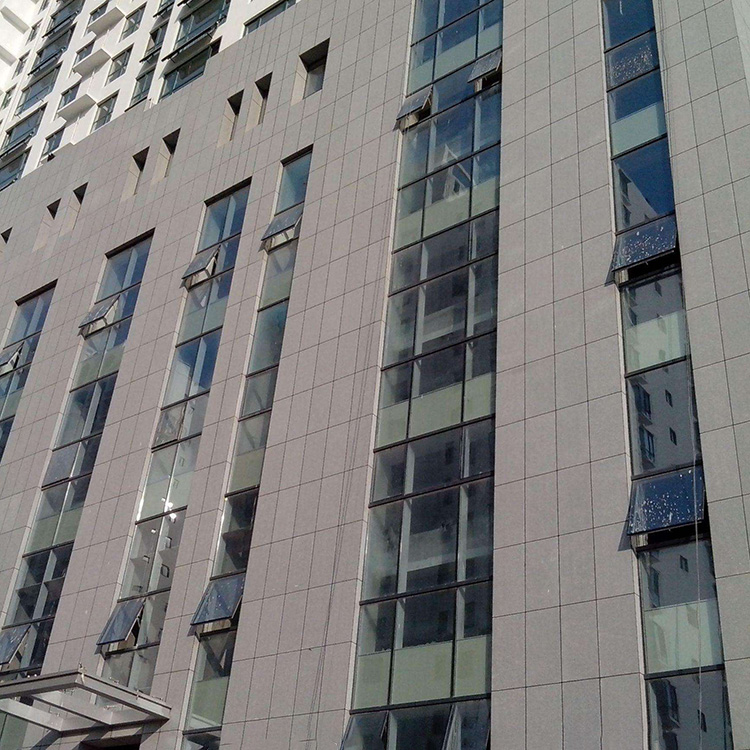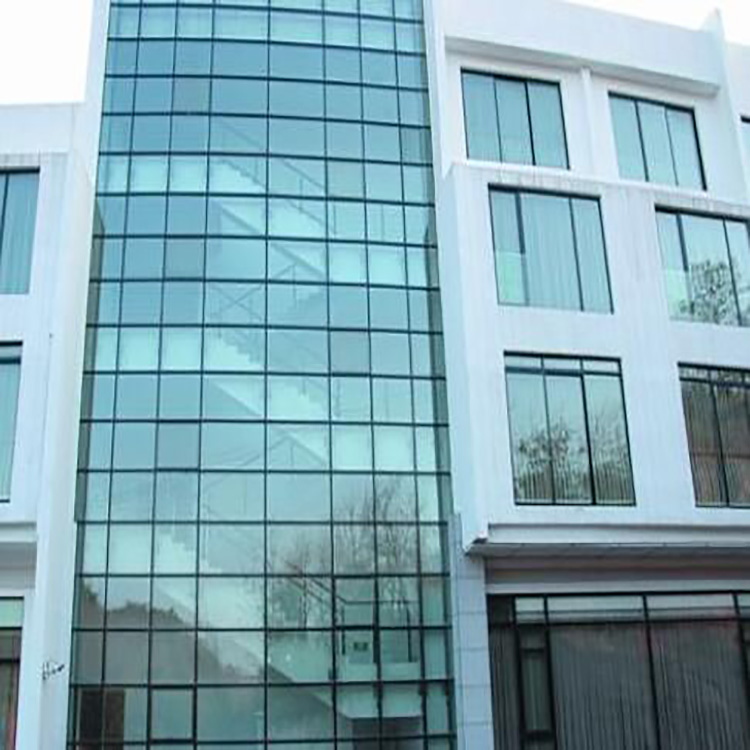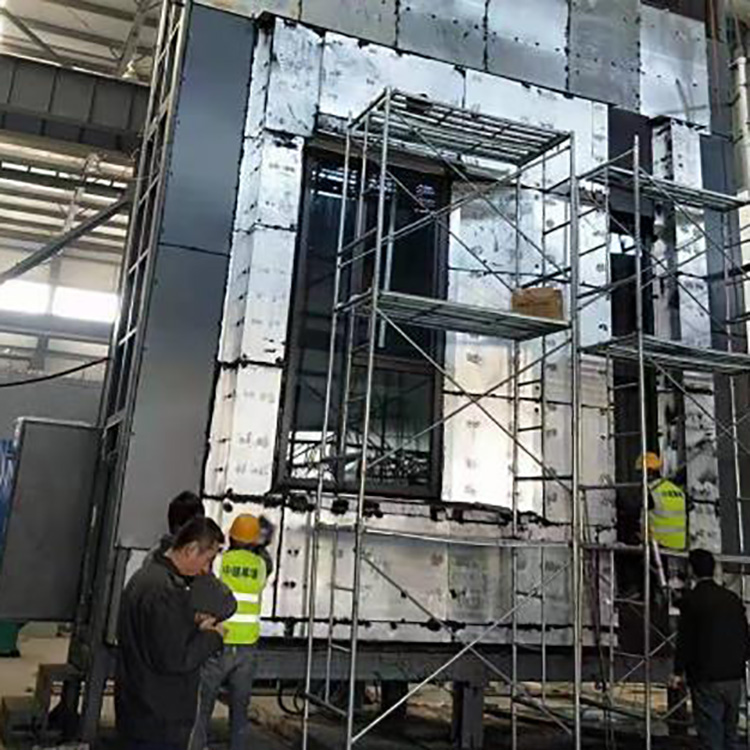

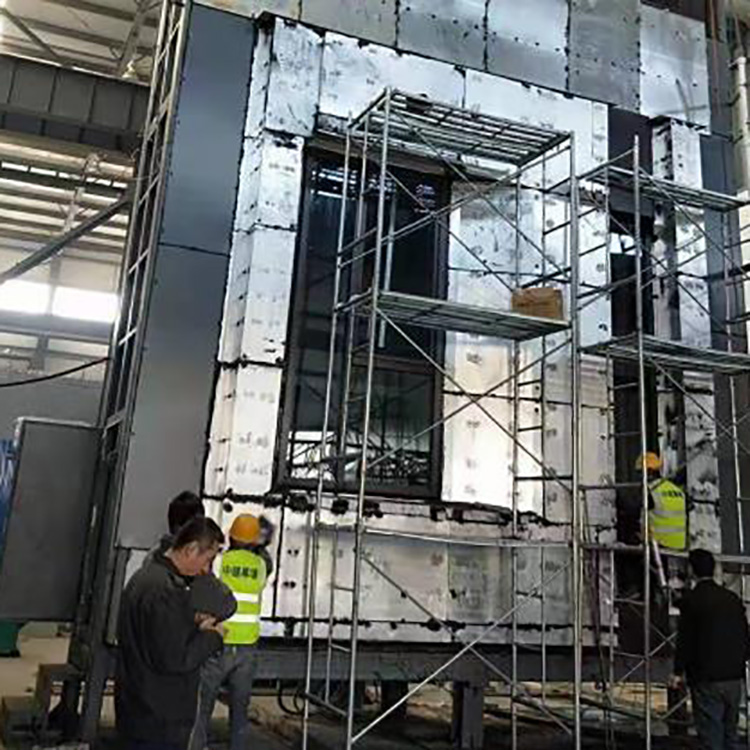
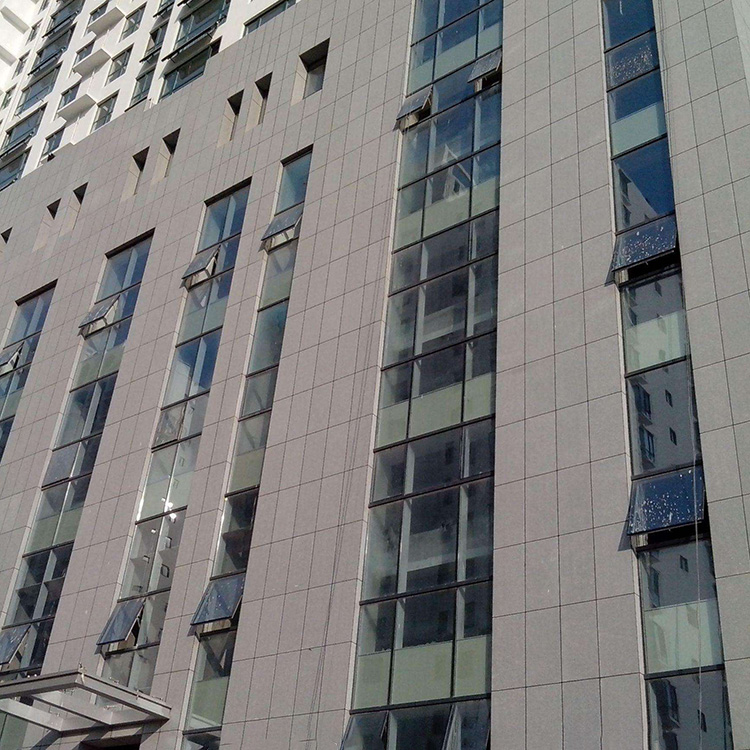
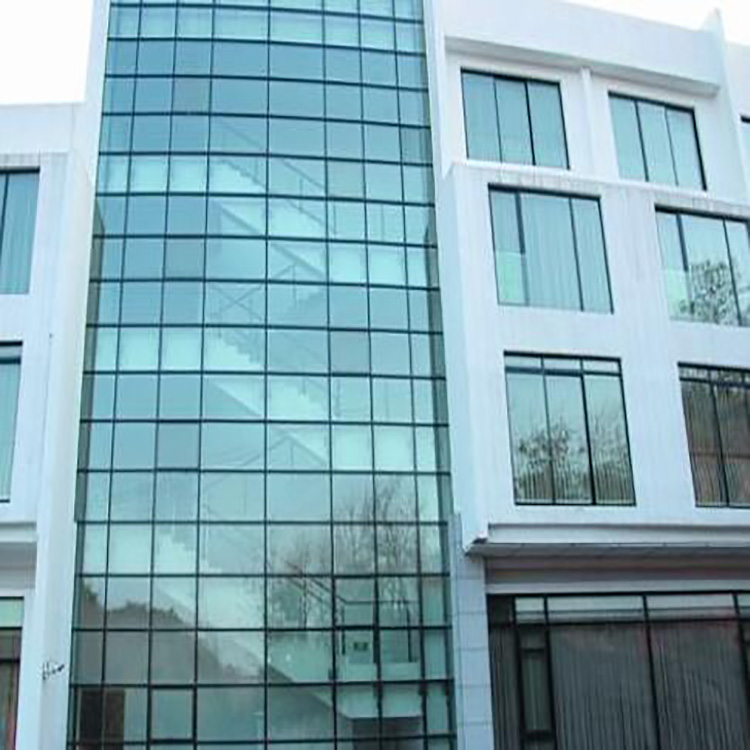







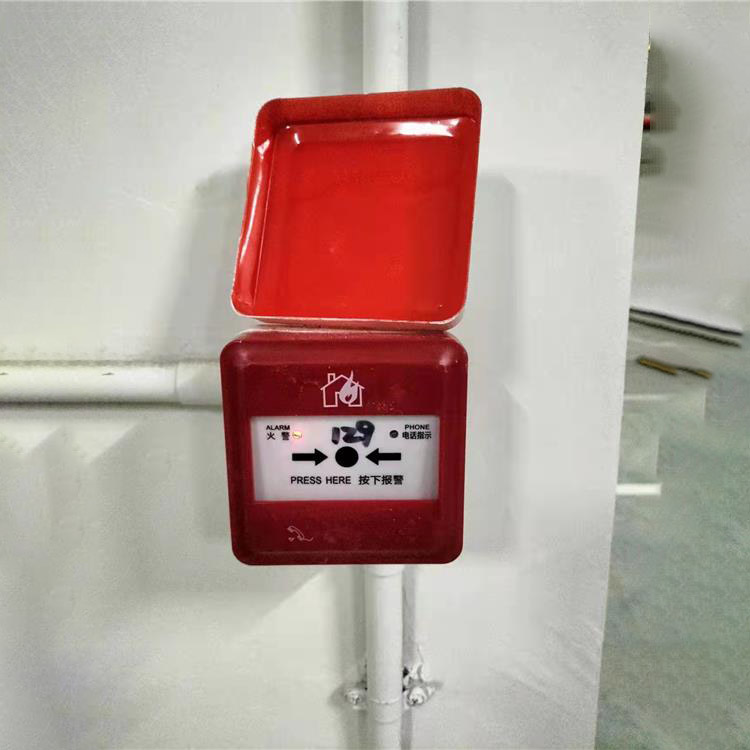
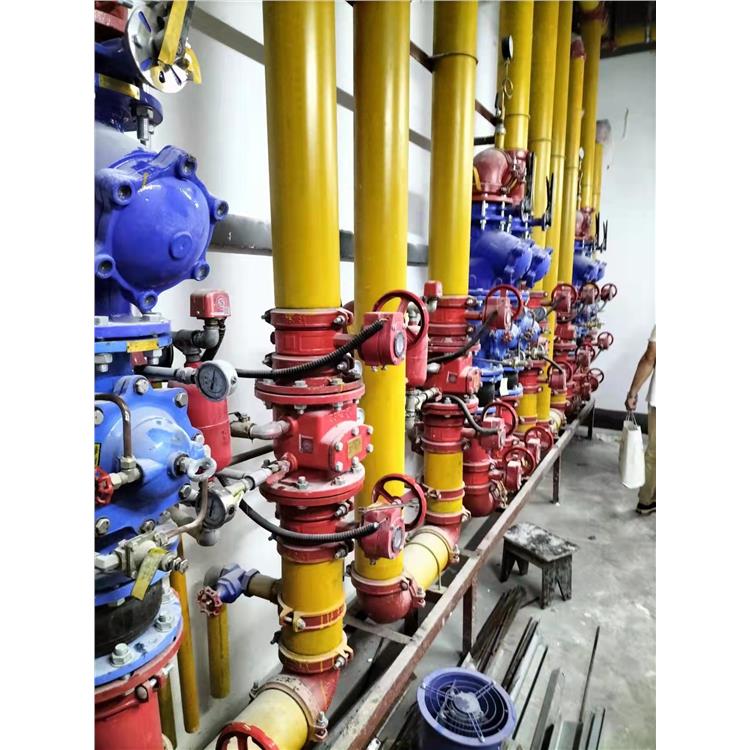
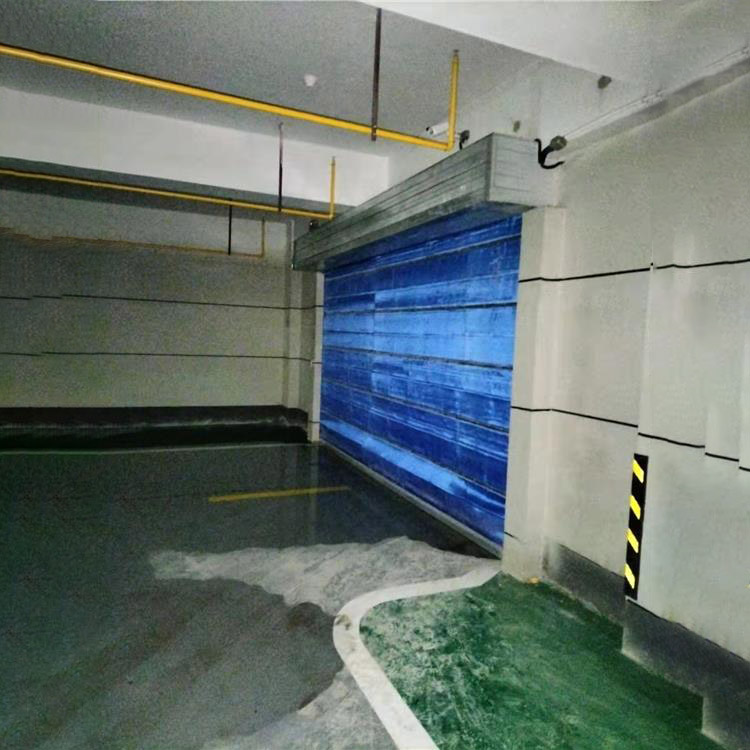
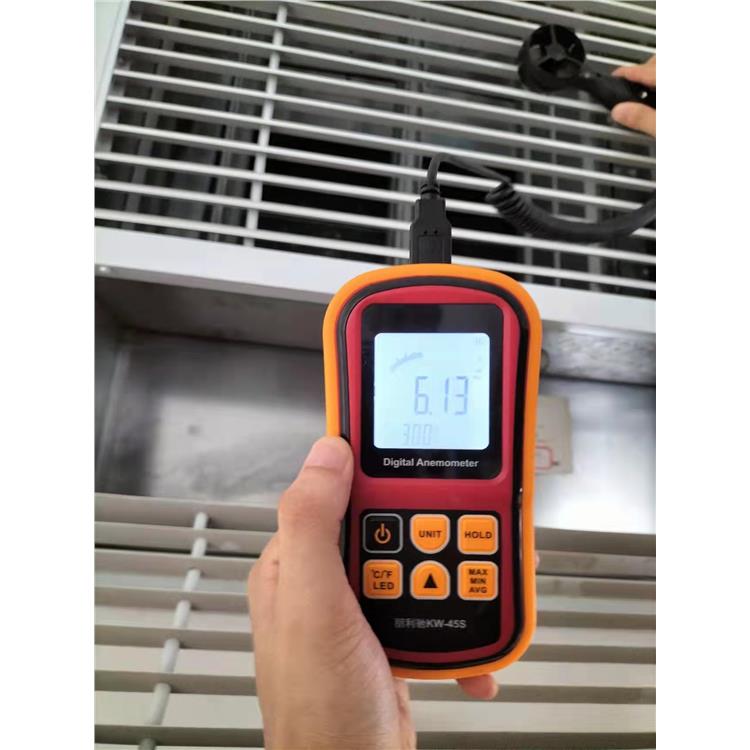
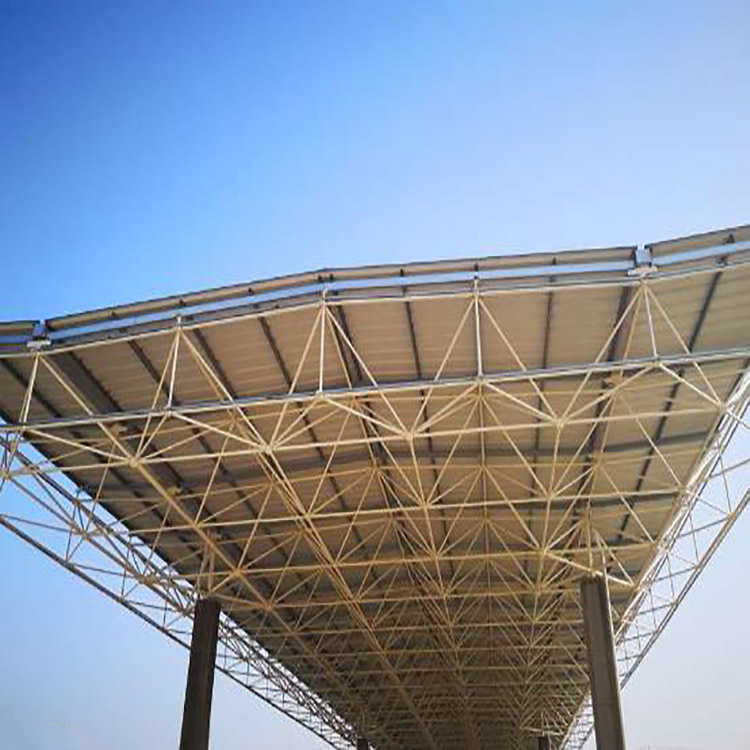
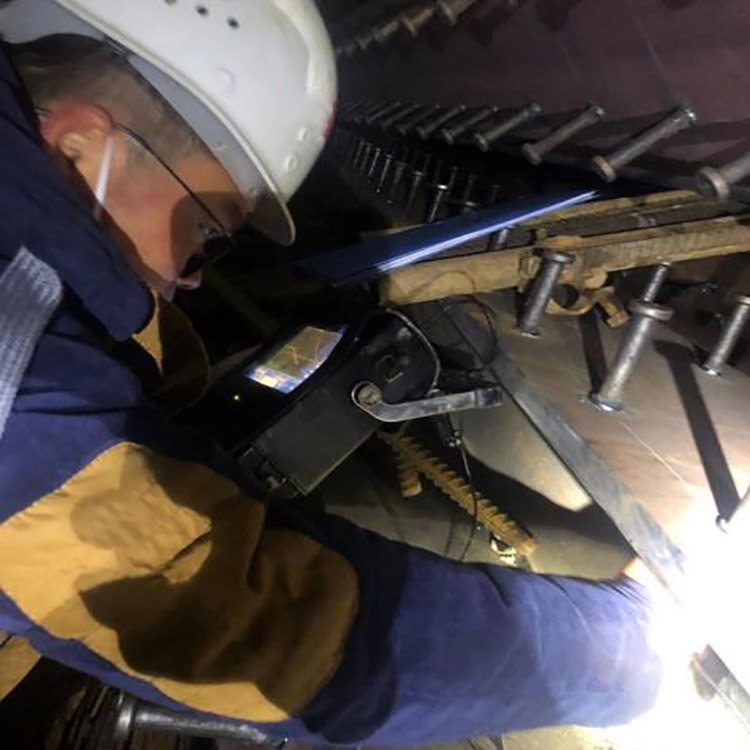
The Jiang'an District Architectural Façade Material Testing Center's report indicates that the façade performance testing includes wind pressure deformation, airtightness, and watertightness, commonly referred to as the "three-character tests." Additional tests for in-plane deformation and other performance can be conducted as necessary, known as the "four-character tests."
Jiang'an District building facade inspection emphasizes the importance of material selection in facade engineering design.
Material properties
The selection of materials for curtain wall projects must consider not only the type but also their performance, such as air permeability, wind resistance, deformation, and water penetration resistance. Therefore, materials and components must be strictly inspected for their product certification, re-inspection reports, performance test reports, and concealed work acceptance records.
2 Meets rigid demand
When designing the overall framework and decorative panels of a building facade engineering project, factors such as wind resistance, load-bearing capacity, and the material's own weight must be considered. This requires designers to pay special attention to the strength and other properties of components and materials when selecting them. For example, the frame for glass facades typically employs aluminum, steel, or other stainless steel materials. Aluminum alloy is a great choice due to its low cost, lightweight, easy workability, and fast heat dissipation. Aluminum alloy has become the general preference for facade materials, offering a variety of products such as 155, 140, and 120 series with different characteristics.
Consider deformation caused by temperature and load.
Fluctuations in temperatures during winter and summer, as well as weather conditions, can affect building facade projects. There may be issues such as thermal expansion and contraction causing material distortion, structural misalignment, or displacement. Therefore, special attention should be paid to the connections between components.
Aesthetically pleasing design should not overlook the installation of protective equipment.
Fireproof seals are installed in the interlayer joints of building curtain walls, typically using 1.5mm thick galvanized iron sheets. Afterward, fire-resistant rock wool is securely fixed to achieve fire prevention and ensure personal safety. Selecting insulation materials wisely: both fire resistance and thermal insulation are equally important. In recent years, numerous incidents of fires in curtain walls and metal roofs have been caused by poor-quality insulation materials. During design, aesthetics should not be the sole consideration; safety must not be overlooked. Conservative materials like perlite boards and foam concrete boards are non-combustible, while newer materials favored by designers, such as rock wool and glass wool, can be fire triggers. The regional grand theater uses rock wool as insulation material laid on soundproof boards, and the Shells Museum in Dalian also employs rock wool insulation. Practice shows that although rock wool has good performance, is thin, and aligns with environmental concepts, it has active thermal conductivity and can easily ignite. Extruded polystyrene insulation boards can ignite at temperatures as low as 80°C.
The use of new materials meets the requirements for appearance and safety.
There are many emerging new materials for building facade projects, such as phenolic foam insulation boards, compressed rock wool sandwiched with steel plates, and inorganic lightweight composite panels. Phenolic insulation boards, commonly known as Bakelite, are non-flammable materials with excellent thermal insulation properties, achieving a K-value of 0.028W/(m²·K). They have a B1 fire rating and are not easily ignited by high-temperature flames from a blowtorch. In the event of a fire, a carbon film forms on the surface to extinguish it, offering high safety performance. Many buildings, such as the Tongzhou Office Building and the Guangzhou NBA Stadium, have adopted this type of phenolic insulation board.
Fire-resistant design should be detailed as well.
a) Fire-resistant rock wool is supported by aluminum profiles, which melt quickly, causing the fire-resistant material to fall off immediately.
b) Louvered ventilation windows must be closable and smoke-proof. The lower fire can quickly burn through the louvers, allowing the flames to spread into the beam space.
c) When the fire spreads into the beam space, the bottom edge of the upper window must be sealed against smoke.
d) When hammering fire-resistant sealant iron plates, pay special attention to the 30° angle at the edges.
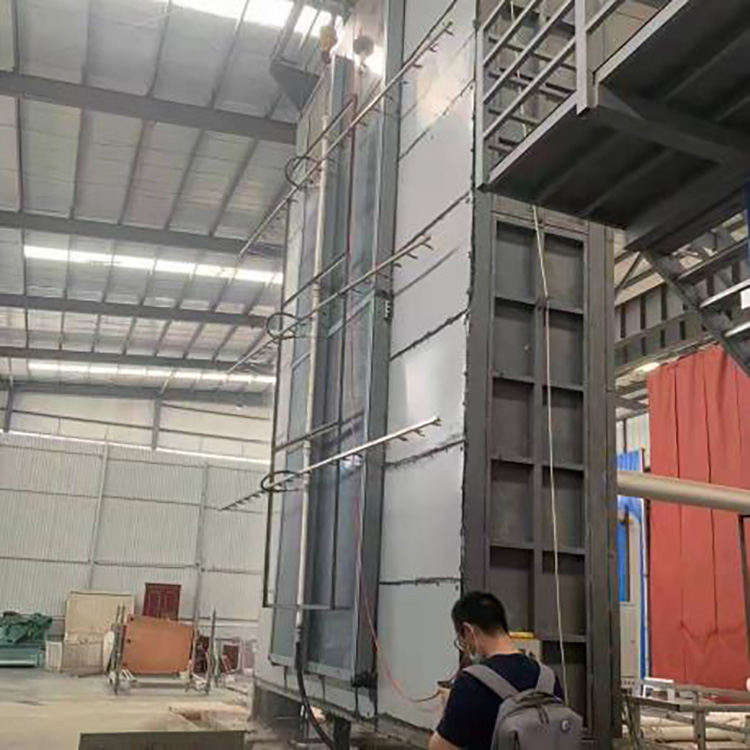
Jiang'an District architectural facade inspection, integration of facade design with information technology
Leverage information technology to optimize facade design
With the continuous advancement of science and the perfection of the computer industry, the development of information technology is ever-evolving, extending its application to the construction industry where it plays a pivotal role in architectural design. It subtly influences the concepts and methods of facade design. Today, computers have become an essential design tool for designers, with computer-drawn lines being more accurate than those drawn by hand. The facade design images presented through 3D models are直观 and立体, and the traditional two-dimensional view of architecture is gradually fading from the minds of builders. In recent years, numerous architectural design software programs have emerged like mushrooms after the rain, making 3D no longer a novelty. Instead, software like 3DVIZ or 3DMAX has emerged, allowing designers to fully explore their design ideas on these platforms, showcasing mature and highly design-sensitive facade works.
Informational management approach for curtain wall construction
The 21st century is the era of信息化, with information technology permeating every field. Its application in the curtain wall industry has shown significant advantages, and the development of信息化 technology has undoubtedly brought a blessing to the construction industry, including curtain wall construction. It effectively facilitates information collaboration and technical exchange between different companies in the curtain wall industry and within departments, optimizing resource allocation and sharing, allowing designers to receive new concepts in curtain wall design simultaneously. The prevalence of信息化 has allowed the management of curtain wall construction to transition from coarse to detailed, with each operational link interconnected.