







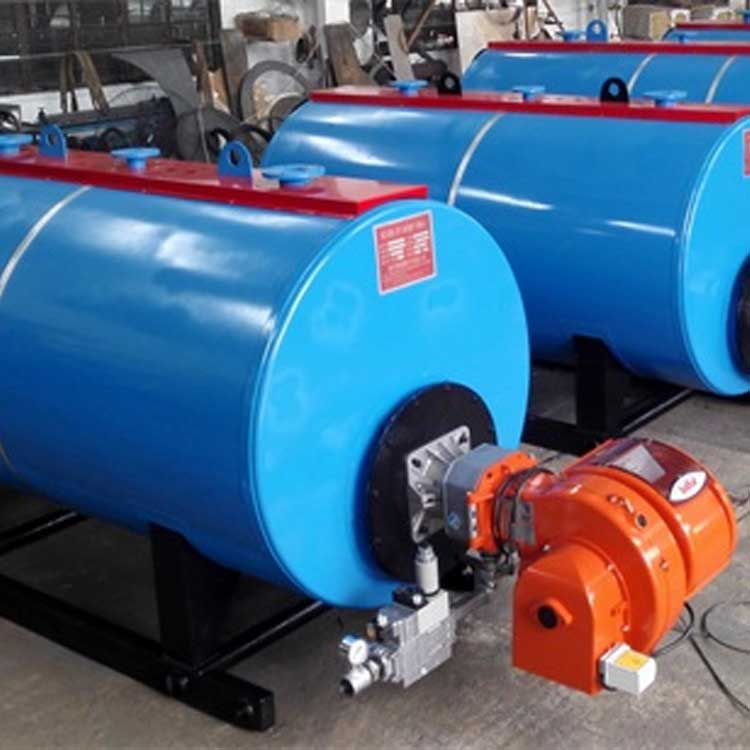

Boiler Design Background:
With the continuous advancement of social and economic progress, there is an increasing demand for environmental protection and energy-saving in boiler products. Our factory's scientific and technological and technical personnel rely on the expertise of Soochow University's Thermal Energy and Inspection Technology.
Injury, mechanical and electrical integration professional comprehensive technological advantages, combining and absorbing the advanced technical concepts of similar foreign products, reforming, absorbing, optimizing, developing, and launching a new type of fully automatic
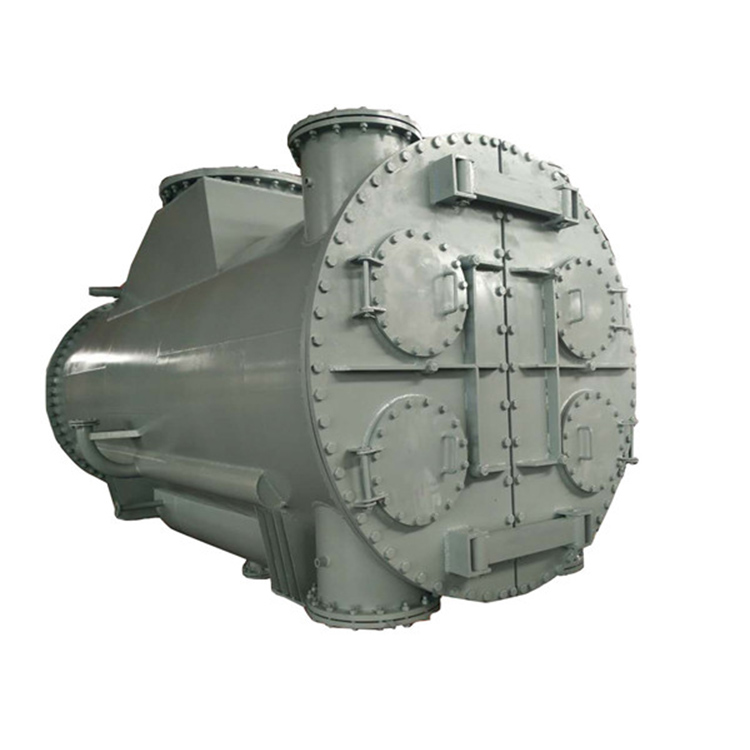
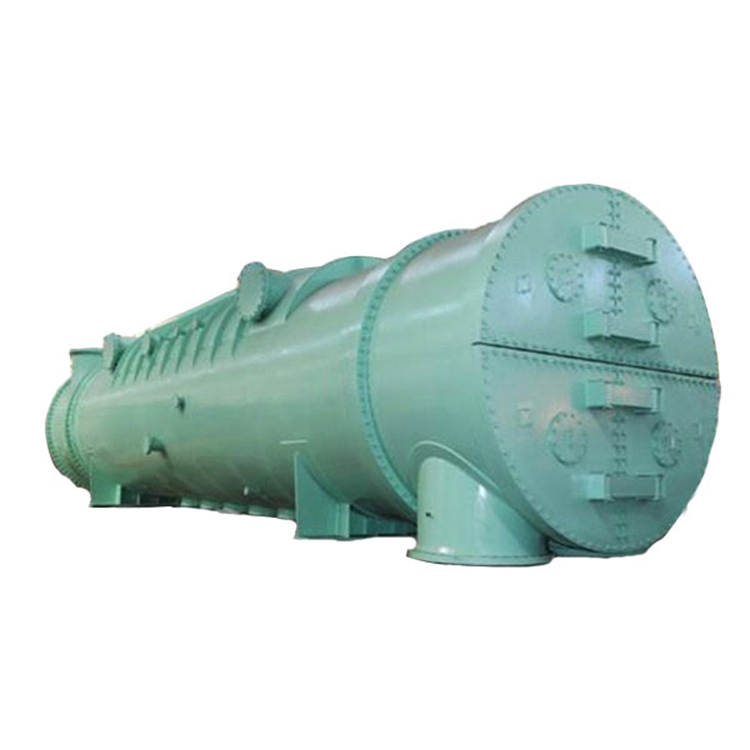
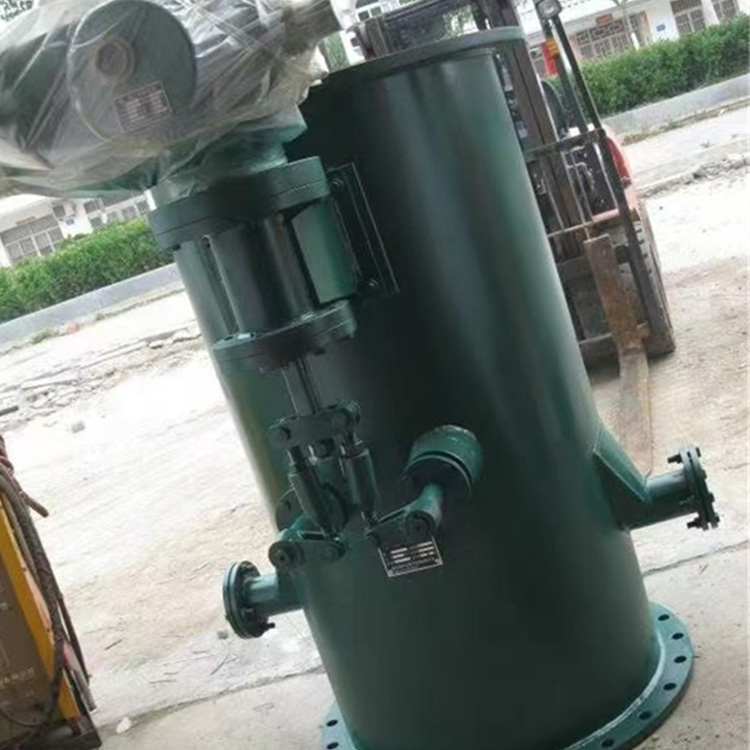
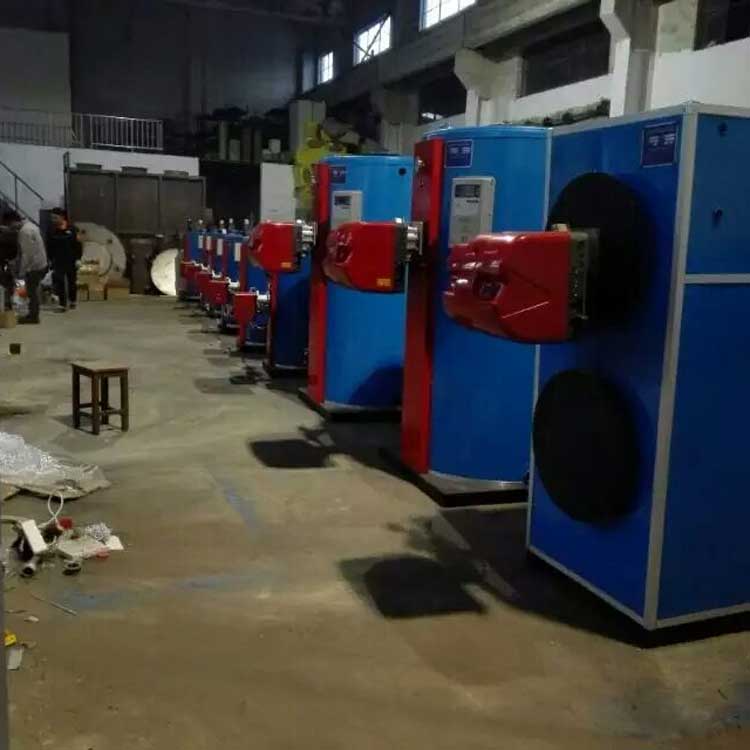
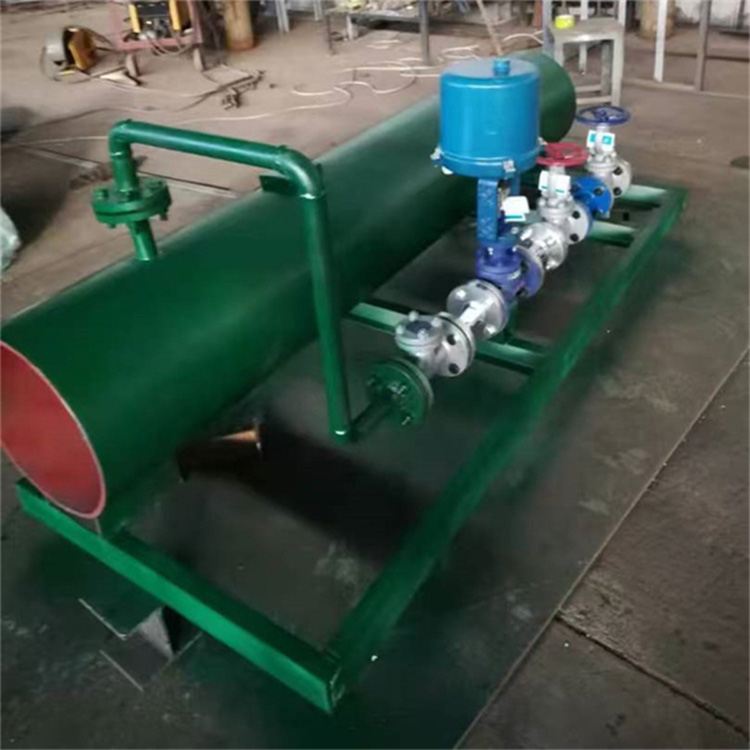
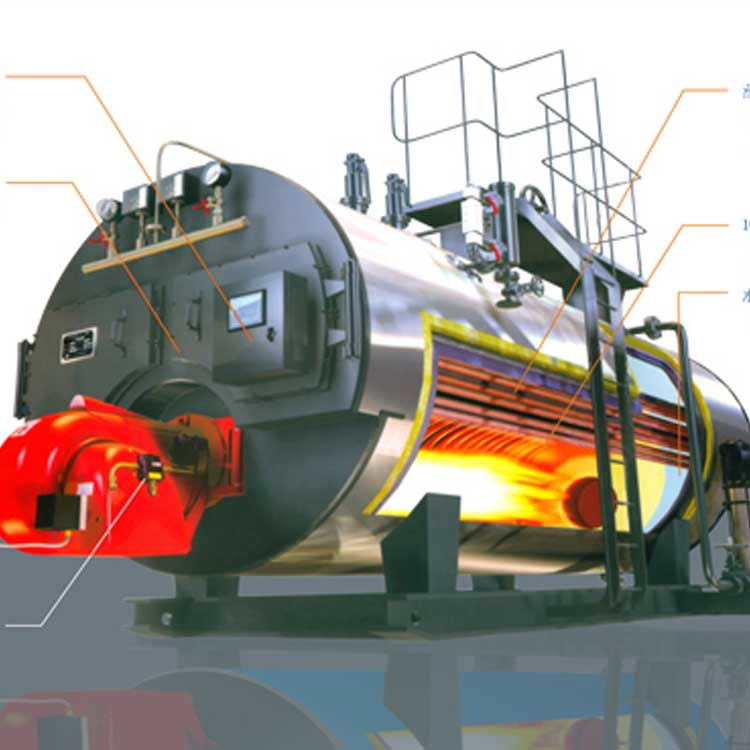
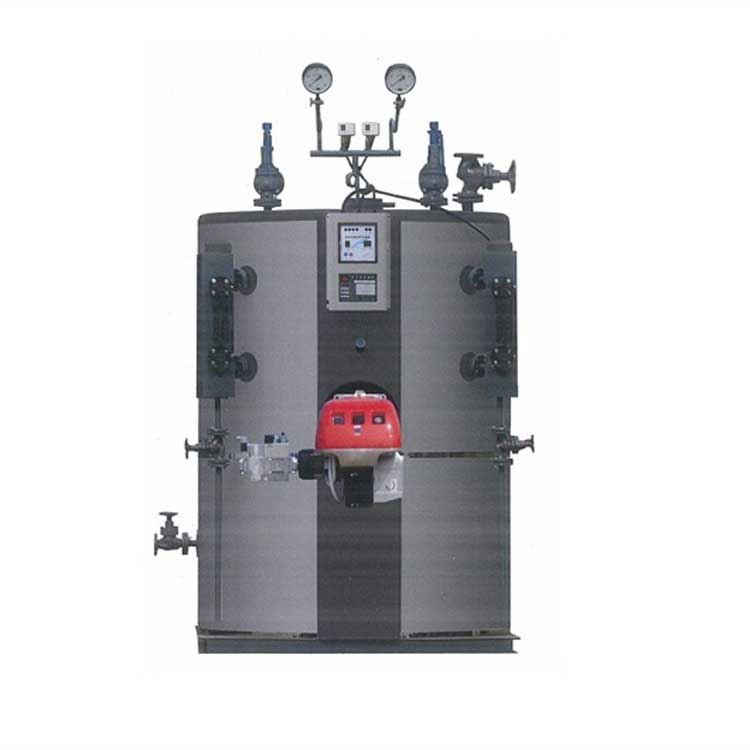
Fuel-gas condensing boiler. The boiler features a horizontal structure and is designed in accordance with the "General Technical Conditions for Atmospheric Pressure Hot Water Boilers" and the "Safety Supervision Regulations for Small and Atmospheric Pressure Hot Water Boilers."
Engineering, manufacturing, production, overall insulation, innovative and elegant boiler combustion unit featuring an imported Italian burner, boiler control system equipped with an automatic computer controller.
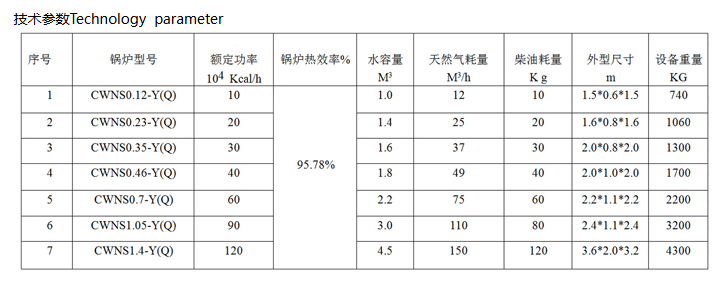
The Mechanical Industry Industrial Boiler and Environmental Protection Product Quality Supervision and Inspection Center has tested a thermal efficiency of 95.78%, with exhaust gas temperatures below 80 degrees Celsius.
Design Principles:
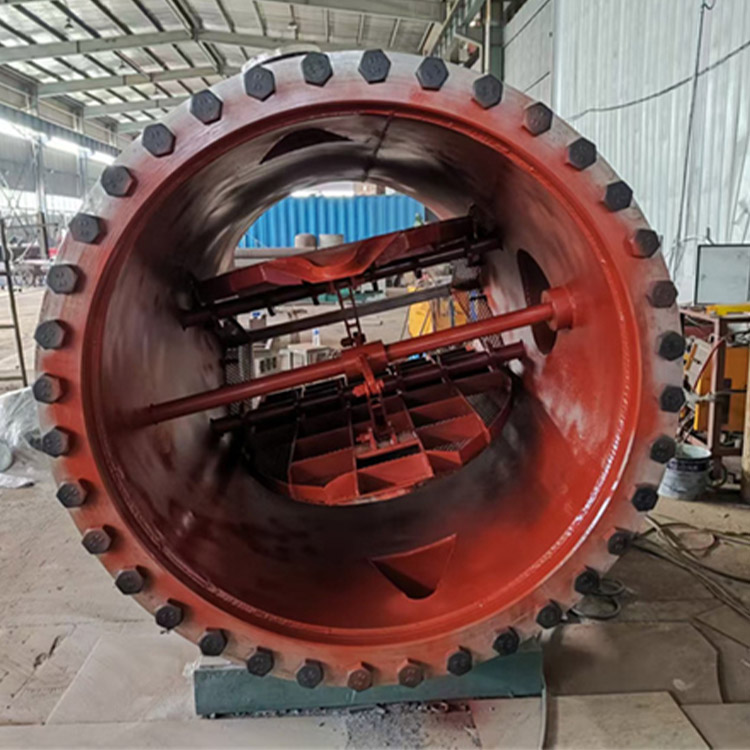
1. Bi-directional six-pass design, with water flowing from the furnace body to the upper right in a forced three-pass pattern, and flue gas moving from the upper right to the lower left in a forced three-pass pattern, achieving excellent heat exchange and absorption due to the strong countercurrent flow.
2. By forcibly controlling the water flow and smoke direction, we enhance convection to rapidly lower the smoke temperature. The heat in the smoke is also absorbed by the boiler's water, thereby improving the boiler's thermal efficiency.
3. All the internal surfaces of the boiler shell are within the water space, not in contact with flue gas, and are cooled by water, thus the surface temperature of the shell is very low. The boiler insulation is done using an integrated approach.
Insulation: The boiler body is elevated off the ground, not exposed, and sealed tightly, resulting in minimal heat dissipation from the boiler body, keeping the boiler room cool and free of steam.
Energy-saving demonstration:
Boiler Structure: Drawing on advanced technology from both domestic and international sources, the new boiler focuses on energy-saving in its structural design. The boiler employs top combustion, bottom water intake, and smoke exhaust.
Advanced model with forced flow in the direction of water current.
2) Flue Gas Emissions: Traditional boiler flue gas emissions are at temperatures of 200-300°C, whereas the emissions from new boilers are only one-third of that. The heat in the flue gas...
Volume is extensively absorbed.
3) Overall Insulation: Full wet back structure, the boiler flue gas contact part is fully immersed within the boiler water space, and there are no high-temperature areas on the exterior surface of the boiler body. Utilizes overall insulation technology, pot
The boiler body is not in contact with the ground, not exposed, and sealed tightly. The boiler body has minimal heat dissipation, ensuring the boiler room remains cool and free of steam.
4) System Superiority: Based on the characteristics of the new boiler, we have designed a more economical boiler operating system with minimal complex piping and equipment, significantly reducing...
Reduced system losses.
Boiler Materials: The new boiler body utilizes immersion hot-dip galvanizing, offering corrosion resistance and ensuring a significantly extended lifespan and quality.
Performance Features:
1) The boiler offers significant energy-saving effects with a thermal efficiency of 95.78% (compared to traditional boilers at 80%-90%).
2) Microcomputer control ensures full automation of the boiler operation, allowing for unattended operation.
3) Utilizes patented technology such as countercurrent heating, enhanced heat absorption, and overall insulation to achieve minimal heat loss.
4) Flue gas temperature below 80°C (traditional boilers range from 200-250°C), the chimney can be touched by hand, energy-saving, low-carbon, and environmentally friendly.