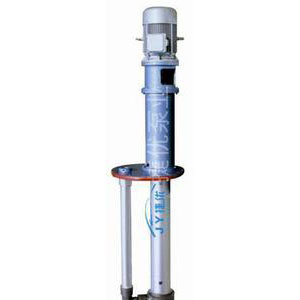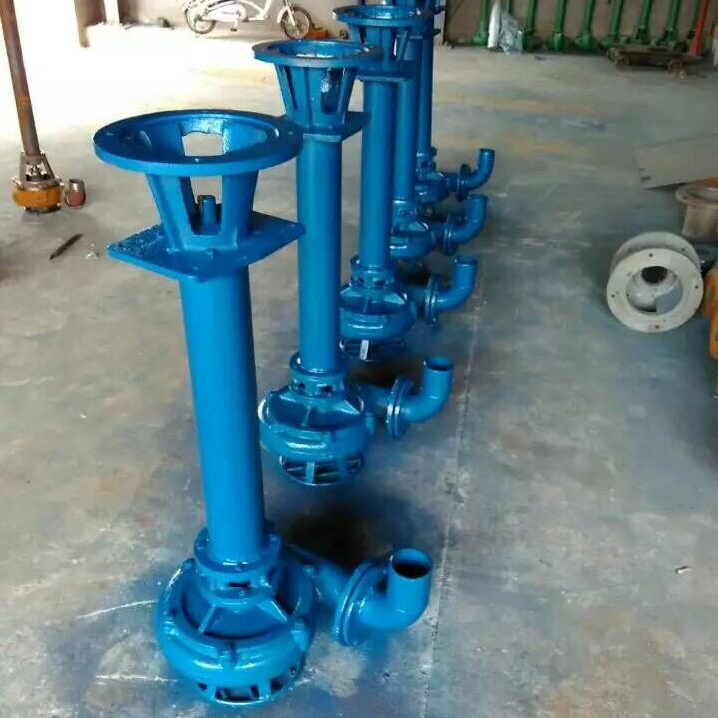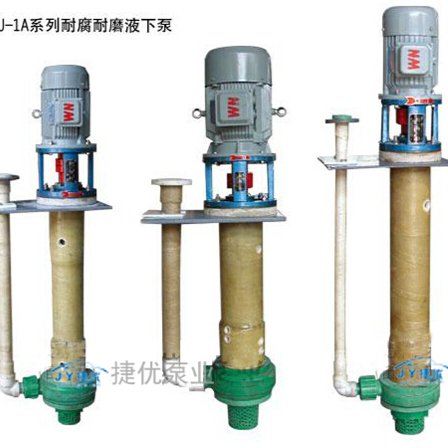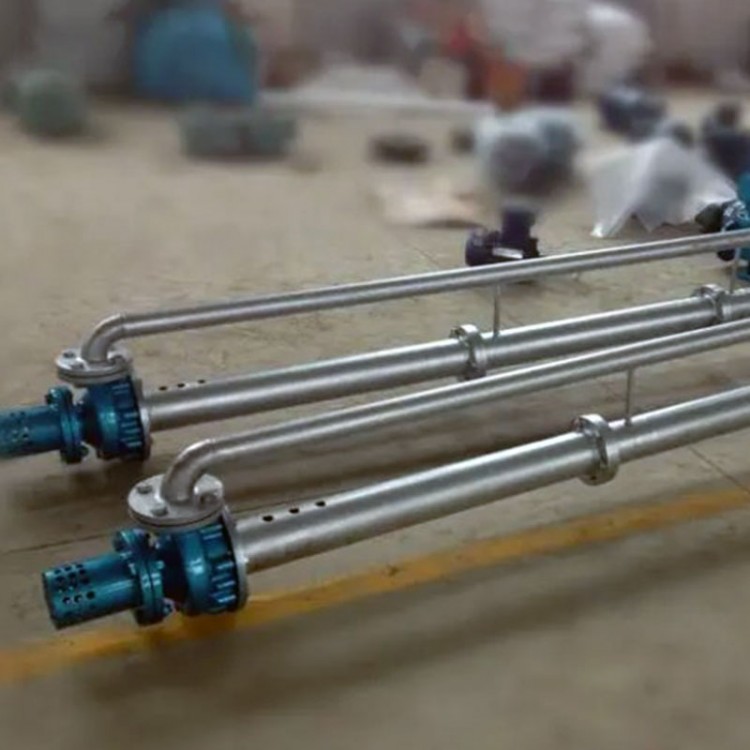


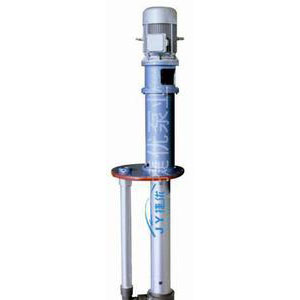
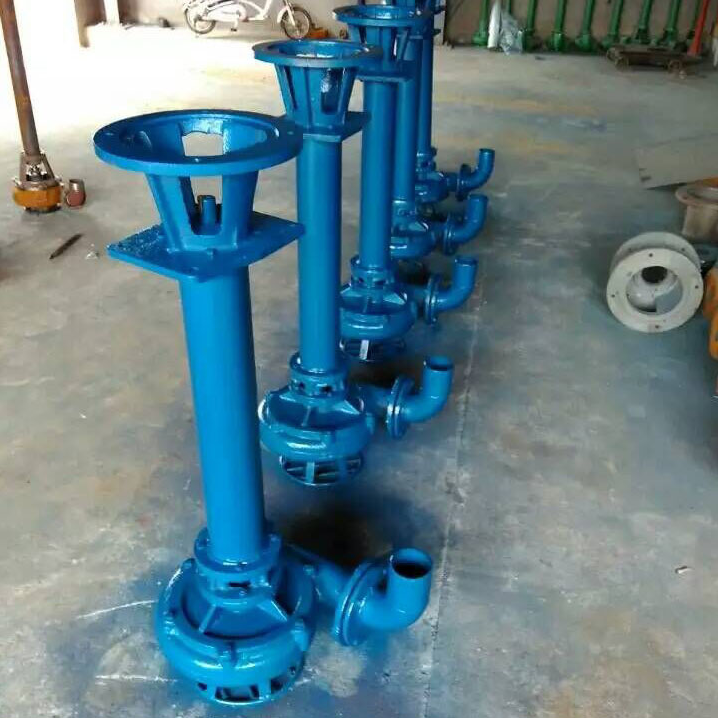
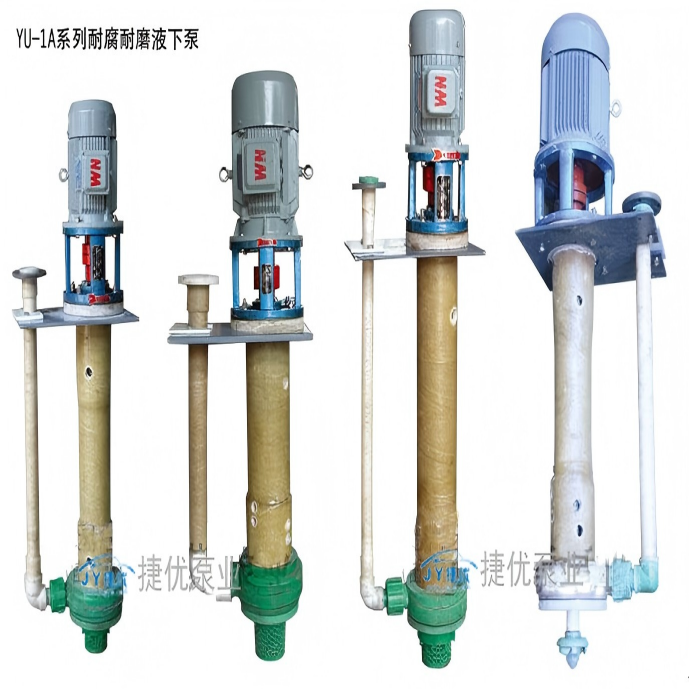
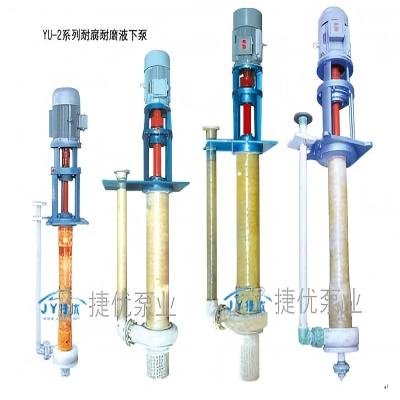
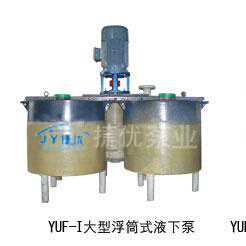







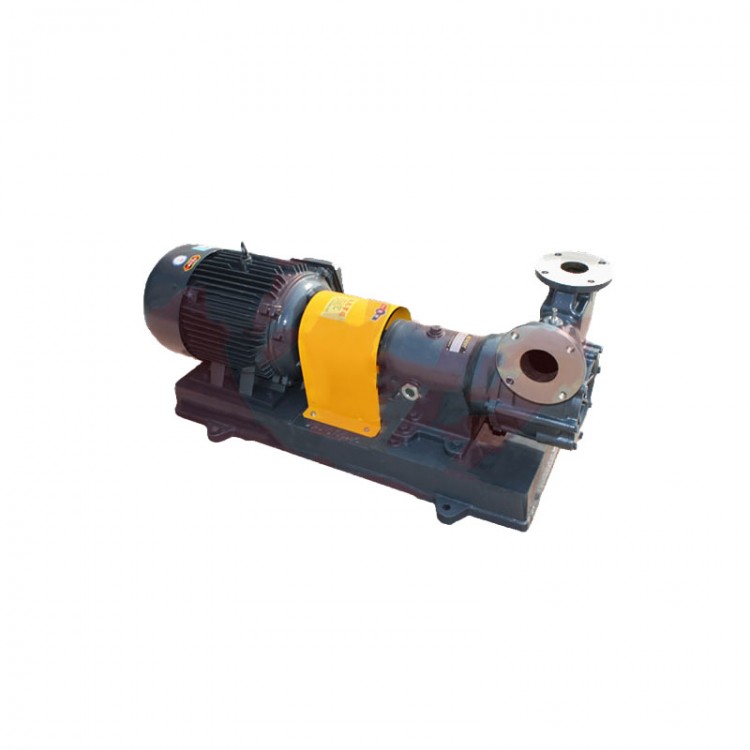


I. Features of FYX Nitric Acid Submerged Pumps
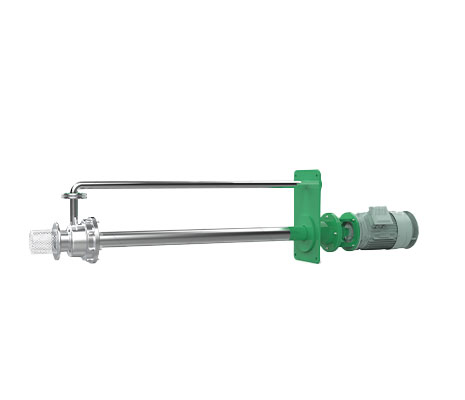
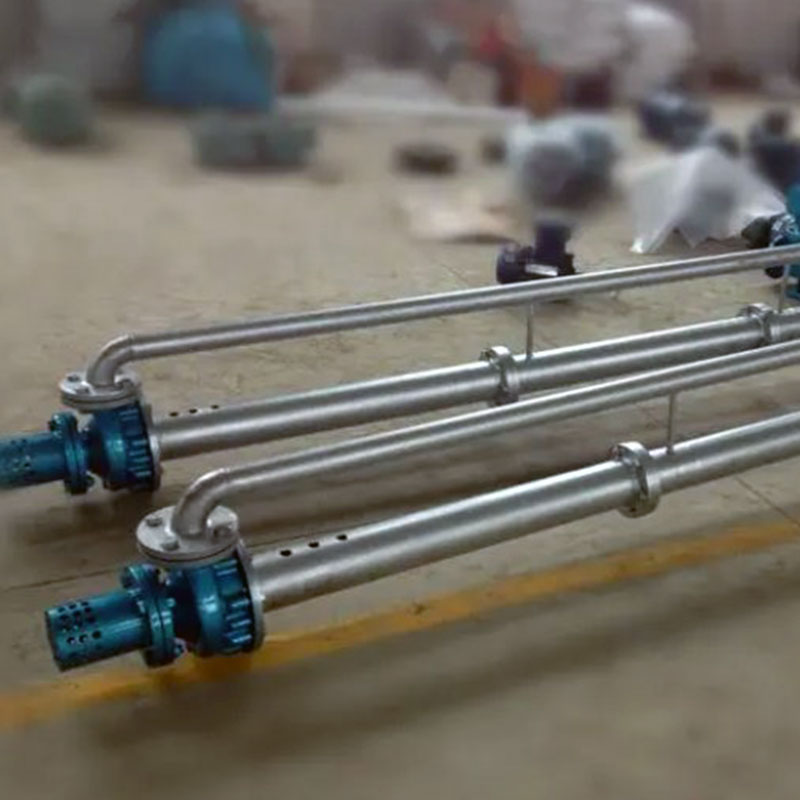
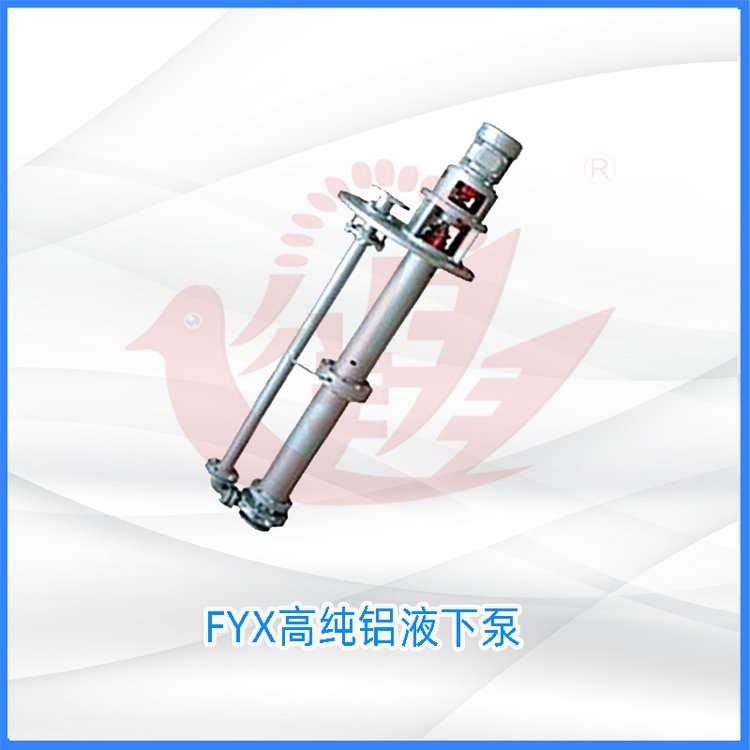
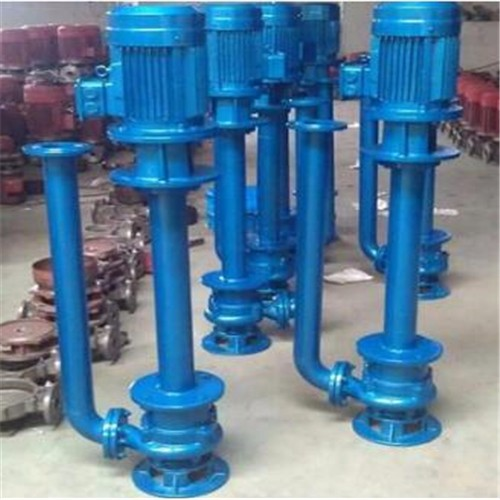
The FYX submersible pumps produced by Huai'er come in three types.
One type is made from high purity aluminum, suitable for nitric acid with a concentration of over 65% and a temperature not exceeding 60 degrees.
Another option is the nitric acid submersible pump made from C4 special high silicon stainless steel, suitable for all concentrations of nitric acid, with operating temperatures ranging from room temperature to boiling point.
Another option is made from 304L, which is suitable for nitric acid with a concentration below 68% and a temperature ranging from room temperature to boiling point.
Corrosion-resistant pump materials for nitric acid include: 1. High-purity aluminum, 2. High-silicon iron, 3. PTFE, 4. Special high-silicon C4 stainless steel, 5. 304L.
At different concentrations, the boiling point of nitric acid varies, so users must provide the concentration of the nitric acid and the operating temperature when selecting.
Section 2: Selection of Material for Liquid Nitric Acid Submersible Pumps
High-purity Aluminum
Among these materials, high-purity aluminum exhibits excellent resistance to concentrated nitric acid corrosion at room temperature. However, its drawback is that above 60°C, high-purity aluminum is significantly susceptible to concentrated nitric acid corrosion. Therefore, high-purity aluminum submersible pumps can only transport nitric acid at temperatures below 60 degrees.
High Silicon Iron
High silicon iron exhibits excellent resistance to concentrated nitric acid corrosion in various temperature conditions. However, due to its inherent fragile nature, it has poor mechanical properties, which limits its use in the transmission of concentrated nitric acid.
3. PTFE
Teflon exhibits resistance to nitric acid corrosion even at temperatures below 120°. However, due to its inherent characteristics, such as its relatively soft mechanical properties and tendency to age, these limitations also restrict the use of Teflon pumps in nitric acid equipment. Currently, they are primarily used for mechanical seals and gaskets. Pumps are typically made from other materials.
4. Special high silicon stainless steel exhibits excellent resistance to concentrated nitric acid corrosion among these materials, with its corrosion resistance surpassing high-purity aluminum and being comparable to silicon iron. Moreover, its mechanical strength and machinability are unmatched by high-purity aluminum and silicon iron. Although this material is relatively expensive with a high initial investment, its superior corrosion resistance and long service life make it worthwhile. It boasts good mechanical properties, high safety during use, ease of maintenance, and can minimize or eliminate downtime during production, thereby enhancing the overall production efficiency of the line.
5.304L
In most users' minds, 316 is always more corrosion-resistant than 304, but this statement is not objective. In nitric acid, the corrosion resistance of 304L is actually higher than that of 316L, as the presence of Mo reduces the corrosion resistance of stainless steel in nitric acid. In boiling 65% nitric acid, the corrosion rate of 304L is 0.15mm/year, while 316L exceeds 0.3mm/year.
304L is suitable for nitric acid concentrations below 68% and temperatures ranging from room temperature to boiling point without any issues.