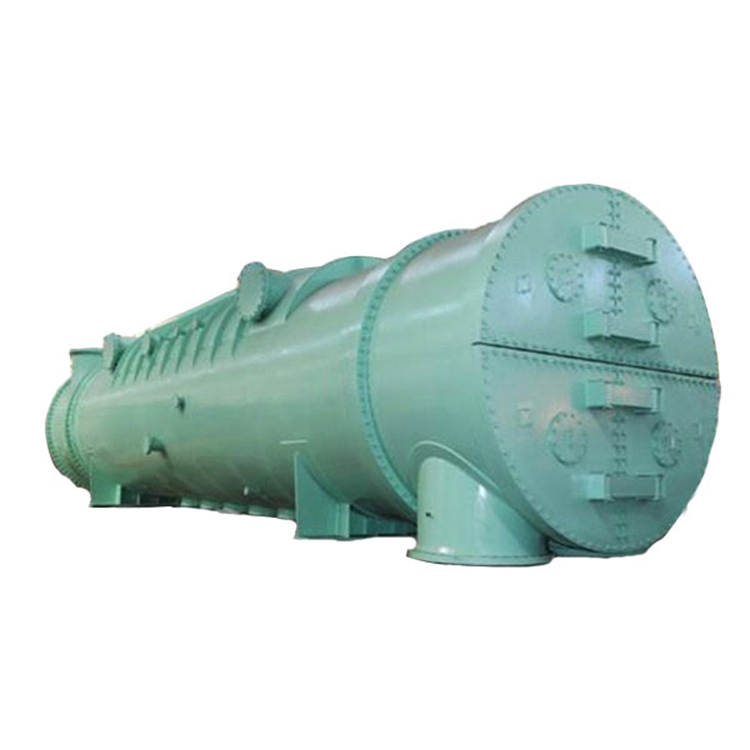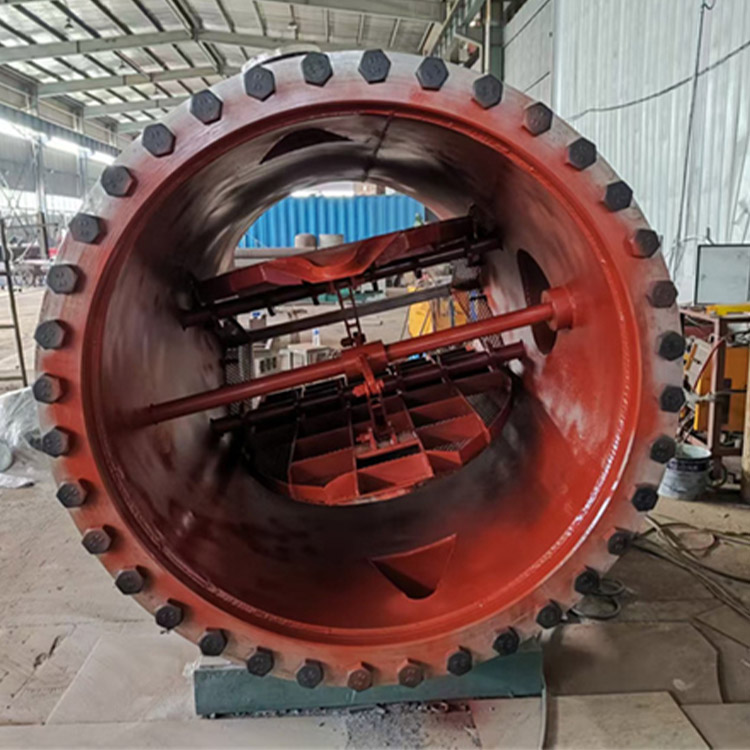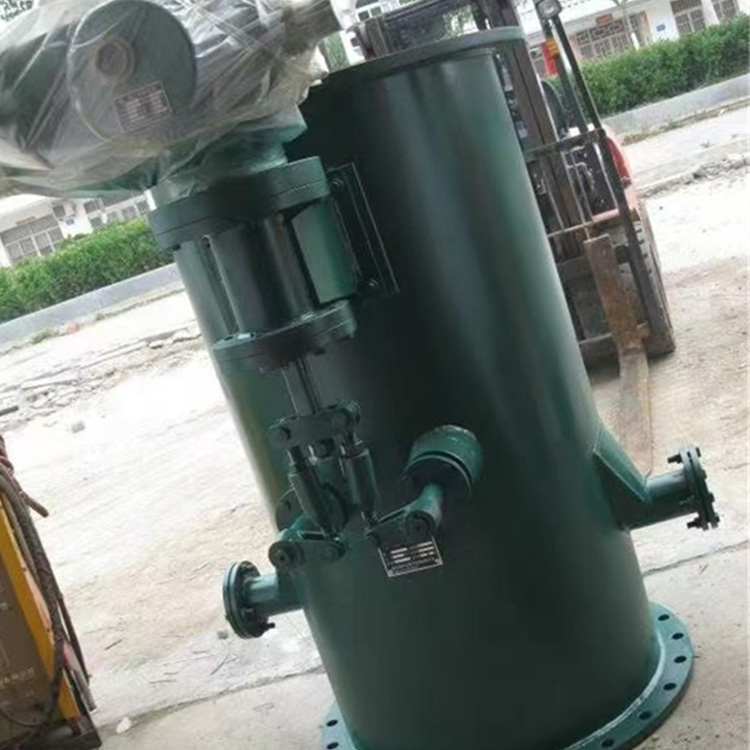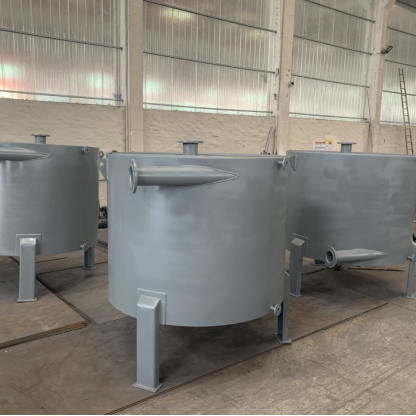

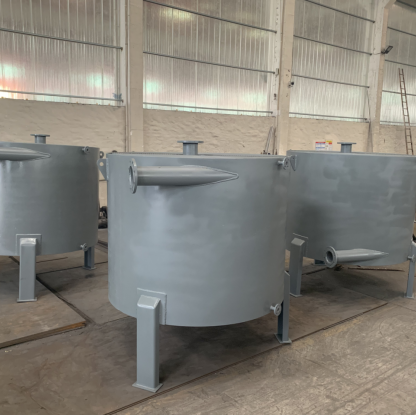
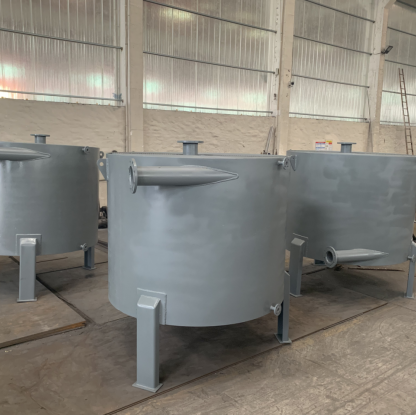


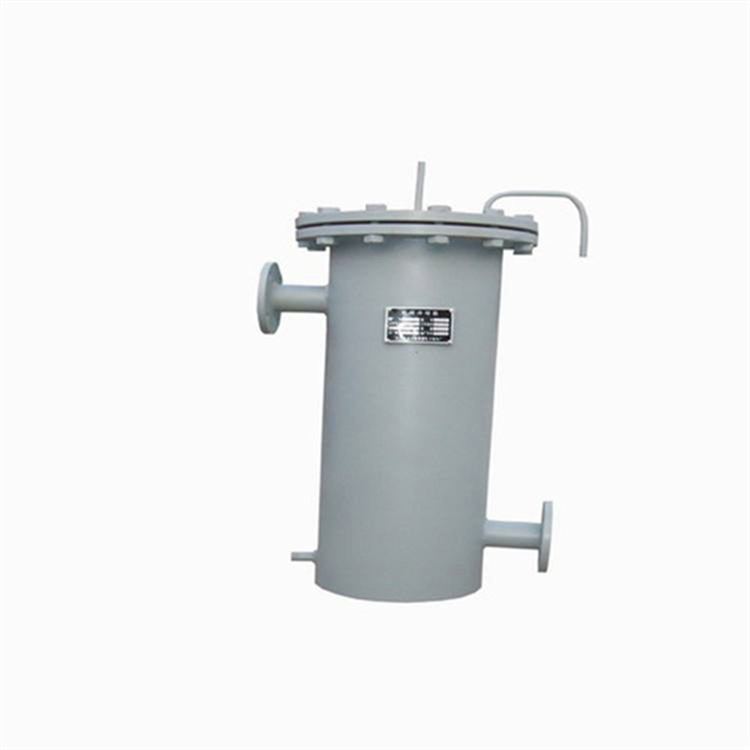
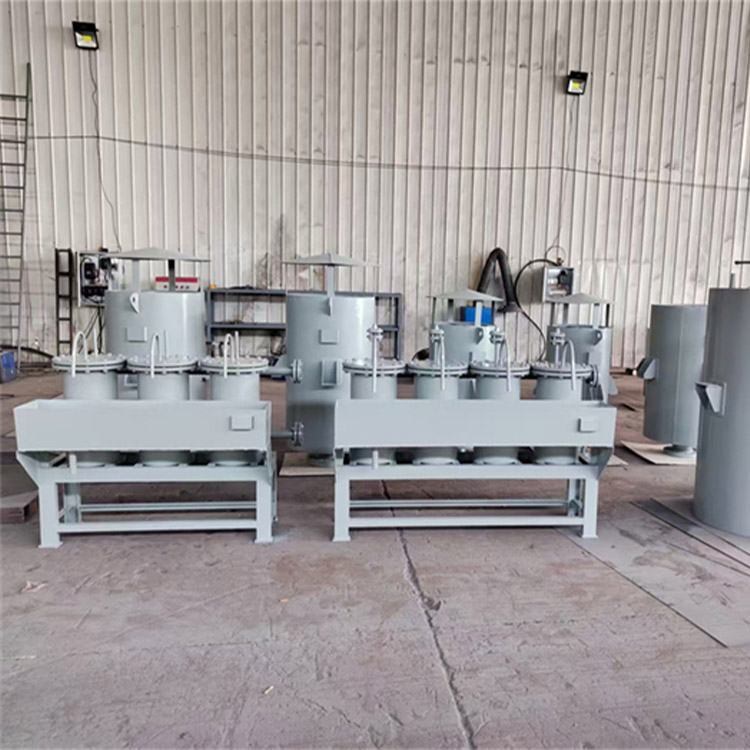





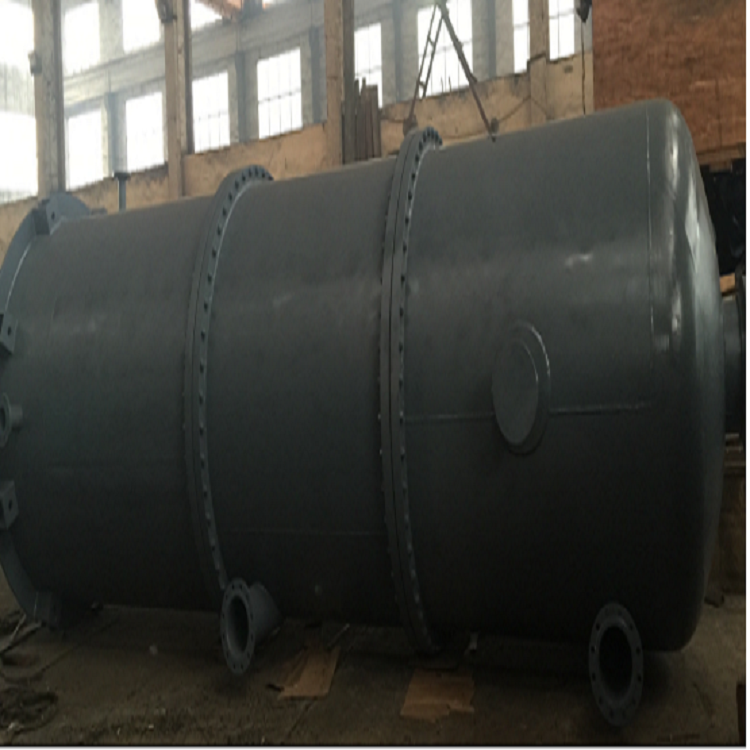

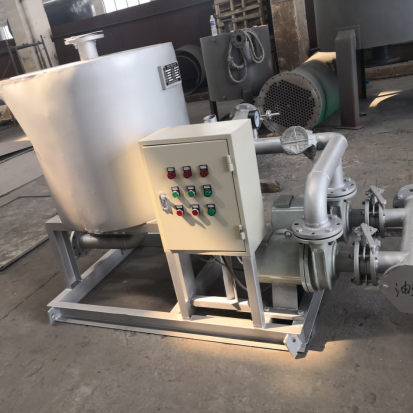
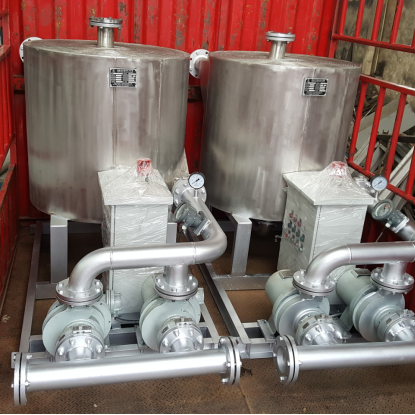
Spiral Plate Heat Exchanger
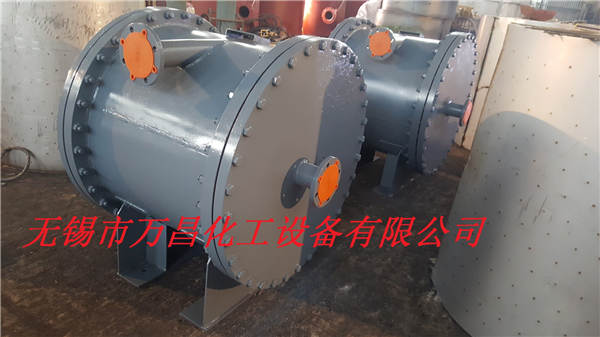
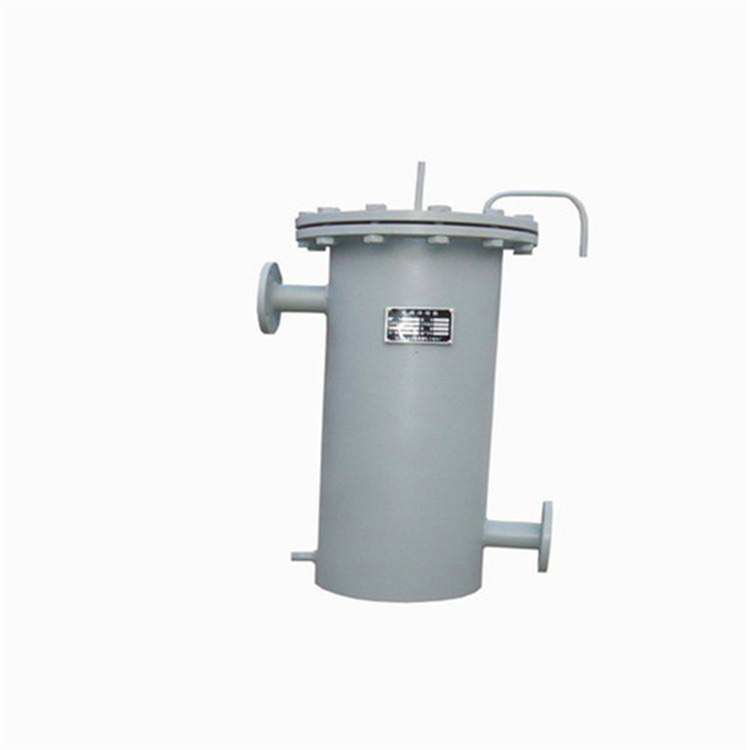
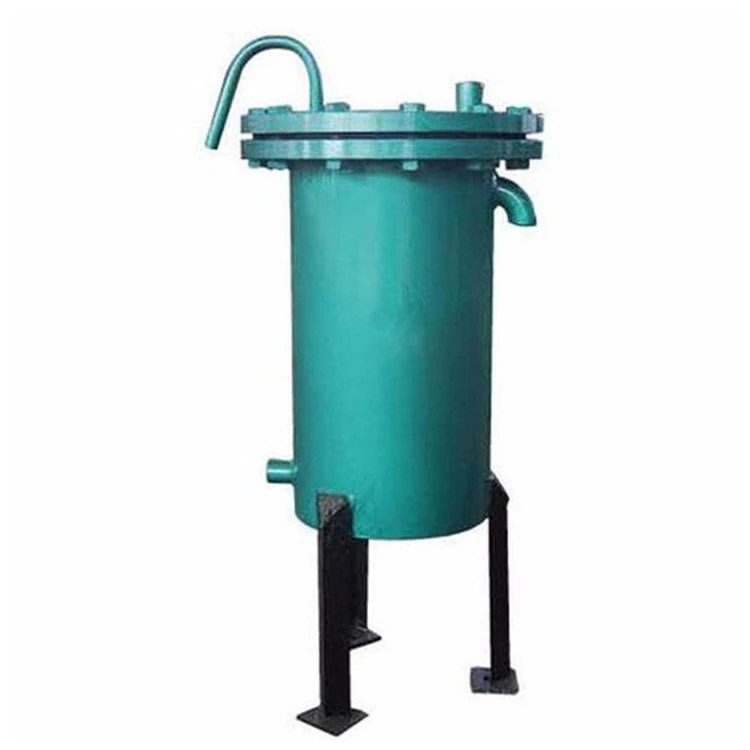
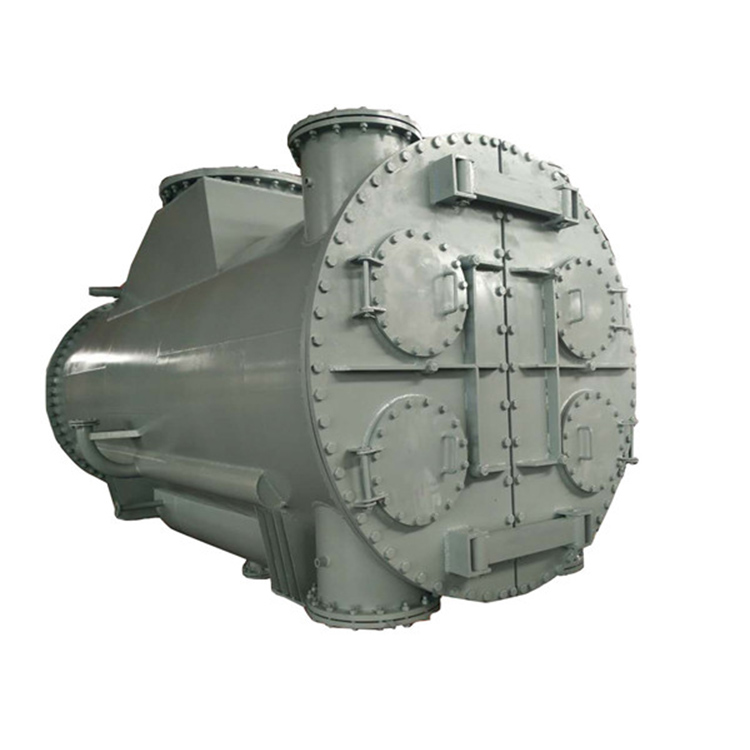
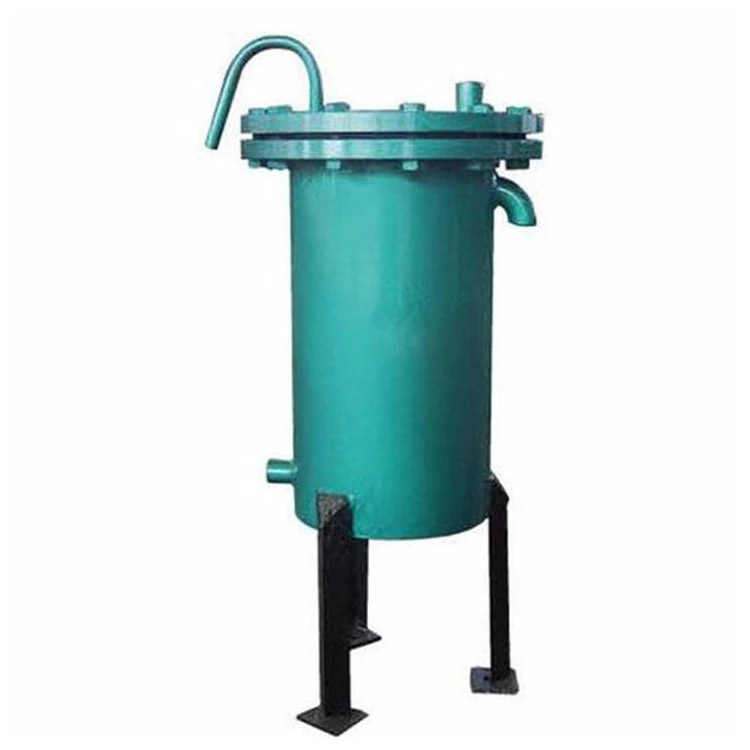
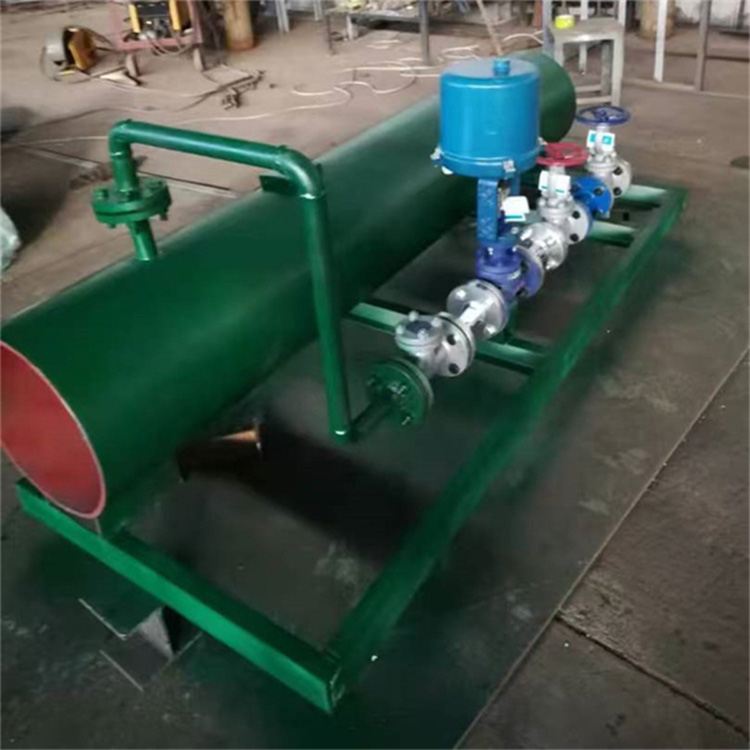
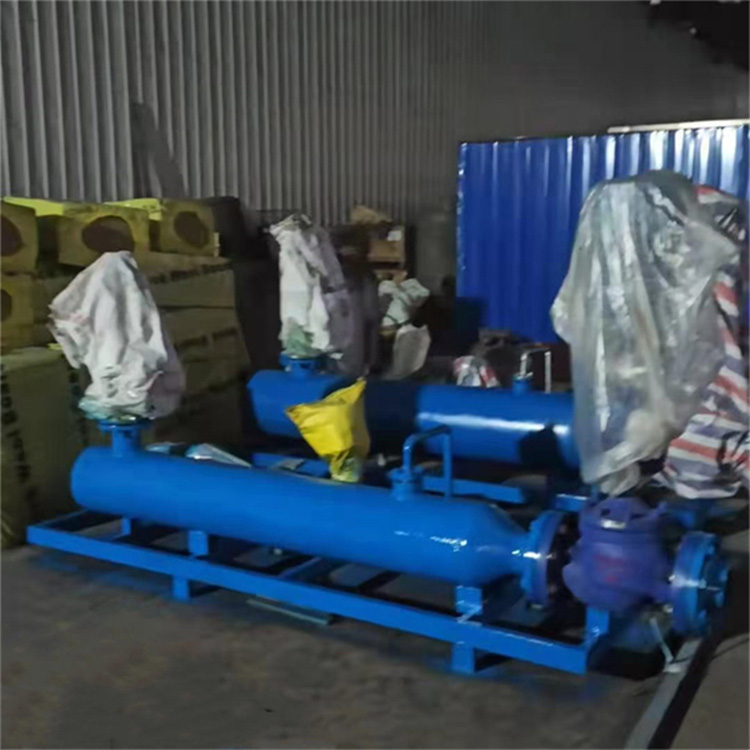
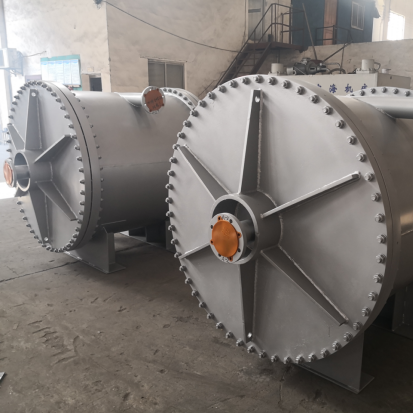
Spiral plate heat exchangers are highly efficient heat exchange devices suitable for vapor-vapor, vapor-liquid, and liquid-liquid heat transfer. They are used in industries such as chemicals, petroleum, solvents, pharmaceuticals, food, light industry, textiles, metallurgy, rolling steel, and coking. They can be categorized into non-detachable (Type I) and detachable (Type II, Type III) spiral plate heat exchangers based on their structural form.
Structure and Performance
1. This equipment is formed from two rolls, creating two even spiral channels. The two heat transfer mediums can flow in a fully counter-current manner, significantly enhancing the heat exchange efficiency. Even with two mediums with small temperature differences, it can achieve ideal heat exchange results.
2. The接管 on the housing features a tangential structure, resulting in low local resistance. Due to the uniform curvature of the helical channel, there is no significant directional change in the fluid flow within the equipment, leading to a smaller total resistance. Consequently, the design flow rate can be increased, endowing it with higher heat transfer capacity.
3. The I-type non-detachable spiral plate heat exchanger features a sealed end face with welding, thereby offering high sealing integrity.
4. The II-type single-sided removable spiral plate heat exchanger has a structure and principle similar to that of non-removable heat exchangers, but one channel can be removed for cleaning, particularly suitable for heat exchange with sticky or sedimentary liquids.
5. The III-type removable double-sided spiral plate heat exchanger operates on a principle similar to that of non-removable heat exchangers, but with the distinction that its two channels can
Disassemble and clean, with a wide range of applicability.
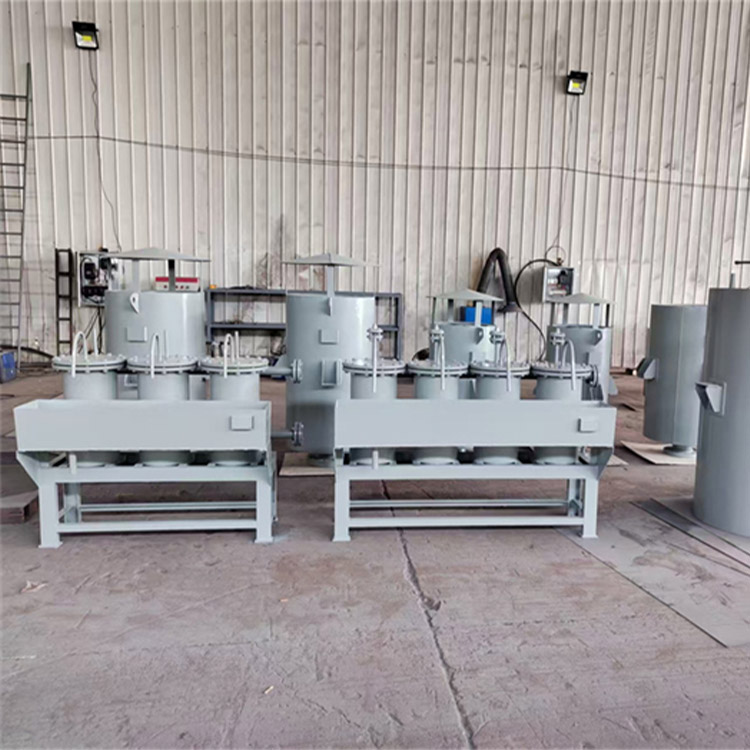
6. When a single unit does not meet the usage requirements, multiple units can be combined, but the following regulations must be adhered to during combination: parallel combination, series combination, and the same spacing between equipment and channels. Mixed combination: one channel in parallel and one channel in series.