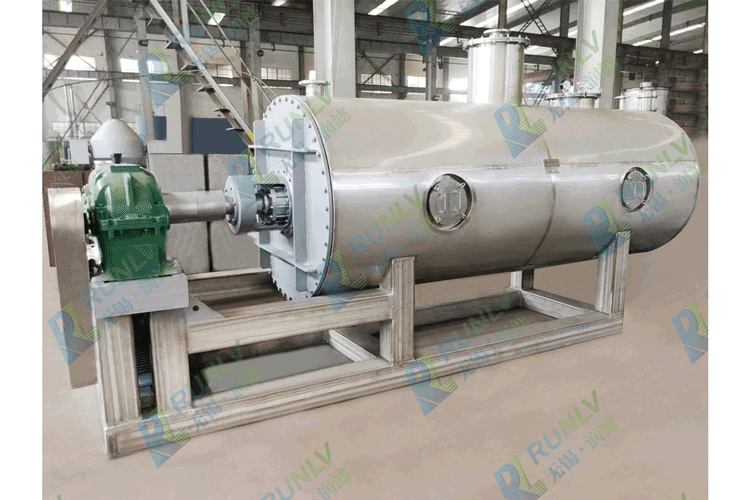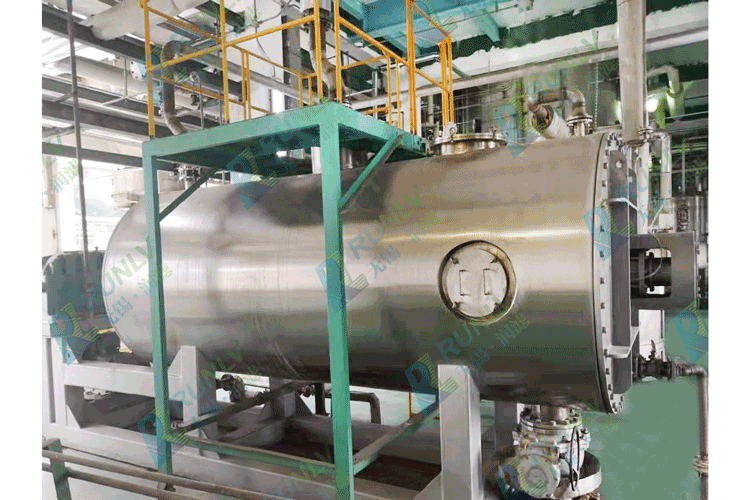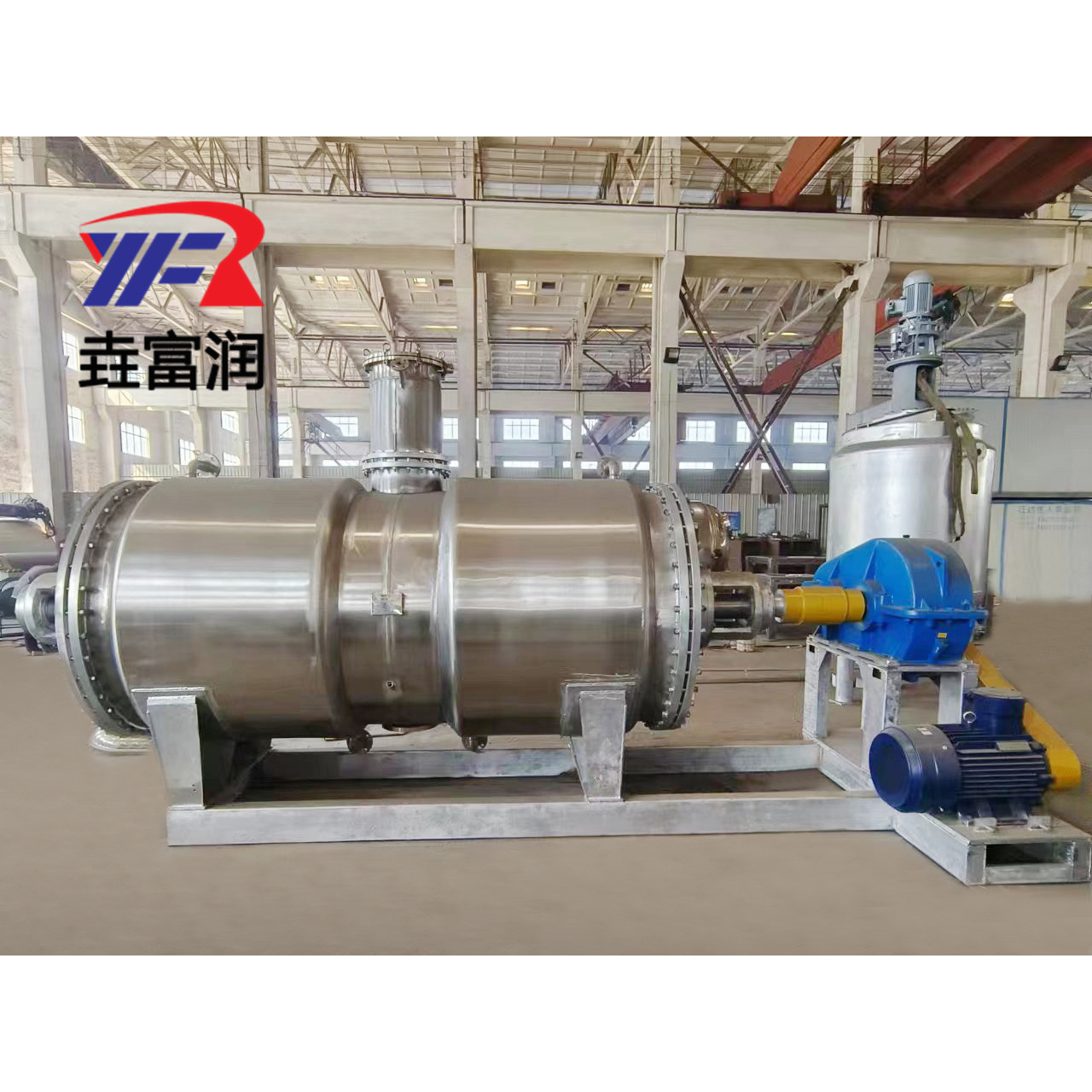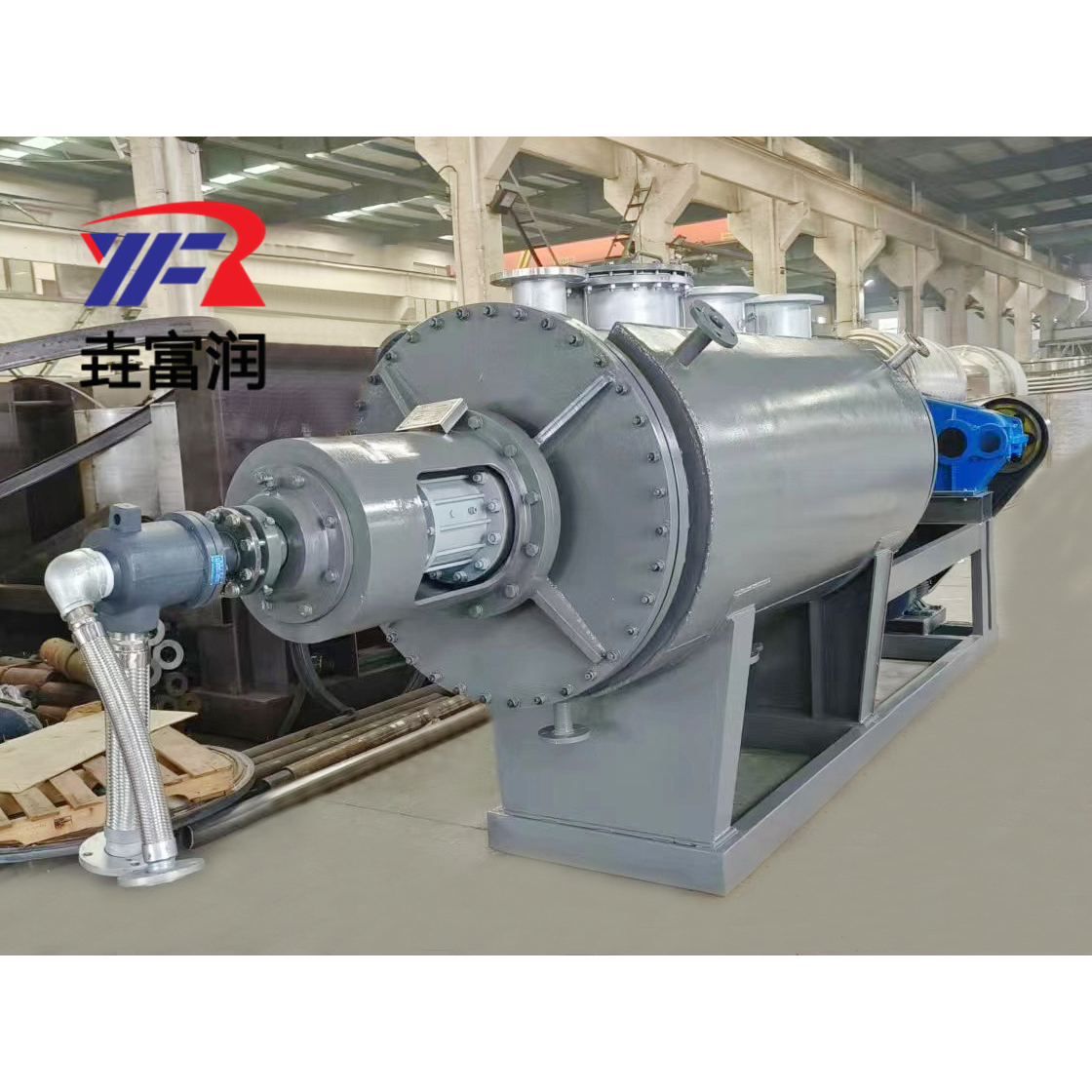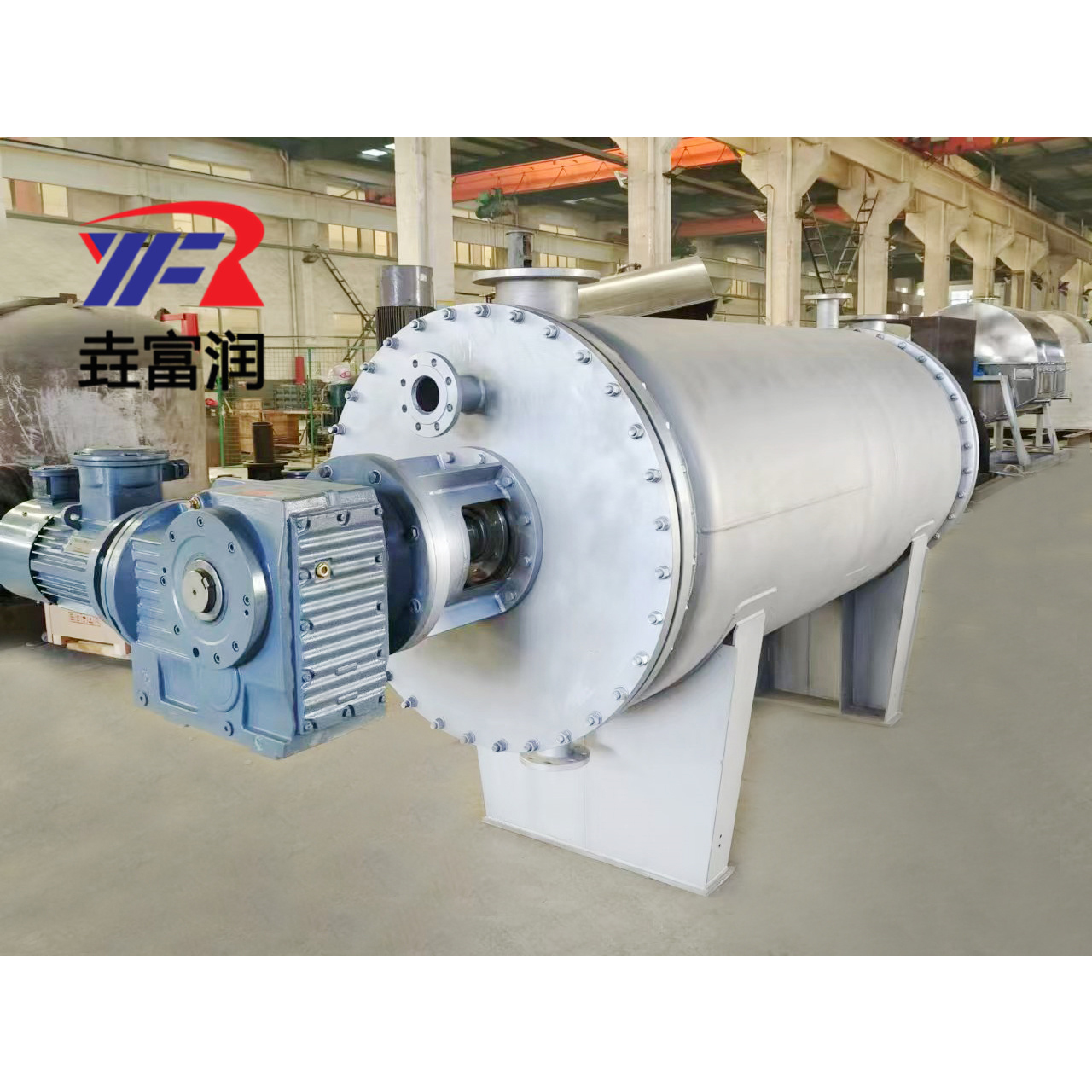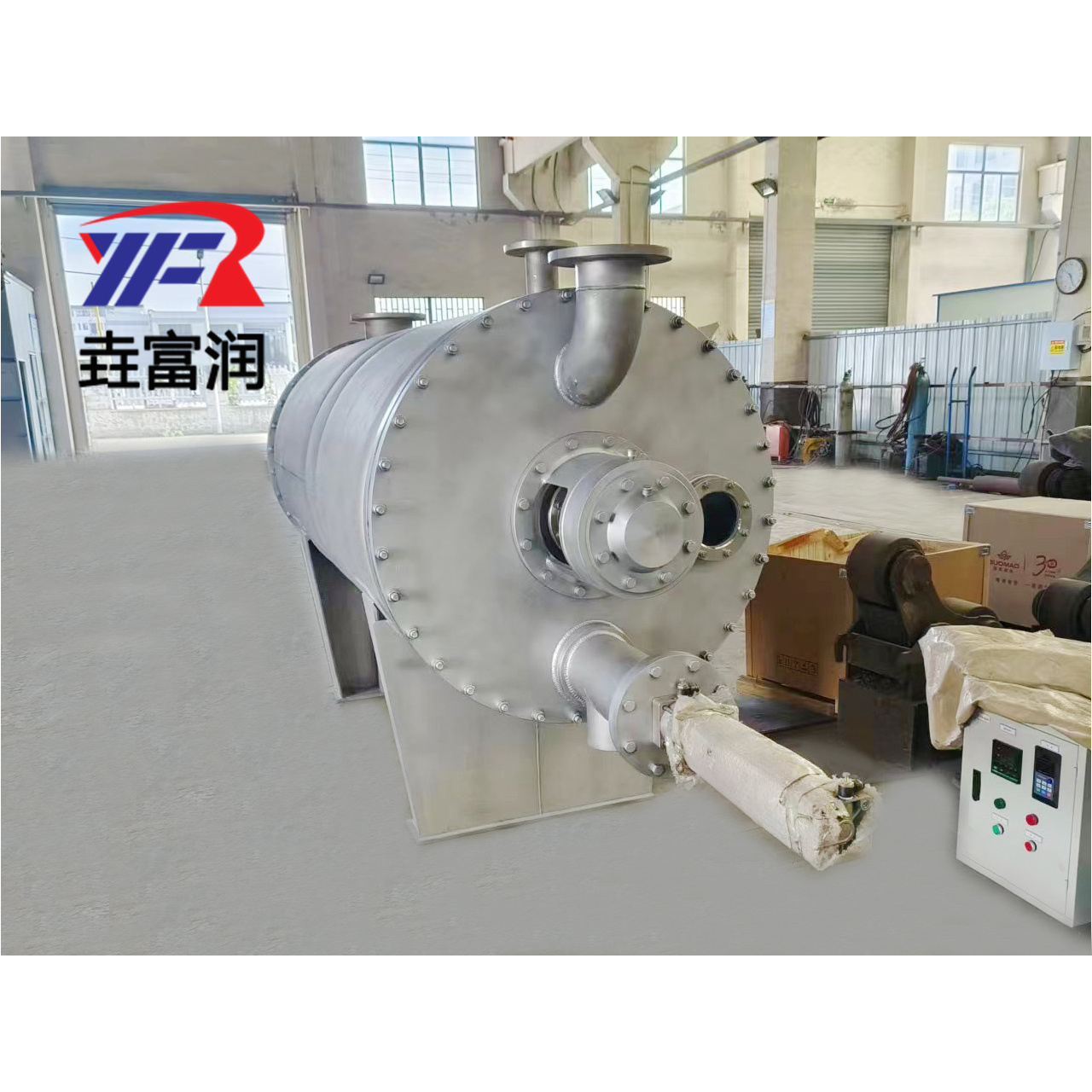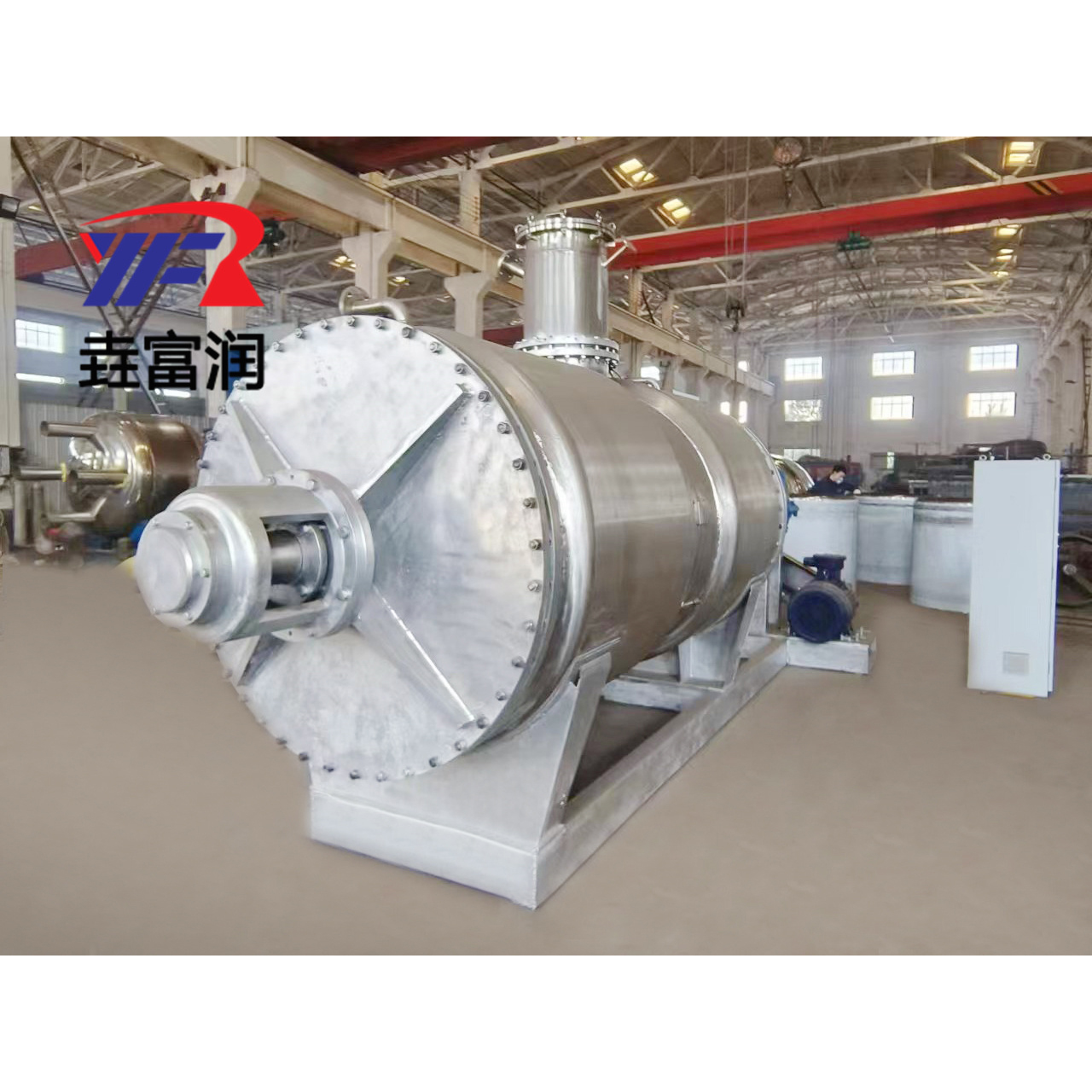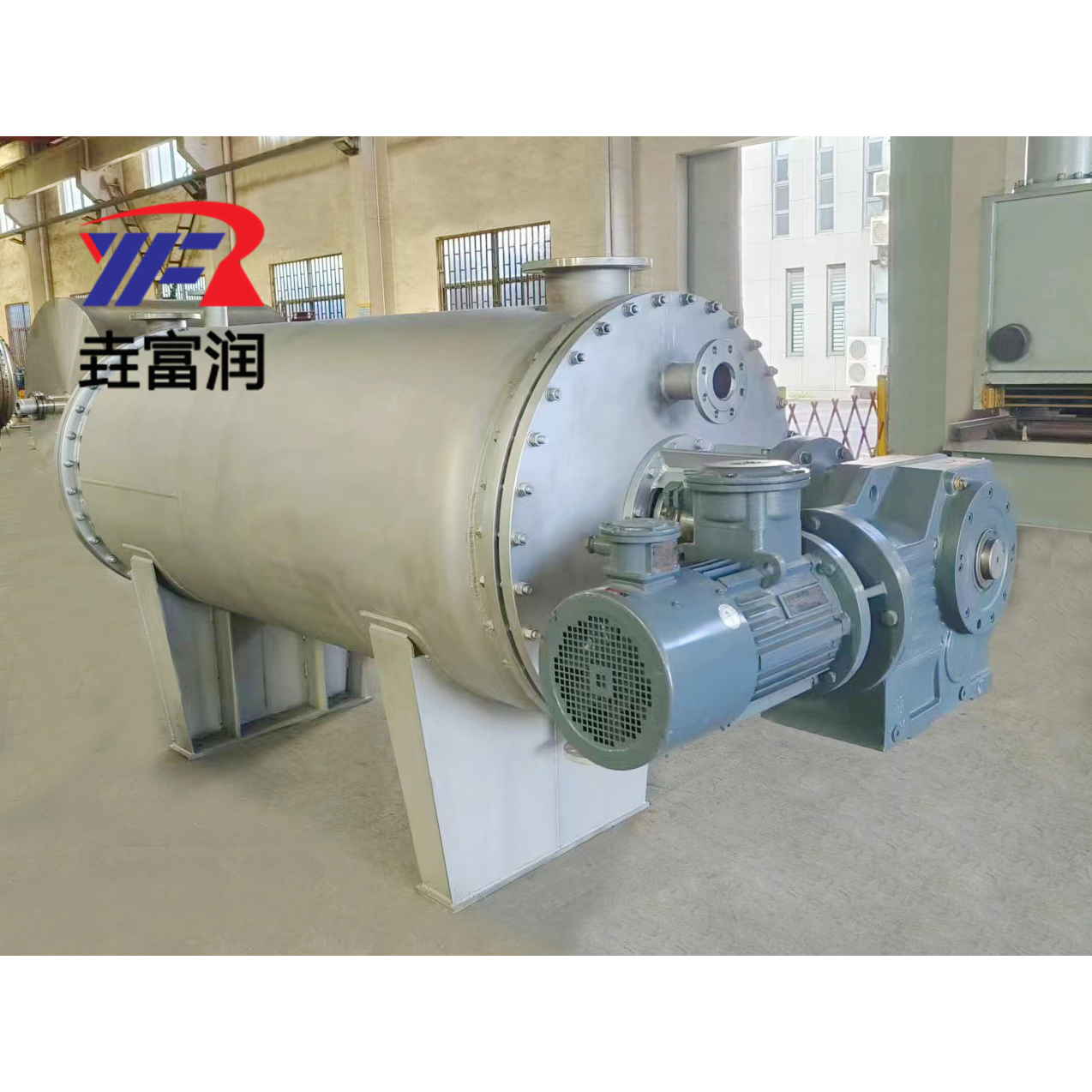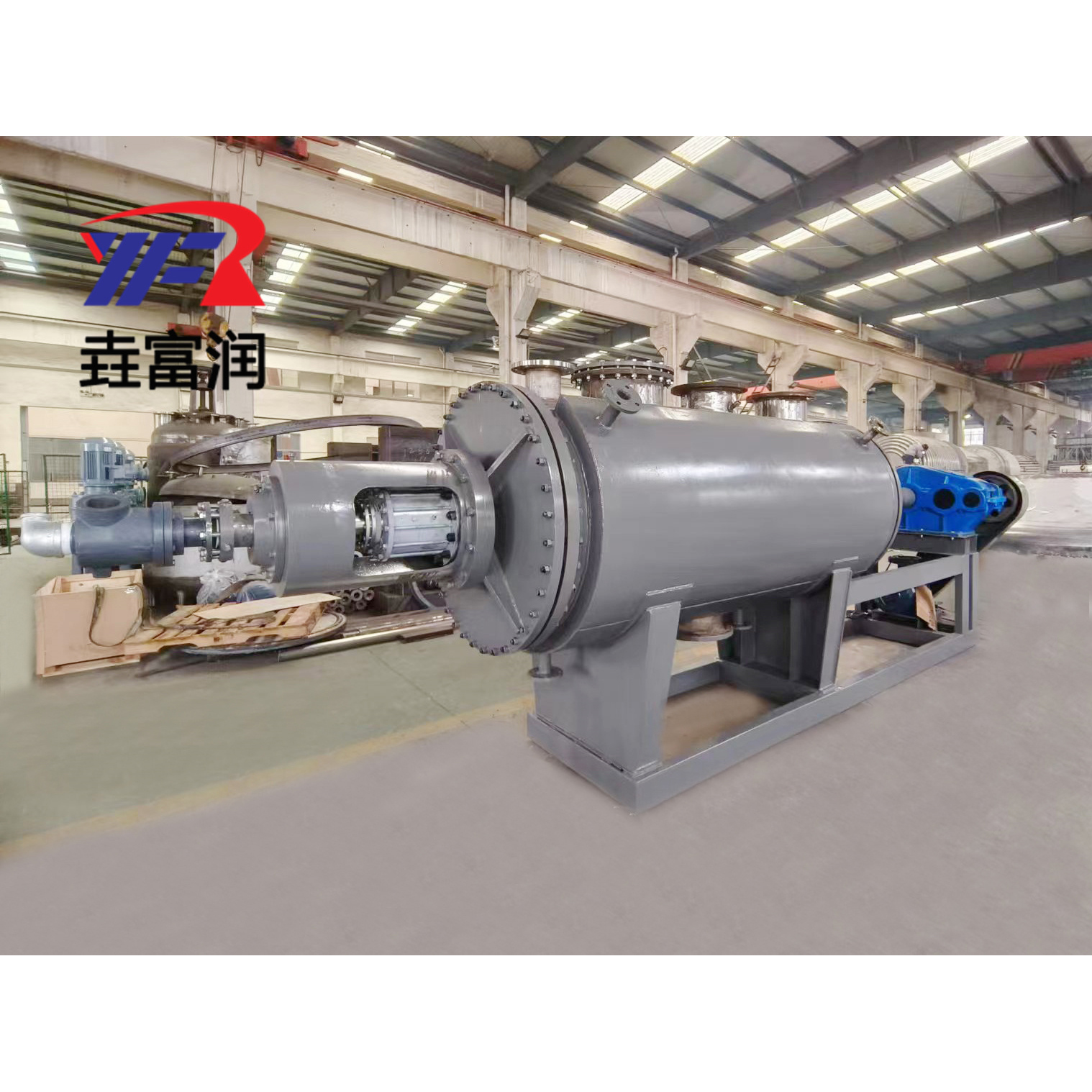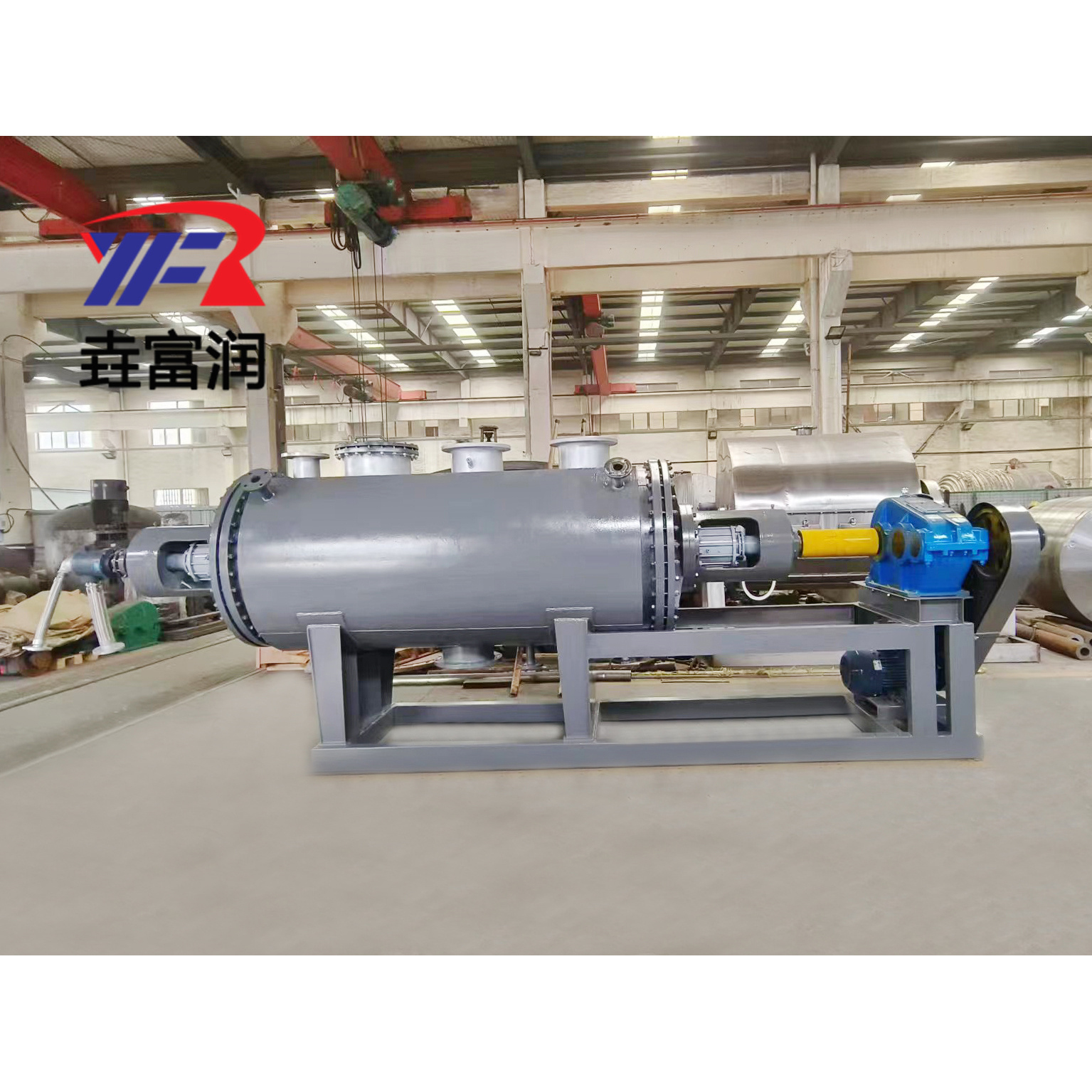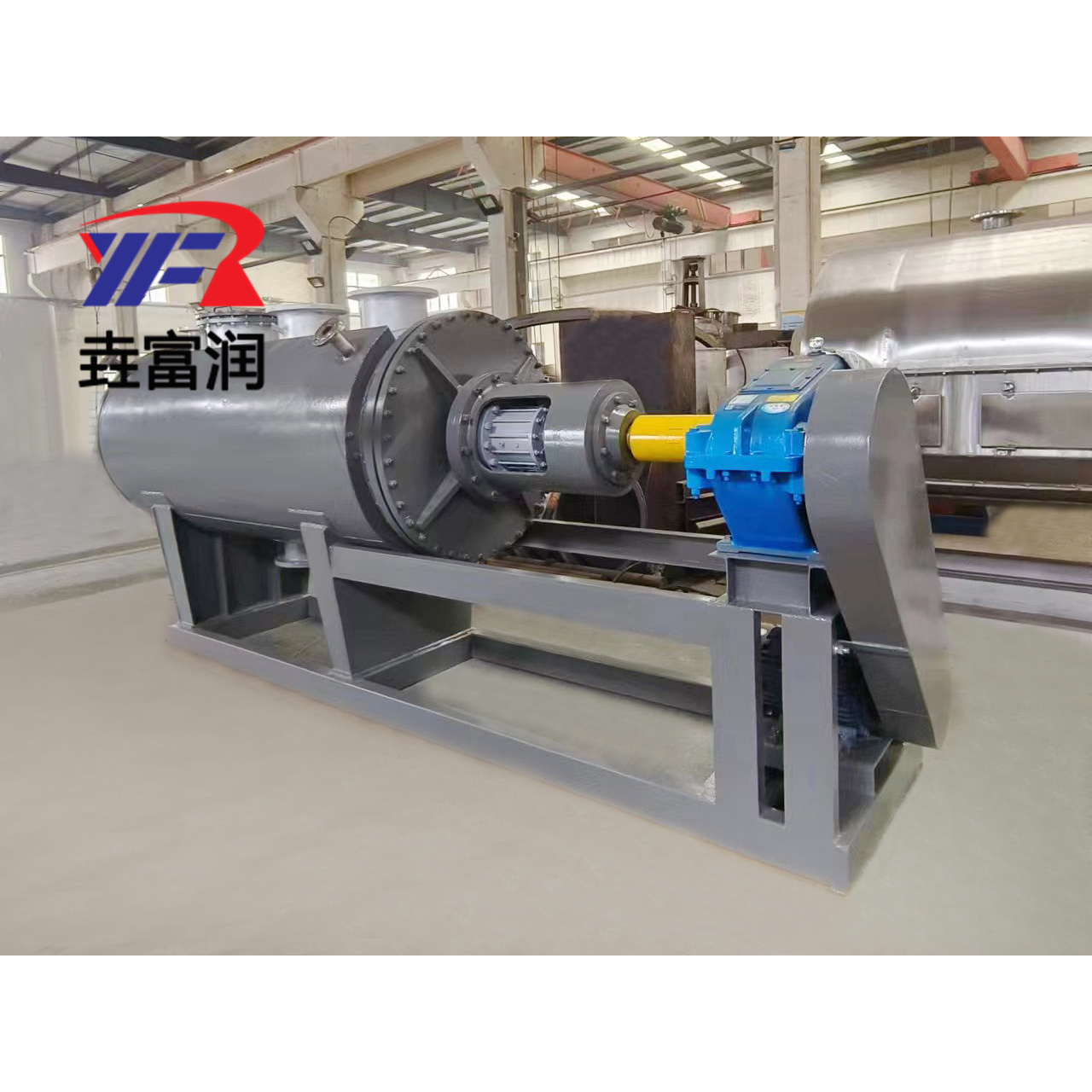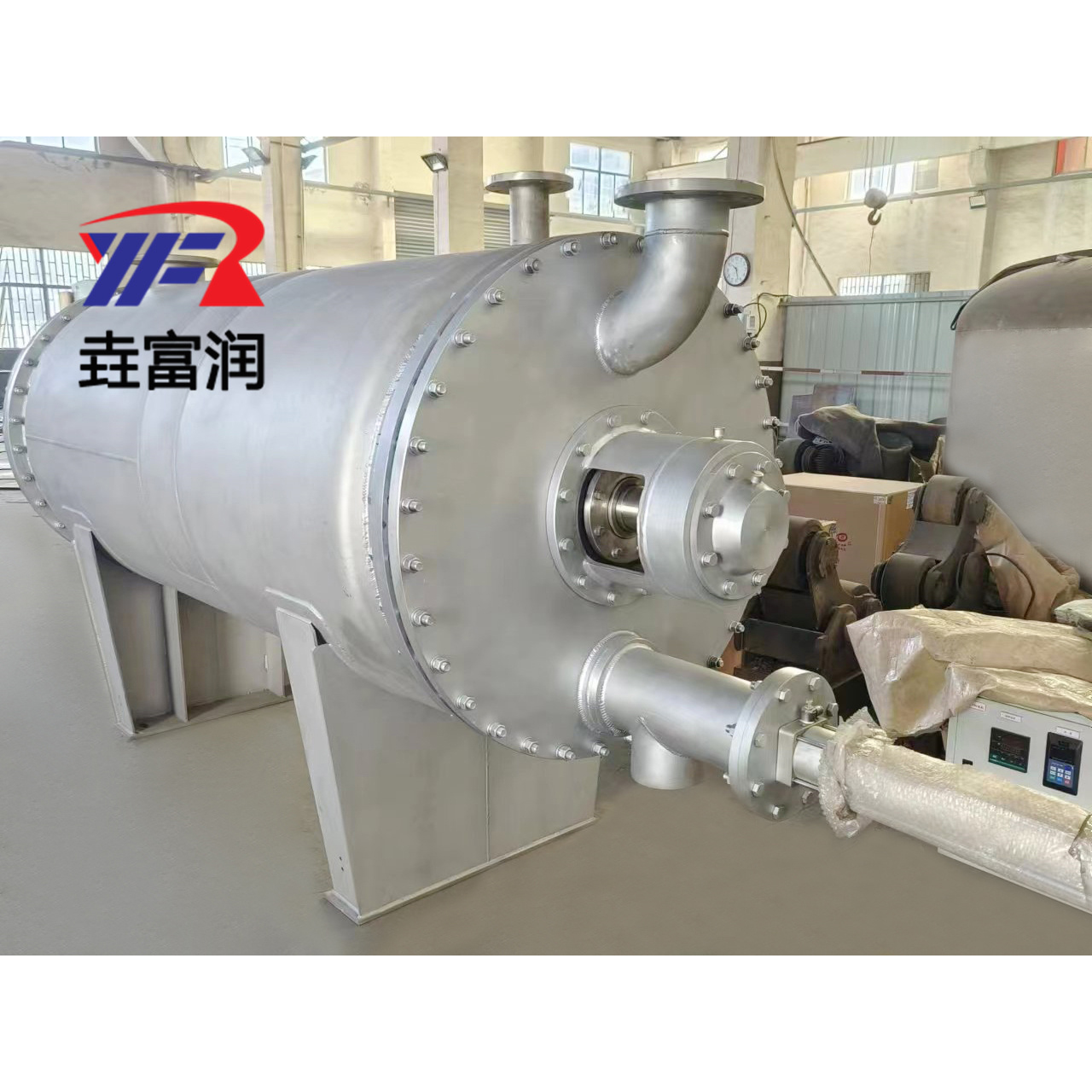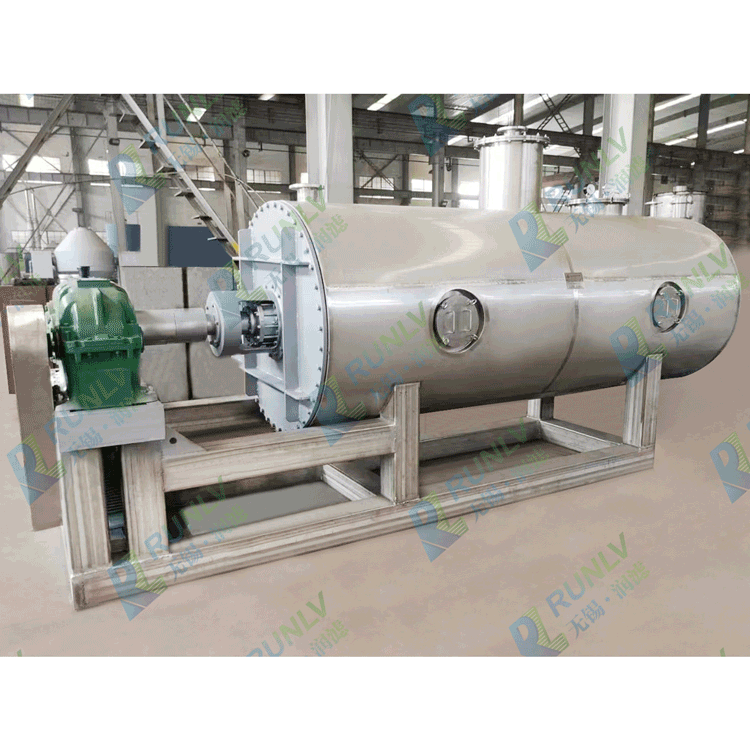

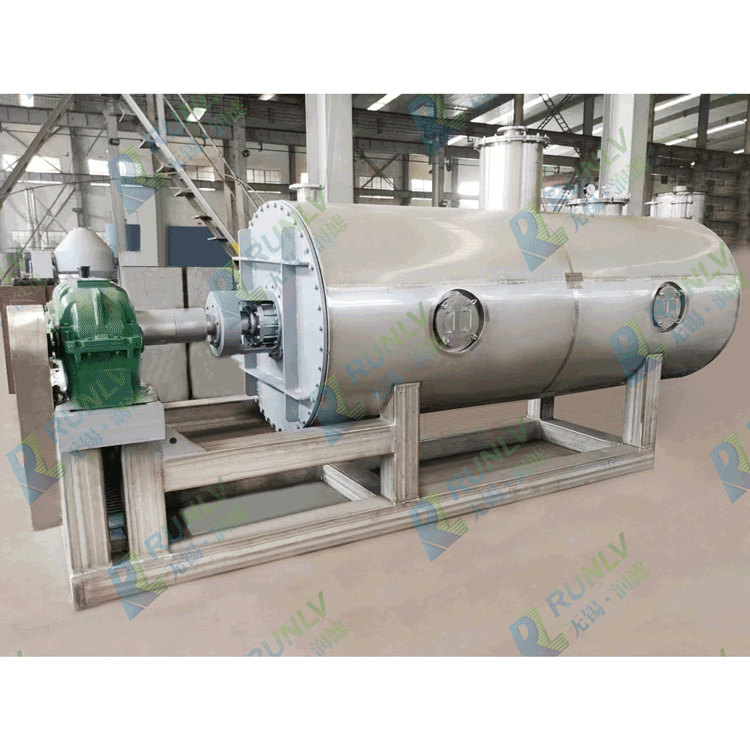
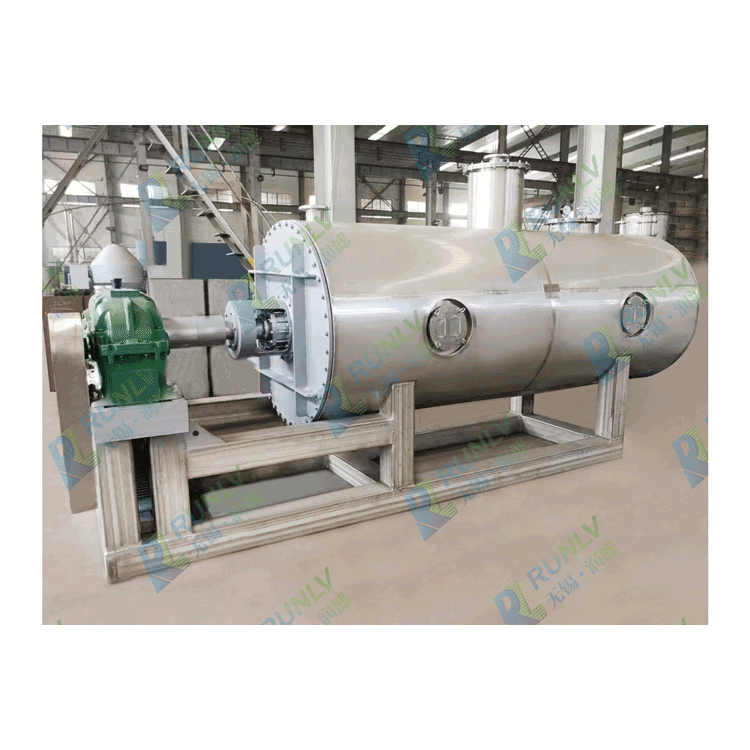
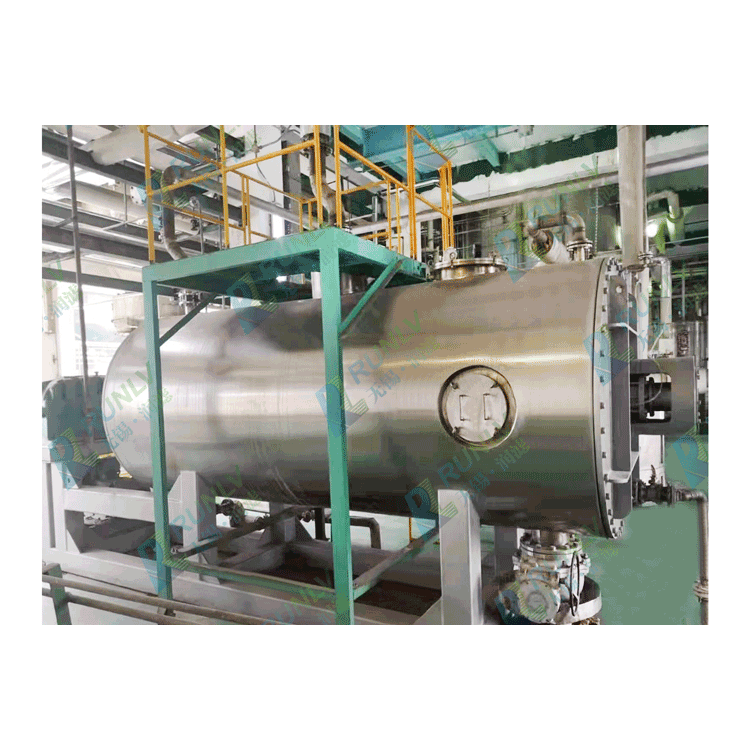


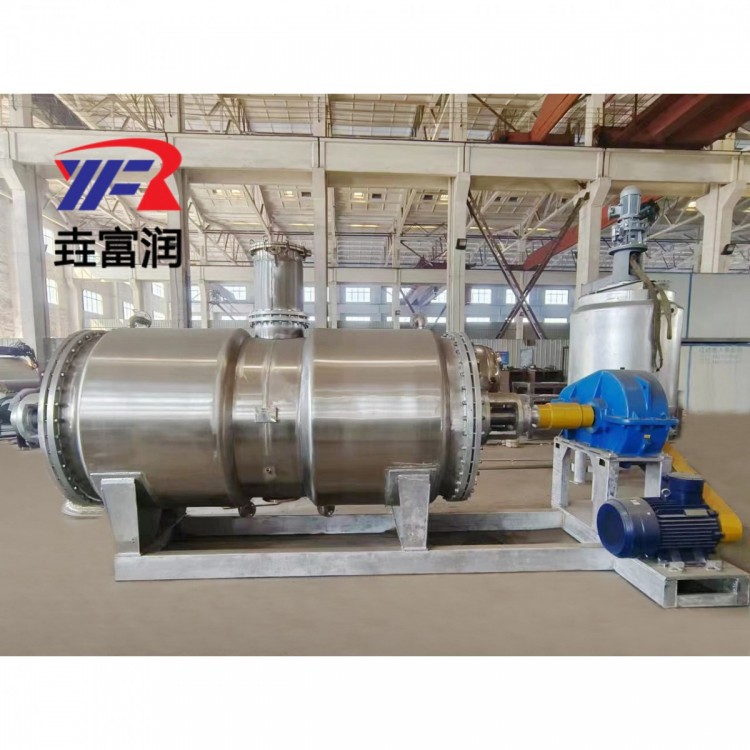
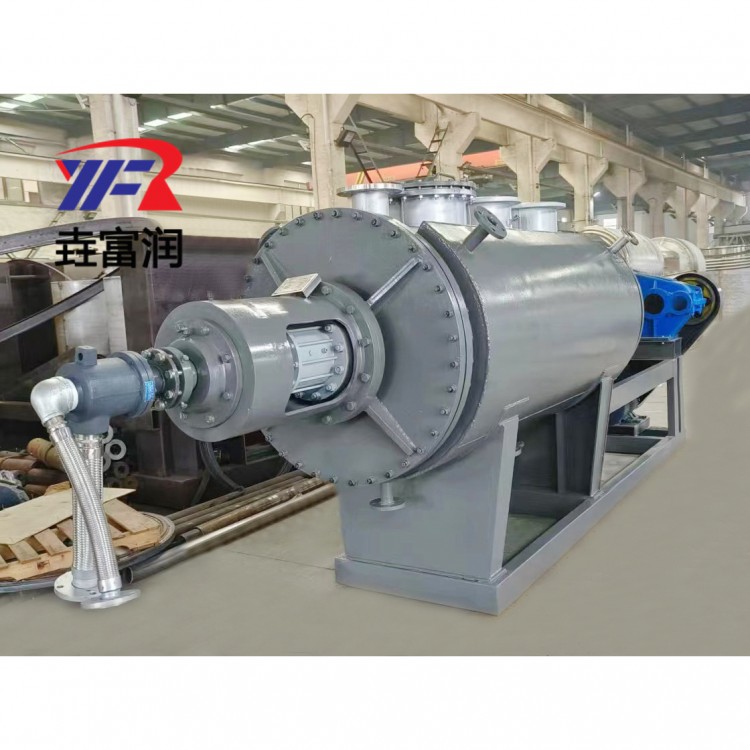
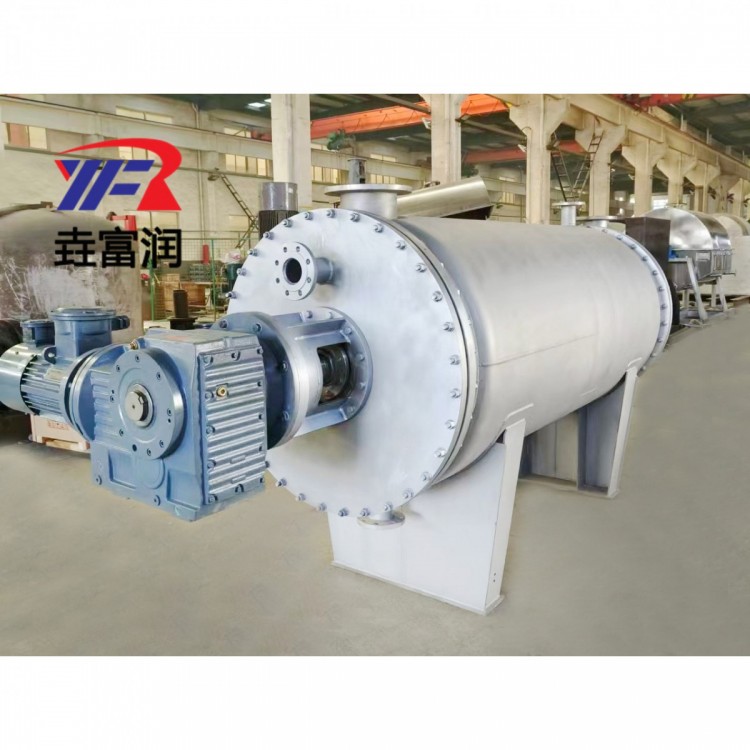
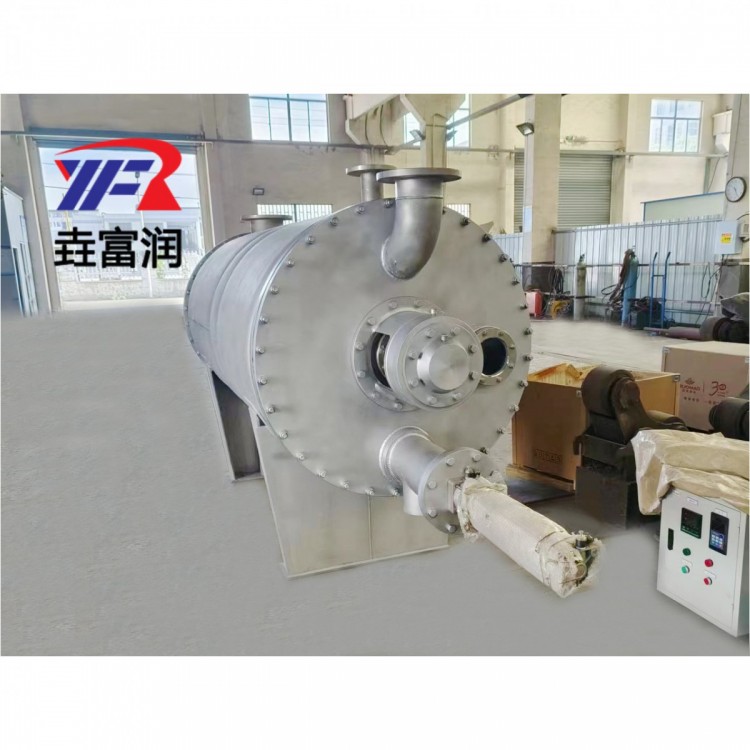
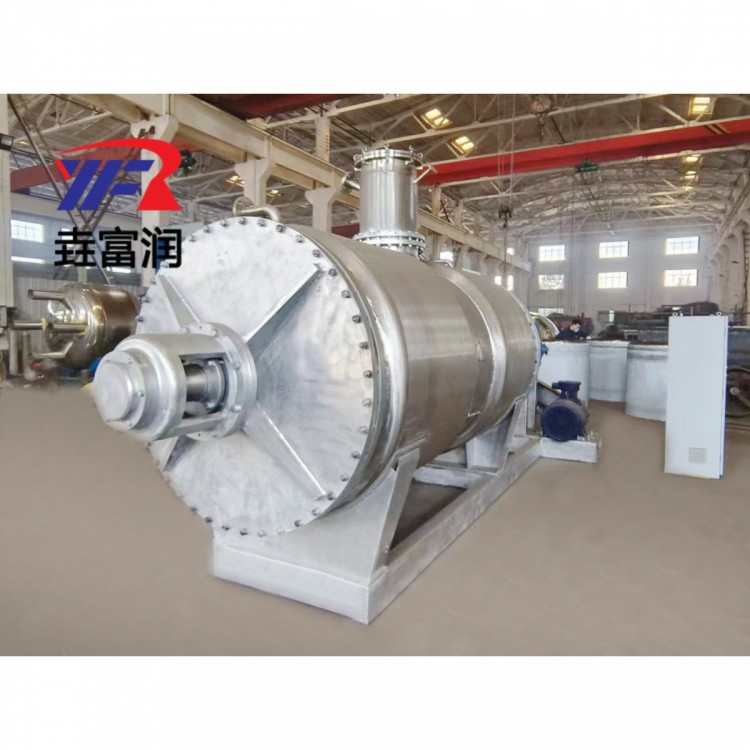






Rake dryer
Introduction
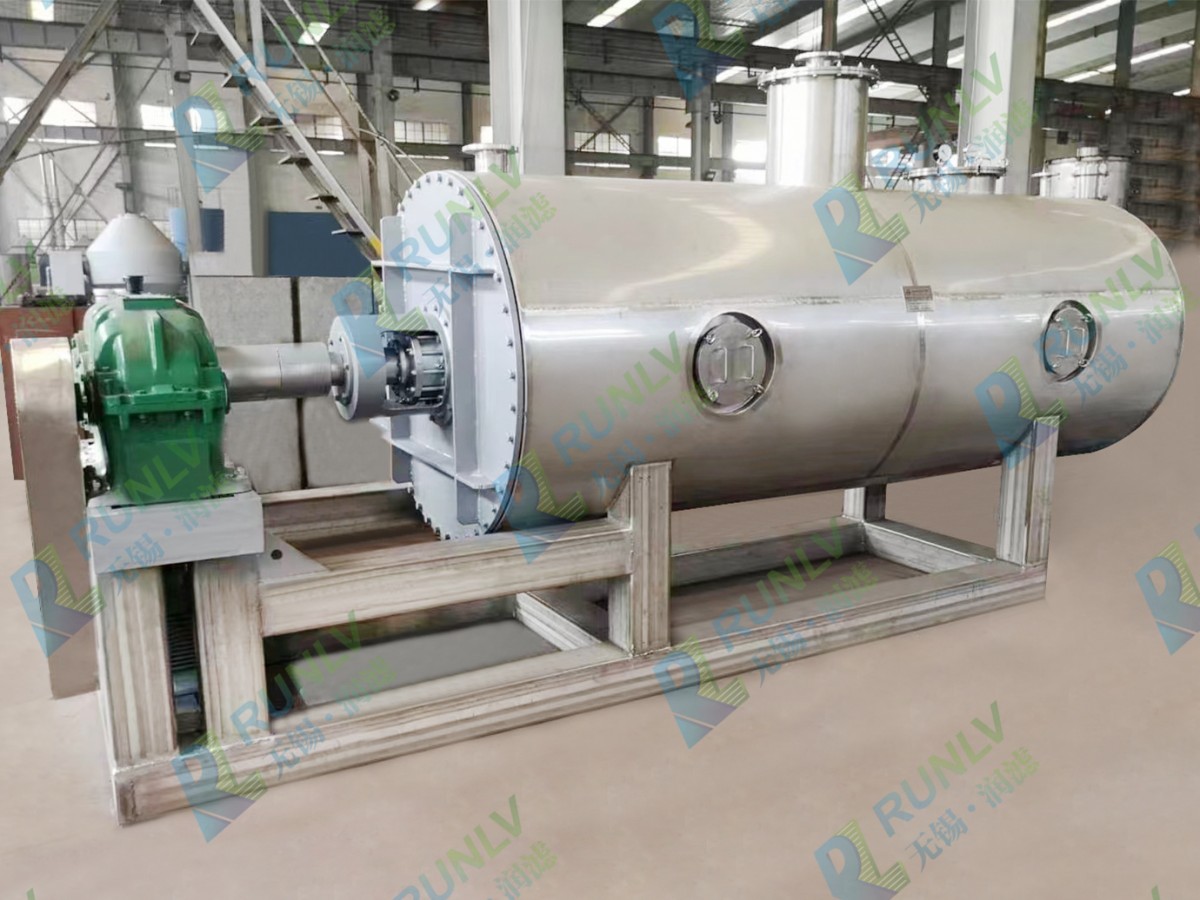
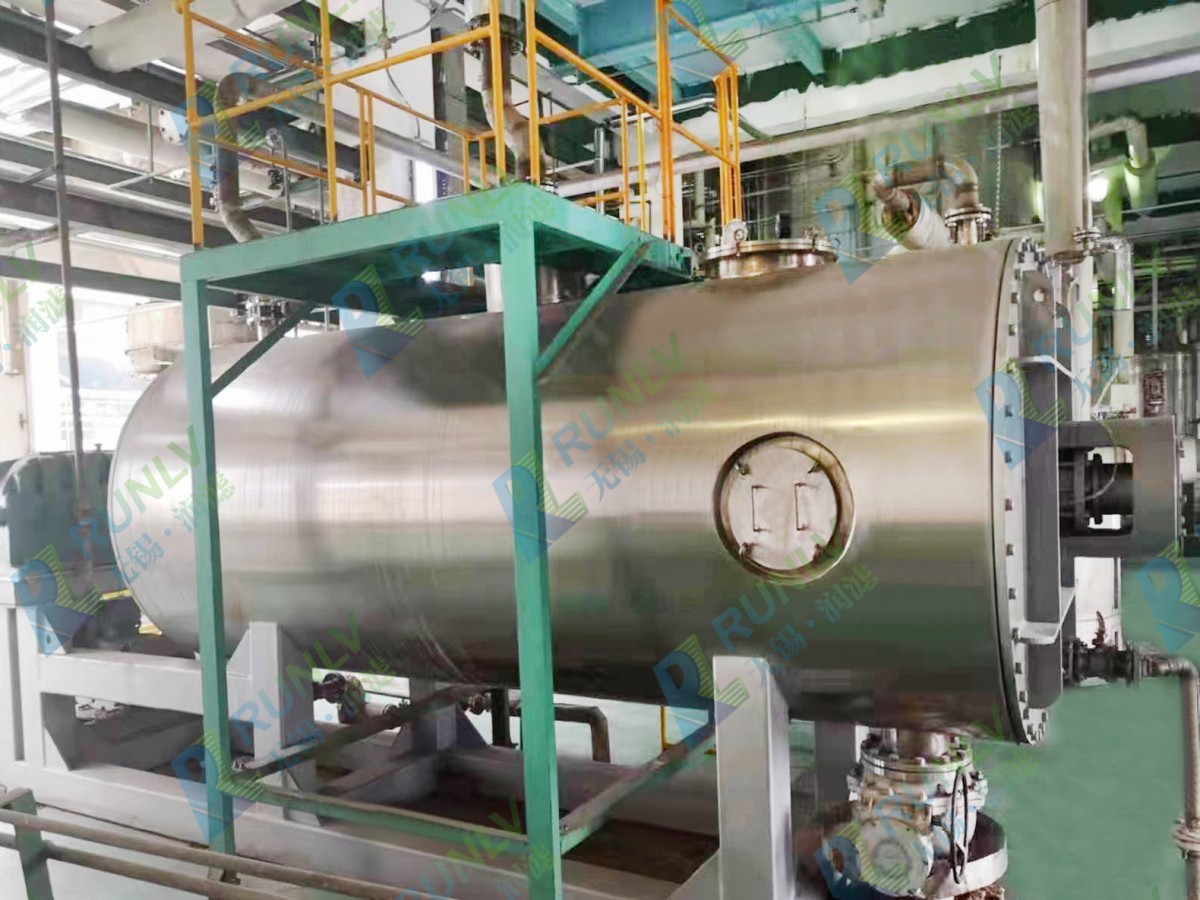
The Rake Dryer is a strengthened and improved design based on the domestic traditional vacuum rake dryer technology, specifically tailored for various materials such as pasty, creamy, granular, powdered, and fibrous substances. The transmission part utilizes a stable and durable cylindrical gear reducer, and the drive shaft is equipped with a thick solid shaft to ensure the stable operation of the vacuum rake dryer under various harsh working conditions.
Operating Principle
The耙式干燥机 is a strengthened and improved design based on the domestic traditional vacuum耙式干燥机 technology, catering to various materials such as pasty, creamy, granular, powdered, and fibrous. The transmission part utilizes a stable and durable cylindrical gear reducer, while the driving shaft is equipped with a thick solid shaft, ensuring the stable operation of the vacuum耙式干燥机 under various harsh working conditions.
Product Features
Equipment features simple structure, small footprint, easy operation, and wide application range. Low failure rate, easy to achieve fully automatic feeding and unloading control.
Application Scope
Rake dryers are particularly suitable for drying heat-sensitive materials, materials prone to oxidation at high temperatures, materials that tend to clog during drying, and materials where the steam emitted during drying needs to be recovered. After drying, the material is in a powdered form, making it ideal for materials that are intended to be in powder form as finished products, as it can be packaged directly without the need for crushing. Industries such as food and chemicals use these dryers for the following materials: suitable for paste-like, slurry, and powdered materials. Heat-sensitive materials requiring low-temperature drying. Materials that are easily oxidized, explosive, highly刺激性,and highly toxic. Materials that require recovery of organic solvents. The dried materials can be in paste, slurry, granular, powdered, or fibrous form and are applied in the production process of solid alkali (potassium) compounds.