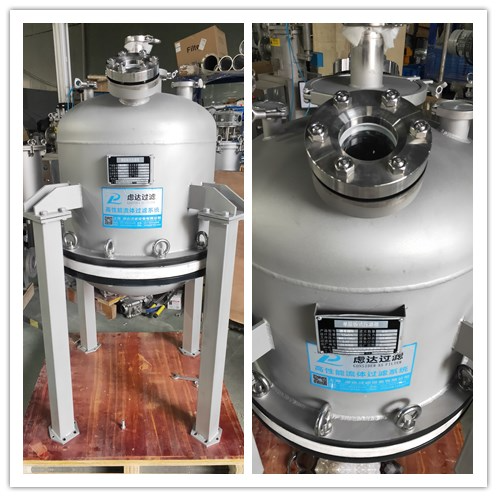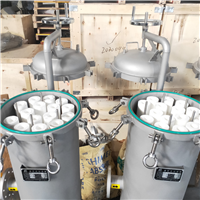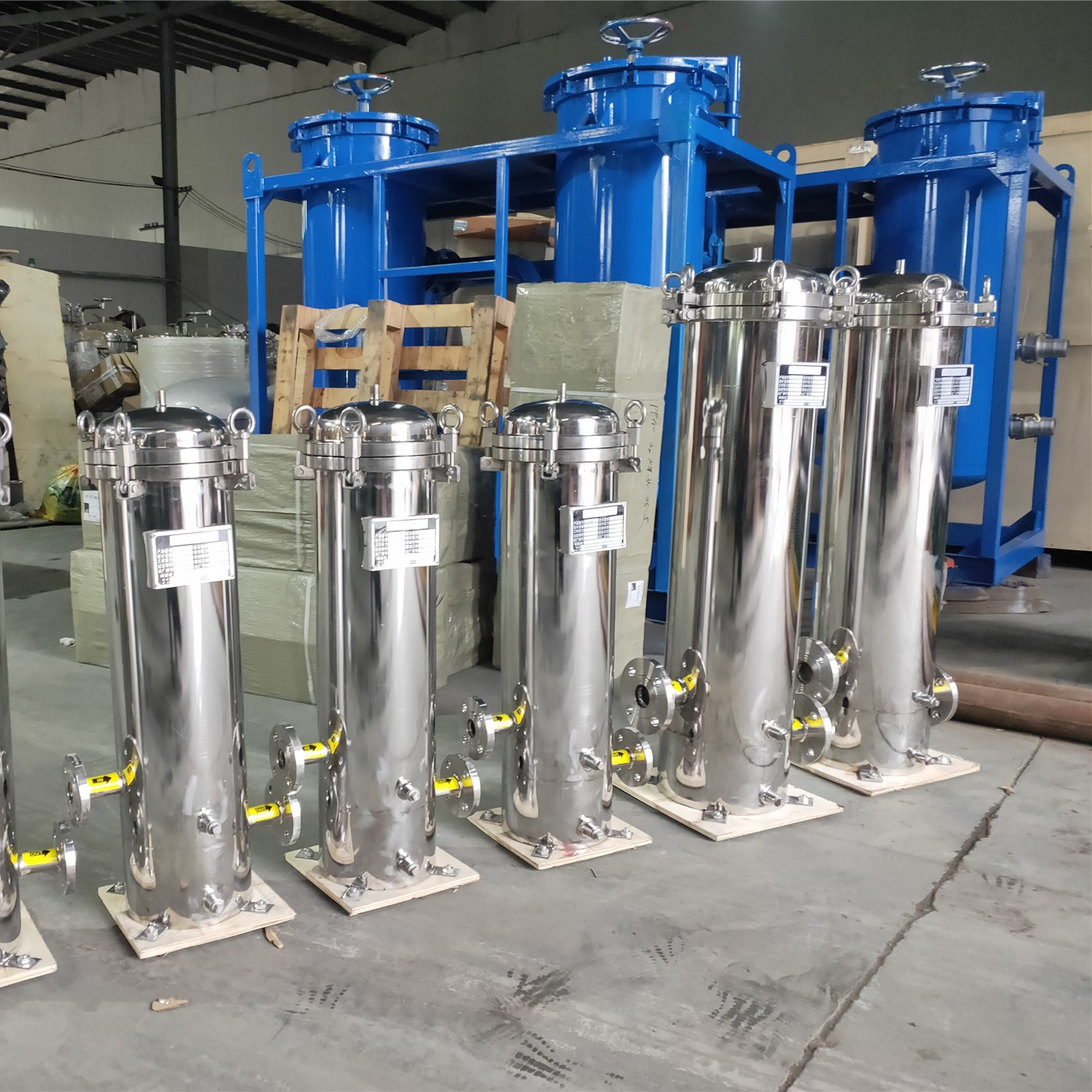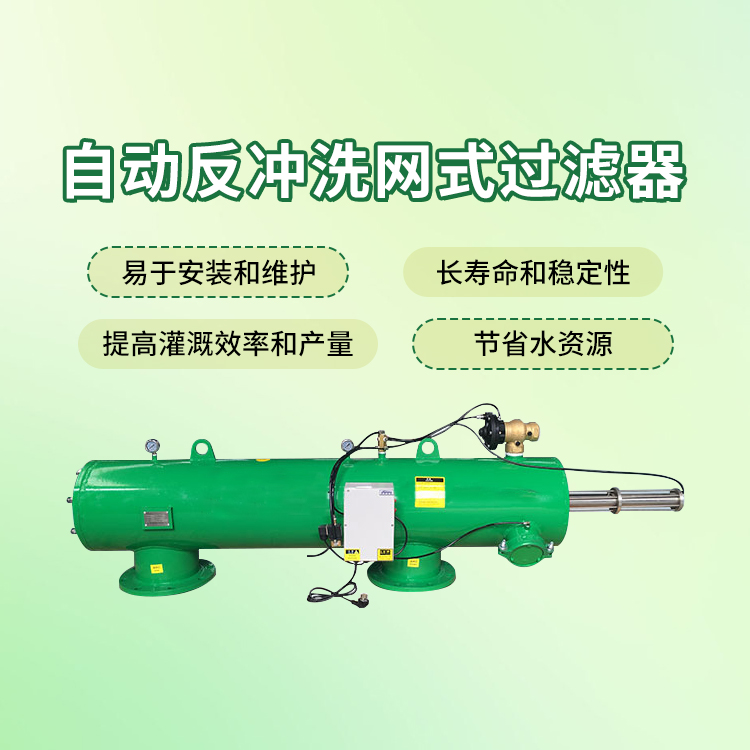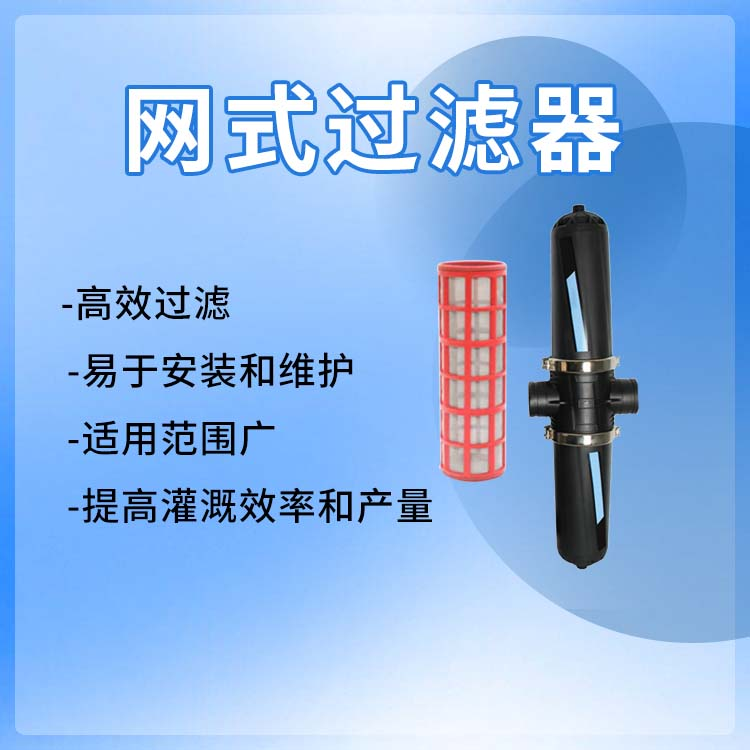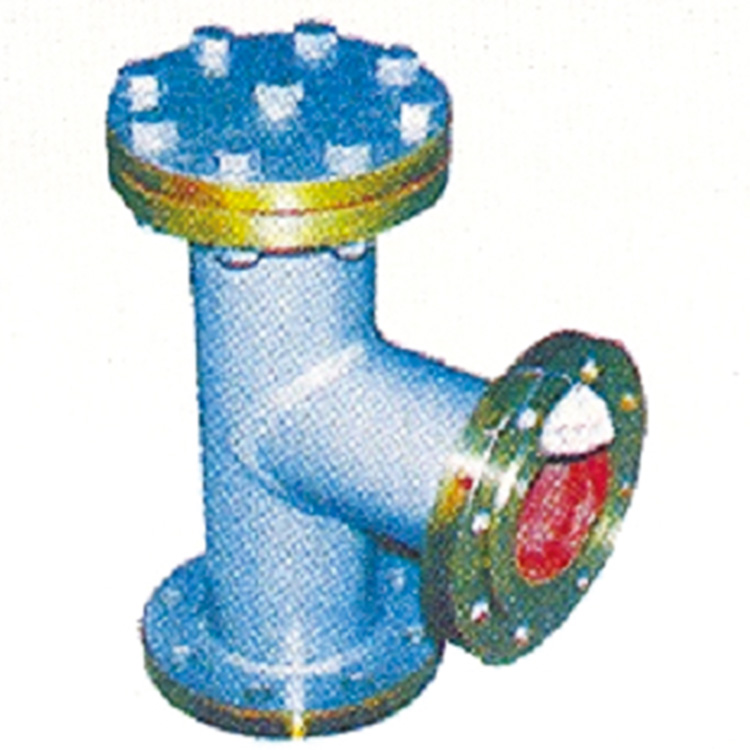
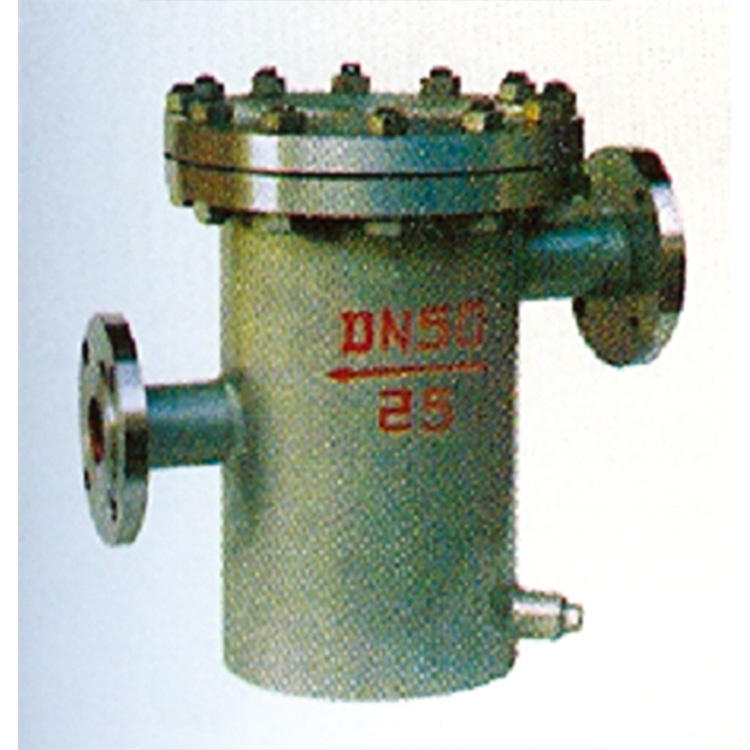
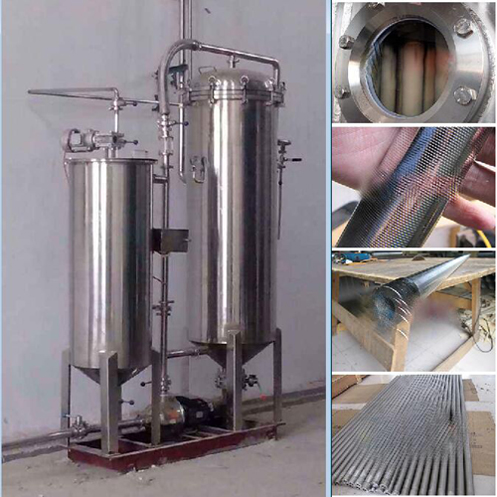
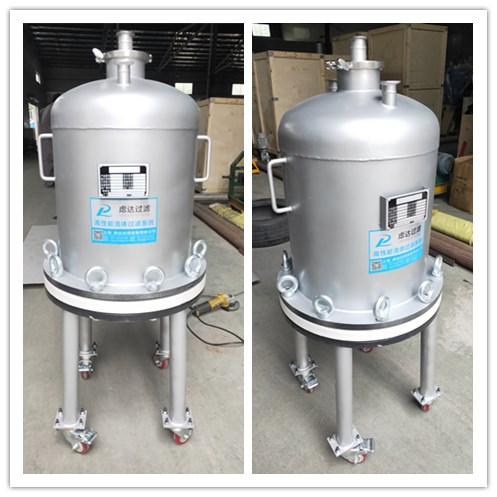







Xinxiang hammer crusher filter customization manufacturer, where to buy wholesale sales phone number. During operation, the water to be filtered enters through the water inlet, flows through the filter mesh, and then enters the required pipeline for process circulation via the outlet. The particles and impurities in the water are retained within the filter mesh. With continuous circulation, the accumulated particles increase, slowing down the filtration rate. Meanwhile, the incoming wastewater keeps entering, causing the filter holes to become smaller, resulting in a pressure difference between the inlet and outlet. When the pressure difference reaches a set value, the differential pressure transmitter sends an electrical signal to the controller, and the control system starts the motor, driven by the transmission component, to rotate the shaft. At the same time, the drain outlet opens, and the wastewater is drained out. After the filter mesh is cleaned, the pressure difference drops to the minimum value, and the system returns to the initial filtration state, operating normally. The filter consists of a housing, multi-element filter cores, backwashing mechanism, and differential pressure controller. The transverse plate inside the housing divides the inner cavity into upper and lower chambers. The upper chamber is equipped with multiple filter cores to maximize the filtering space, significantly reducing the volume of the filter. The lower chamber is fitted with a backwashing disk. In operation, the turbid liquid enters the lower chamber of the filter through the inlet, then passes through the partition holes into the inner chamber of the filter cores. Impurities larger than the gaps of the filter cores are retained, while the clean liquid passes through the gaps to the upper chamber and is discharged from the outlet. The filter uses high-intensity wedge-shaped filter meshes, controlled by pressure difference and timer, for automatic cleaning of the filter cores. When the accumulation of impurities on the filter core surface causes the pressure difference between the inlet and outlet to increase to a set value, or the timer reaches the preset time, the electric control box sends a signal to drive the backwashing mechanism. When the backwashing disk is directly opposite the filter core inlet, the drain valve opens. At this point, the system releases pressure and drains water. A negative pressure zone with a relative pressure lower than the water pressure on the outside of the filter core is formed, forcing part of the clean recycled water to flow into the inside of the filter core. The impurity particles adhered to the inner wall of the filter core are washed into the sump and discharged through the drain valve. The specially designed filter mesh creates a jet effect inside the filter core, ensuring that any impurities are washed off the smooth inner wall. When the pressure difference between the inlet and outlet of the filter returns to normal or the timer reaches the set time, the entire process continues with the material flowing continuously, with minimal backwashing water usage, achieving continuous and automated production. Filters are widely used in metallurgy, chemical industry, petroleum, papermaking, food, mining, power, and urban water supply fields. They are used for filtering industrial wastewater, recycled water, emulsion regeneration, waste oil filtration treatment, continuous casting water systems, blast furnace water systems in the metallurgical industry, and high-pressure water descaling systems for hot rolling. It is an easy-to-operate fully automatic filtration device.
Product Real Photos