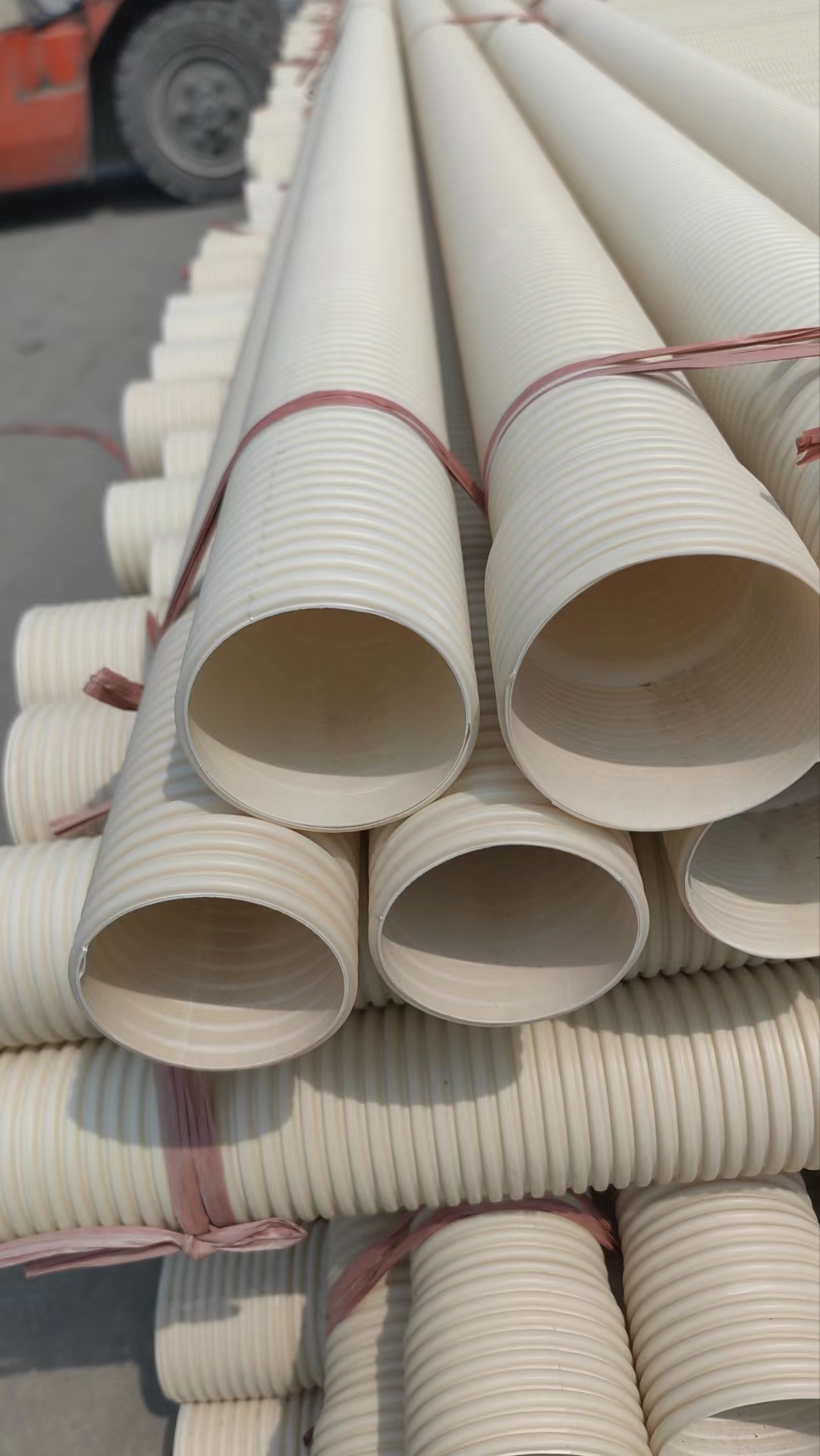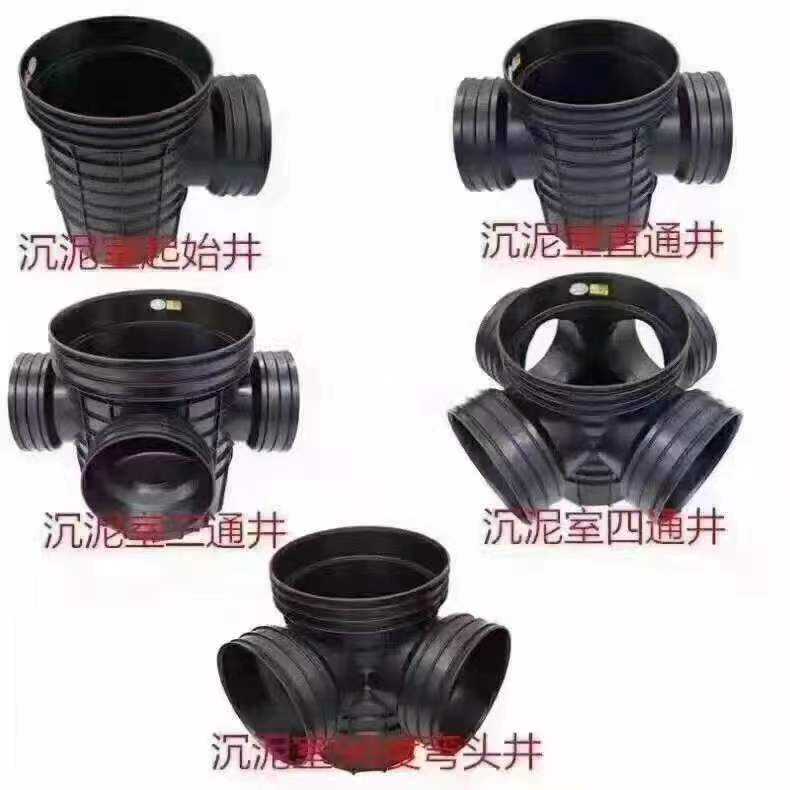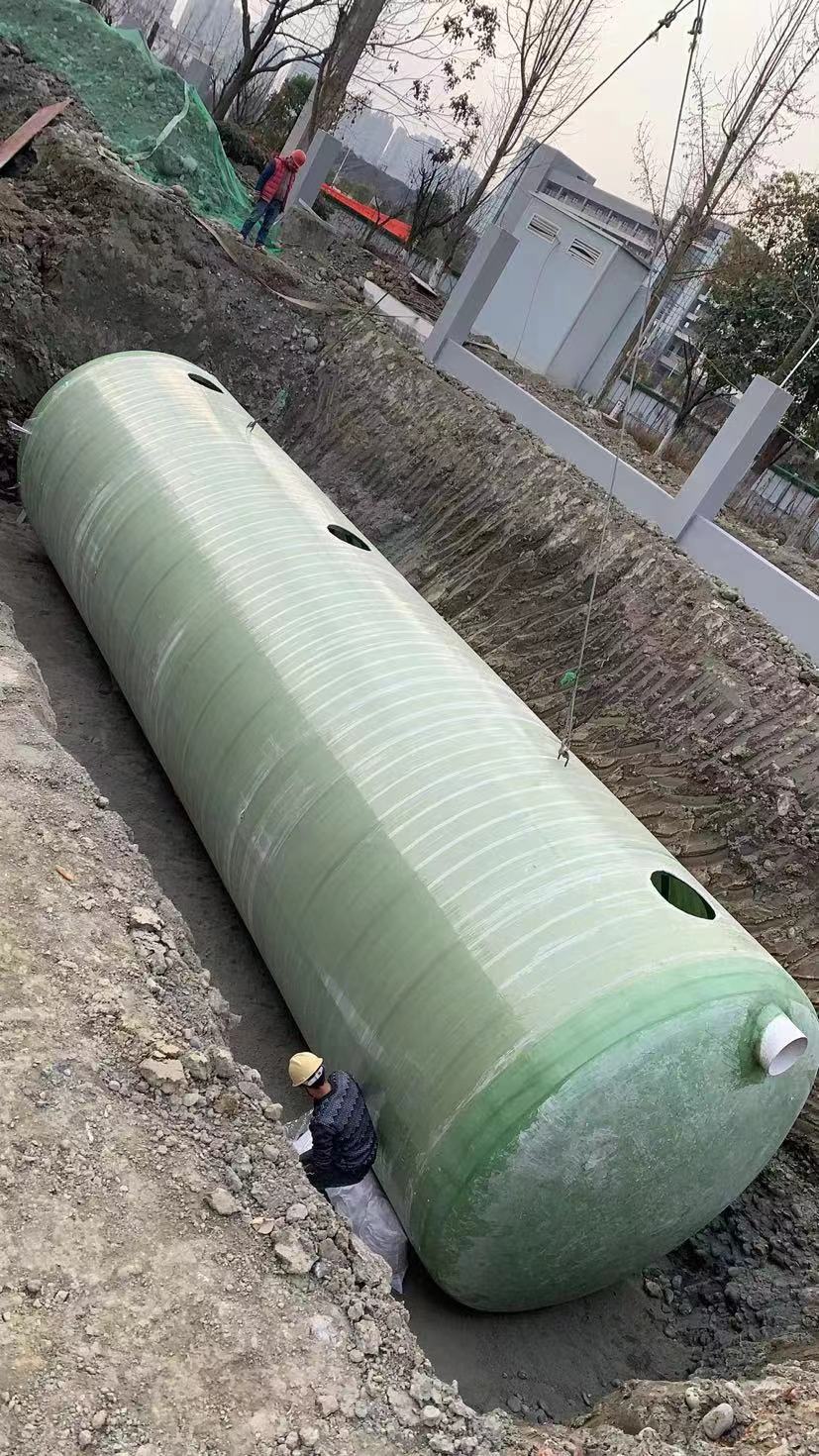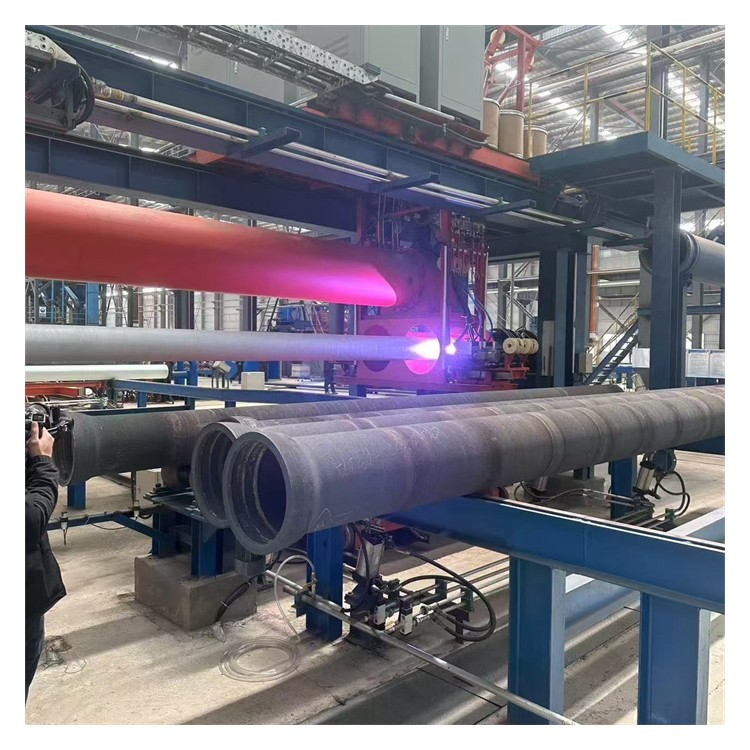


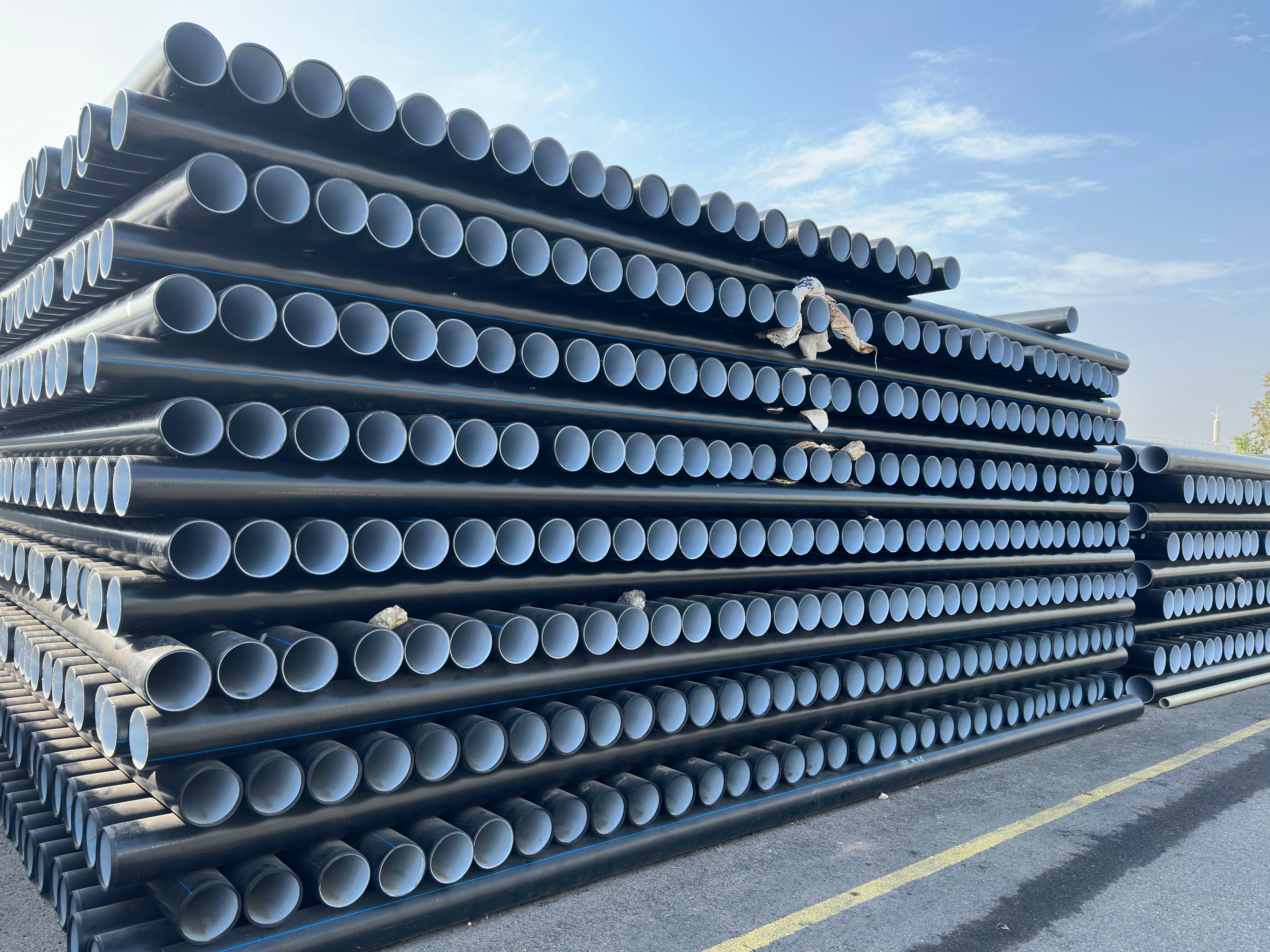





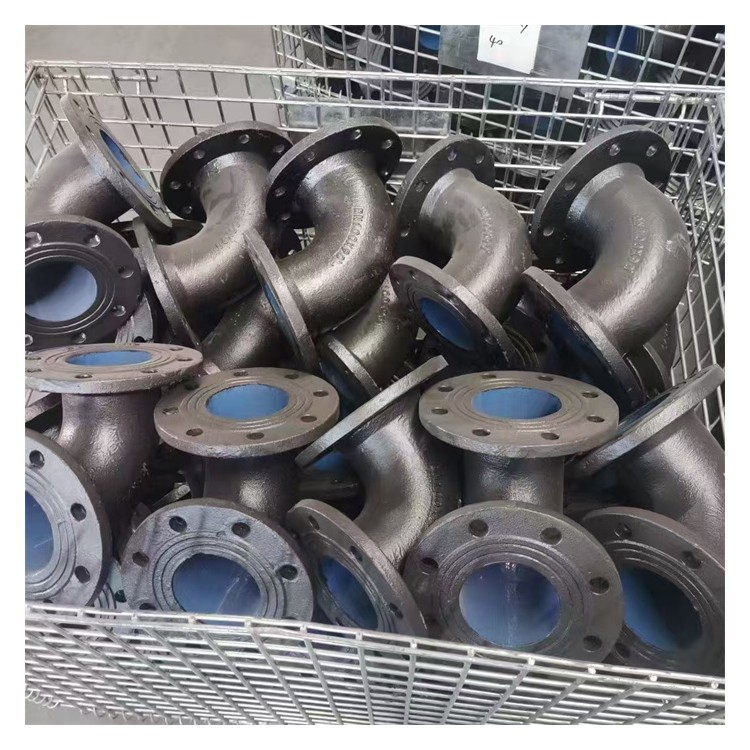

Ductile iron waste pipe, also known as ductile cast iron waste pipe, is a pipeline product with excellent performance and wide application, particularly suitable for urban waste water networks, industrial waste water pipelines, and other waste systems requiring high pressure and load-bearing capacity. Below is a detailed introduction to ductile iron waste pipes:
I. Material Characteristics
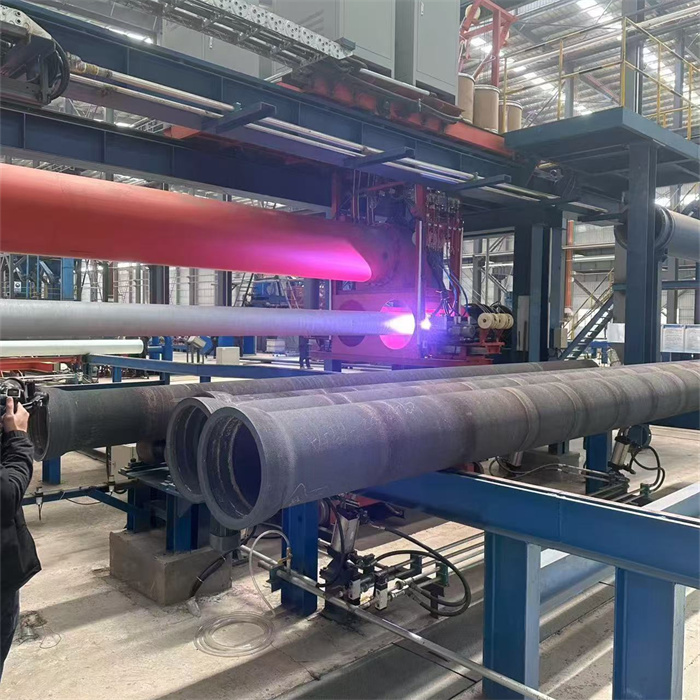
Ductile iron is produced by adding magnesium or rare earth magnesium alloy nodulizing agents before casting, which promotes the spheroidization of graphite, thereby reducing stress concentration and enhancing the strength, elongation, and impact resistance of the pipe material. Compared to gray cast iron, ductile iron boasts higher strength and toughness, capable of withstanding greater pressure and external loads.
II. Performance Advantages
● High Strength and Tensile Resistance: Ductile iron soil pipe features high tensile and yield strength, capable of withstanding significant internal and external pressures without easy fracturing.
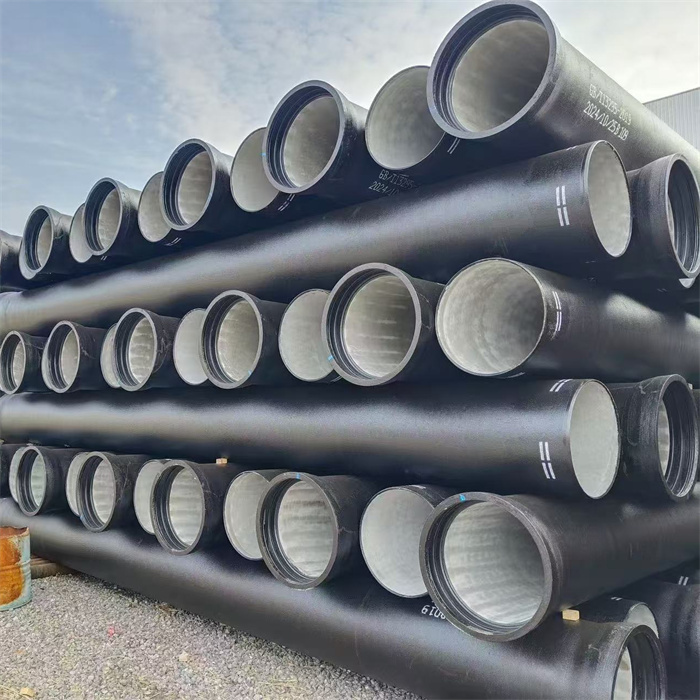
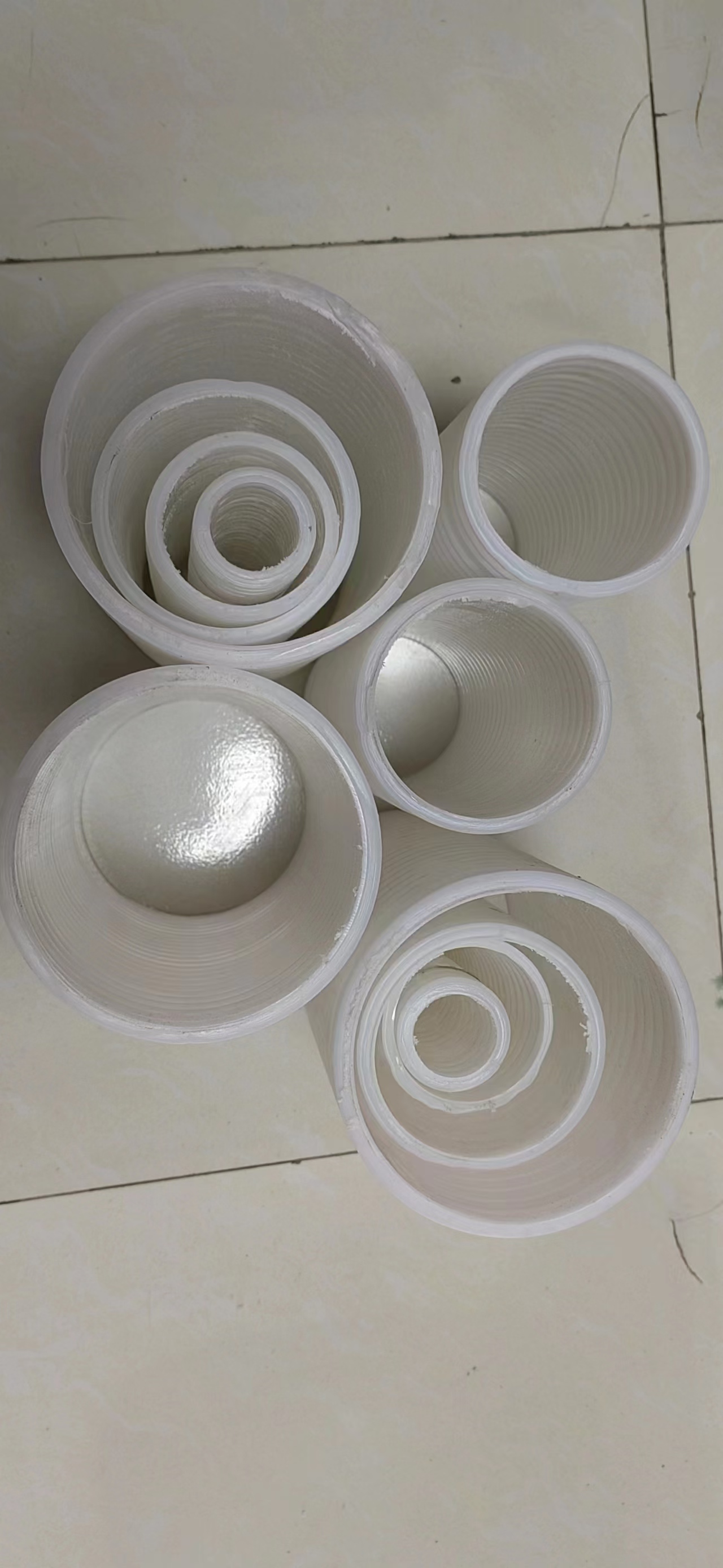
● Corrosion Resistance: The inner wall of the ductile iron waste discharge pipes is typically lined with cement mortar, which improves the water transportation environment within the pipes and enhances their corrosion resistance.
● Excellent sealing: Utilizes flexible interfaces like rubber rings, offering superior sealing performance and is not prone to leakage.
● Long service life: Ductile iron waste pipe has a lifespan typically exceeding 50 years, reducing the frequency of pipeline replacement and maintenance.
Section 3: Application Scope
Ductile iron waste pipes are widely used in urban water supply, drainage, gas, and heating pipeline systems, especially excelling in waste water management networks. Their superior performance makes them one of the preferred materials for urban waste water networks. Additionally, ductile iron waste pipes are also suitable for industrial waste discharge pipelines and agricultural irrigation pipelines.
Section 4: Buying and Installation Recommendations
Purchase Recommendations:
Choose manufacturers or suppliers with a good reputation and positive word-of-mouth.
Ensure the selected drainage pipe material is ductile iron, and verify that its chemical composition and mechanical properties meet the relevant standards.
Choose the appropriate size specifications and connection methods based on actual requirements.
Installation Recommendations:
Clean pipe and component interfaces, ensuring no debris and moisture.
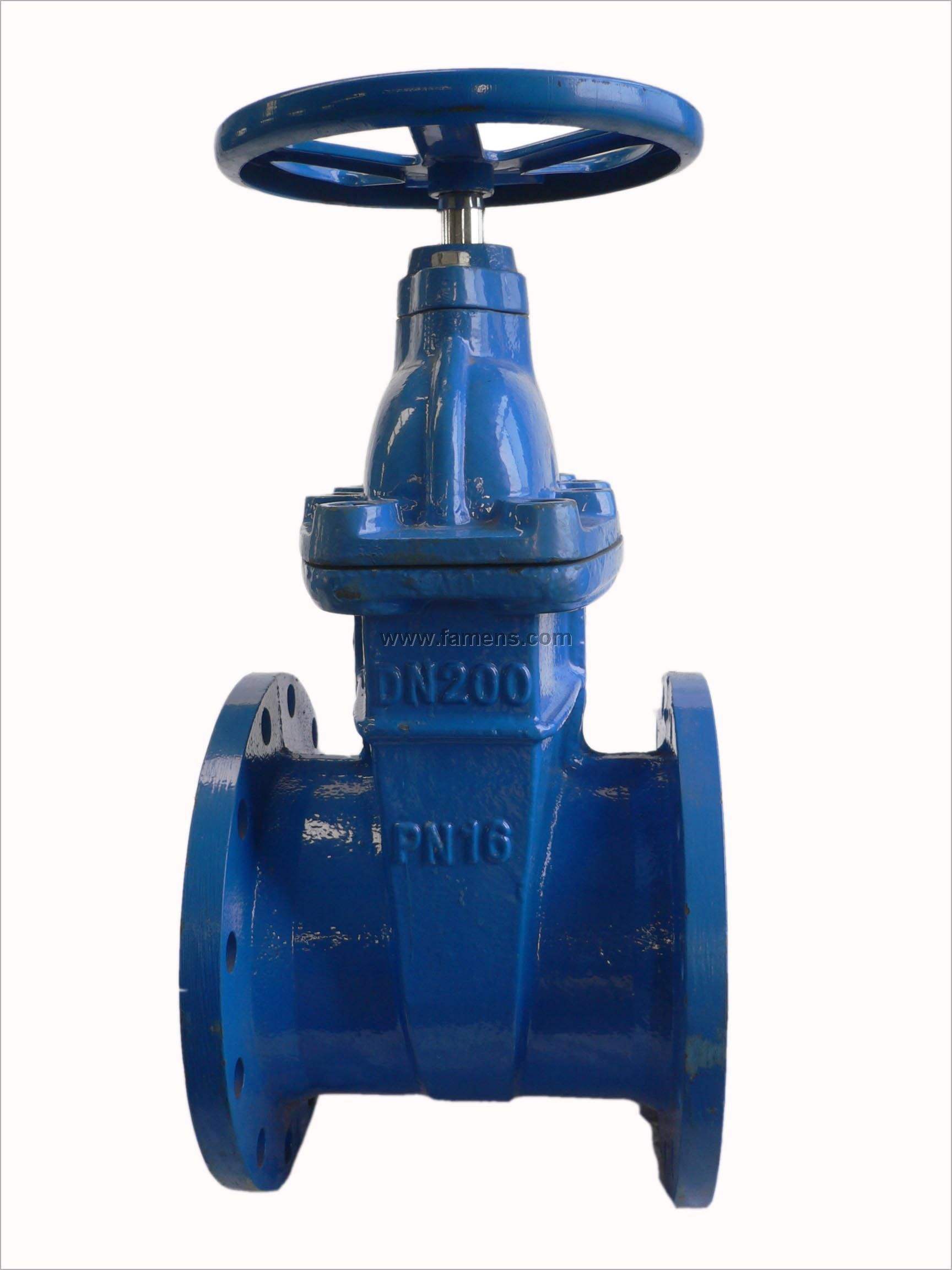
Properly connect pipes and fittings based on the selected connection method (such as socket and spigot, flanged, etc.).
After installation, the pipeline system should be inspected and adjusted to ensure there are no leaks or abnormal phenomena.
V. Maintenance and Care
To ensure the smooth operation and extended lifespan of the ductile iron drainage pipes, regular maintenance and care are required. The following are some common maintenance and care measures:
● Regular Inspections: Conduct regular checks on the pipeline system to promptly identify and address leaks, deformations, and other issues.
● Clean debris: Regularly remove debris and dirt from pipes to keep them unobstructed.
Corrosion Protection: Apply corrosion-resistant coatings or wrap with protective materials to exposed pipelines.
● Replacement and Maintenance: Prompt replacement or repair is necessary for damaged or severely worn pipes and components.