
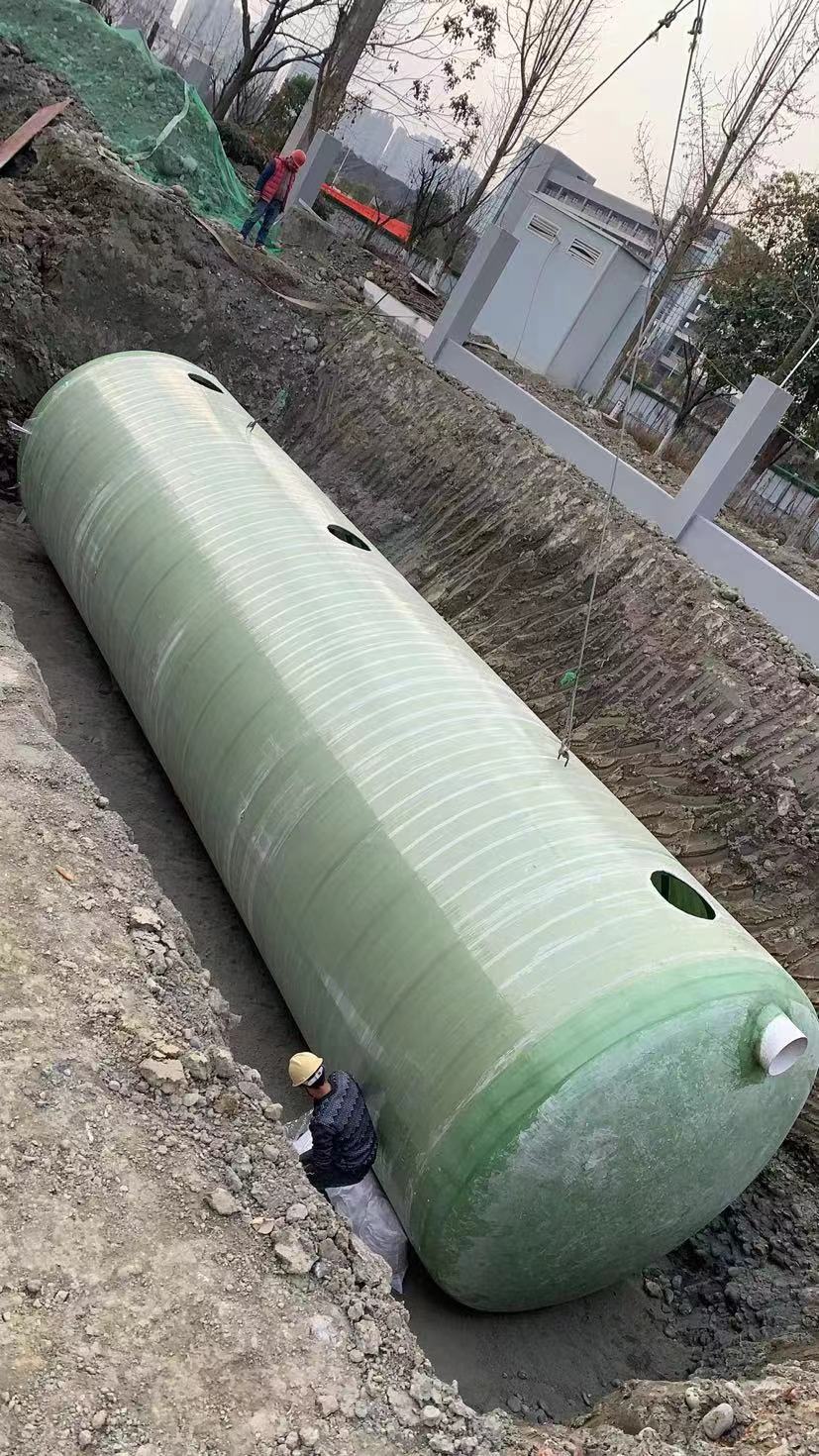

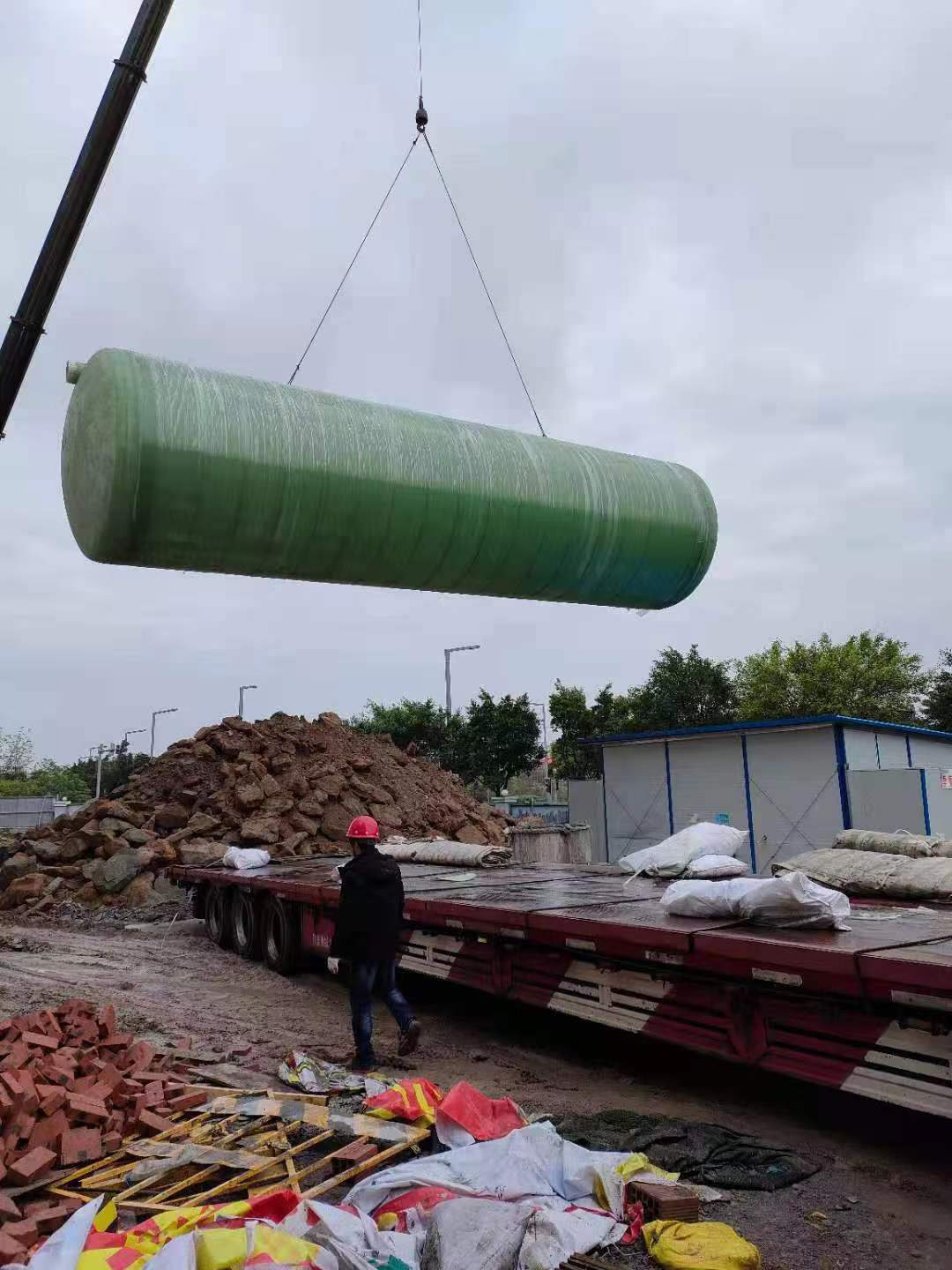
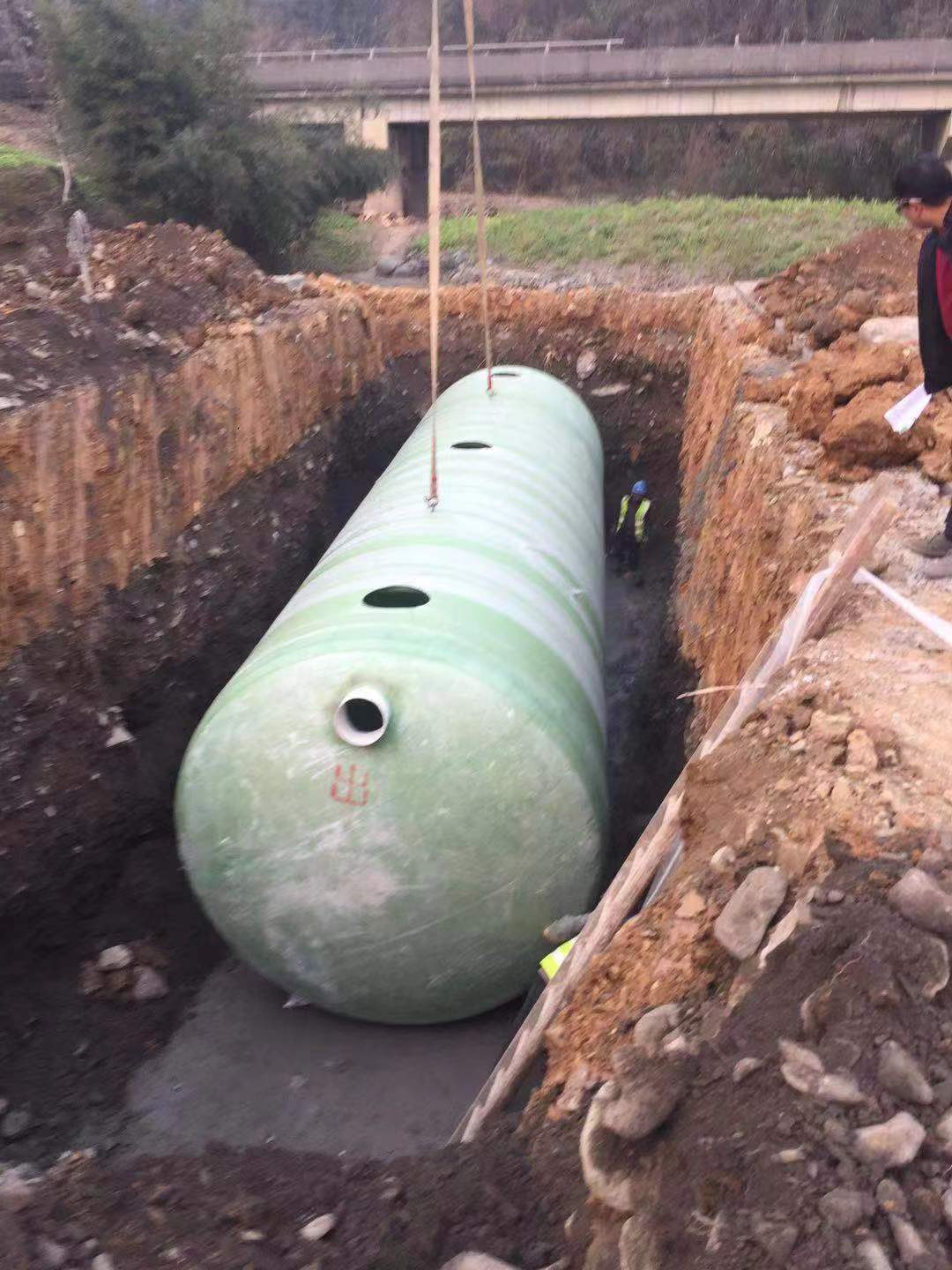







MaterialEnhanced with glass fiber cloth and based on unsaturated polyester resin, this material is formed through winding, molding, or hand-laid techniques, featuring lightweight, high strength, and corrosion resistance.
Structure:
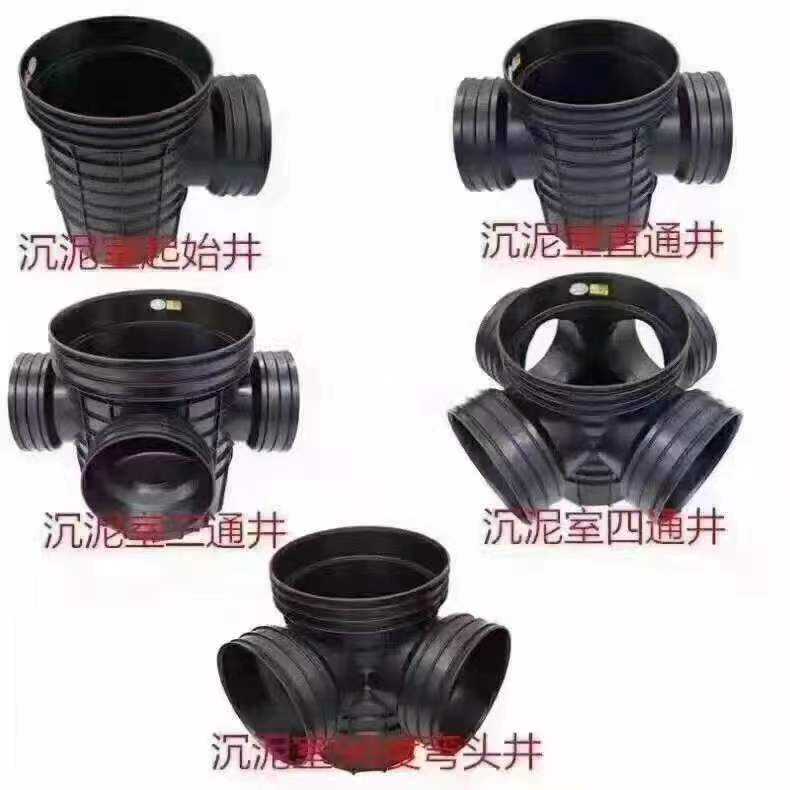
Multi-stage tankTypically features a two or three compartment structure, internally divided by partitions to form sedimentation, anaerobic digestion, and clarification zones.
Import and Export DesignEquipped with waste water inlet, outlet, and slag discharge port, some models are fitted with ventilation pipes.
Sealing performanceOverall molding or bolt sealing to prevent leakage and odor spread.
Settling and separationWastewater flows into the chamber, where solid impurities (faeces, paper屑, etc.) settle to the bottom due to gravity, forming sludge, while the clarified liquid moves on to the second chamber.
Anaerobic digestionWithin the two-compartment design, microorganisms carry out anaerobic decomposition of matter, converting large molecules into methane, carbon dioxide, and other gases, while also eliminating some pathogenic bacteria.
Clarify emissionsTreated wastewater enters the three-stage clarification process, with the standard liquid discharged from the outlet into the municipal pipeline or subsequent treatment system.
Sludge TreatmentSediment at the bottom of the pond is regularly (usually every 1 to 2 years) removed through the slag outlet and can be used as fertilizer material.
| Advantages | Details Description |
|---|---|
| Corrosion-resistant and long-lasting | Fiberglass material is resistant to acids and alkalis, underground water corrosion, with a service life of over 50 years, and anti-corrosion treatment. |
| 2. Easy installation | Integrated precast structure, lightweight (just 1/3 the weight of traditional concrete septic tanks), ready for direct hoisting and placement, shortening the construction cycle. |
| 3. Energy-saving | The multi-stage anaerobic process enhances decomposition efficiency, reducing the land area by over 30% compared to traditional septic tanks, and is powered by electricity. |
| 4. Eco-friendly | High-seal integrity, no leakage risk, preventing groundwater pollution; modular design minimizes disturbance to residents during construction, meets environmental protection requirements. |
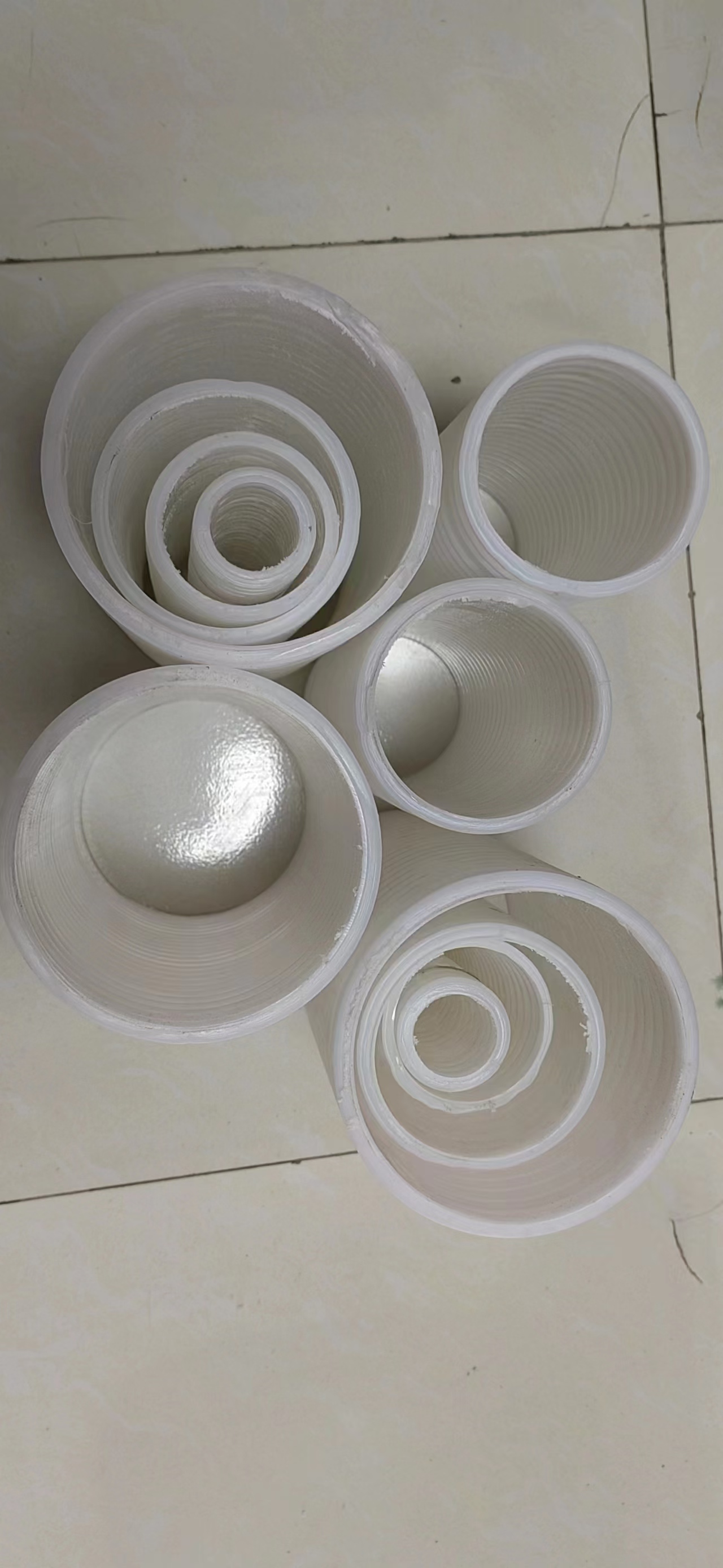
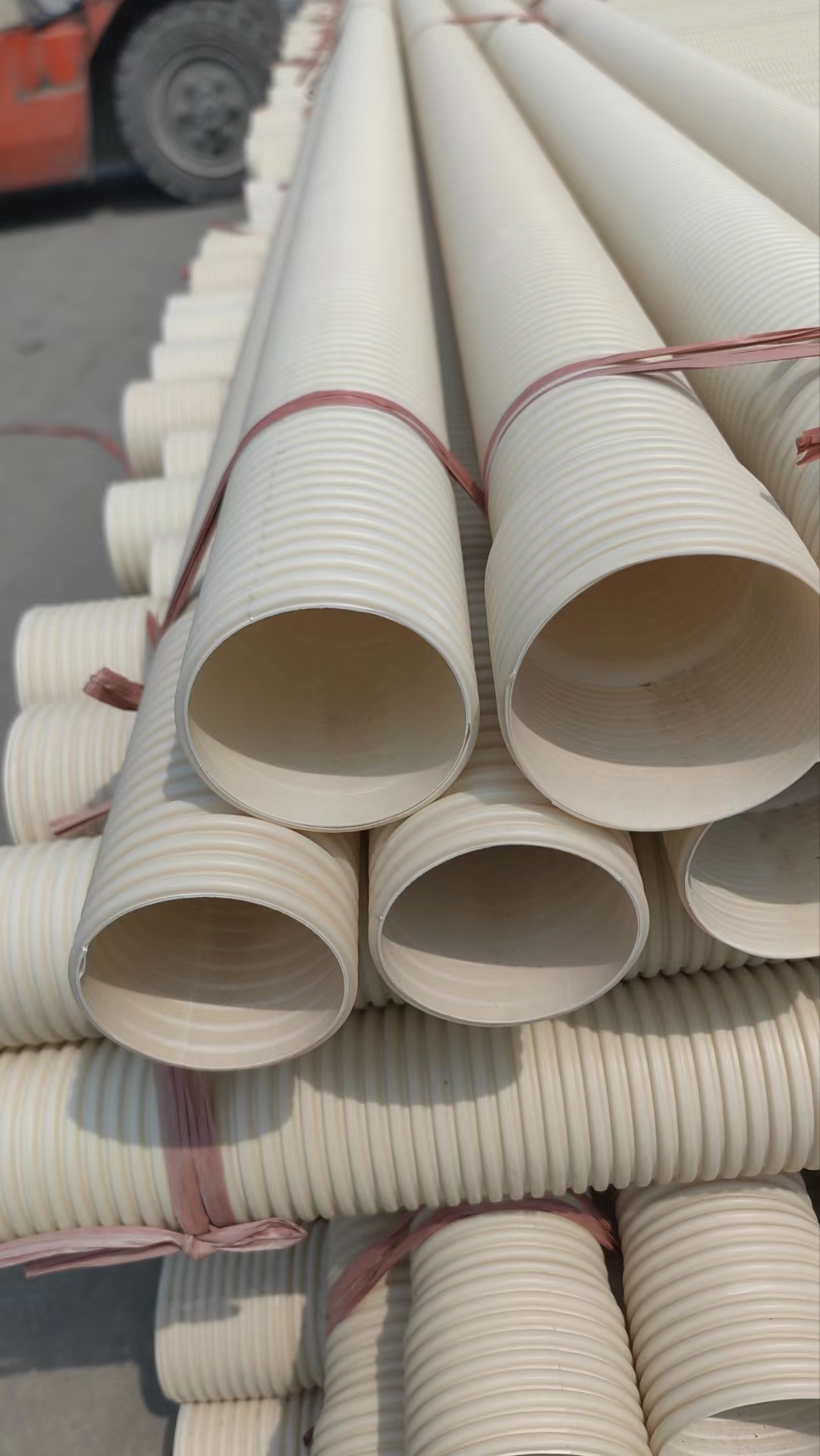
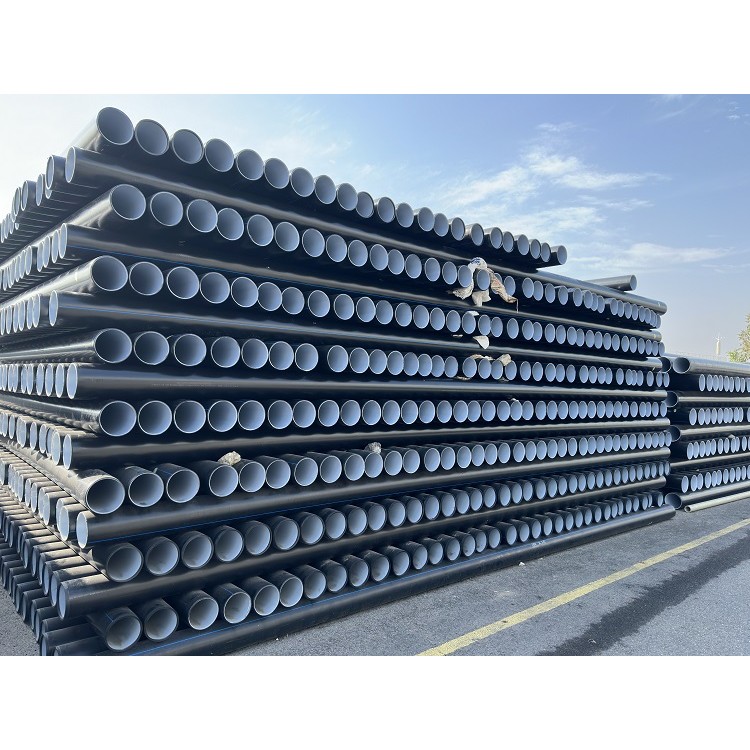
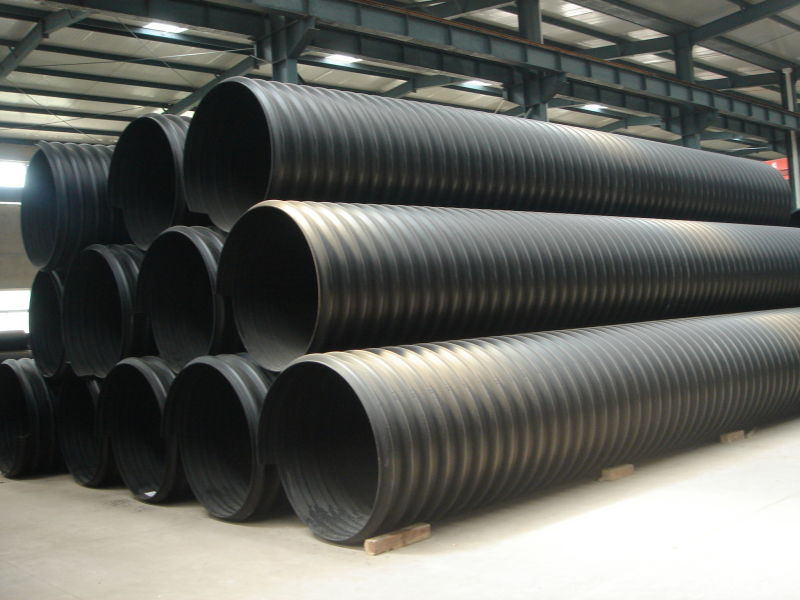
| Good pressure resistance | The drum is designed with a circumferential dense corrugated structure, capable of bearing road loads (such as vehicle rolling) and suitable for various geological conditions. |
Residential buildings: residential area, villas, and rural self-built houses' domestic wastewater treatment.
Public UtilitiesWastewater pretreatment for schools, hospitals, hotels, shopping malls, scenic areas, and other locations.
Municipal EngineeringTemporary or wastewater treatment for areas with imperfect municipal pipe networks, or as a pretreatment unit for wastewater treatment plants.
Industrial SectorPreliminary oil-containing wastewater treatment for food processing and catering industries (requires use with grease traps).
Volume Standard:
Standard Capacity: 2~100 cubic meters, available for selection based on the number of users and daily wastewater discharge.
Formula: Volume (m³) = Number of Users × Per Person Daily Water Usage (200~300L per person per day) × Dwell Time (24~48 hours) ÷ 1000.
Installation Method:
Buried-typeCommonly required to be buried below the frozen soil layer, with a soil cover of ≥500mm, and reinforced concrete protection layer to be added in the road area.
Semi-buried / Surface-mountedSuitable for areas with poor geological conditions or high groundwater levels, requires stabilization and treatment.
Pressure Rating:
Standard TypeSuited for green belts and under sidewalks, load-bearing capacity ≤ 20 kN/m².
EnhancedSuitable for parking lots and under roads; requires load calculation and additional reinforcement layer.
Excavation of foundation pit:
Size: 500~1000mm wider than the circumference of the drum, facilitating backfilling and compaction.
Subgrade Treatment: Lay a sand cushion layer 100~150mm thick, ensuring it is level and compacted. Replace with碎石 or concrete cushion layer if soft soil is encountered.
Hoisting and Installation:
The tank must be levelled after positioning, with diagonal errors ≤ 20mm. Flexible joints (such as rubber seals) should be used when connecting the inlets and outlets to avoid stress damage.
Refill Requirements:
On both sides of the drum, simultaneously refill with coarse sand or plain soil, compact in layers (each layer thickness ≤ 300mm), strictly prohibit single-side refilling or use of construction waste.
Anti-float treatmentIn areas with high groundwater levels, concrete anti-float bottom plates must be installed at the tank bottom or drainage measures must be taken to prevent the tank from floating up during the rainy season.
Regular cleaning and maintenance:
It is recommended to inspect annually and clean out sludge every 1 to 3 years based on usage frequency. When cleaning, ensure ventilation openings are open to prevent methane poisoning.
After cleaning, the interior of the drum should be flushed, and check if the baffles and joints are intact.
Troubleshooting:
ClogIf the outlet flow rate slows down, it may be due to blockages in the baffle holes or pipes, which require unblocking or cleaning.
LeakageCheck for any cracks in the interface seal or drum. Minor leaks can be repaired with epoxy resin, while severe cases require a drum replacement.
WarningNo heavy loads, open flames, or unauthorized drilling near the tank body to prevent explosions or structural damage.
Domestic Standards:
Glass Fiber Reinforced Plastic Septic Tank (GB/T 24293)
Regulations on septic tank design parameters in the "Design Standard for Water Supply and Drainage in Buildings" (GB 50015).
Key Inspection Indices:
Compressive StrengthAfter standard loading, the drum deformation rate ≤5%, no cracks or leaks.
SealabilityDuring the full water test, the water level drop within 24 hours is ≤5mm, with no visible leakage.
Resin ContentContent of unsaturated polyester resin ≥60%, ensures corrosion resistance.
| Comparison Dimensions | Glass-fiber Reinforced Plastic (GRP) Septic Tank | Traditional Concrete Septic Tank |
|---|---|---|
| Material | Fiberglass (corrosion-resistant, lightweight) | Reinforced concrete (to be corrosion-resistant treated) |
| Construction Period | 1-3 days (pre-fabricated installation) | 15-30 days (on-site casting) |
| Floor Area | Reduce 30% to 50% | larger |
| Maintenance Cost | Low (longer desilting cycle) | High (prone to clogging, requires regular anti-corrosion treatment) |
| Environmental Impact | Leak-proof, odorless | Easily Leachable Pollutants in Groundwater |
Qualification VerificationSelect manufacturers with glass fiber reinforced plastic production certificates and complete inspection reports, and avoid products made with low-quality recycled resins.
Custom requirementsIf the wastewater contains high levels of oil or impurities (such as in catering venues), please inform the manufacturer in advance. Optional oil separator modules or an enlarged sedimentation area can be fitted.
After-salesConfirm whether the manufacturer provides installation instructions, regular maintenance services, and warranty period (typically ≥5 years).