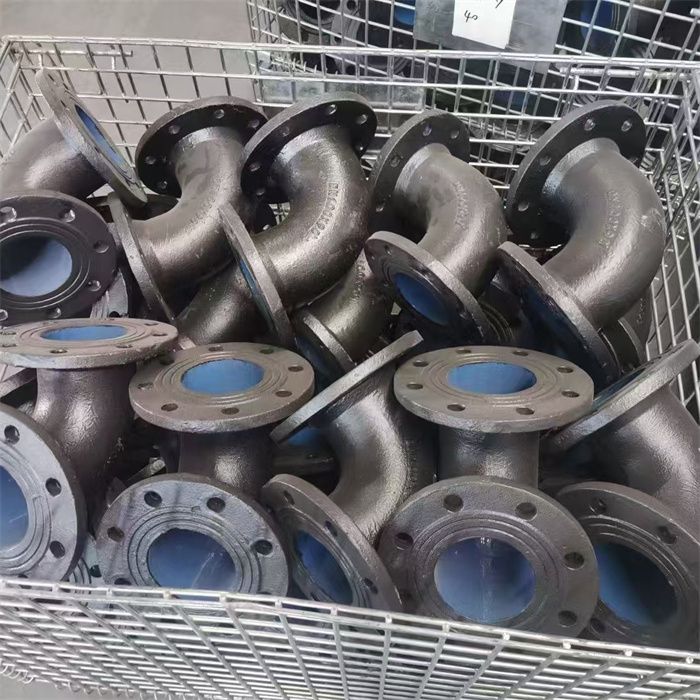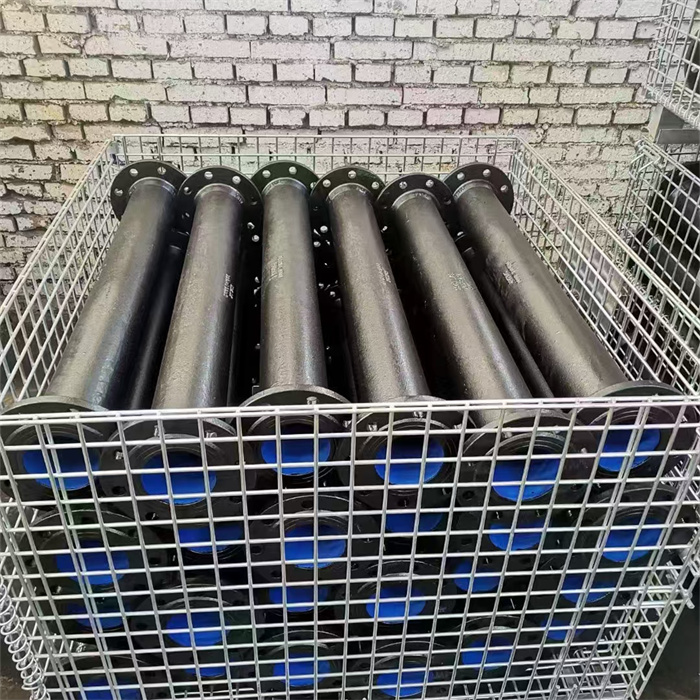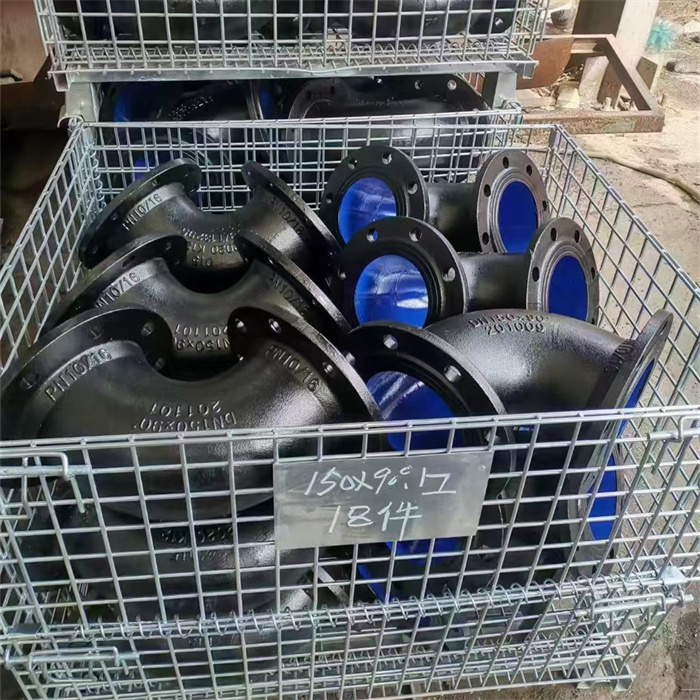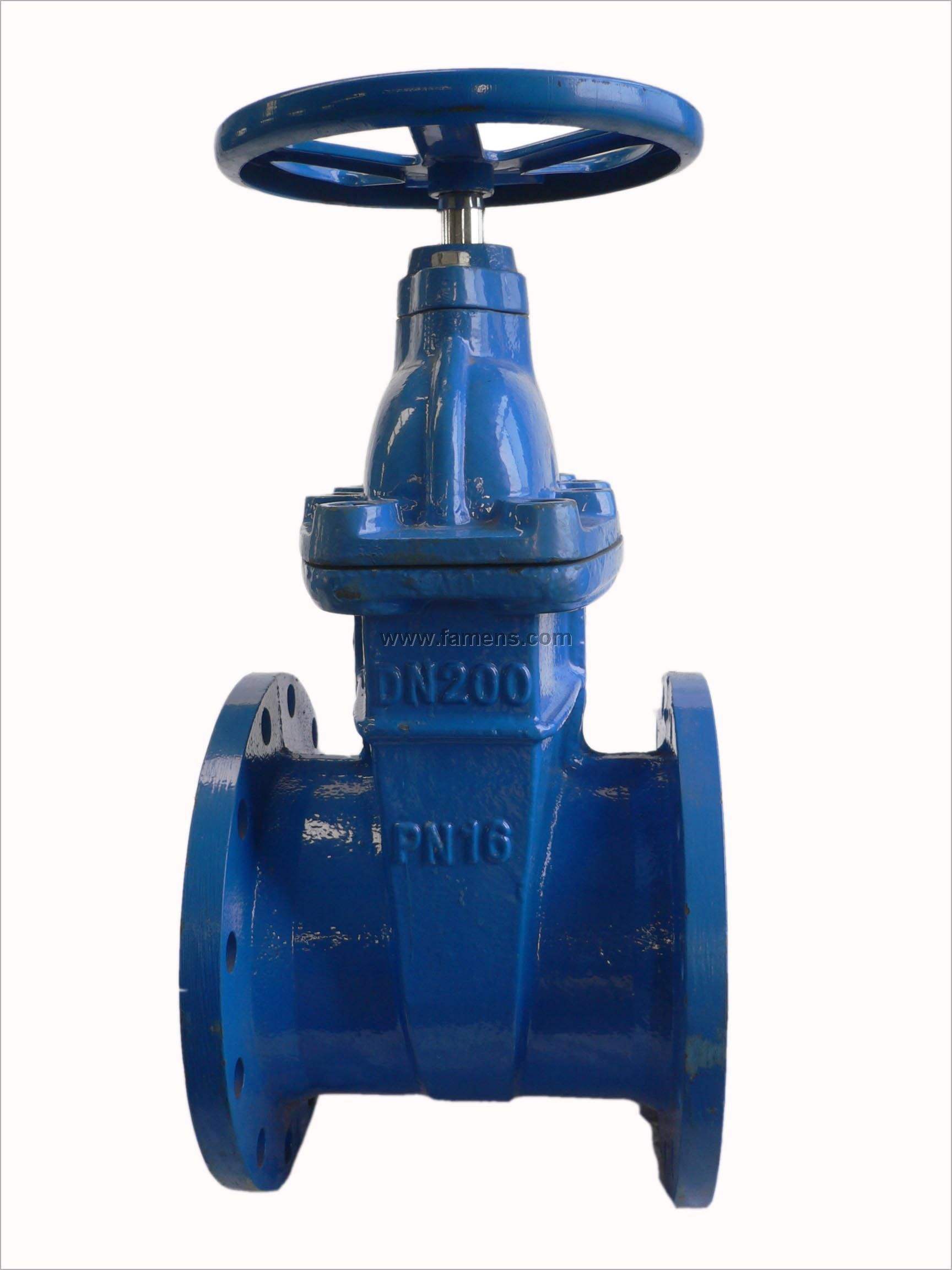


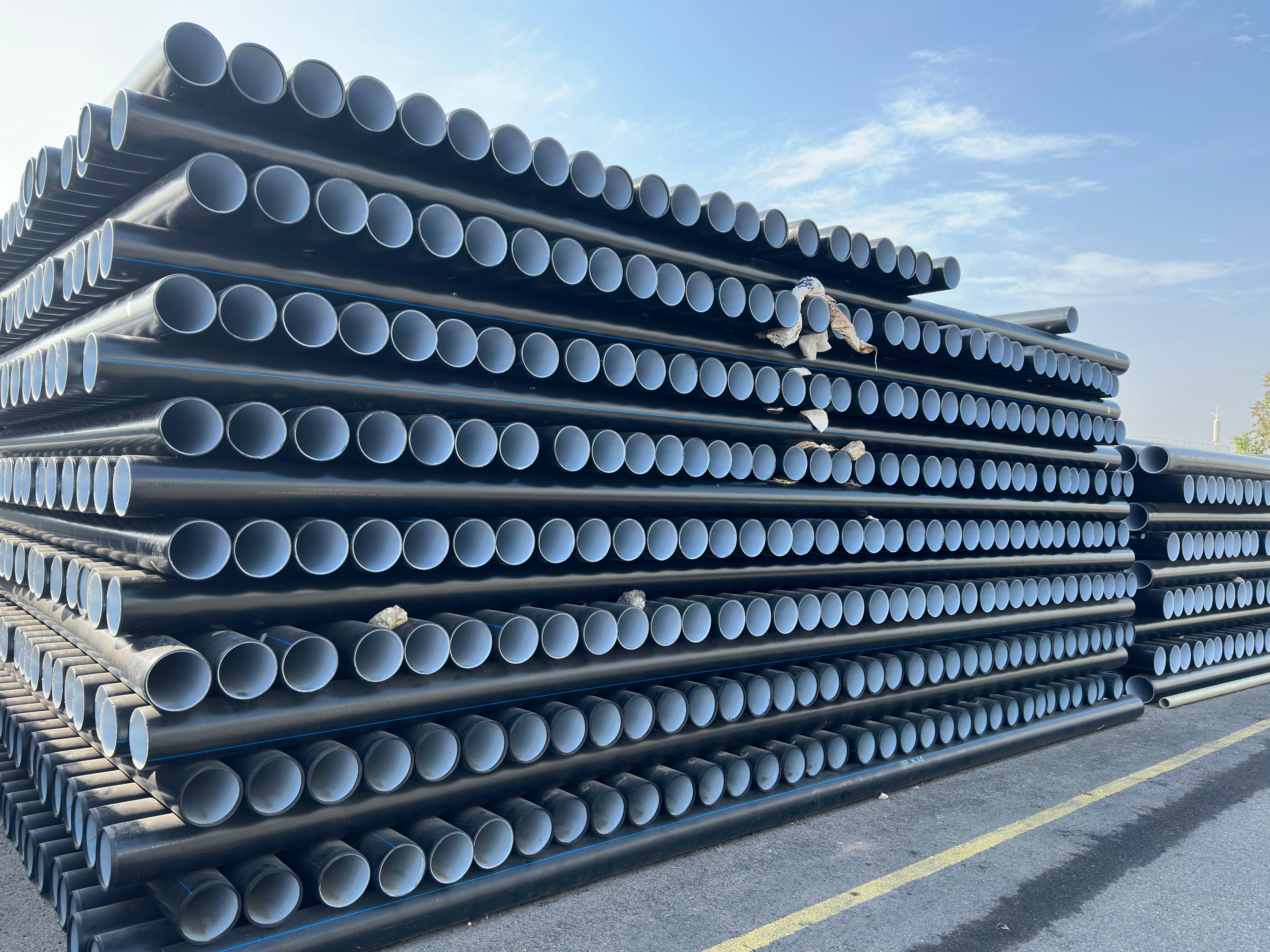
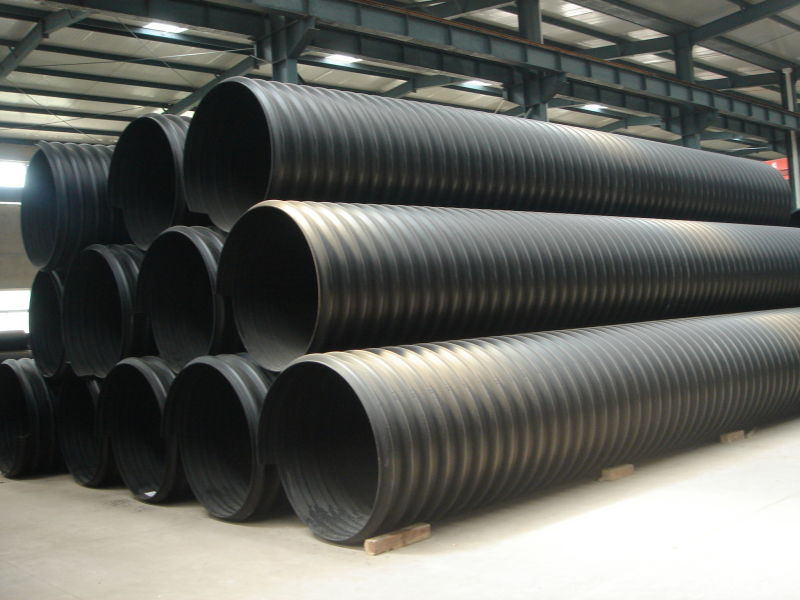
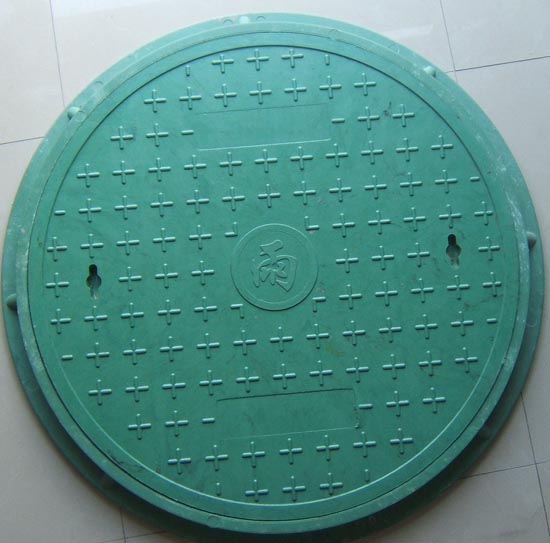
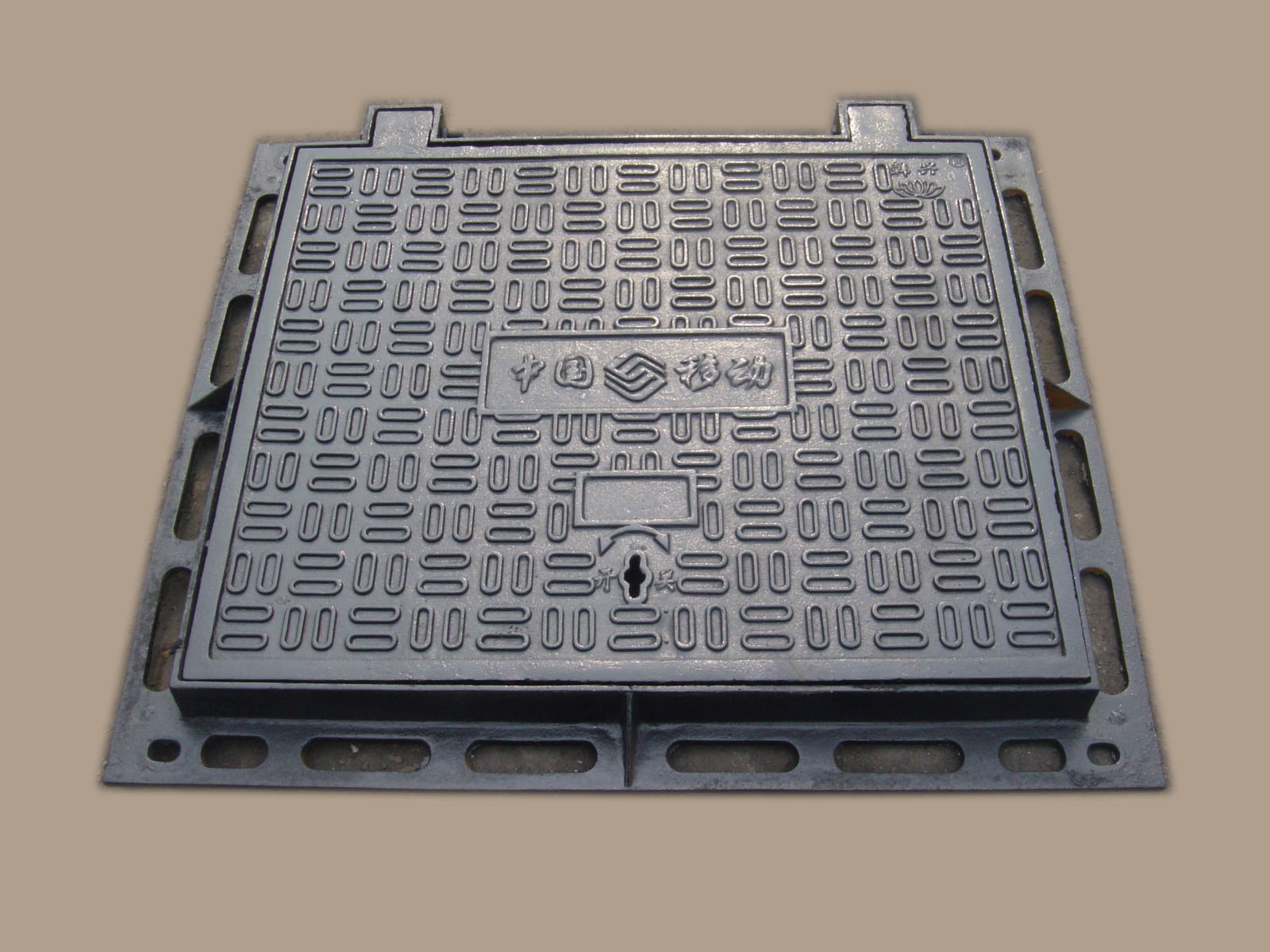





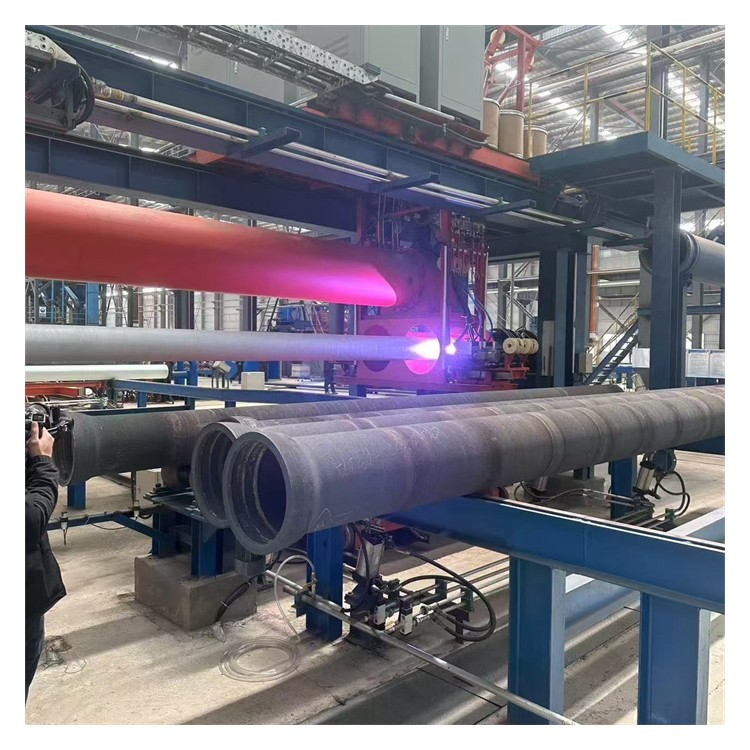
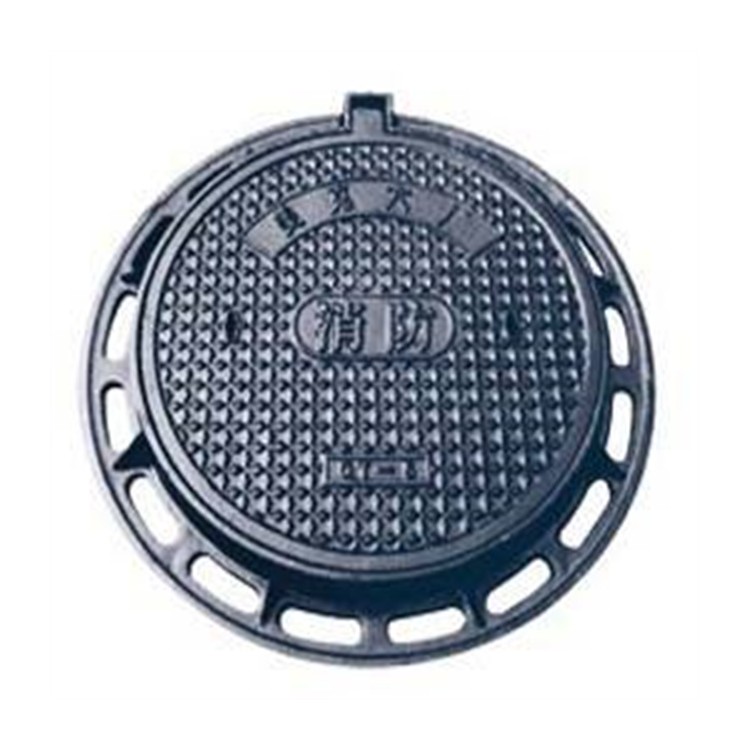

Ductile iron pipe fittings are an indispensable part of the ductile iron pipeline system, used for connecting, turning, branching, and supporting pipes to ensure the smooth operation of the pipeline system. The following is a detailed introduction to ductile iron pipe fittings:
I. Main Types
Ductile iron pipe fittings come in a wide variety, classified into several types based on their applications and shapes:
1. Connectors:
● Solderless connectors: such as socket connectors, rubber grommet connectors, etc., used for simple pipe connections.
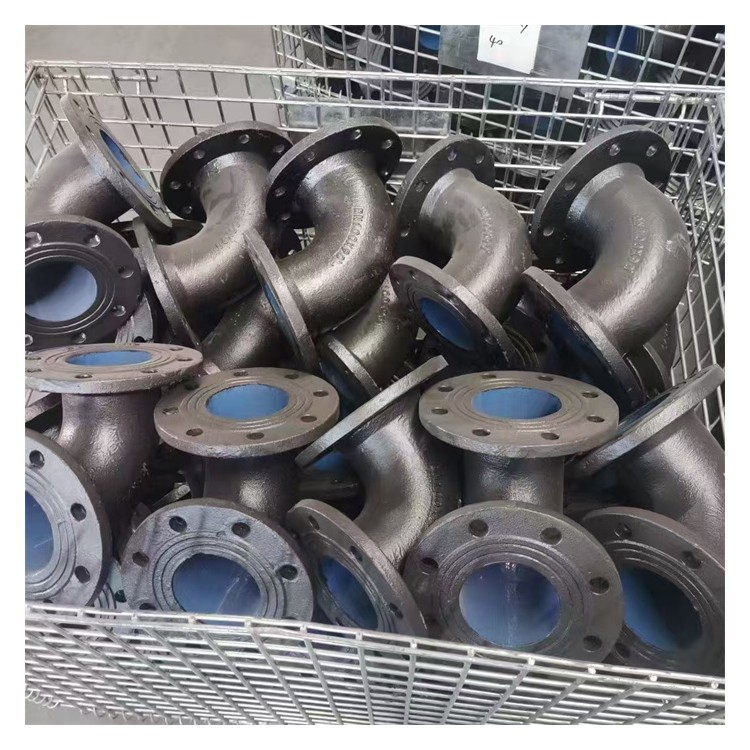
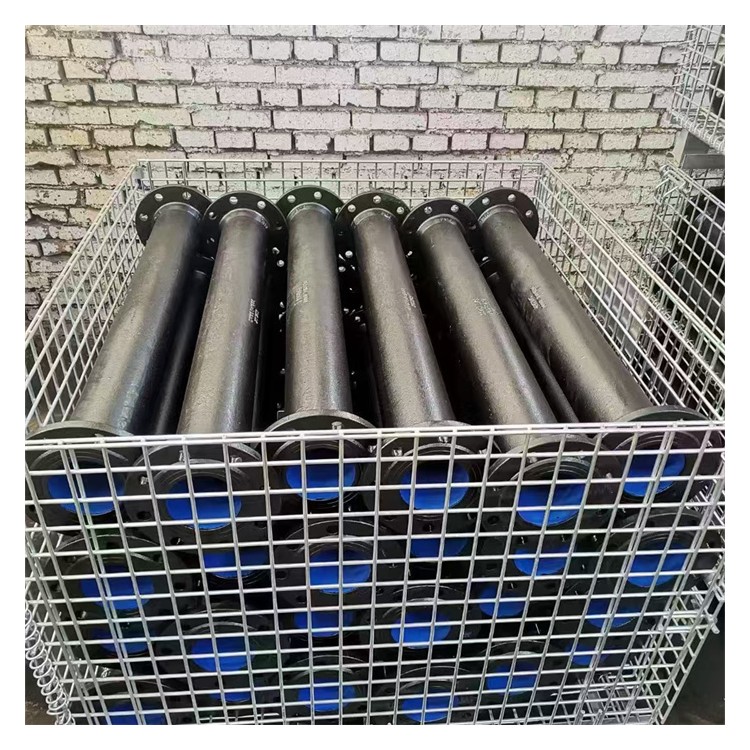
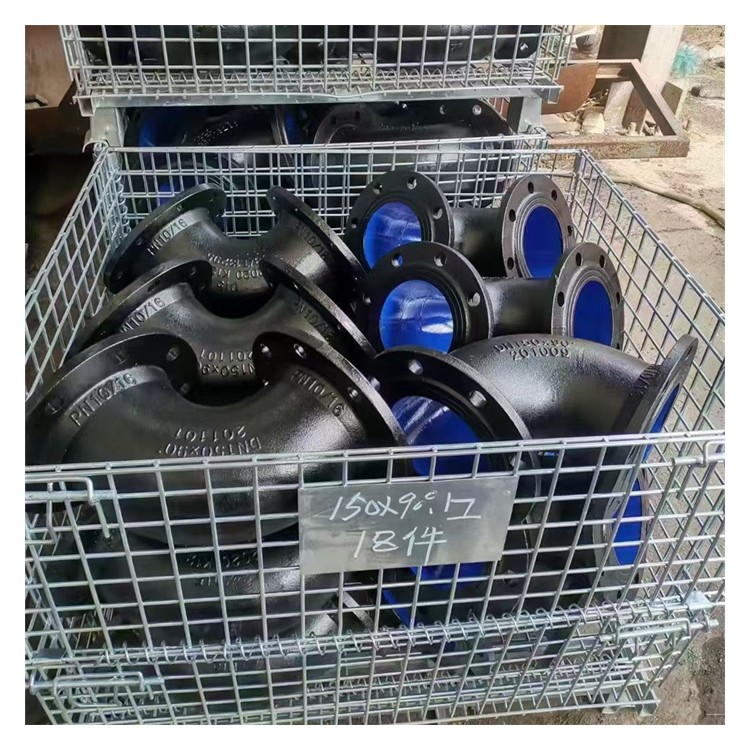
Flange Fittings: Connect pipes and accessories using flanges and bolts, suitable for applications requiring disassembly or maintenance.
2. Steering Components
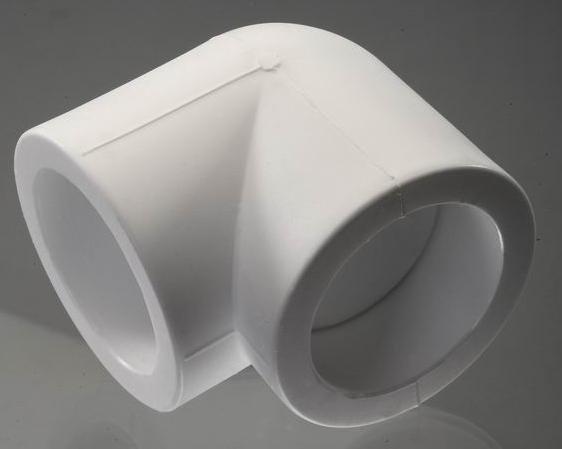
Elbows: Used to change the direction of piping, such as 45° elbows, 90° elbows, etc.
● Tees: Used for pipe branching, such as T-tees, Y-tees, etc.
3. Support Components
● Bracket: Used to support and secure pipes, preventing deformation or breakage due to their own weight or external forces.
● Hanger: Used to suspend pipelines in the air, facilitating their arrangement and maintenance.
4. Other Accessories:
Valves: Including gate valves, stop valves, ball valves, etc., used for controlling pipeline flow and pressure.
● Expansion joint: Used to compensate for the expansion and contraction deformation of pipes due to temperature changes or external forces.
Blind flange: Used for sealing and isolating pipelines.
Section II: Material and Performance
Ductile iron pipe fittings are primarily made of ductile iron, a material known for its high strength, toughness, corrosion resistance, and excellent machinability. Compared to gray cast iron, ductile iron boasts nearly double the tensile strength and nearly triple the yield strength, making ductile iron pipe fittings capable of withstanding greater pressure and loads.
Section 3: Application Fields
Ductile iron pipe fittings are widely used in urban water supply, drainage, gas, and heating systems. They are not only used for pipe connections and turns but also for support and protection. In municipal engineering, ductile iron pipe fittings are commonly used to construct large-scale water supply networks, drainage systems, and gas pipeline systems. Additionally, they are extensively applied in industrial sectors such as chemical plants, power plants, and paper mills for conveying various fluids and gases.
Section 4: Selection and Installation
When selecting ductile iron pipe fittings, pay attention to the following points:
Material and Performance: Ensure the selected components are made of ductile iron, and check that their chemical composition and mechanical properties meet the relevant standards.
● Dimension Specifications: Select the appropriate size specifications based on actual requirements to ensure proper installation and use of the accessories.
Surface Treatment: Inspect the surface treatment of components, such as corrosion-resistant coatings and anti-oxidation treatments, to enhance their lifespan and performance.
● Brand and Manufacturer: Choose brands and manufacturers with good reputation and reviews to ensure product quality and after-sales service.
When installing ductile iron pipe fittings, follow these steps:
Preparation: Clean the interfaces of pipes and accessories, ensuring there is no debris or moisture.
● Connection and Installation: Properly connect pipes and accessories based on the type and connection method of the selected accessories. When using socket connections, ensure the rubber ring is placed correctly and lubricant is applied; when using flange connections, ensure the bolts and flanges are securely fastened to meet specifications.
● Inspection and Adjustment: After installation, the pipeline system should be inspected and adjusted to ensure there are no leaks or abnormal phenomena.
V. Maintenance and Care
To ensure the normal operation and extend the service life of ductile iron pipe fittings, regular maintenance and care are required. The following are some common maintenance and care measures:
● Regular Inspections: Conduct regular checks on the pipeline system to promptly identify and address leaks, deformations, and other issues.
● Clear Debris: Regularly clean out pipes and accessories of debris and dirt to keep the pipes unobstructed.
Corrosion Protection: Apply corrosion-resistant coatings or wrap with protective materials to exposed pipes and accessories.
● Replacement and Maintenance: Promptly replace or repair parts that are damaged or worn out severely.