








Soft-seated gate valve
Soft-seated butterfly valves, industrial valves. The operating parts of the soft-seated butterfly valve are the disc, which moves perpendicularly to the fluid direction. Butterfly valves can only be fully open or fully closed; they cannot be used for adjustment or throttling. The disc has two sealing surfaces, and the two sealing surfaces of the commonly used wedge-type butterfly valves form a wedge shape. The wedge angle varies with the valve parameters. The nominal diameter ranges from DN50 to DN1200, and the operating temperature is ≤200°C.
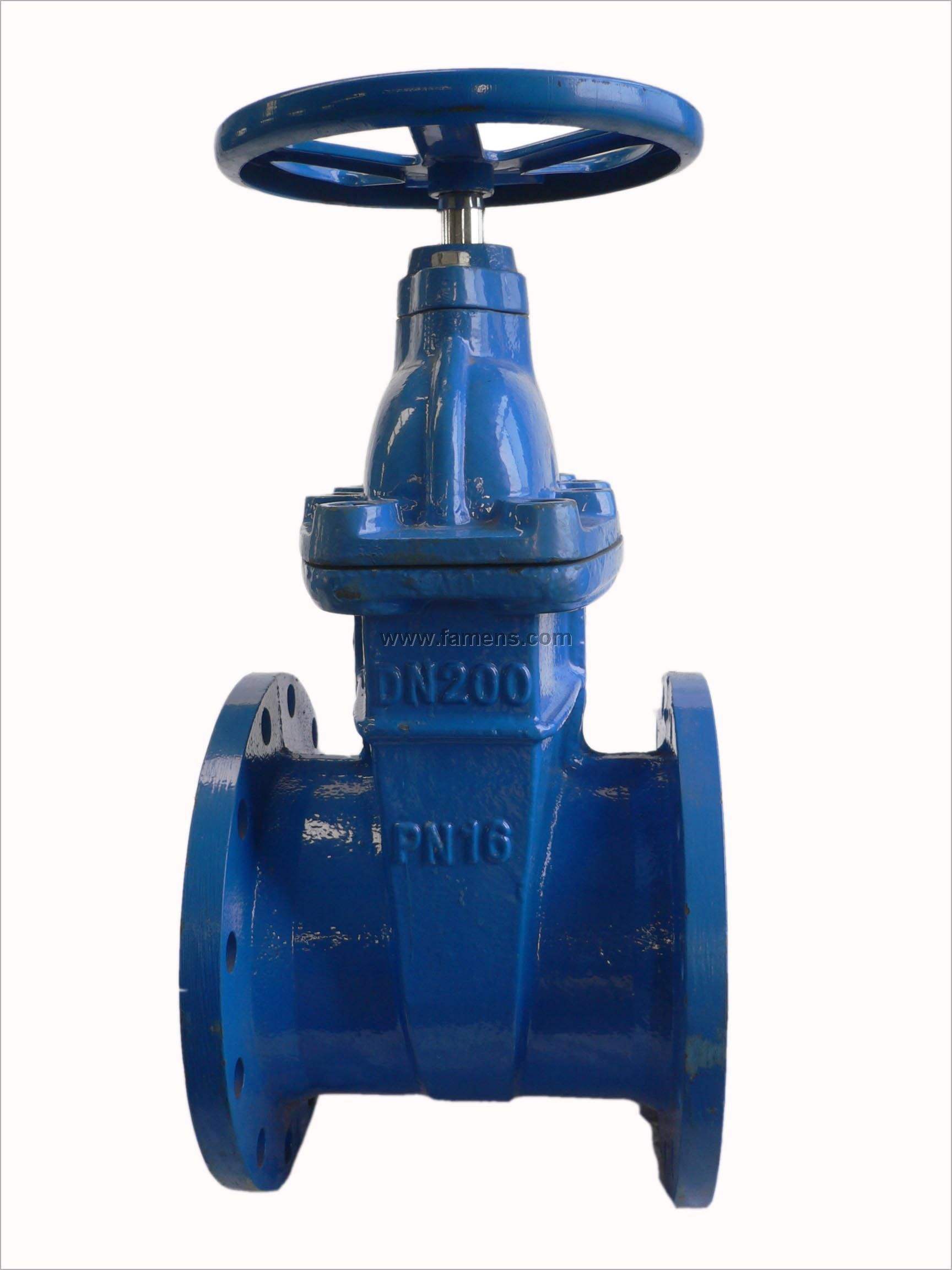
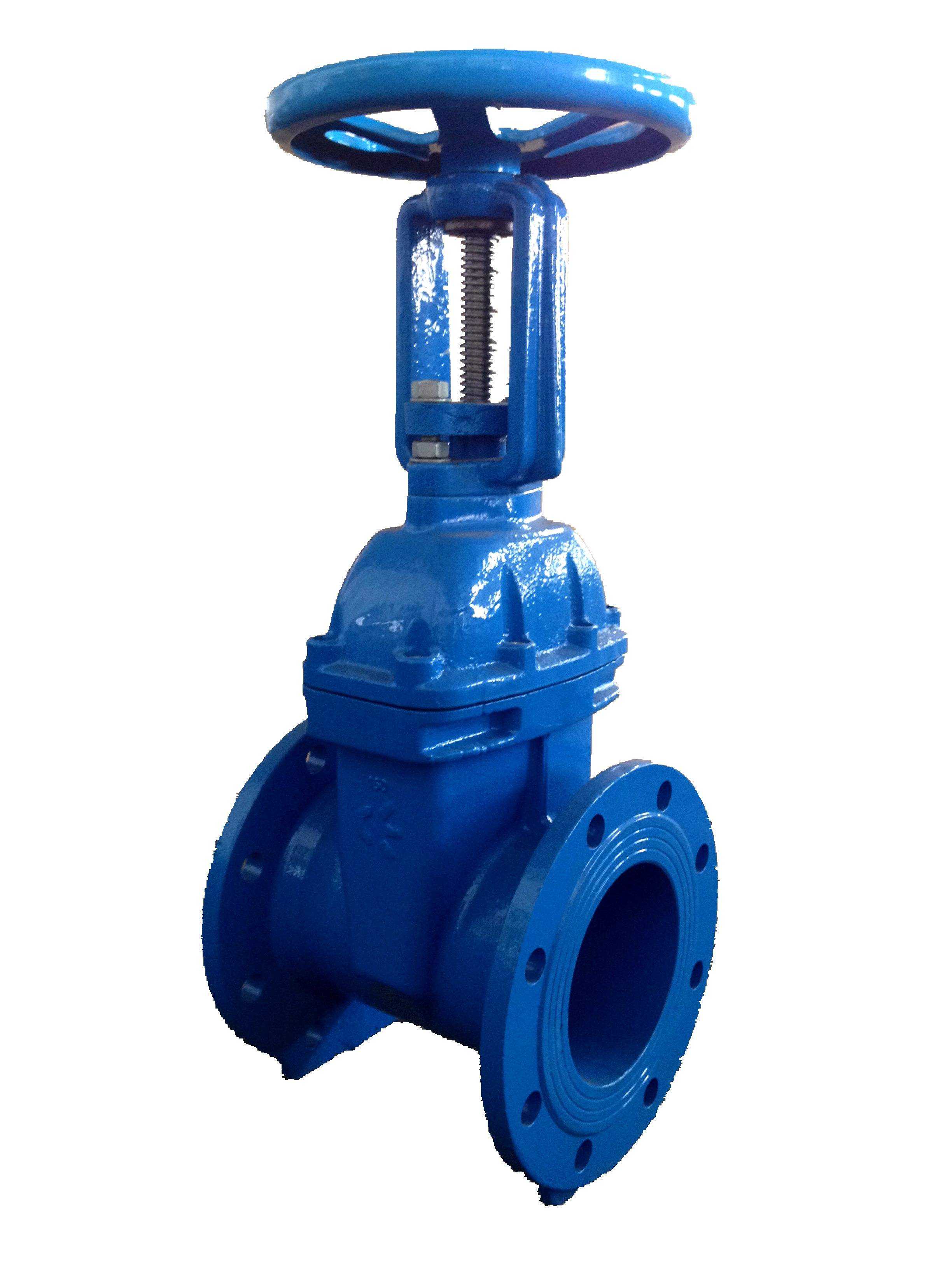
The soft-seated gate valves are divided into two types: clear stem and blind stem. Typically, they have trapezoidal threads on the lifting rod, which converts rotation into linear motion through the nut in the middle of the gate plate and the guide slots on the valve body, thereby transforming the operating torque into thrust. When opening the valve, when the lifting height of the gate plate equals 1:1 times the valve passage diameter, the fluid passage is clear. However, this position is unmonitorable during operation. In actual use, the point where the valve rod stops moving is used as a reference, marking its fully open position. To account for temperature changes that can cause locking, it is usually opened to this point and then turned back 1/2 to 1 turn, which serves as the fully open position of the valve. Therefore, the fully open position of the valve is determined by the position of the gate plate (i.e., the stroke). This type of valve should generally be installed horizontally in the pipeline.
Butterfly Valve
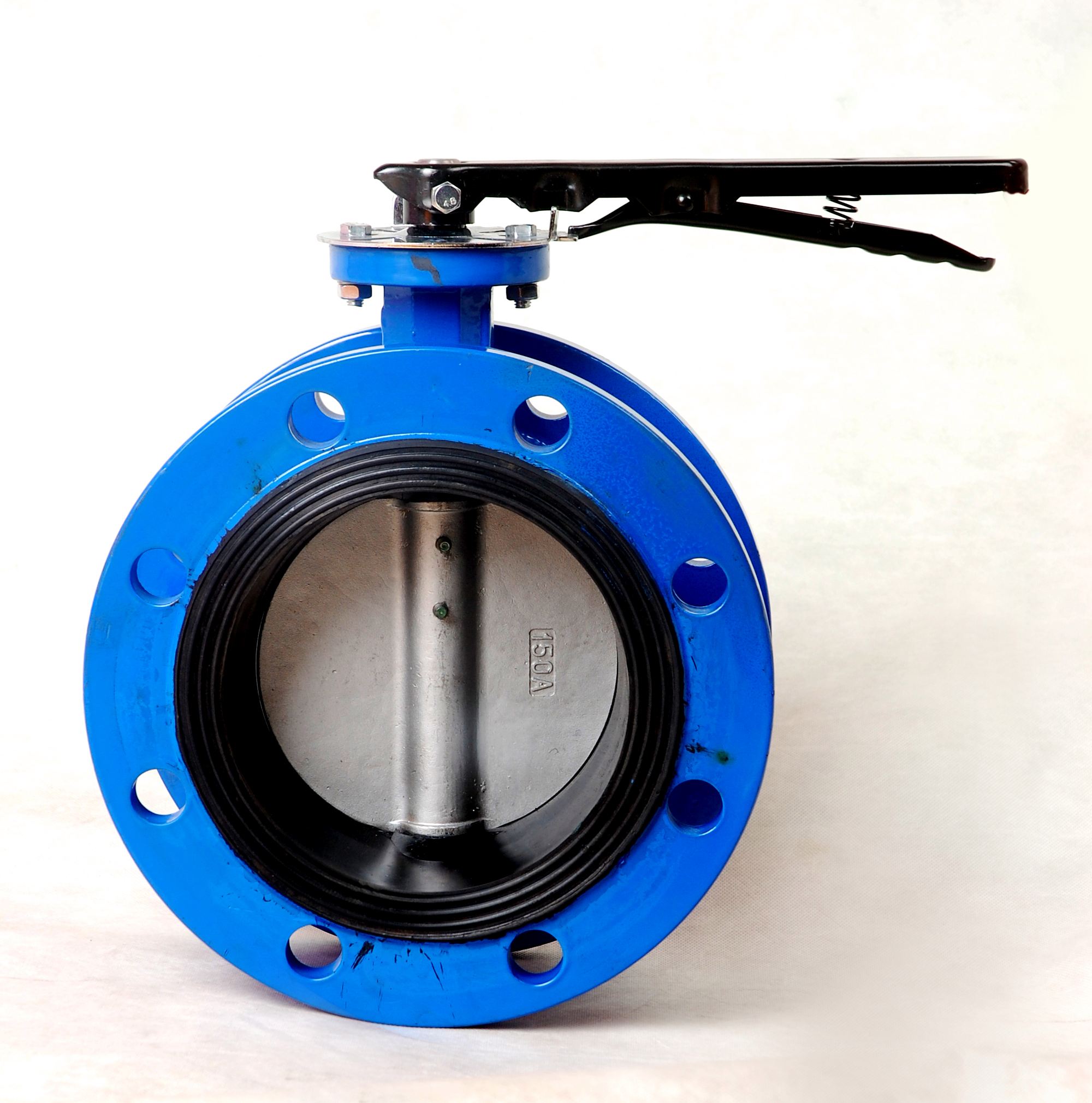
The butterfly valve features a simple structure, small size, and light weight, consisting of only a few parts. It can be quickly opened and closed by simply rotating 90°, making the operation straightforward. Additionally, this valve boasts excellent fluid control characteristics. The butterfly plate of the butterfly valve is installed along the diameter direction of the pipeline. Inside the cylindrical channel of the valve body, the circular disk-shaped butterfly plate rotates around the axis, with a rotation angle between 0° and 90°. When it rotates to 90°, the valve is fully open. When the flanged butterfly valve is in the open position, the thickness of the butterfly plate acts as the resistance to the medium flowing through the valve body, resulting in minimal pressure drop through the valve, hence offering good flow control properties. Butterfly valves come in two sealing types: elastic seal and metallic seal. Elastic seal valves,Seal ringCan be mounted on the valve body or attached around the butterfly plate.
Gland butterfly valve
Groove butterfly valveScrew Gear、Screw drive, along withCamRotate to predetermined position to press or release the contact on the signal device, corresponding output "closed" or "open" electrical signals, displayButterfly valveThe on/off status. Slot butterfly valves are divided into handle slots.Butterfly ValveAnd turbine groove butterfly valves.
Y-Type Filter
Y-type filters are compact devices used to remove a small amount of solid particles from liquids, protecting equipment from damage. As fluid enters the filter housing equipped with a specified mesh screen, impurities are trapped, while clean filtrate is discharged through the filter's outlet. For cleaning, simply remove the detachable filter housing, clean it, and reassemble it. This makes maintenance convenient. Also known as purifiers or filter valves, Y-type filters are an essential component in pipeline systems for conveying media. Their function is to filter out mechanical impurities from the medium, including rust, sand particles, and a small amount of solid particles in the liquid, thereby protecting equipment accessories from wear and blockage in the pipeline, ensuring the normal operation of the equipment.