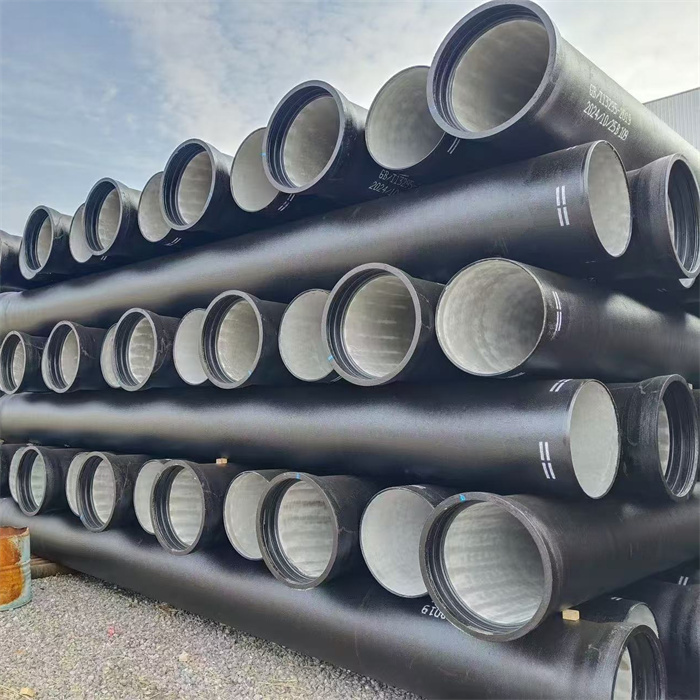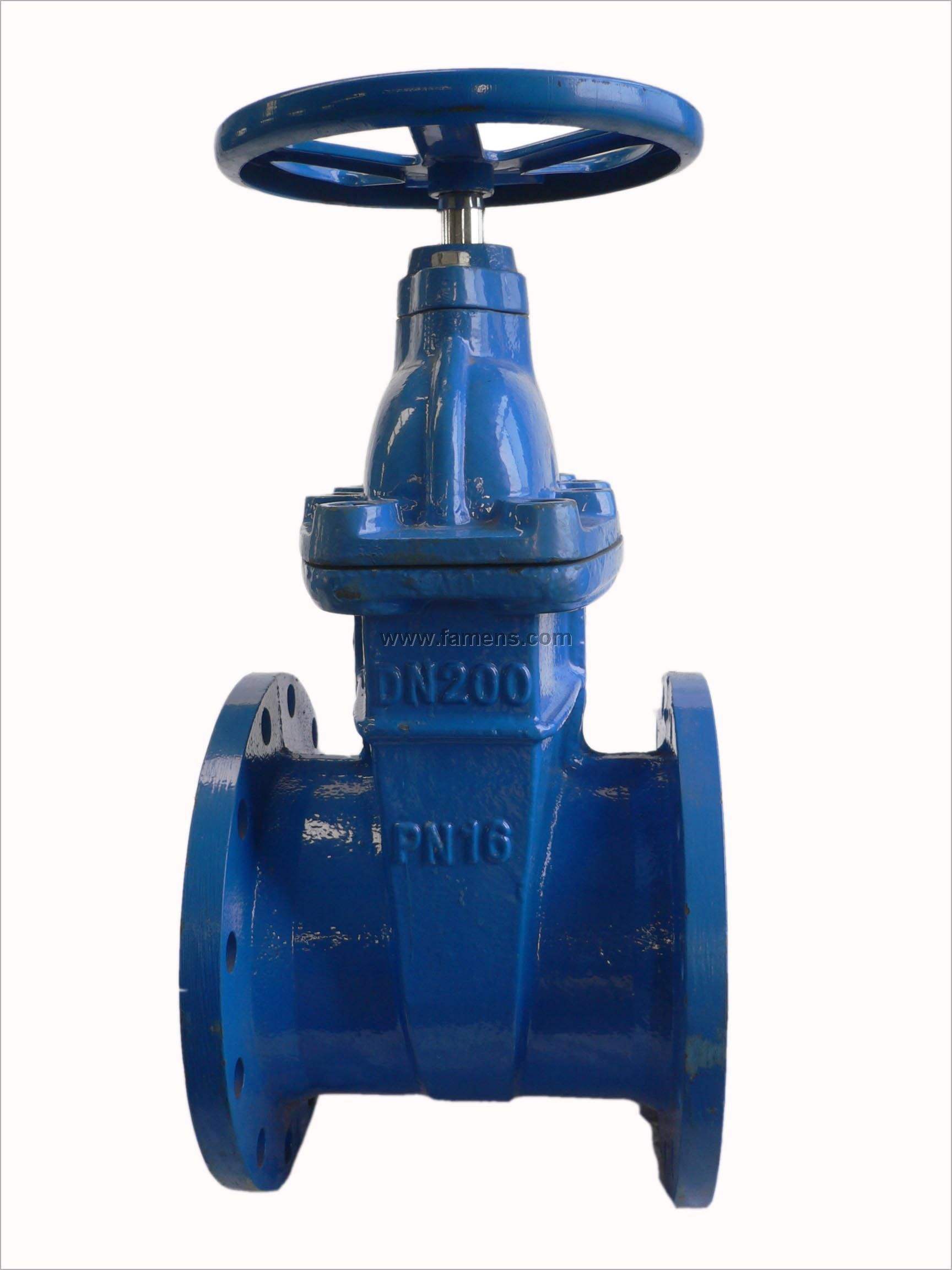
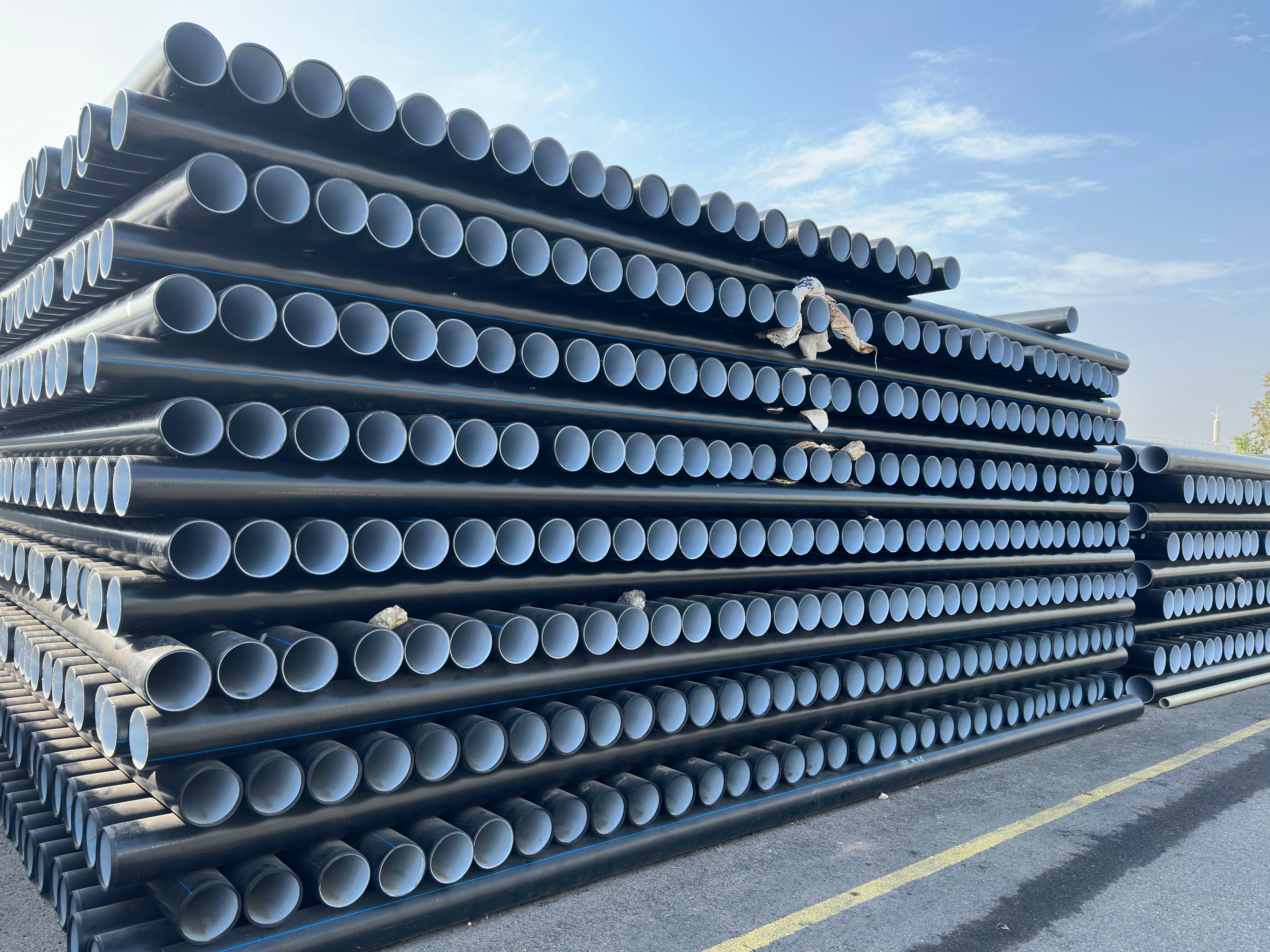
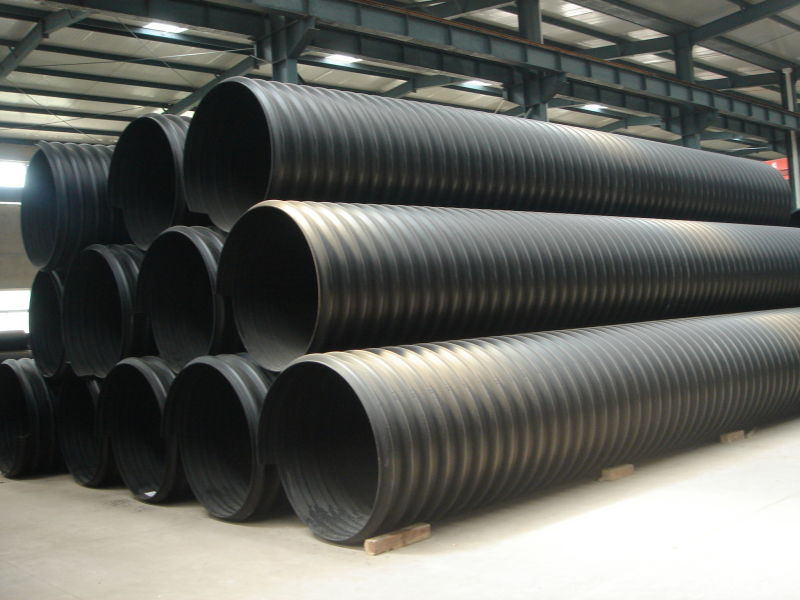





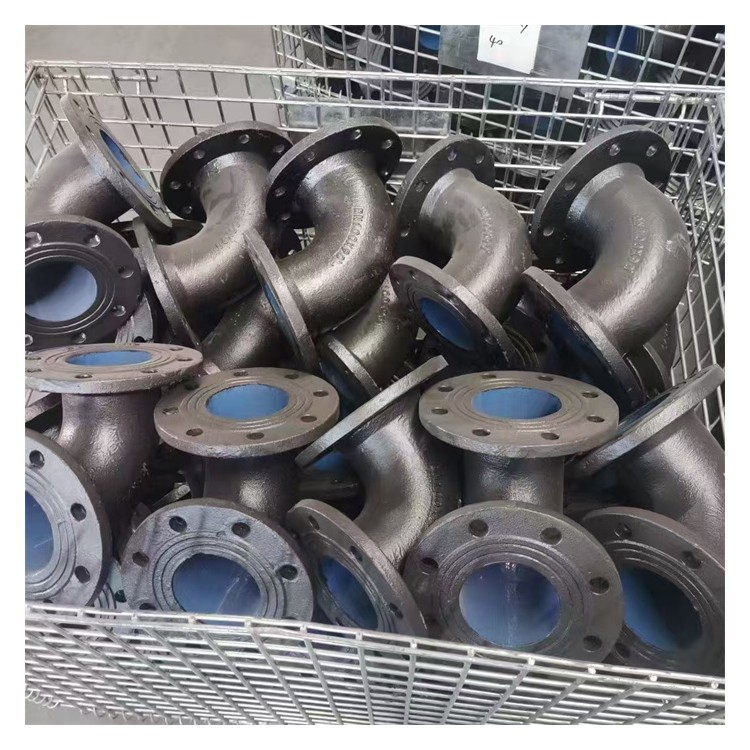
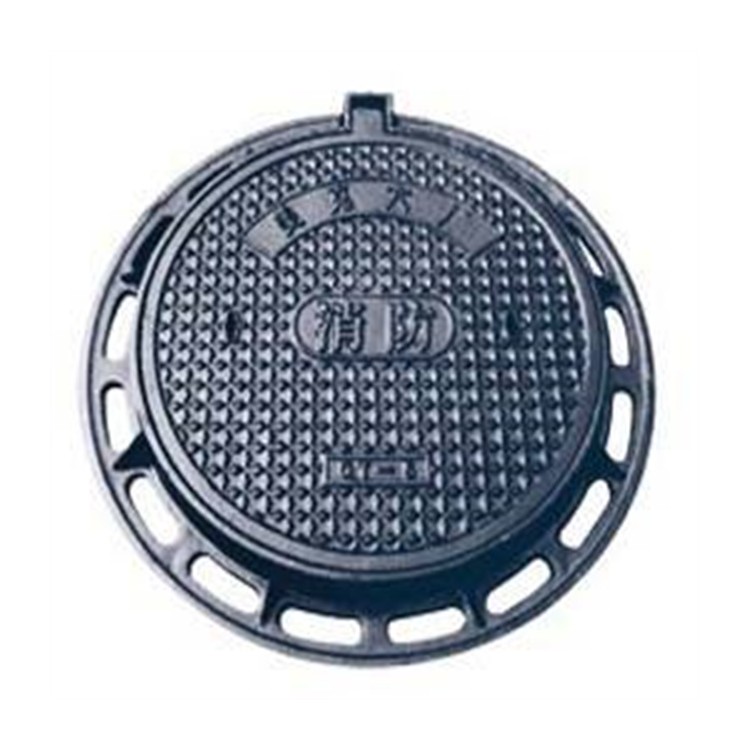
Ductile iron pipes refer to pipes produced by high-speed centrifugal casting with molten pig iron of grade 18 or higher, after adding balling agents, commonly abbreviated as ball pipes, ductile iron pipes, and spheroidal graphite cast iron pipes, etc., which possess the following characteristics:
I. Ingredients and Structure
● Material: Ductile Iron, an alloy of iron, carbon, and silicon.
● Structure: After annealing, the ductile iron pipes have a microstructure of ferrite with a small amount of spheroidite, exhibiting good mechanical properties. The graphite in the ductile iron exists in spherical form, generally with a size of 67 grade. The quality requirement for the spheroidizing grade of the cast pipes is controlled at 13 grade (spheroidizing rate ≥ 80%), thereby significantly improving the inherent mechanical properties of the material.
II. Key Features
● High strength and rigidity: Capable of withstanding significant pressure and resisting external loads, ensuring the pipeline's safety and stability.
● Corrosion Resistance: Resists the erosion of various chemicals, maintaining long-term stability and reliability under various environmental conditions.
● Excellent sealing performance: Utilizes socket and spigot connection method, effectively preventing pipeline leakage and water loss.
● Excellent extensibility: The pipe material itself has a high elongation rate, which enhances the flexibility of the pipeline, allowing it to work in conjunction with the surrounding soil. This improves the stress condition of the pipeline, thereby increasing the stability of the pipeline network operation.
● Easy Installation: No special tools or technical skills required, with high installation efficiency and low cost.
● Long service life: Under proper use and maintenance, it can meet the long-term needs of pipeline engineering.
III. Production Process
● Ironmaking: Add corresponding raw materials according to the specifications of the produced pipe diameter, adjust and heat the iron melt to meet process requirements, and then add nodulizing agent for nodulizing treatment.
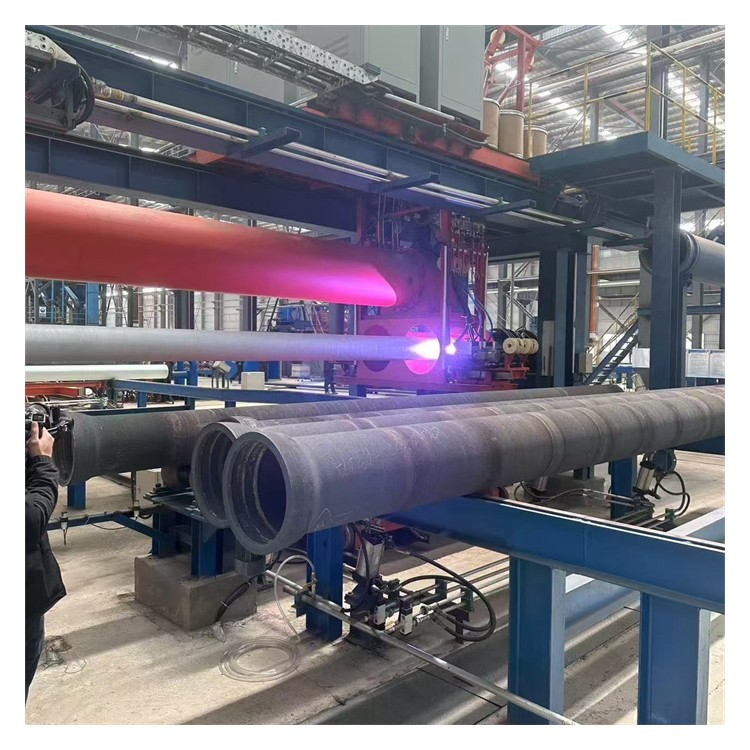
Centrifugal Casting: Casting is performed using a water-cooled metal centrifugal machine, where molten iron at high temperature is continuously poured into a high-speed rotating tube mold, and the iron is solidified into ductile iron pipes through water cooling.
● Annealing Treatment: Cast iron pipes are placed in the annealing furnace for performance testing after casting.
● Zinc Coating: Processed using a high-pressure electrostatic spray machine.
● Honing: Sand and clean the ends, insertion ports, and inner walls of each tube.
● Hydrostatic Test: The corrected pipes undergo a hydrostatic test to ensure their ability to withstand internal pressure.
● Cement Lining: The inner wall of the pipe is lined with cement by a double-position cement lining machine, with all cement mortar used having undergone strict quality inspections and proportion control. The entire lining process is computer-controlled to ensure the quality of the cement lining.
● Asphalt Coating: The good pipes are first heated externally, followed by asphalt coating by a dual-station automatic spraying machine to enhance the anti-corrosion capability of the pipes.
Final inspection, packaging, and inventory: Inspect the asphalt-coated pipes, and only pipes that pass completely can be marked, followed by packing and storage as required.
Section 4: Application Scope:
Ductile iron pipes are widely used in various fields due to their excellent properties:
Municipal water supply: An ideal material choice for water pipelines.
Gas and Oil Transportation: Commonly used for gas and oil pipelines in industrial and mining enterprises.
Drainage and Sewage: Also used for drainage and sewage pipeline systems.