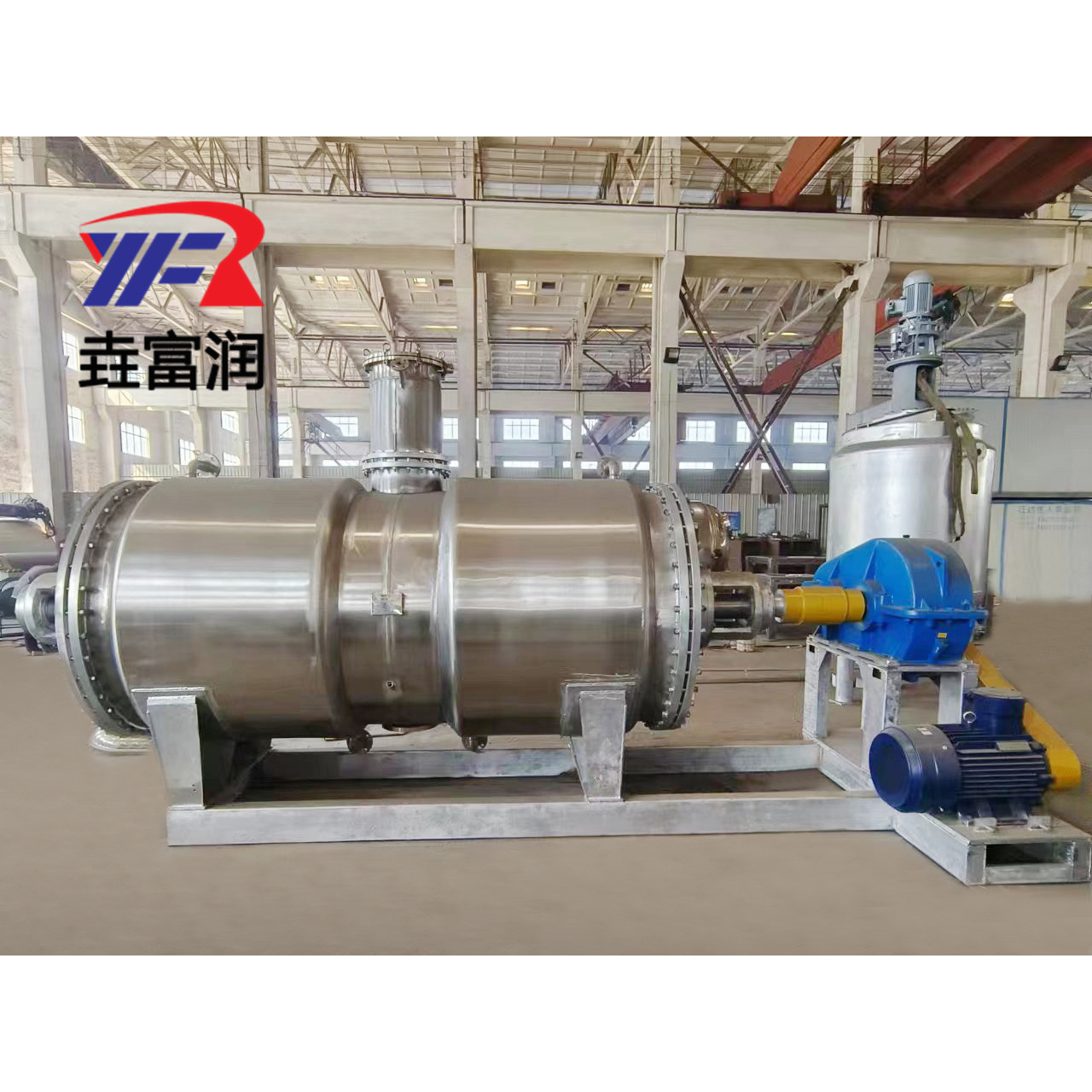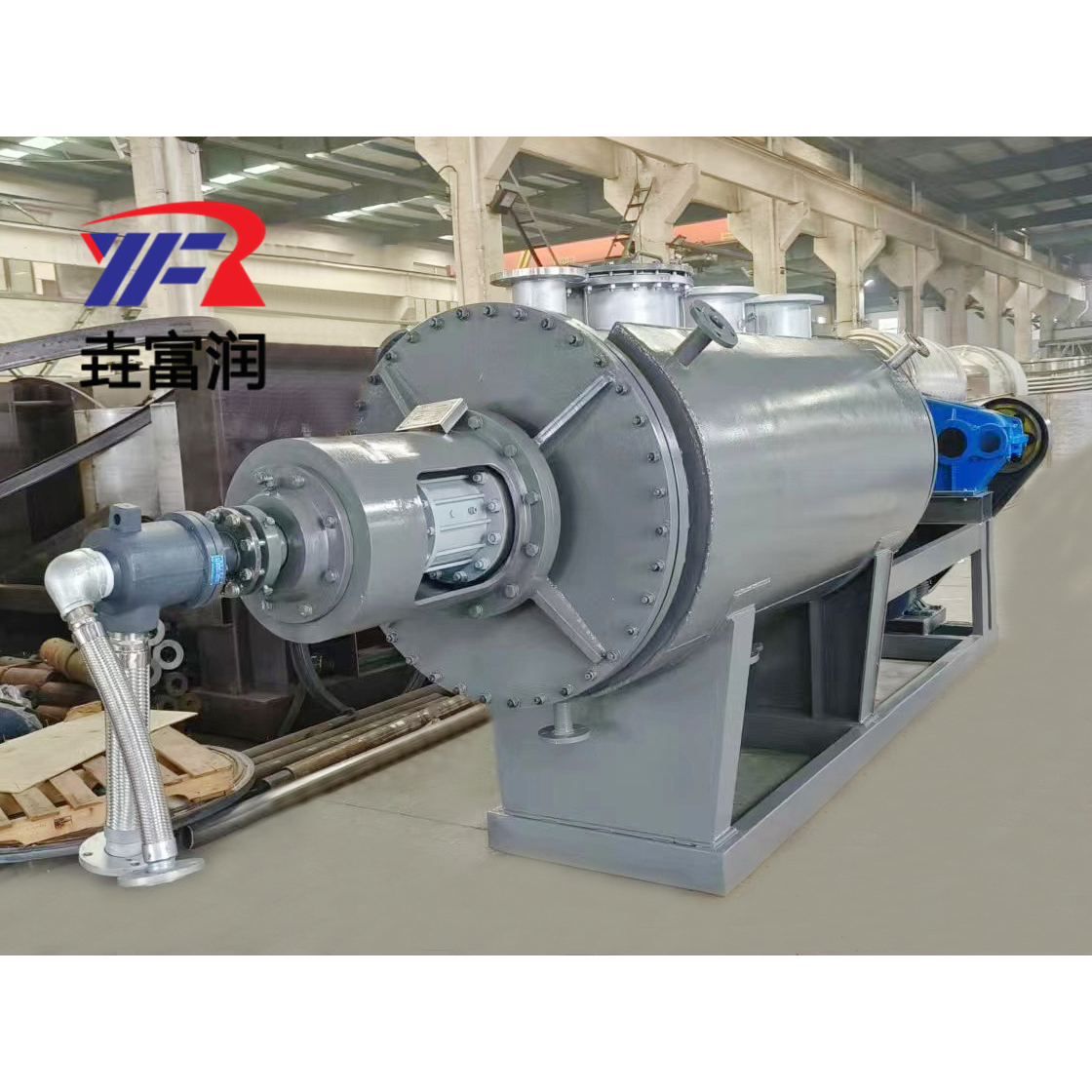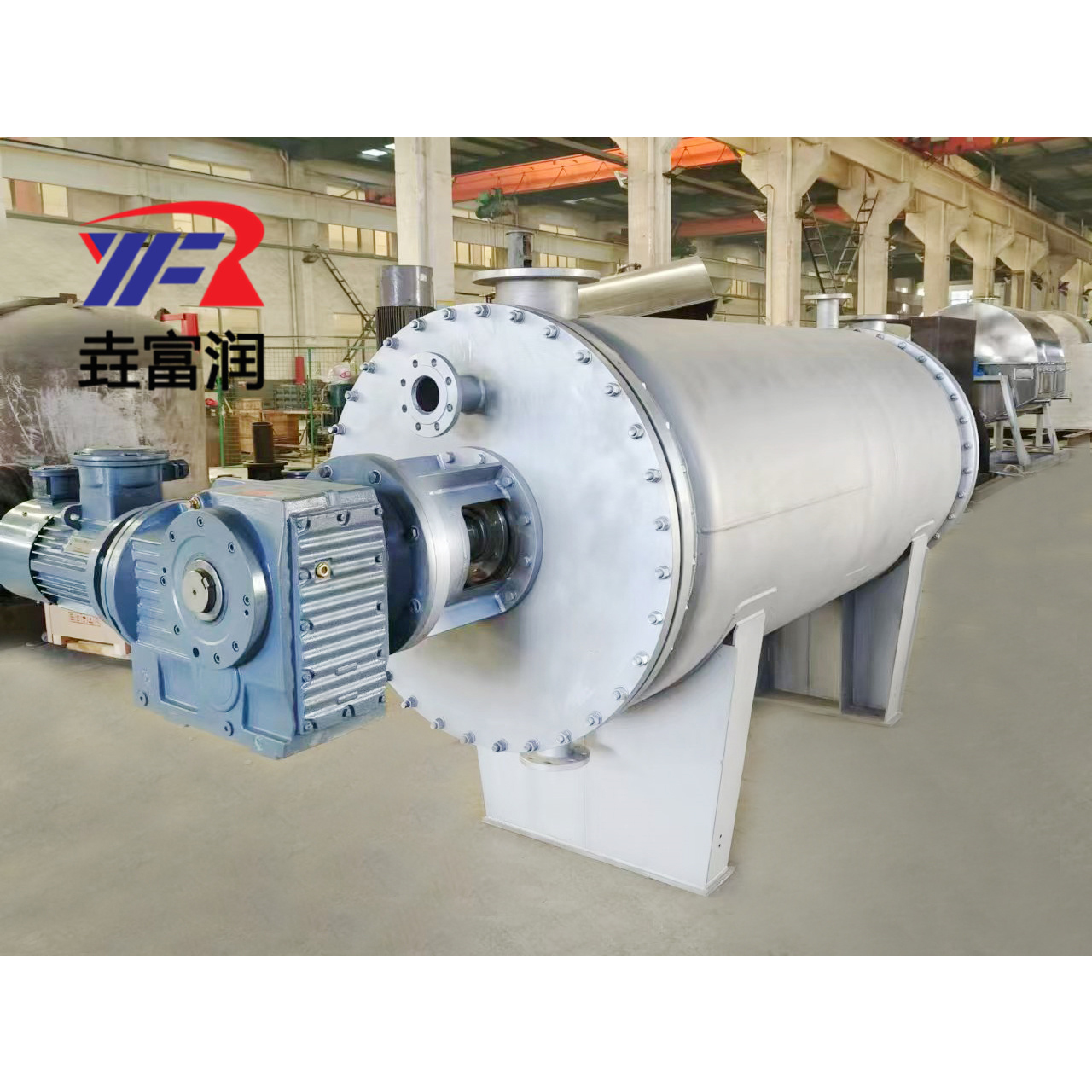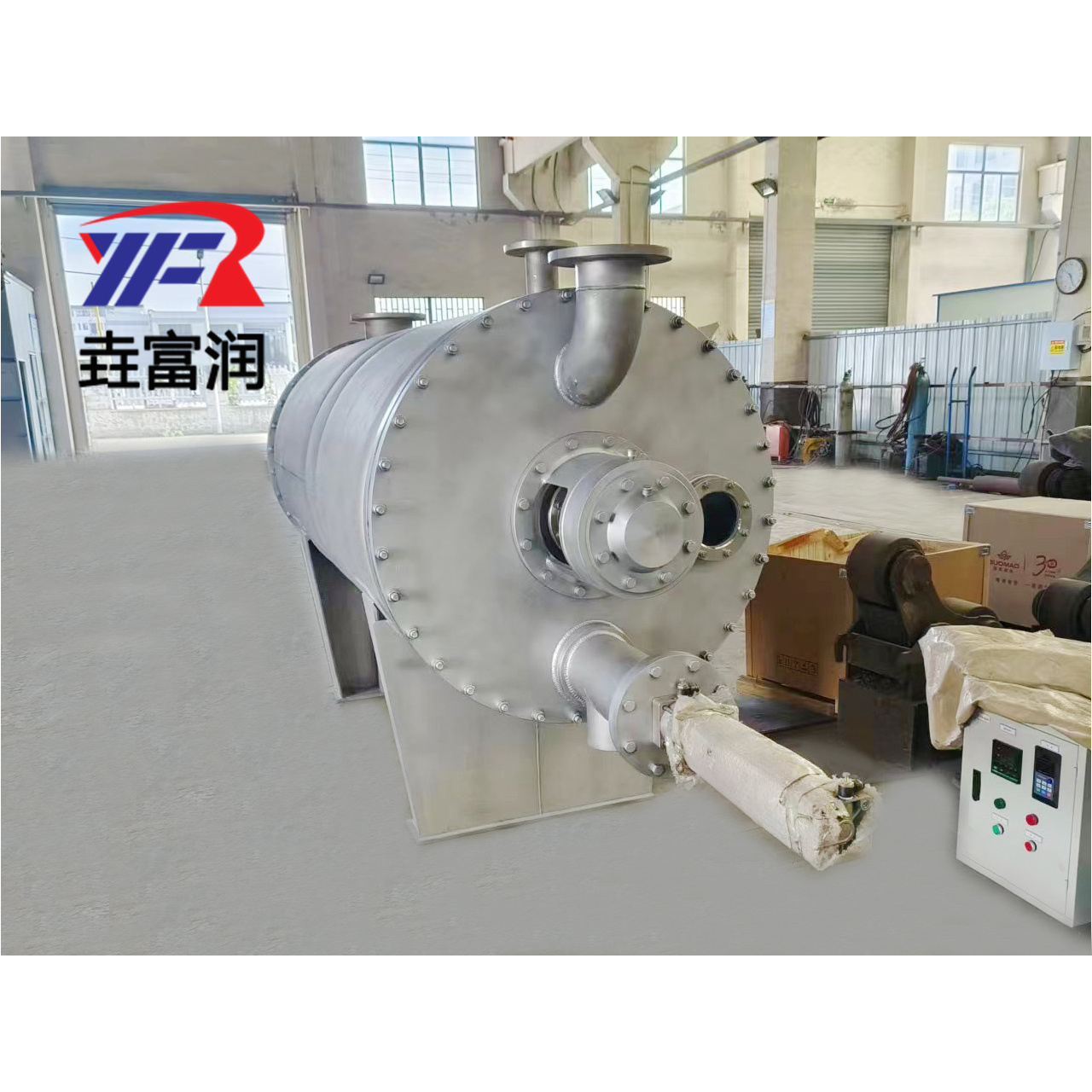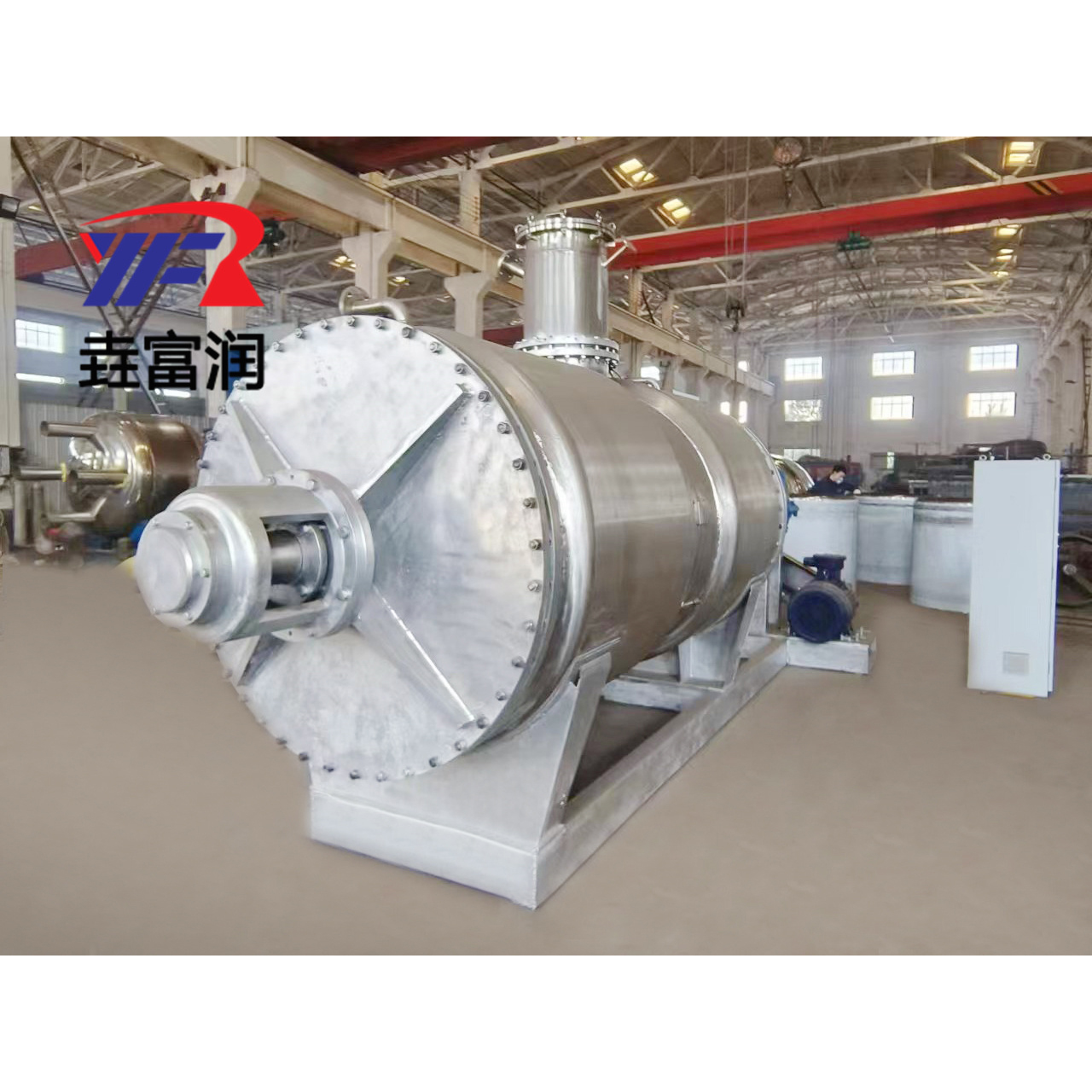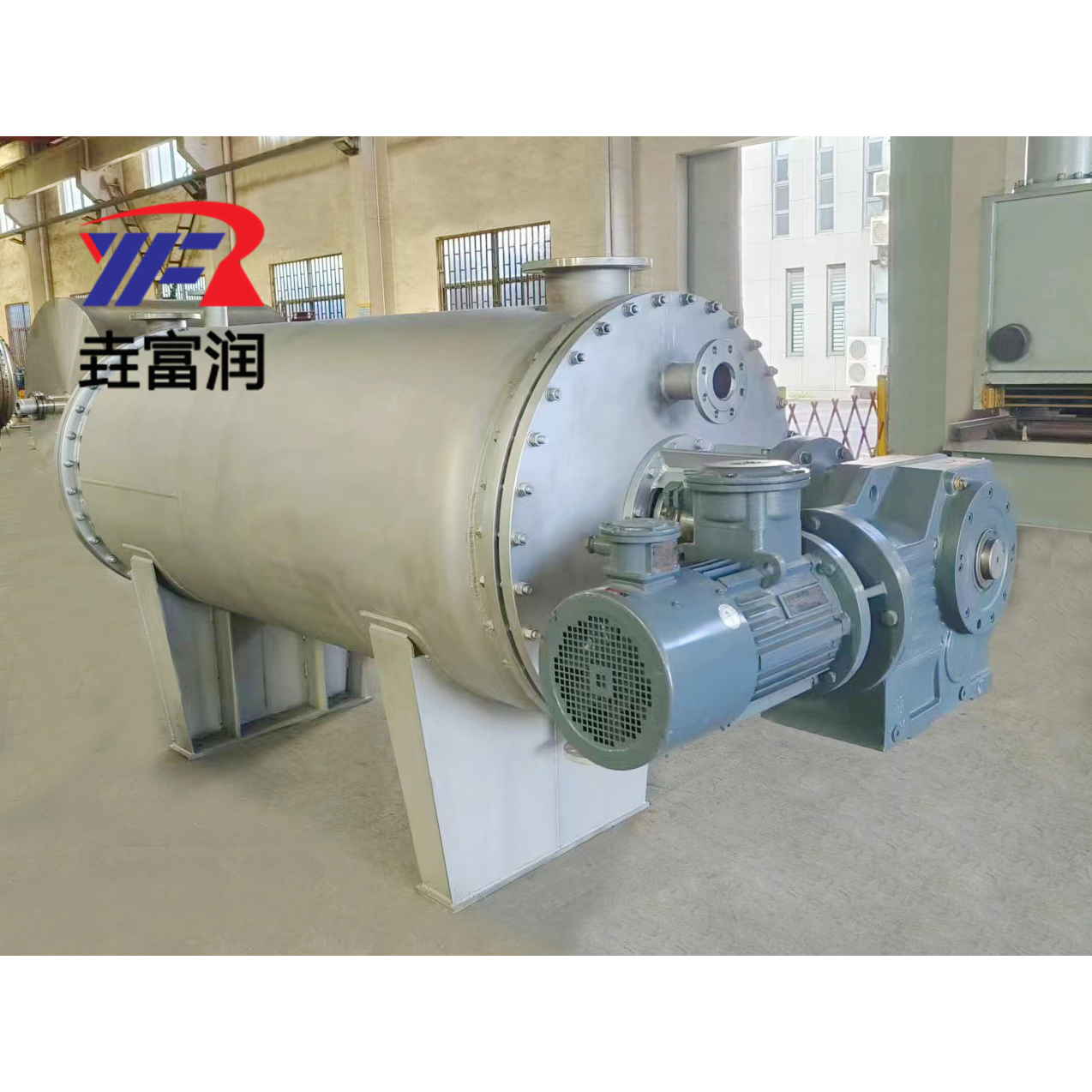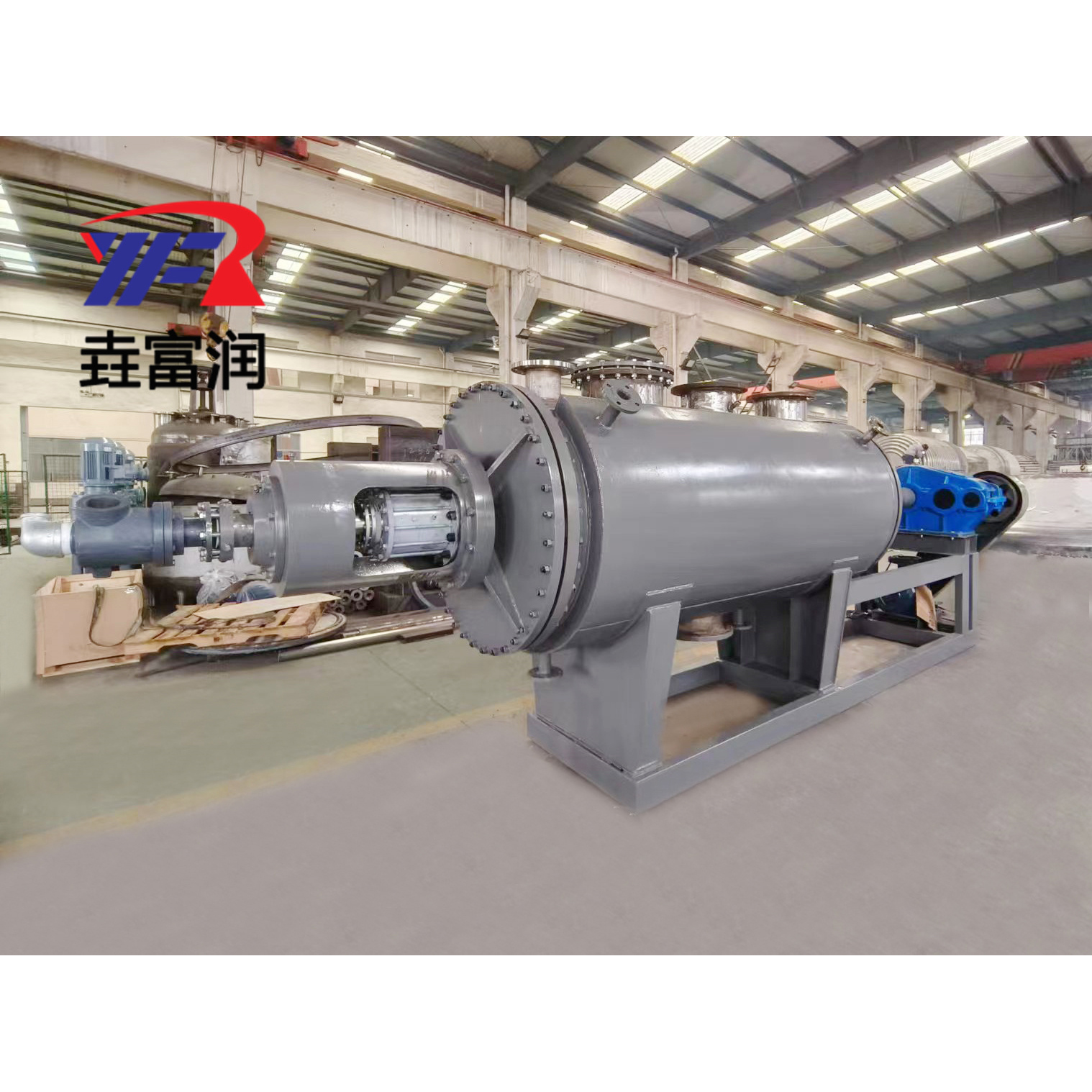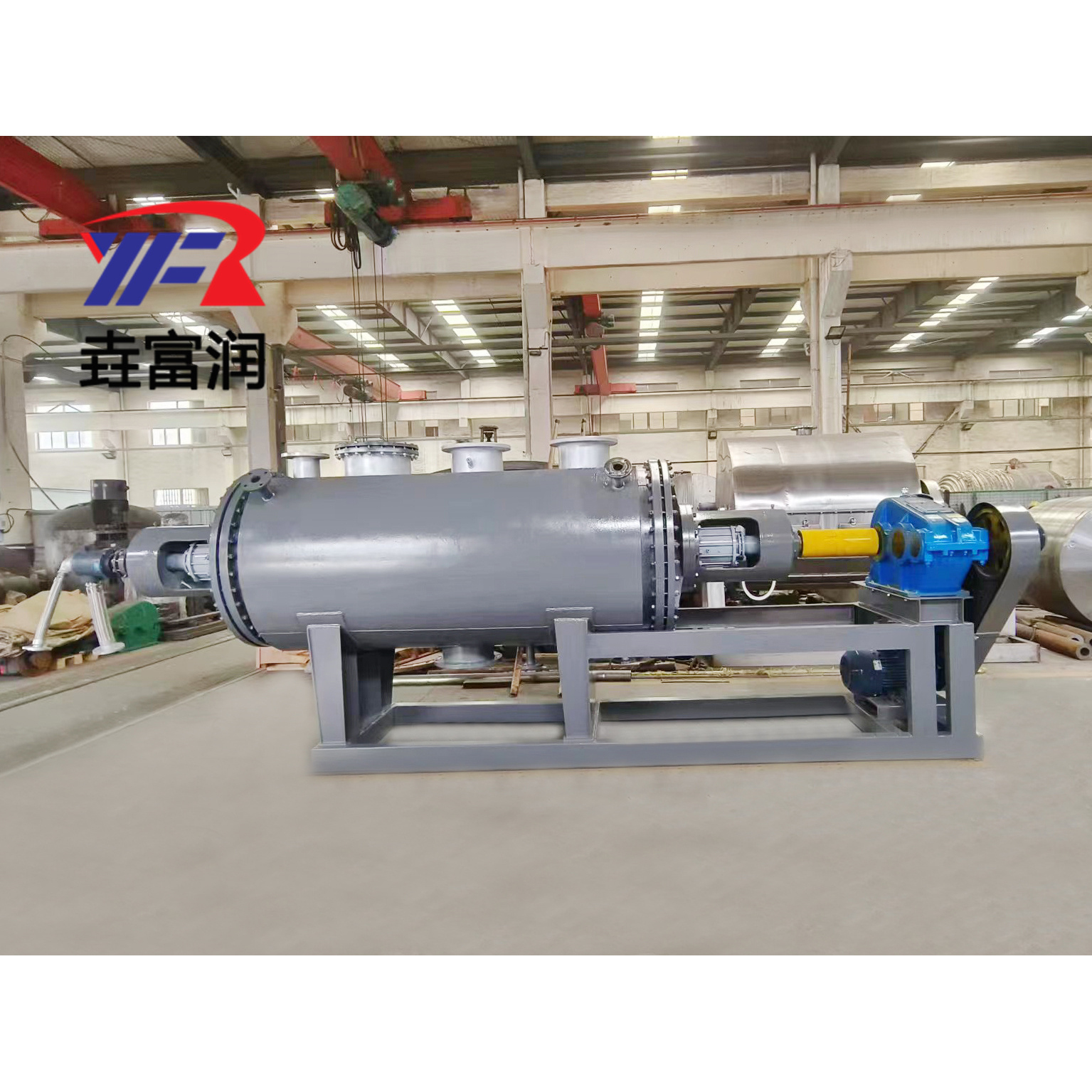









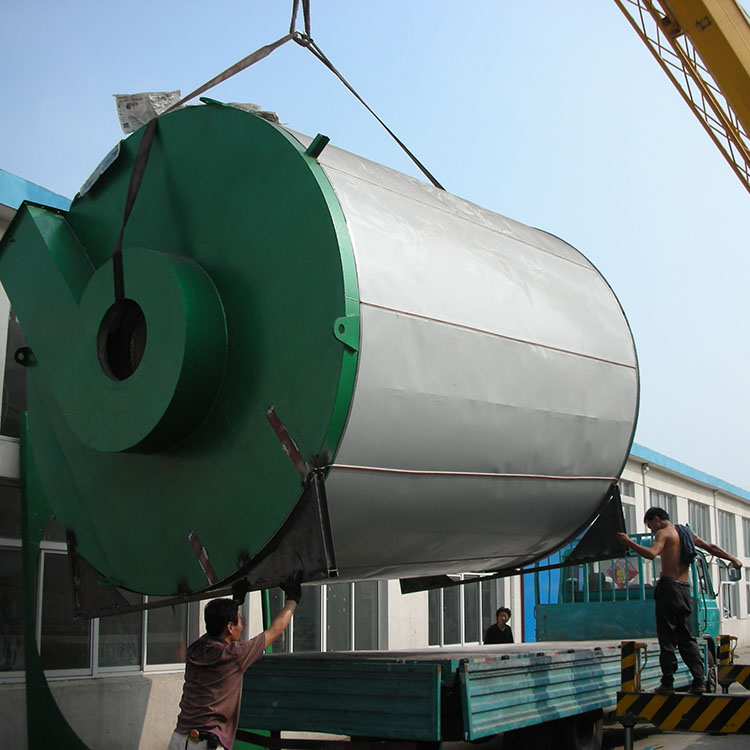
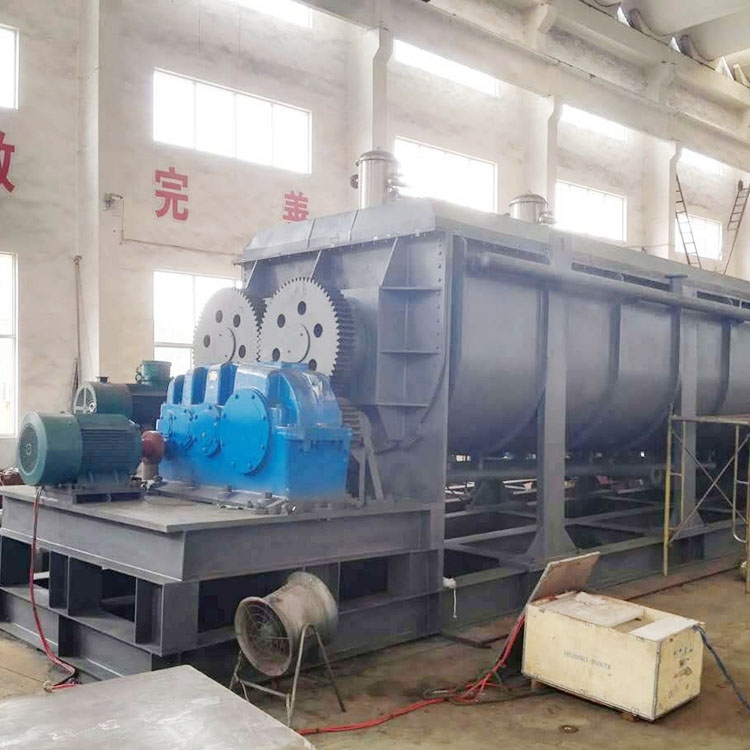


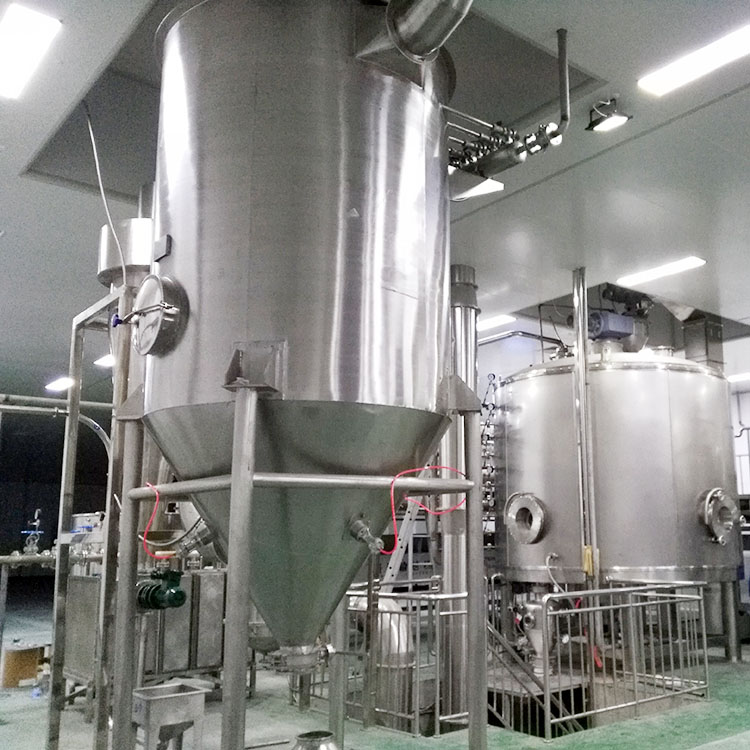
Operating Principle
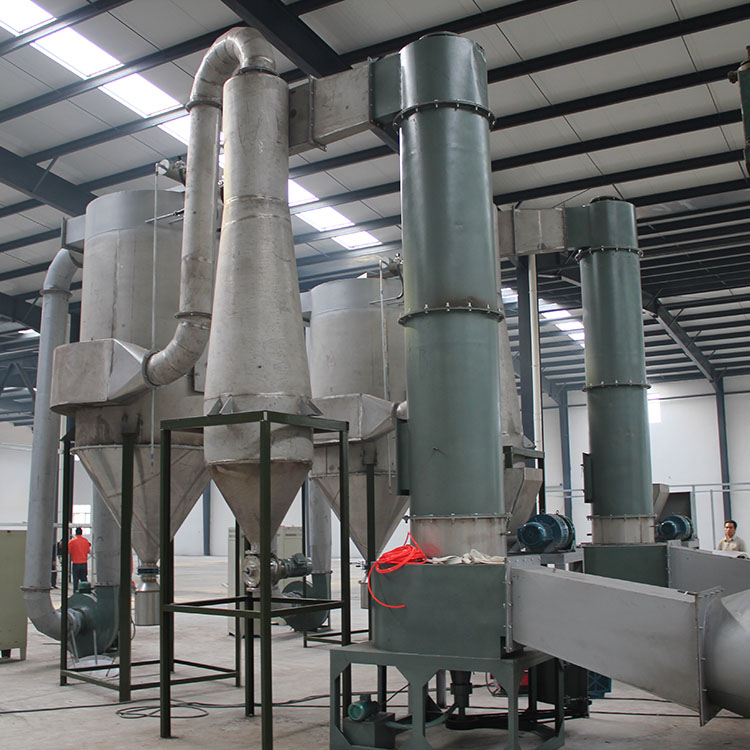
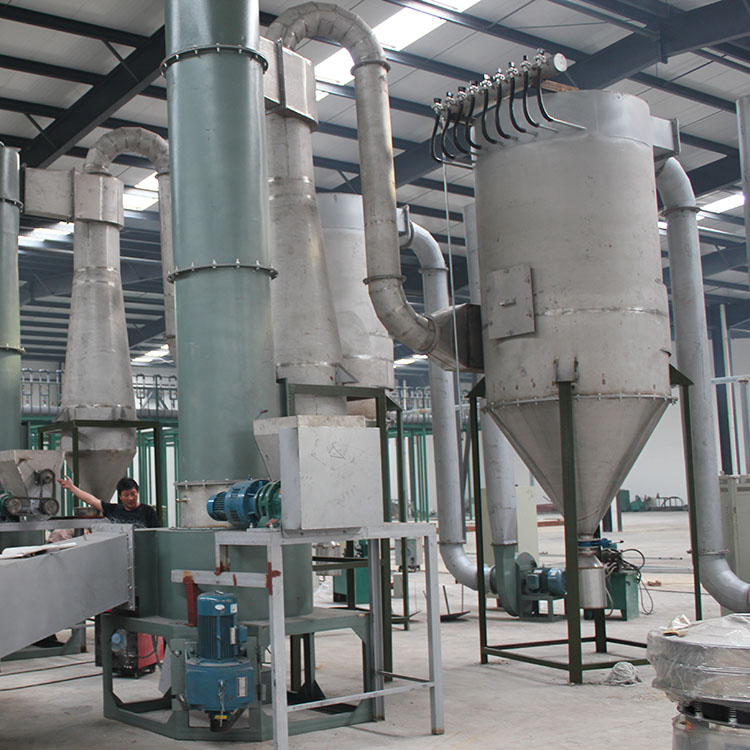
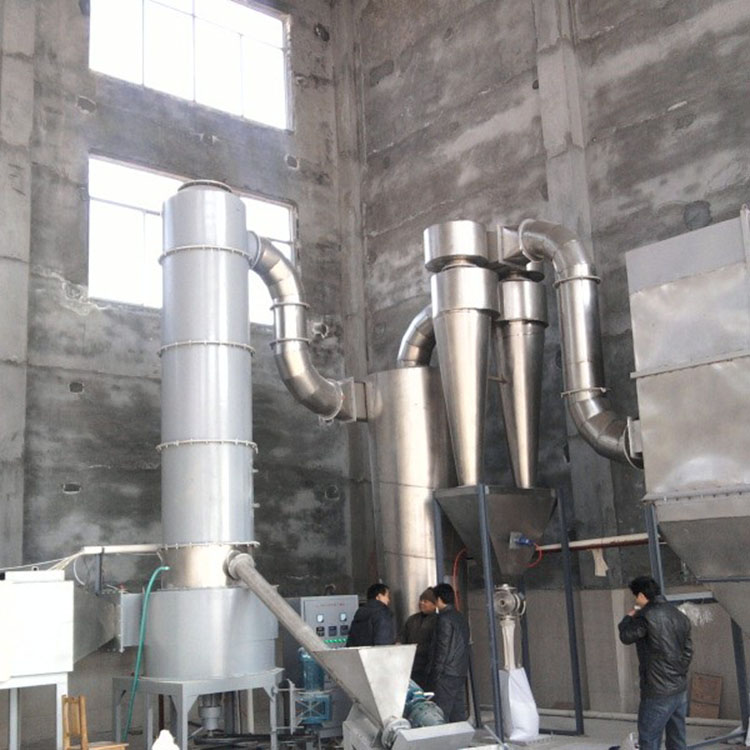
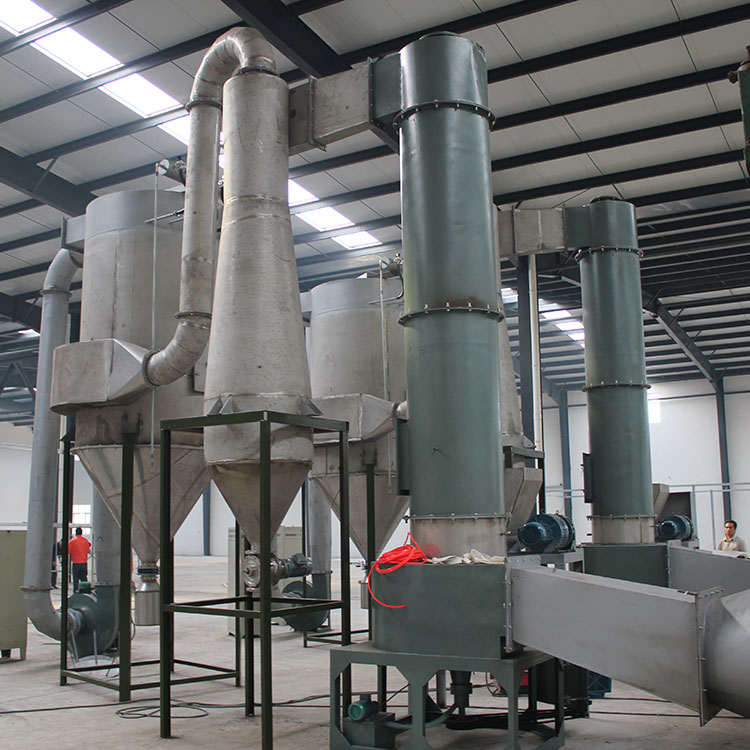
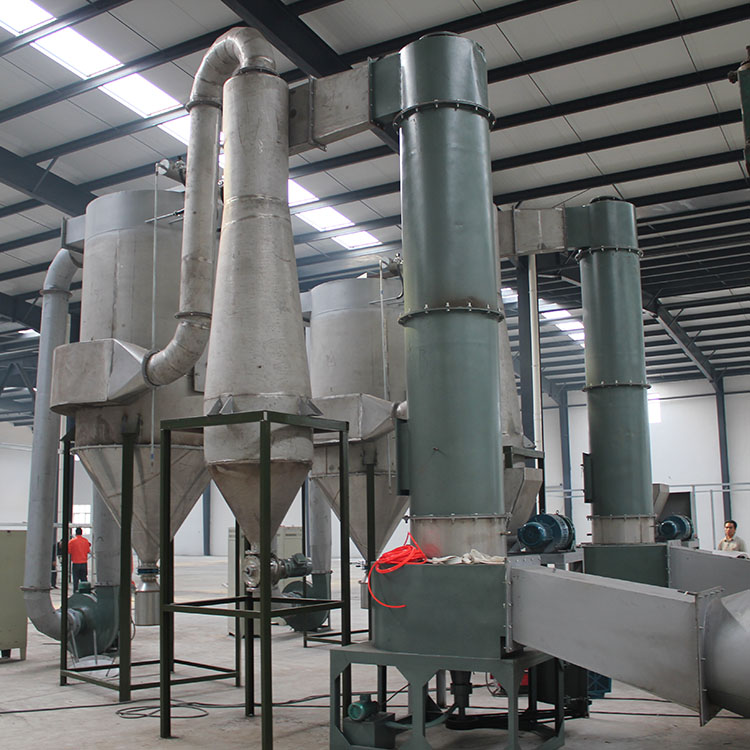
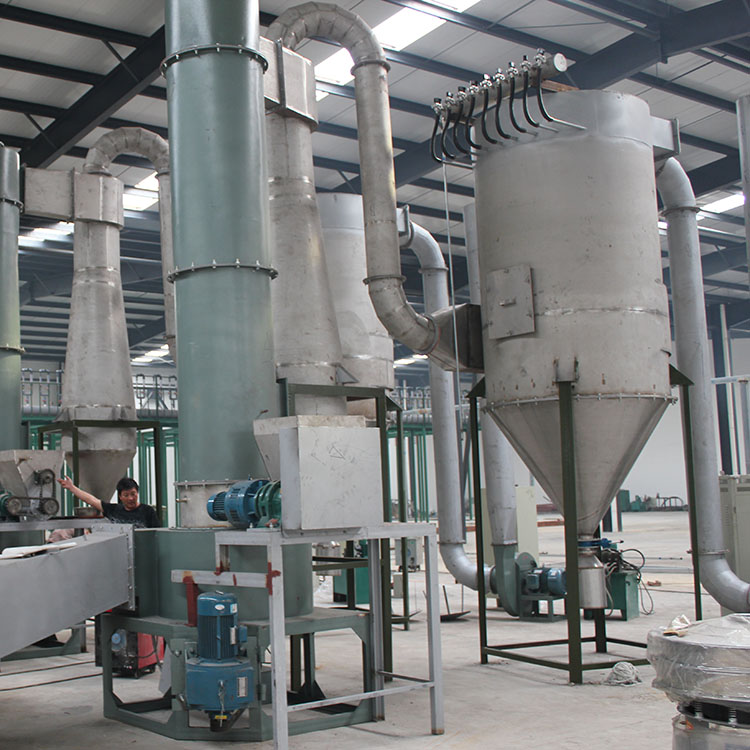
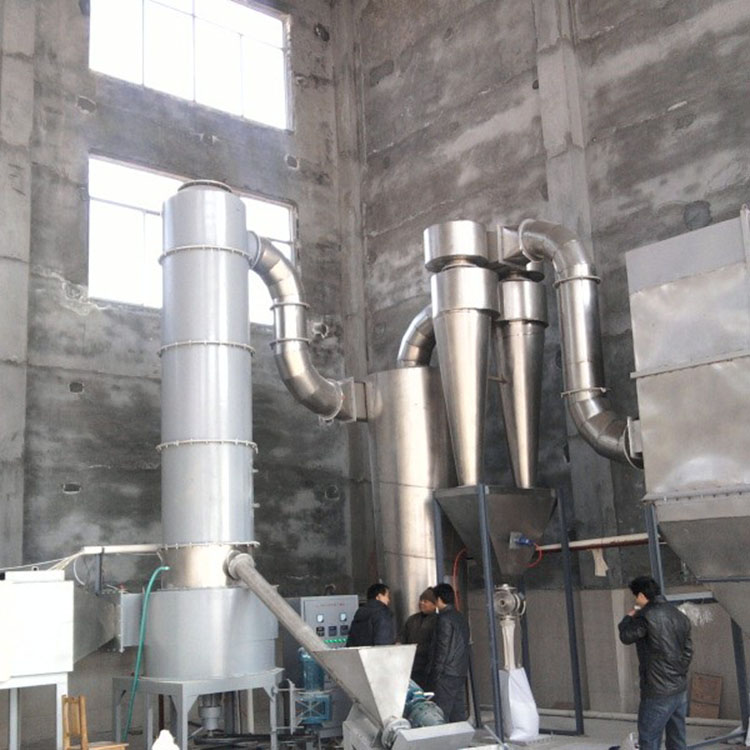
Hot air enters the bottom of the dryer tangentially, forming a powerful rotational air field driven by the agitator. The paste-like material is introduced into the dryer by a spiral feeder, where it is dispersed under the intense action of the high-speed rotating impeller, subjected to impacts, friction, and shearing forces. The solid material is rapidly crushed, and it is fully exposed to the hot air, heated, and dried. The dried material, after dehydration, rises with the hot air stream. The grading ring retains larger particles, while smaller particles are discharged from the center of the ring outside the dryer, recovered by the cyclone separator and dust collector. Un-dried or larger pieces are thrown against the wall by centrifugal force, fall back to the bottom, and are then crushed and dried again.
Performance Features
The integration of vortex, fluidized bed, jetting, and crushing classification technologies.
The equipment is compact, with a small footprint, high production efficiency, and continuous production capabilities.
"Small gadgets, big production."
High drying strength, low energy consumption, and high thermal efficiency.
Short material dwell time, high-quality finished products, suitable for drying heat-sensitive materials.
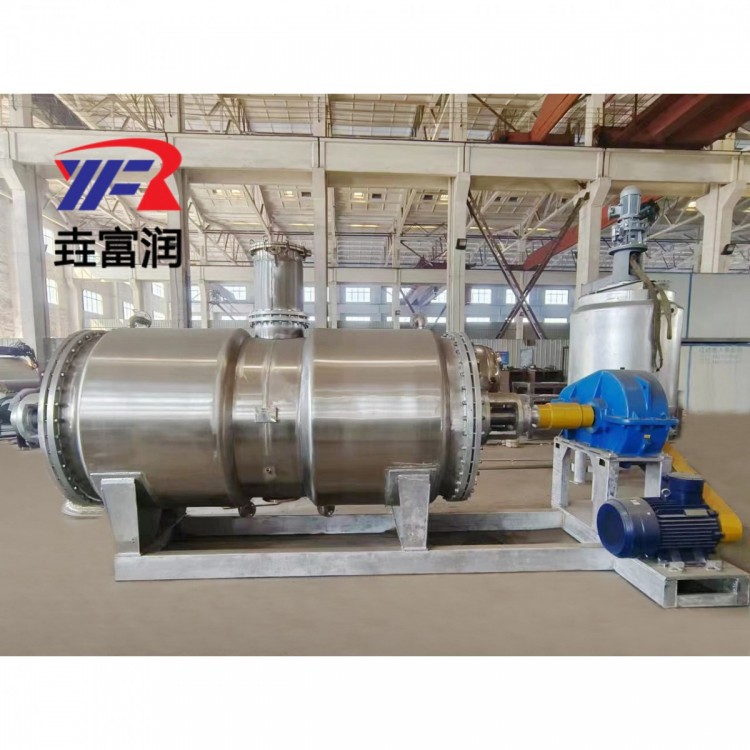
Operation under vacuum or mild vacuum, excellent sealing, high efficiency, and elimination of environmental pollution.
Suitable materials
Organic compounds: Lauryl acid isolate, benzoic acid, cinnamic acid, fungicides, sodium metavanadate, cellulose acetate, organic pigments, etc.
Dyes: Anthraquinone, black iron oxide, indigo pigment, butyric acid, titanium dioxide, zinc sulfide, various azo dye intermediates.
Inorganic substances: borax, calcium carbonate, hydroxides, copper sulfate, iron oxide, barium carbonate, antimony trioxide, various metal hydroxides, various heavy metal salts, synthetic cryolite, etc.
Food: Soy protein, gelling starch, lees, wheat sugar, wheat starch, etc.
Technical Specifications

Note: 1. The water evaporation rate is the amount of water evaporated per hour at an inlet air temperature of 180°C and an outlet air temperature of 80°C.
2. In addition to the above models, we can offer special designs upon customer request.
3. The above installed capacity is the standard package. The package can be significantly reduced based on the different power ratings of the materials.
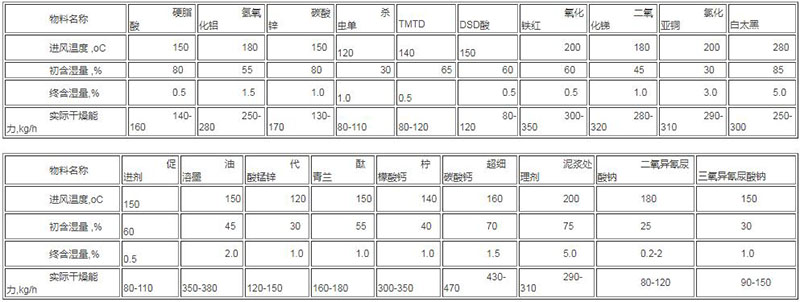
Processing Material & Features (based on Type 6 Flash Evaporation)