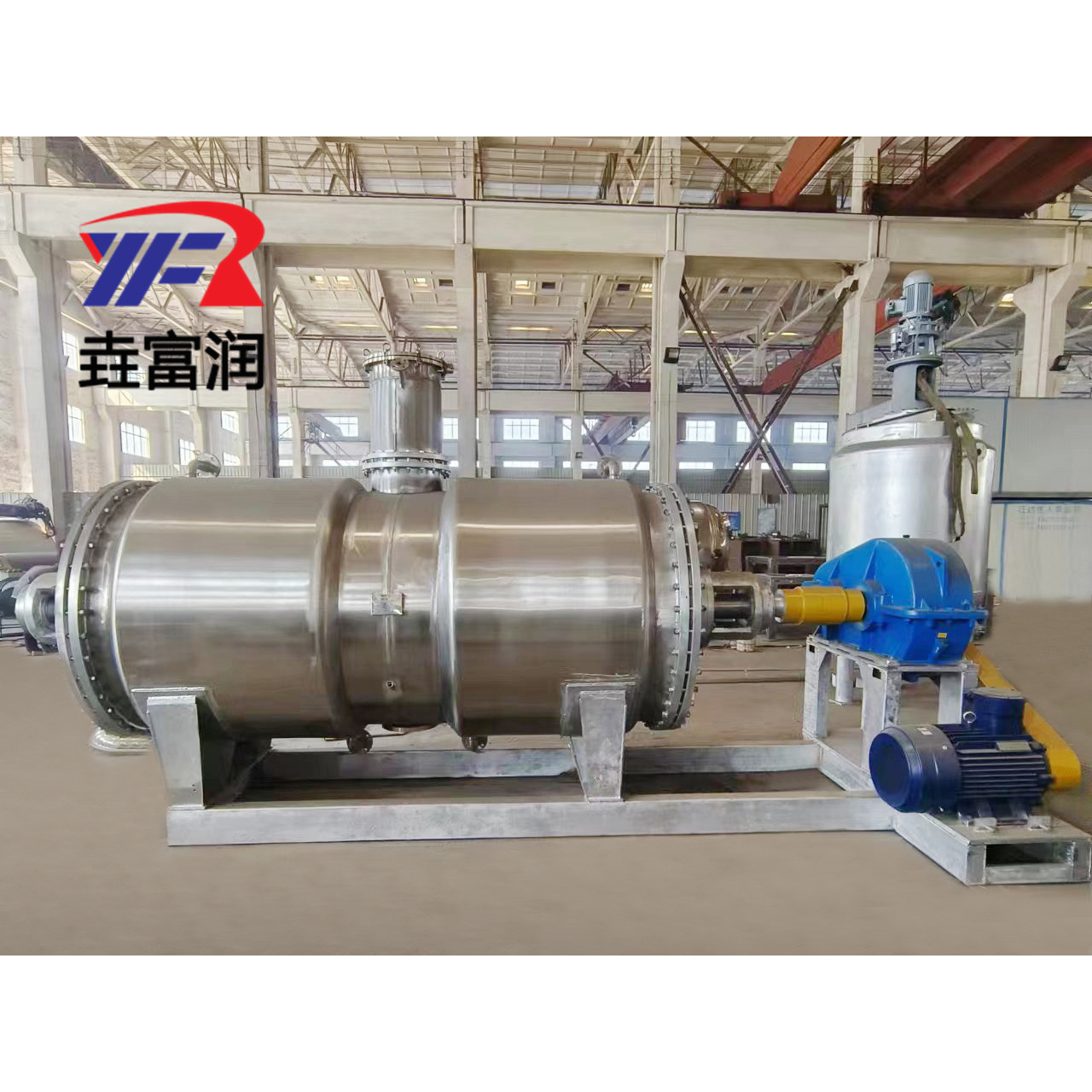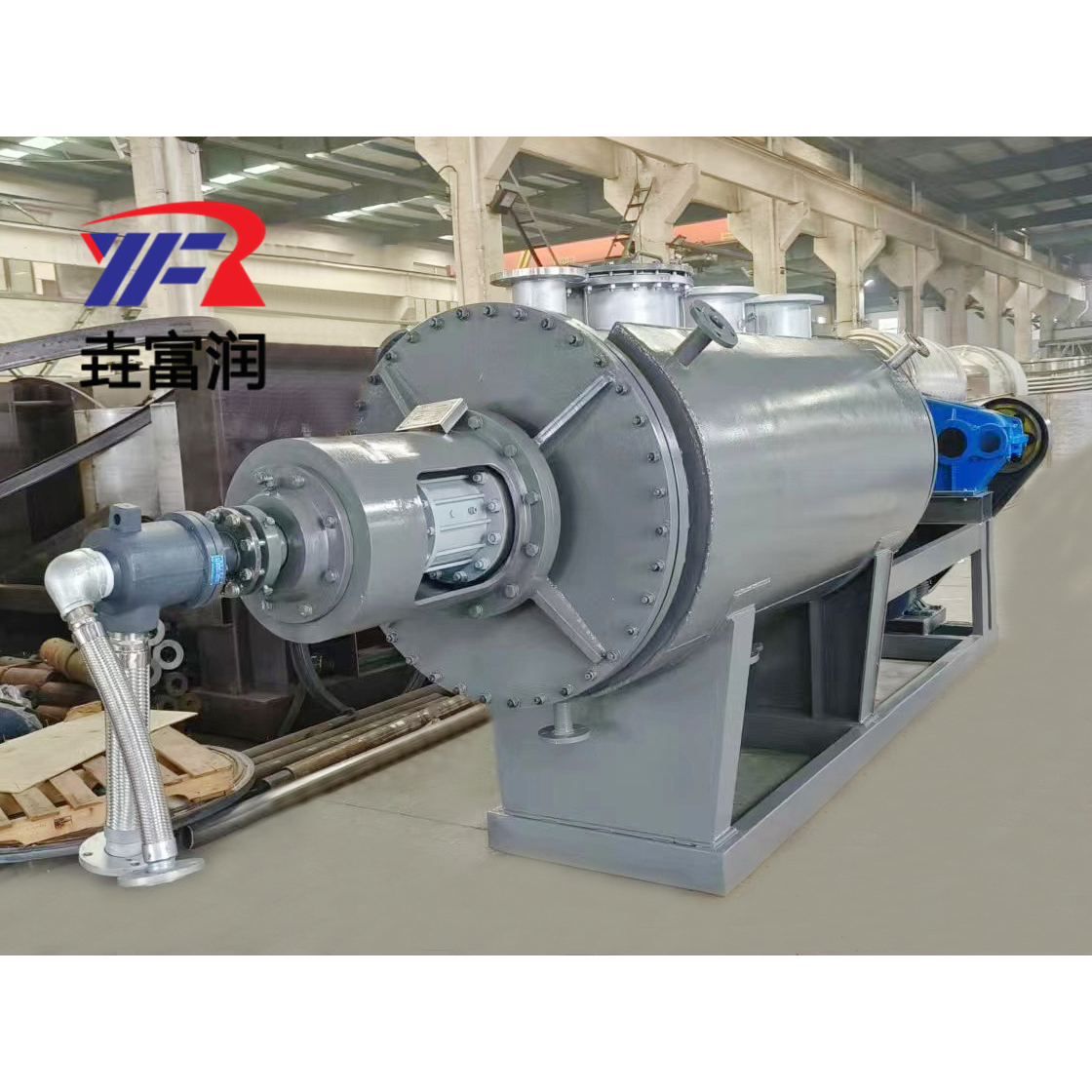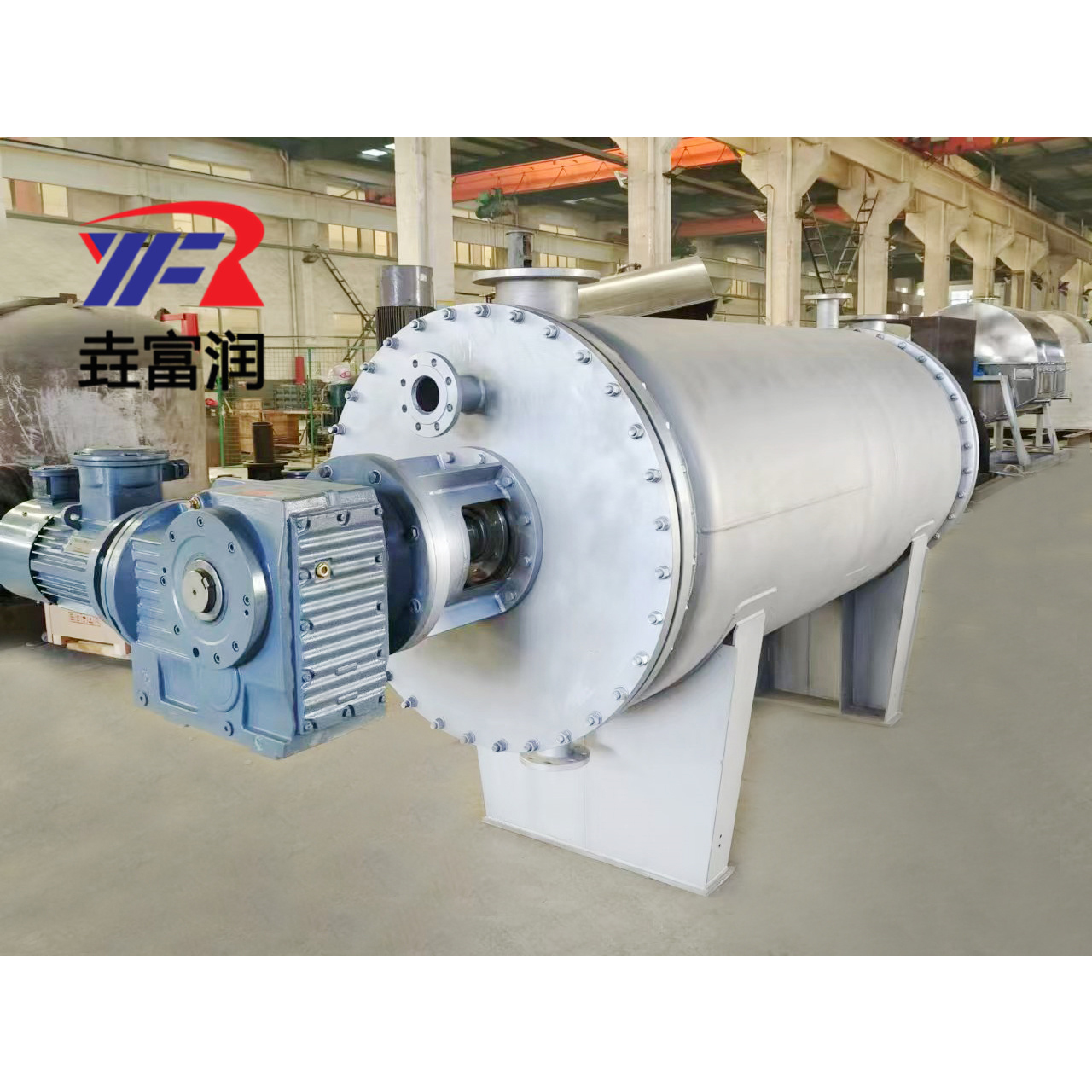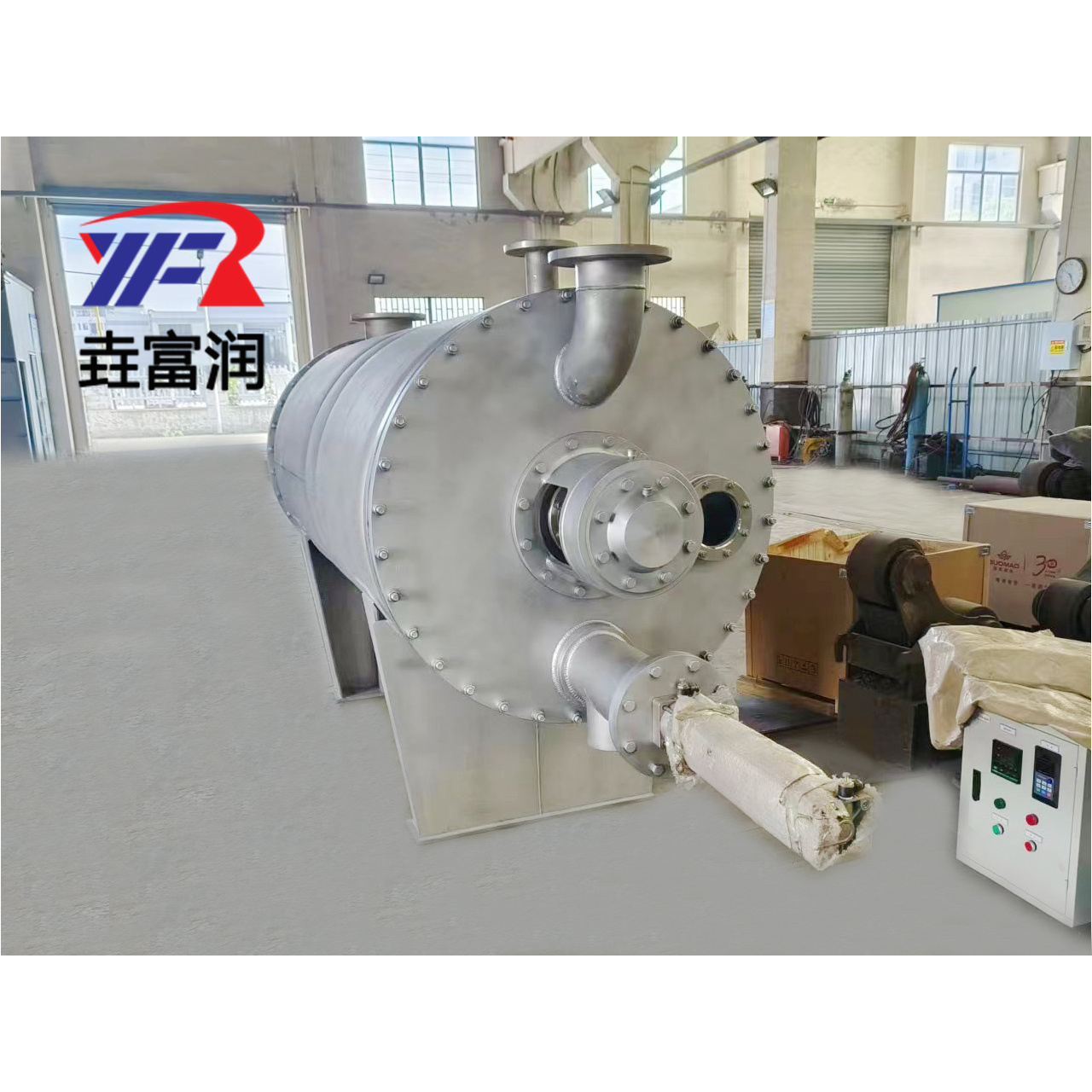











Principle of Operation
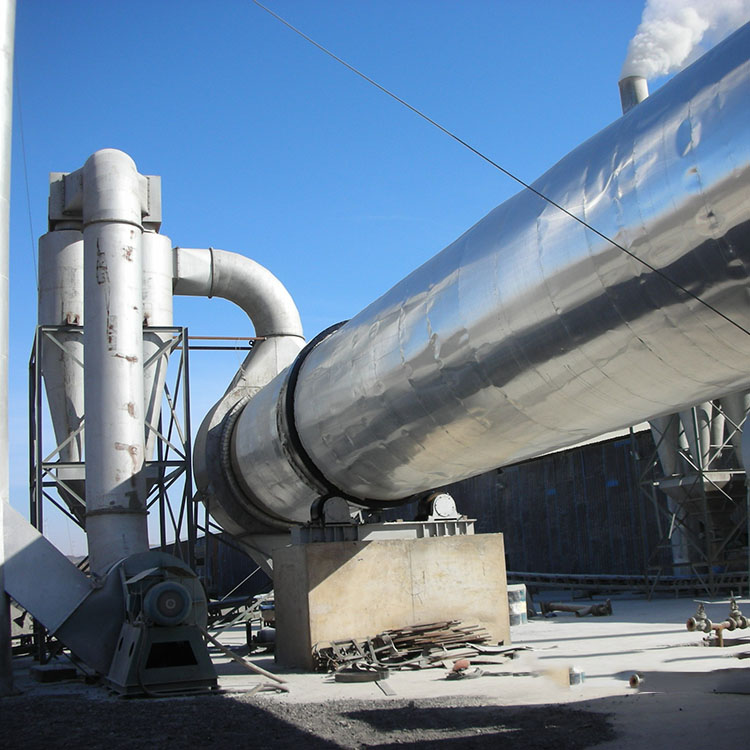
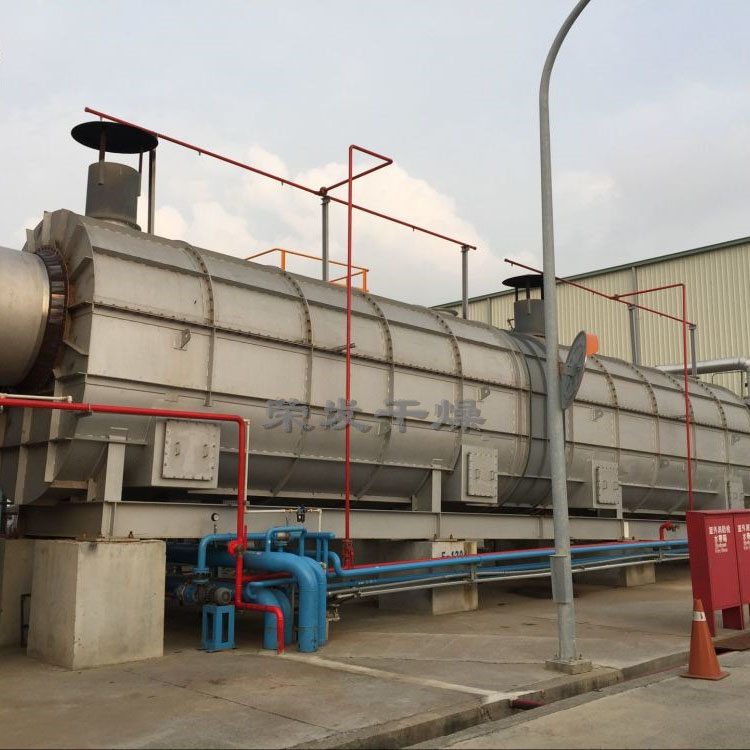
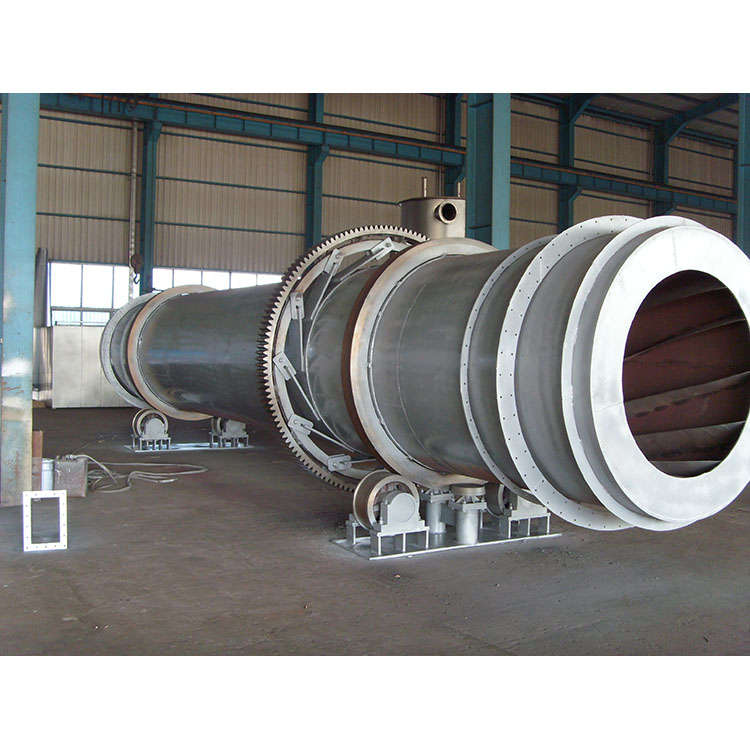
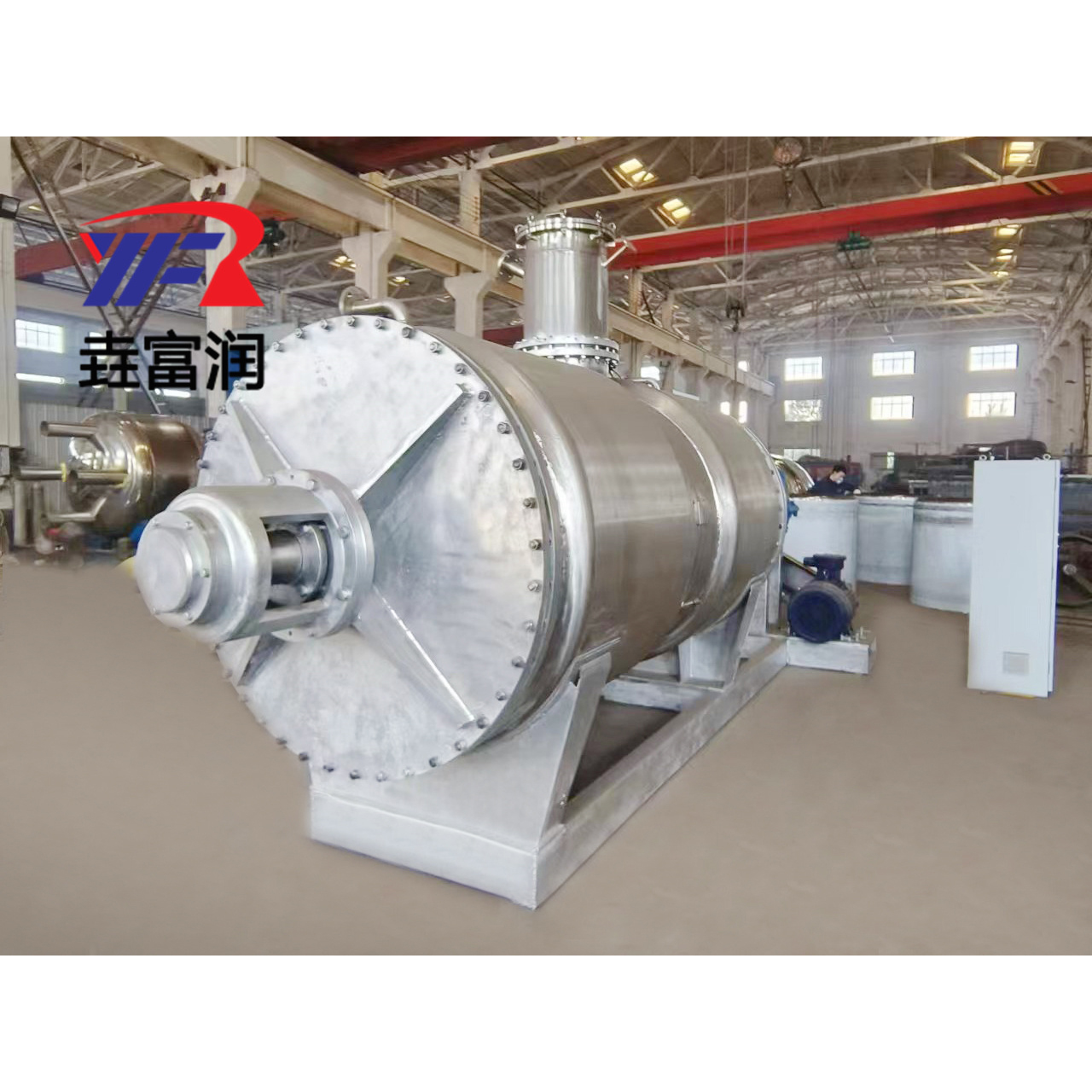
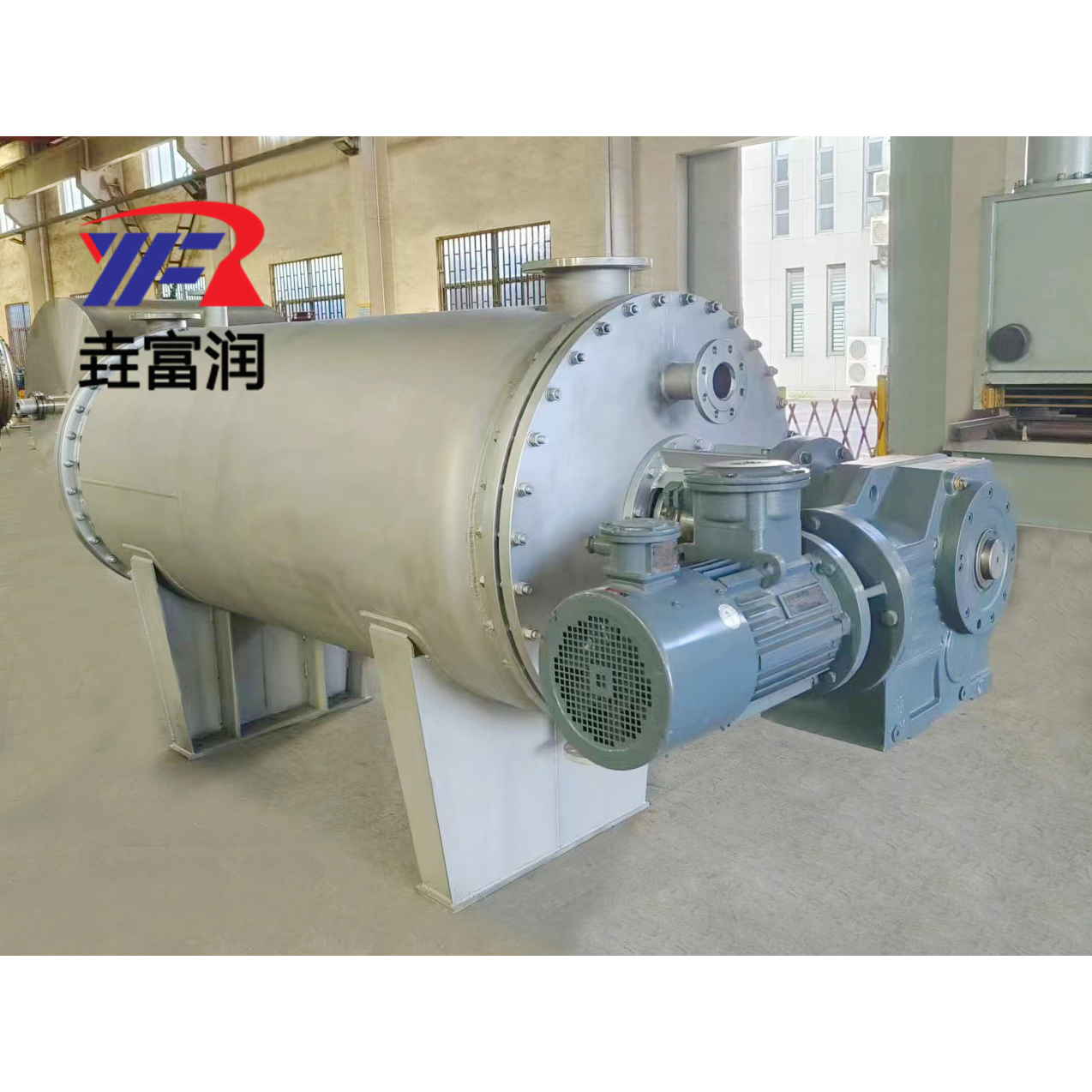
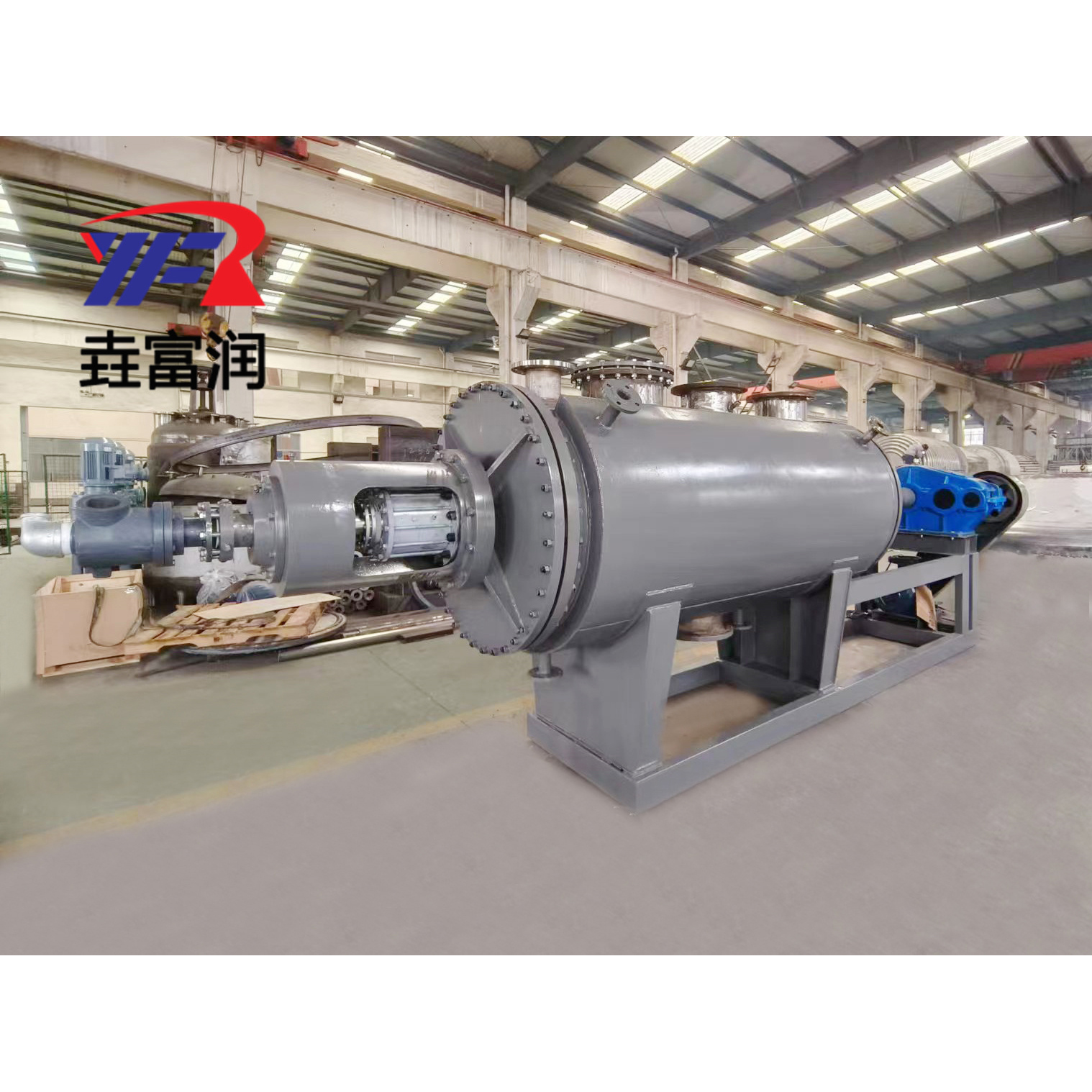
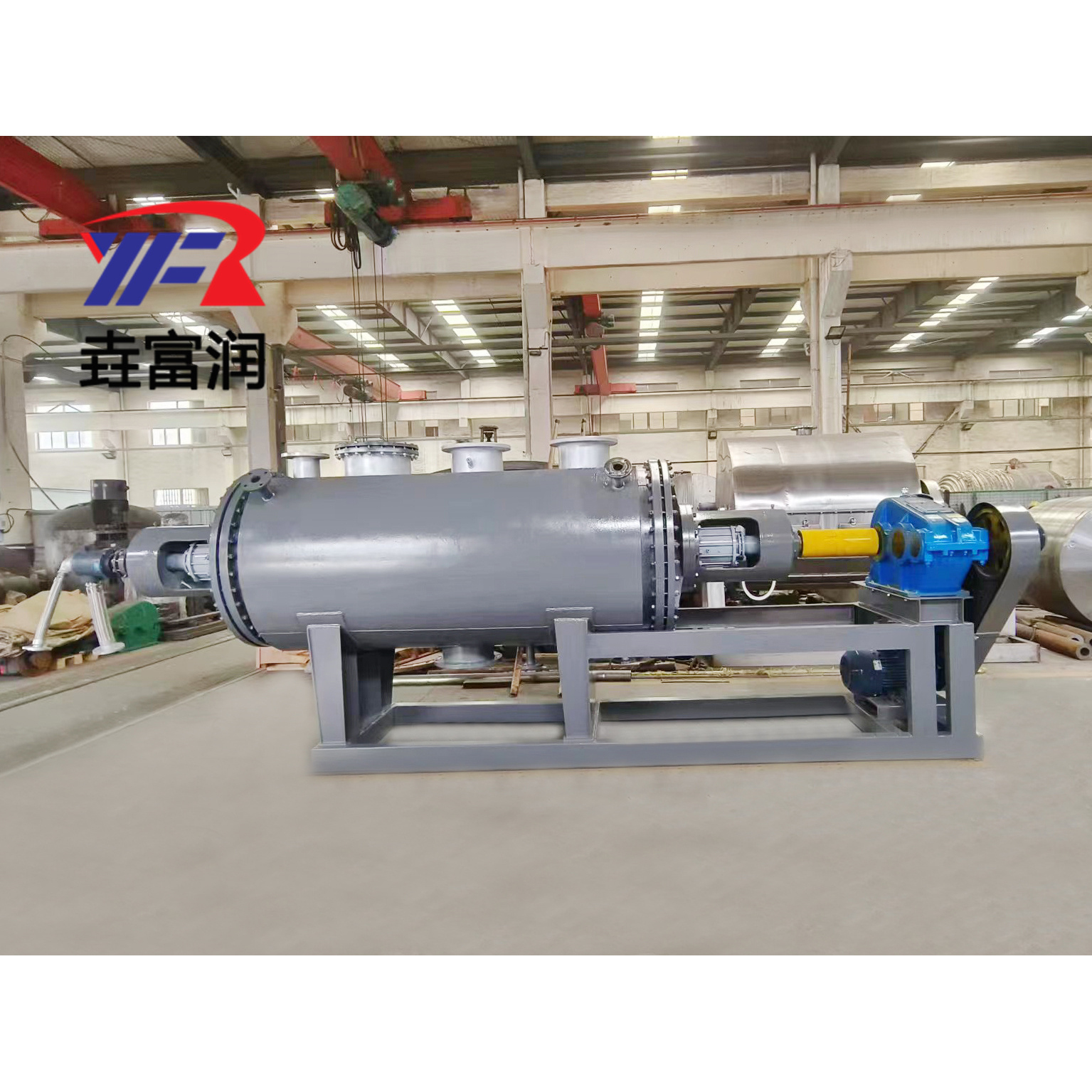
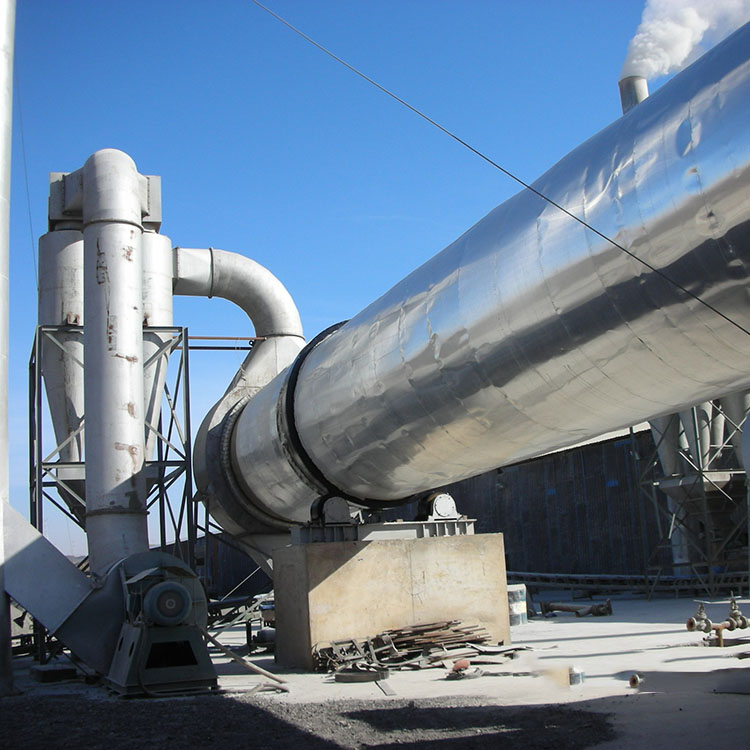
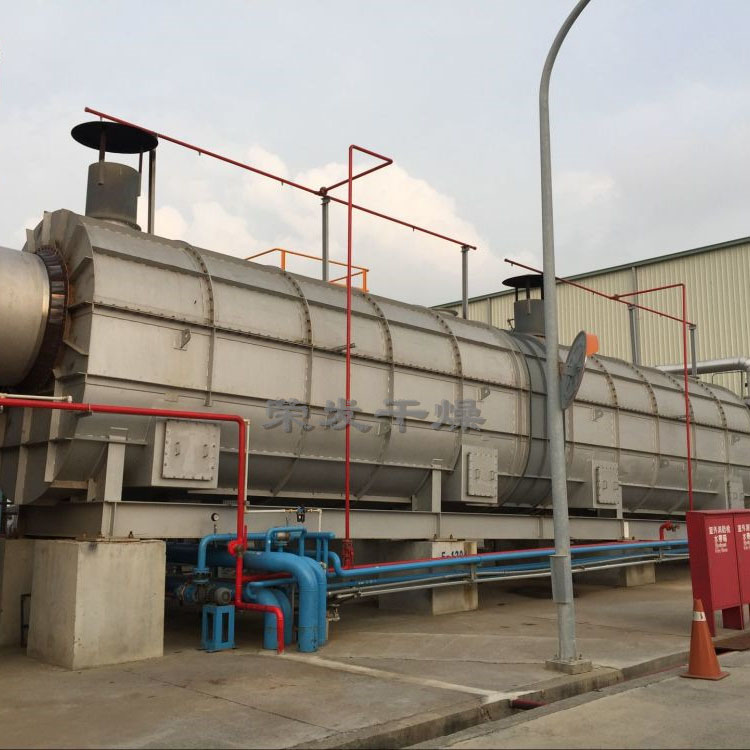
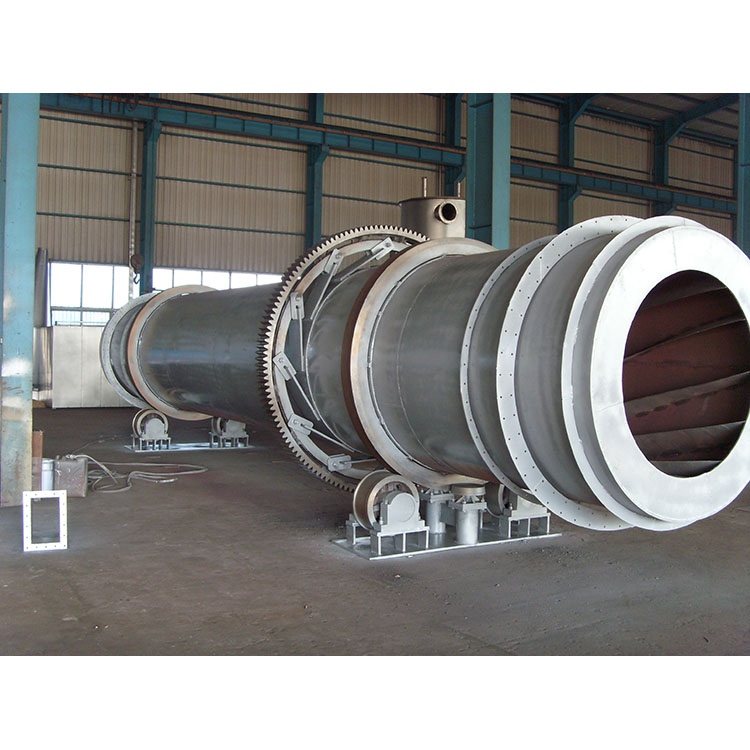
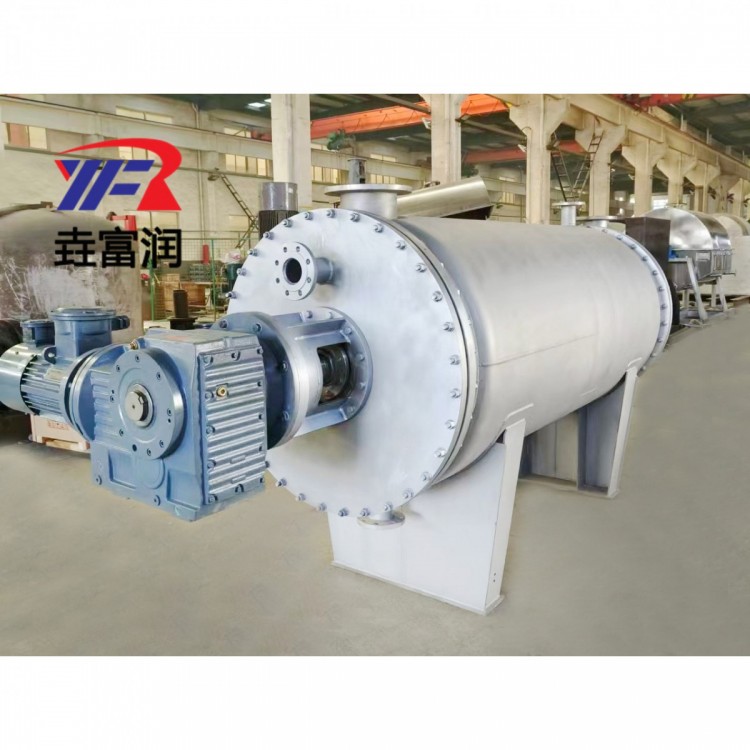
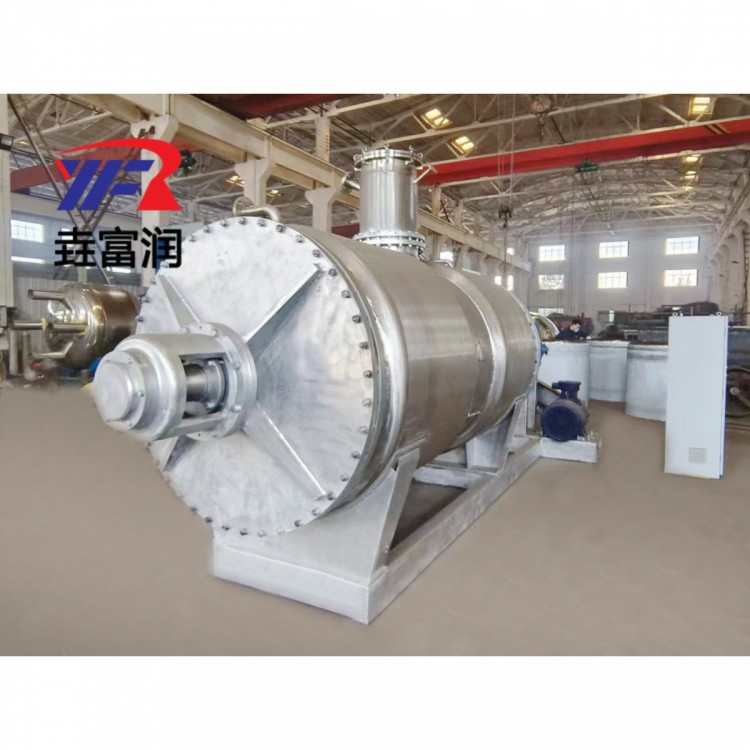
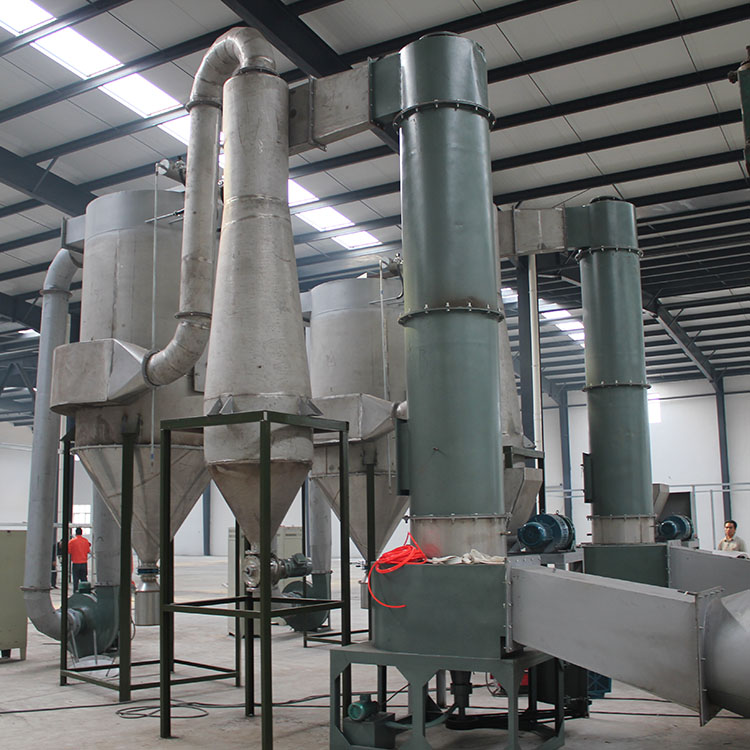
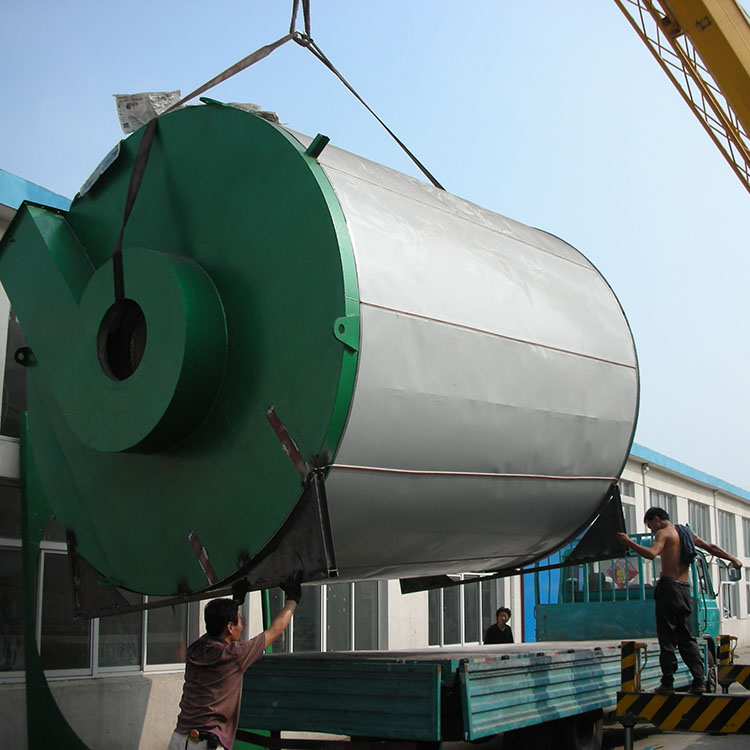
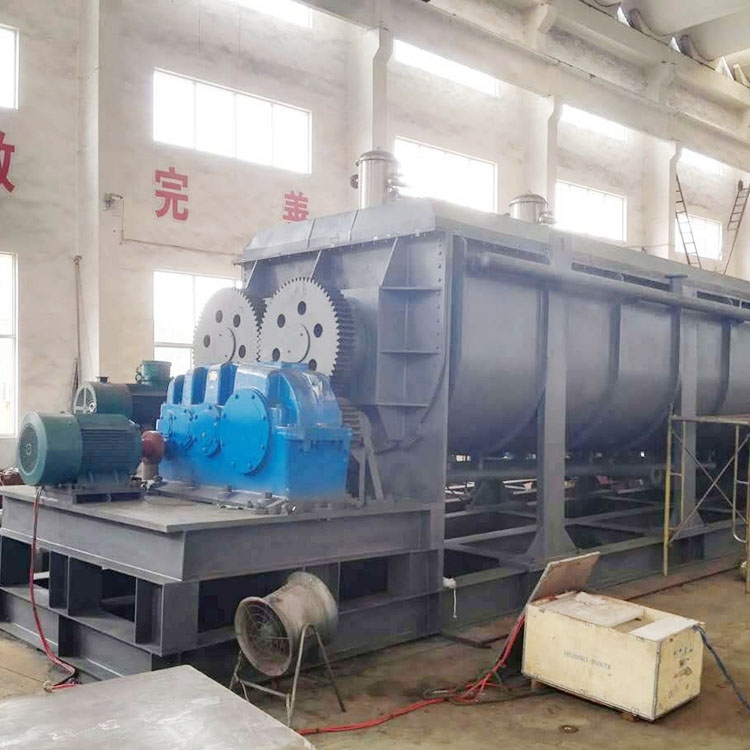
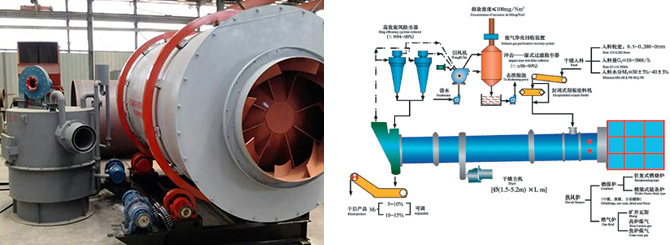
Wet materials, upon being introduced into the dryer from one end, are uniformly distributed and dispersed by the impellers in the inner drum, and come into thorough contact with the counterflow (countercurrent) hot air, accelerating heat transfer and driving force within the dryer. During the drying process, the materials, under the influence of inclined impellers and hot airflow, are controllably moved to the other end of the dryer, where they are discharged through the star valve as finished products.
Material compatible
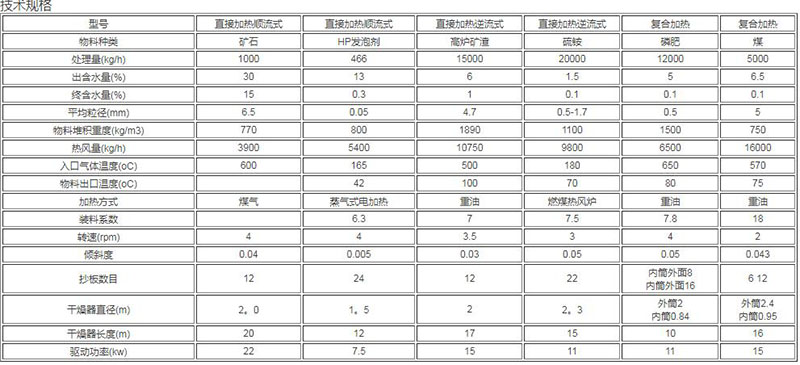
Large particle materials with high specific gravity for industries such as chemicals, mining, and metallurgy, including: mine slag, blast furnace slag, coal, metal powders, phosphate fertilizers, and ammonium sulfate.
Special drying requirements for powdery and granular materials, such as: HP foaming agent, distiller's grains, light calcium carbonate, activated clay, magnetic powder, graphite, and drug residue.
Materials requiring low-temperature drying in large, continuous batches.
Performance Features
The drum dryer features high mechanization and a large production capacity.
Low resistance through the cylinder, low functional consumption.
Strong adaptability to material characteristics.
Operation stable, low operational costs, and excellent uniformity in product drying.