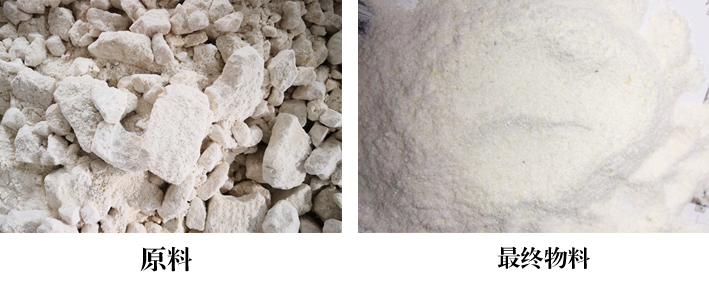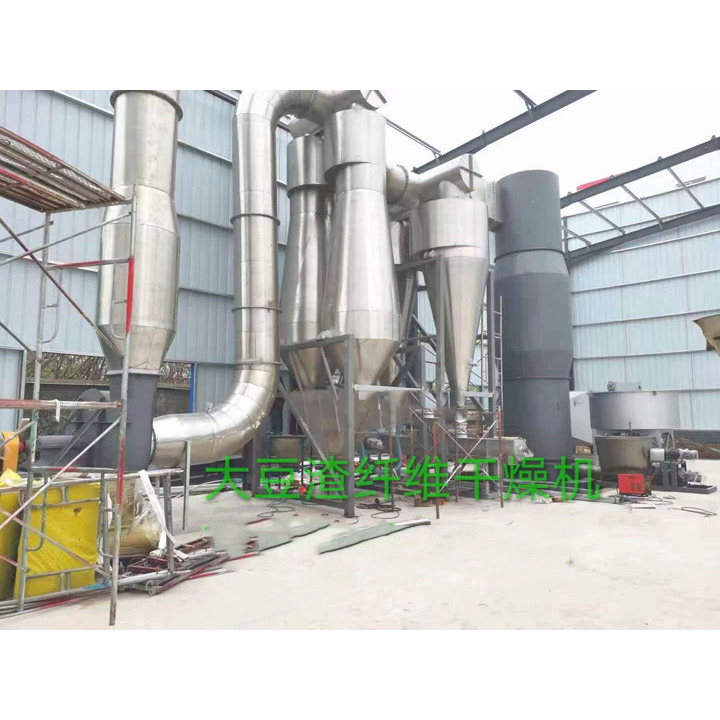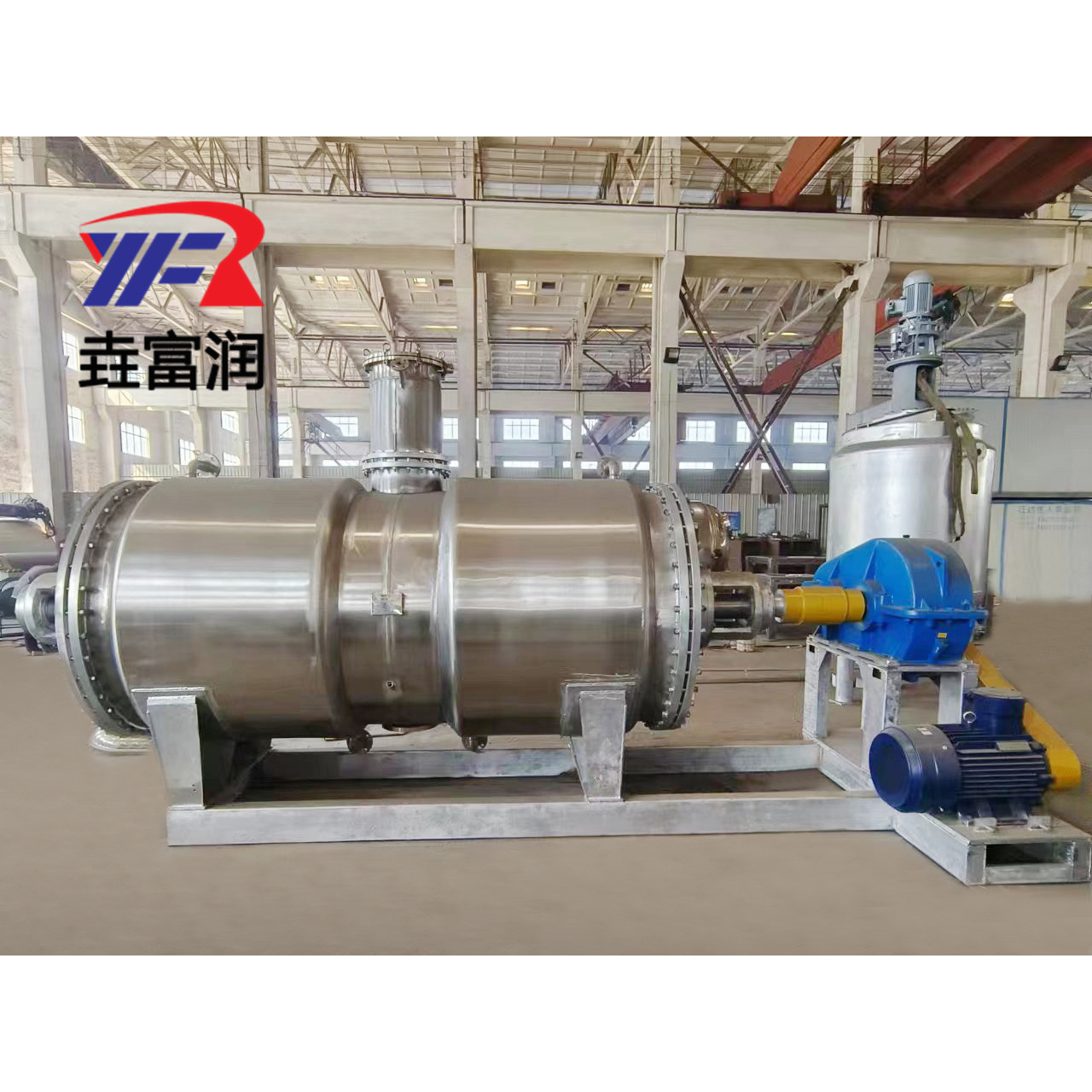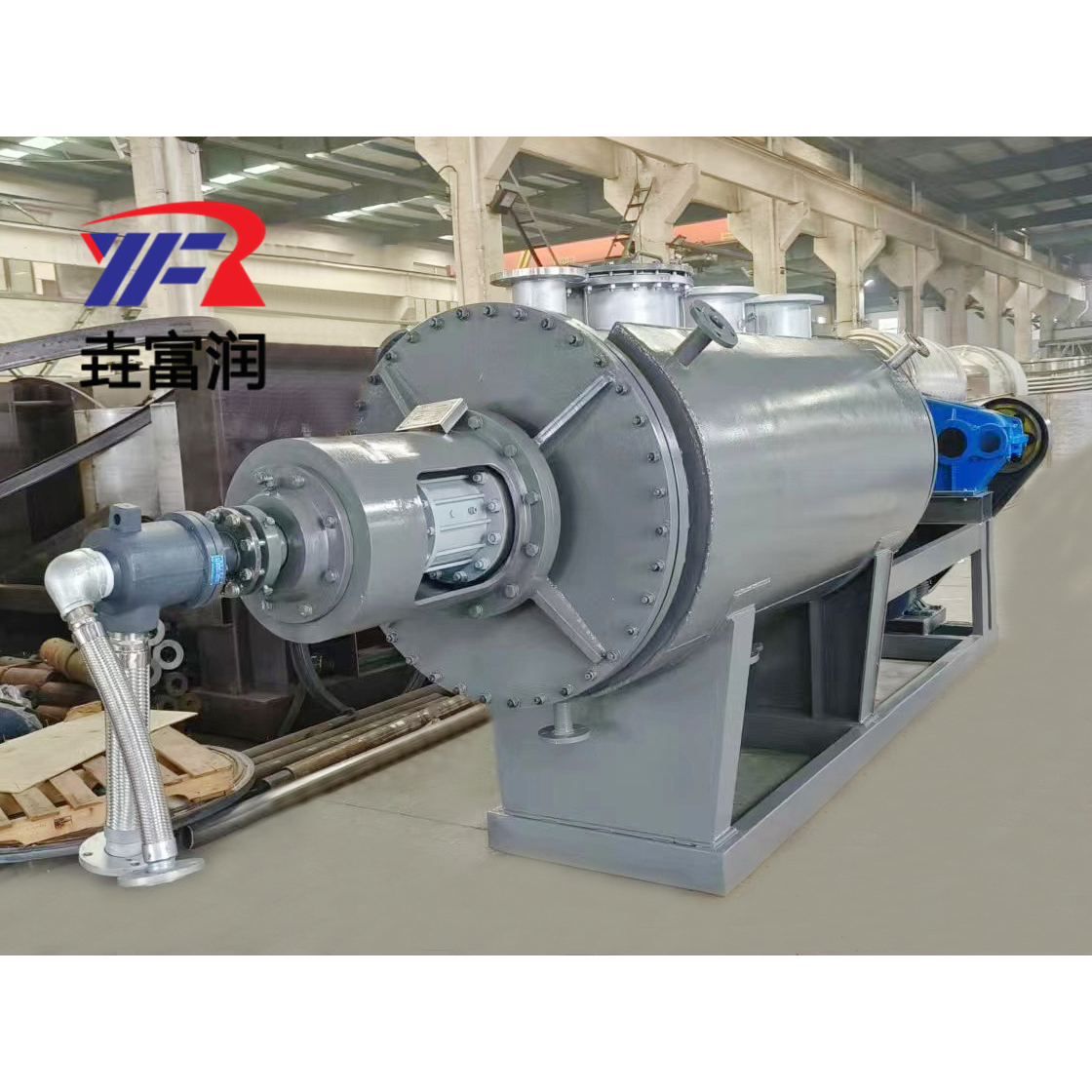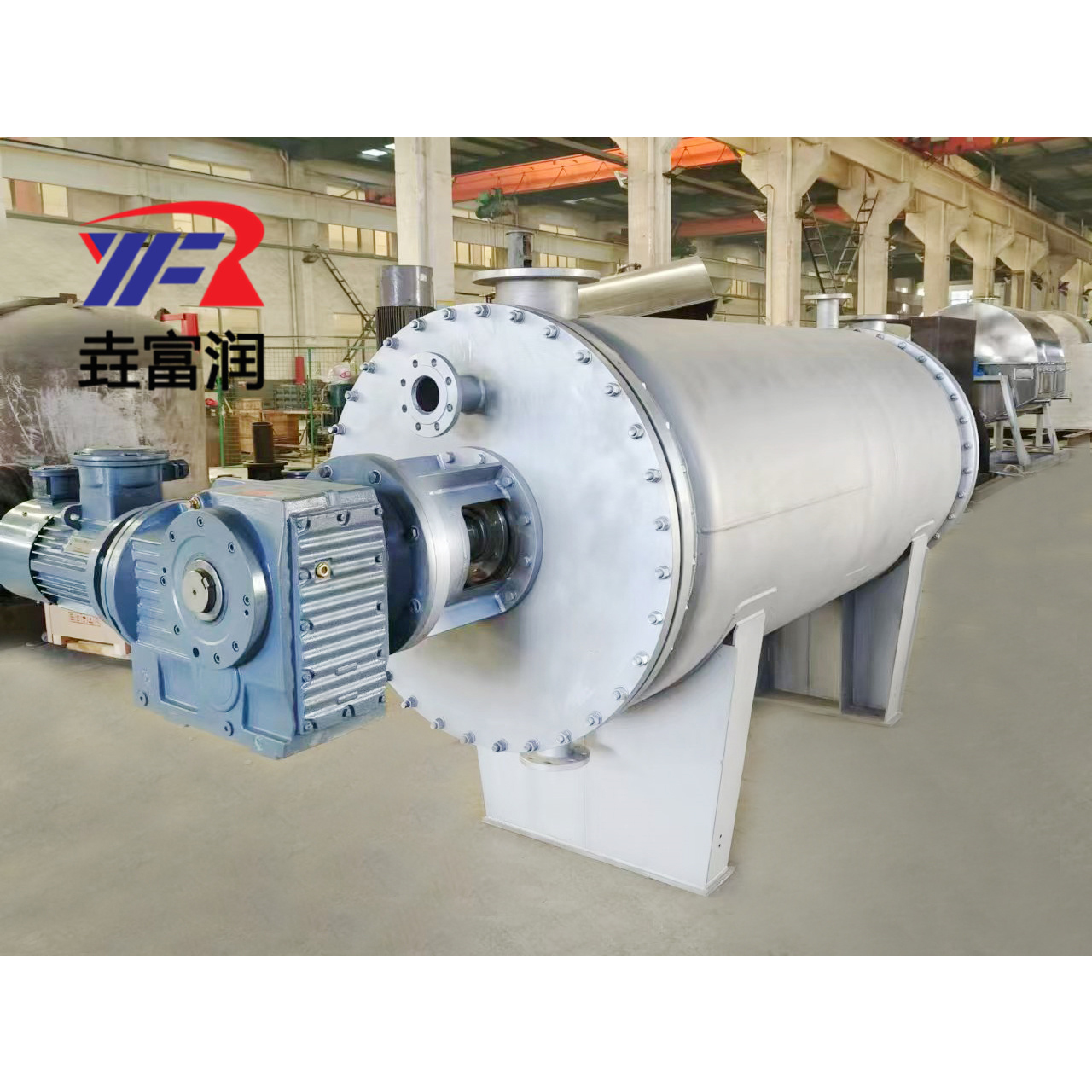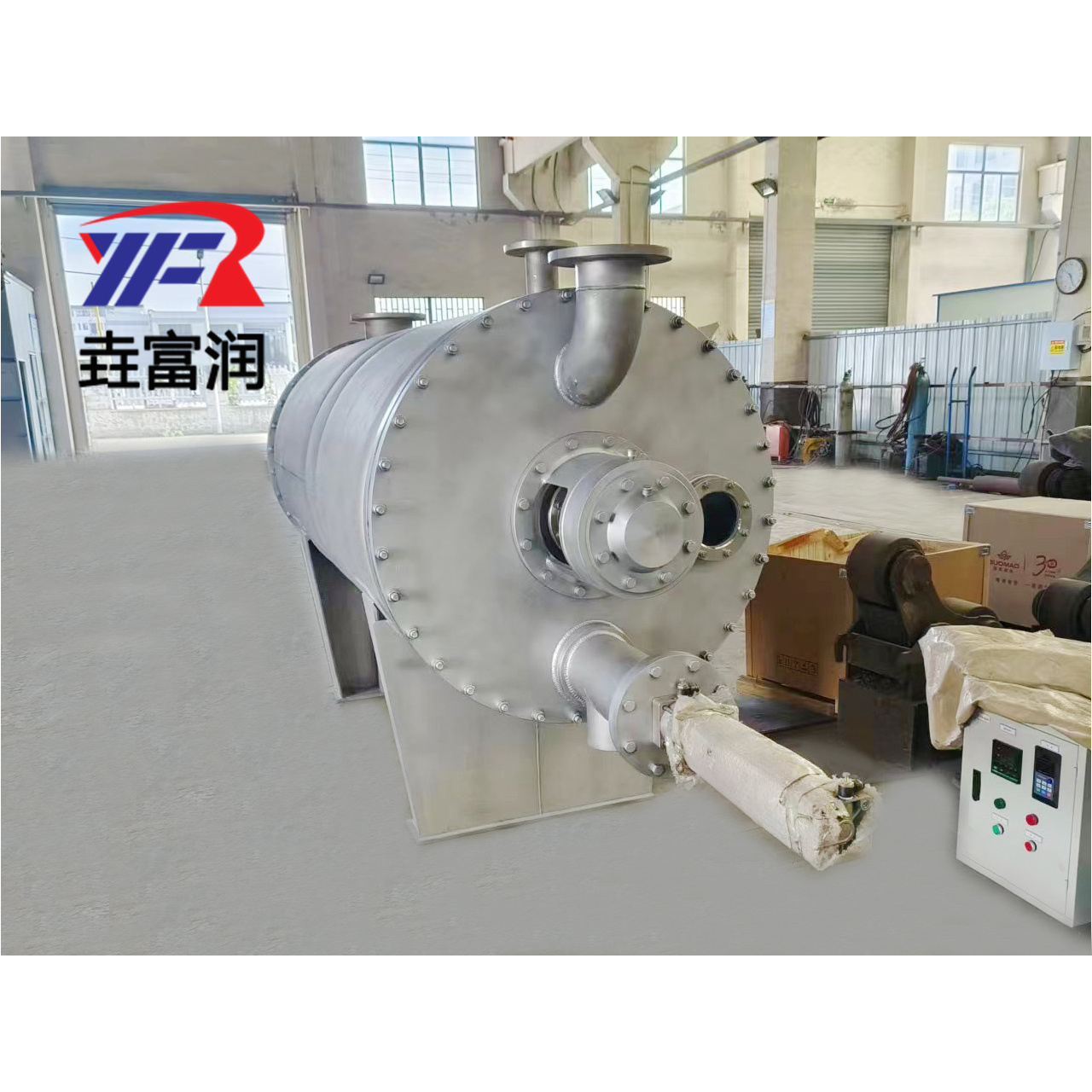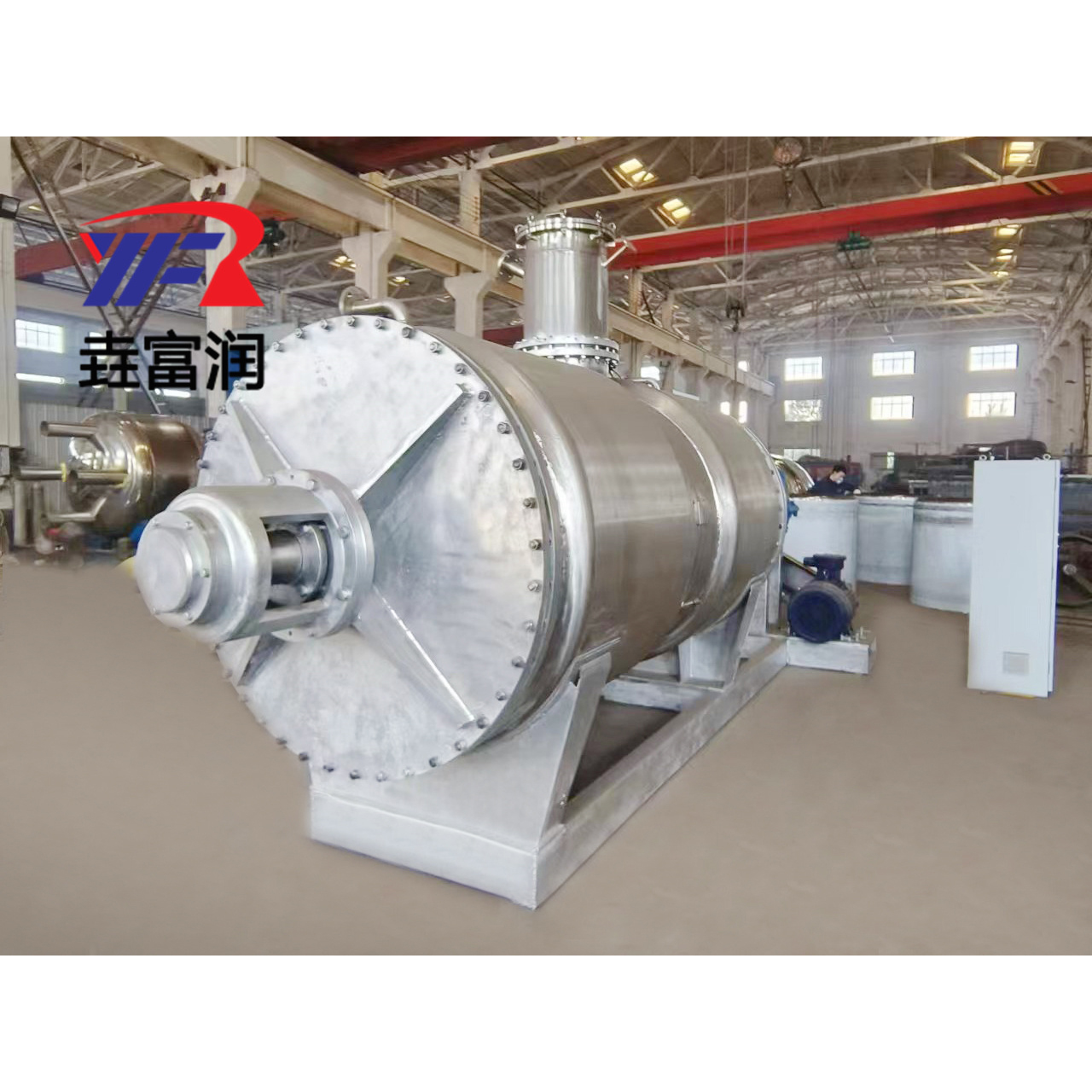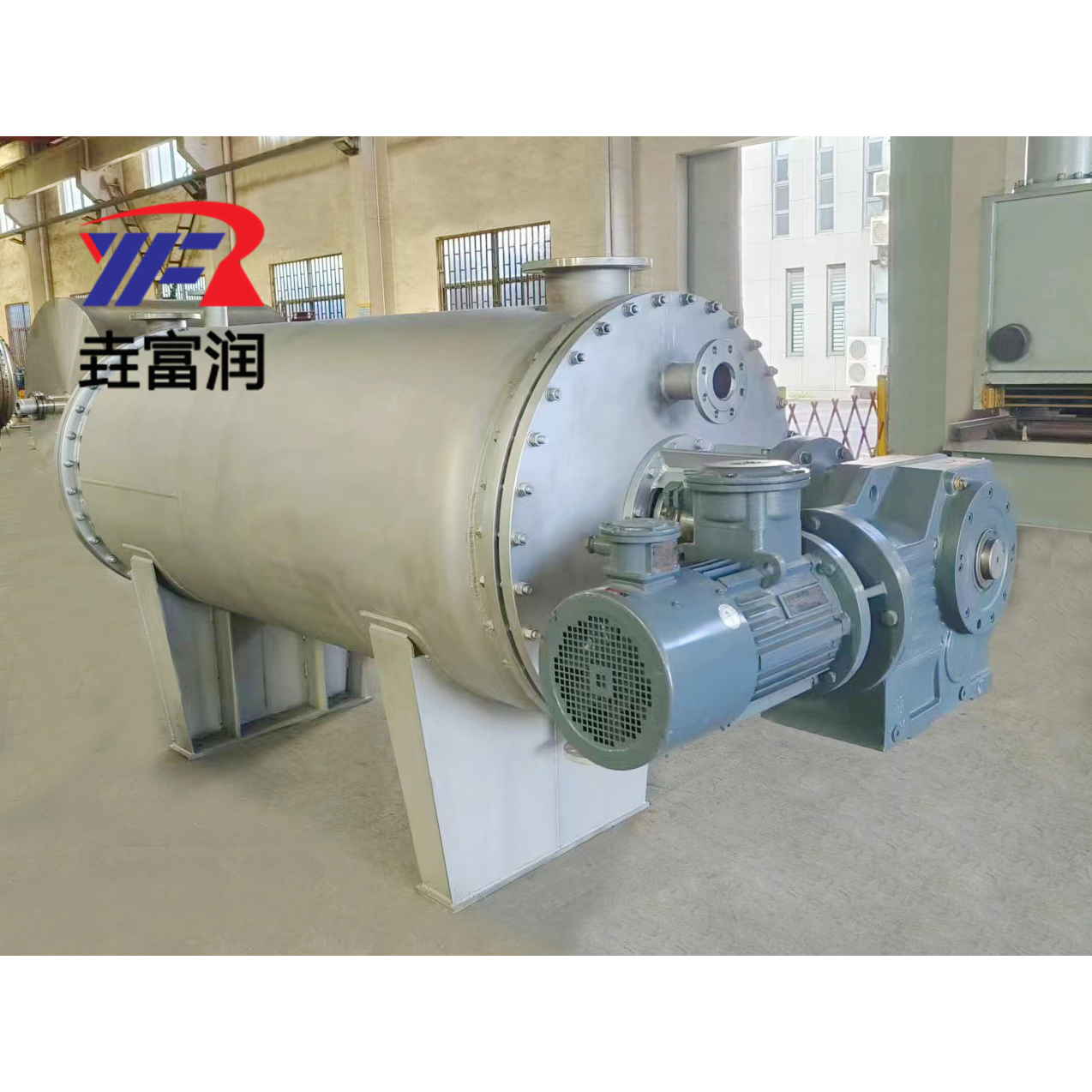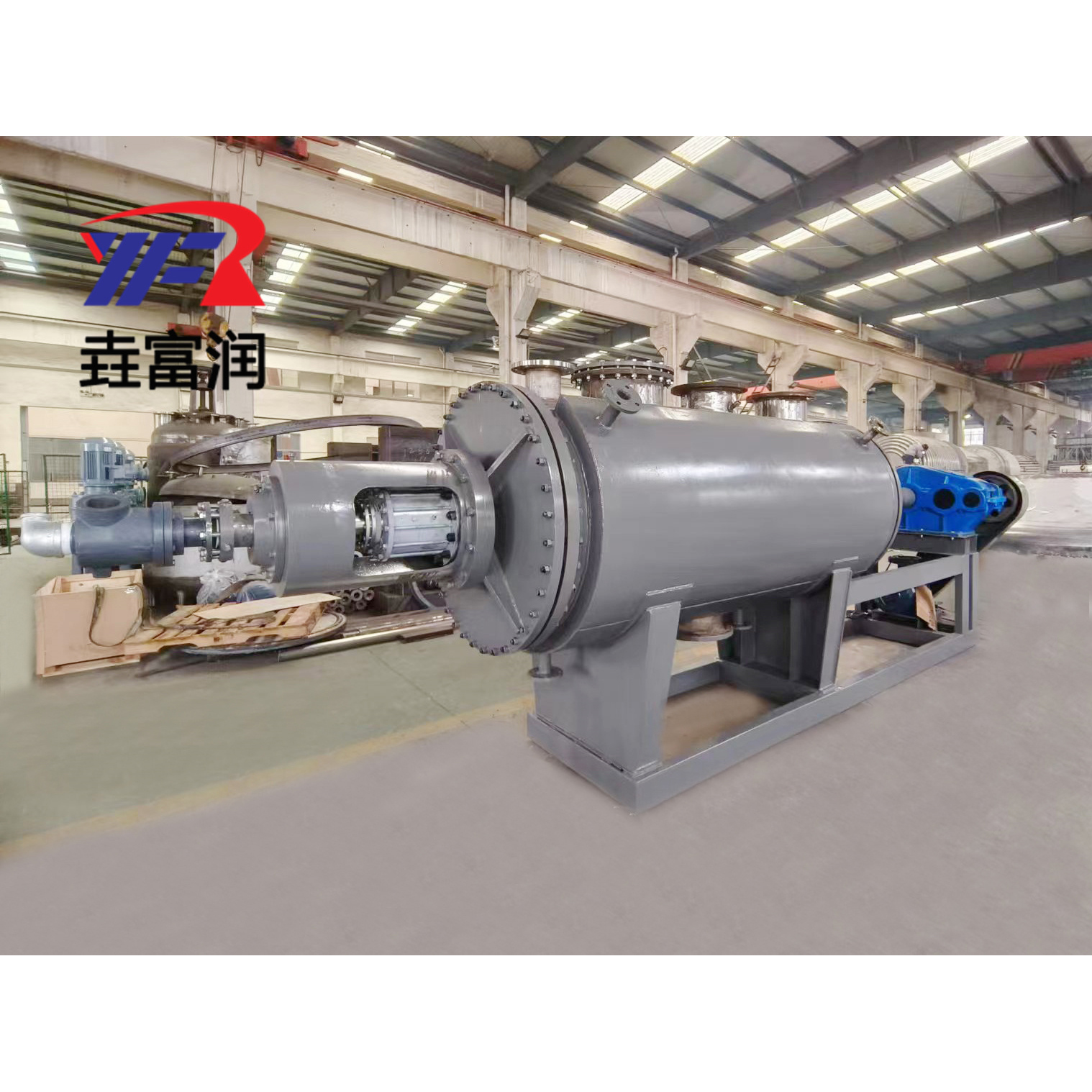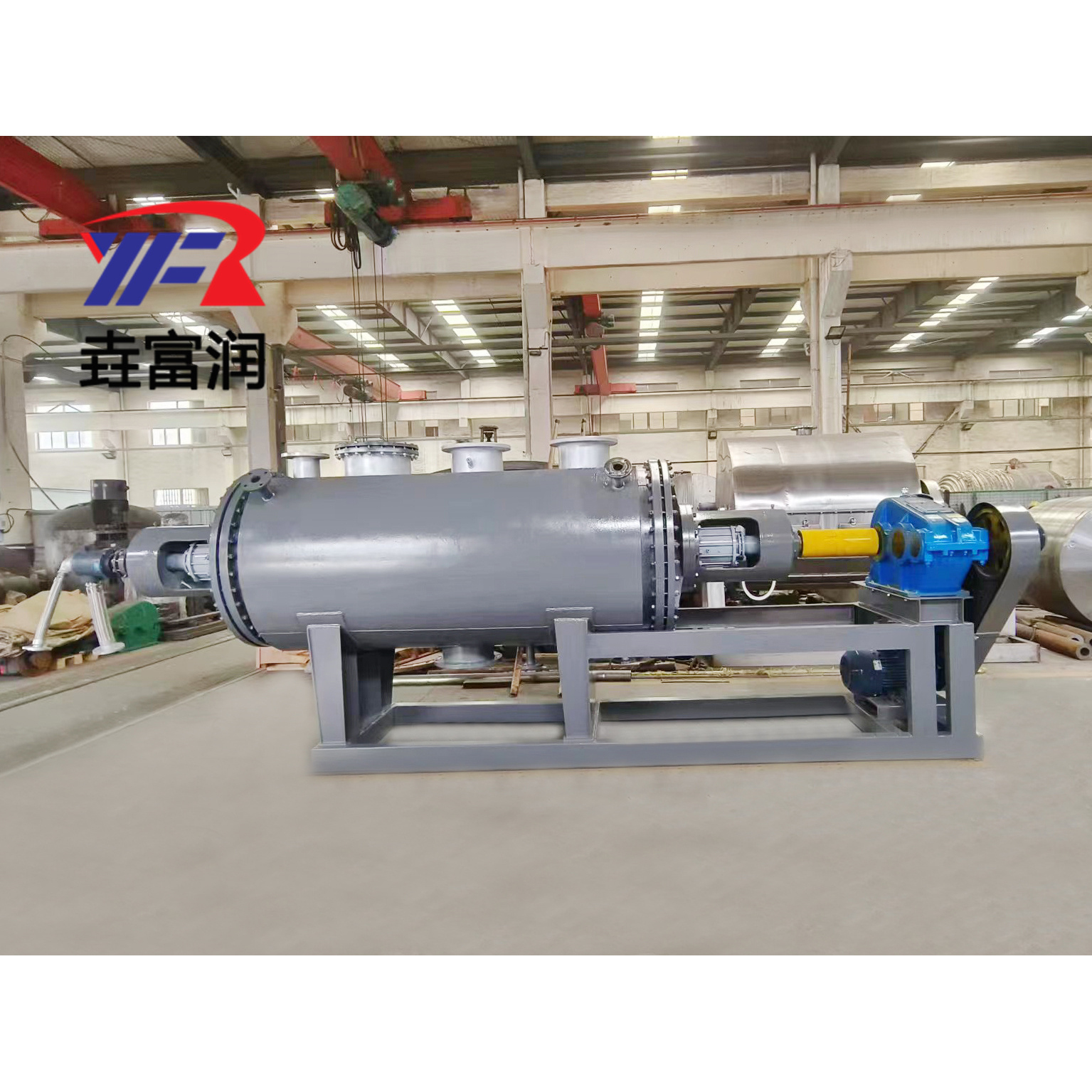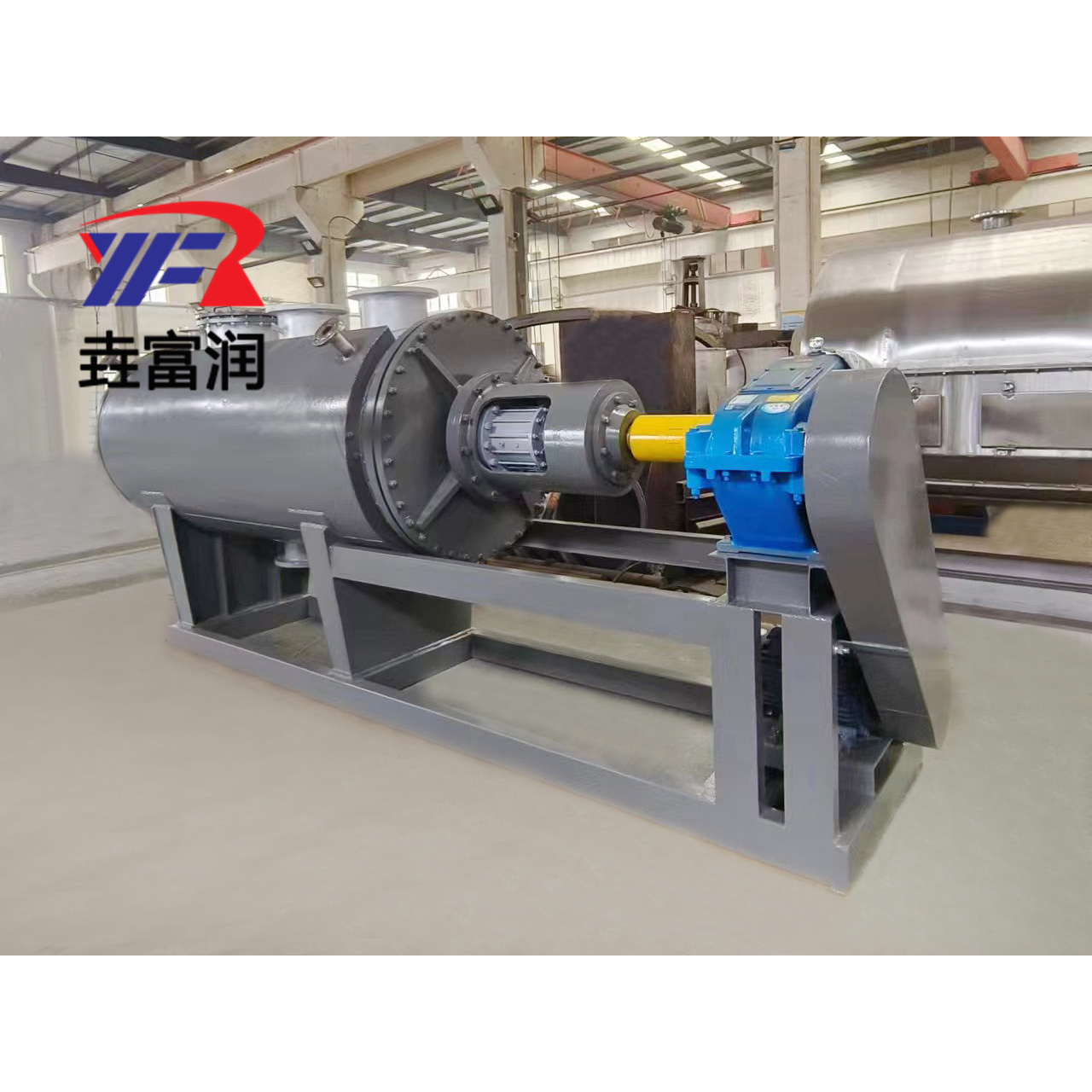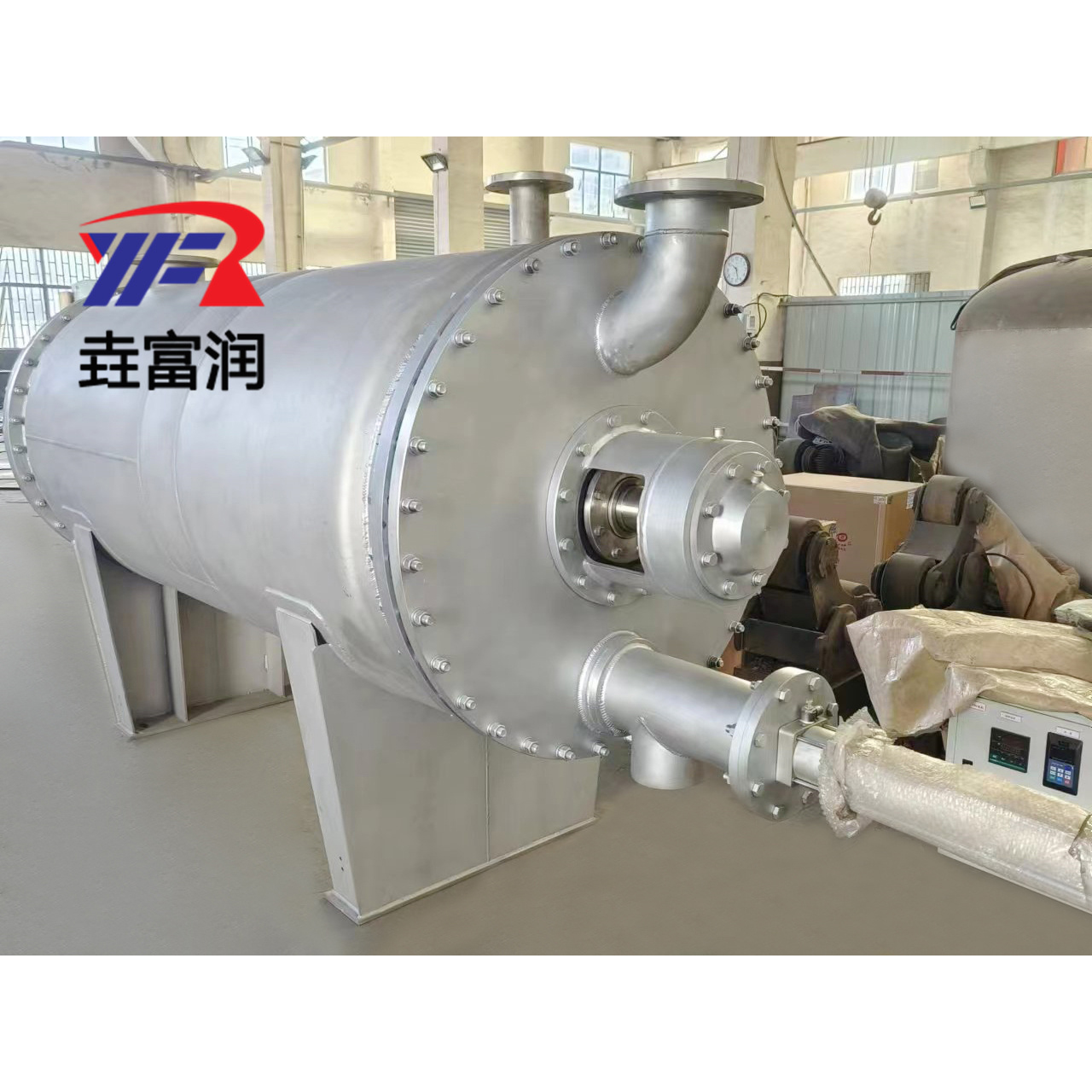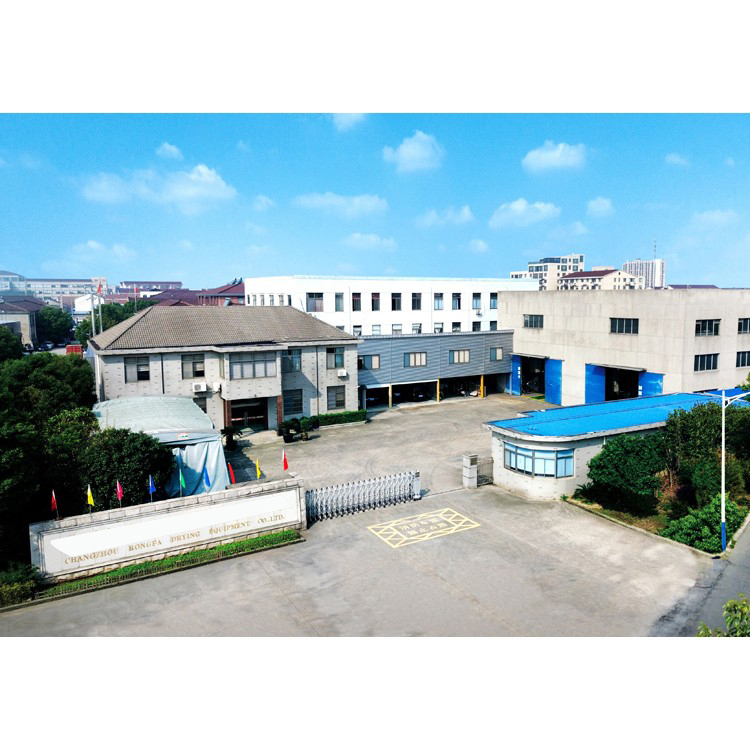


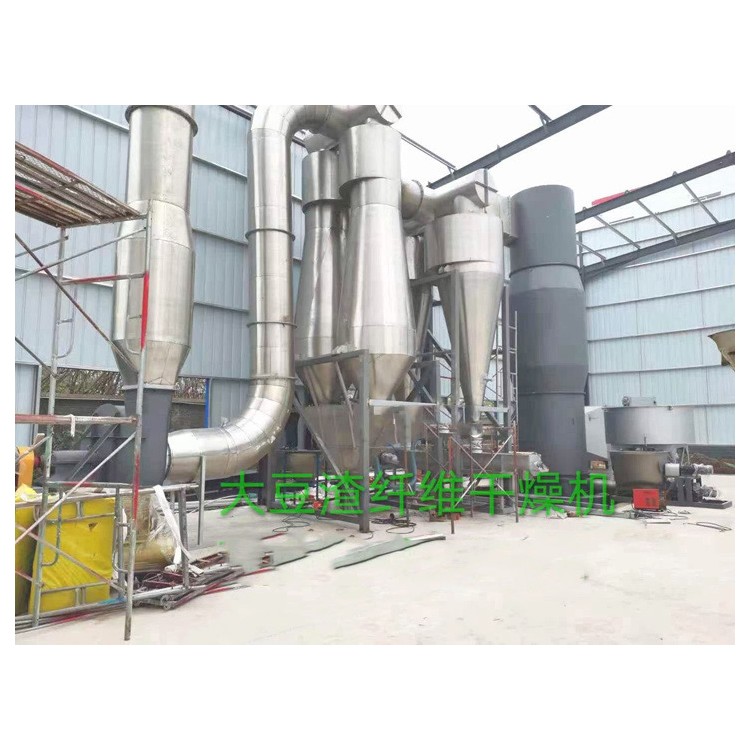


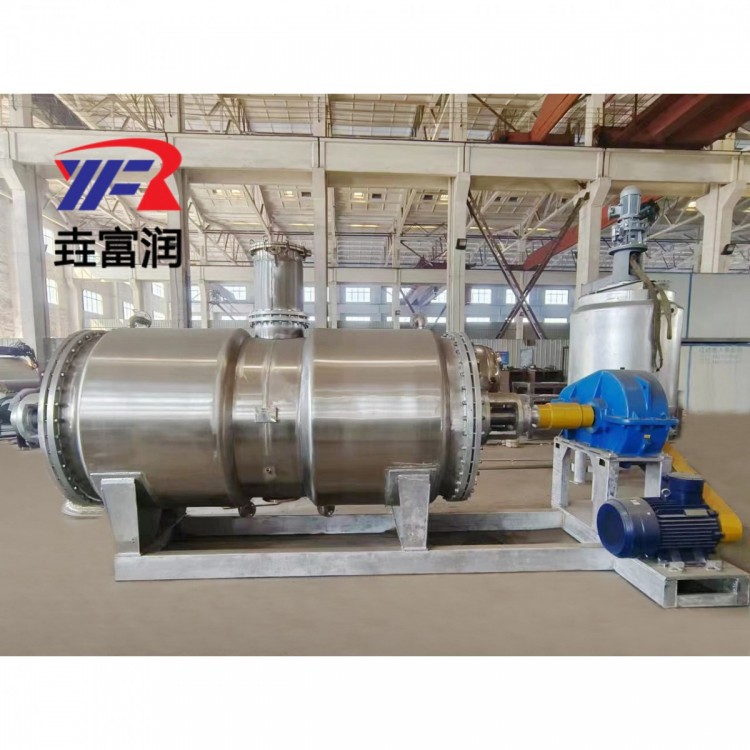
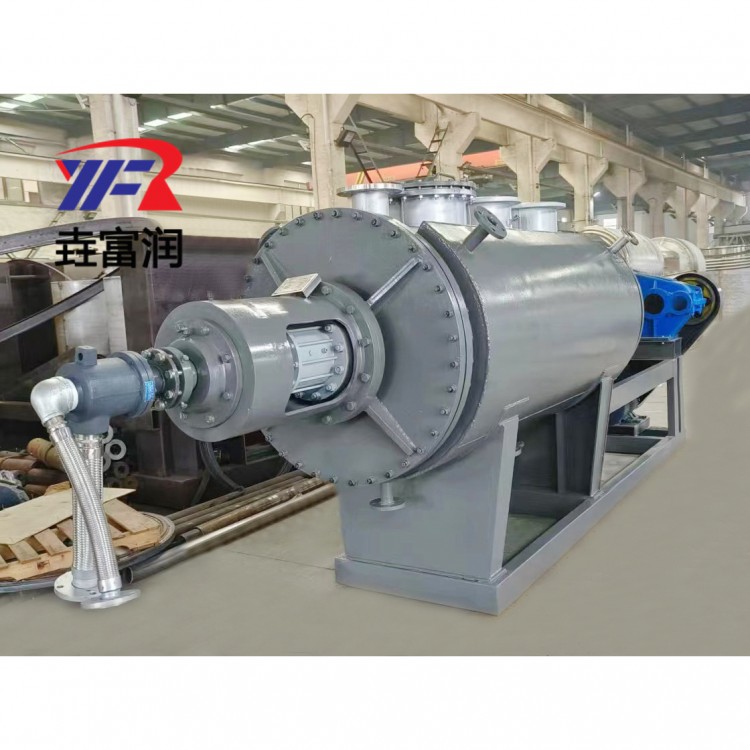
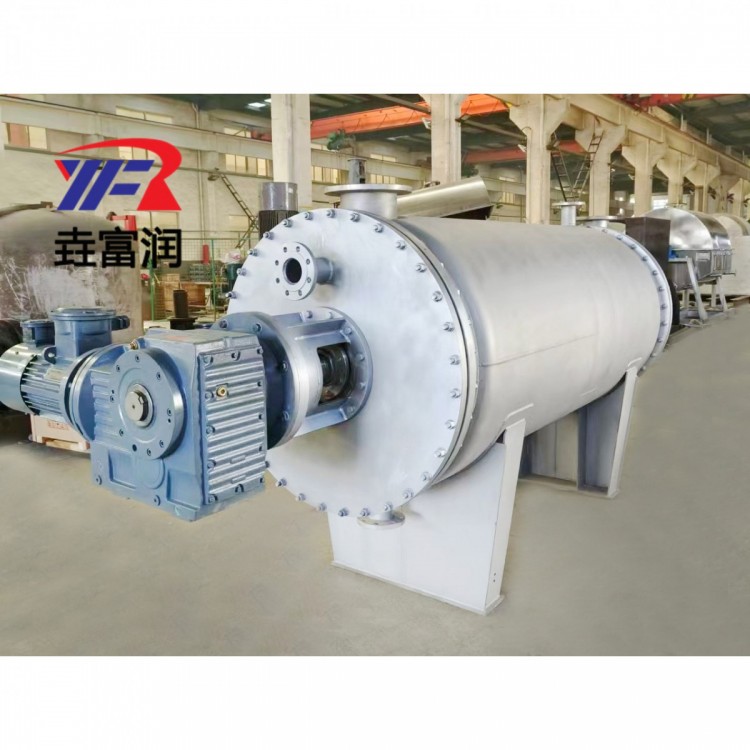
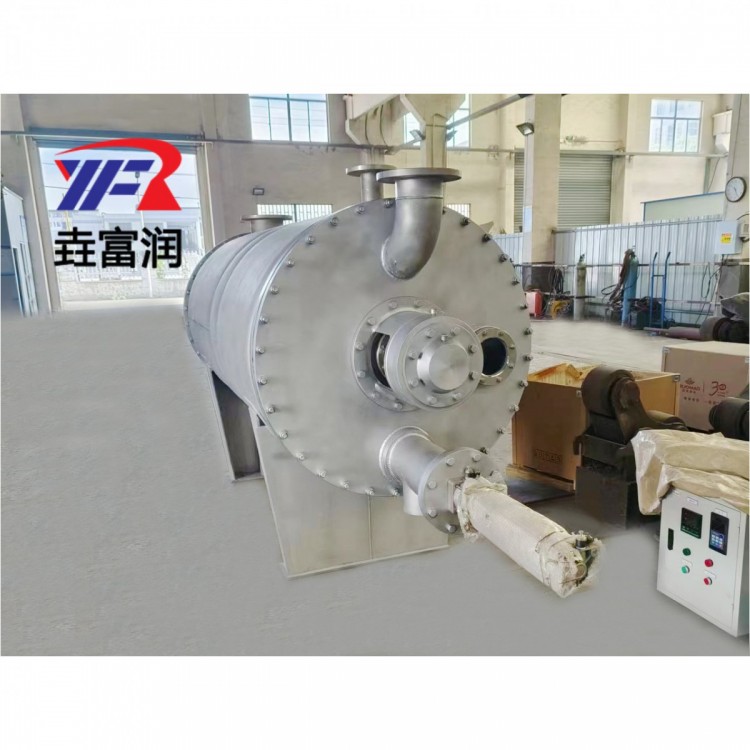
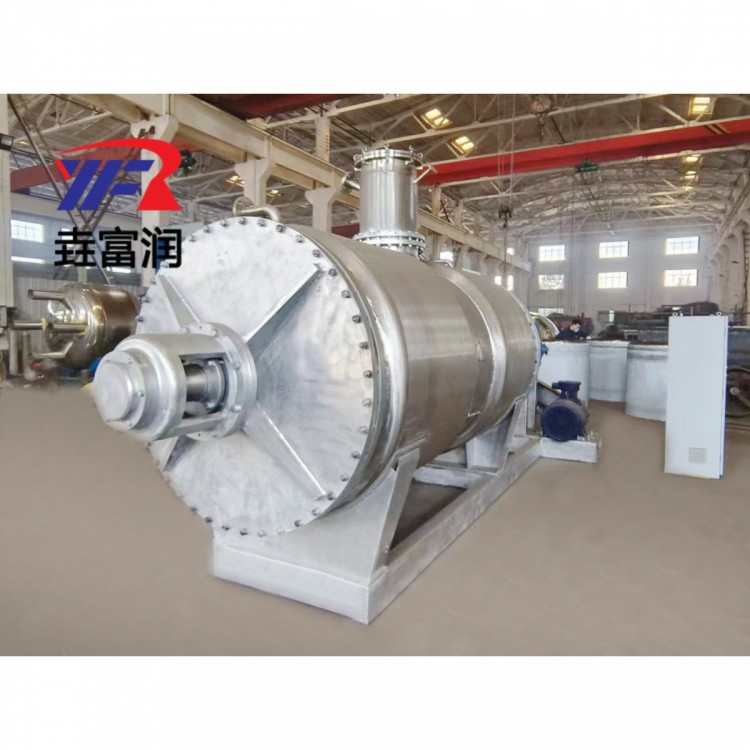





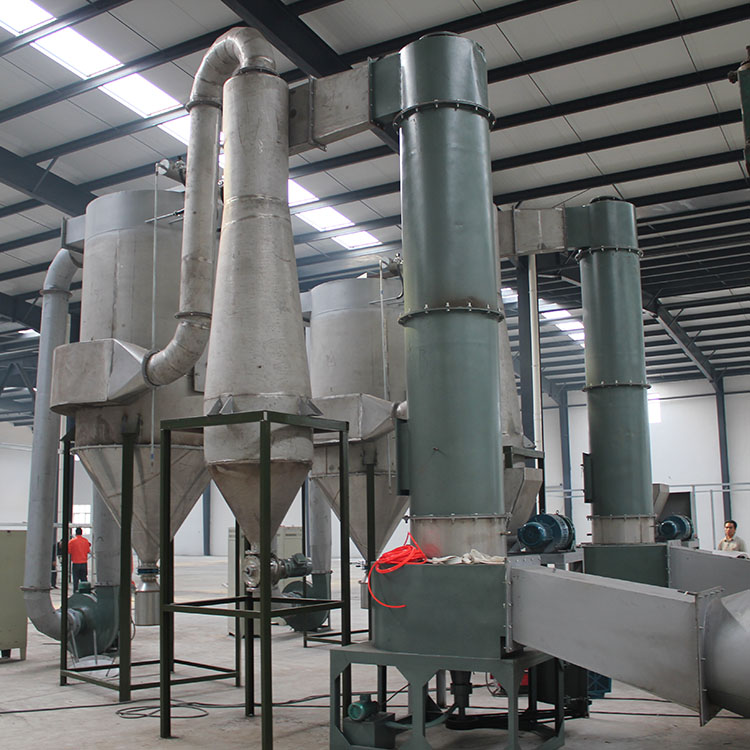
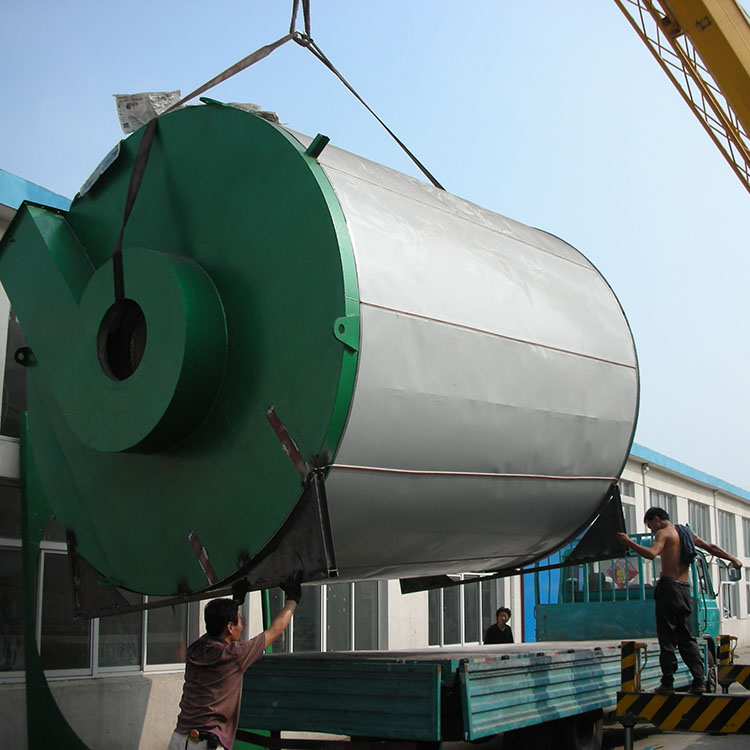
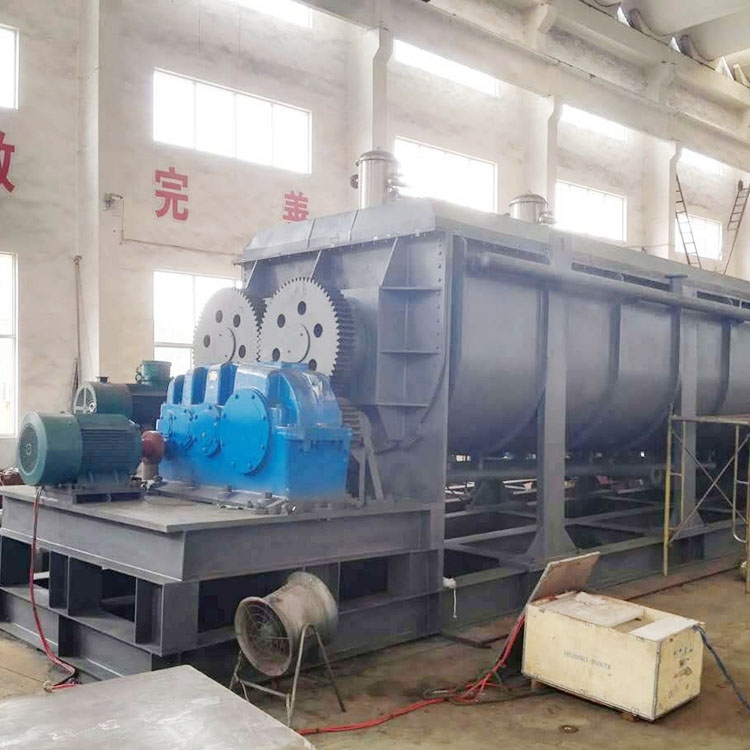


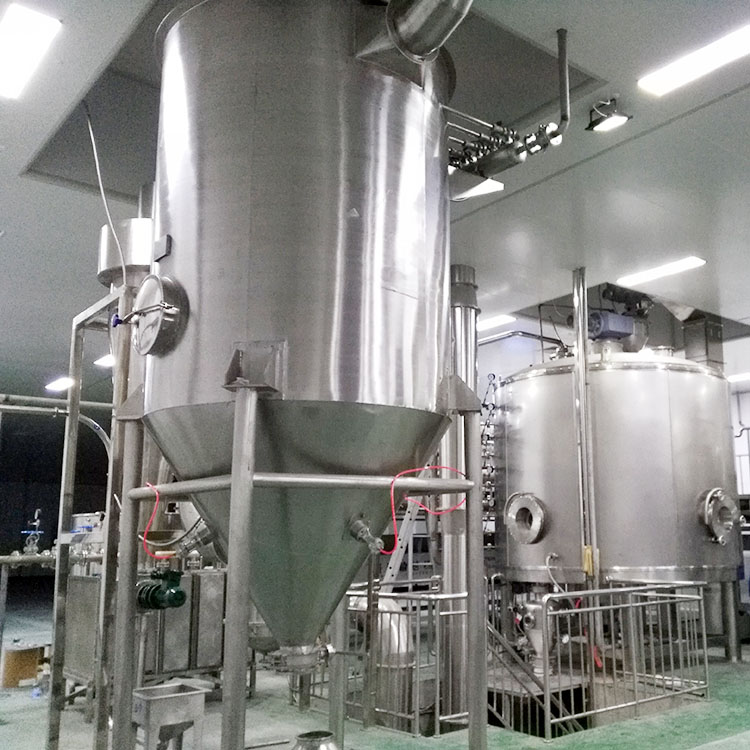
Our company specializes in the research, development, and production of a complete set of soybean dreg drying equipment lines, designed for drying soybean dreg. Equipped with an integrated continuous collection system, the production capacity exceeds 1500kg/h. Due to the high moisture content of the drying material, conventional dryers cannot achieve such high capacity. It is precisely this feature that makes our soybean dreg drying equipment line highly productive, successfully applied to a wide range of customers, and consistently well-received.

Soybean dreg complete drying equipment working principle
Hot air enters the mixing and crushing drying chamber from the bottom of the dryer through the inlet pipe at an appropriate jet speed, exerting strong shearing, blowing, and rotating forces on the material. This results in the material being micronized through centrifugal force, shearing, and collision friction, thereby enhancing mass and heat transfer.
Material enters the dryer through a spiral feeder, where it is subjected to intense impact, friction, and shearing by a high-speed rotating mixer, resulting in dispersion. The solid material is rapidly crushed and comes into full contact with hot air, gets heated, and dried. The dried powder is carried up by the hot gas. The large particles are retained by the grading ring, while the smaller particles are discharged out of the dryer through the center. They are collected by a cyclone separator. Un-dried or large pieces are flung to the wall by centrifugal force, fall back to the bottom, and are then crushed and dried again.
Dreg Drying Equipment Performance Features
1. The bottom of the desiccator is designed with a frustoconical structure, allowing the cross-sectional area of the dried gas to gradually increase from bottom to top. The bottom air flow is relatively strong, while the upper air flow is relatively weak. This ensures that large particles in the lower section are in a fluidized state while small particles in the upper section are also fluidized. Additionally, the hot air rotates along the conical section, enhancing the wind speed at the bottom, shortening the overhanging portion of the agitator shaft, and increasing the operational safety and reliability.
2. The mixing teeth are equipped with scrapers. As the material is crushed by the mixing teeth, it is also thrown against the machine wall, sticking to the surface. If not scraped off in time, it can cause severe vibration of the equipment, even leading to the jamming of the stirrer and preventing it from rotating. The scraper on the mixing teeth can timely remove the material stuck to the machine wall, preventing sticking.
3. The stirrer shaft speed is controlled by a variable-speed motor. Select different speeds based on the product particle size requirements; the faster the stirrer shaft speed, the finer the product particle size will be.
4. The dryer is equipped with a classifier at the top, which can adjust the air flow rate by changing the hole diameter of the classifier and the height of the grading section. This, in turn, controls the particle size and quantity exiting the dryer, the final moisture content, and the material's residence time in the drying section.
5. The spiral conveyor of the dosing machine is controlled by an inorganic variable-speed motor. The feeding speed is controlled according to the material properties and drying process parameters.