










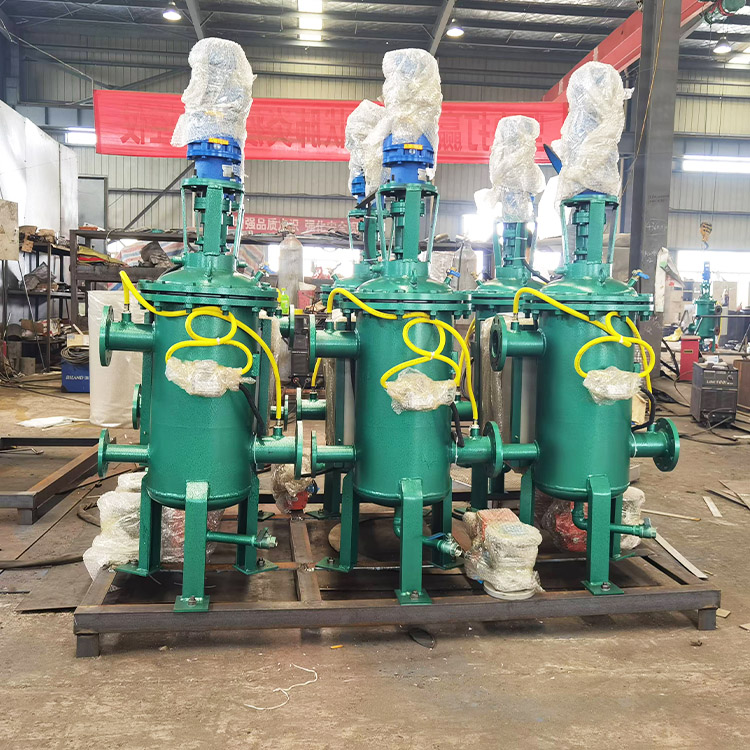
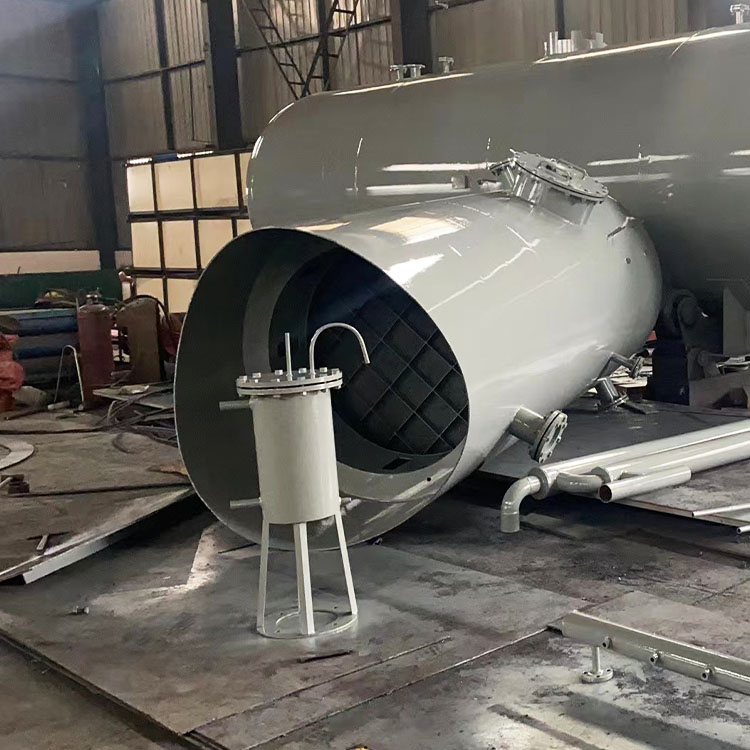

I. Overview
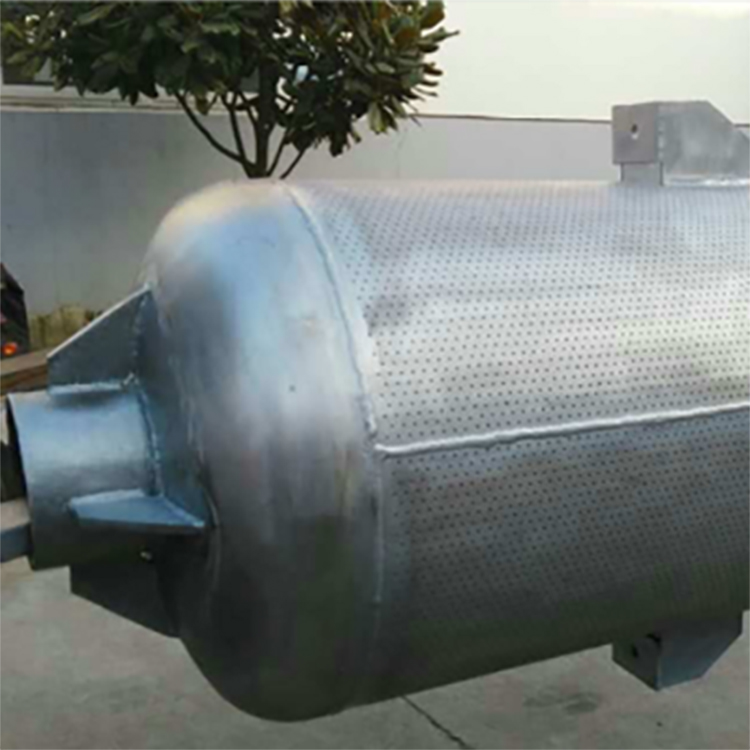
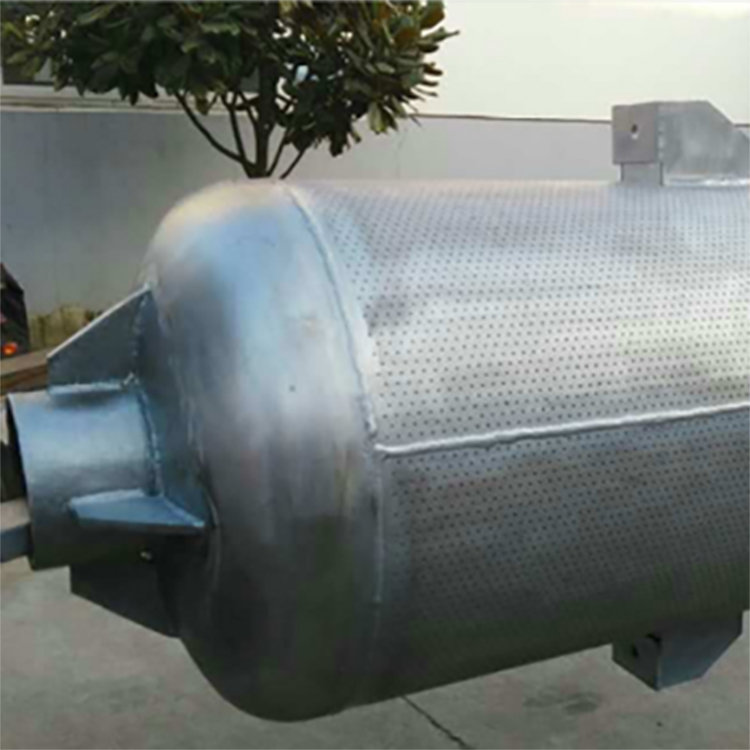
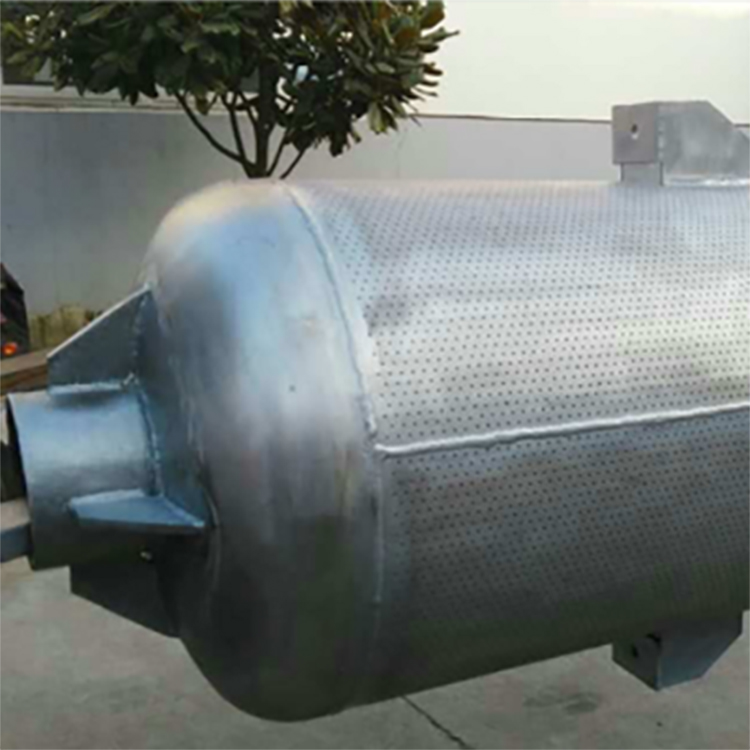
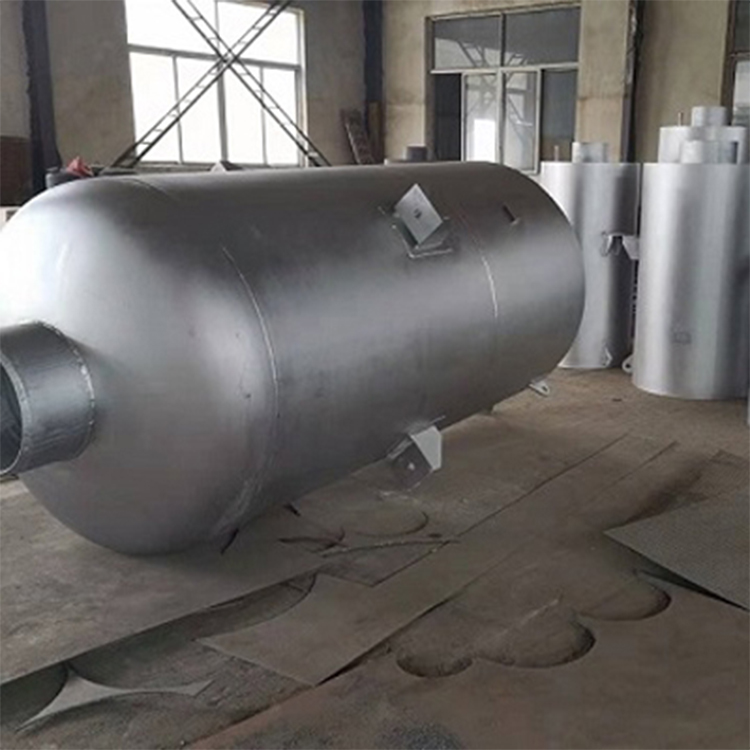
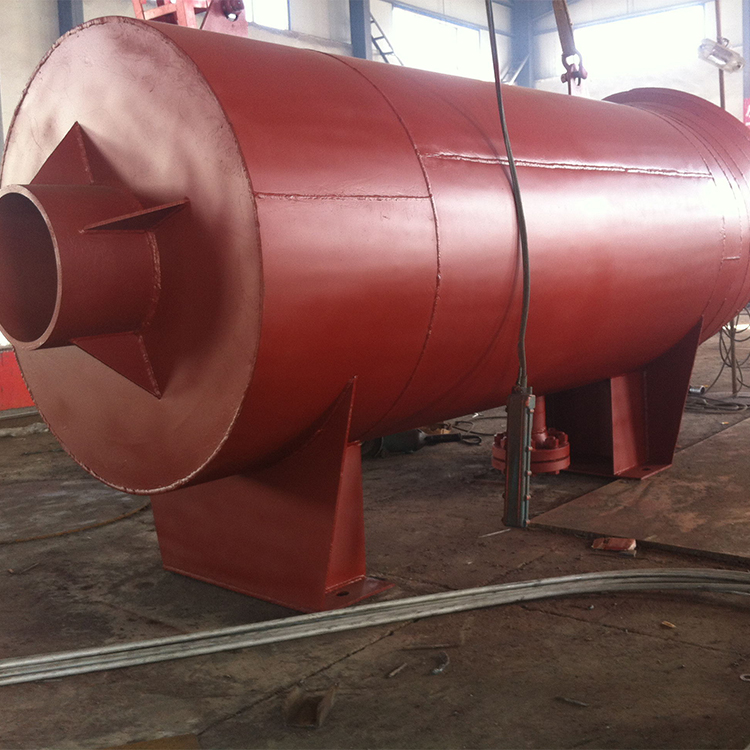
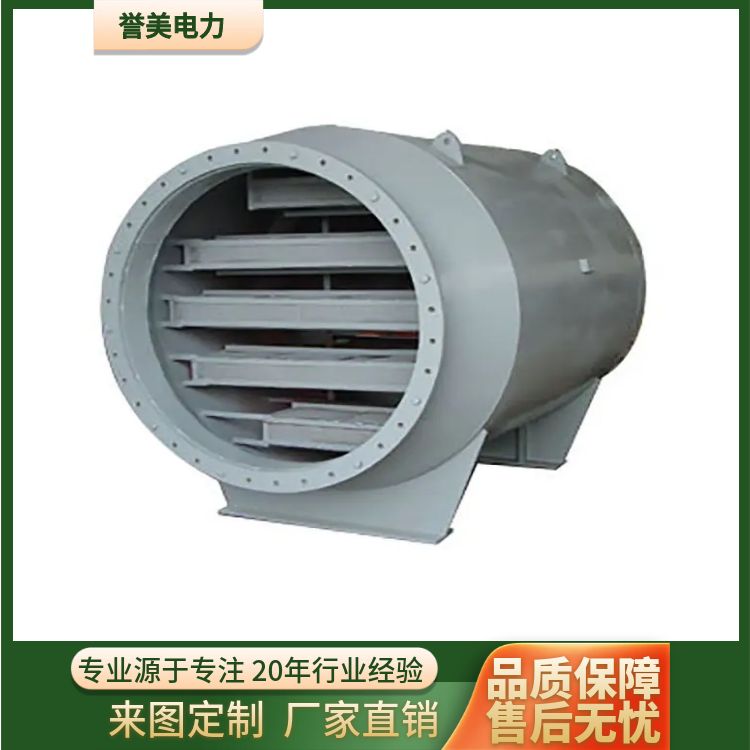
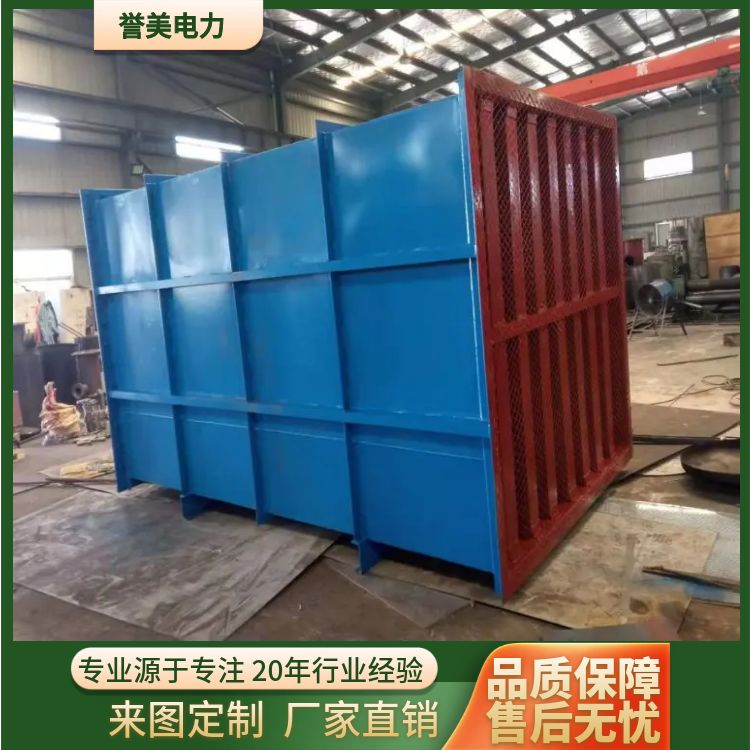
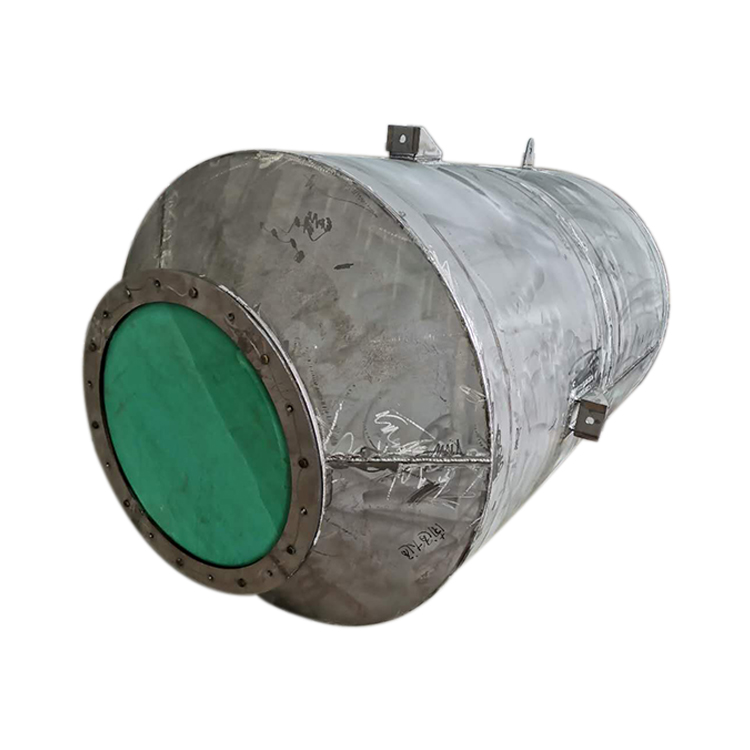
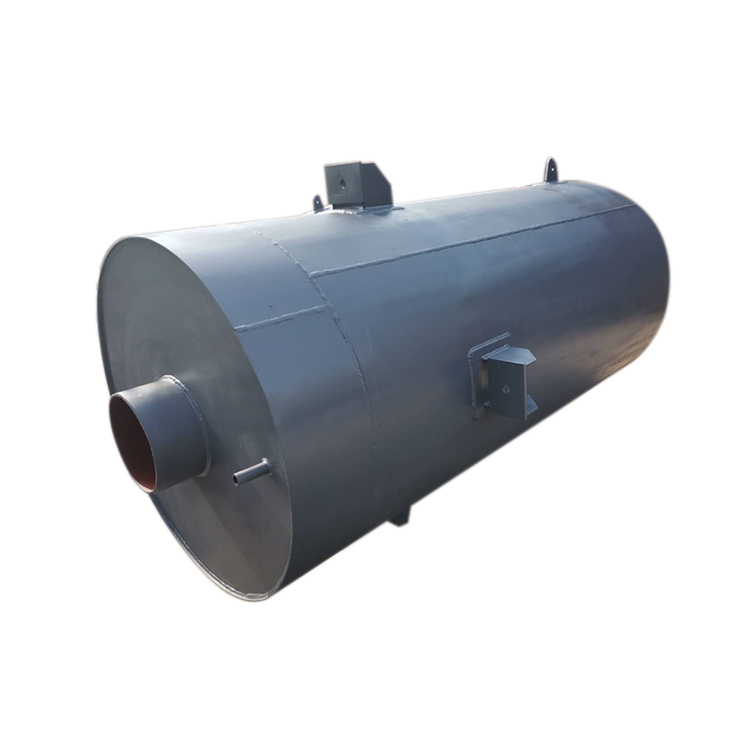
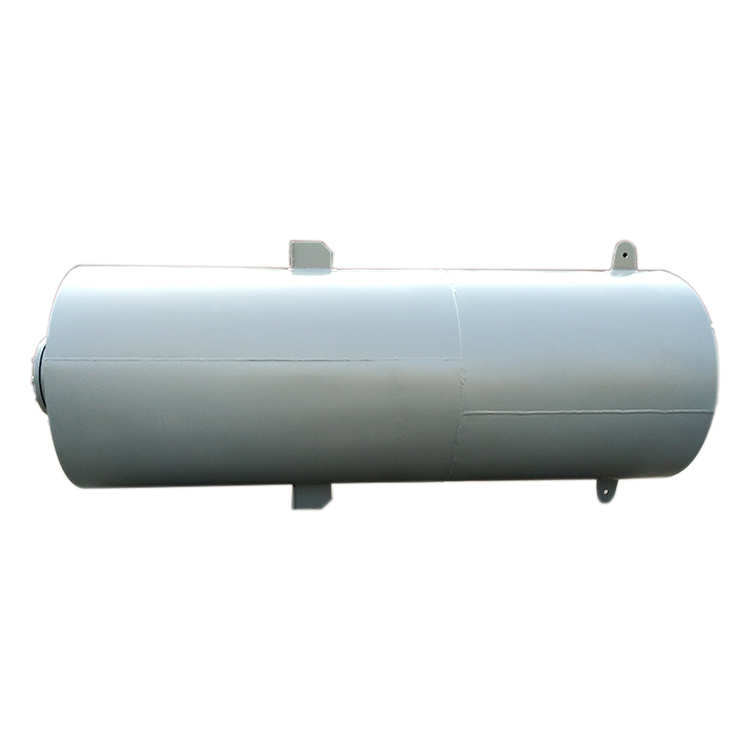
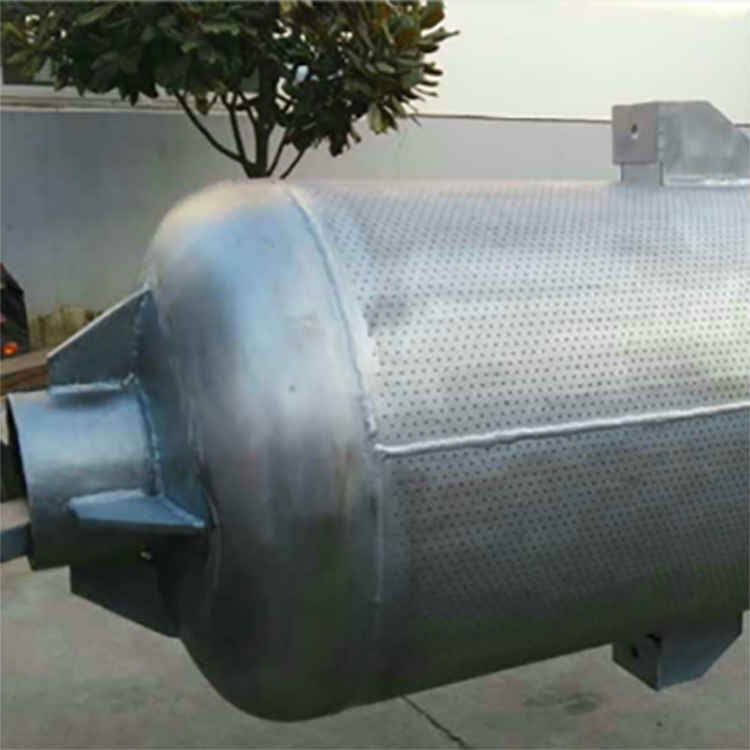
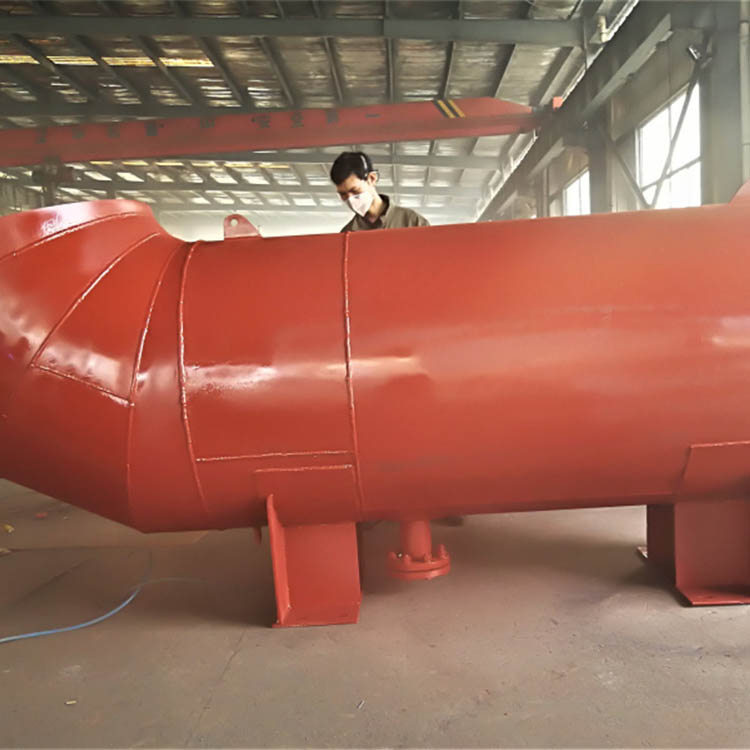
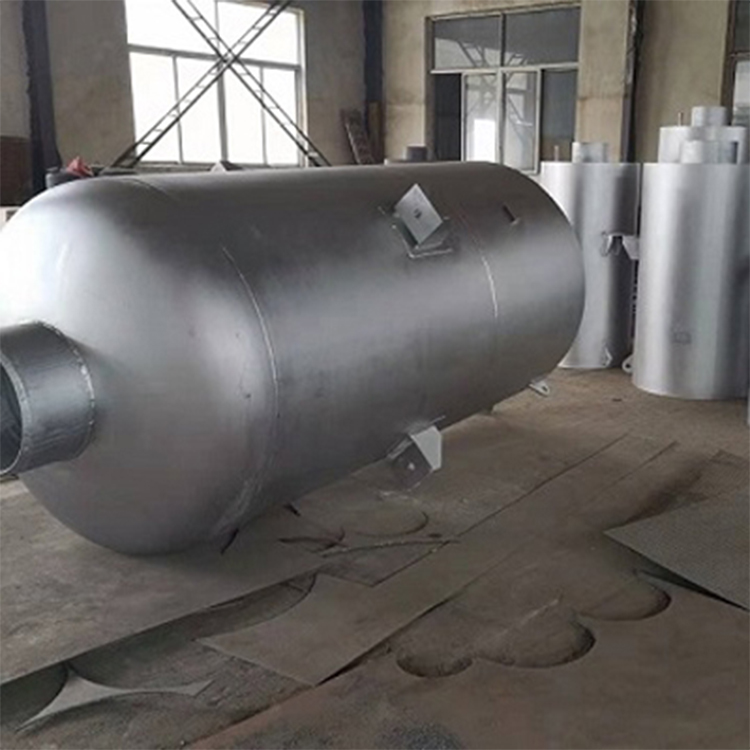
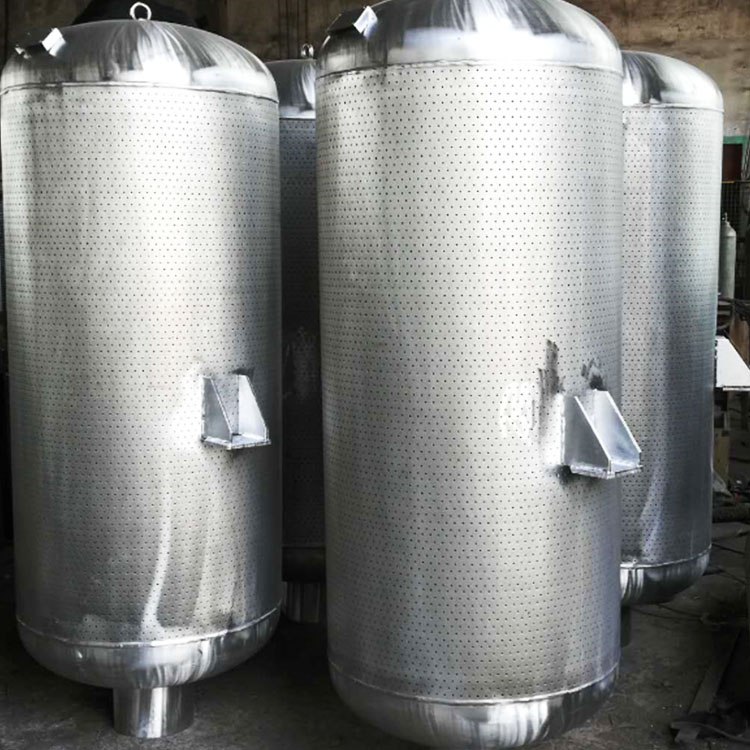
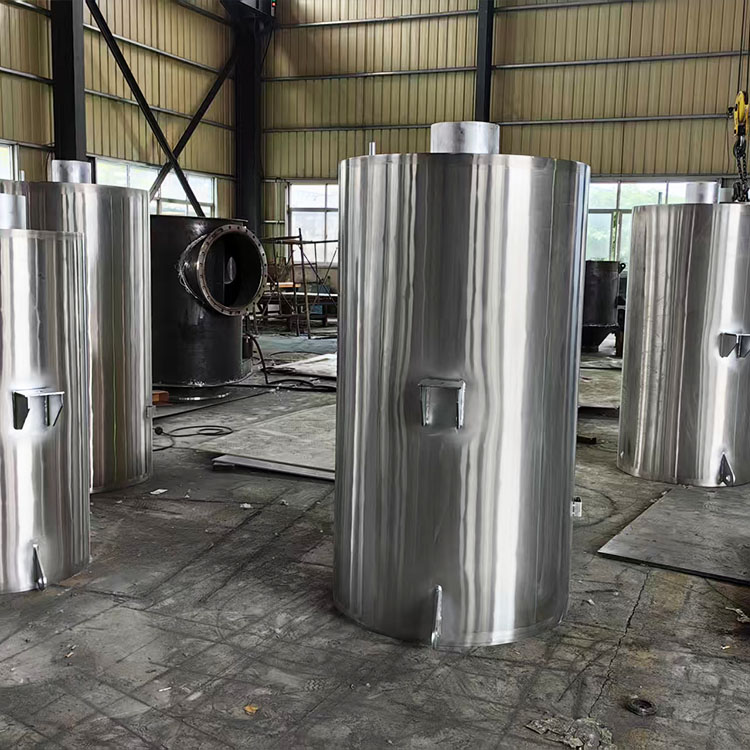
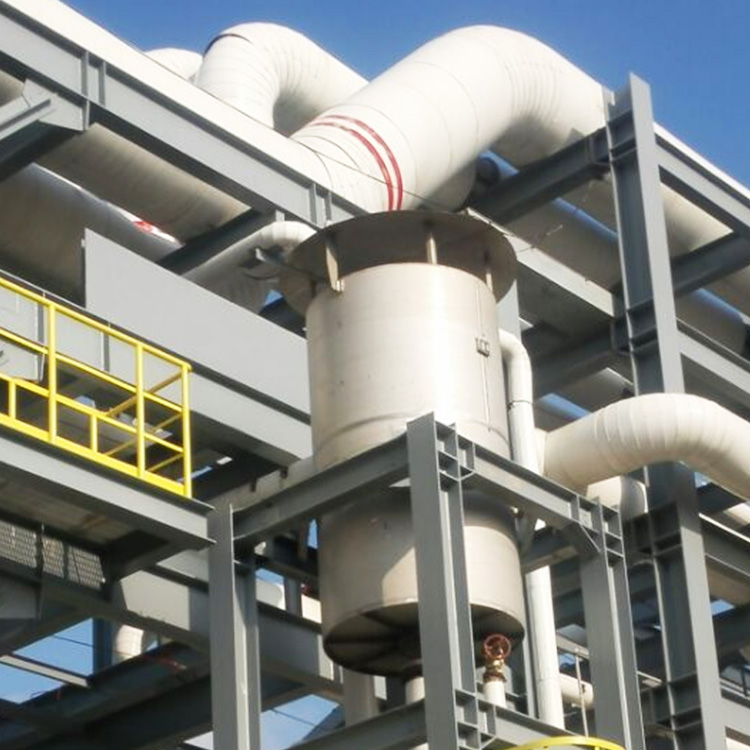
The Steam Exhaust Muffler series is suitable for effectively reducing noise during gas (steam) exhaust in various industries such as municipal, electric power, petroleum, chemical, metallurgical, textile, food, cement, and environmental protection. It is a crucial measure for noise elimination. For example, it is used for reducing noise from the exhaust of equipment such as steam, boilers, pipelines, safety valves, superheaters, reheaters, deaerators, steam turbines, steam drums, safety gates, and pressurizers. After installing Yantai Zhenhai auxiliary machinery products as required, the noise reduction can reach 30-80 decibels, meeting the requirements of the "Noise Standard for Industrial Enterprises."
II. Features
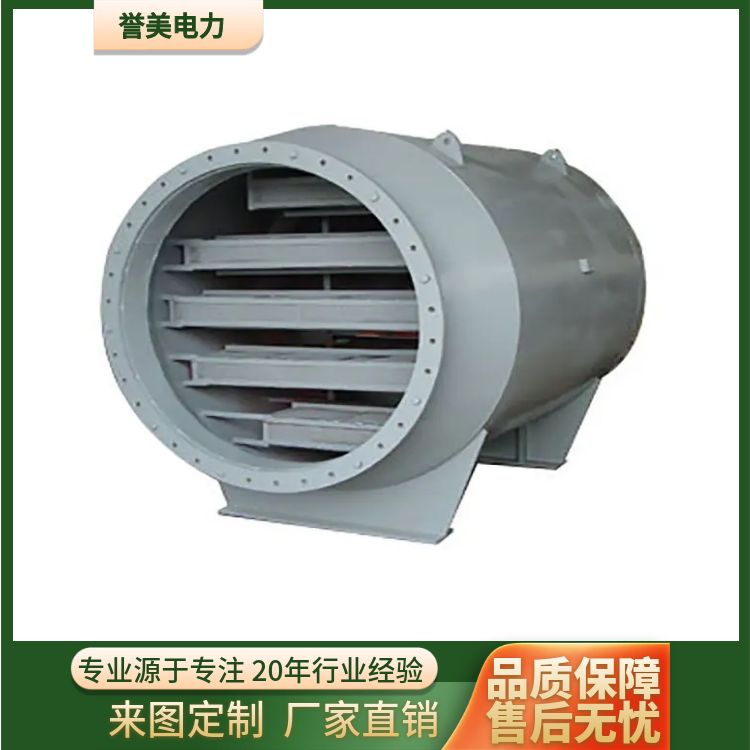
1. The steam pipe muffler employs multi-stage sound absorption, offering a high level of noise reduction.
2. Steam pipe silencers are compact, lightweight, easy to install, and maintain.
3. Steam pipe silencers feature high strength and corrosion resistance, ensuring a long service life.
III. Principle
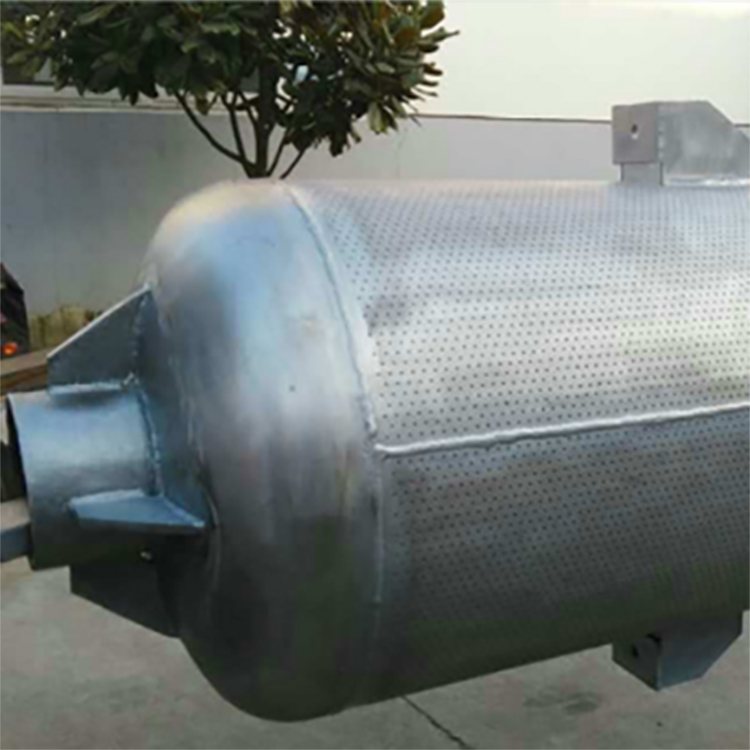
The steam pipe muffler utilizes a micro-hole injection principle combined with a composite muffling principle that resists spray resistance, developing a new type of steam pipe muffler. It replaces the micro-hole piercing design with large-hole expansion and flow control, ensuring that the structure guarantees the smooth release of exhaust. With multi-level perforated sound absorption and the integration of resistive muffling principles, the gas sound waves enter the numerous small holes of the porous sound-absorbing material, exciting molecular vibrations of the porous material. This causes the sound energy to convert into heat as it overcomes frictional resistance and viscosity, achieving ideal muffling effects and ensuring the smooth exhaust of gases.
4. Order Parameters
Thoughtfully designed according to the user's dispersal targets and requirements to achieve ideal noise reduction. Please provide the following parameters:
1. Noise Suppression Object and Installation Location
2. Discharge Rate (T/H), Pressure, Temperature.
3. Outside Diameter, Wall Thickness mm.
4. Welding or flange connection options available.