









Boiler Exhaust Muffler Applications and Product Advantages
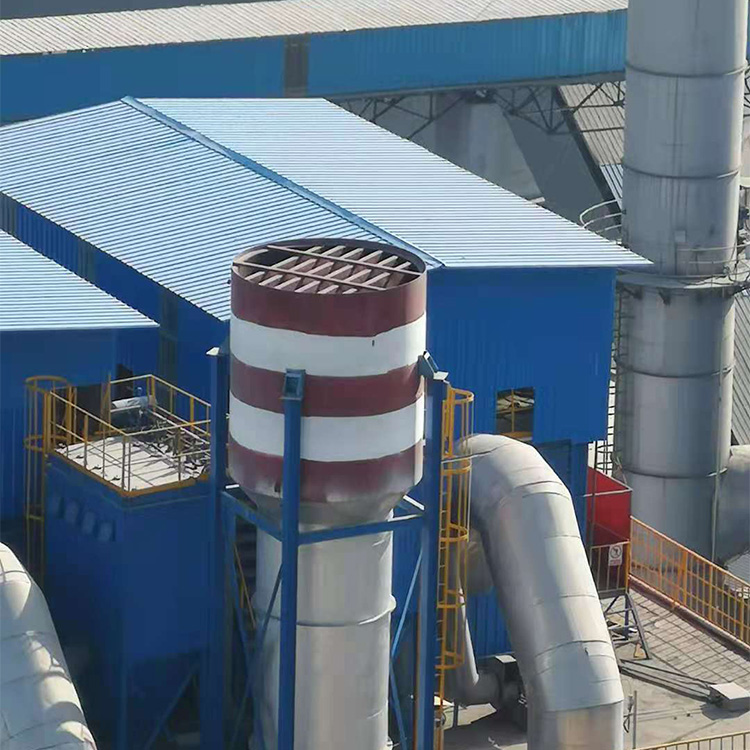
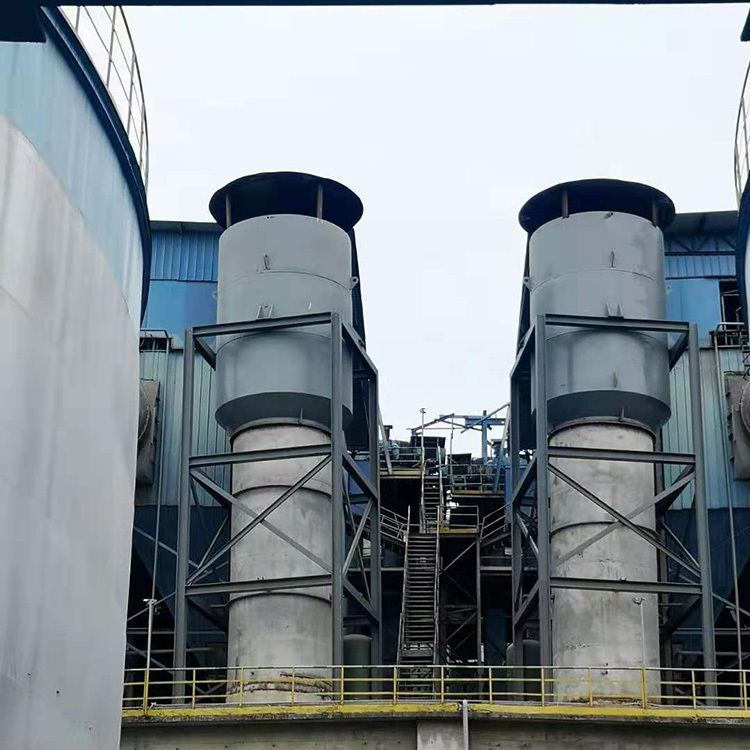
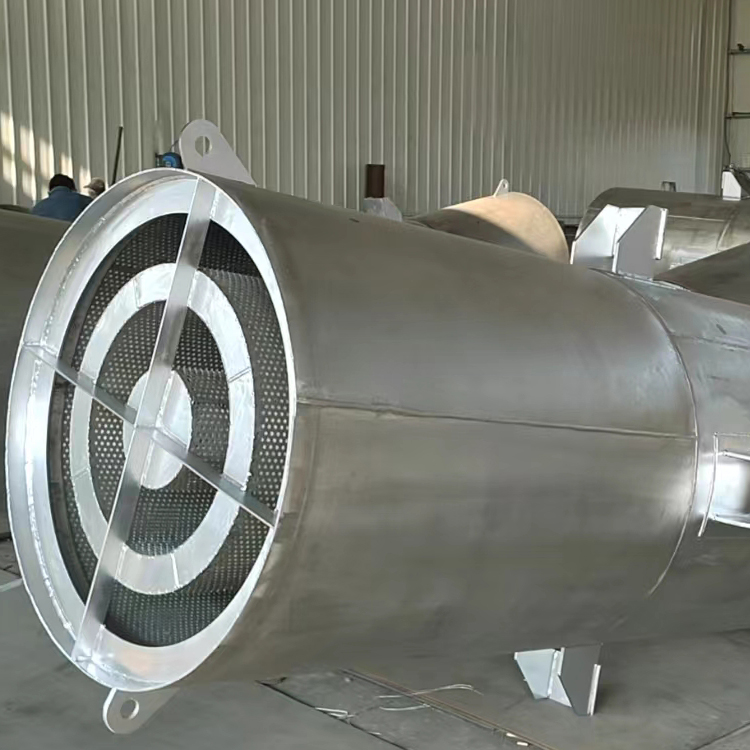
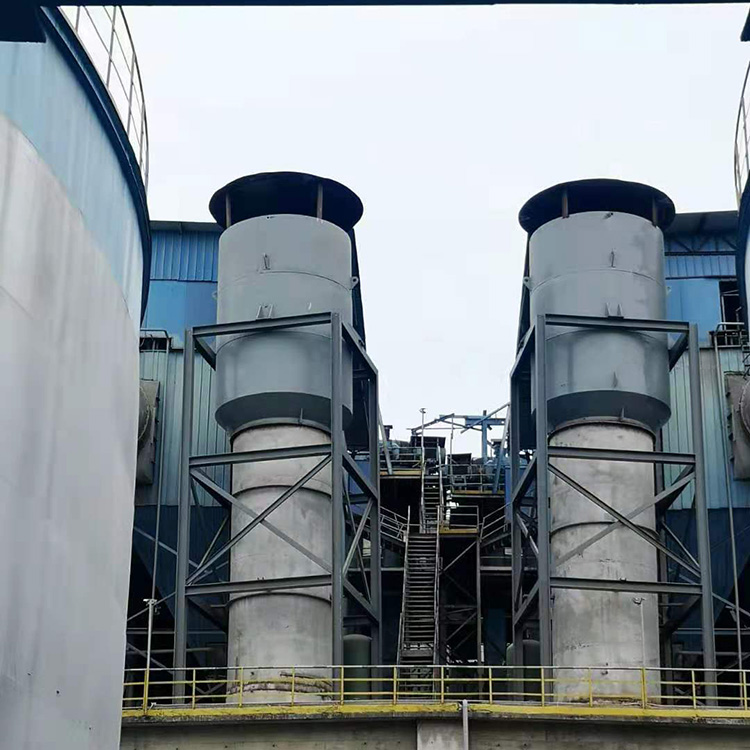
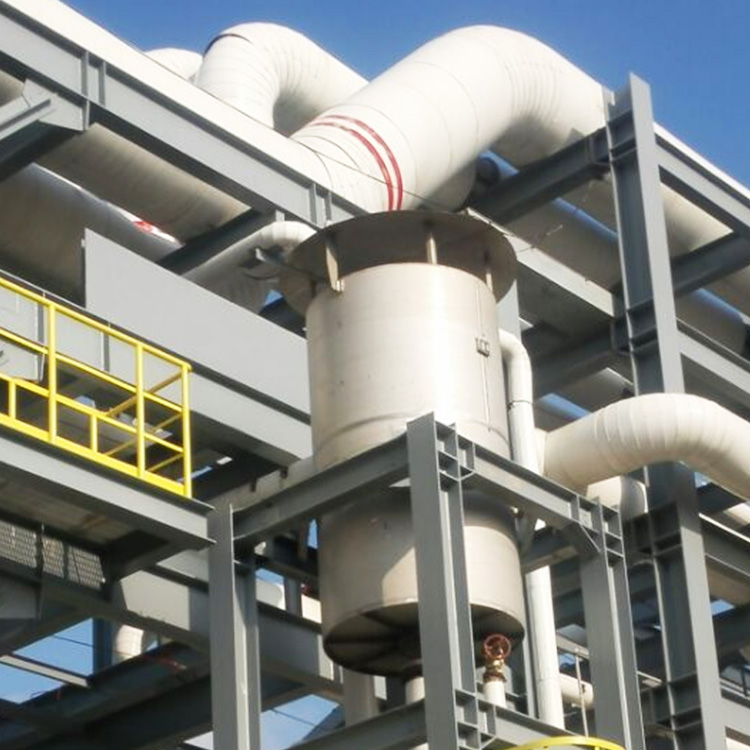
Boiler exhaust silencers are primarily used for effectively silencing steam emissions and other gas emissions in industries such as power, oil, chemicals, metallurgy, and textiles. They are a crucial measure for eliminating noise from steam emissions. Various types of boiler exhaust steam are not only high temperature and high pressure but also have a wide frequency bandwidth. To assess the quality of steam emission silencers, the following three aspects are mainly considered:
The noise reduction of the muffler meets the requirements of the "Industrial Enterprise Noise Standard."
2. The muffler is adaptable to various frequencies, high temperatures, and pressures (low, medium, and high pressure, ultra-high pressure, subcritical, supercritical).
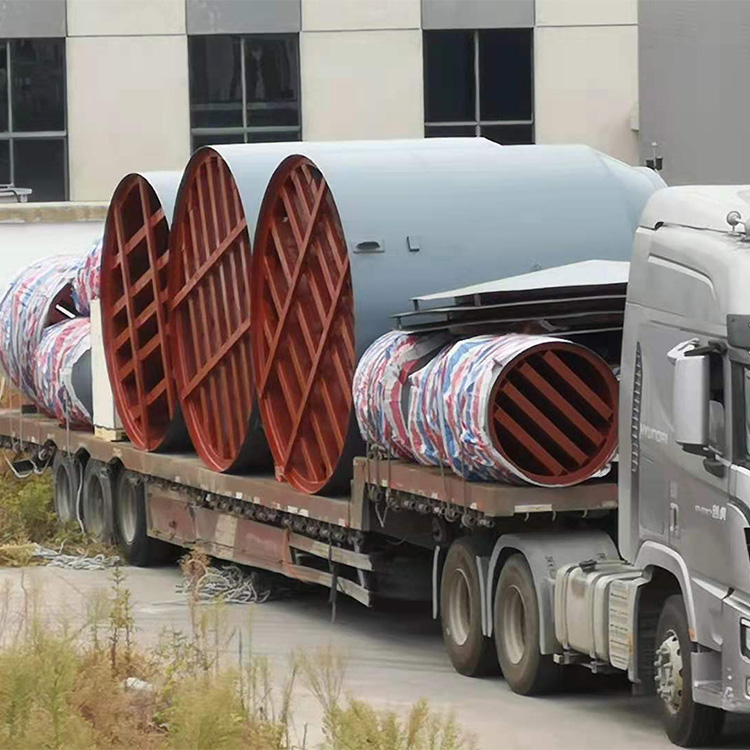
3. The muffler has excellent structural quality (reasonable size, high strength, long lifespan, and easy installation).
Section 2: Boiler Muffler Principle
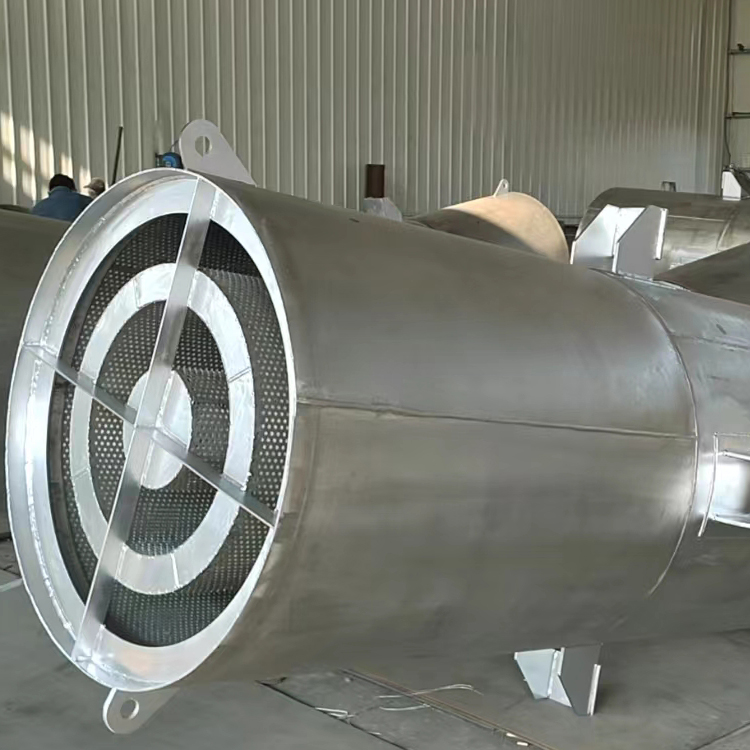
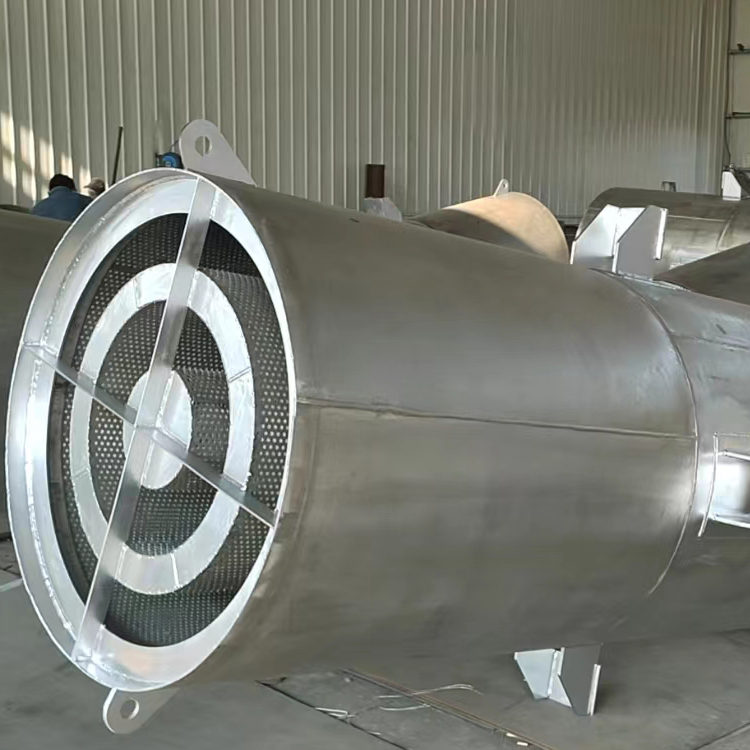
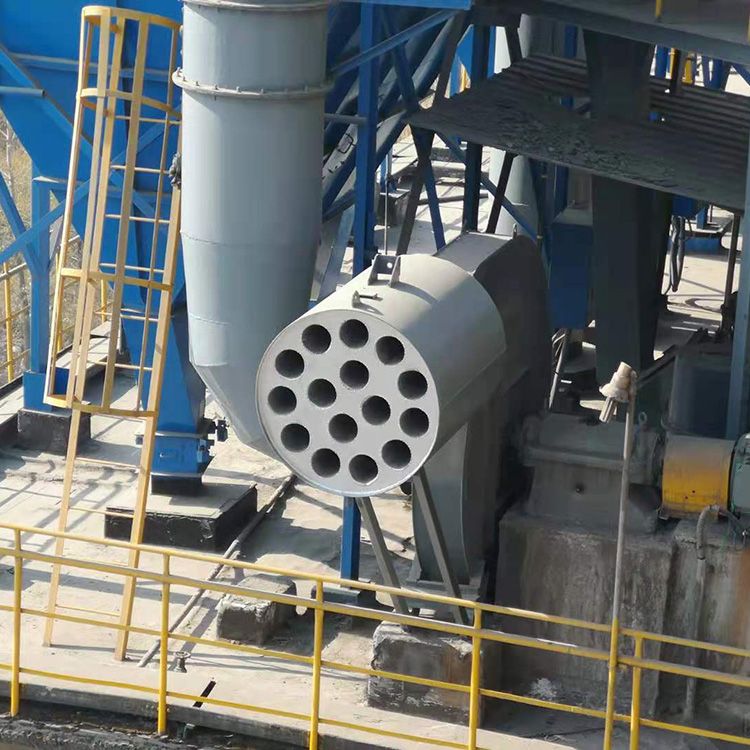
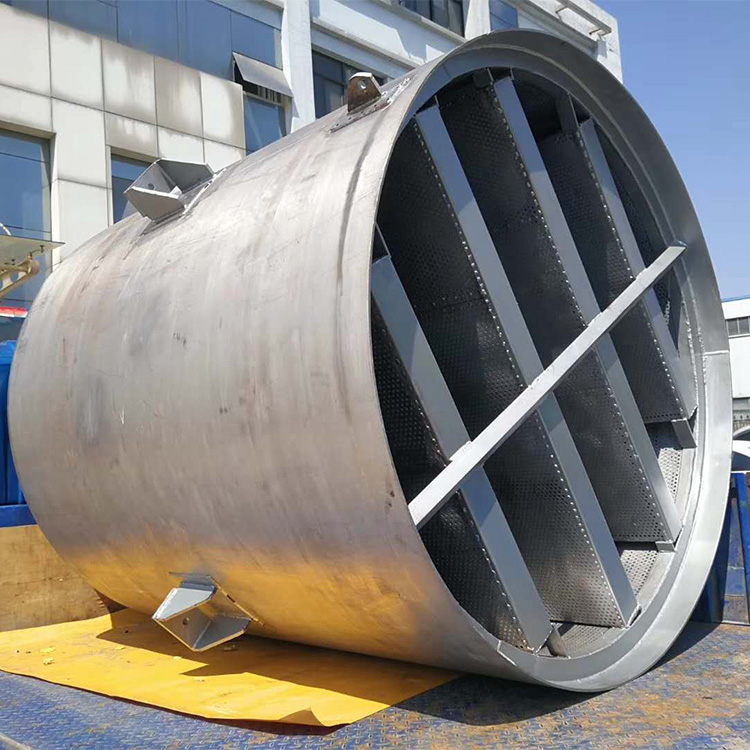
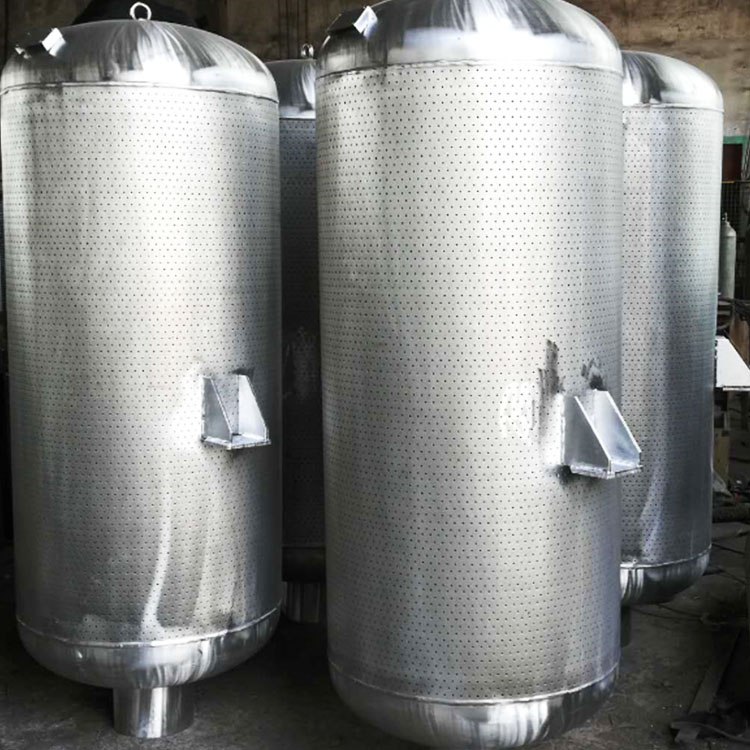
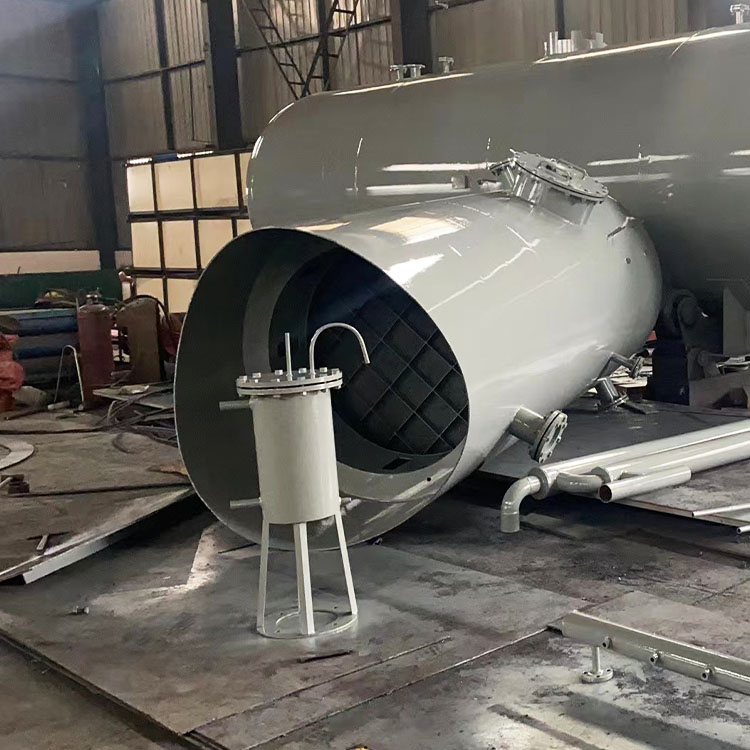
Boiler silencers are primarily based on the "small hole injection" theory combined with impedance expansion and sound absorption. Boiler steam emissions generally have high flow velocities and air noise levels, necessitating a preliminary flow expansion through perforated holes. After passing through multiple perforations, the steam is depressurized and decelerated in a resistive expansion chamber. The airflow is then ejected through small holes, where the sound power in each harmonic band is reduced. The sound pressure level frequency is then pushed above 20,000 Hz, significantly diminishing the noise. However, secondary noise at certain frequencies still requires further attenuation. We add a resistive sound-absorbing cotton structure outside the expansion chamber, which is designed based on the frequency spectrum characteristics of the residual noise emitted by the depressurizing body to effectively absorb the remaining noise. After the user installs it as required, the noise reduction can reach 30-45 decibels, meeting the requirements of the <<Industrial Enterprise Noise Standard>>.
Section 3: Ordering and Selection of Boilers' Mufflers
Our factory's silencers are meticulously designed according to various parameters. When ordering exhaust silencers, the following information is required to achieve the desired noise reduction effect:
(1) Steam emission volume (T/h), pressure, temperature.
(2) Steam exhaust pipe diameter and wall thickness.
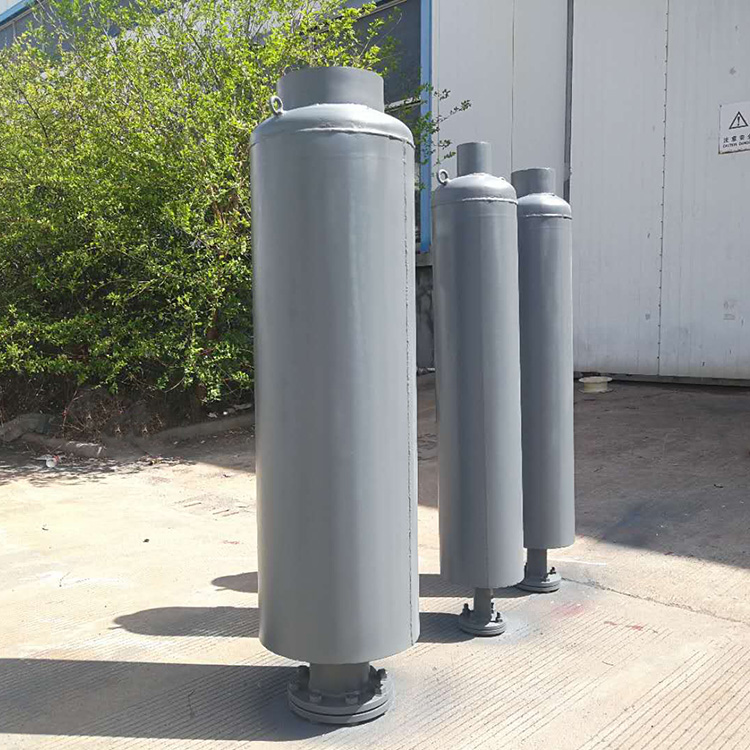
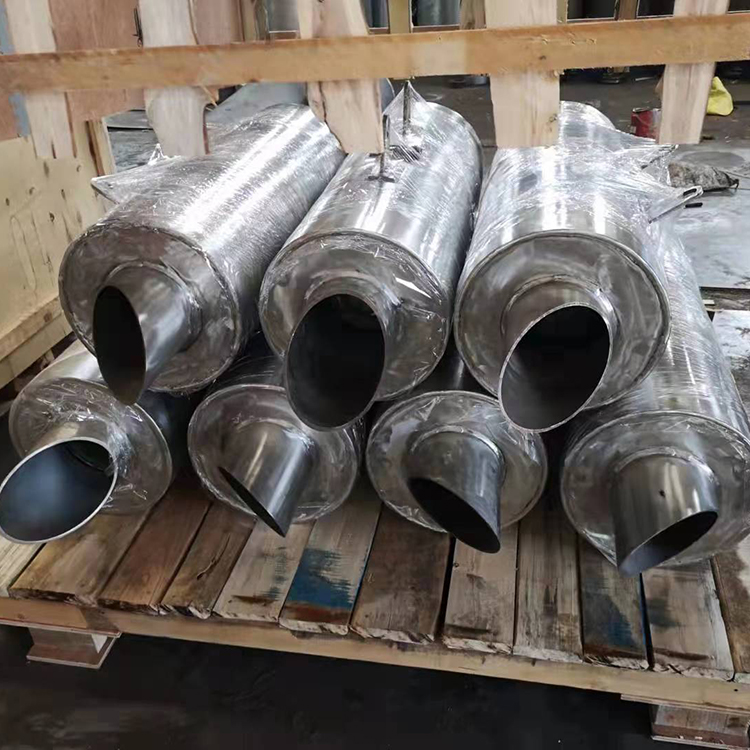
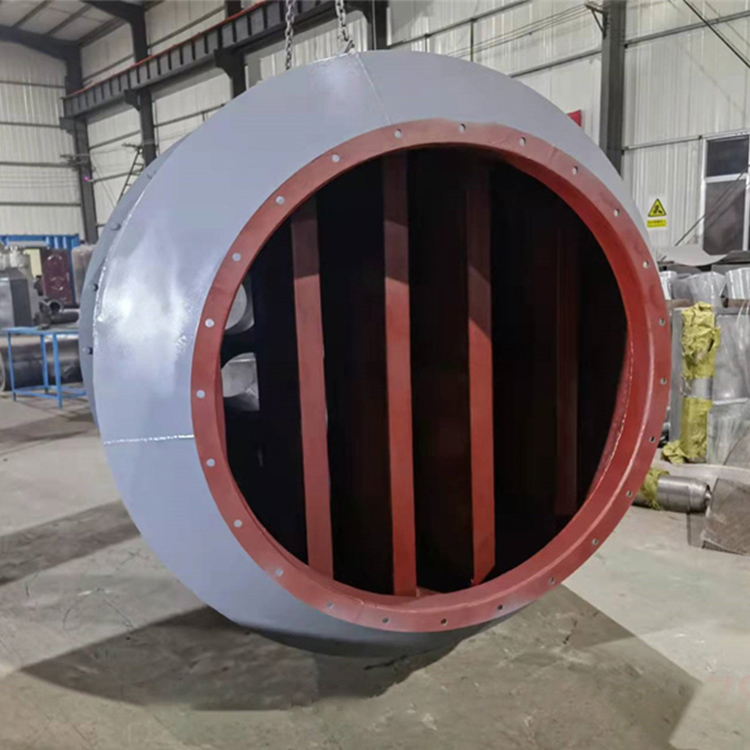
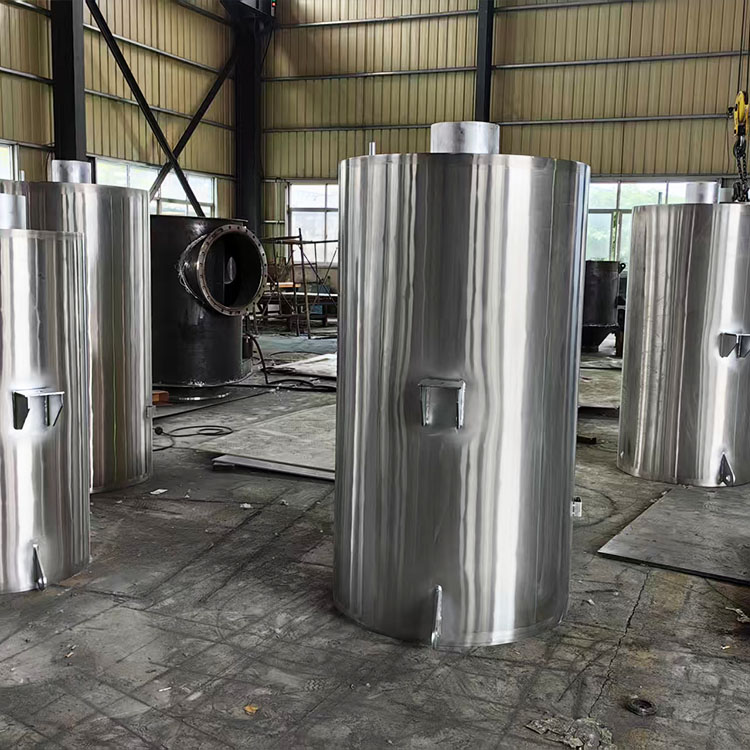
(3) Structure options include small-hole or anti-spray-resistant composite. Most users prefer the composite silencer for its superior noise reduction effect; the internal material is made of stainless steel, and the shell material is carbon steel. The inlet can be selected for welding or flange connection; the support leg can be chosen in either leg or ear type structure.
Boiler Ignition Exhaust Muffler
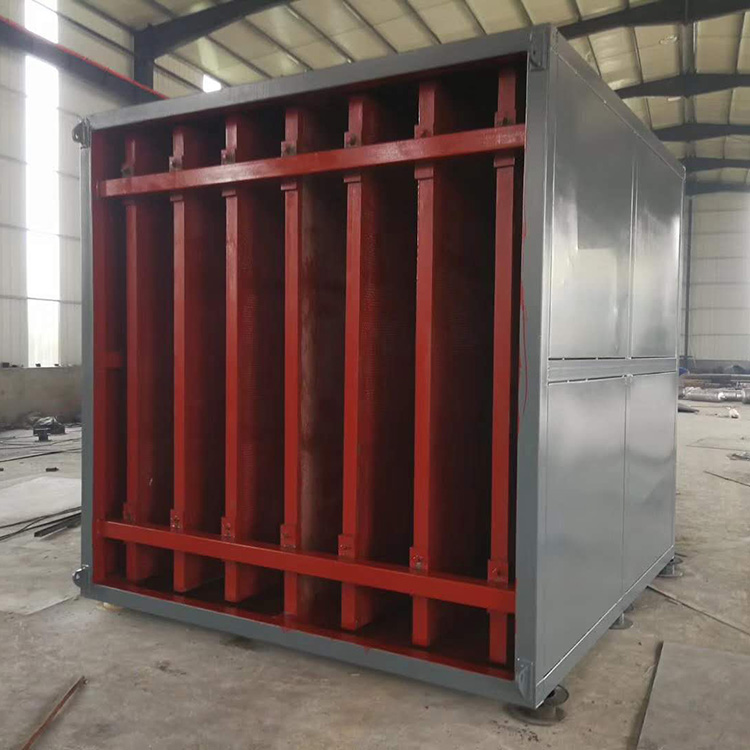
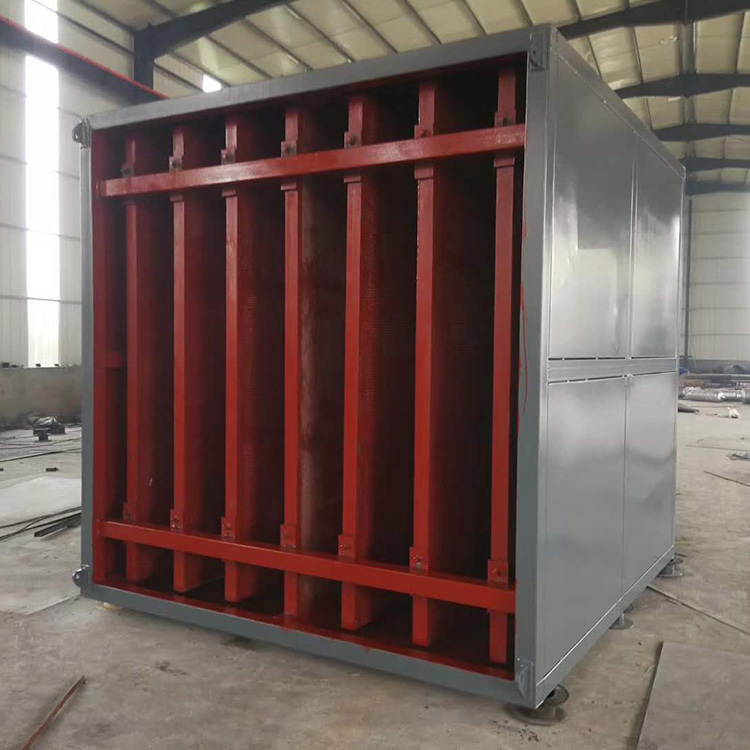
Boiler silencers are designed with a comprehensive noise reduction principle. After high-pressure steam is once controlled within the silencer, it enters the pressure-reducing chamber, where it is expanded in a large volume, forming low-pressure steam that is then ejected. During this process, a portion of the steam's internal energy is converted into sound energy of a certain frequency. Although the noise power is significantly reduced, it often remains above the standard value due to various reasons such as the exhaust steam deviating from the design specifications. To address this, a double-layered sound-insulating hood is designed outside the pressure-reducing chamber, tailored to the frequency spectrum characteristics of the residual noise emitted by the chamber, and is used to effectively absorb the remaining noise. After installation according to specifications, the total noise reduction can reach 36 to 45 decibels. ()
2. Steam Safety Valve Silencer (TA Model)
For safety valves on boilers and other pressure vessels, the exhaust steam muffler should not only minimize noise but also ensure smooth exhaust flow. Therefore, the traditionally used multi-stage throttling and small hole mufflers, along with the noise reduction method of small hole injection, are not suitable. This restriction has always been a design challenge for safety valve mufflers and a reason for their poor noise reduction performance. This utility model for safety valve mufflers also employs the noise reduction principle of resistance, injection, and impedance, replacing the smaller diameter control holes with large hole expansion, thereby enhancing the resistance and impedance noise reduction mechanisms structurally. This achieves an ideal noise reduction effect.
3. Low-pressure Steam Muffler (TD Model)
A large number of industrial and mining enterprises use low-pressure boilers with pressures of 0.13Mpa or less, and there are also numerous low-pressure thermal devices in power plant thermal systems, such as back-pressure steam turbines, deaerators, auxiliary exhaust blowers, steam turbine oil pumps, continuous boiler blowdown, and periodic blowdown, etc. The exhaust pipes of the aforementioned equipment require the installation of noise suppressors with lightweight structures and easier installation. Our company designs specialized deaerator series, back-pressure steam turbine series, and other product lines tailored to different noise reduction targets, meeting the requirements of our customers.