








Section 1: Generator Set Muffler Introduction
1. Generator noise often becomes the primary source of environmental noise pollution in the surrounding area.
The demand for noise control in today's society is ever-increasing. Effectively managing noise pollution is a challenging yet highly valuable endeavor, which is our primary focus in noise abatement. To excel in this task, it is crucial to understand and analyze the components of diesel generator noise. Exhaust noise control: Attenuating sound waves through expansion chambers and perforated plates, converting the sound into heat and dissipating it. An effective method to control exhaust noise is to install exhaust mufflers. This standard outlines the technical requirements for the design, construction, acceptance, and operation management of diesel generator noise treatment projects, serving as a technical basis for environmental impact assessments, feasibility studies, design and construction, environmental protection acceptance, and post-construction operation and management.
2. Generator Set Muffler Standard Reference Documents
(1) Environmental Protection Laws and Regulations
(2) "Sound Environment Quality Standard" (GB33096-2008)
(3) "Industrial Enterprise Boundary Environmental Noise Emission Standard" (GB12348-2008)
3. Generator Set Muffler Design
(1) Generator noise levels must meet the noise emission standards specified in the National Standard for Environmental Noise in Urban Areas (GB 3097-93) for the corresponding noise categories in each zone.
(2) Determine the scope and process of the diesel generator noise treatment project based on the actual conditions such as the location of the enterprise's diesel generators, the structure of the machine room, the power and quantity of the generators, ensuring environmental protection, economic rationality, and technical reliability.
(3) The selection of engineering and technical solutions should comply with the requirements of the approval documents for the environmental impact assessment report. The noise from diesel generators should be treated to consistently meet the relevant national and local emission standards.
4. Generator Set Noise Control and Exhaust Muffler Designs
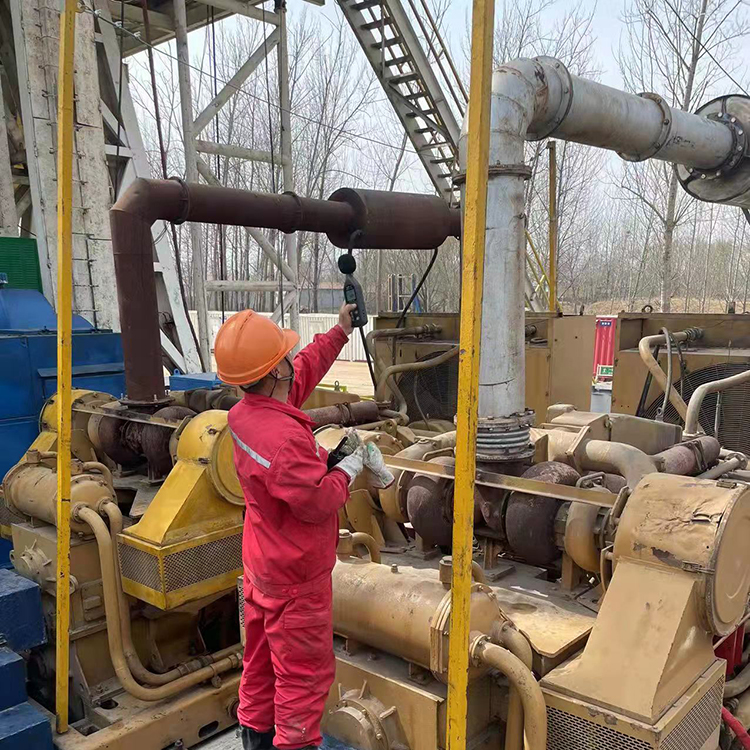
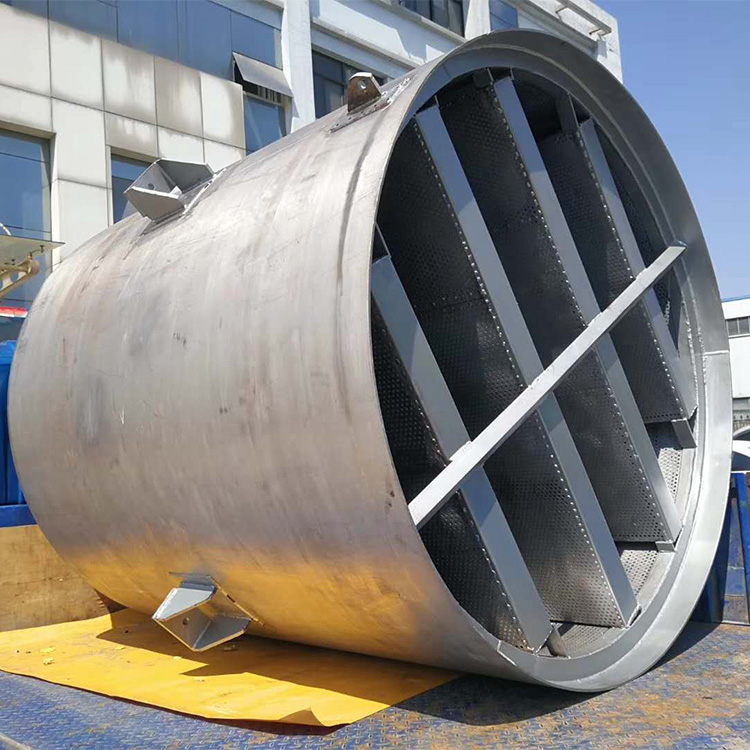
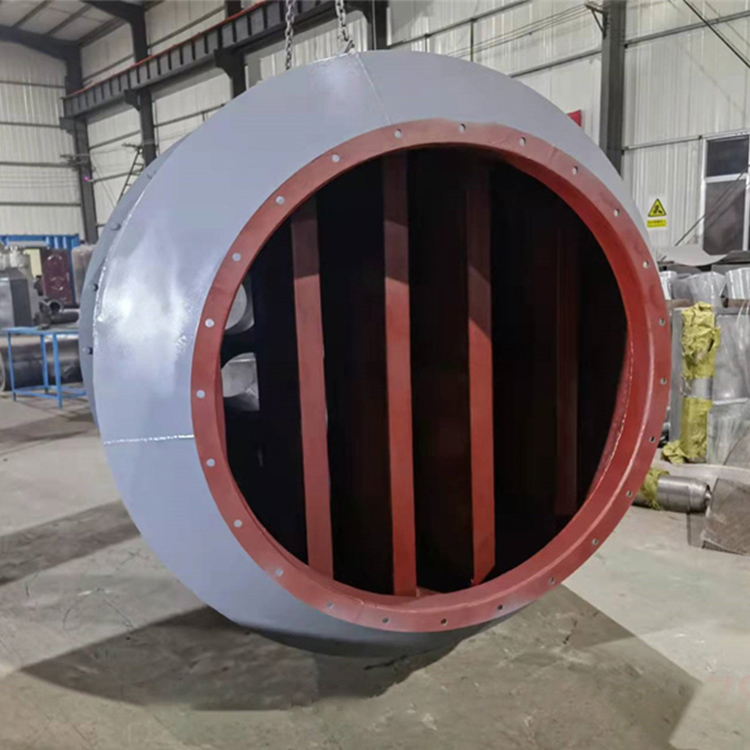
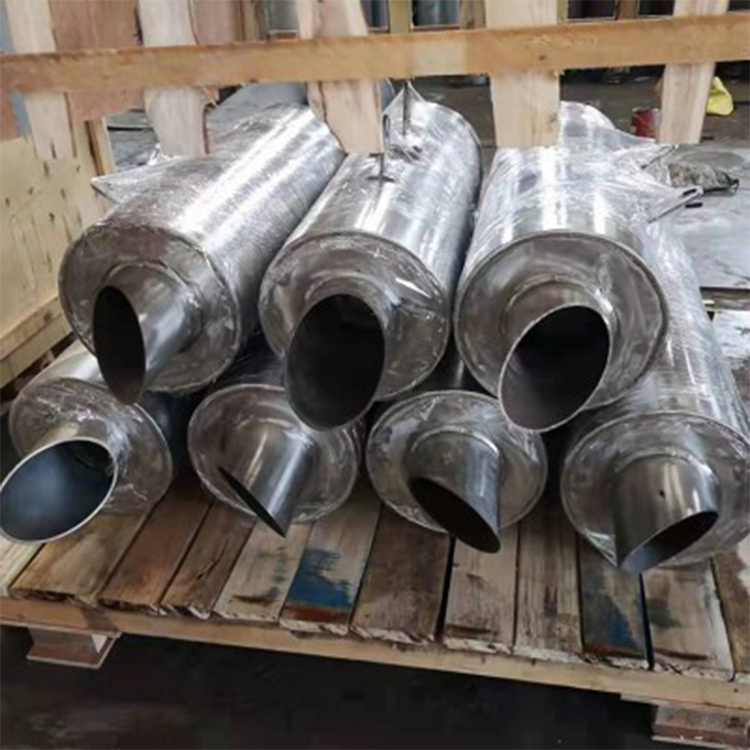
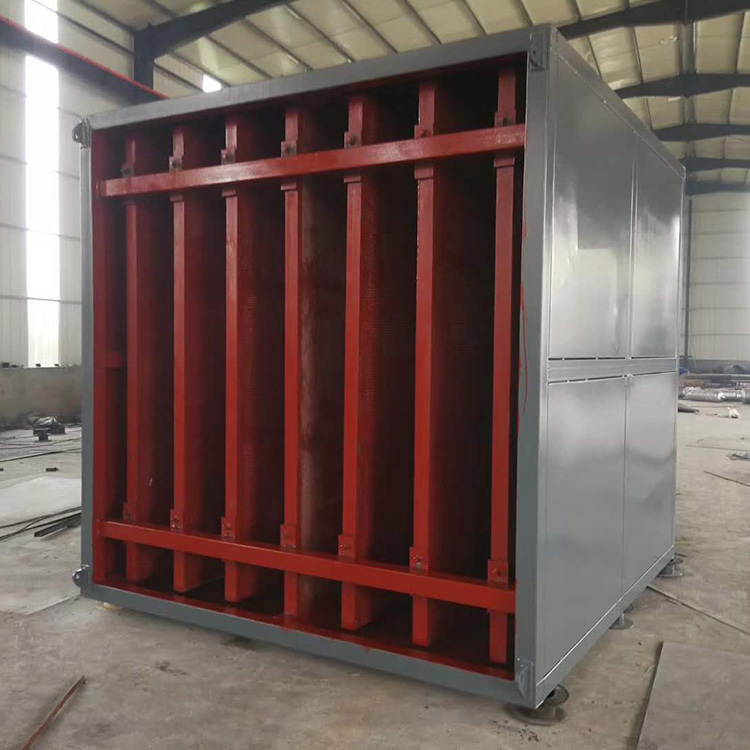
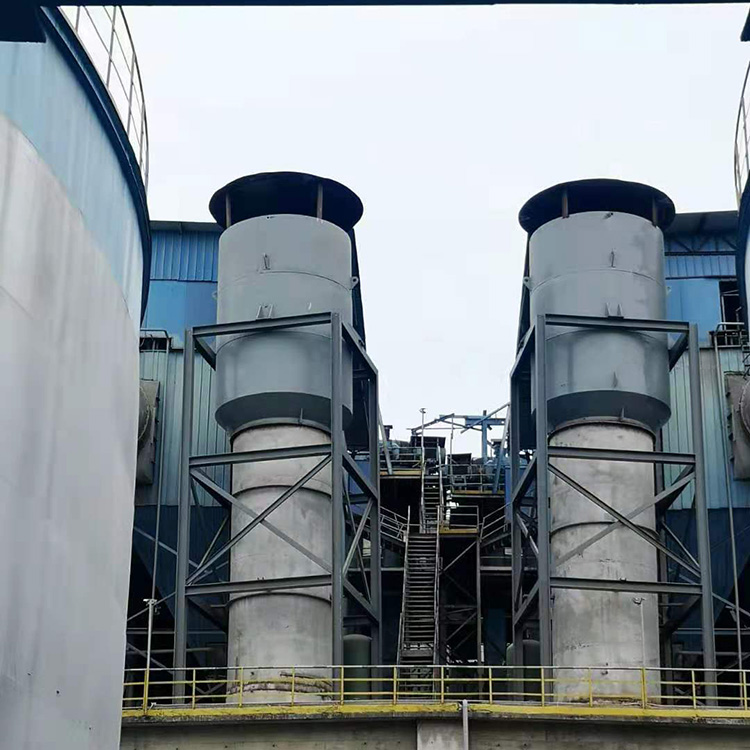
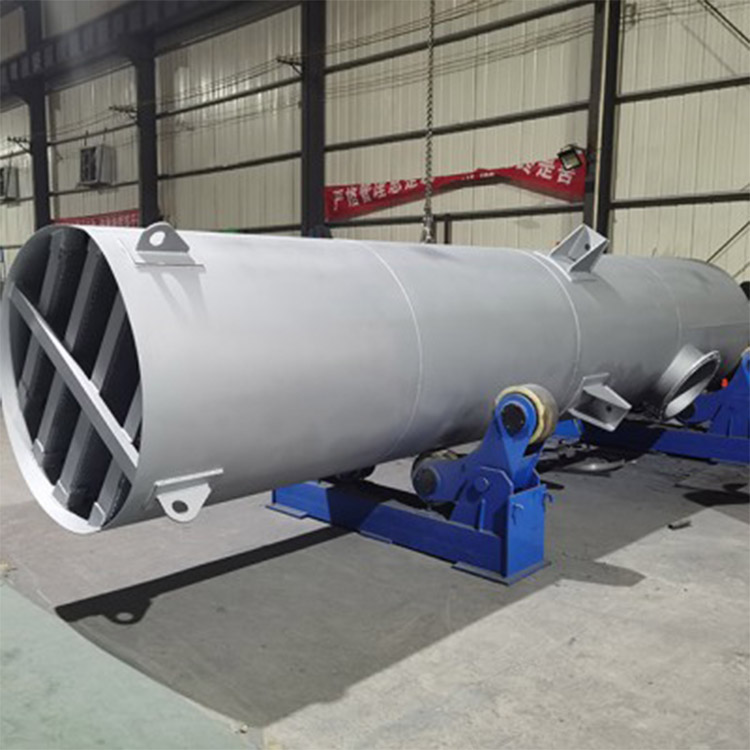
Diesel generator noise primarily includes exhaust noise from the engine, intake noise, combustion noise, and mechanical noise generated by the cyclic high-speed movement and impact of moving parts such as rods, pistons, and gears during operation, as well as airflow noise from the cooling water exhaust fan. The overall noise level of a diesel generator set is very high, generally reaching 100-125dB(A) depending on the power rating. Noise control methods for diesel generators include soundproofing treatment for intake, exhaust, and gas exhaust channels, sound-absorbing treatment inside the机房, and sound-insulating treatment for the机房. The damping muffler for generators is a segmented pipe structure, with a grid-type damper set in the third chamber (turbulent chamber) to eliminate the impact vibration and vortices caused by multiple rotations of the airflow inside the muffler, thereby reducing exhaust noise and unnecessary power loss. There are many types of generator mufflers, but in terms of their soundproofing principles, they are mainly divided into six types: resistive muffler, reactive muffler, impedance composite muffler, micro-perforated plate muffler, small hole muffler, and damping muffler. Diesel generator sets use a three-stage muffler.
Section 2: Design Key Points for Generator Set Mufflers
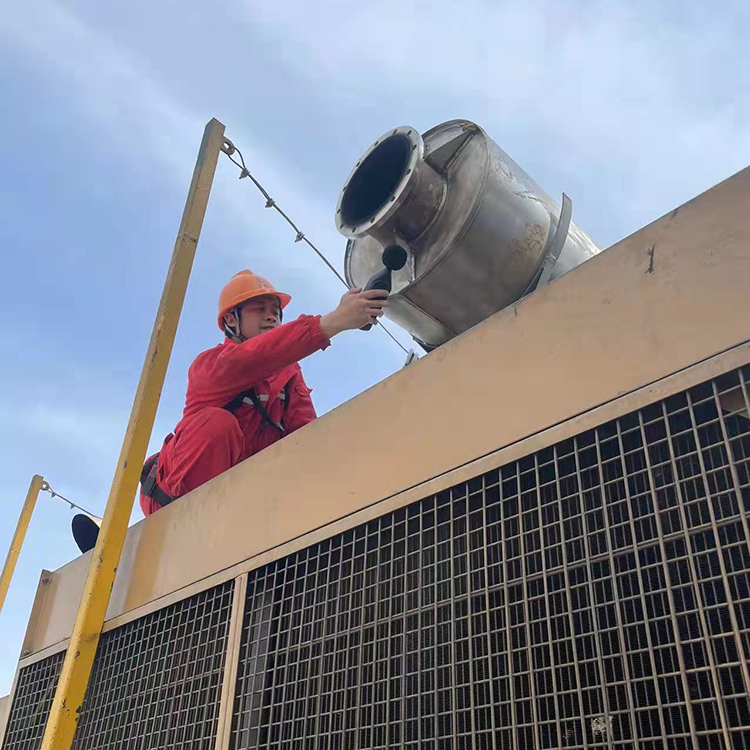
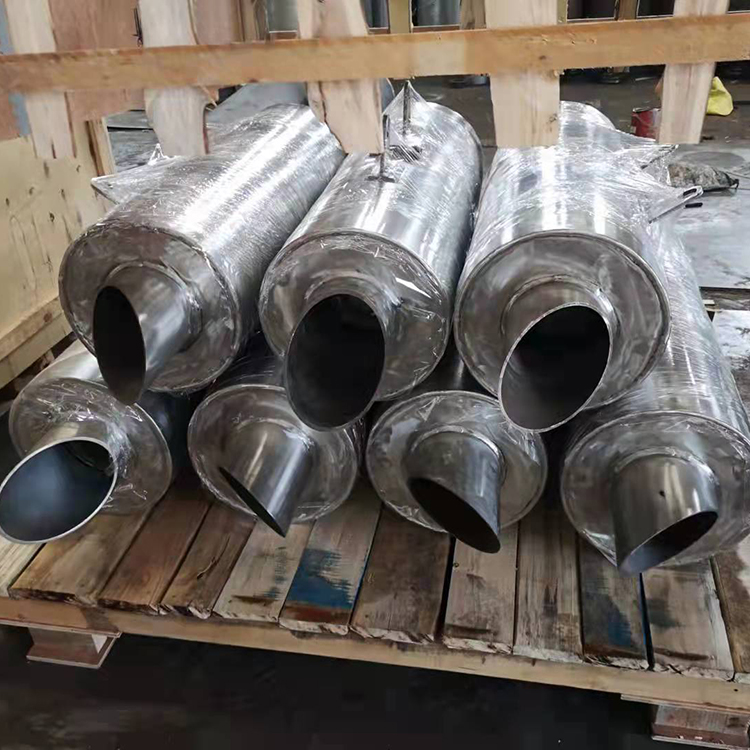
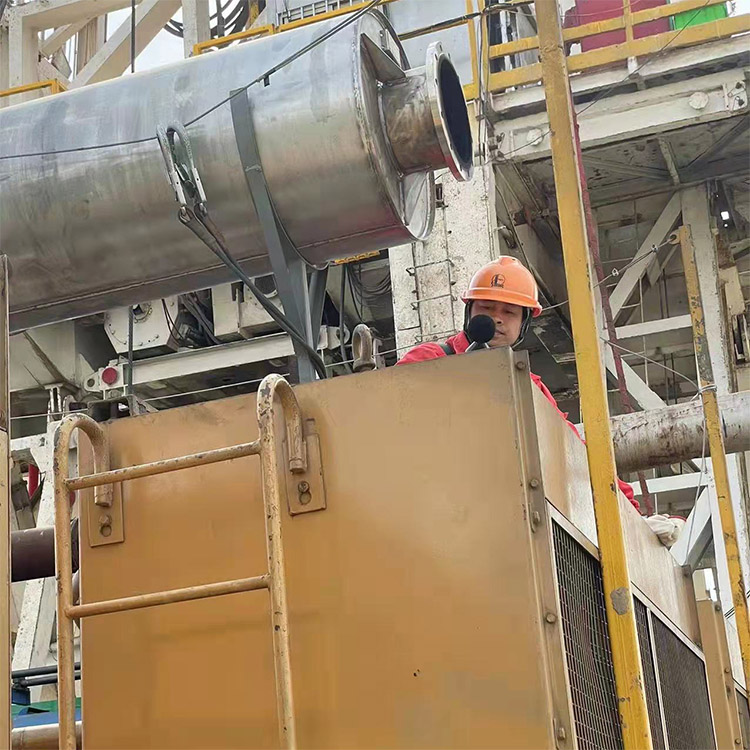
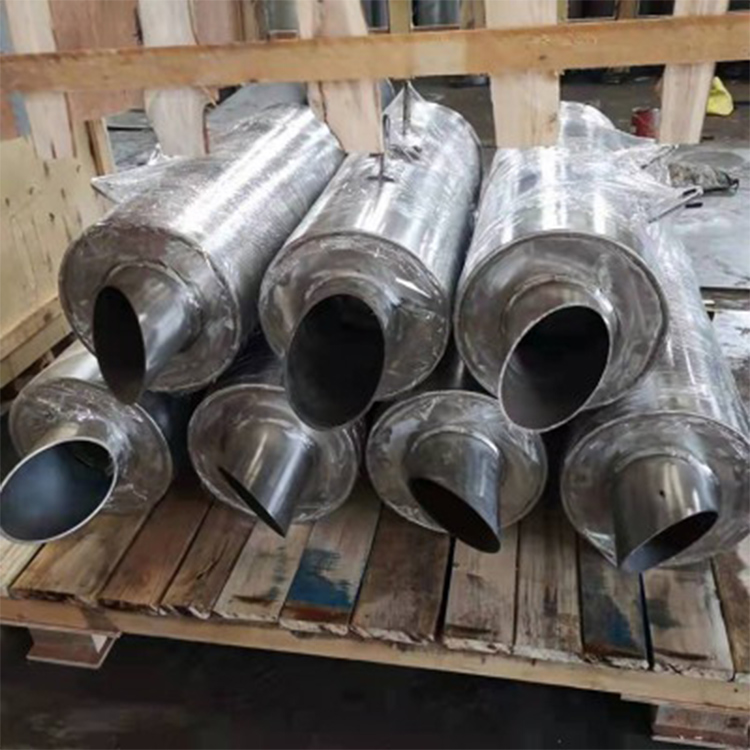
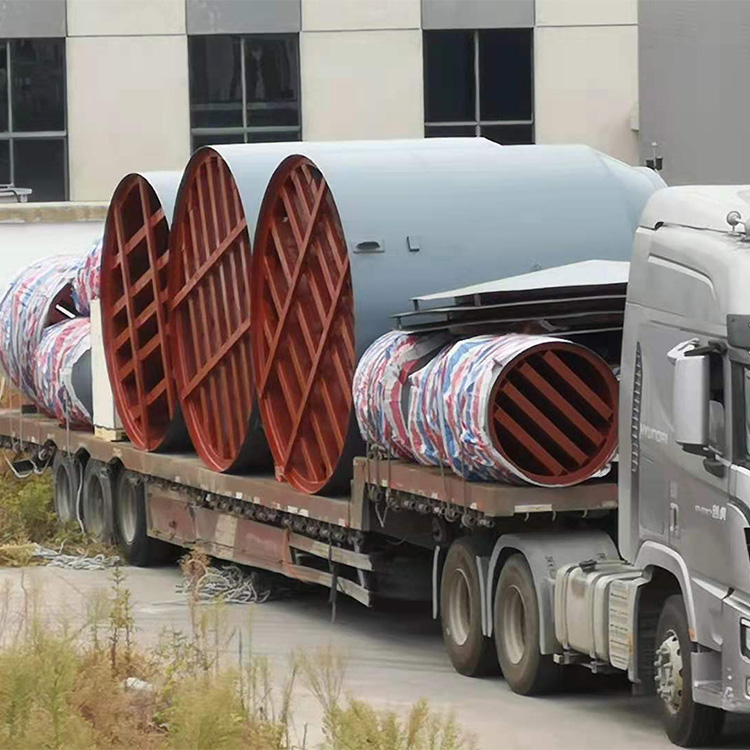
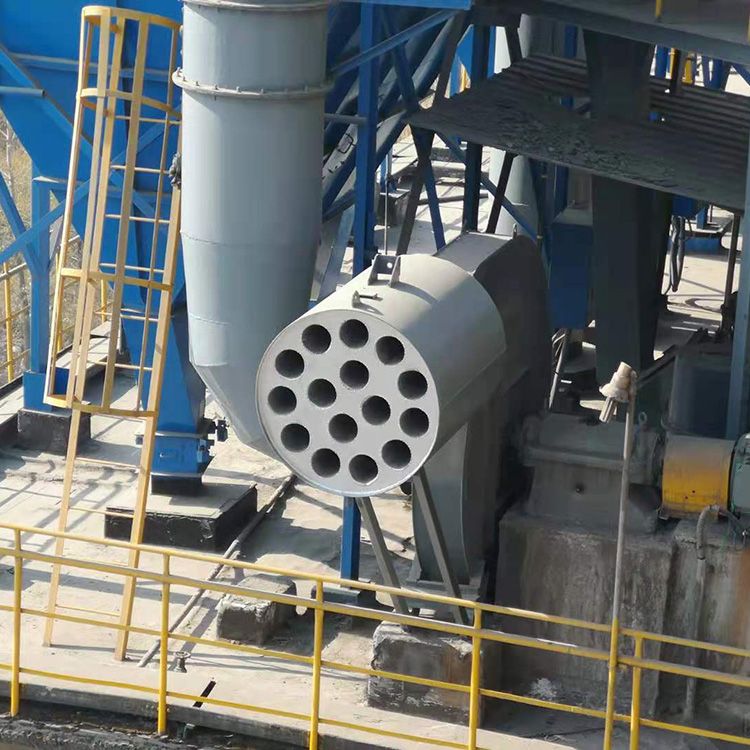
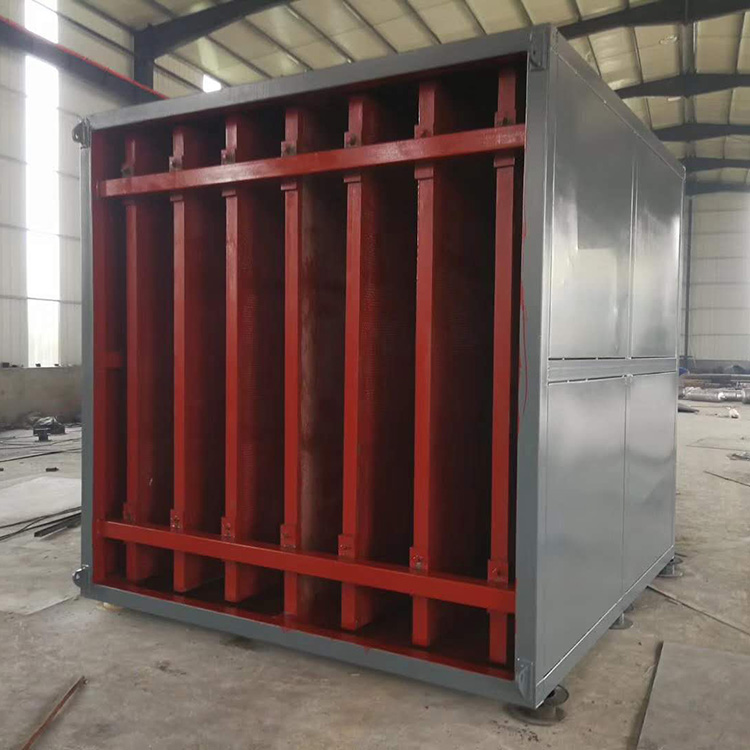
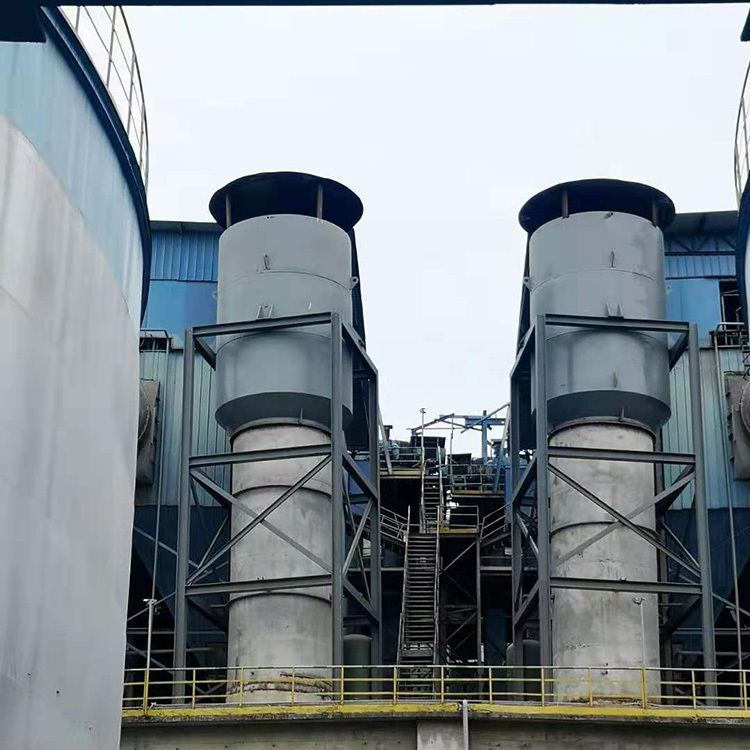
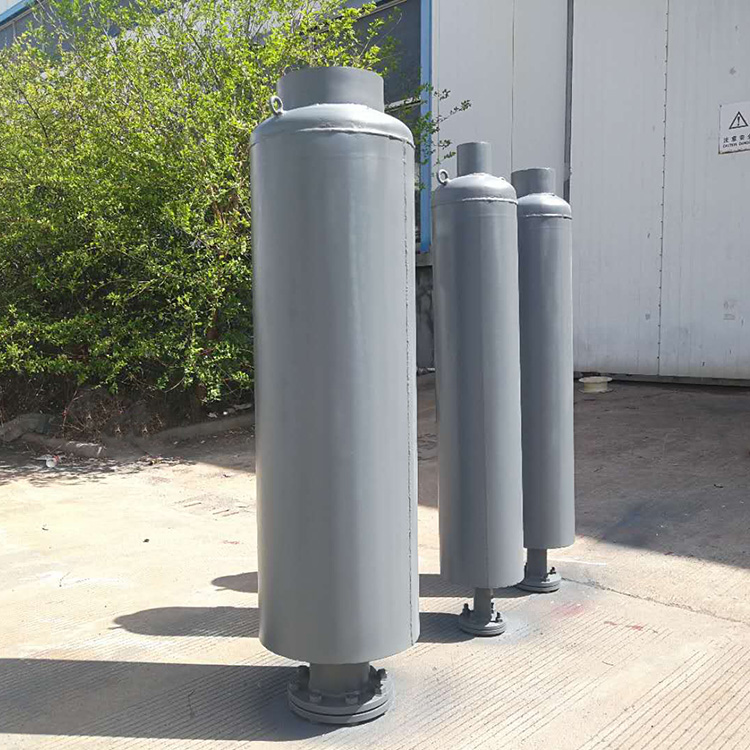
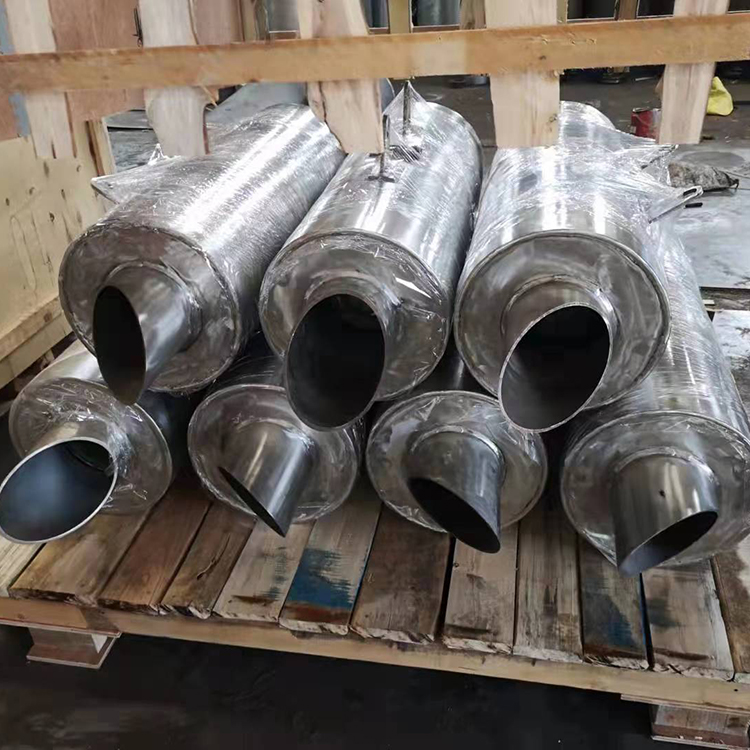
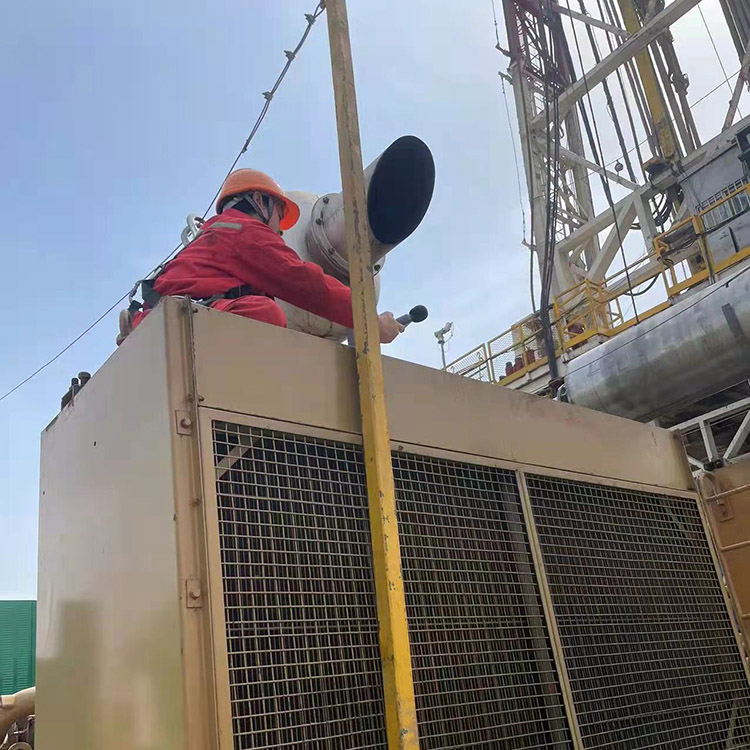
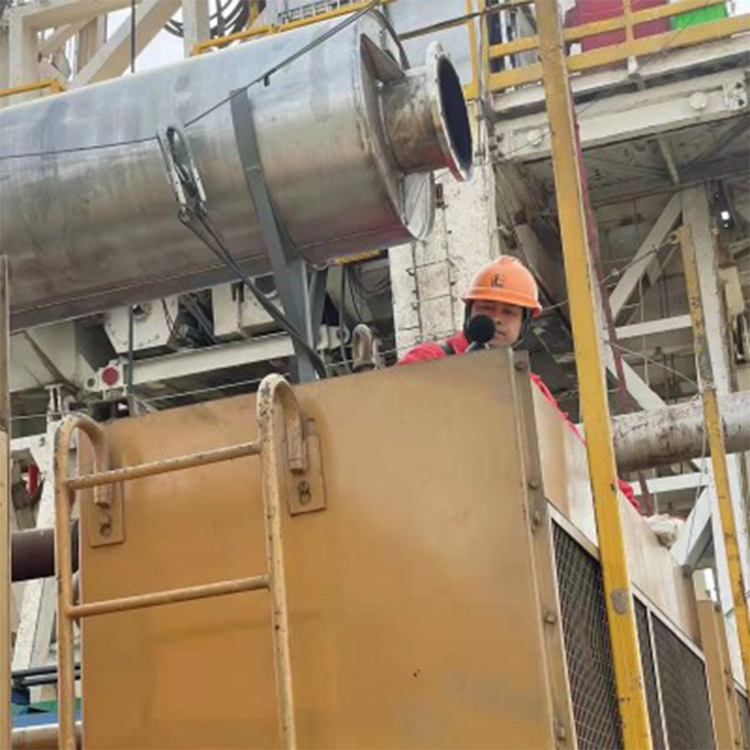
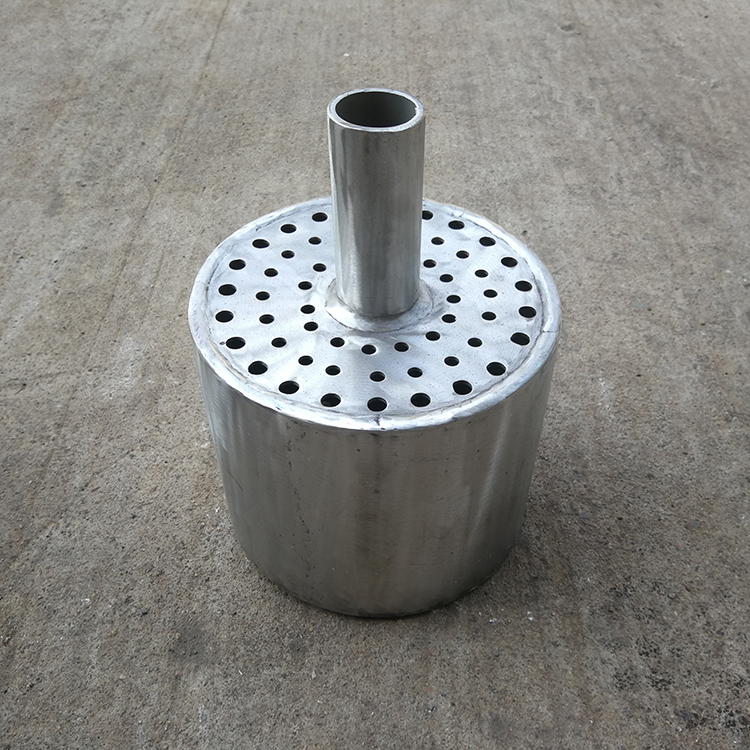
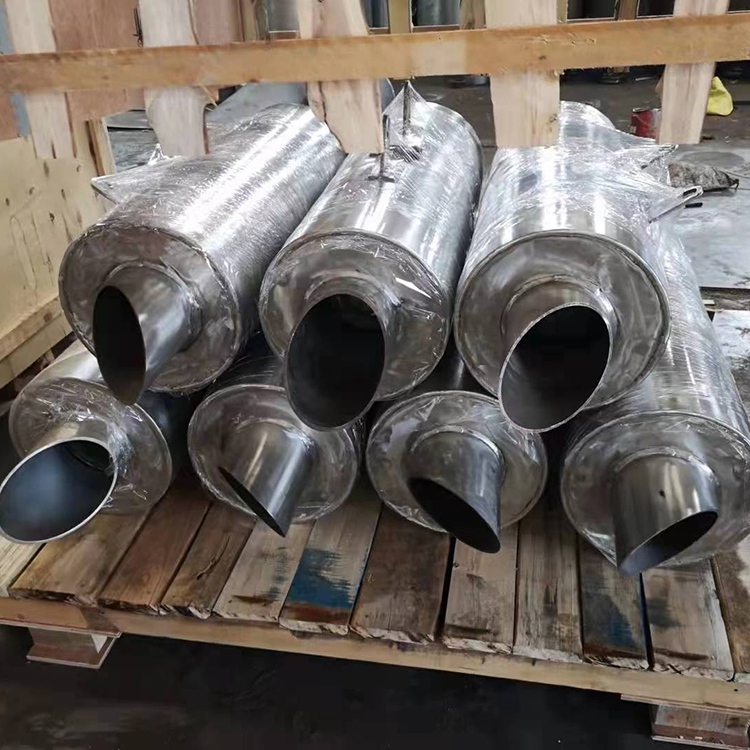
Our diesel generator sets are equipped with multi-stage silencers, which include intake pipes, inner passage pipes, two inner partitions, inner exhaust pipes, silencer tubes, and exhaust pipes. The intake pipe is centrally fixed at one-sixth of the silencer and is perpendicular to the silencer's axis. Both ends of the silencer are sealed with plates, and the exhaust pipe is fixed to the face of the silencer. Inside the silencer, at least two partitions divide it into equal sections. Between the two partitions, there is an inner passage pipe and a vent pipe coiled from perforated plates, forming a labyrinth for the exhaust. Exhaust is channeled through the inner exhaust pipes in the outer partitions to the exhaust pipe for waste gas排放. The inner walls of both the silencer and exhaust pipe are filled with noise-absorbing and heat-insulating stainless steel wire mesh and microporous plates, reflecting and absorbing exhaust noise, effectively reducing the noise impedance and achieving attenuation of the sound field. This results in noise reduction. Compared to second-stage silencers and industrial silencers, our multi-stage silencer expansion chambers offer excellent mid-to-high-frequency noise reduction performance. The installation of the silencer does not affect the equipment's efficiency, ensuring smooth intake and exhaust flow. However, they are larger in size and suitable for use on units with high noise reduction requirements or in noise reduction rooms. They can reduce noise by 25-35 dBA.
Section 3: Product Showcase