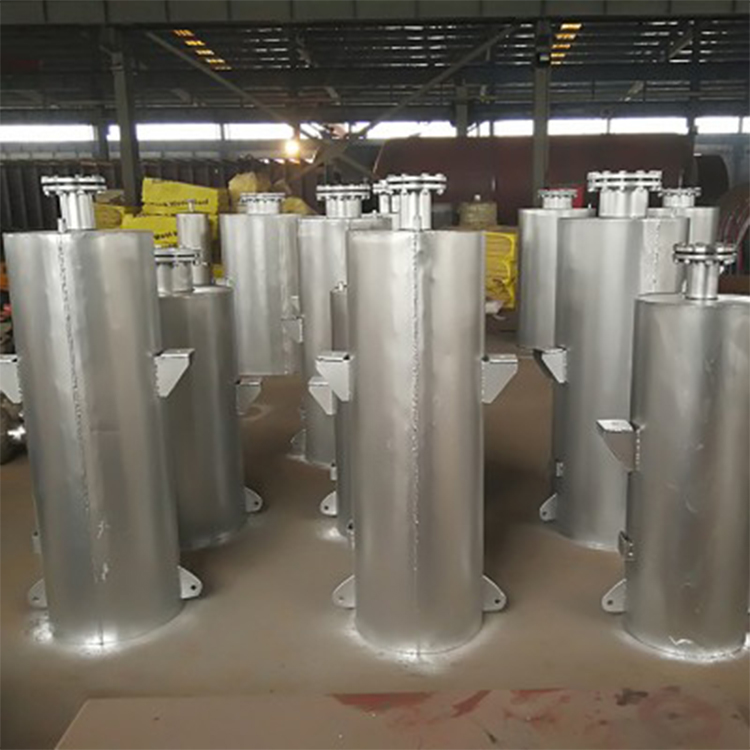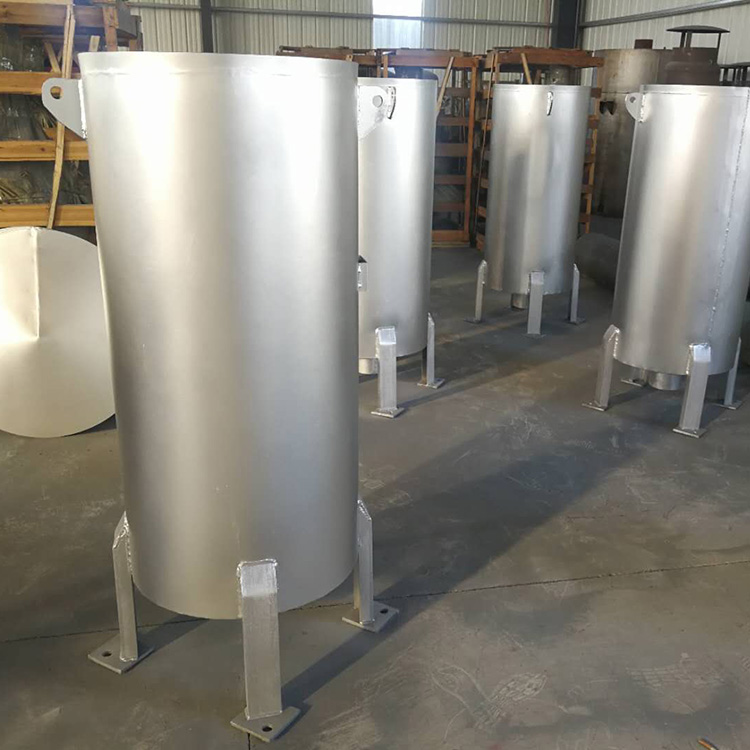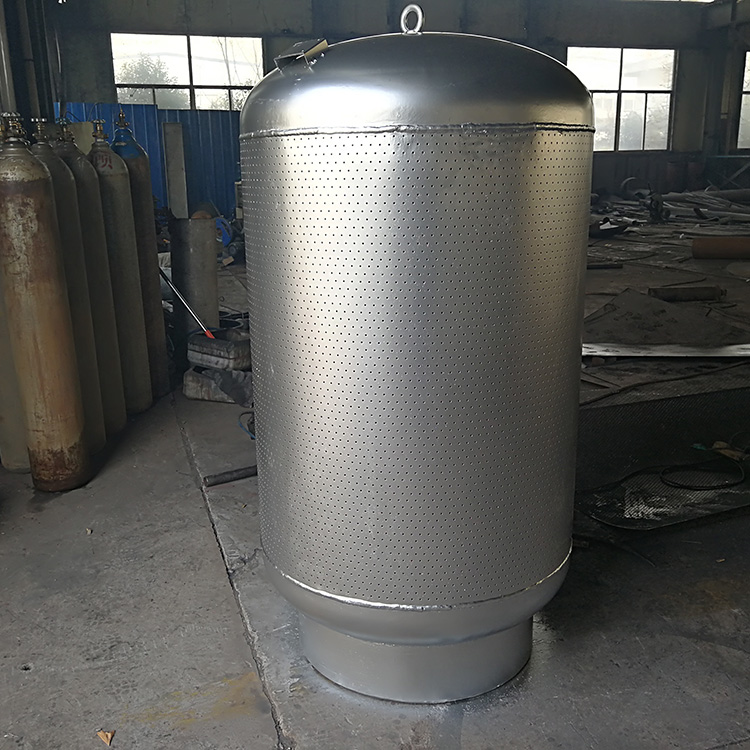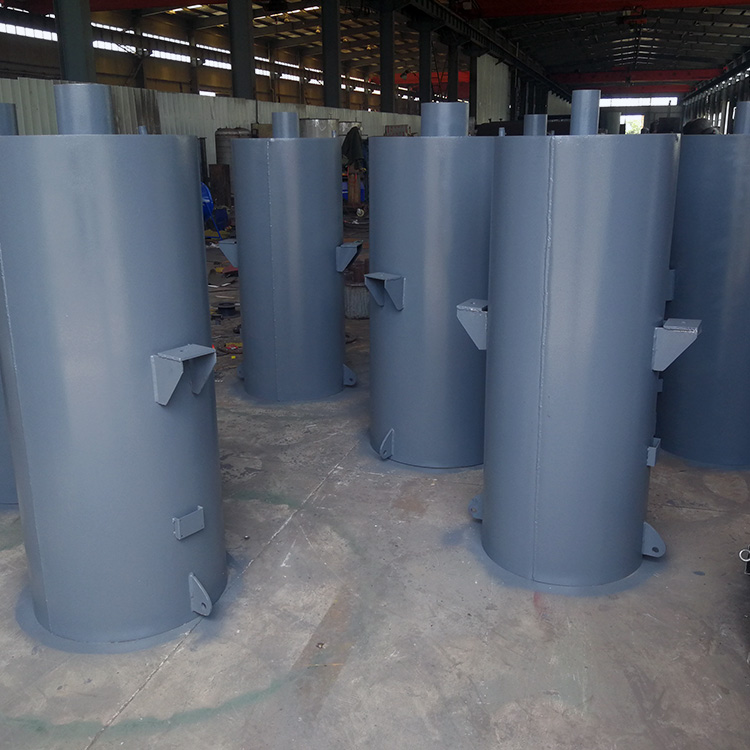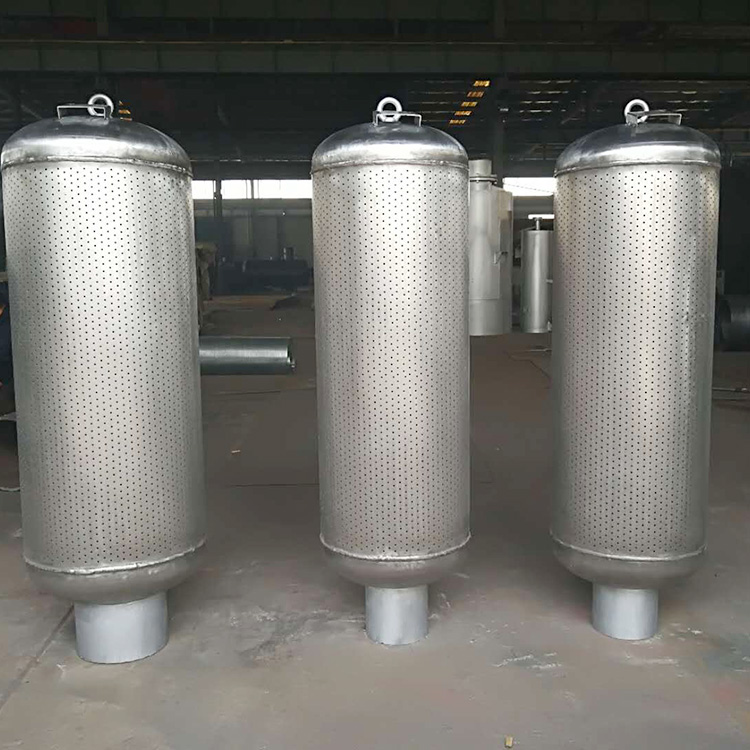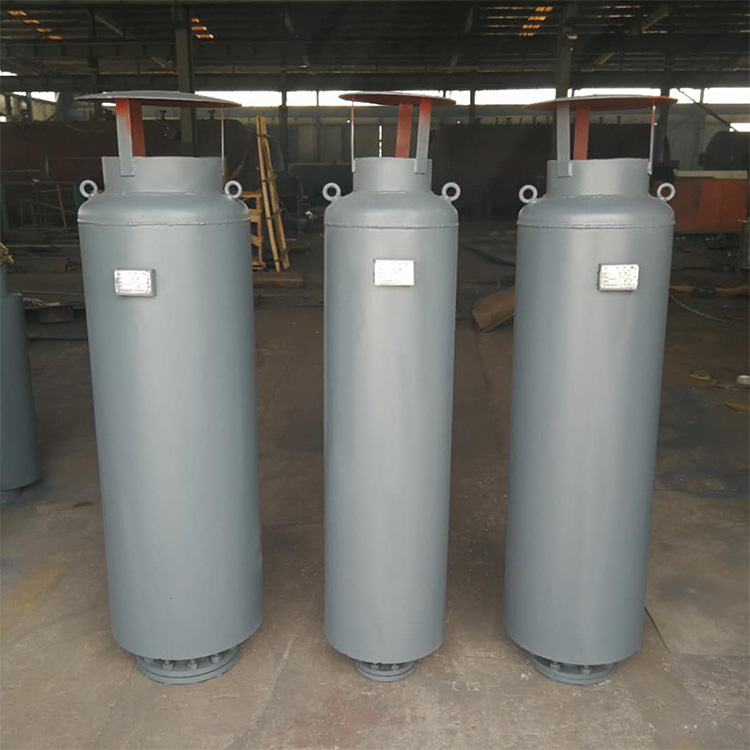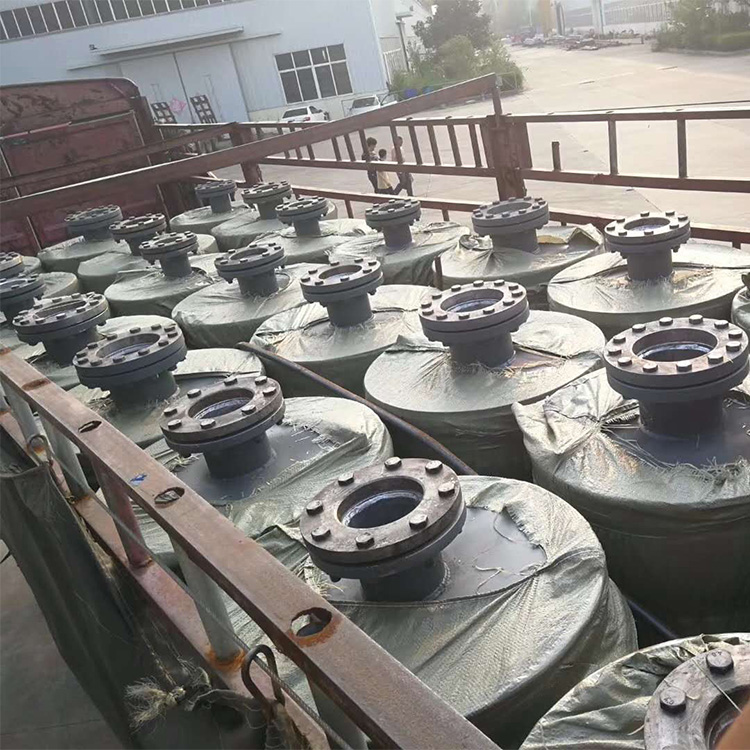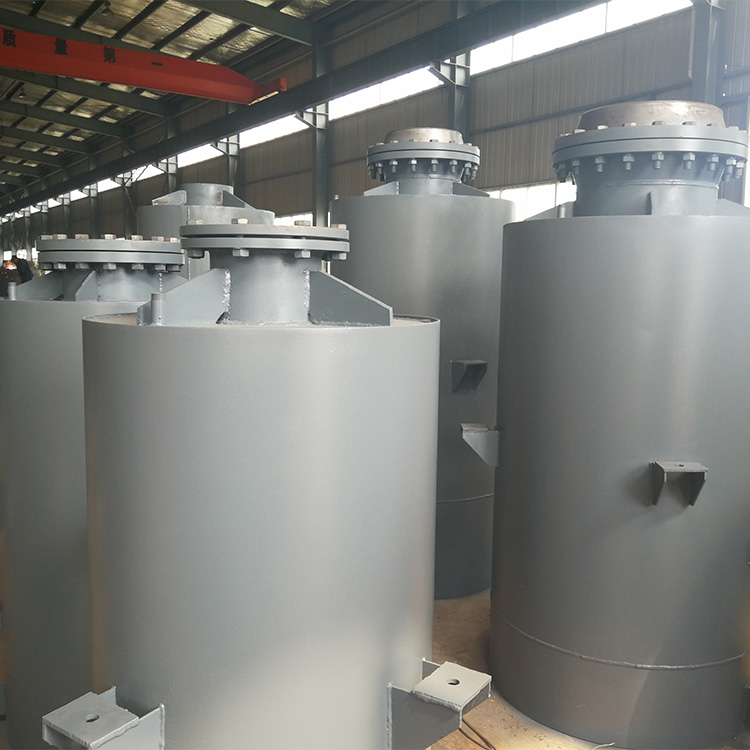
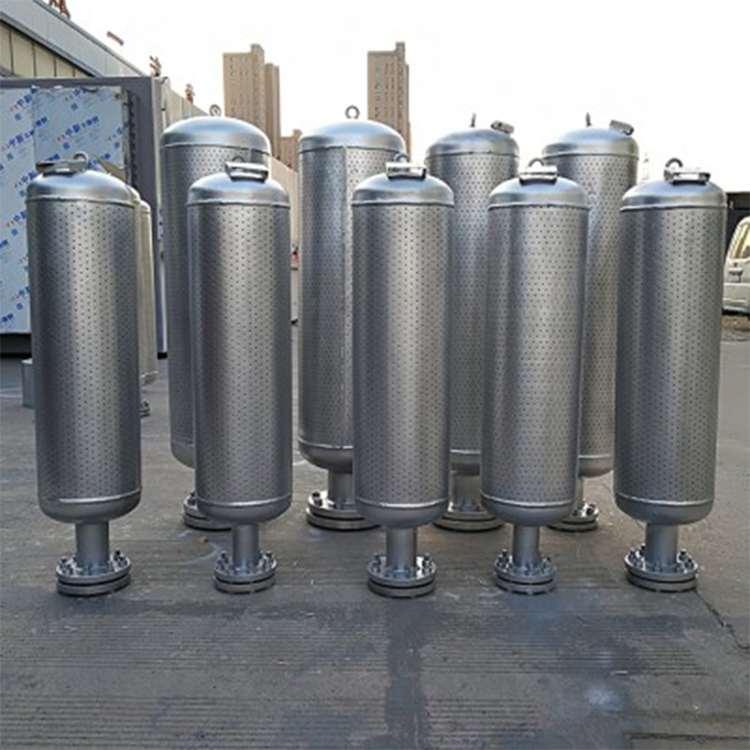


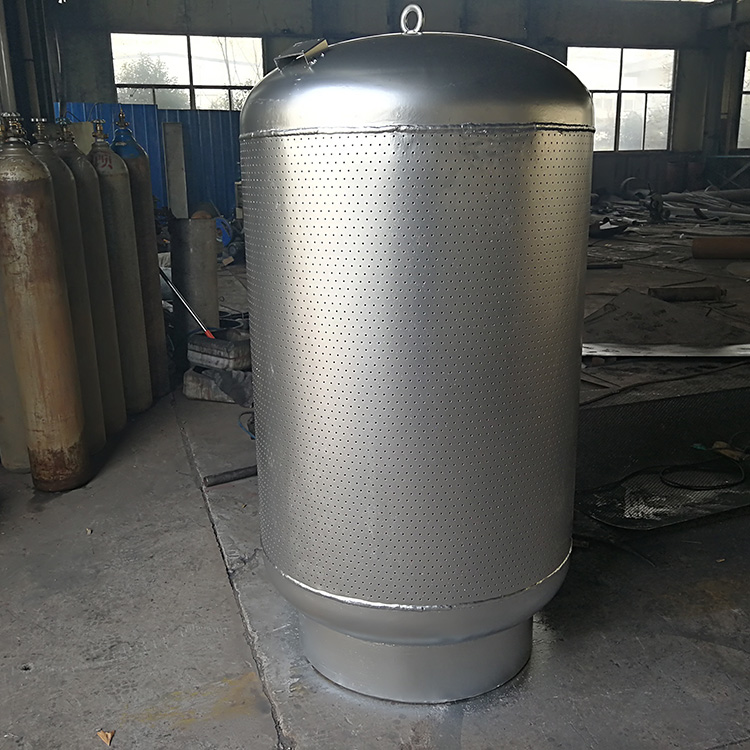
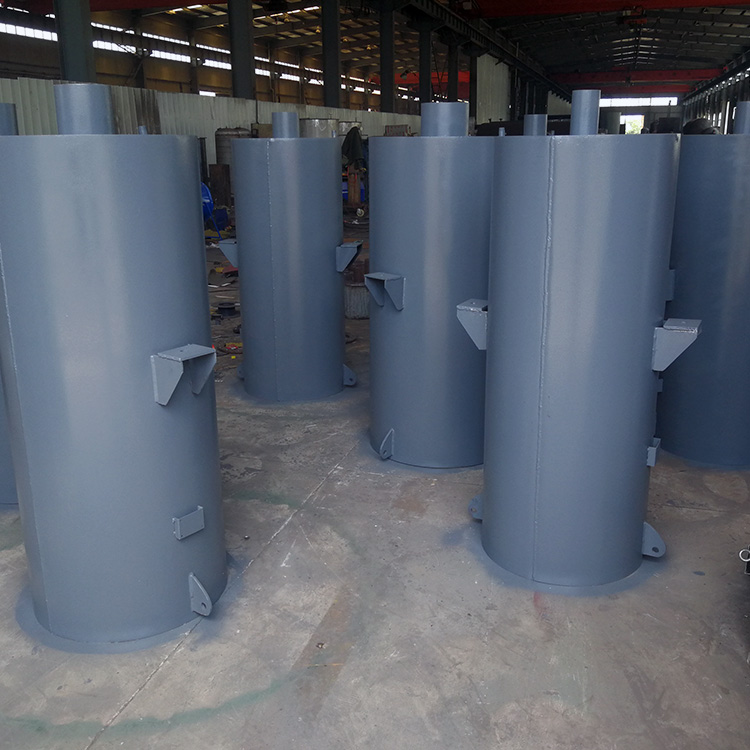
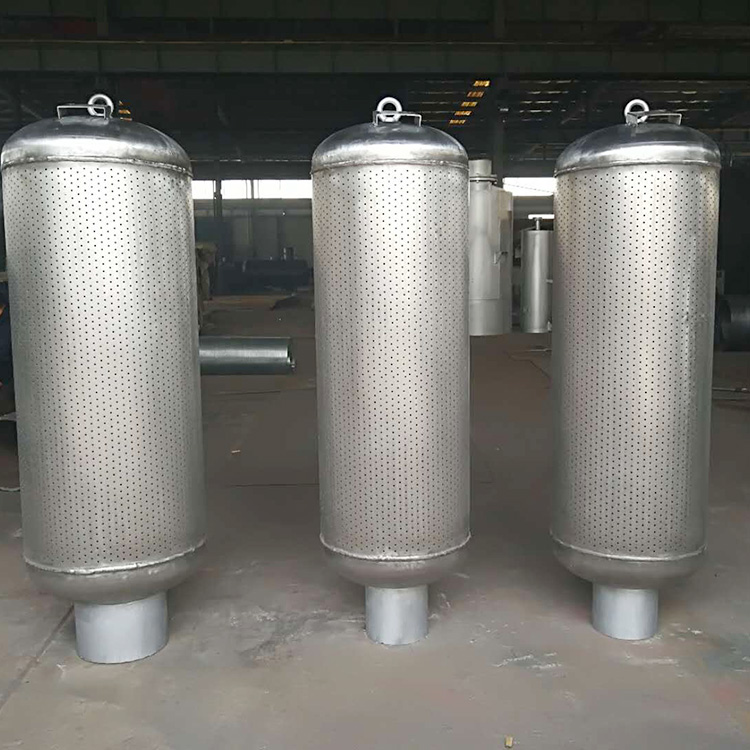






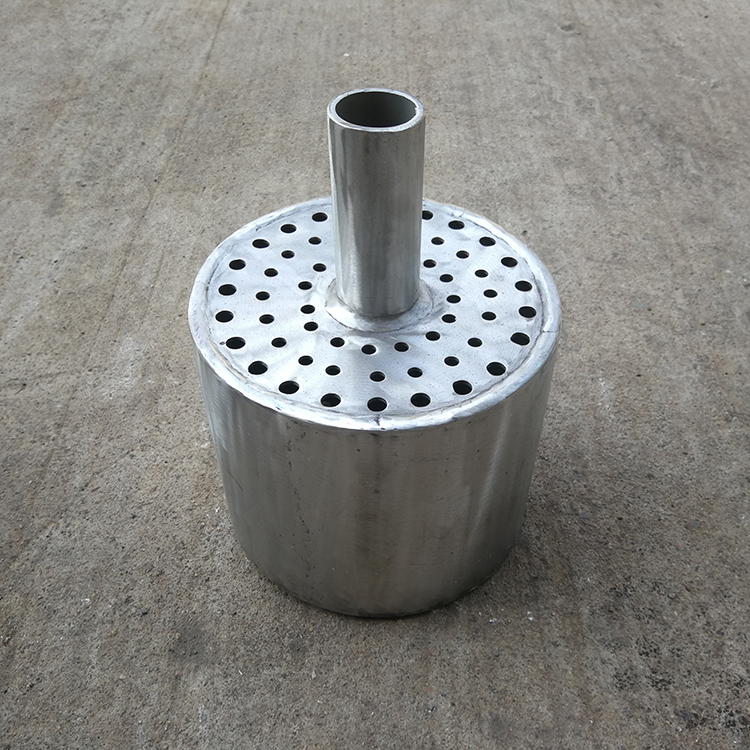
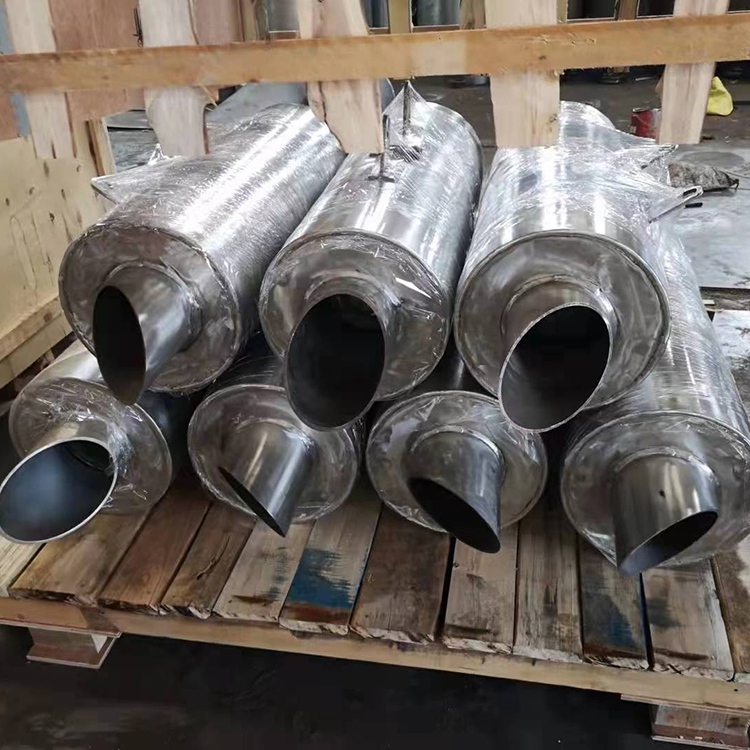
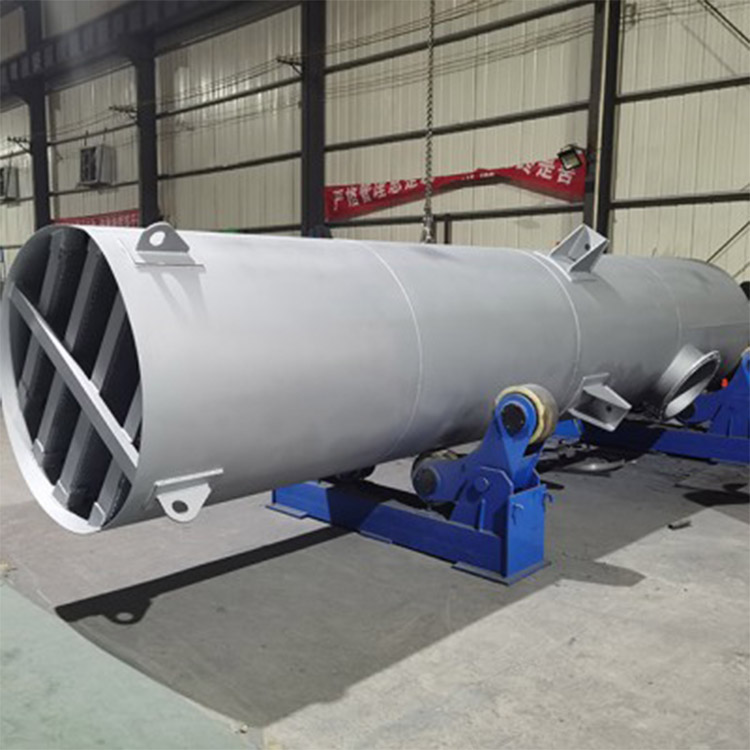
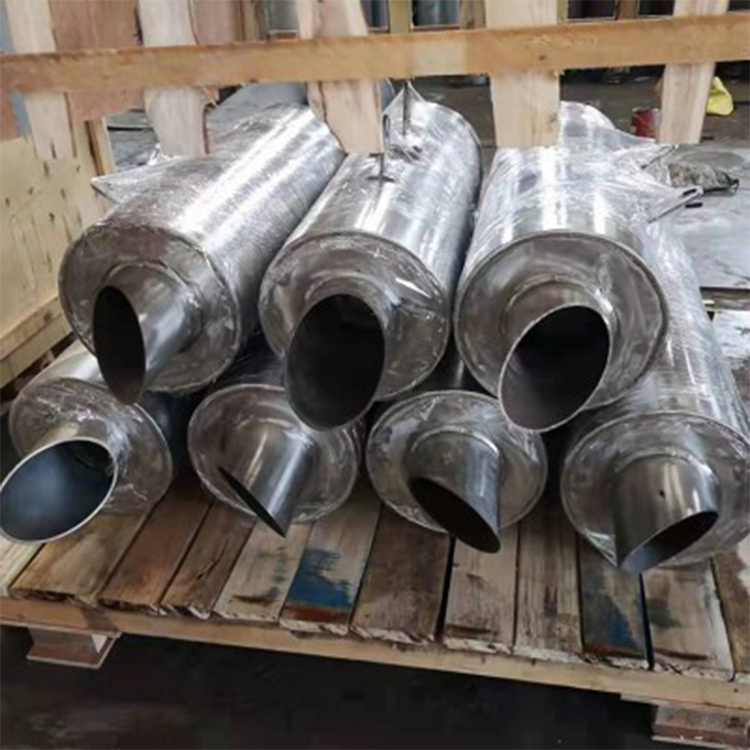


Section 1: Application and Product Features of Steam Exhaust Muffler:
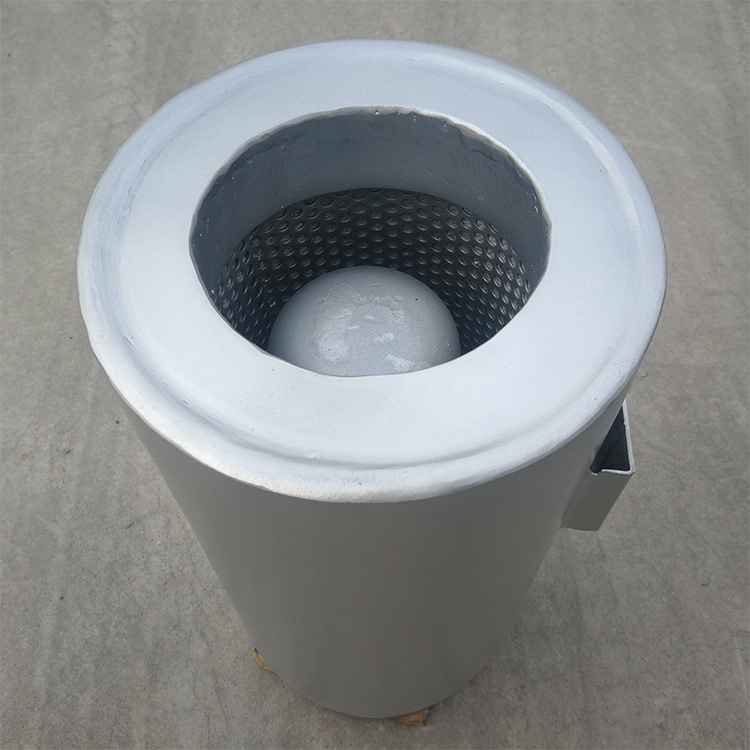
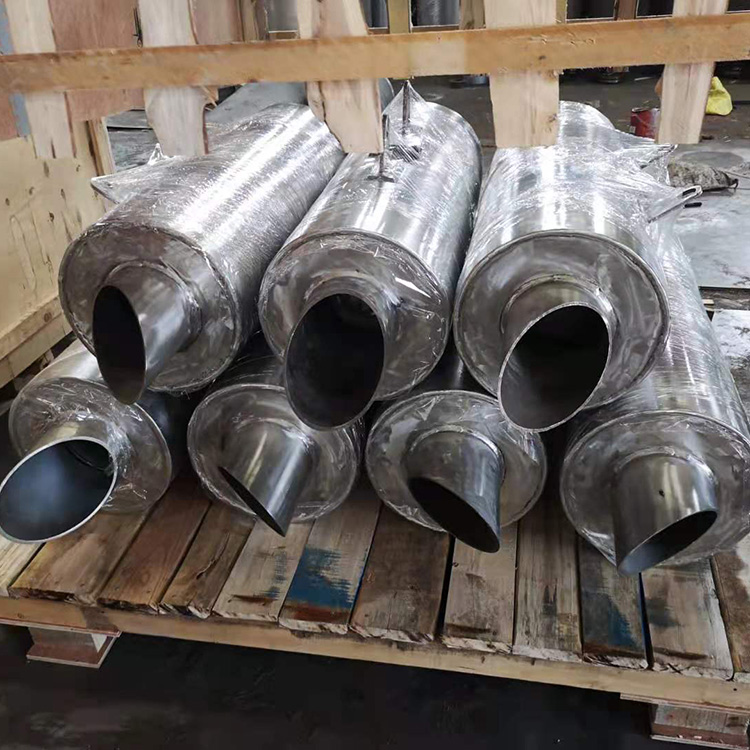
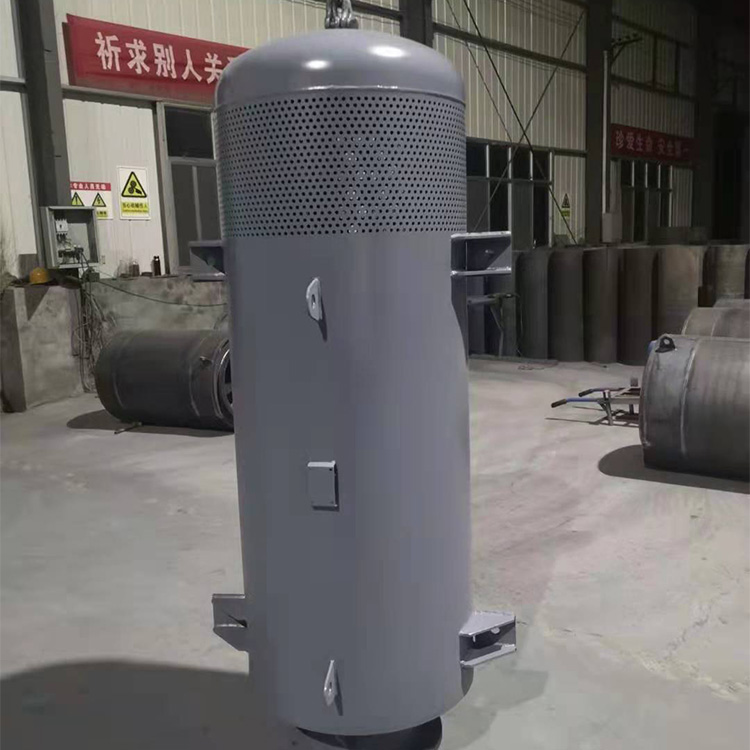
The noise emitted by steam exhaust from thermal equipment such as steam exhaust, far exceeds the values stipulated in China's "Hygienic Standards for Industrial Enterprises' Noise." Consequently, our factory's series of steam exhaust silencers are primarily designed for effectively reducing noise from steam exhausts in thermal equipment such as boilers and steam turbines in power generation, chemical, metallurgical, textile, and other industrial sectors. These steam exhaust silencers are developed based on the composite noise reduction principle of resistance, spray, and damping, featuring large noise reduction capacity, compact size, light weight, and easy installation. They come in various forms depending on their application.
Boiler Ignition Exhaust Muffler (TB) Type
To suppress the noise from high-pressure gas flow emissions, various types of silencers are currently available worldwide. Most of these use a multi-stage throttling and pressure reduction principle. However, due to their complex structure, heavy weight, and difficulty in disassembly and maintenance, their application range is limited. This design of silencer overcomes these shortcomings.
This type of steam exhaust silencer is designed based on a comprehensive and rational noise reduction principle. After passing through a controlled flow once within the exhaust silencer, high-pressure steam enters the pressure-reducing body, where it is expanded in a large volume, forming low-pressure steam that is then discharged. During this process, part of the steam flow's internal energy is converted into a certain frequency of acoustic energy. Although the noise power is significantly reduced, it often remains above the standard value due to reasons such as the steam exhaust deviating from the design specifications. To address this, a double-layered noise-reducing housing is designed around the pressure-reducing body, which is tailored to the spectral characteristics of the remaining noise emitted by the pressure-reducing body to effectively absorb the residual noise. Upon installation in accordance with the requirements, the total noise reduction should reach between 36 to 50 decibels.
2. Steam Safety Valve Muffler (TA Type)
It is well known that for safety valves of boiler and other thermal equipment, the exhaust steam should avoid excessive noise and ensure smooth flow. Therefore, the commonly used multi-stage throttling and small-hole injection noise reduction methods should not be adopted. This limitation has always been a design challenge for safety valve exhaust noise reduction devices, and also a reason for their poor noise reduction performance. The noise reducer for safety valves also adopts the noise reduction principle of resistance, injection, and obstruction, where large-hole expansion replaces smaller diameter flow control holes, structurally enhancing the resistance, injection, and obstruction noise reduction mechanisms, achieving ideal noise reduction effects.
3. Low-pressure Steam Silencer (Type TD)
A large number of industrial and mining enterprises utilize low-pressure boilers with pressures of 1.6 MPa or less. The thermal power systems also feature numerous low-pressure thermal units, such as back-pressure turbines, deaerators, auxiliary air blowers, steam turbine oil pumps, continuous blowdown of boilers, and periodic blowdown expansion tanks, etc. The exhaust pipes of the aforementioned equipment require the installation of noise suppressors with lightweight structures and easier installation. Our factory designs specialized deaerator series, back-pressure turbine series, and other product lines to cater to different noise reduction needs, meeting customer requirements.
The above steam exhaust silencer meets the requirements of the "Noise Hygiene Standards for Industrial Enterprises" and has been widely applied domestically.
Section II: Steam Exhaust Muffler Product Line and Dimensions
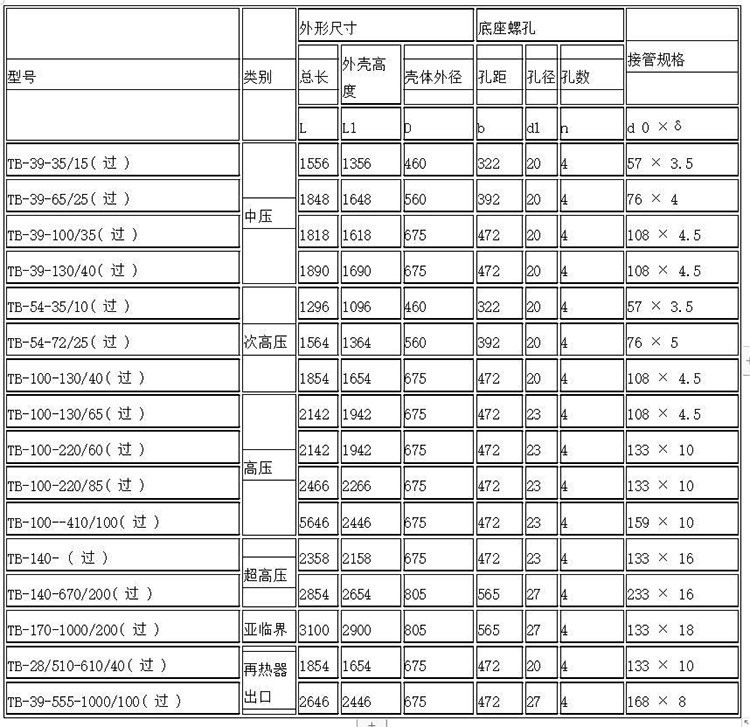
1. Steam exhaust silencer (TB series for superheated steam)
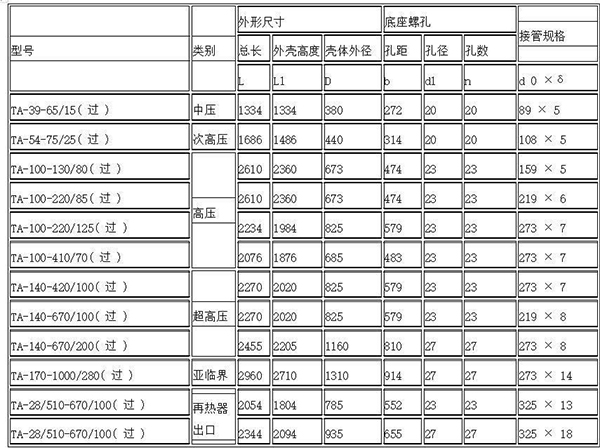
2. Steam exhaust silencer (TA series for superheated steam)
3. Boiler drum safety valve exhaust silencer (for TA series saturated steam use)

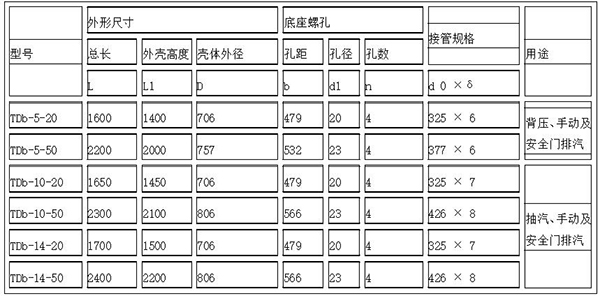
4. Steam Turbine Exhaust Muffler (TDb Series)
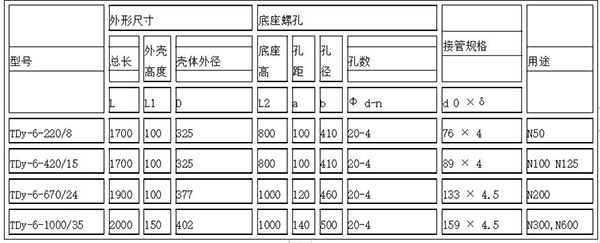
5. Oxygen Scavenger Exhaust Silencer (TDy)
Section 3: Ordering and Selection Guide for Steam Exhaust Mufflers
Our steam exhaust silencer series is meticulously designed based on the specific steam emission targets and requirements of our customers. To achieve optimal noise reduction, it is essential that the product aligns with the emission target, steam parameters, and emission volume. Therefore, when ordering a silencer, the following parameters must be provided:
① Provide steam turbine model, boiler capacity, steam pressure, and temperature for thermal power plants.
② Application (such as for boiler superheat emission or steam drum safety valve emission, etc.)
③ Emission Rate T/H
④ Original exhaust pipe outer diameter and wall thickness;
⑤ Should the client entrust our factory for installation design, the original exhaust piping installation diagram must be provided.
For models not listed in this product manual, users may provide the aforementioned information, and the factory will assist in selecting the appropriate model.
Section 4: Installation Instructions for Steam Muffler
① The exhaust silencer should be installed vertically to the factory roof, and the silencer base should be securely fastened to the factory building using steel frame supports.
② To enhance the wind resistance of the factory building's roof height, the exhaust silencer body is equipped with a support-mounted bracket. Therefore, the exhaust pipe before the exhaust silencer should have a section of expansion bend to absorb thermal expansion. If a drain pan is already installed vertically on the original exhaust pipe section, the expansion bend need not be installed.
③ The bottom of the exhaust muffler is designed with a drain pipe or drain holes, and the openings should be checked for proper flow.
④ The vent pipe should have a rain shield made of thin steel plate at the opening passing through the top platform of the factory building.
⑤ Generally, one safety valve is paired with one silencer. Safety valves come in single and double seated types. For double seated valves, the exhaust pipes can be merged into a single main pipe during installation, connecting to the silencer. However, for double seated safety valves with high exhaust volume, two silencers can also be installed.
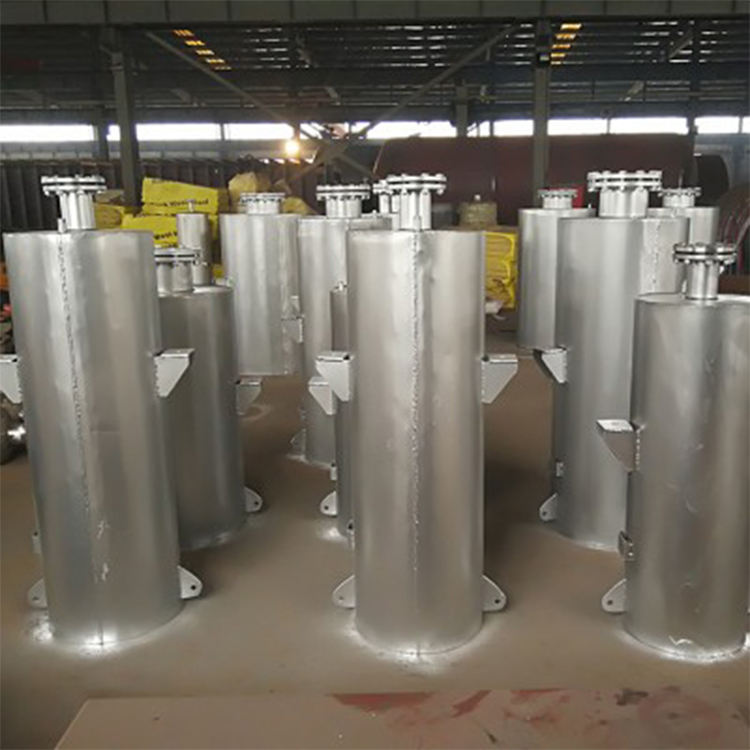
⑥ The exhaust silencers for small capacity applications such as deaerators and steam jet vacuum pumps are designed in a tubular shape for easy installation. The installation method involves vertically mounting the exhaust silencers along the walls and columns of the main workshop. Type steel sliding brackets are set up on the walls and columns, upon which the silencers and pipelines are mounted. The exhaust outlet of the silencer should face towards the roof. Note that the silencers are factory-fitted with fixed supports, which can be omitted when using sliding bracket installation.
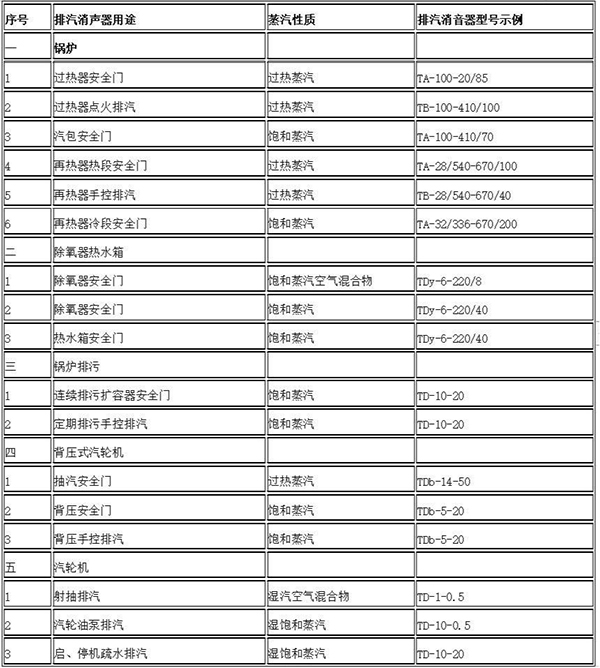
V. Application of Steam Mufflers in Thermal Power Plants:
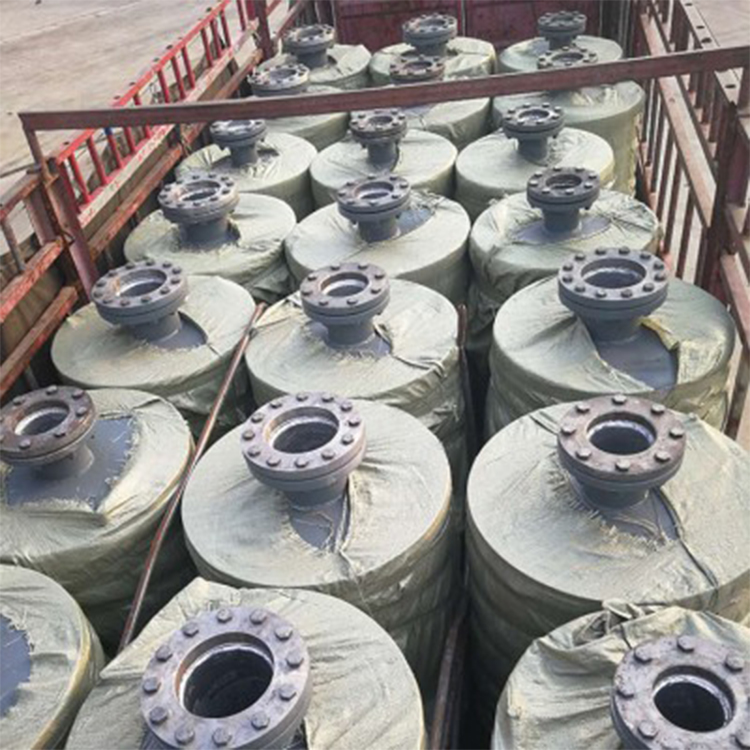
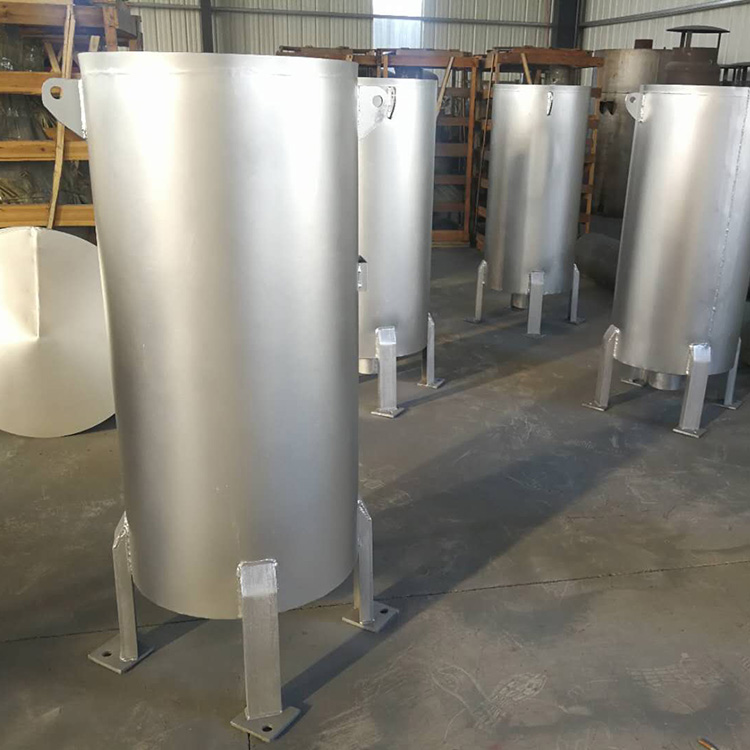
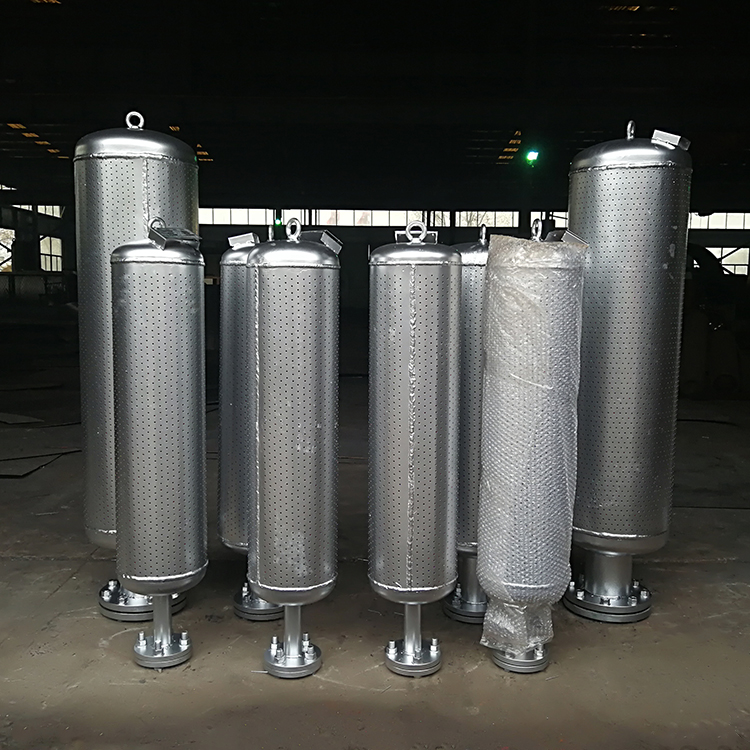
Section 6: Product Showcase
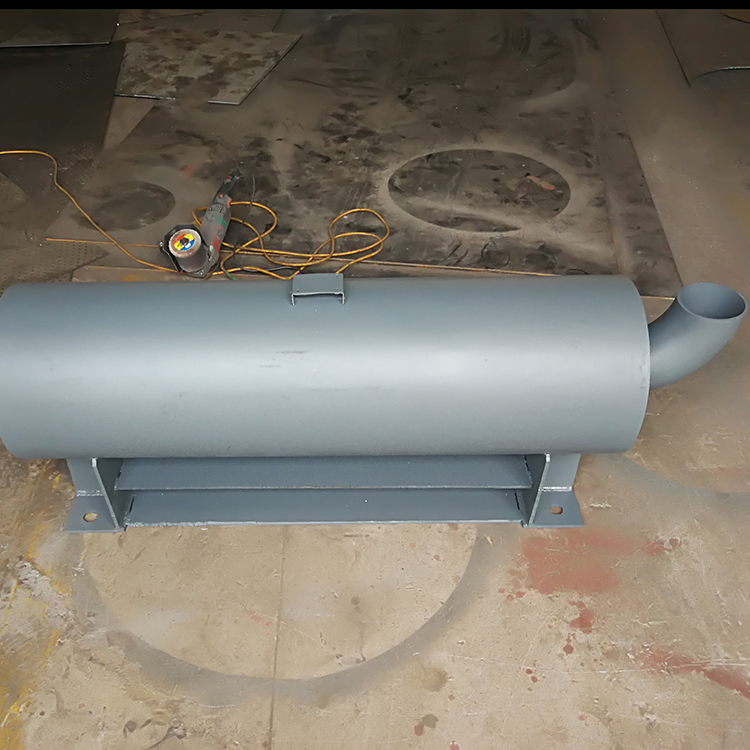
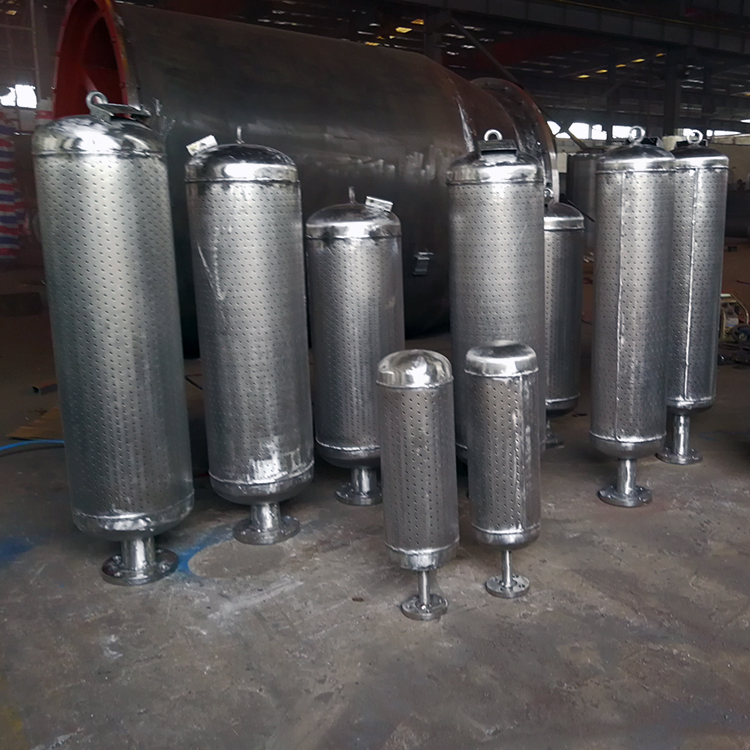
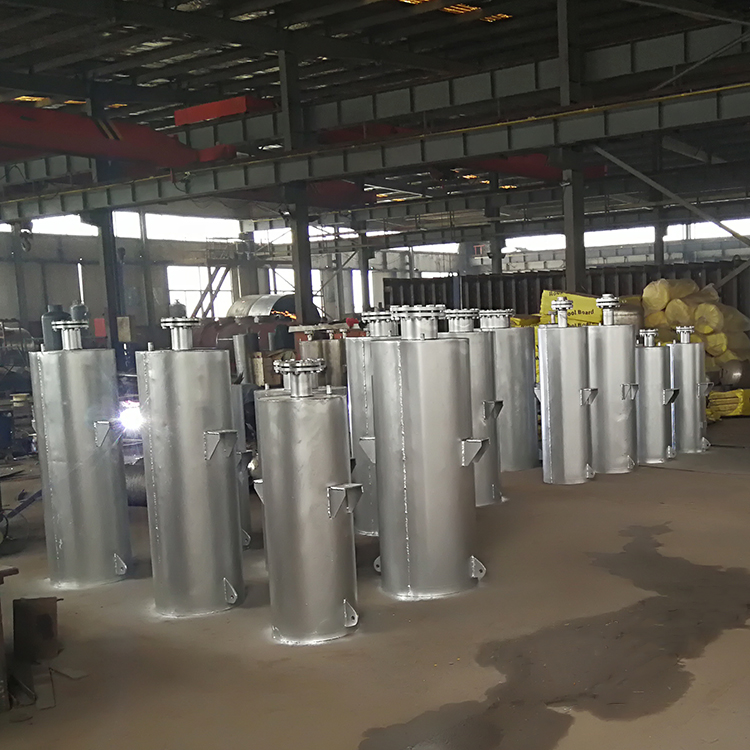
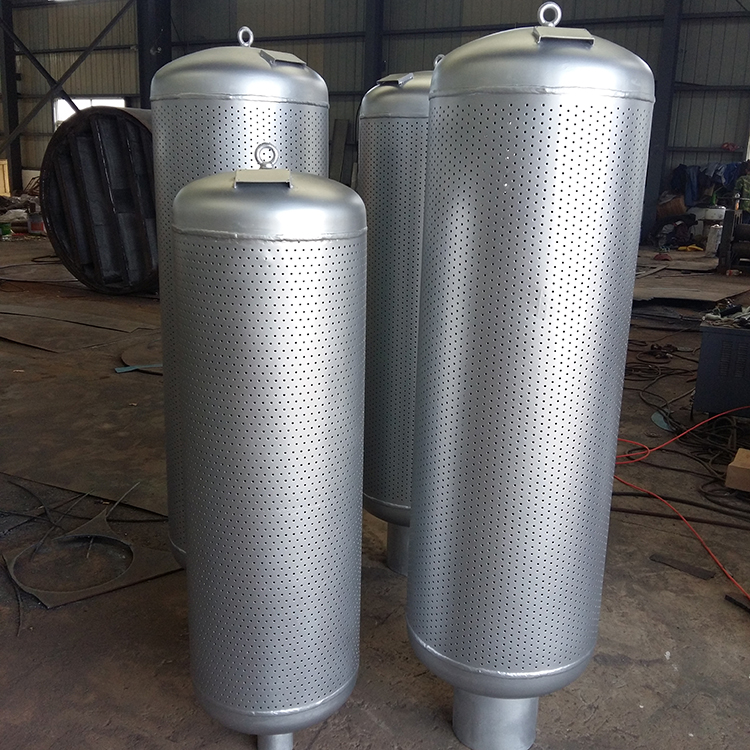
Section 4: Installation Instructions for Steam Muffler
① The exhaust silencer should be installed vertically on the factory roof, and the silencer bracket should be securely fastened to the factory building using steel frame supports.
② To enhance the wind resistance of the factory building's roof height, the exhaust silencer body is equipped with a support-type bracket. Therefore, the exhaust pipe before the exhaust silencer should have a section of expansion bend to absorb thermal expansion. If the original exhaust pipe section is already vertically fitted with a drain pan, the expansion bend should not be installed.
③ The bottom of the exhaust silencer body is designed with drain pipes or openings. The openings should be checked for unobstructed flow.
④ The exhaust pipe should have a rain shield made of thin steel plate, fitted over the opening in the factory roof platform.
⑤ Generally, one safety valve is paired with one silencer. Safety valves come in two types: single and double seated. For double seated valves, the exhaust pipes can be combined into a single pipe during installation and connected to the silencer. However, for double seated safety valves with larger exhaust volume, two silencers can also be installed.
⑥ For exhaust silencers used in small capacity applications such as deaerators and steam jet vacuum exhausters, the exterior design is in a tubular shape, making installation relatively convenient. The installation method involves mounting the exhaust silencer vertically along the main workshop wall and columns. Type steel sliding brackets are set up on the walls and columns, with the silencer and piping mounted on them. The exhaust outlet of the silencer should face the roof. Note that the silencer is already equipped with a fixed bracket upon leaving the factory. When using the sliding bracket installation method, the fixed bracket is not necessary.
V. Application of Steam Mufflers in Thermal Power Plants:
http://hc.bdcpt.com/index.php?homepage=lygtianning&file=sell&itemid=248159
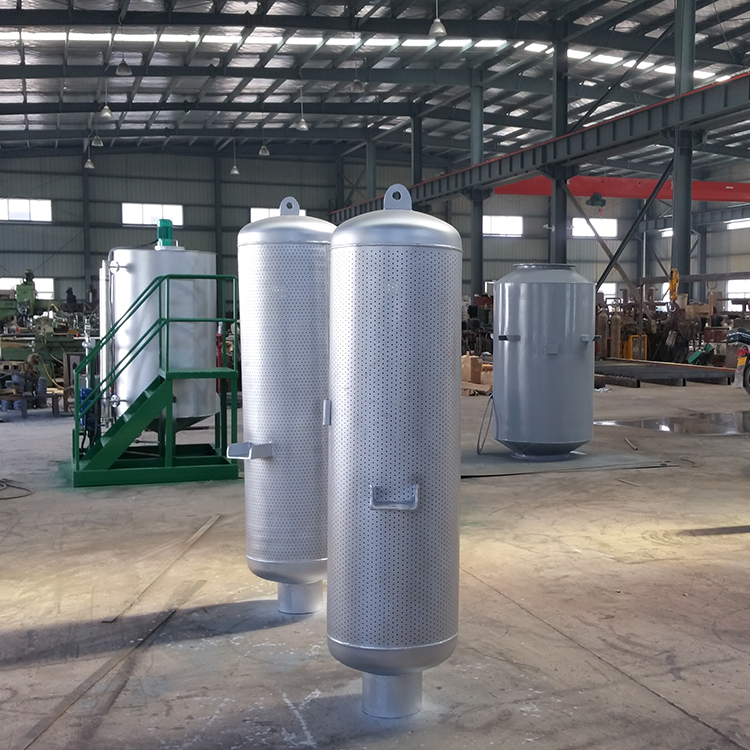
Section 6: Product Showcase