








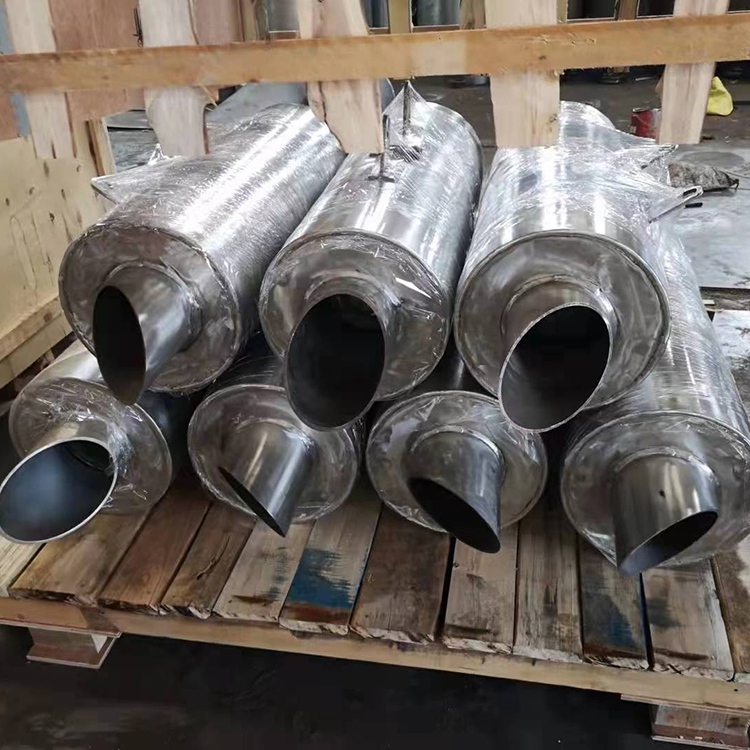
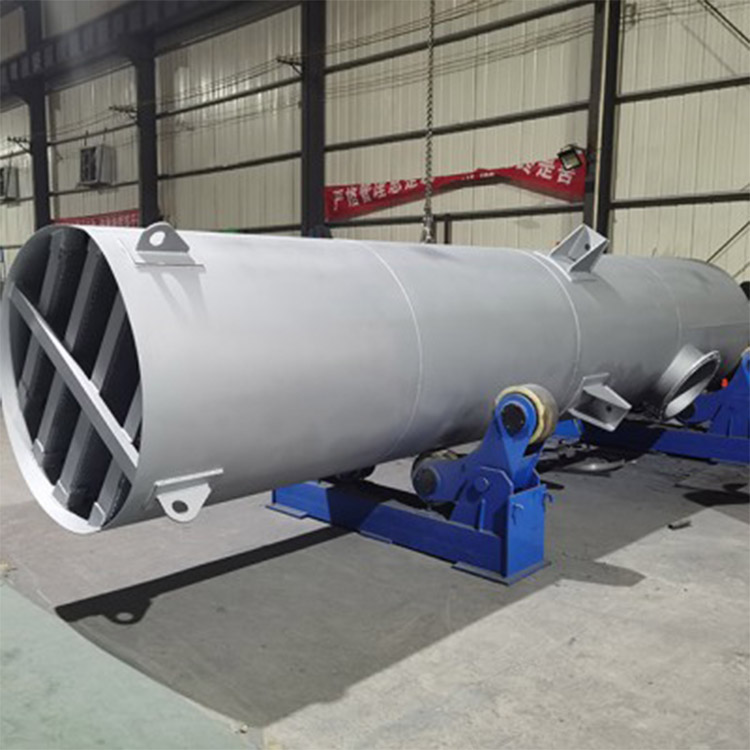


I. Overview of Steam Heating Muffler:
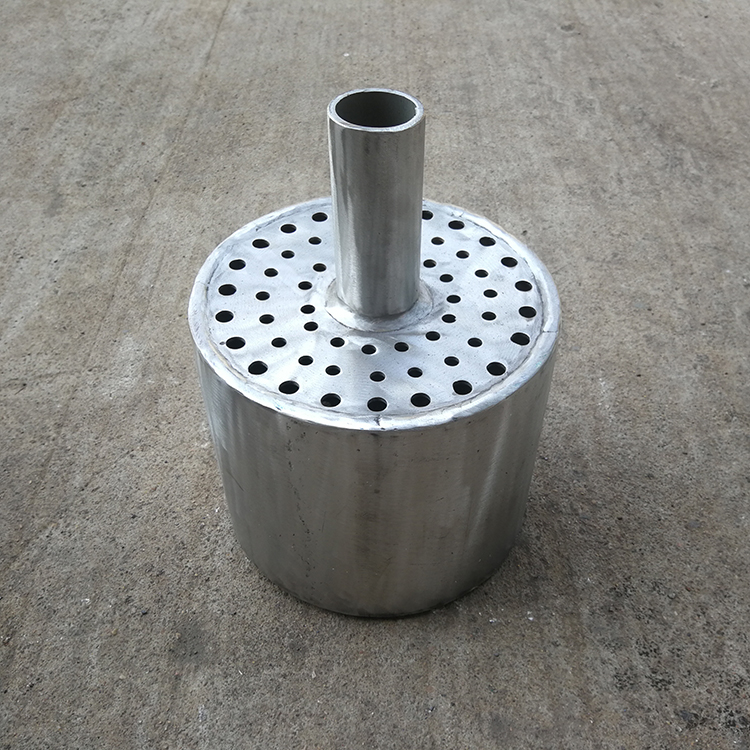
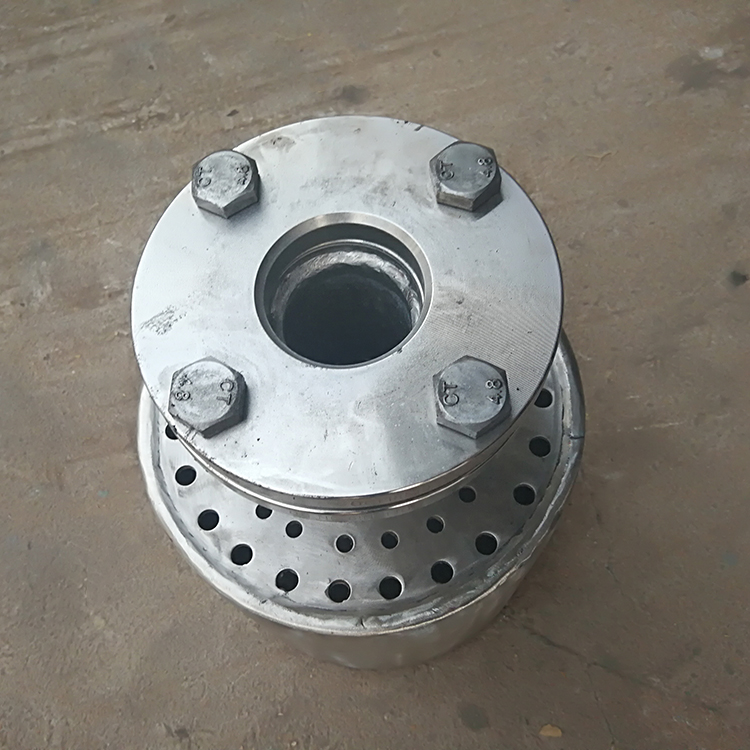
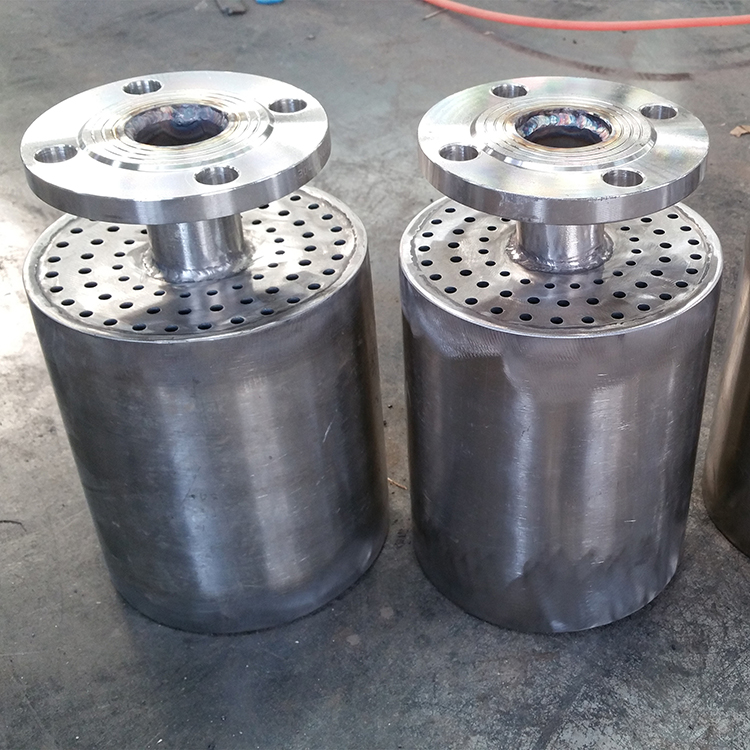
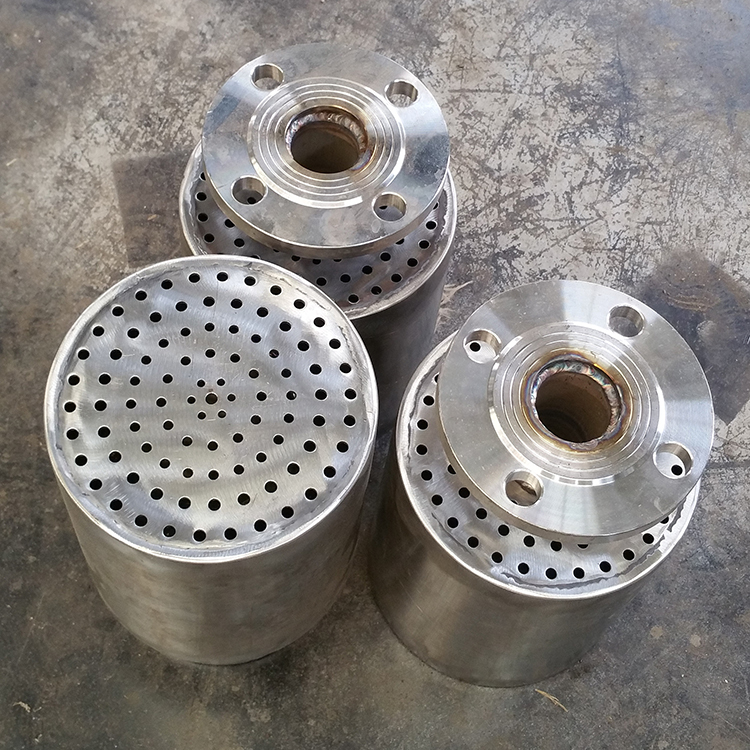
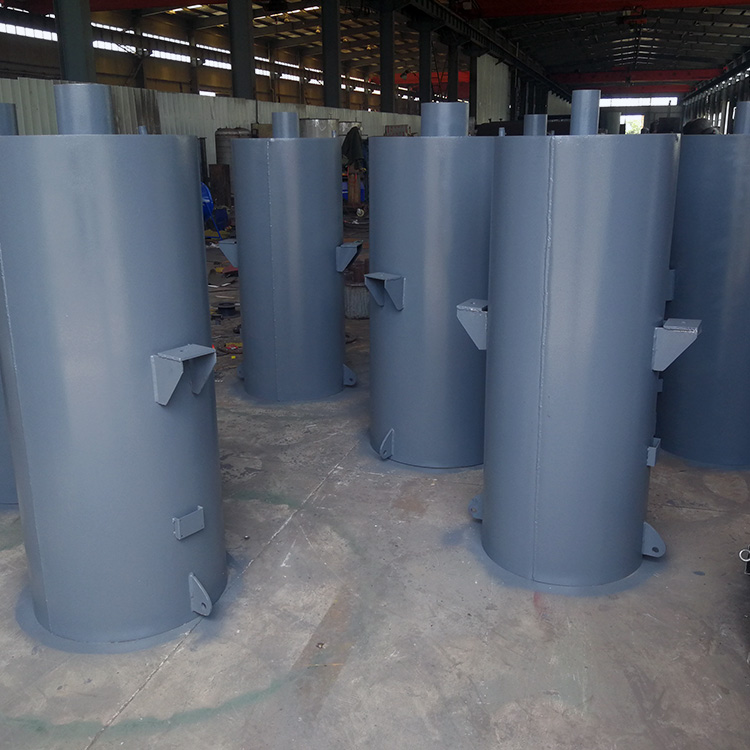
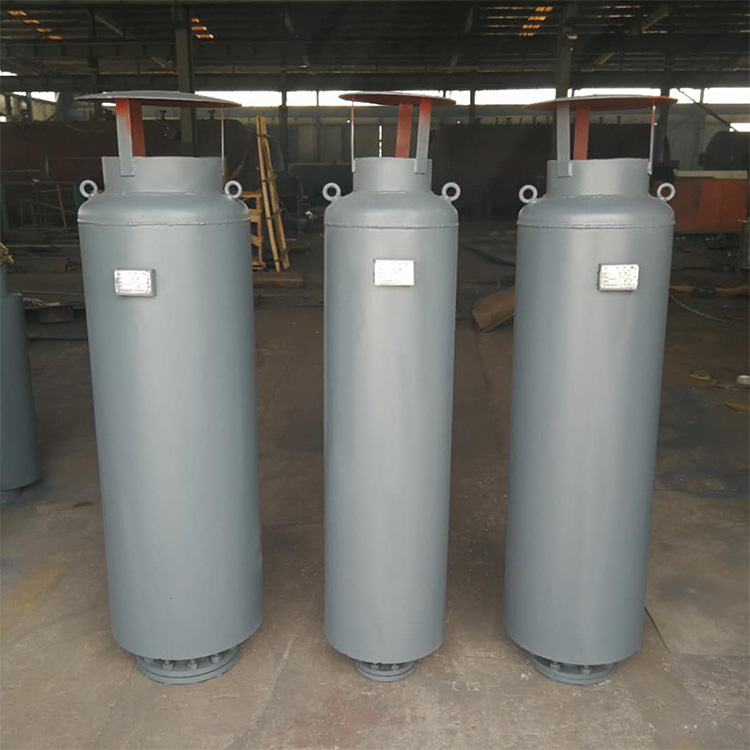
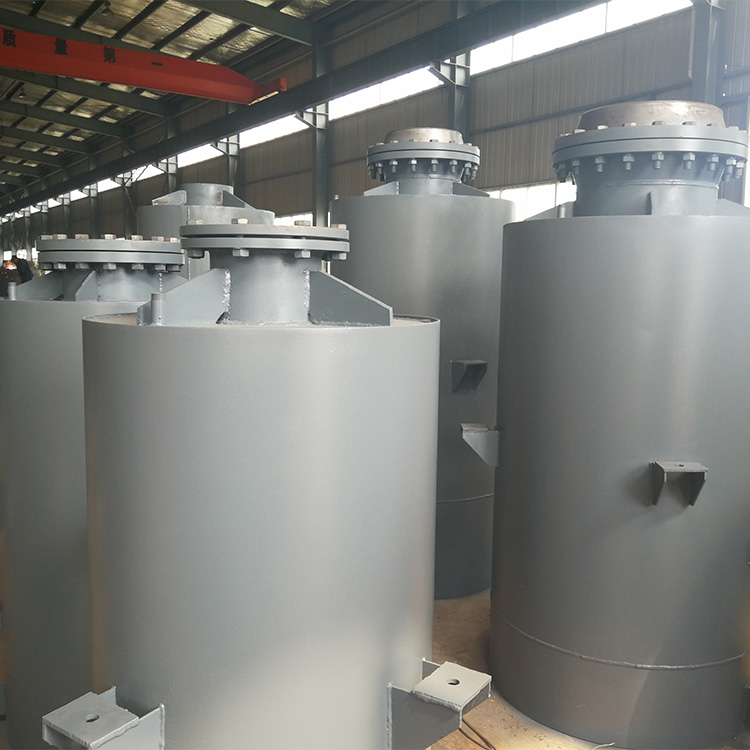
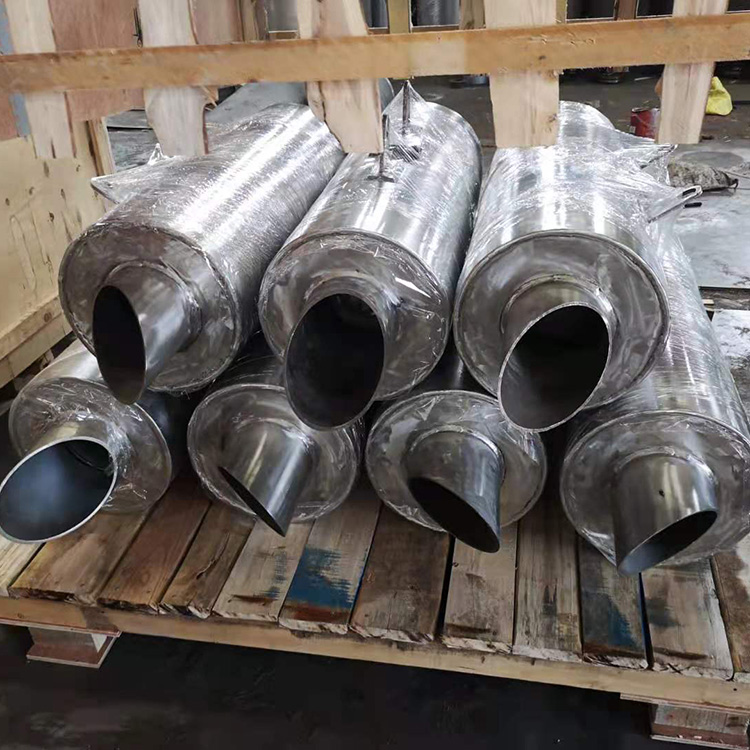
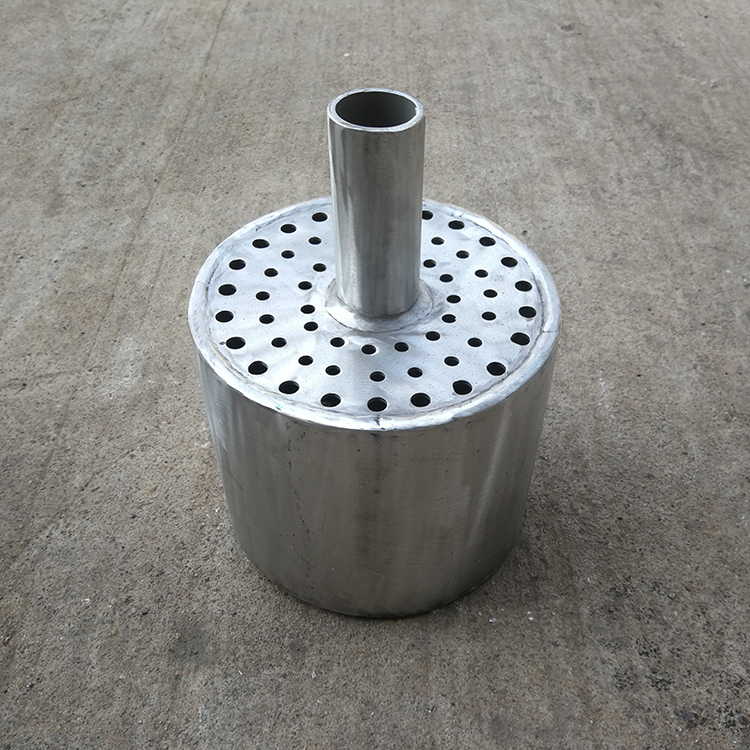
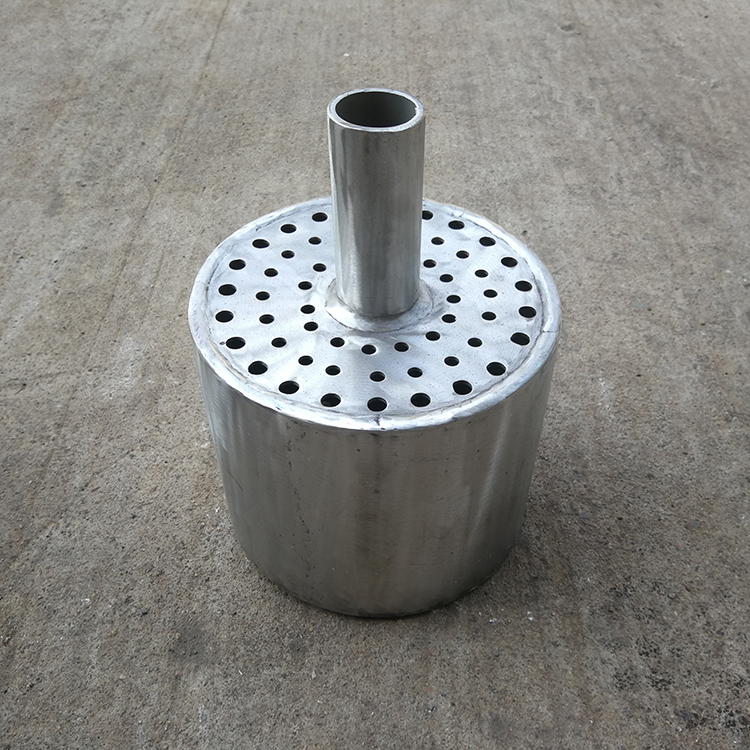
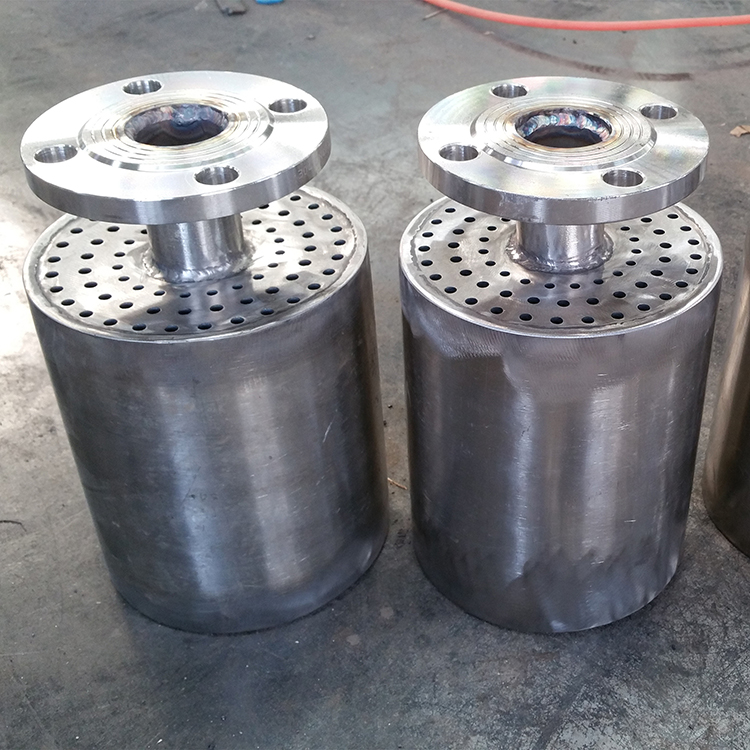
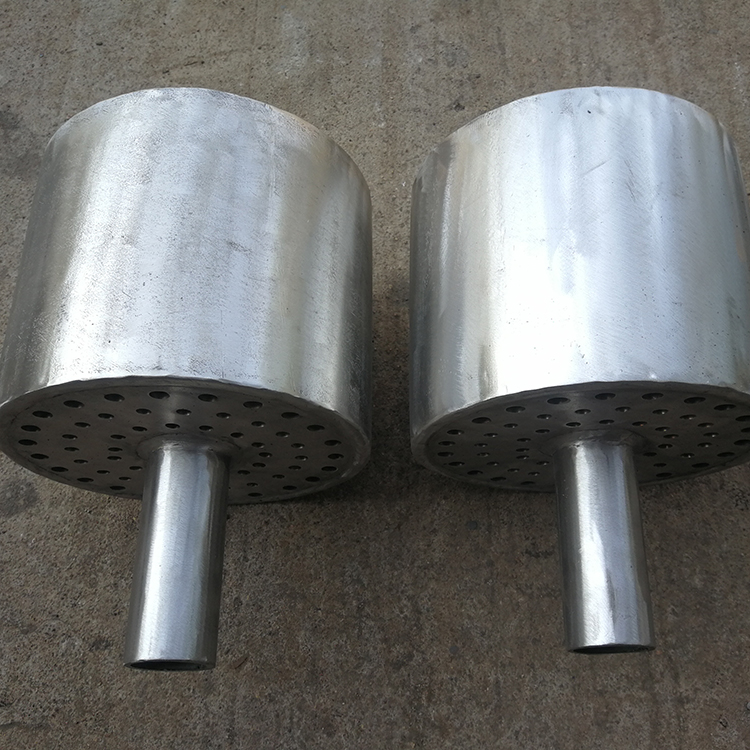
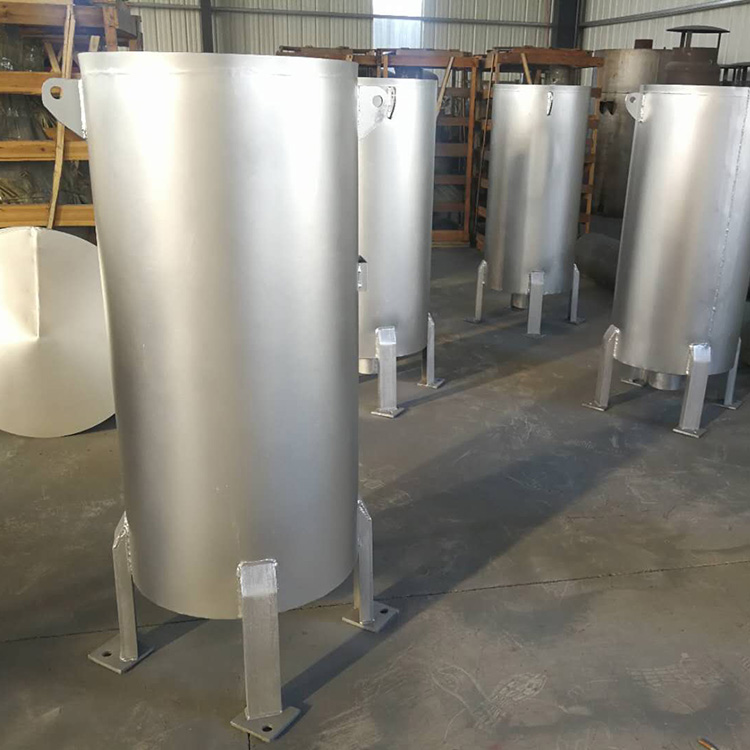
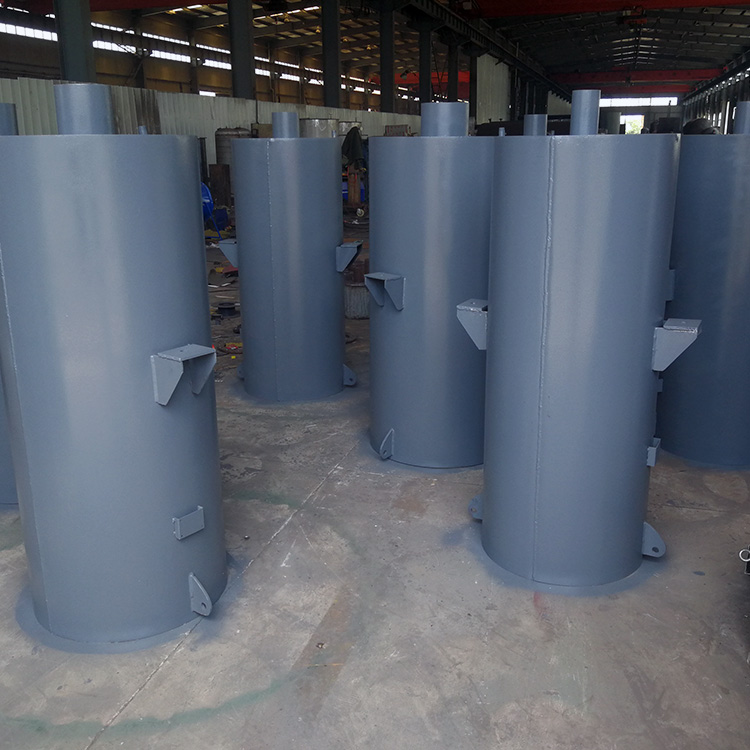
Steam-heating sound absorber is a specialized silencer installed inside steam-heating water pools, troughs, tanks, and reservoirs, and in bathrooms, connected to the outlet of the steam pipeline to eliminate the intense noise and vibration generated when steam and water mix. Also known as: Steam-heating water sound absorber, Steam entering water silencer, Hot water tank silencer, Hot water tank steam absorber, Steam mixer.
Section 2: Principle and Features of Steam Heating Muffler
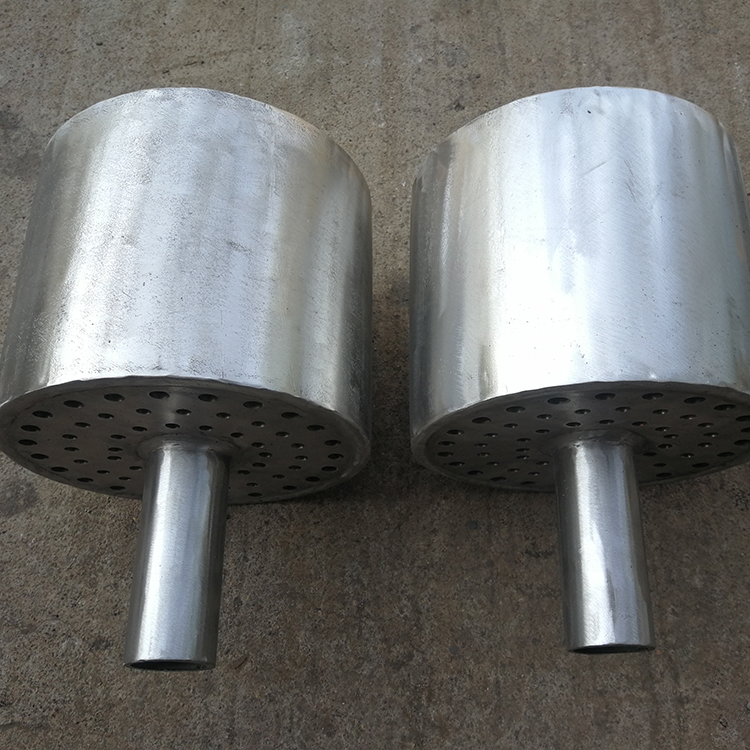
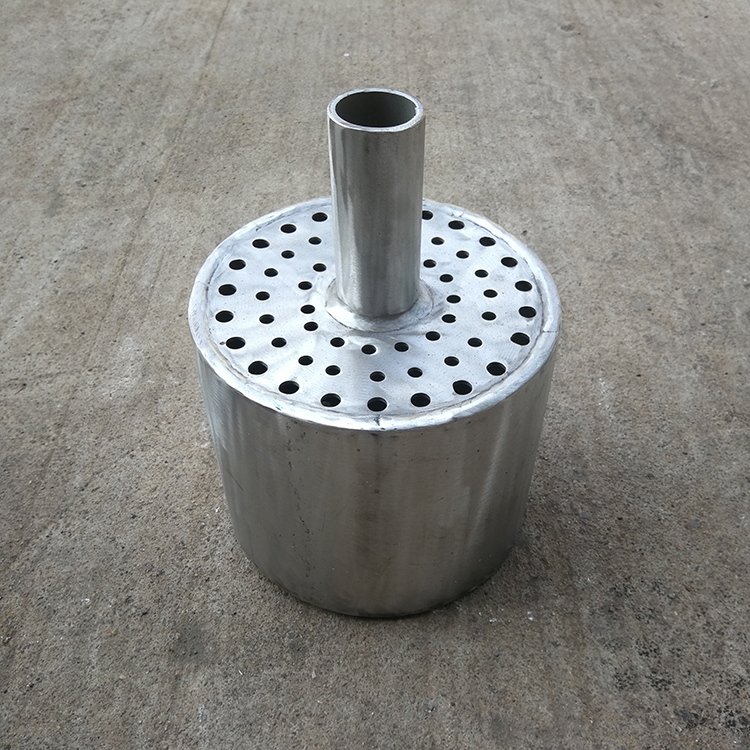
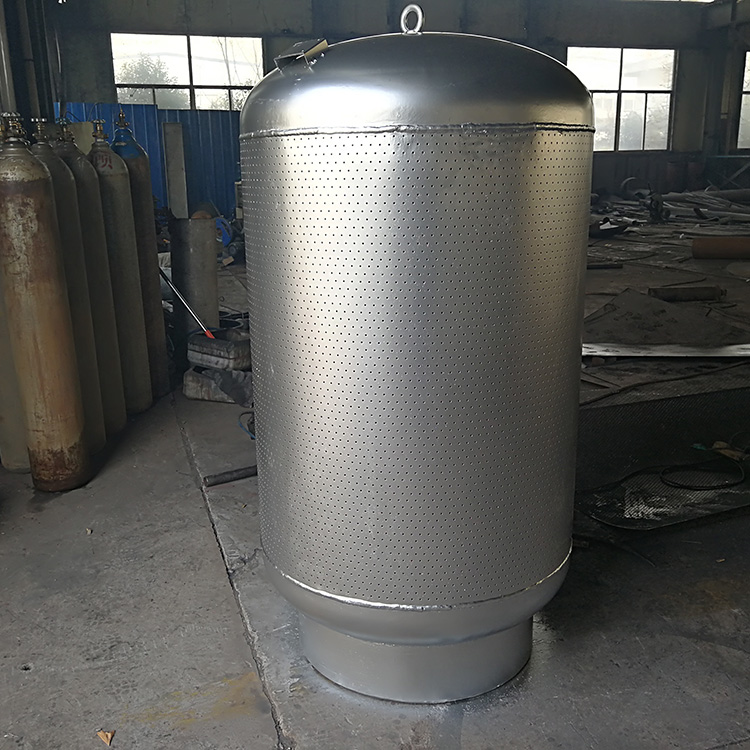
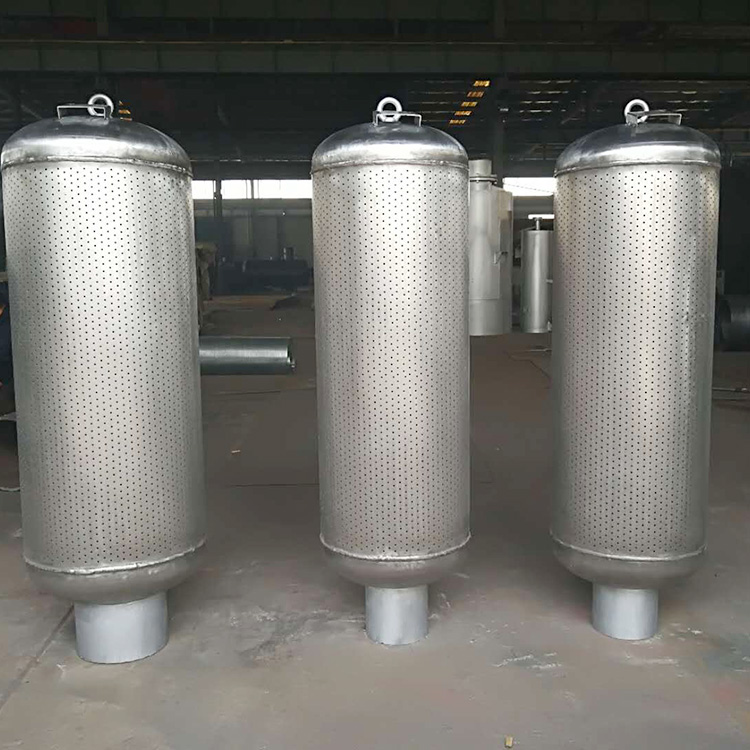
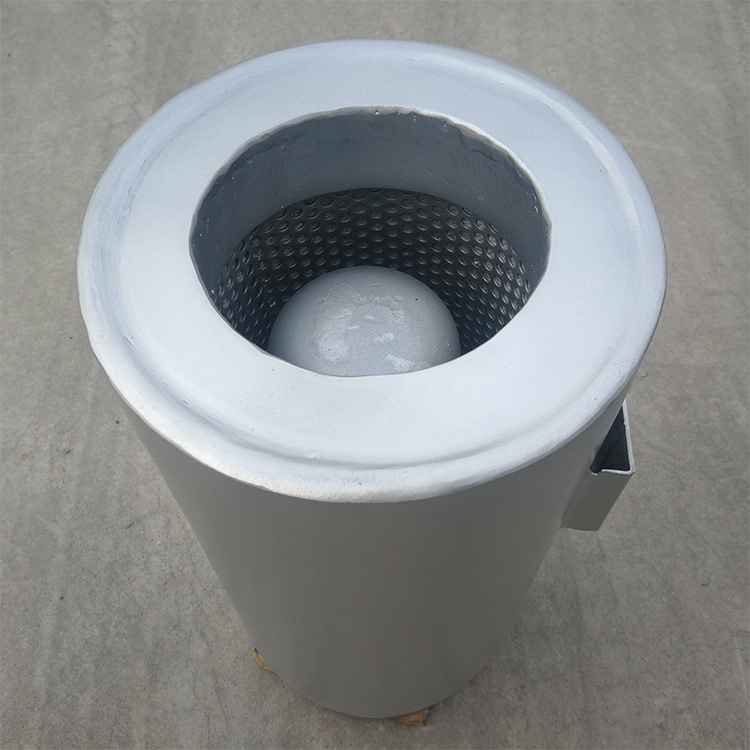
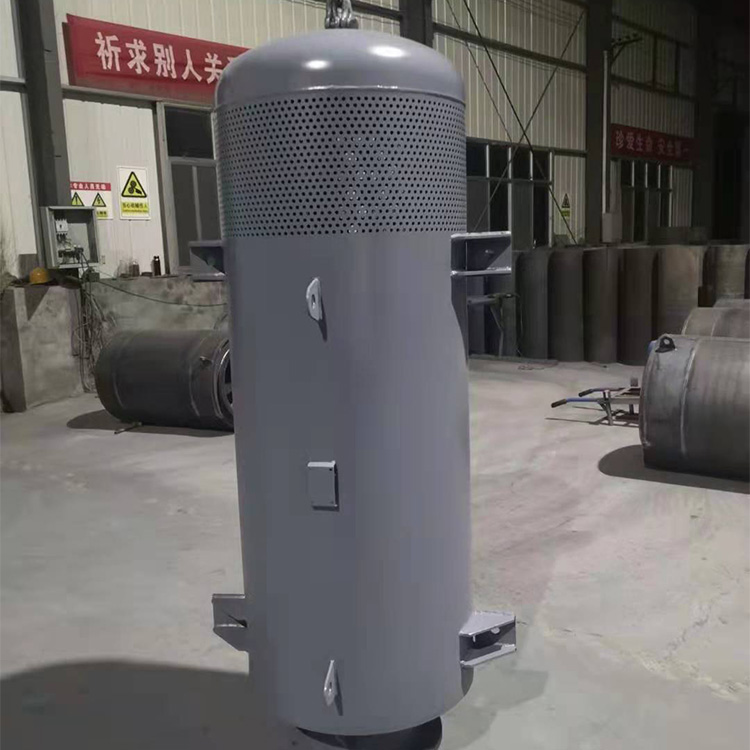
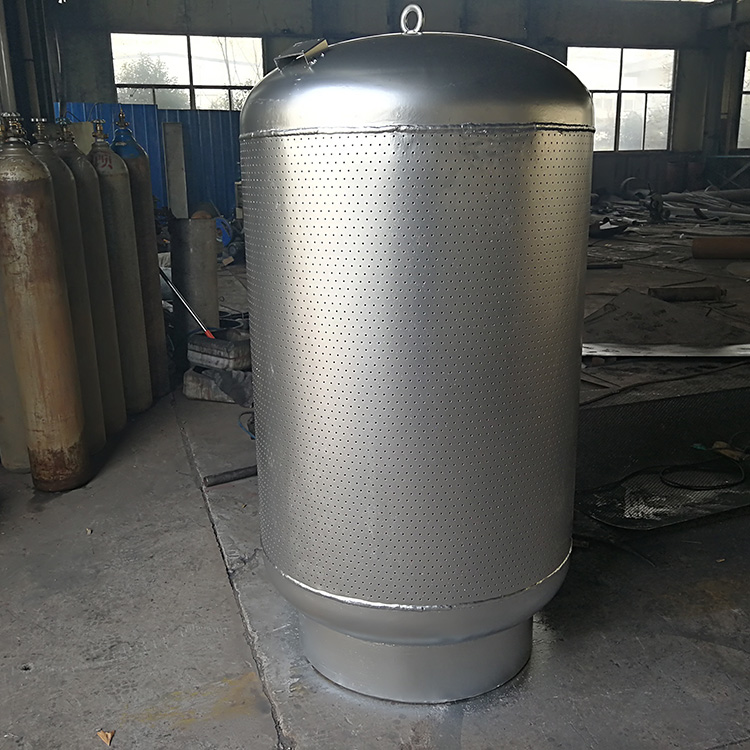
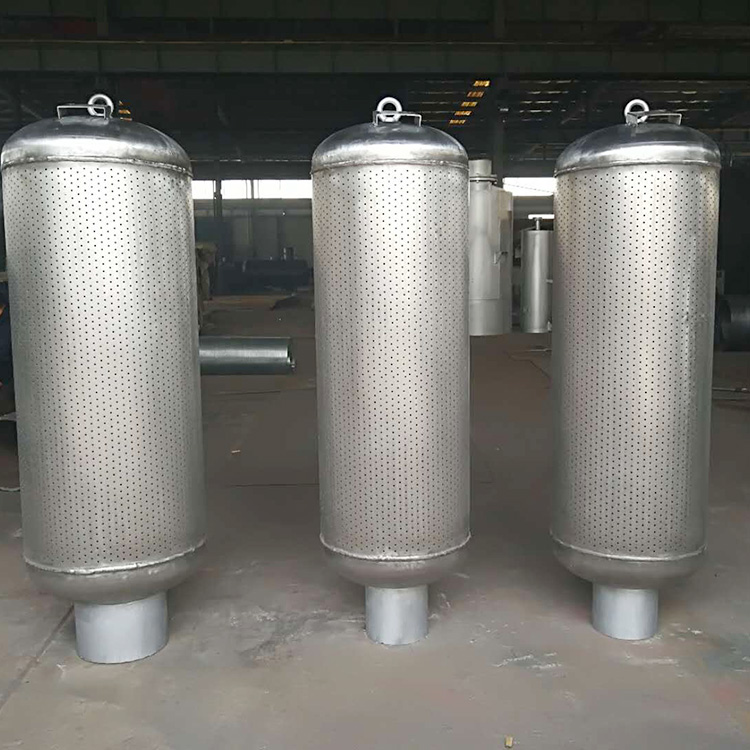
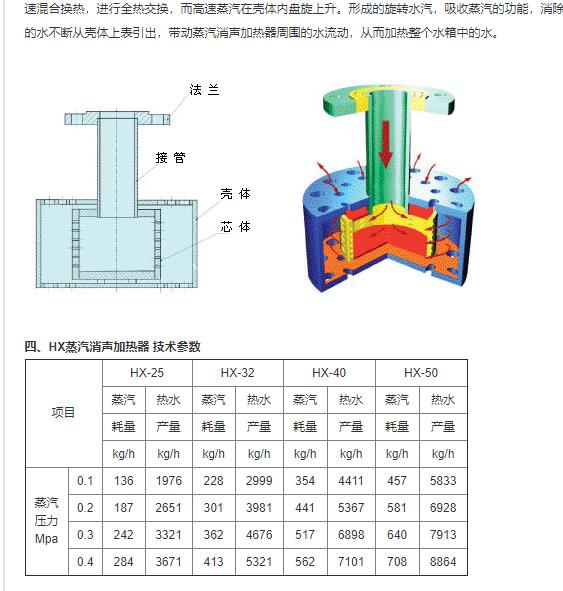
The steam-heated silencer is composed of an outer shell and a core body. The outer shell features evenly distributed holes at the top and bottom, while the core body has small slanted holes around it. The space between the outer shell and core body is an efficient mixed heating zone. When the steam-heated silencer operates, steam is forcefully injected into the mixing zone from the core body's slanted holes, causing the water within to rotate rapidly. This process simultaneously achieves steam-water mixing and heat exchange. As the heated water rotates, it continuously exits through the upper holes of the outer shell and is replenished from the lower holes, thus circulating and heating the water in the tank. The steam-heated silencer is made up of an orderly two-phase channel, heat exchange rings, and silencing cavities, all formed from a solid block of material. It is characterized by its small size, light weight, high flow rate, and long service life, as well as good mixing kinetic energy. With the expansion of industrial applications, its classification has become increasingly refined and its variety more comprehensive.
Section 3: Various Types of Steam-Heated Mufflers
Vapor-heated mufflers are categorized into: resistive muffling, buffer muffling, and beam source muffling, etc.
Buffer type mufflers are more akin to heat exchangers or radiators, utilizing a large contact surface to first transfer a small portion of the steam's thermal energy to water, thereby cooling and reducing the steam pressure. The low-pressure steam and condensate are then introduced into the water to achieve noise and vibration reduction. However, the drawbacks include a high initial investment, high maintenance costs, short service life, and poor noise reduction effectiveness. Regular cleaning of scale and rust is required.
Resistant noise attenuation steam heating silencers typically use small holes to disperse steam, aiming to cancel out and suppress the noise and vibration from multiple sound sources within a certain range by reducing and dispersing the noise source. However, these silencers are extremely difficult to manufacture, prone to failure, and highly sensitive to water temperature, steam pressure, scaling, etc. Most of these silencers can only achieve a certain degree of vibration reduction within a specific range.
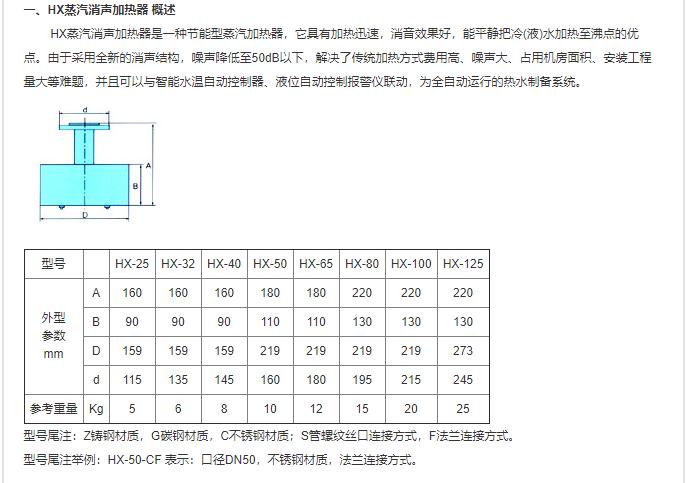

Section 4: Product Showcase