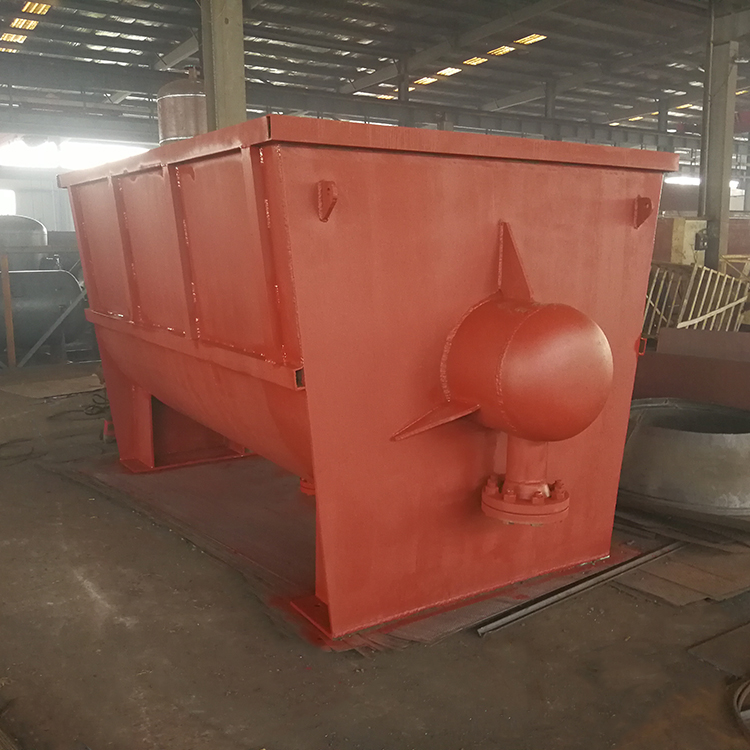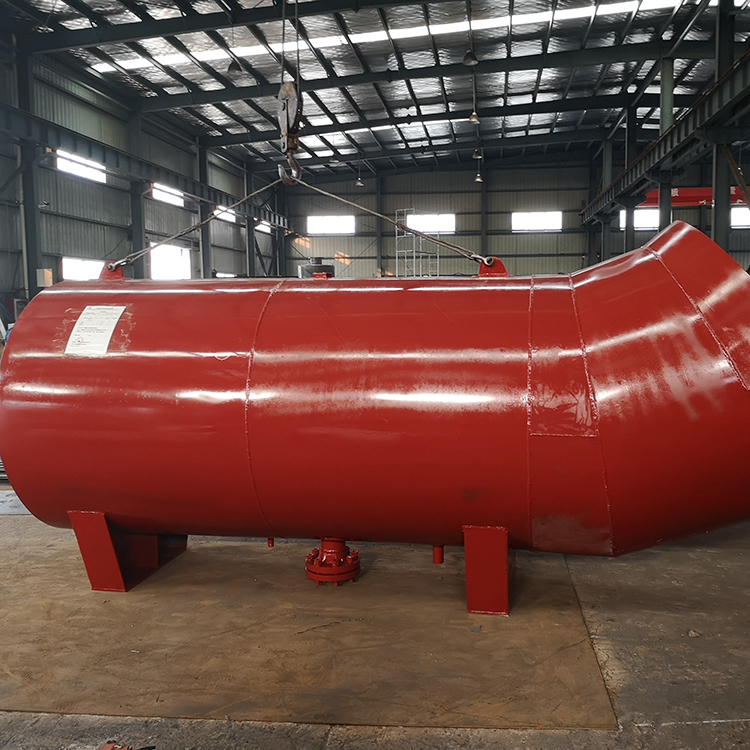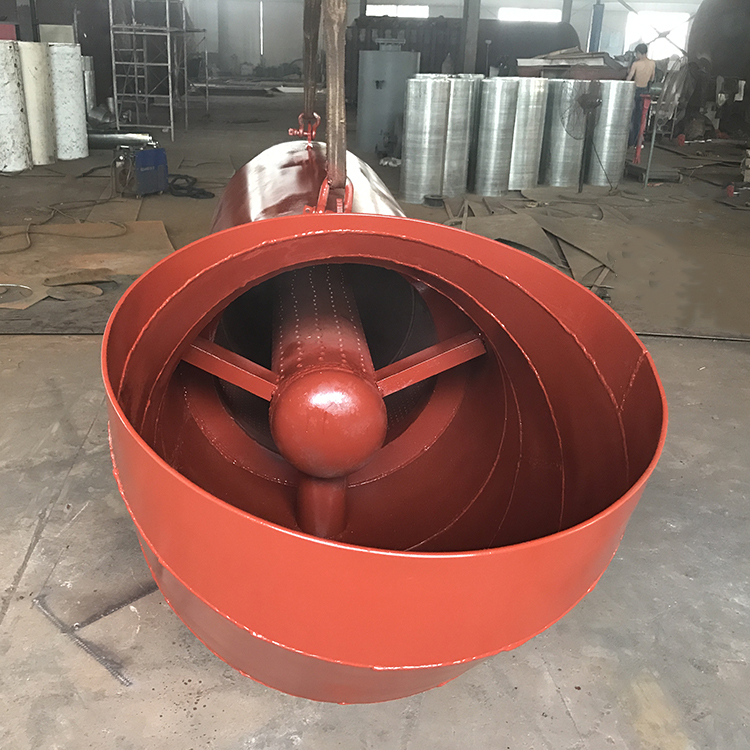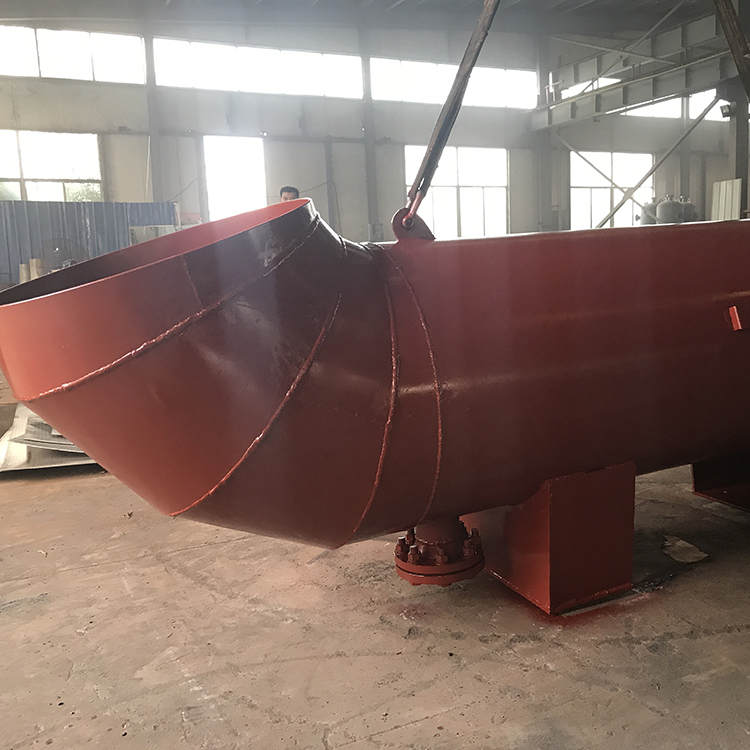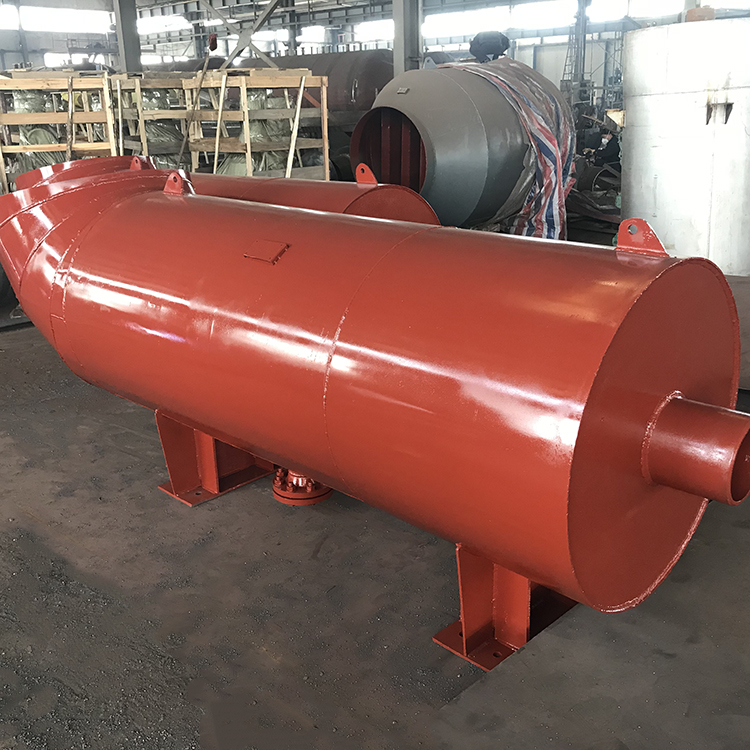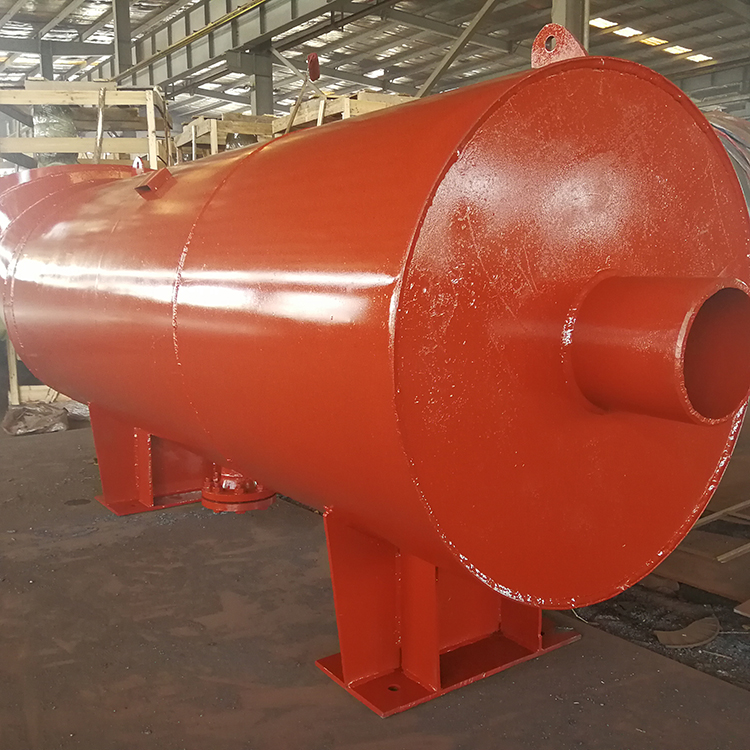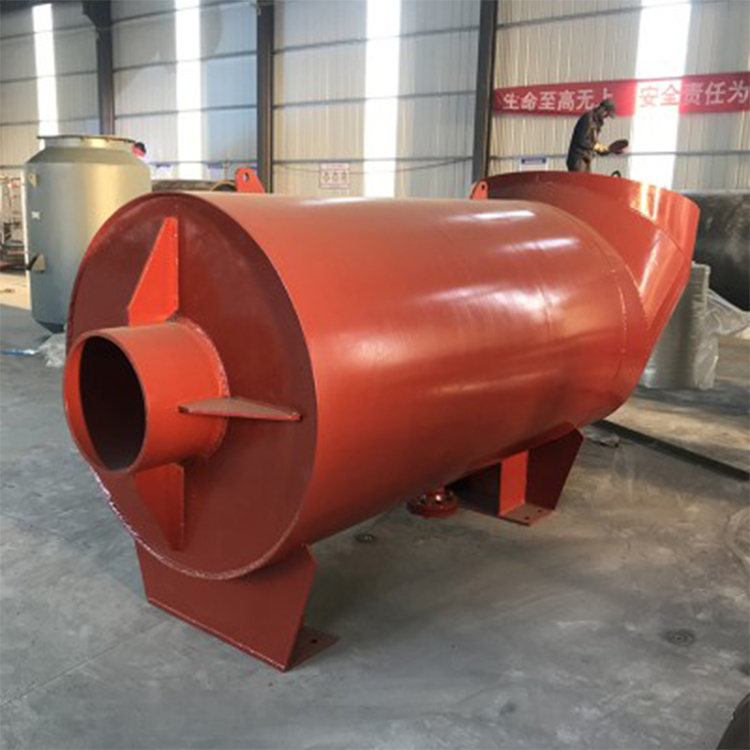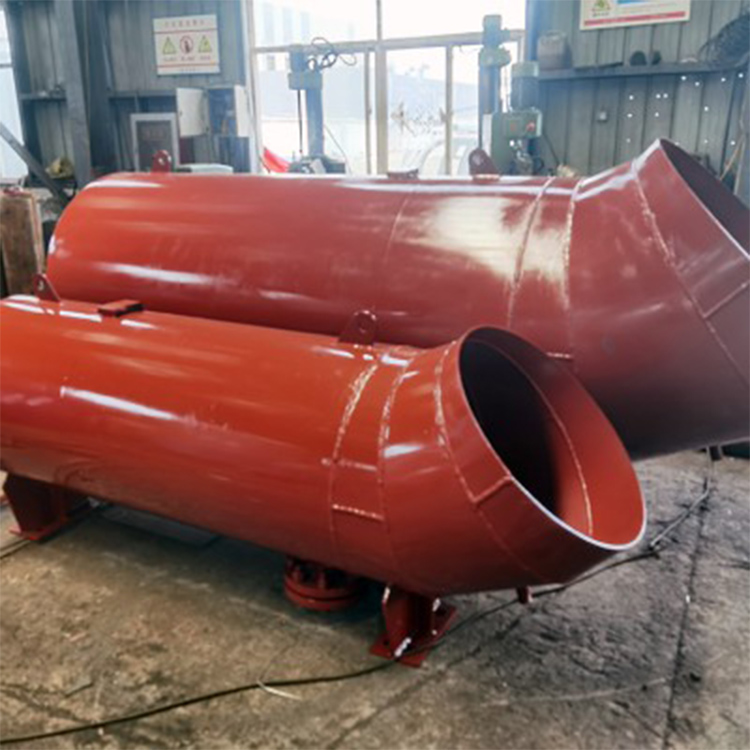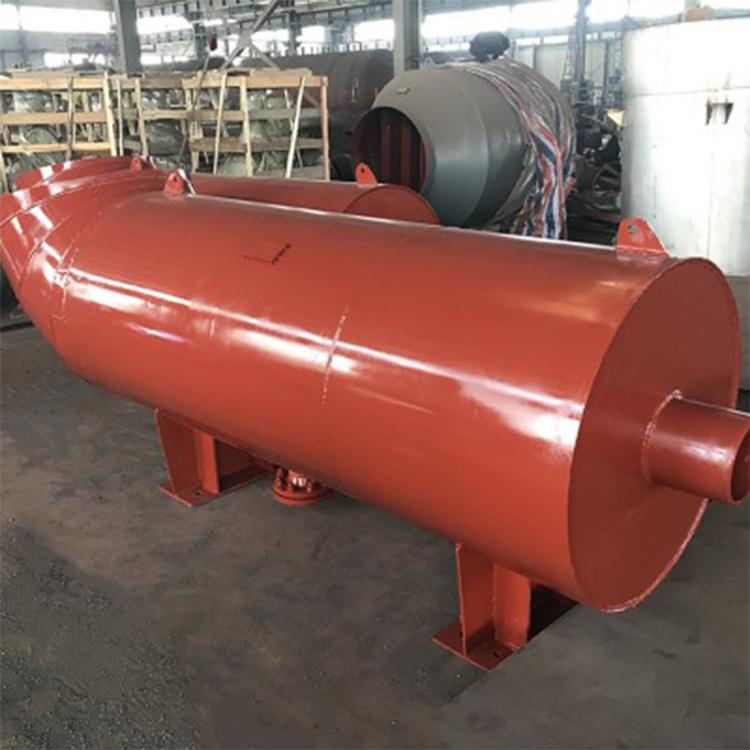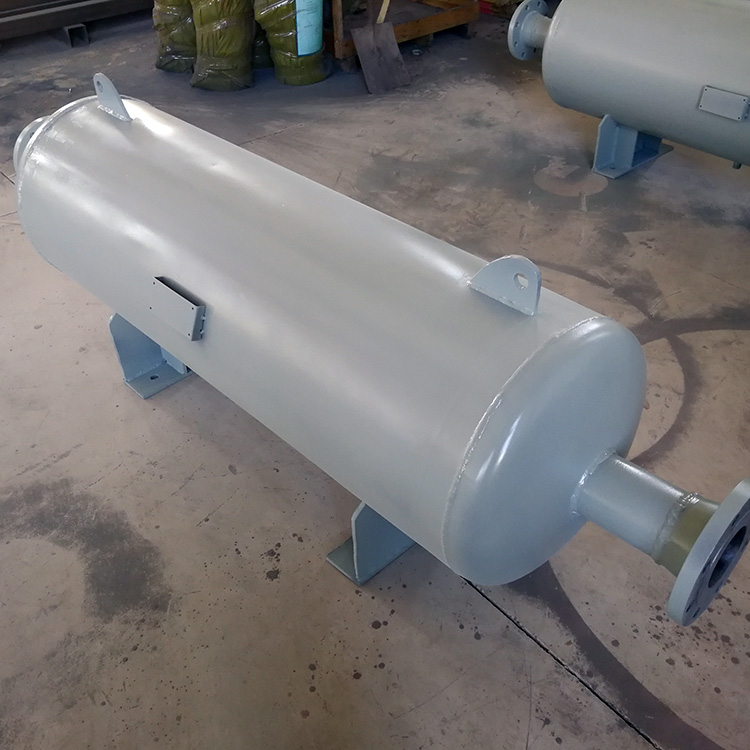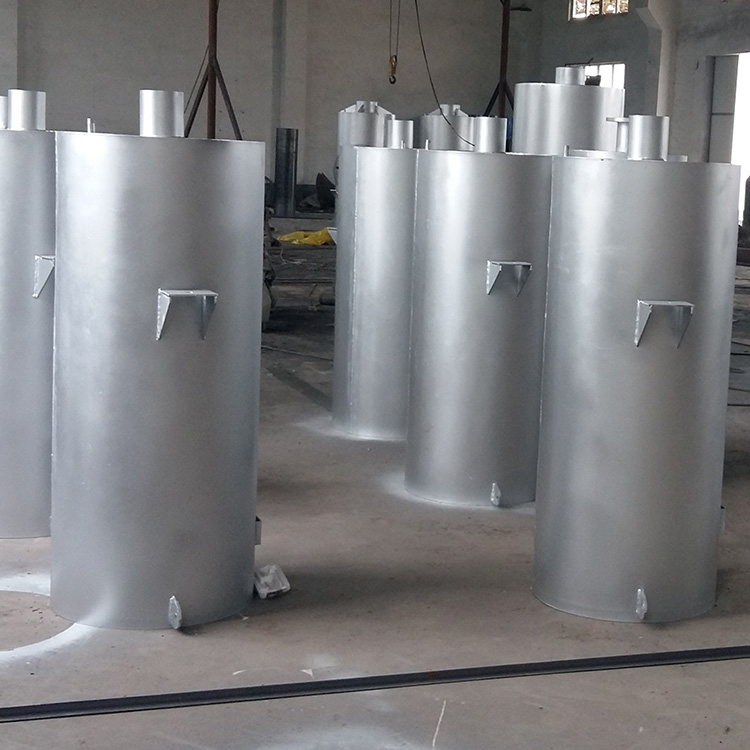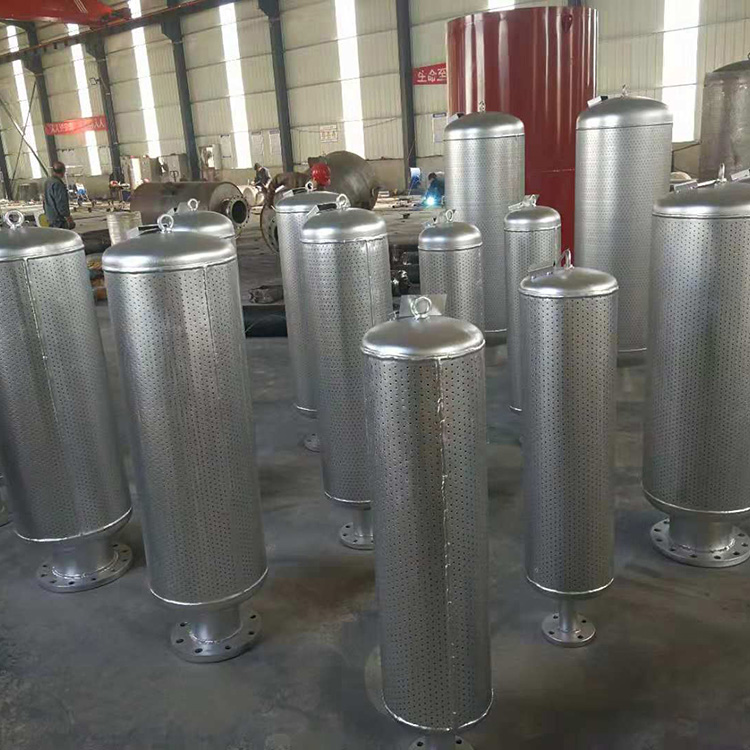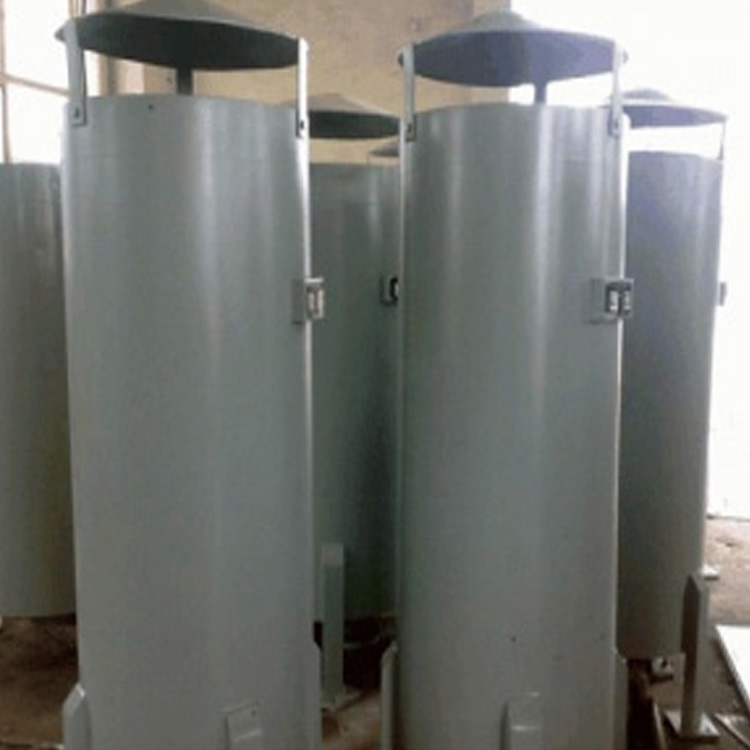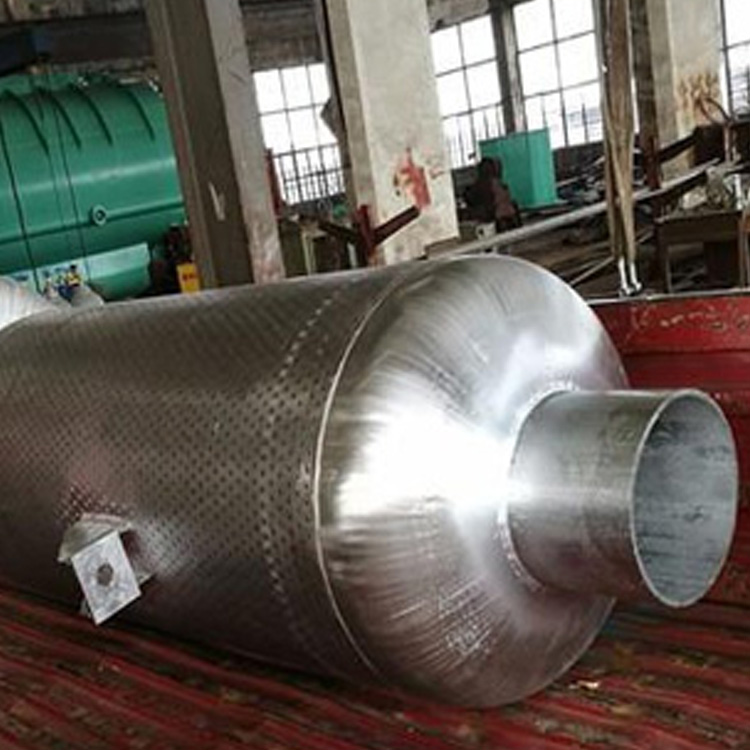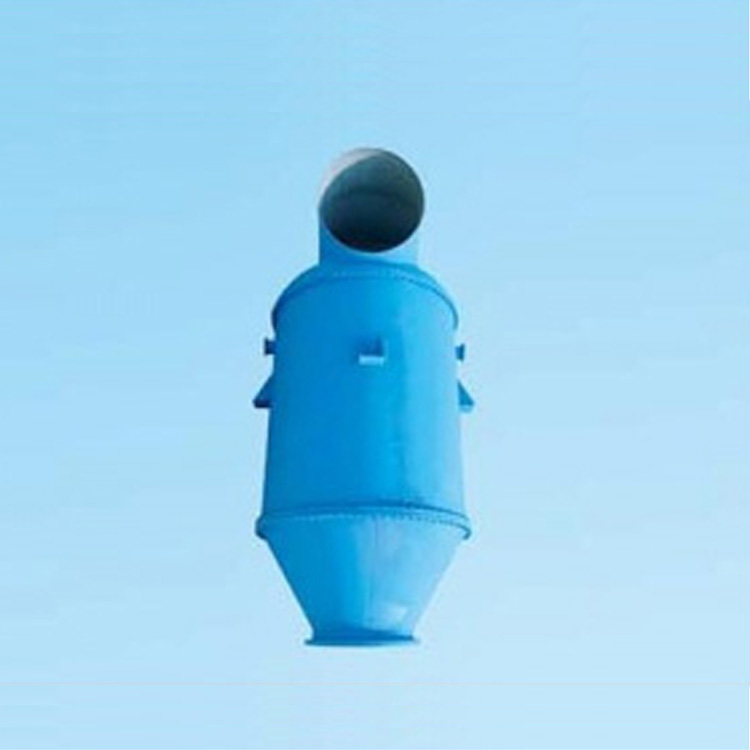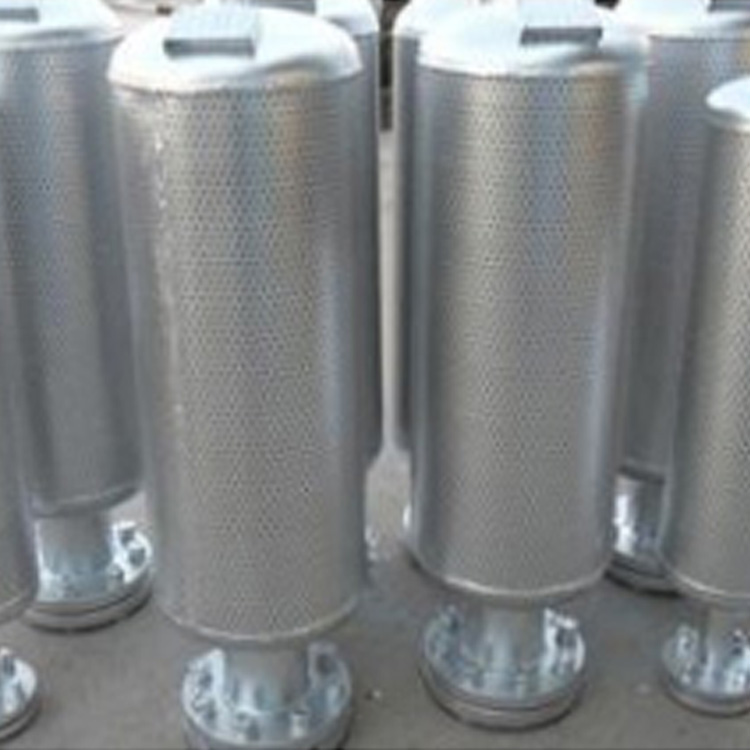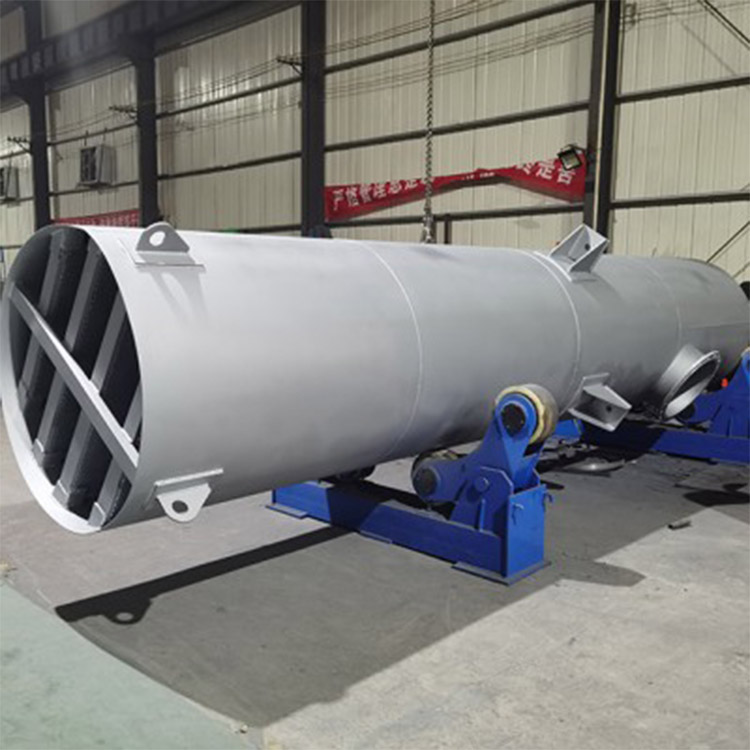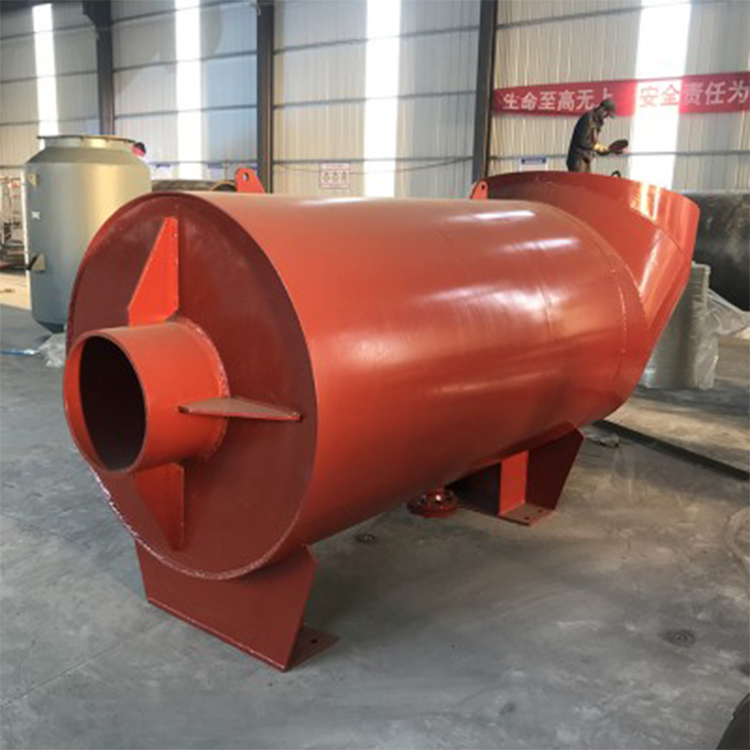


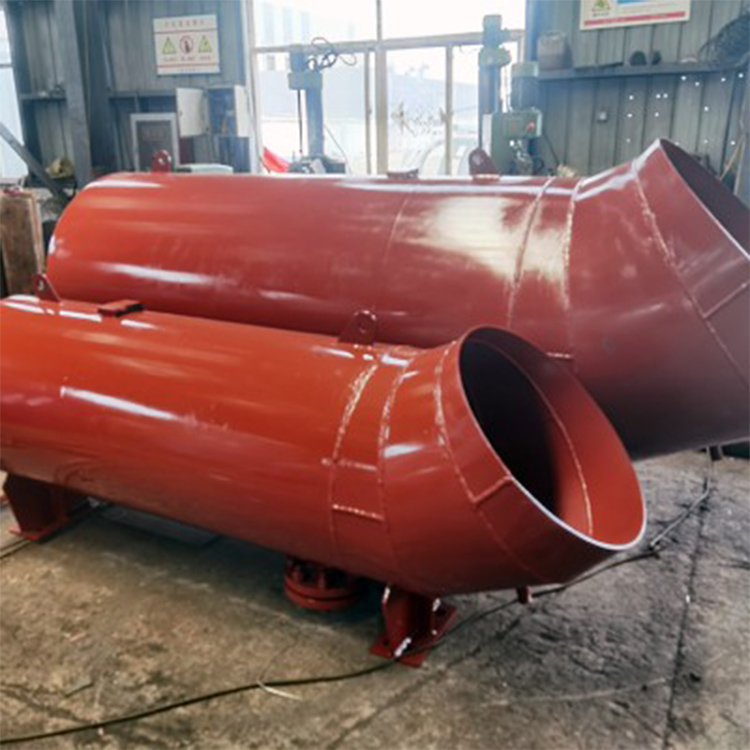
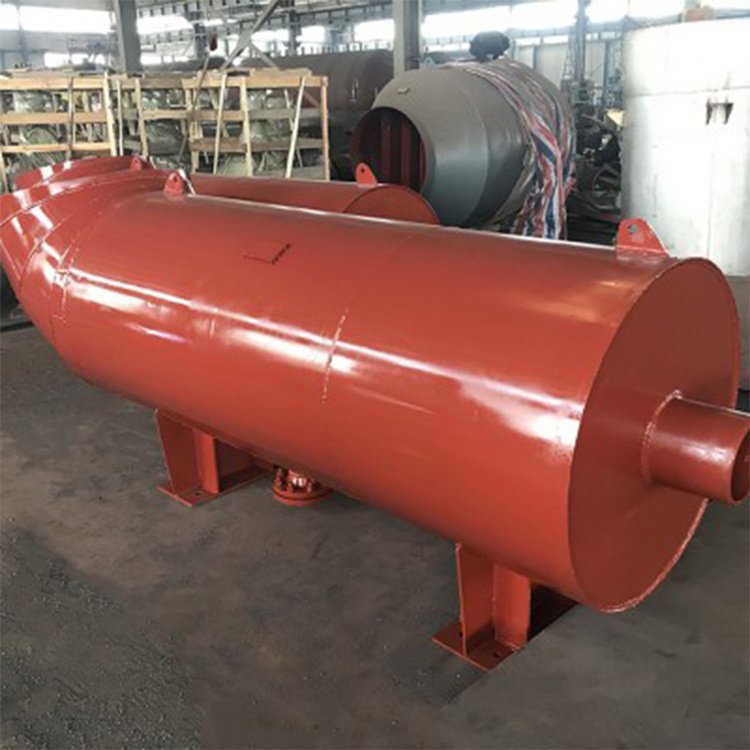


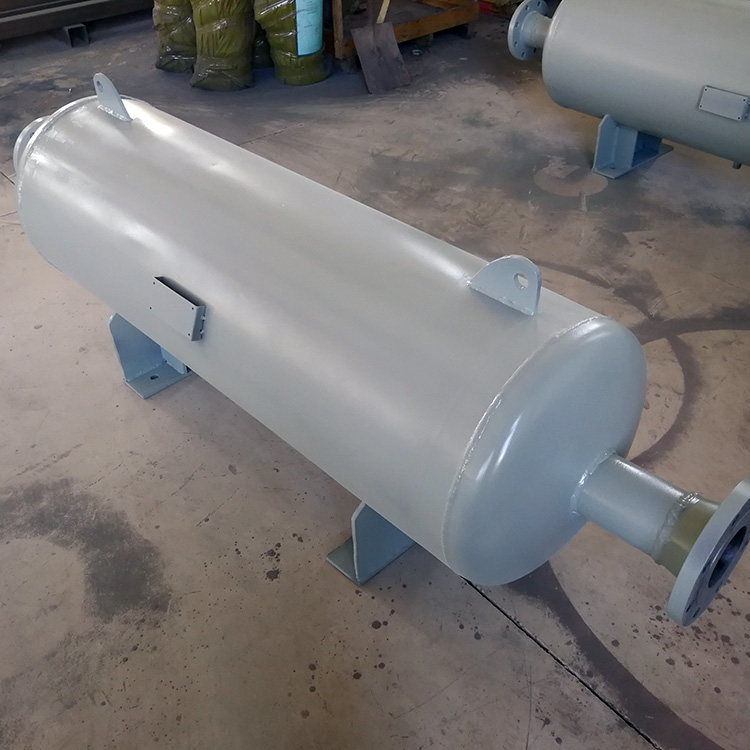
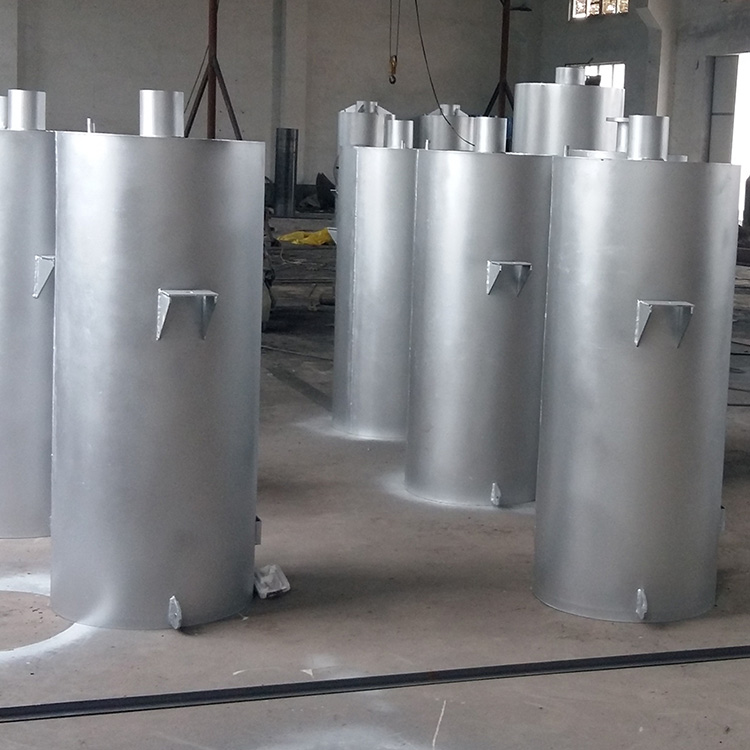
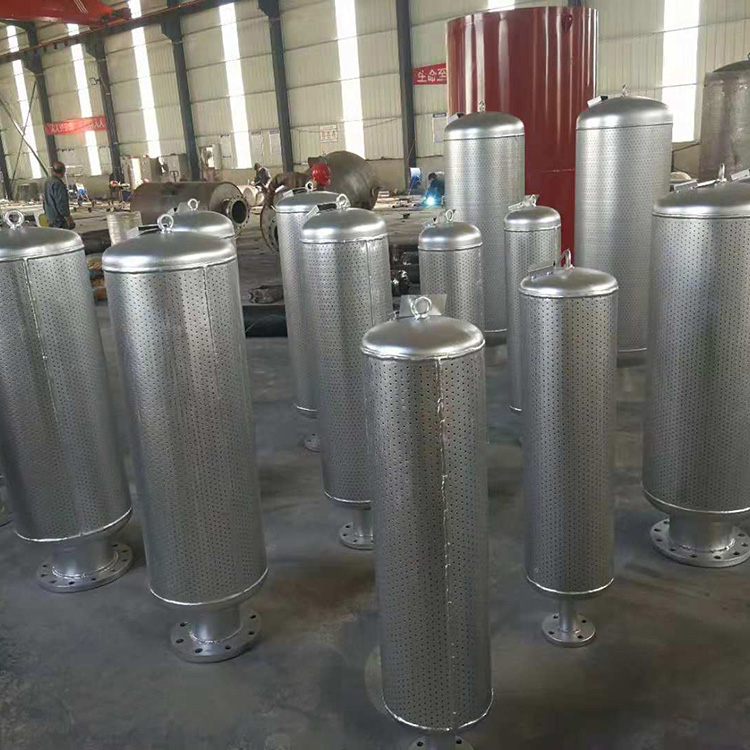







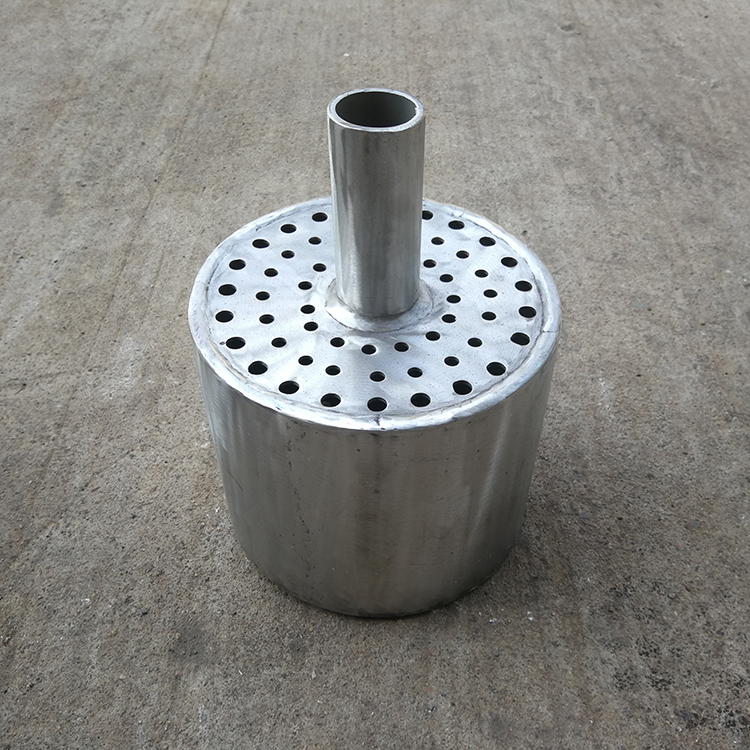
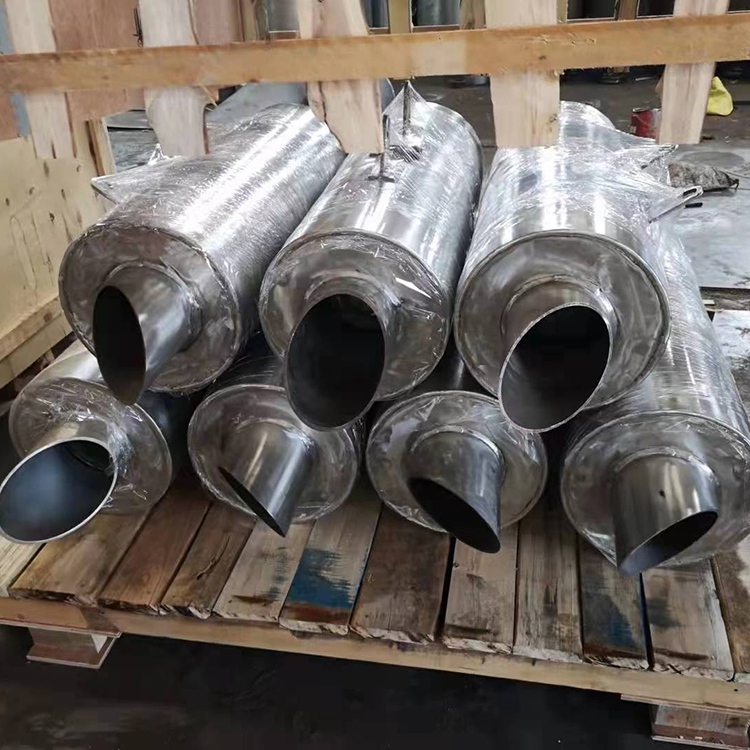
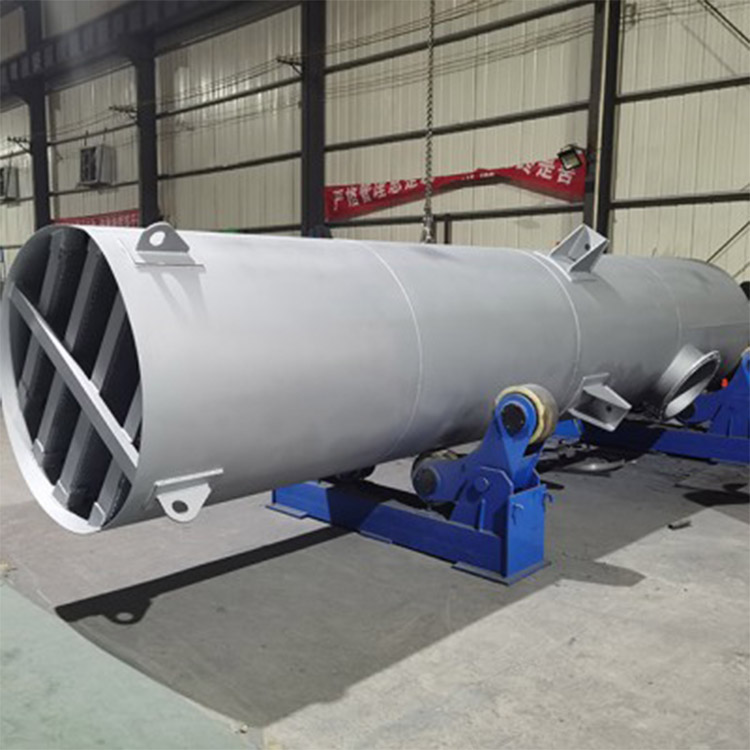
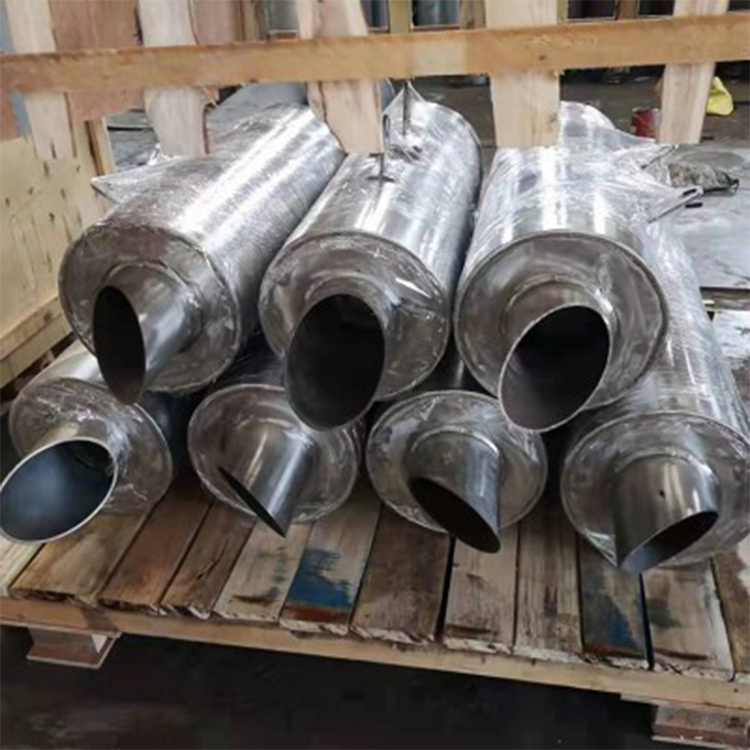

One, Blower muffler, Blower silencer, Pipe cleaning muffler, Pipe cleaning silencer introduction
With the rapid development of the power industry and the continuous increase in the size of power plant boiler units, 300-1000MW units will become the main units in the future. Before the installation or maintenance of thermal power generation units is completed and they are put into operation, it is necessary to perform steam blowdown to remove rust, slag, and other industrial debris from the internal pipes of the superheater and reheater systems. To thoroughly clear the pipeline, the blowdown process may need to be repeated dozens, even hundreds of times, and can last for several days or longer. The powerful steam jet noise during blowdown is a result of high-speed air flow being ejected from the pipe outlet, impacting and shearing the surrounding stationary air, causing intense gas disturbances near the nozzle and resulting in a high air acoustic noise level, reaching up to 130dB(A) or more. The larger the unit capacity, the greater the air acoustic noise, which is a continuous mid-high bandwidth noise, severely affecting the lives, work, and study of residents within a radius of several square kilometers, especially posing serious harm to human physical and mental health. To eliminate the severe noise hazards caused by unit blowdown, it is necessary to install blowdown silencers at the end of the blowdown pipes. The PG type power plant boiler blowdown silencer can be considered as an integral part of the pipeline, which, after acoustic treatment inside, can reduce the generation and transmission of noise, and is an effective noise reduction device to solve the severe noise hazards caused by unit blowdown. Boiler blowdown in power plants is a quick method to remove debris and leftover materials from pipelines. To meet the requirements of high-temperature and high-pressure steam during unit steam blowdown, the blowdown silencer must not only reduce noise but also be reusable and ensure safety. To ensure the safe use of the blowdown silencer, structural measures and requirements for strength, expansion, displacement, drainage, corrosion allowance, and protection against impact by solid debris must be established and met. The manufacturing quality of pipeline blowdown silencers should be supervised by professional personnel from the design and supervisory authorities.
Section II: Blowing Tube Muffler Features:
1. The import section of the blowpipe muffler uses alloy steel 12Cr1MoV for the first throttle tube, 1Cr18Ni9Ti for the second throttle tube, and 20g material for the housing.
2. Suitable for harsh working environments; can contain water, ferrous debris (particle size up to ∮30mm), and engineering residues in the working medium.
3. Noise reduction up to 20dB to 40dB (A). Suitable for (blowing methods): Constant pressure blowing, reduced pressure blowing, oxygen-enriched blowing.
4. Must refer to and comply with the technical specifications of GB150-1998 "Steel Pressure Vessels" during design and manufacturing.
Section 3: Order Parameters for Blower Muffler
When ordering PG type exhaust mufflers, the following information must be provided:
1. Blower Gas Pressure, 2. Temperature.
3. Tube diameter, wall thickness
4. Emission Volume. (Partial exhaust silencers in stock, please call for more information.)
Section 4: Model and Parameters of Exhaust Muffler for Blower Tube

V. Product Showcase