

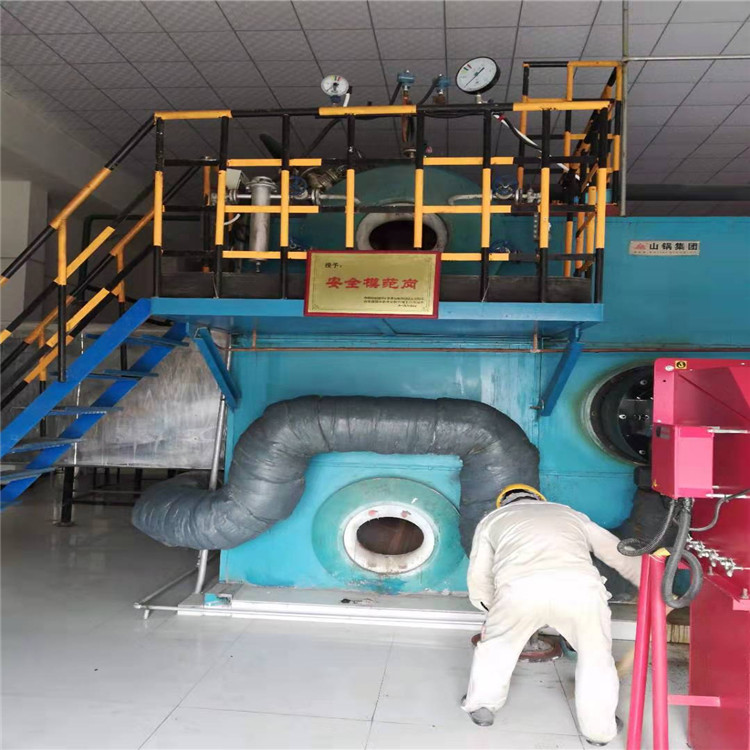


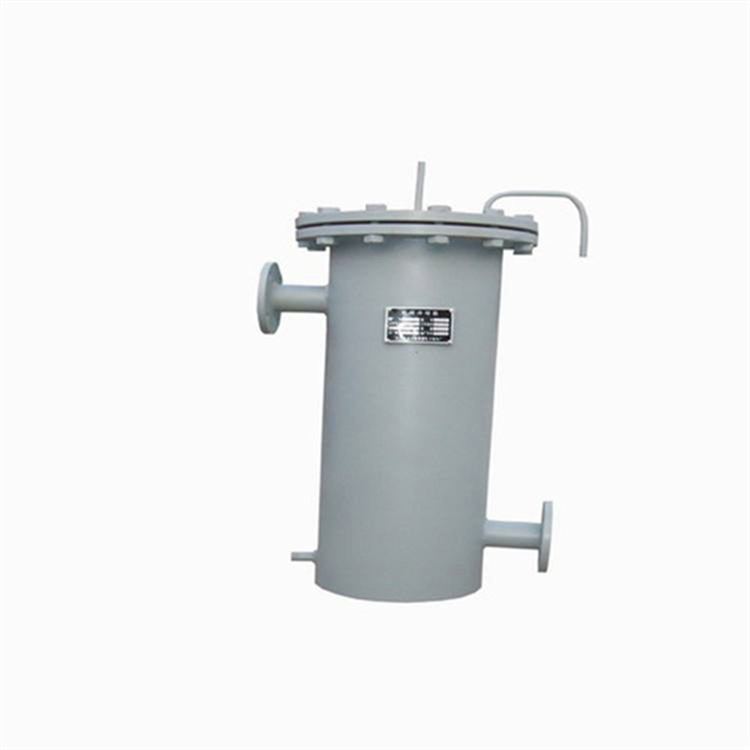
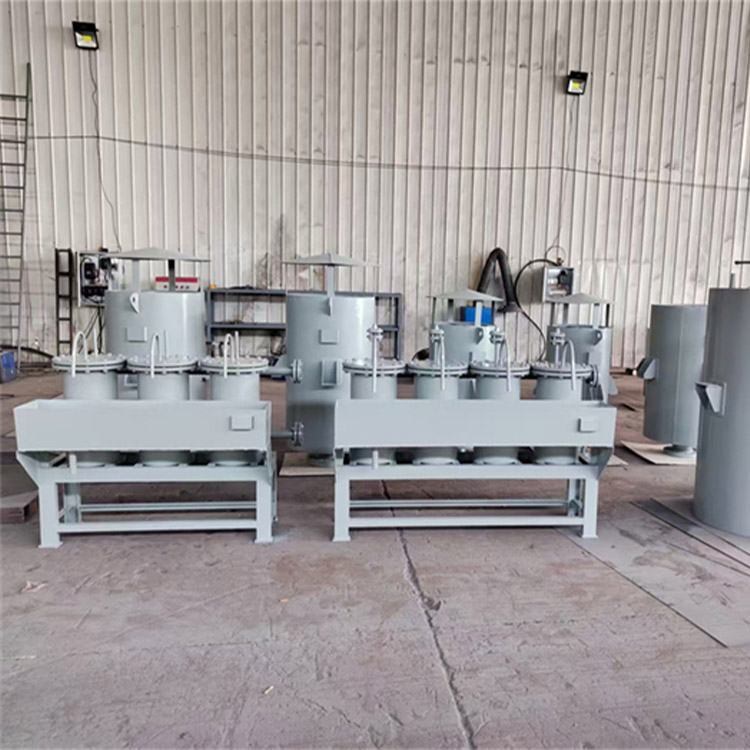
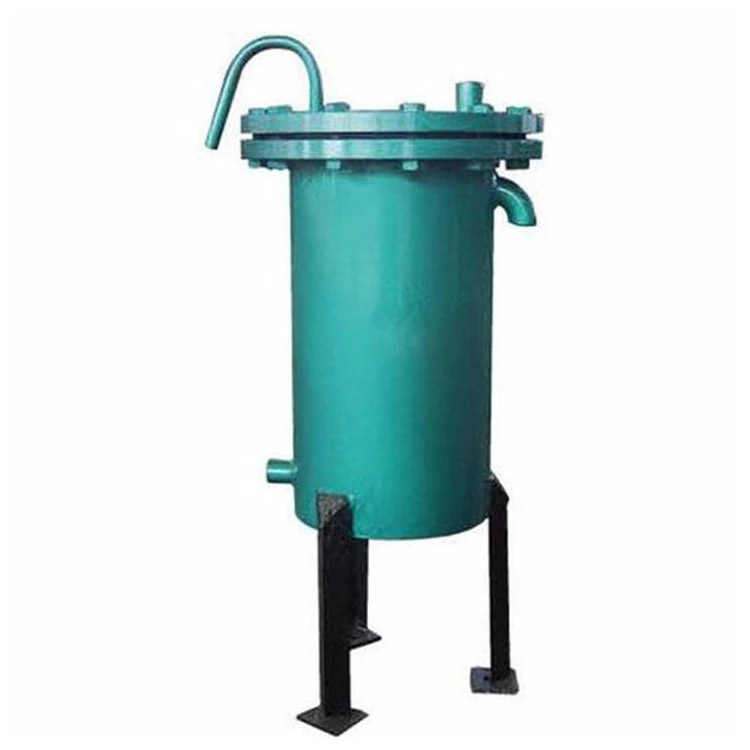





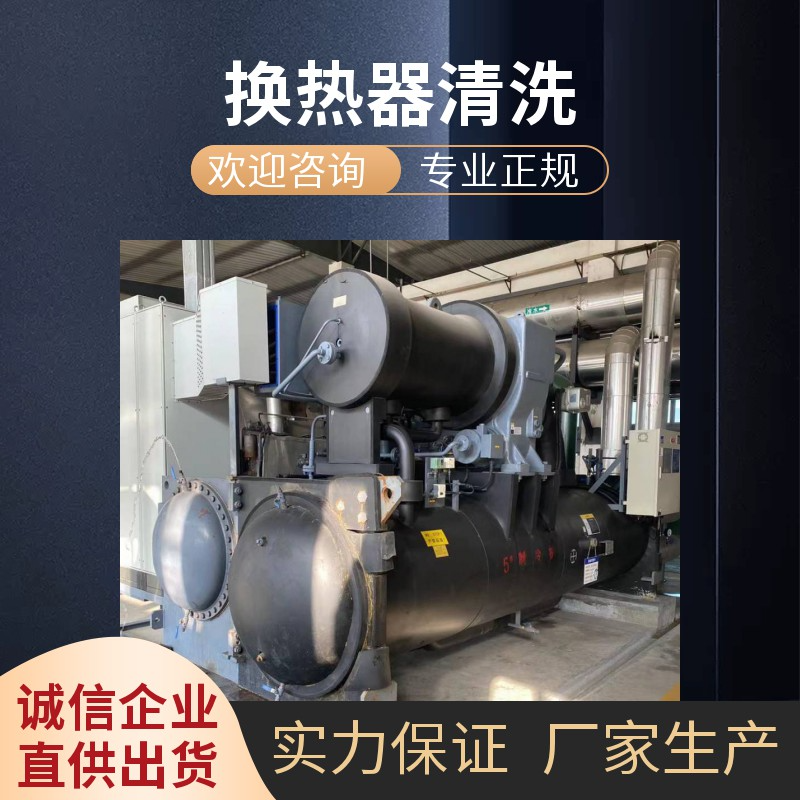
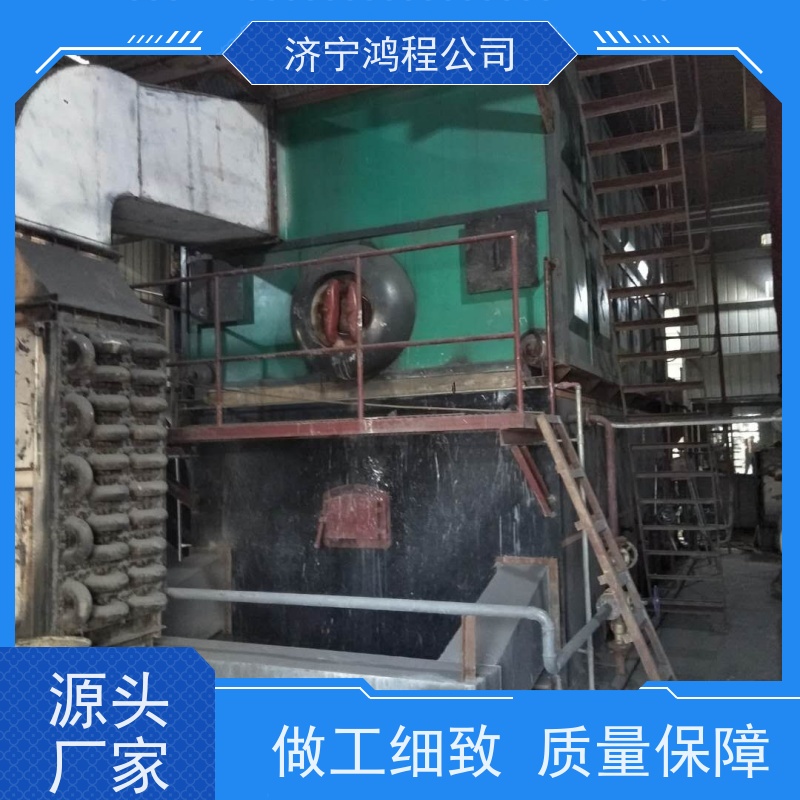
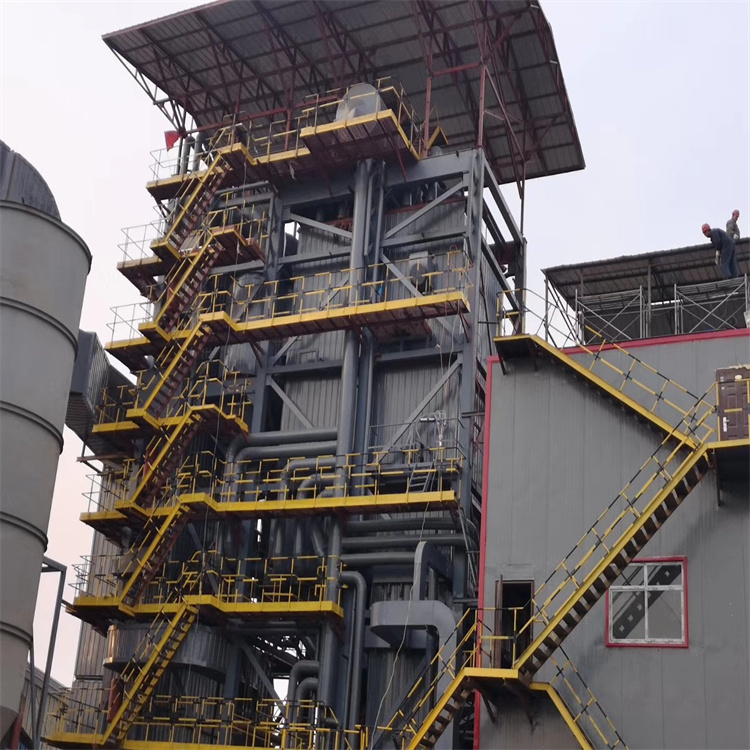

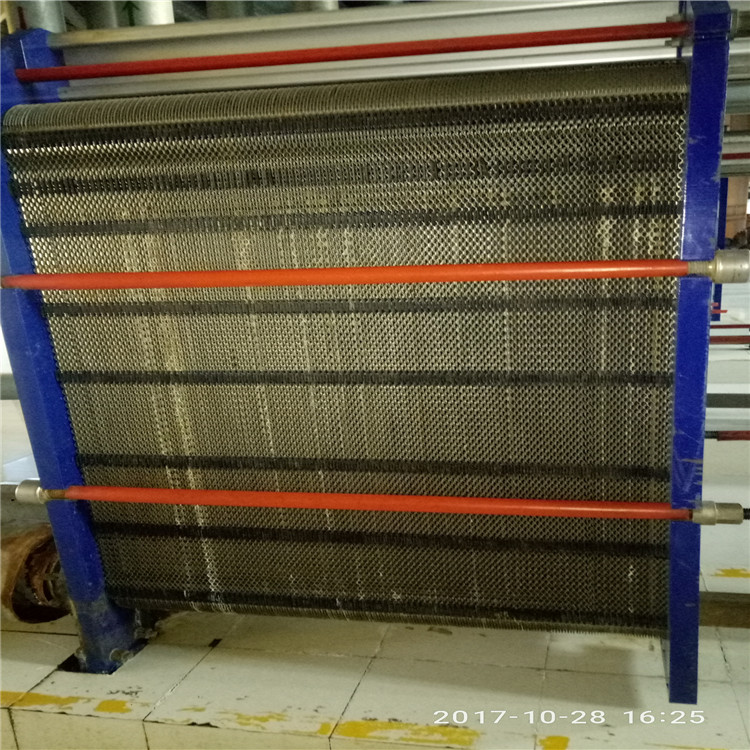
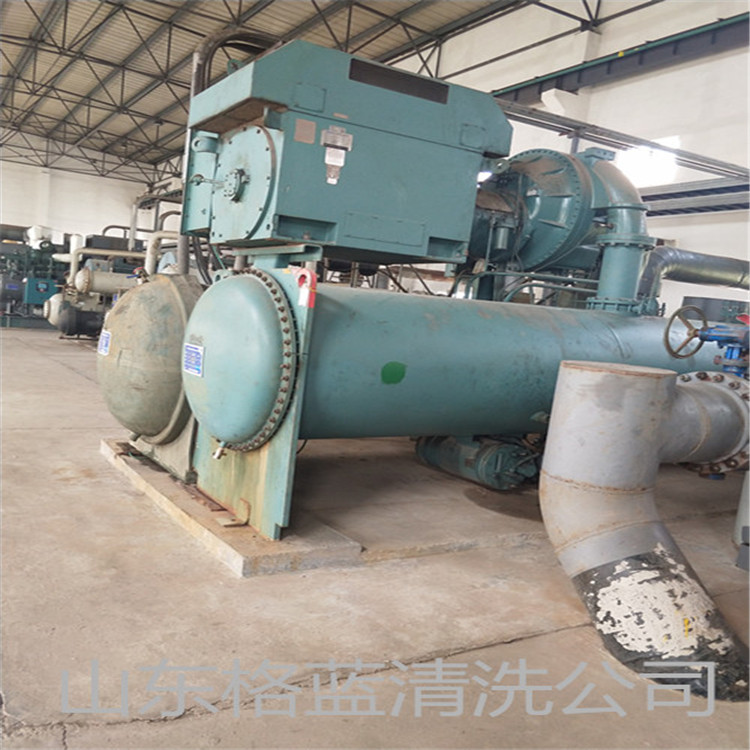
Clean various heat exchangers, condensers, industrial pipelines, boilers, and steam power plant condensers. GlanChem partnership is guaranteed.
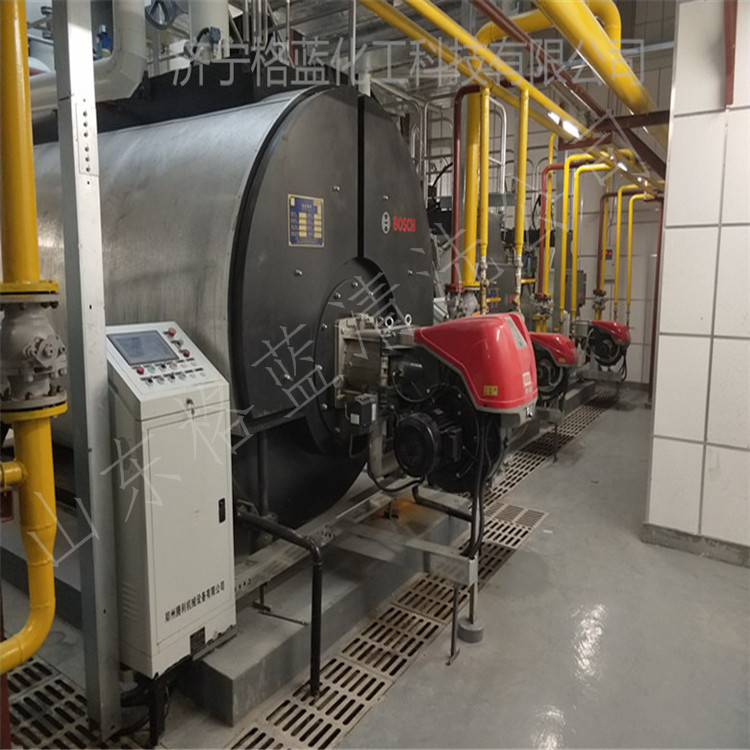
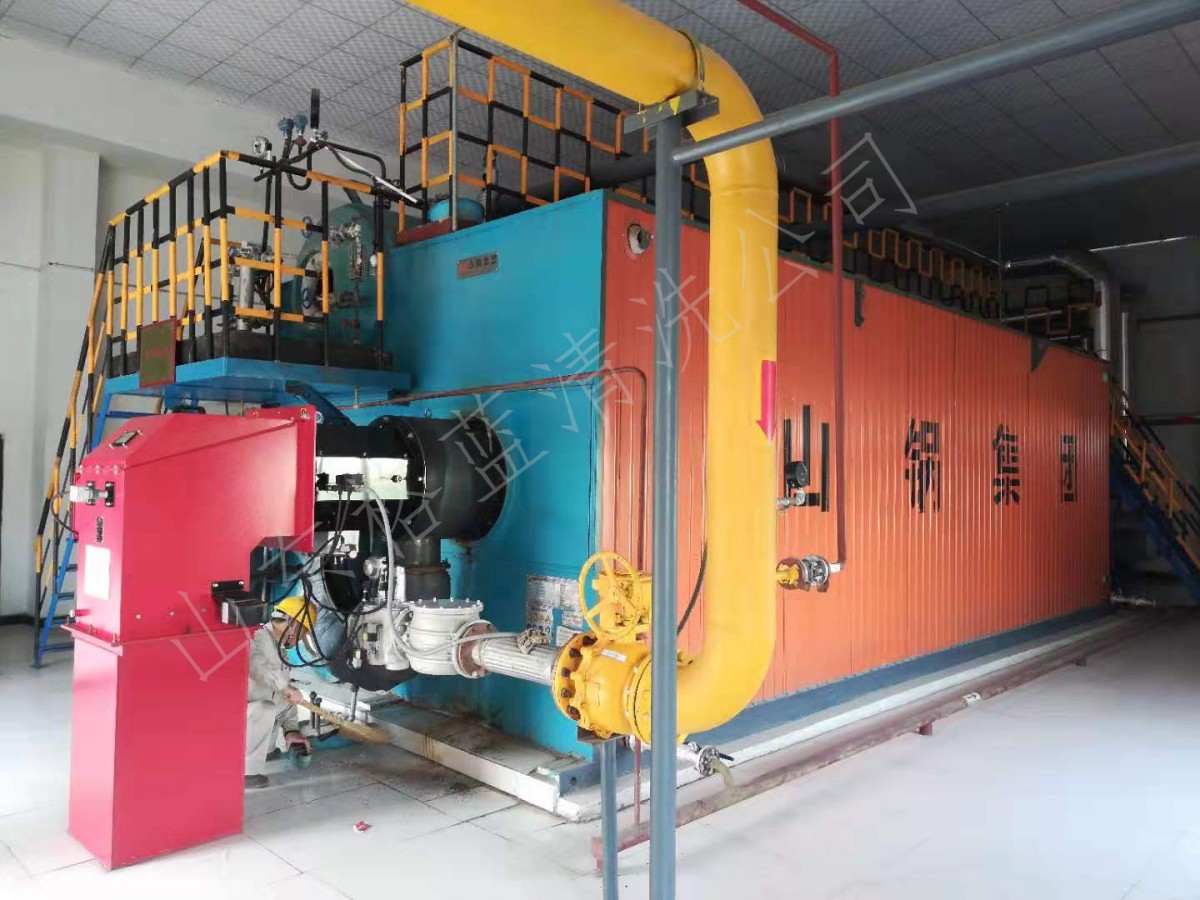
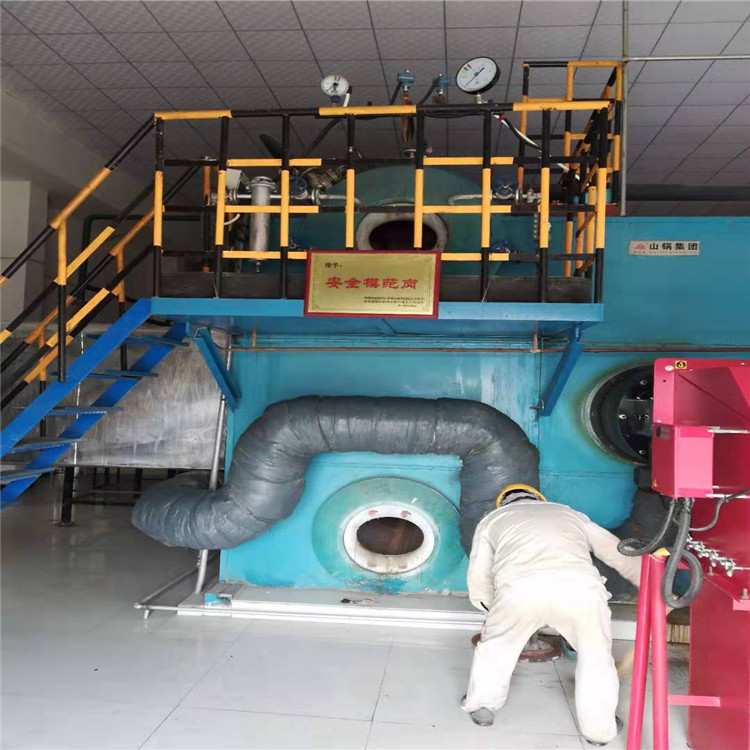
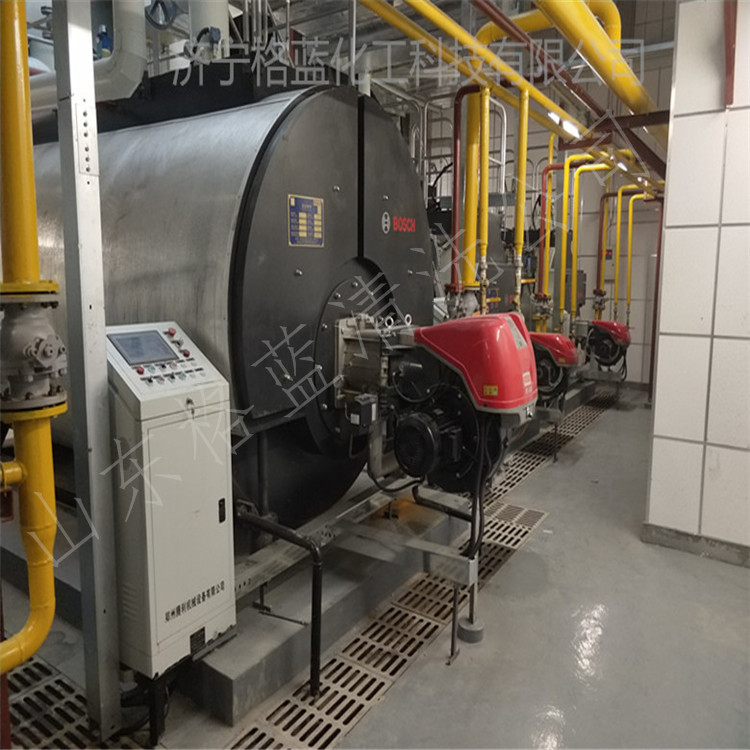
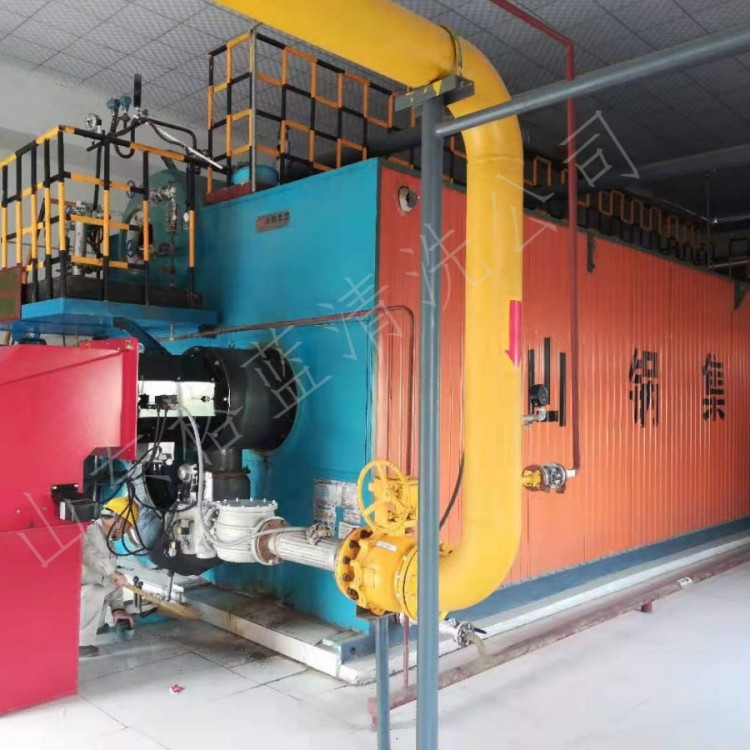
Jining Greentech Chemical Technology Co., Ltd. (简称 Jining Greentech Cleaning Co.) was established in 2010 and is a professional company specializing in the cleaning of various industrial heat exchange equipment. The company boasts comprehensive business philosophy and the capability to develop industrial equipment cleaning technology, undertaking cleaning services for industrial, private enterprise, corporate chemical equipment, power plant equipment, condensers, boilers, and economizers. We also provide air conditioning cleaning, heat exchange equipment cleaning, and accept orders for mechanical and chemical equipment cleaning. In addition, we offer cleaning and descaling services for refrigeration and heating equipment.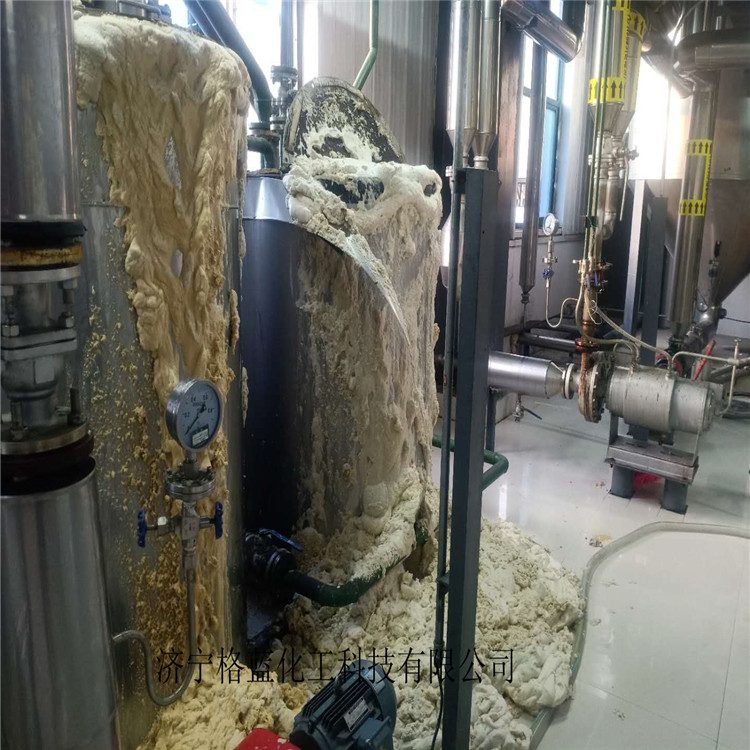
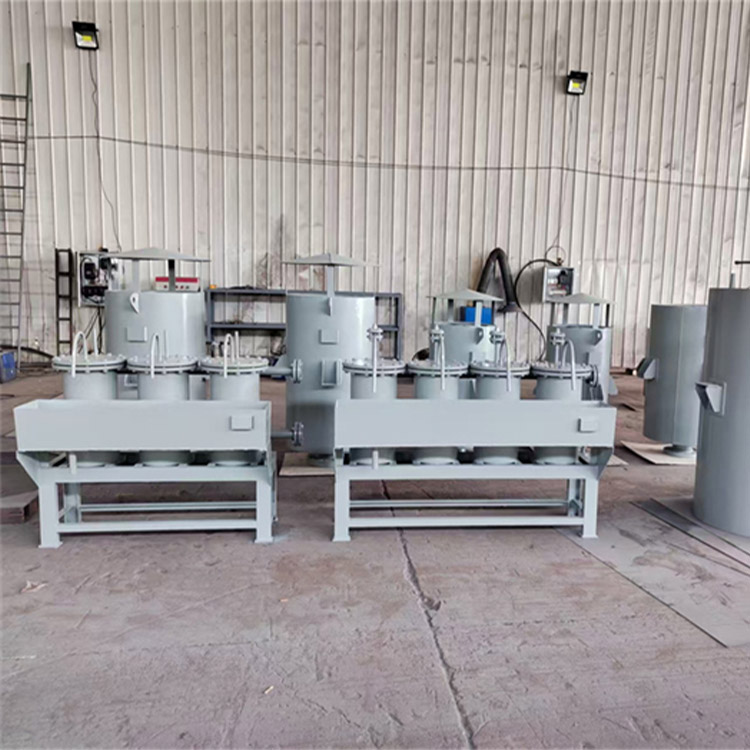
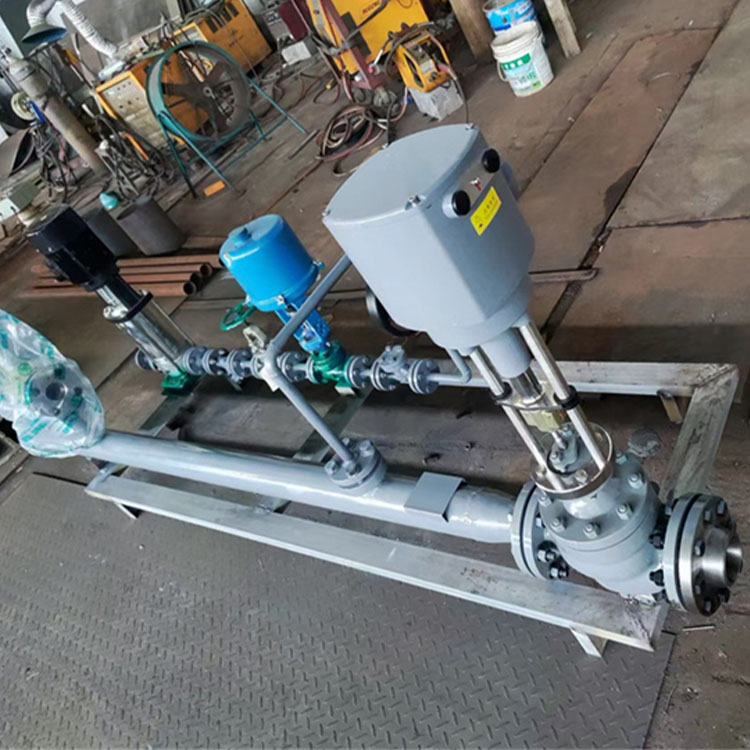
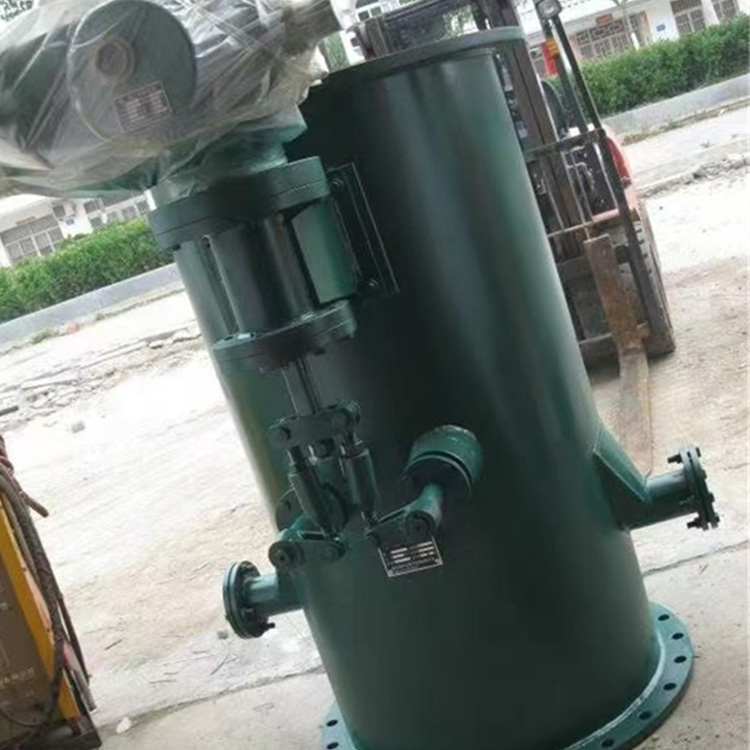
Jining Grean Cleaning Company stocks dozens of cleaning machines in various models ranging from 10mpa to 250mpa, as well as over a dozen chemical cleaning pump stations. Our primary services include power plants, chemical factories, oil mills, food factories, corporate entities, heating equipment, and more. The company also offers long-term industrial heat exchanger cleaning and design solutions to clients in the industry.
Our company has newly acquired domestic cleaning machines and imported cleaning equipment. We have hired experienced technical specialists in the cleaning industry to achieve standardized and standardized cleaning of heat exchange equipment.

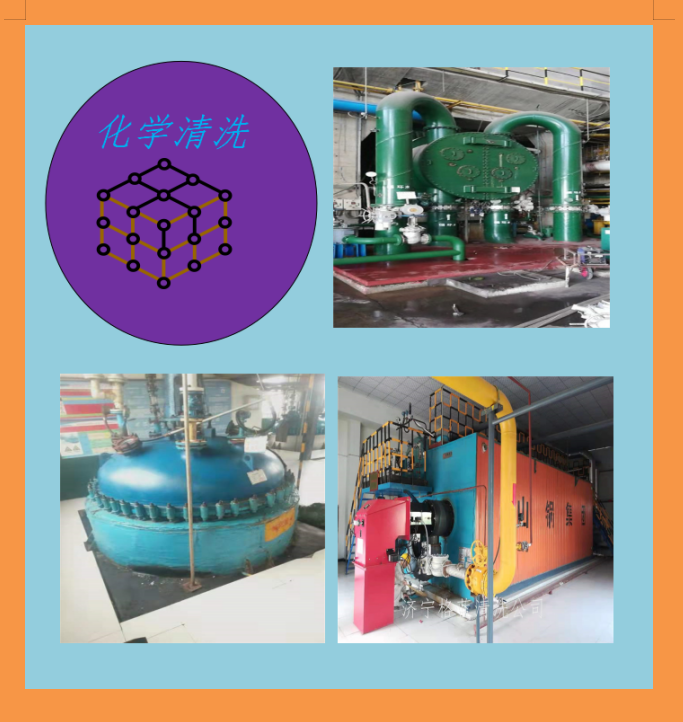
Chemical Cleaning Scale Removal Process
Recirculating Closed Loop Cleaning
Recirculating cleaning utilizes two original parallel ash removal pipelines to form a loop, creating a circulation system with the cleaning pump station. A certain concentration of acidic solution is added, which circulates within the ash water pipes for cleaning. As the acid washing decreases to a certain level, the acidic solution is continuously replenished. For short-distance single ash water pipelines, if conditions permit, a temporary pipeline can be laid to form a recirculation loop for cleaning. This process must be carried out during shutdown and is complex, with higher costs.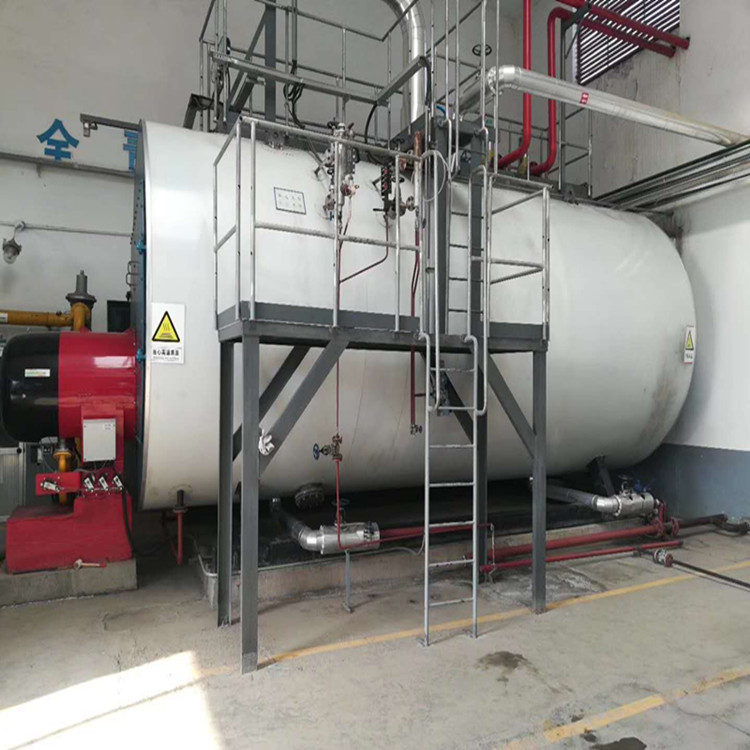
Open channel cleaning
No two grey pipes should form a loop during cleaning; only a single grey pipe should be used for open circuit cleaning. The method involves connecting one end of the grey pipe to the cleaning unit, continuously preparing a certain concentration of cleaning solution in the mixing tank, and then injecting it into the grey pipe continuously or intermittently. This process requires adding cleaning equipment during shutdown, which increases costs.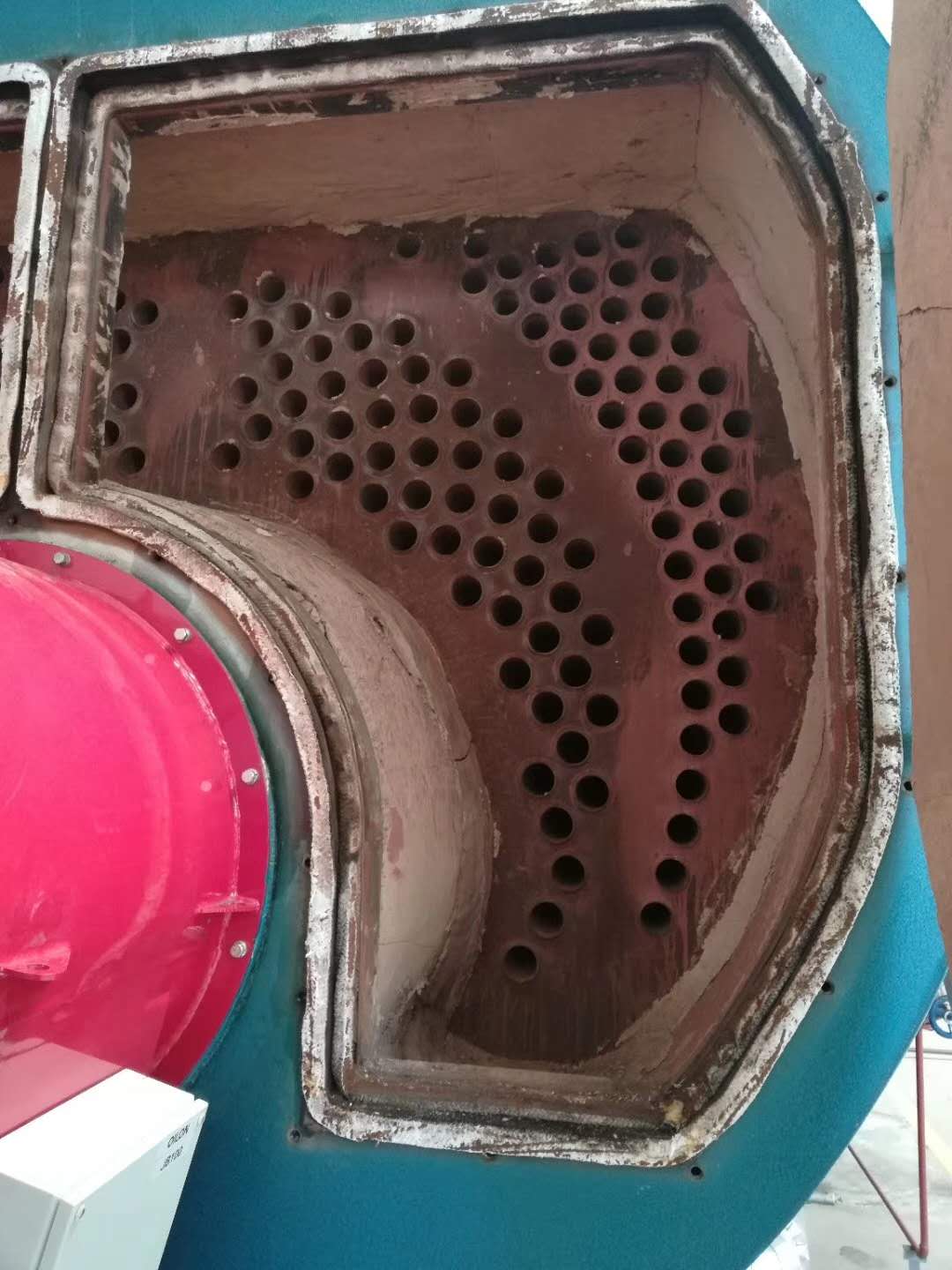
Continuous cleaning without shutdown
The process involves continuously injecting a specific quantity of acidic solution while also adding a certain amount of running cleaning inhibitor for the ash conveying pipes and pipeline cleaning descaler, performing an open-circuit cleaning. The main function of the cleaning aids is to facilitate the reaction between the acidic solution and the ash scale at a certain concentration and flow rate, while also increasing its solubility in water and reducing the occurrence of gas blockages, ensuring the quality of ash pipe cleaning.
The procedure is: Before cleaning, first estimate the required acid amount based on the total scale in the pipeline. Then, calculate the acid addition rate and the flow rate for the ash slurry pipeline by considering the flow rate of the grey water and acidity. During cleaning, collect a sample at the front end of the ash pipeline every 30 minutes to test the acidity and strictly control it by adjusting the acid flow rate. In the later stage of cleaning, test the pH value at the end of the ash pipeline every 15 minutes. When the pH value reaches a certain level and remains unchanged for 30 minutes, the cleaning can be considered complete.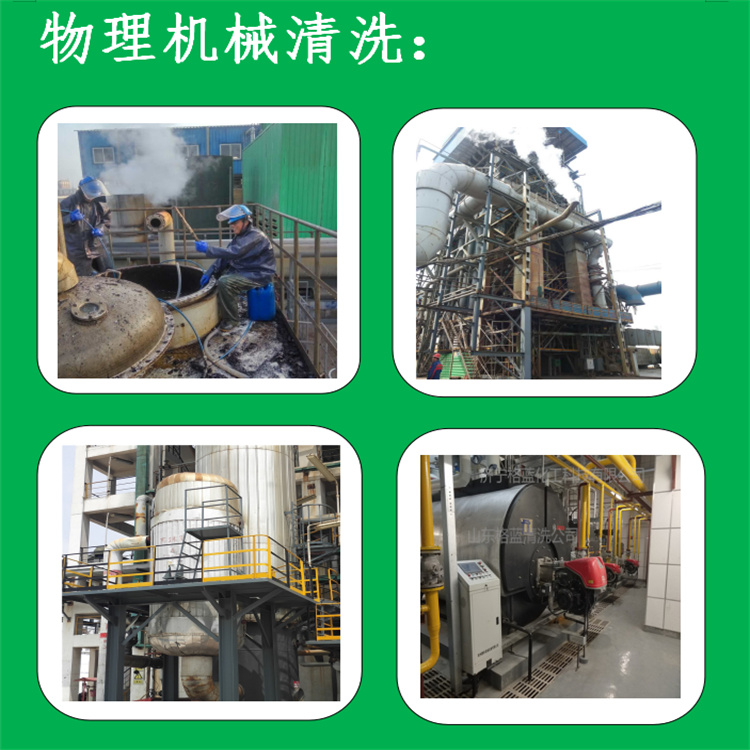
2. High-pressure water jet cleaning machinery
High-pressure water jet cleaning offers advantages such as high efficiency, low cost, non-damaging to workpieces, environmental-friendly, easy operation, and safety.
Advantages of high-pressure water technology include:
(1) Excellent Cleaning Quality: The high-pressure water jet cleaning of pipeline and heat exchanger bores can completely remove scale and blockages inside, revealing the metal substrate. With immense energy and moving at supersonic speeds, the high-pressure water jet is fully capable of destroying hard scale and blockages without causing any damage to the metal.
High-pressure water cleaning will not damage the base material being cleaned, as the pressure is less than the compressive strength grade of the metal.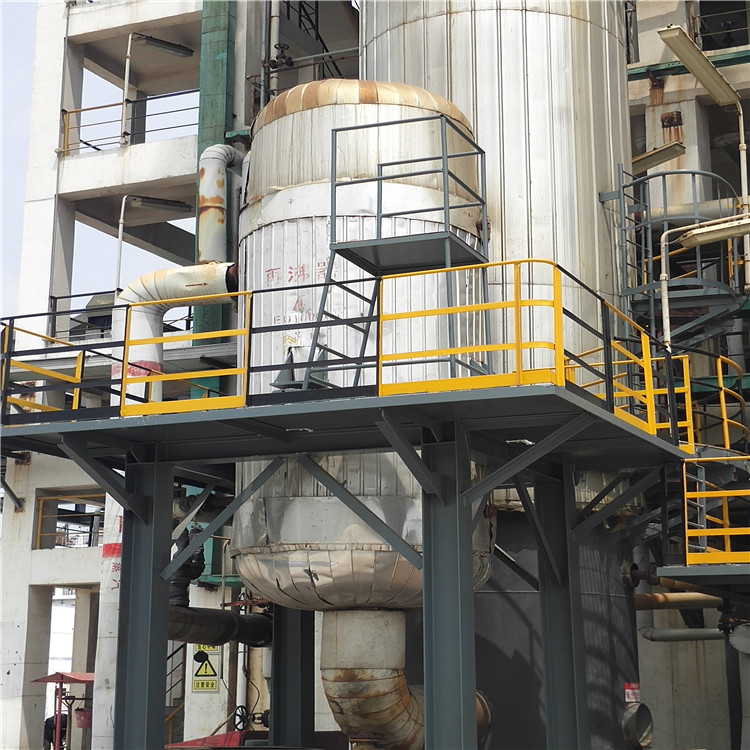
(2) Rapid Cleaning Speed: Due to the combined crushing effects of water jet washing, wedging, shearing, and grinding, scaling can be quickly broken and removed, several to ten times faster than traditional chemical methods, sandblasting, ball-blasting methods, simple mechanical, and manual cleaning techniques.
Additionally, parts cleaned with high-pressure water jetting do not require secondary cleaning; however, after chemical cleaning, the surface chemical must be rinsed off with clear water.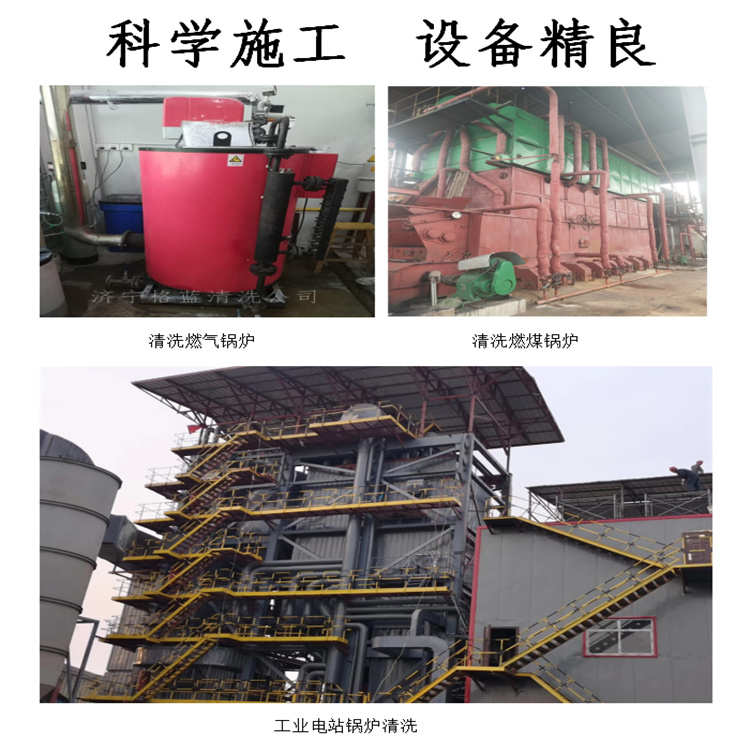
(3) Environmentally Friendly: Water jet cleaning uses pure water as the medium, thus it does not produce a significant amount of dust like sandblasting, shot blasting, or simple mechanical cleaning, which can pollute the air and harm health. It also does not generate large amounts of waste liquid like some chemical cleaning methods, which can contaminate rivers, soil, and water quality. The water jet, odorless, tasteless, and non-toxic, can further reduce the dust concentration in the work area after atomization, lowering the air dust level from 80mg/m³ to below the national safety standard set by other methods. Therefore, it does not cause any pollution.
Pipe Scale
(1) Classified by chemical composition, they can be categorized into carbonate scale, sulfate scale, silicate scale, and mixed scale, etc. The main components of carbonate scale are calcium carbonate and magnesium carbonate; the main components of sulfate scale and silicate scale are calcium sulfate and silicate compounds, respectively.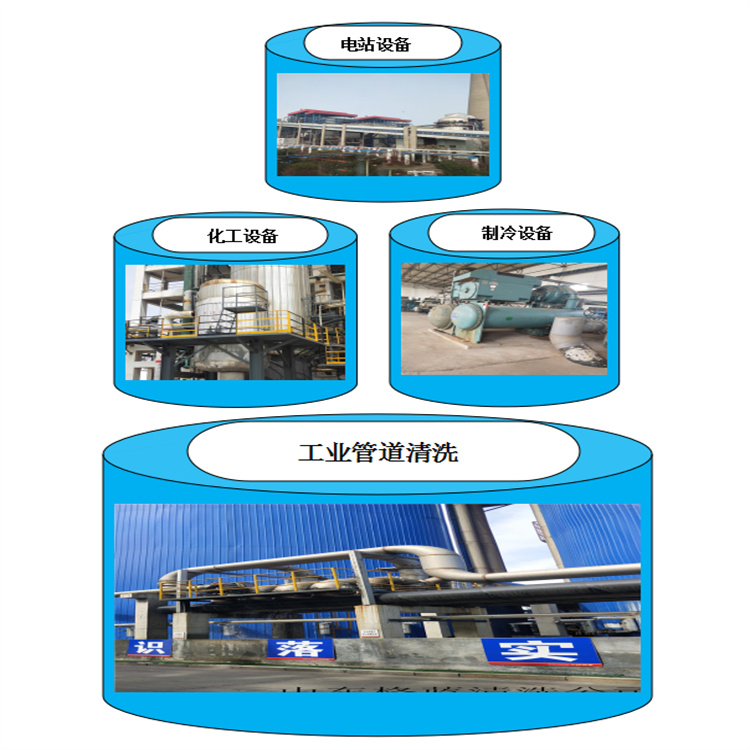
(2) Categorized by physical properties, there are two types: a solid scale that firmly adheres to the pot shell and pipe walls, and a loose sediment that is easy to dislodge.
Lime scale primarily forms due to the salts of calcium and magnesium in the boiler feed water, which precipitate and adhere to the metal surface upon heating. Lime scale has a very low thermal conductivity, approximately 2 to 5 times less than that of ordinary steel. When lime scale accumulates on the boiler's heating surface, it significantly worsens the heat transfer efficiency and affects the boiler's performance; it can also easily cause metal materials to burn due to localized overheating, potentially leading to pipe explosion accidents; it accelerates galvanic corrosion, causing pipeline lime scale corrosion, and speeds up the damage to the heating surface. Once lime scale forms, it should be promptly removed using mechanical or chemical methods.
Heat Exchanger and Refrigeration Equipment Cleaning - Choose GreenChem for Reliability