







How to Conduct Precautionary Safety Inspections
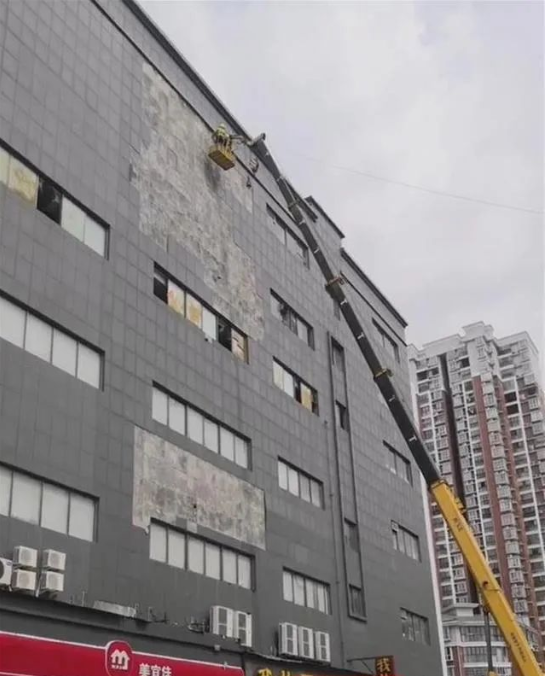
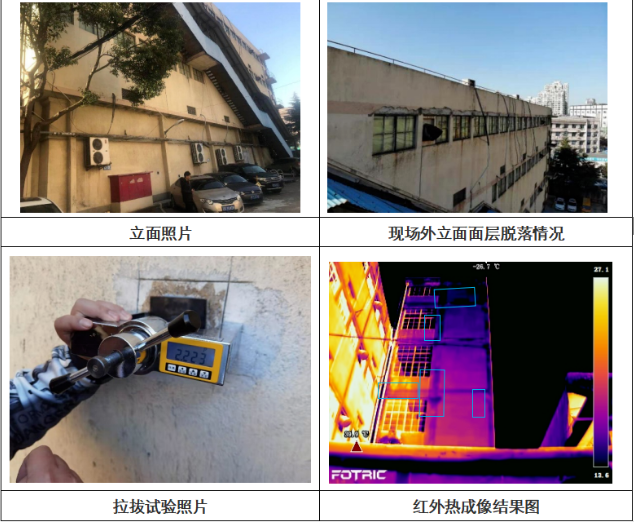
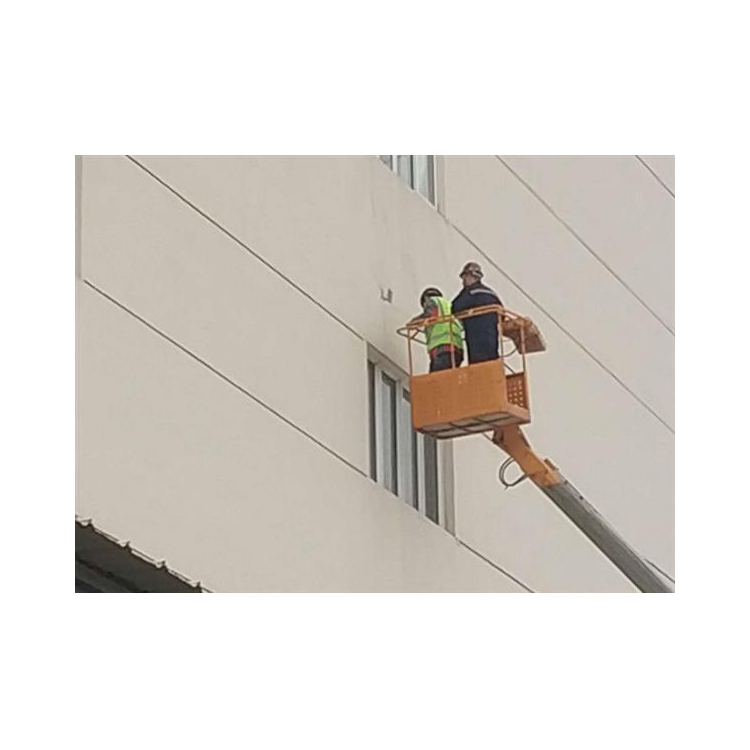
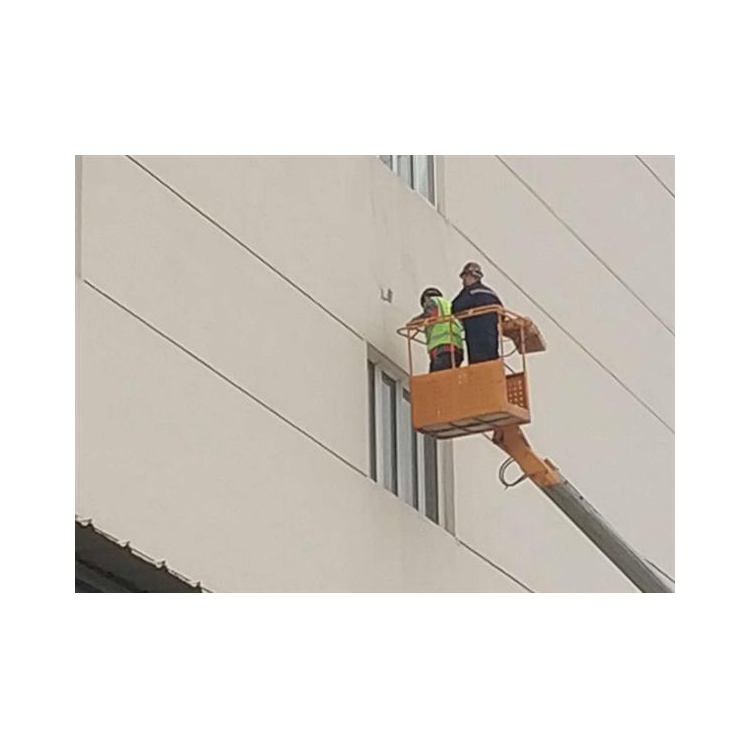
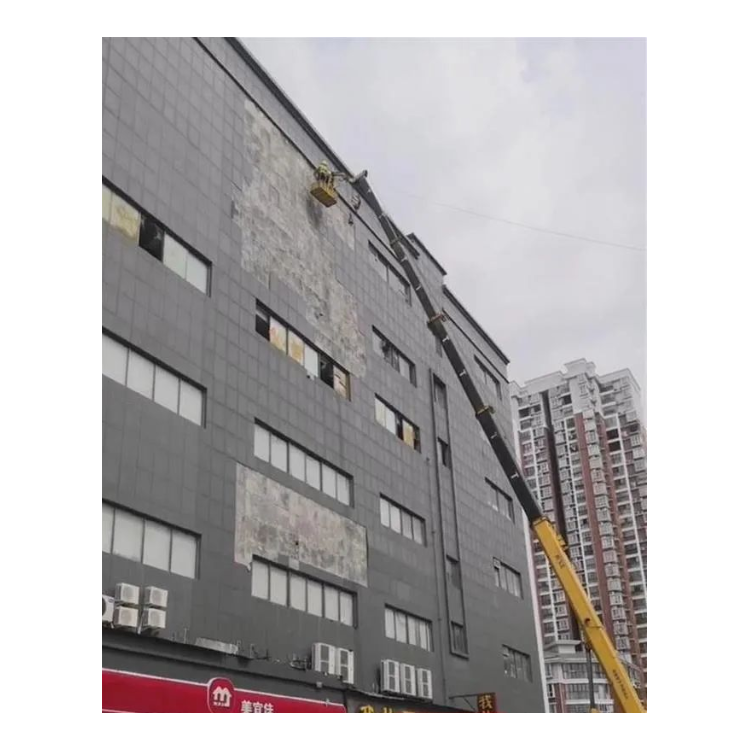
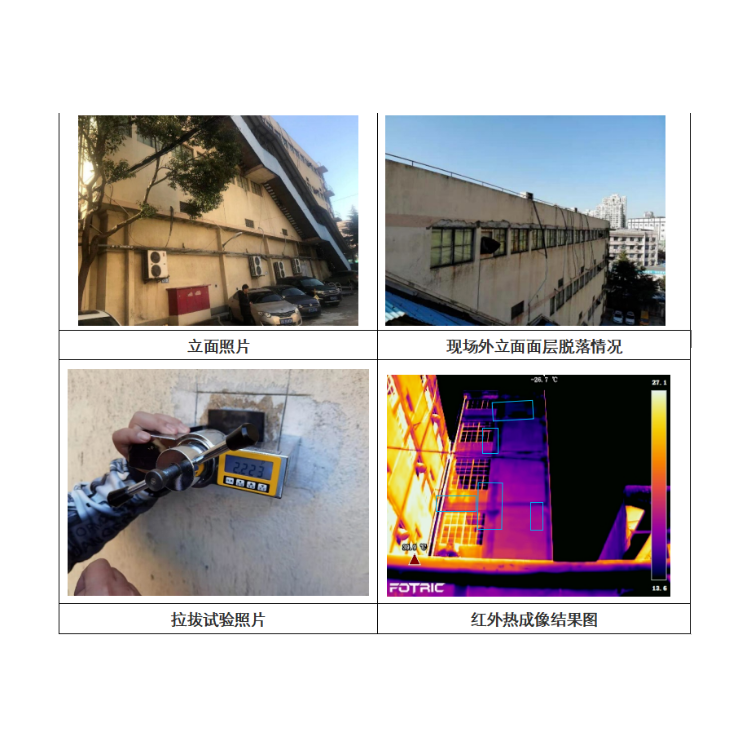
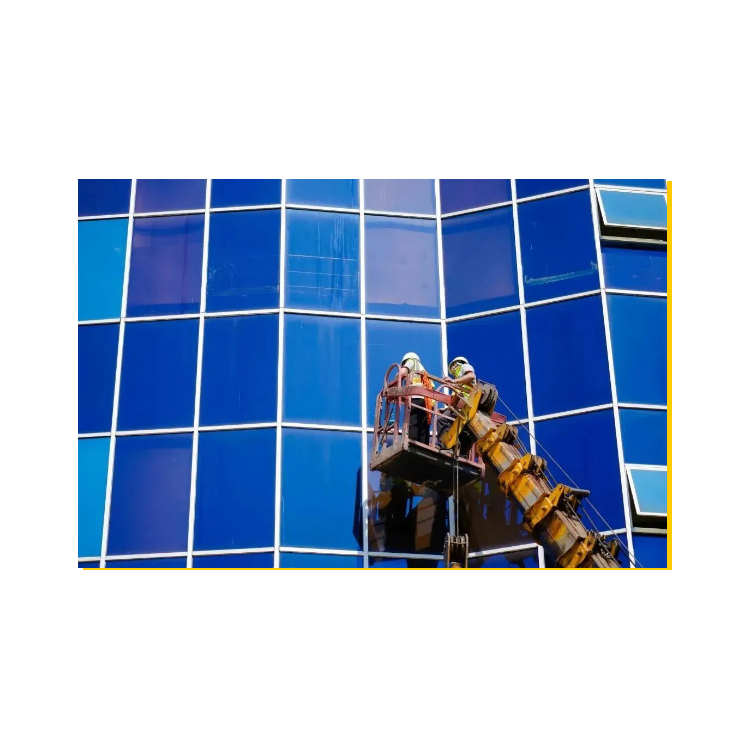
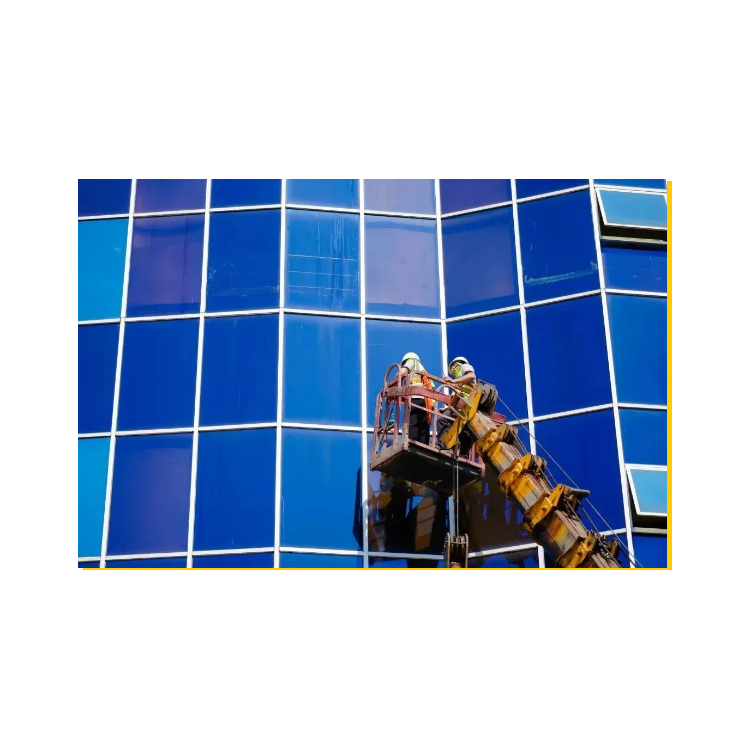
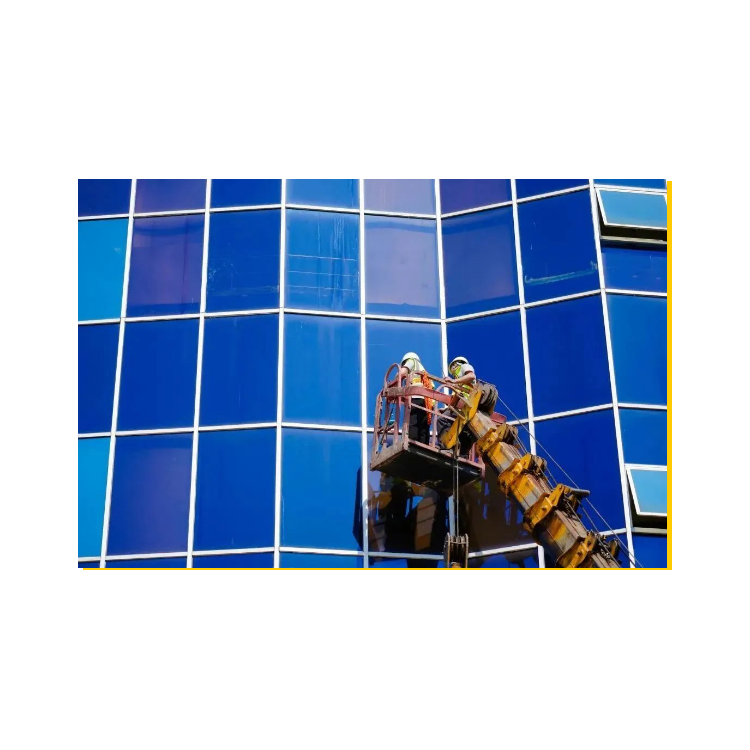
The detection of exterior wall plastering or facing mainly involves hollowing, cracking, and peeling. If there are potential hazards of peeling on the exterior wall, a common method is to combine an infrared thermal imaging camera with a hollow hammer.
Infrared thermal imaging camera principle: It primarily involves the collection and conversion of temperature signals (invisible light signals) emitted by the object being measured, with the paint, mortar, and wall tiles peeling off to create a certain air layer. The sealed air layer has a high resistance, thus the thermal conductivity between the outer wall surface and the main structure is relatively low.
Generally, the temperature at hollowed areas is higher than that of other locations when there is more sunlight or when the temperature rises; conversely, the temperature at hollowed areas is lower than that of other locations when sunlight decreases or the temperature drops.
Additionally, in cases where sunlight does not uniformly illuminate the wall, the portions not exposed to light are factors affecting the accuracy of the detection. Such unilluminated walls require the use of traditional hammering tools to assist in the detection.