







Building Facade Safety Inspection
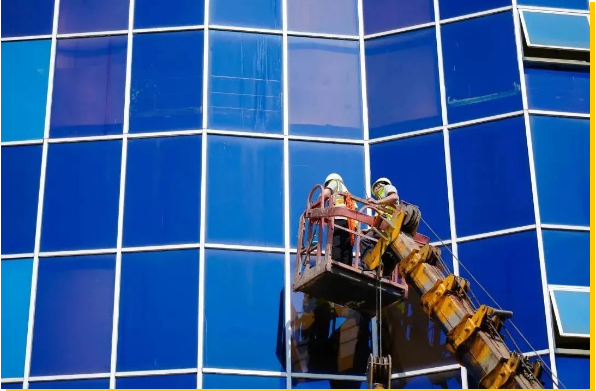
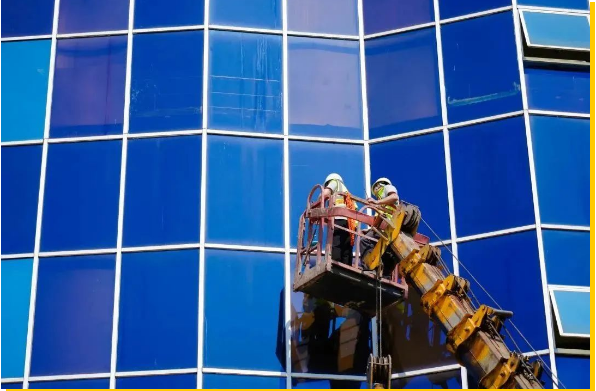
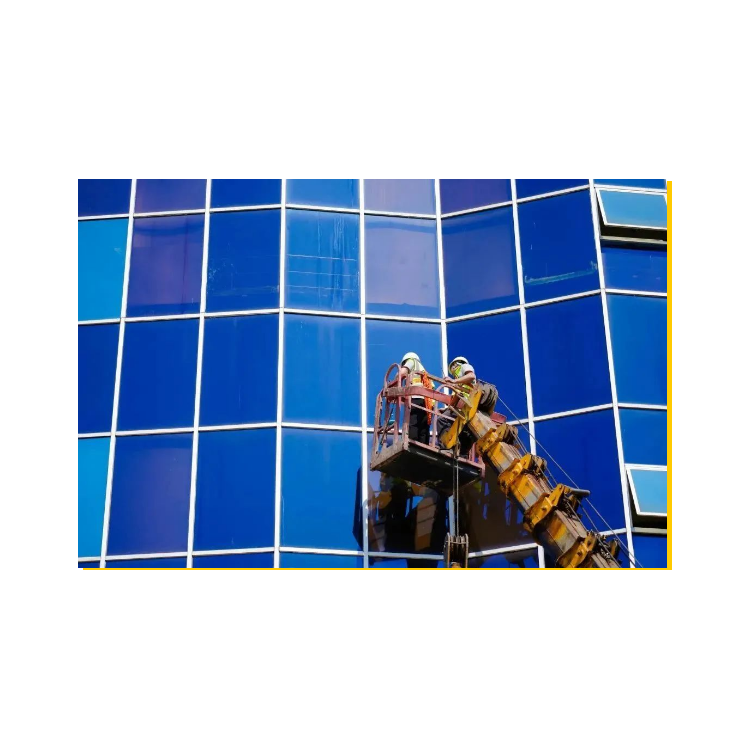
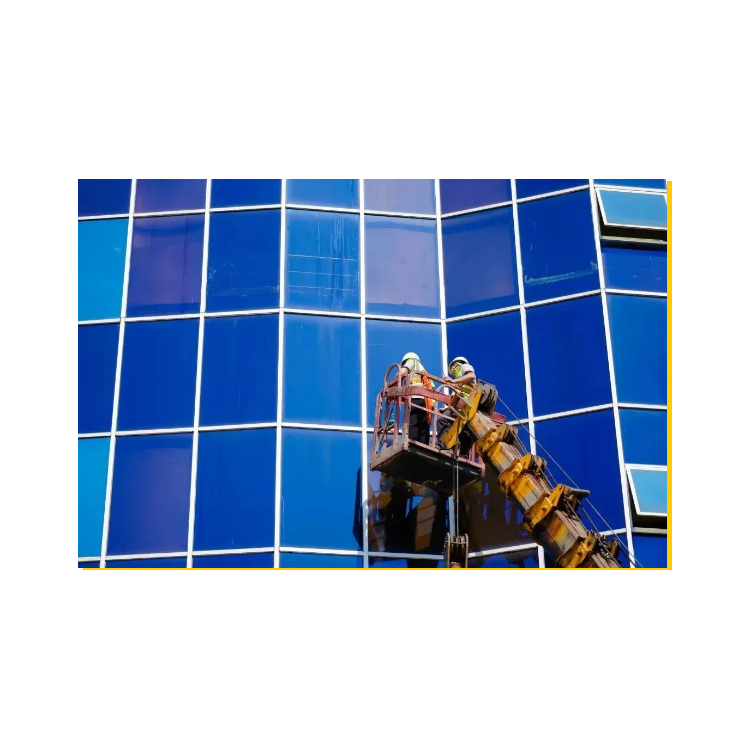
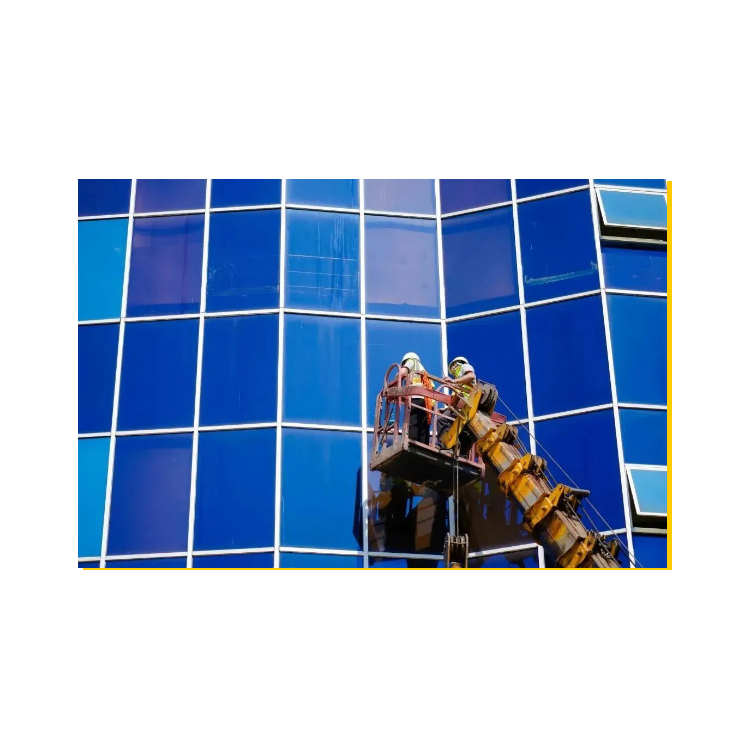
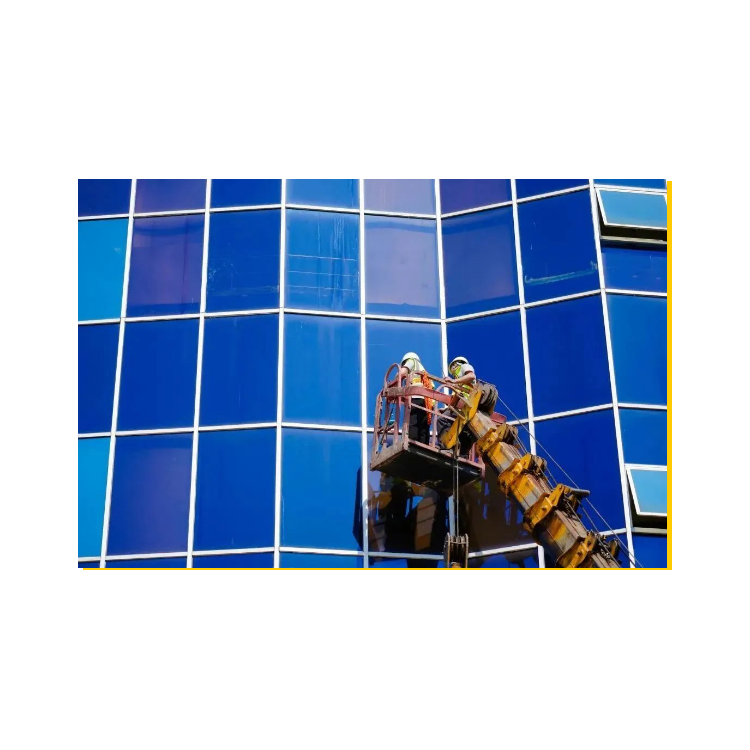
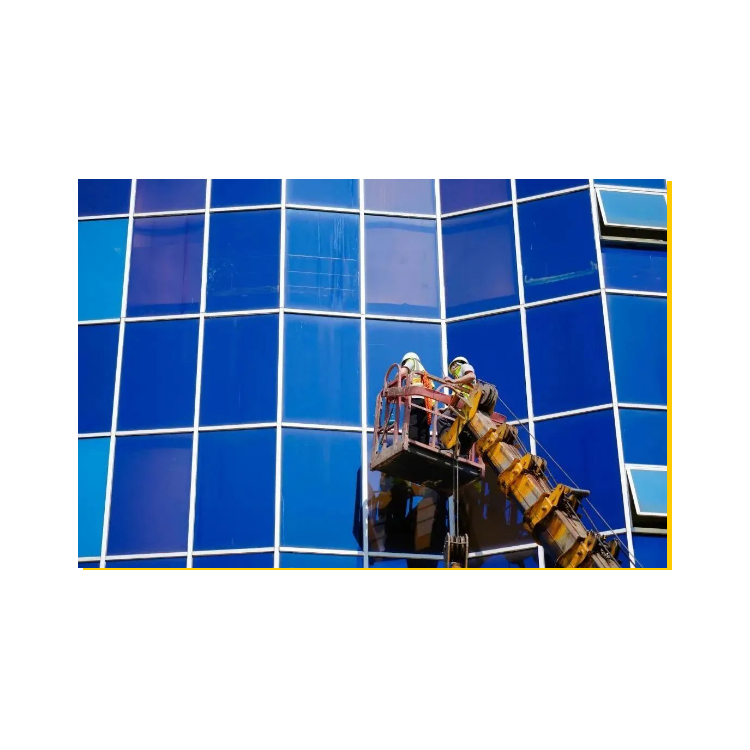
Continuous incidents of curtain wall hazards have occurred. To enhance prevention, reduce damage, and ensure urban safety, users should regularly inspect and test the safety of the curtain wall.
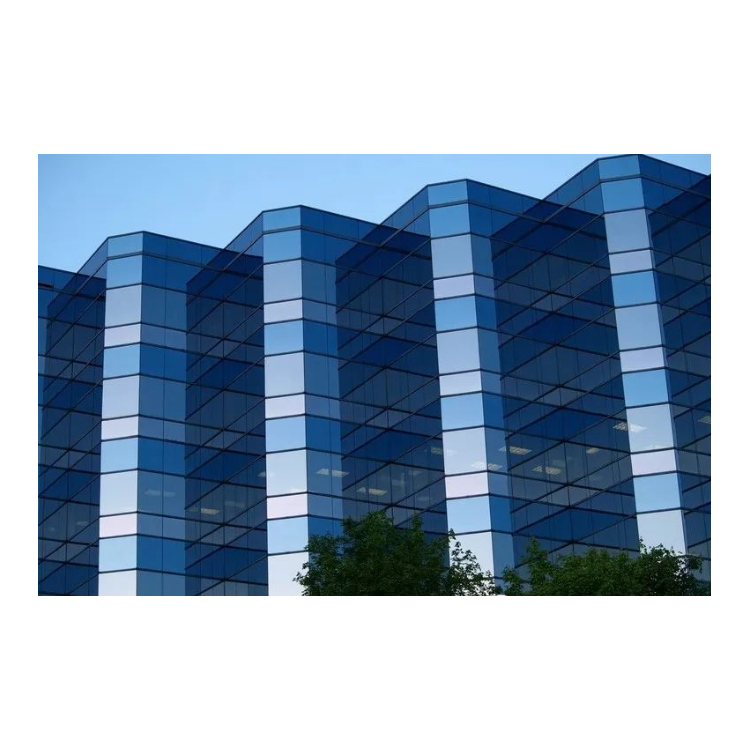
A building curtain wall consists of panels and supporting structures, which have a certain degree of displacement capability relative to the main structure. In addition to transferring the loads it receives to the main structure, it does not bear the effects exerted on the main structure, forming a building's peripheral protective system.
The inspection and evaluation of building curtain walls should be conducted in accordance with the following procedures:
1. Commission
2. Survey
3. Develop inspection and testing plans
4. Inspection and Testing
5. Calculation and Analysis
6. Inspection and Evaluation Report.
The client shall provide technical documents for engineering design, construction, and use, and determine the content of the inspection and evaluation with the inspection party. When entrusting inspection and evaluation, formulating, and negotiating inspection and detection plans, the responsibilities and risks of the client and the inspection party should be clearly defined.
The survey should encompass the following tasks:
1. Project Overview: Includes the start and completion time, engineering structure type, construction unit, design unit, construction unit, supervision unit, etc.
2. Technical Documents: Includes completion drawings for facade engineering, structural calculation books, design change records, etc.
3. Quality Assurance Documents for Construction Projects: Including completion reports, concealed work acceptance records, quality inspection records, material quality assurance certificates, and material retest reports, etc.
4. Building Facade Usage Record: Includes daily maintenance and repair, condition logs, renovation completion technical documents, etc.
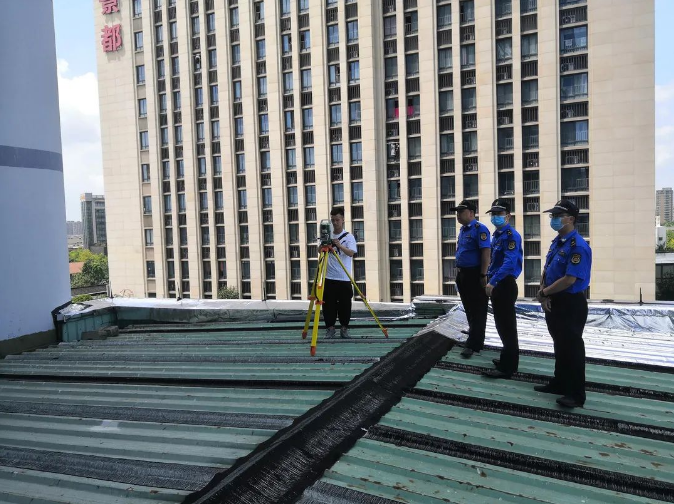
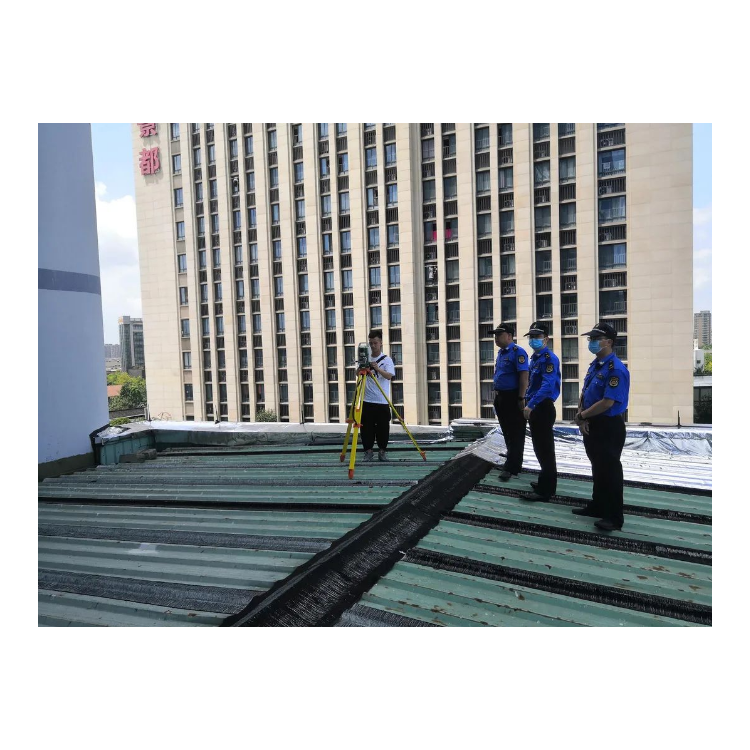
5. On-site adjustments include: verifying physical items against documentation, investigating the actual internal and external environment of the building, identifying existing issues, and collecting opinions from relevant personnel.
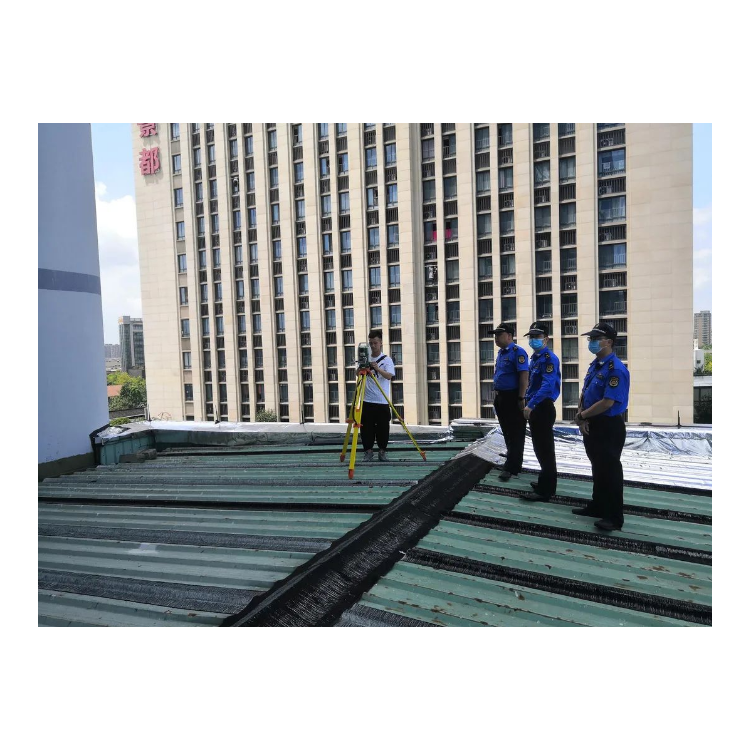
Based on the various materials and investigation information provided by the client, determine the key items for inspection and testing. Develop a testing and evaluation plan, which should include the content, methods, and progress of the inspection and testing.
Building Facade Inspection and Testing Services:
1. Basic Condition Inspection: Facade system, structure, main joints, and opening panel installation quality.
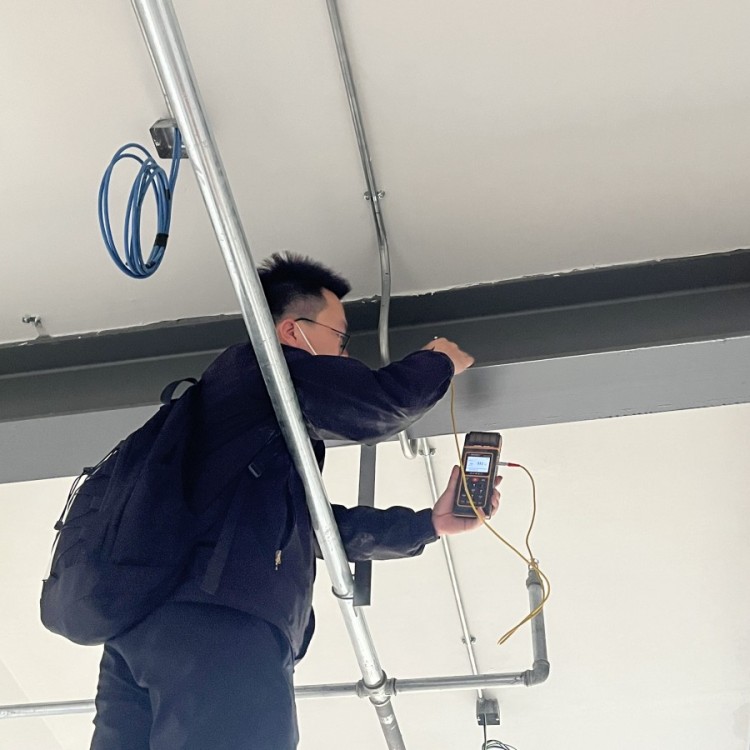
2. Current Status Inspection: panel and connection component damage, rust, deformation, and degree of hardware failure, etc.
3. Material Testing: Panels, metal profiles, silicone structural sealant, stone adhesive, sealing materials, fireproof and thermal insulation materials, hardware, prefabricated parts, and post-installed embeds, etc.
4. Structural and Construction Inspection: Load-bearing members and structures, panel assembly components, etc.
5. Structural Load-Bearing Verification: Verification of loads acting on the container wall, their effects, and node verification, etc.