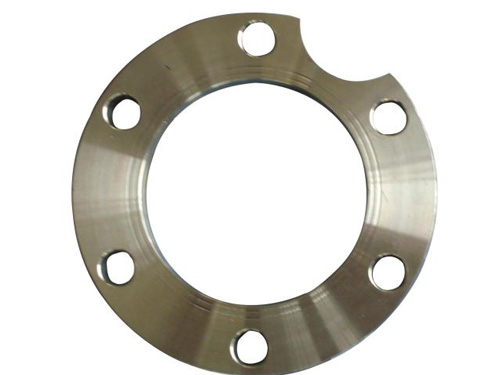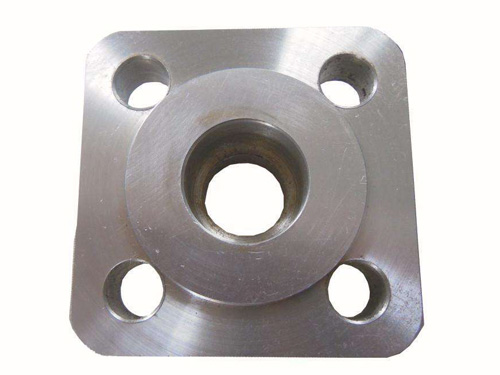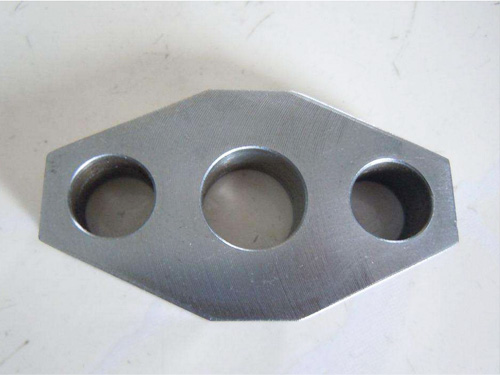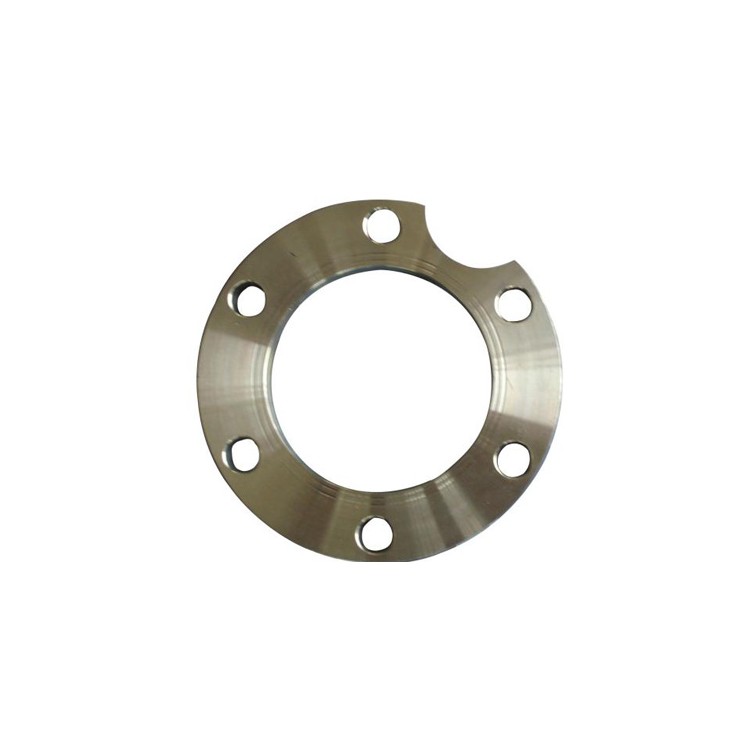
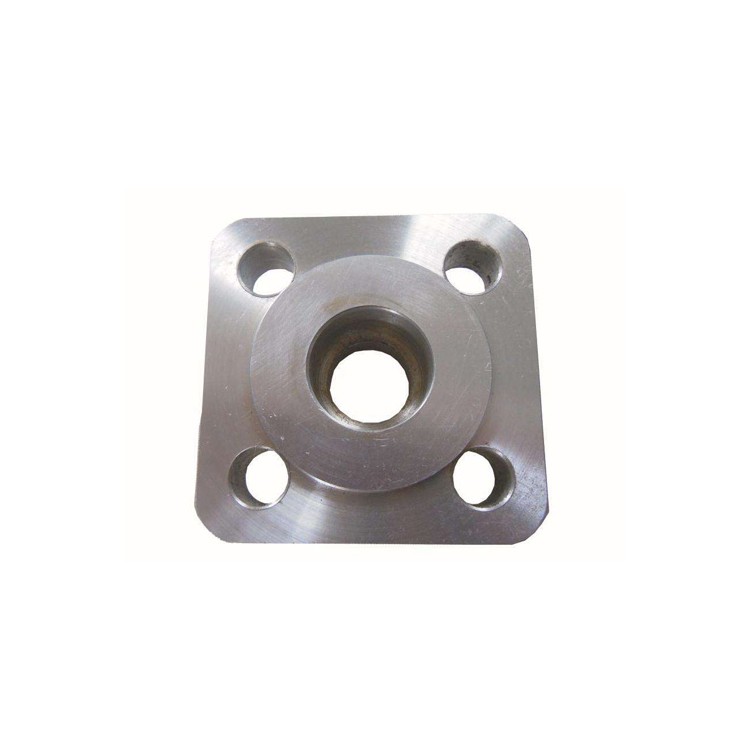








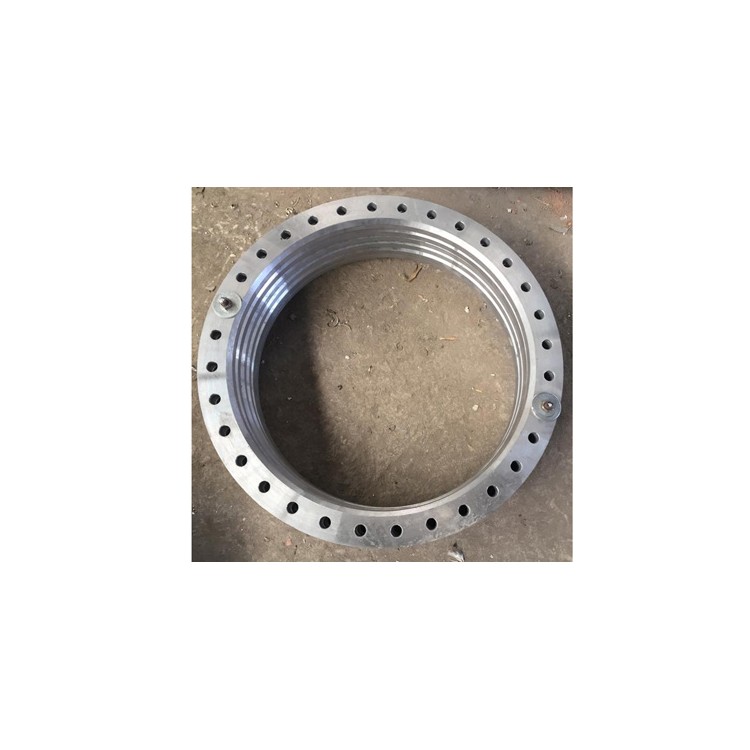

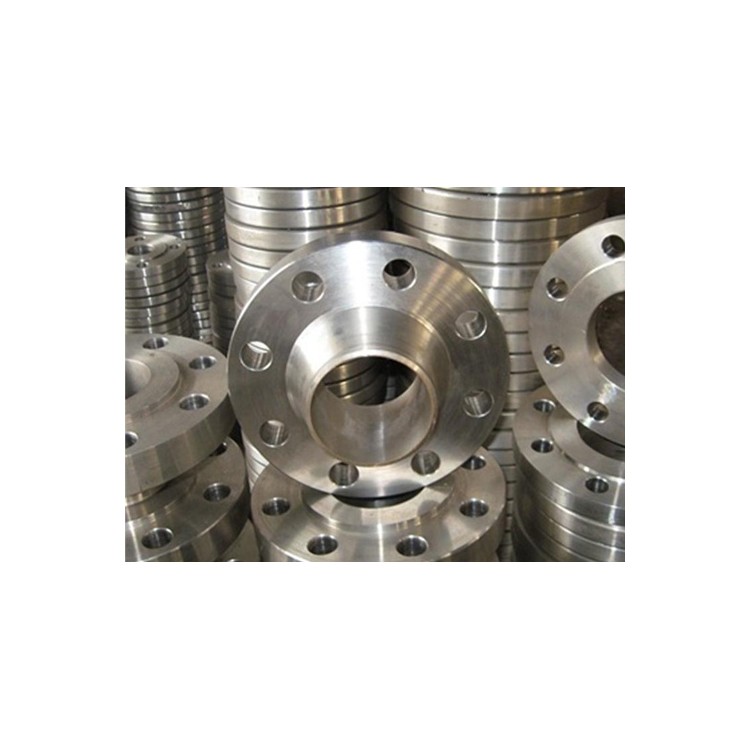
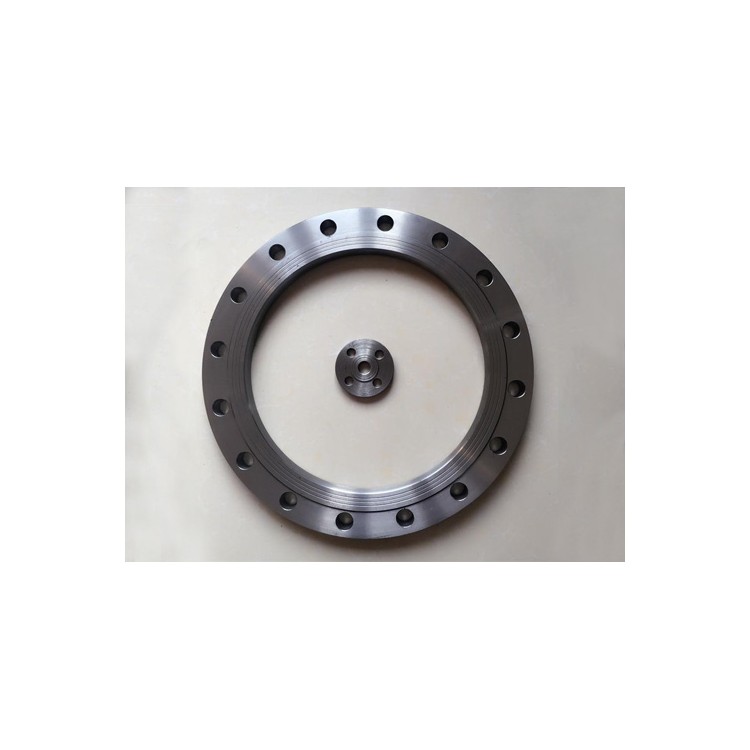
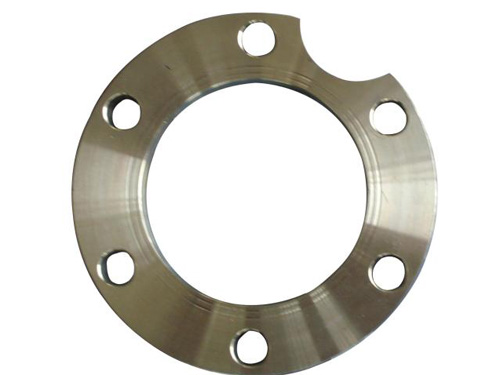
Manufacturer of Non-standard Flanges: What is the difference between standard and non-standard flanges?
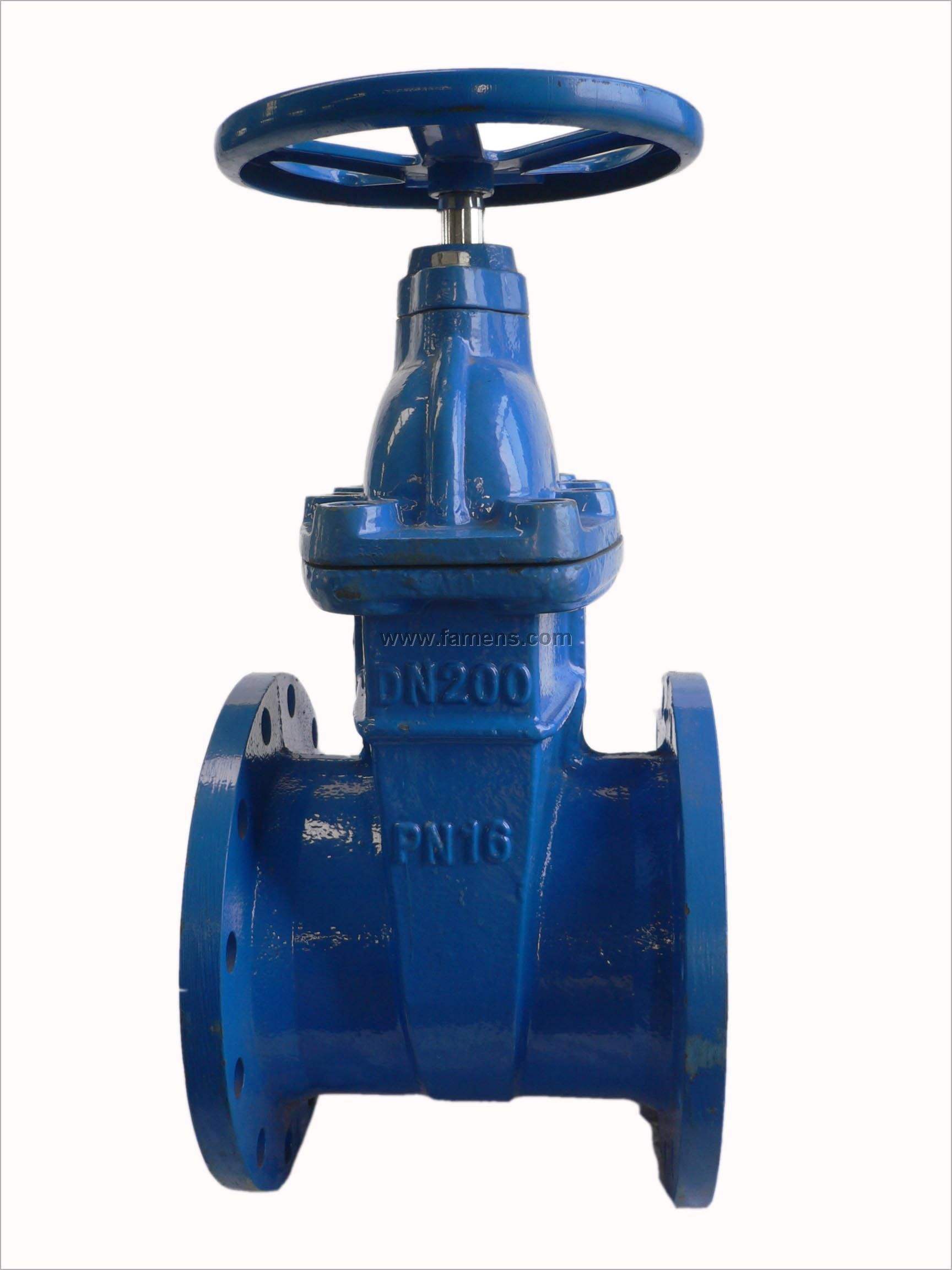
1. National standard flanges take safety factors into account, thus having larger safety margins in size and thickness.
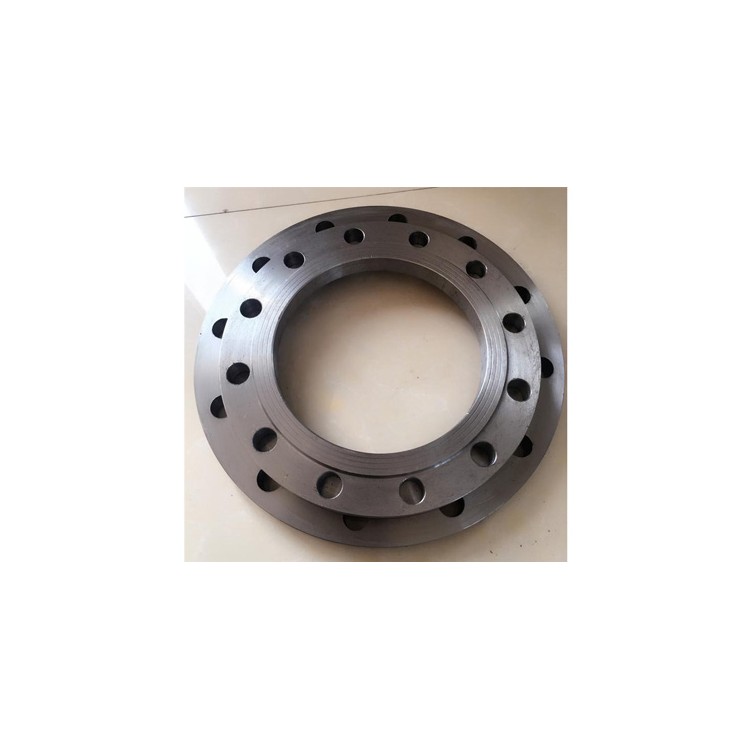
2. Non-standard flanges are typically used by companies or individuals to save materials or source locally. Our non-standard flanges are designed to be slightly smaller and thinner than standard flange specifications to conserve materials. They can also be customized with different sealing surfaces, such as O-ring seals. Equipment manufacturers can design the flange specifications and dimensions based on actual usage. Generally, non-standard flanges come with drawings. It is essential to specify the flange material, inner and outer diameters, centerline, number of holes, hole sizes, thickness, chamfer, and machining requirements for production.
3. Standard flanges are readily available in the market, while non-standard flanges require custom design and manufacturing.
4. Non-standard flanges are not commonly used, for instance, if a equipment cylinder flange operates at only 0.3MPA, you might find it unnecessary to use a 0.6MPA national standard flange. In that case, you can design a small and thin non-standard flange yourself. However, you must consider that the cost of your design and manufacturing should be less than the material cost you save.