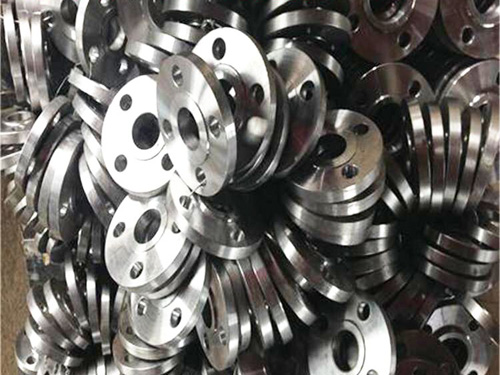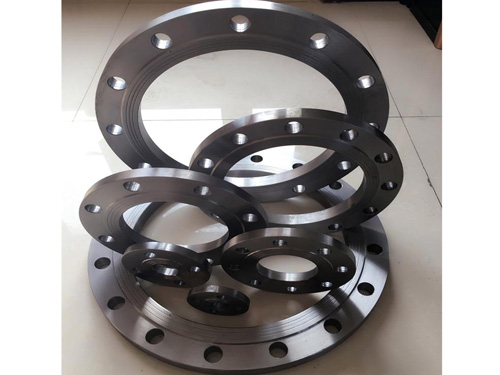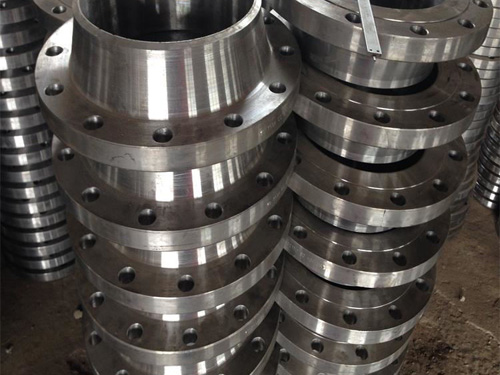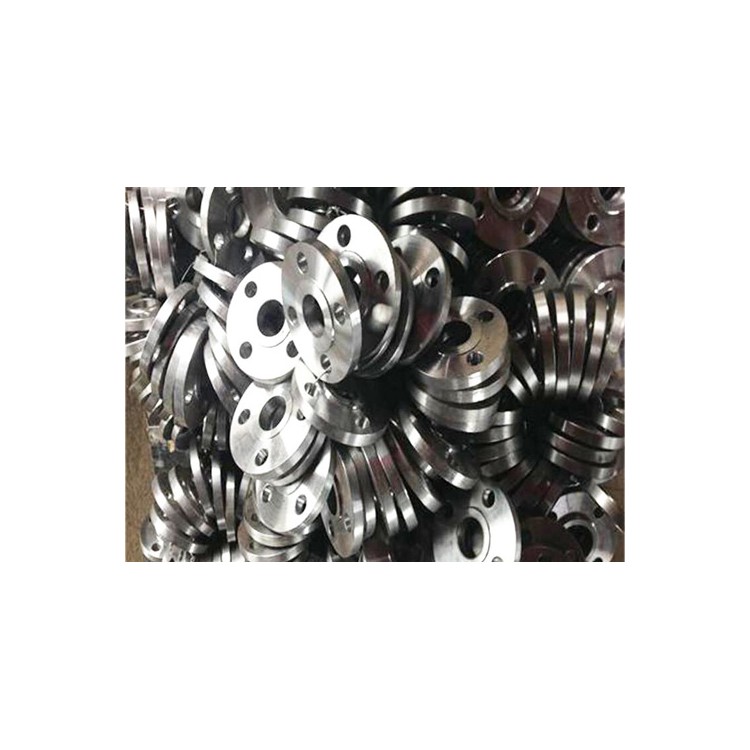


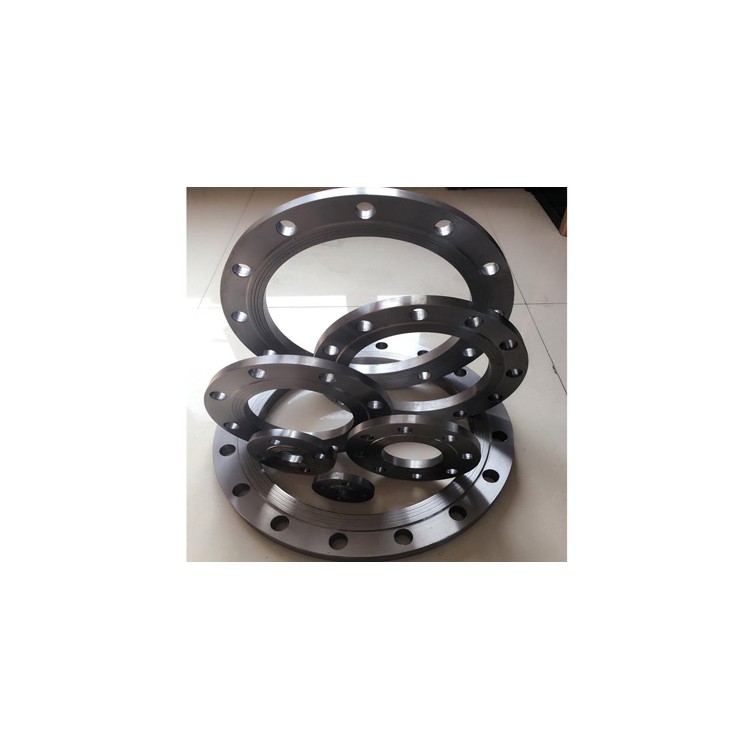
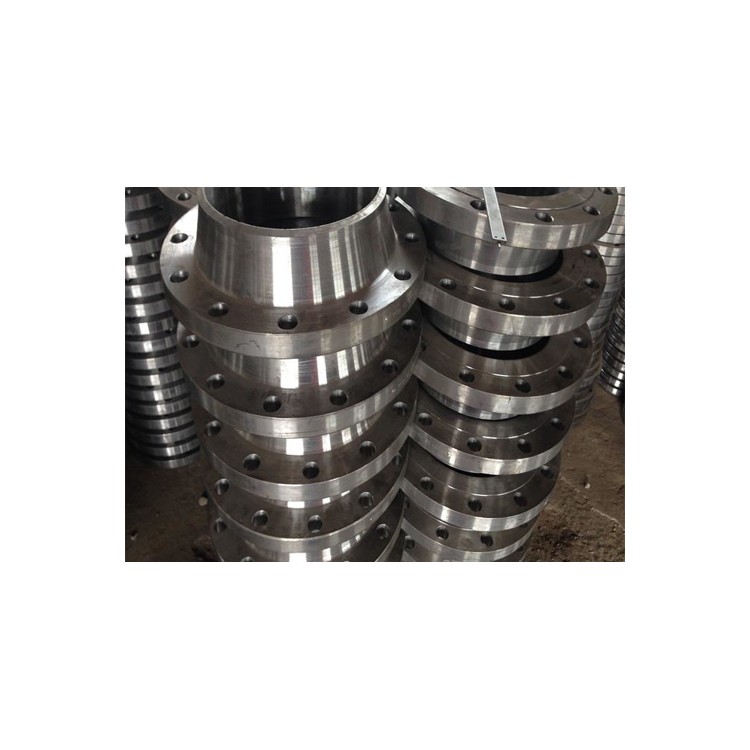








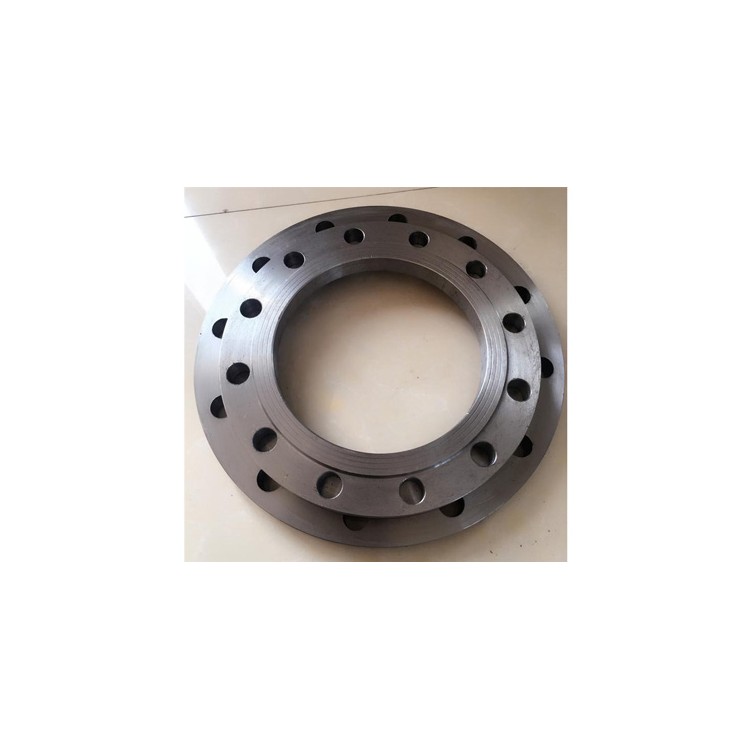
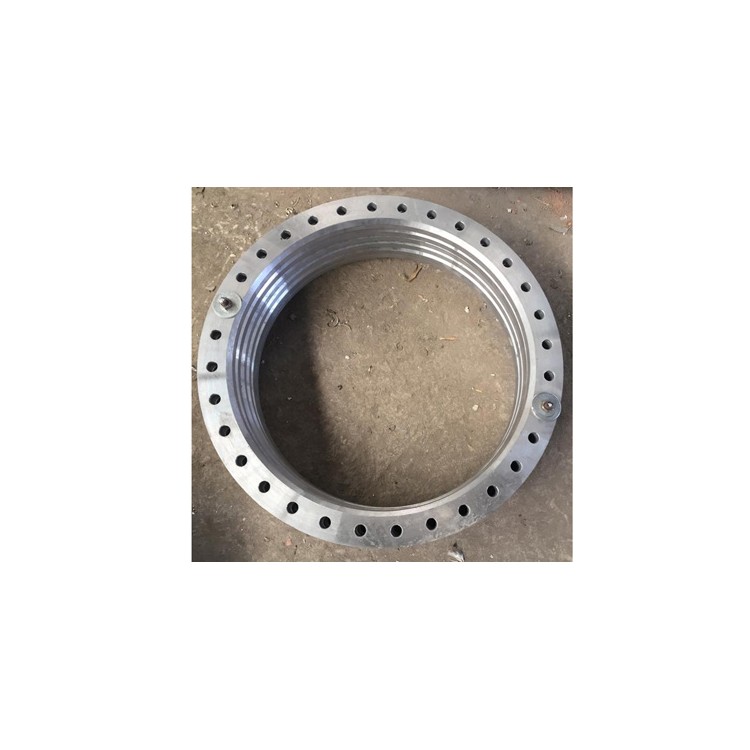
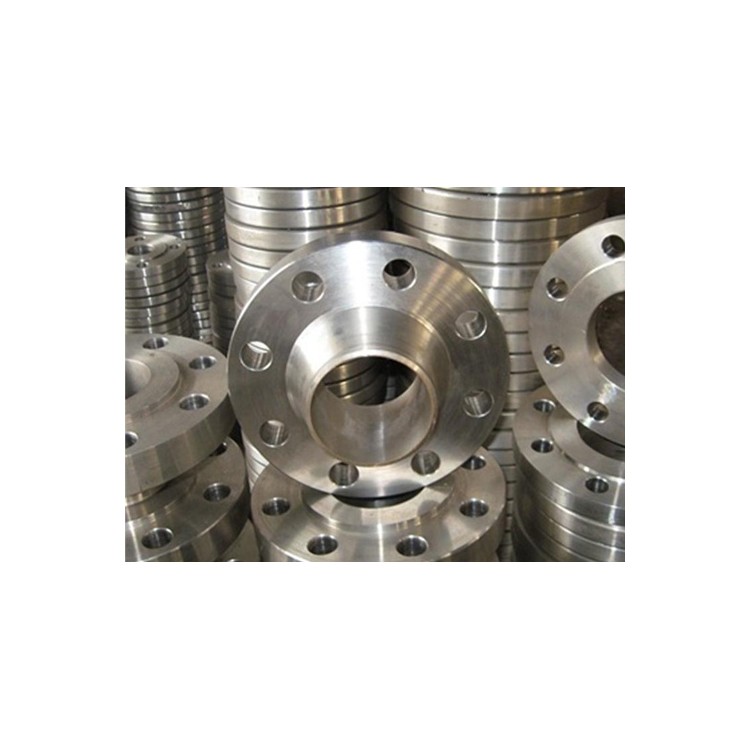
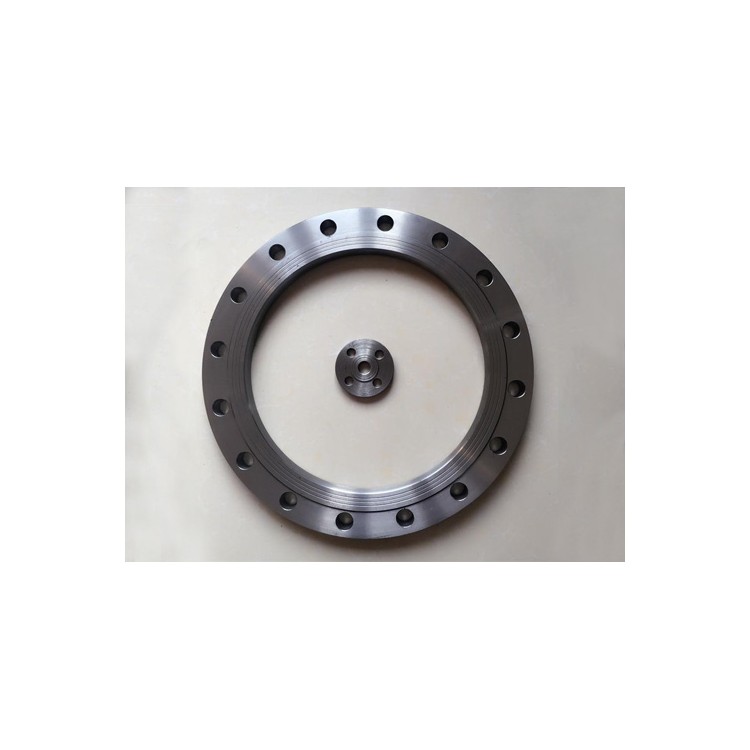
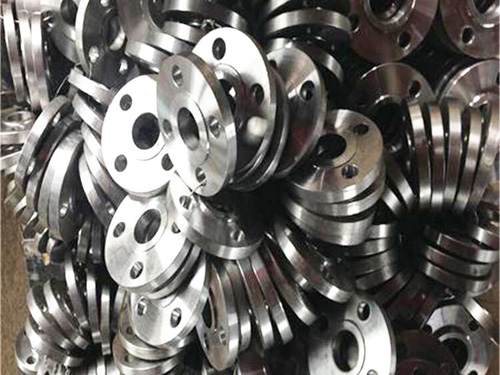
The primary design flaw of a flat焊接flange is its inability to ensure no leakage. This is its inherent design weakness: the connection is dynamic, and factors such as thermal expansion and fluctuating cyclic loads can cause movement between the flange faces, affecting the flange's function and compromising its integrity, leading to leaks. No product can be completely defect-free; it's about minimizing the shortcomings as much as possible. Therefore, the company strives to enhance the performance of the flat welding flanges during production, enabling them to serve a greater purpose.
Flat Weld Flange Features: The flat weld flange not only saves space and reduces weight, but more importantly, it ensures that there will be no leakage at the joint, offering excellent sealing performance. The compact size of the flange is achieved by reducing the diameter of the sealing parts, which in turn decreases the cross-section of the sealing surface. Furthermore, the flange gasket has been replaced by a sealing ring to ensure a proper match between the sealing surface and the mating surface. This requires only a minimal amount of pressure to tightly seal the mating surfaces. With the reduction in required pressure, the size and quantity of bolts can also be correspondingly decreased, leading to the design of a new product that is small in volume and light in weight (reducing the weight by 70% to 80% compared to traditional flanges). Therefore, the flat weld flange is a type of flange product that reduces both weight and space, playing a significant role in industrial applications.
The sealing principle of a flat welding flange: The two sealing surfaces of the bolts compress the flange gasket to form a seal, but this also leads to the destruction of the seal. To maintain the seal, a large bolt force must be maintained, requiring larger bolts. Larger bolts necessitate larger nuts, which means creating conditions for larger bolt diameters to tighten the nuts. However, as the bolt diameter increases, the flanges become more prone to bending, so the solution is to increase the wall thickness of the flange section. The entire assembly will require larger dimensions and weight, which becomes a special issue in offshore environments, as weight is always a major concern. Moreover, fundamentally, a flat welding flange is an ineffective seal, requiring 50% of the bolt load to compress the gasket, leaving only 50% for maintaining pressure.