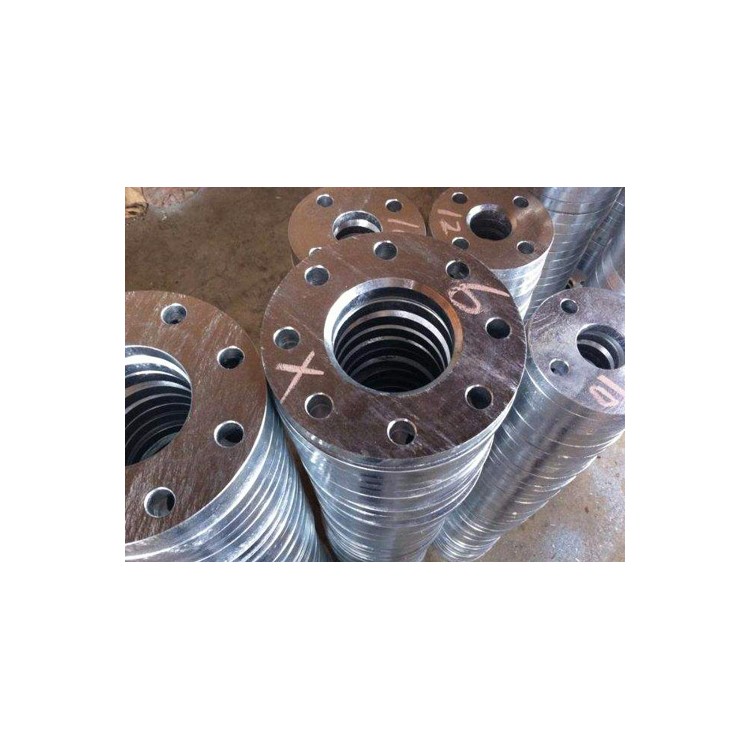

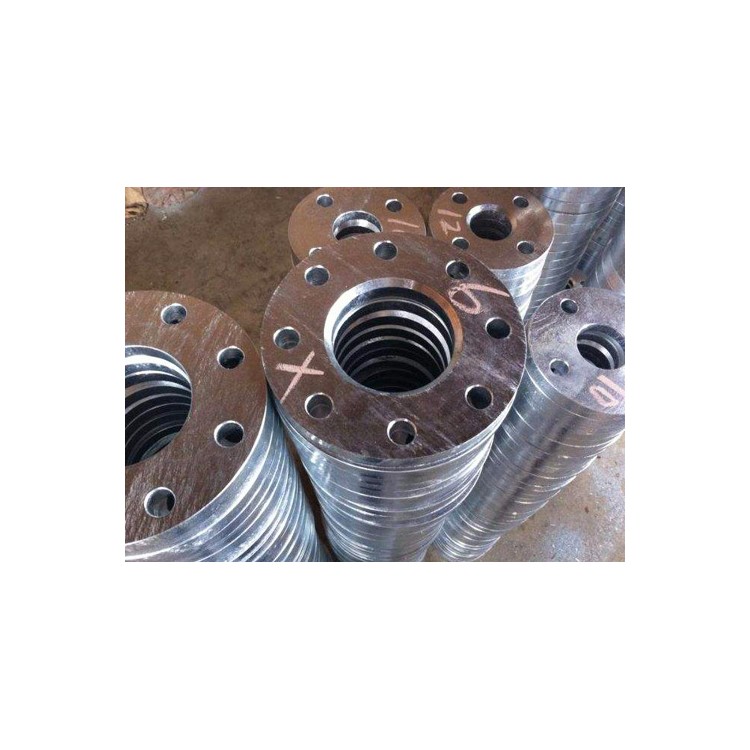
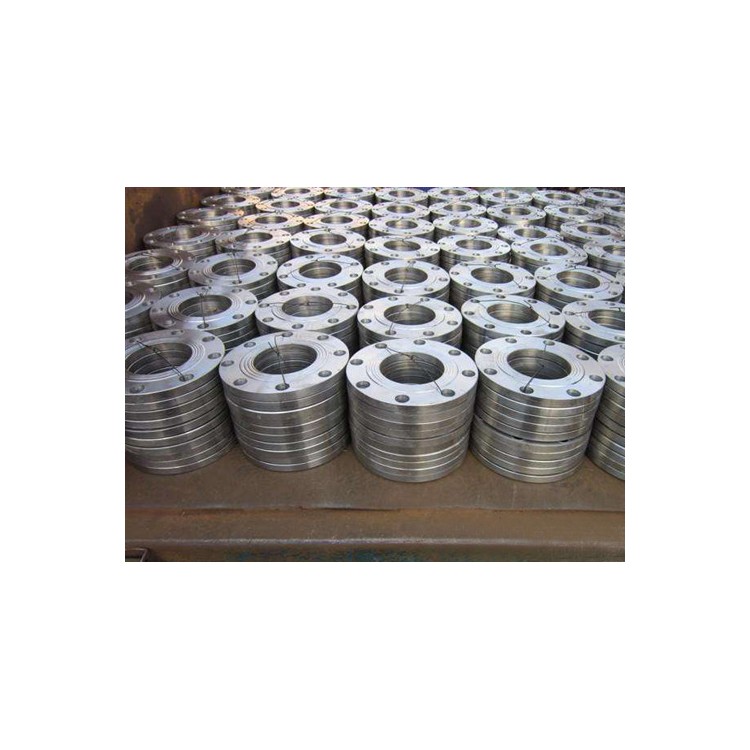
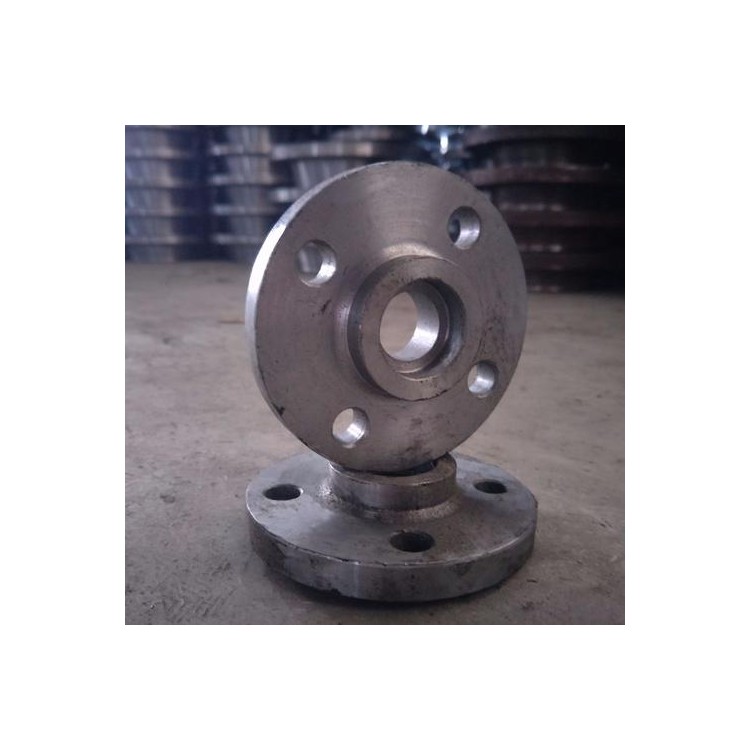








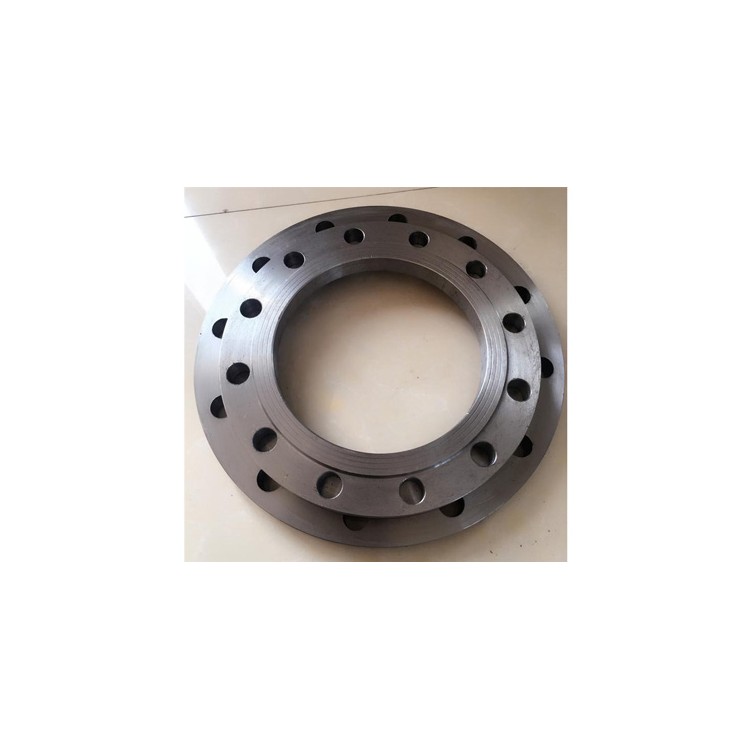
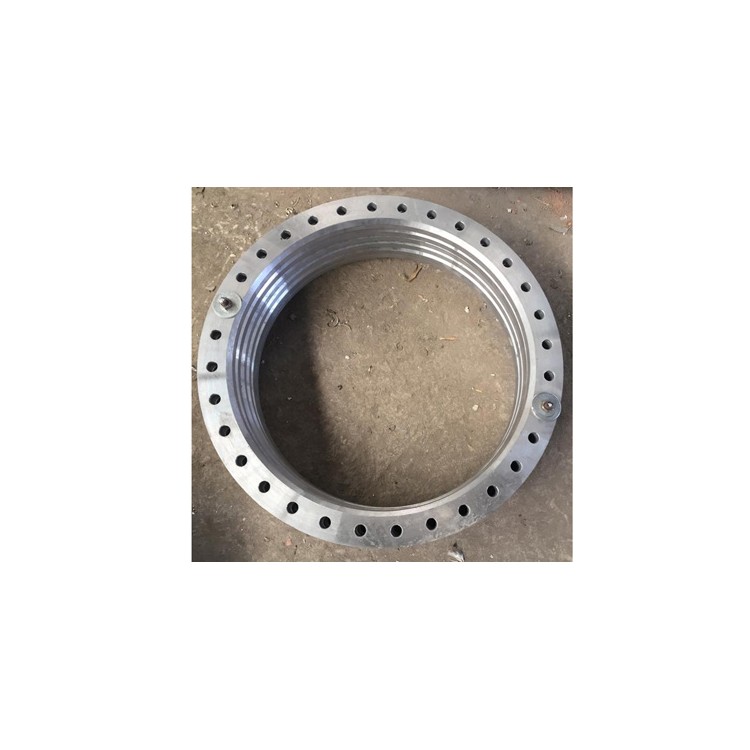

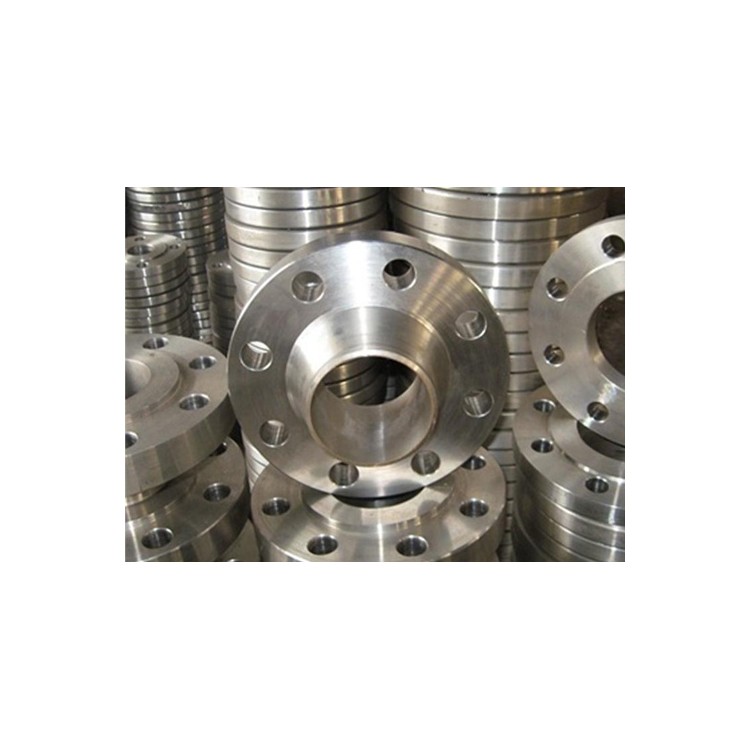
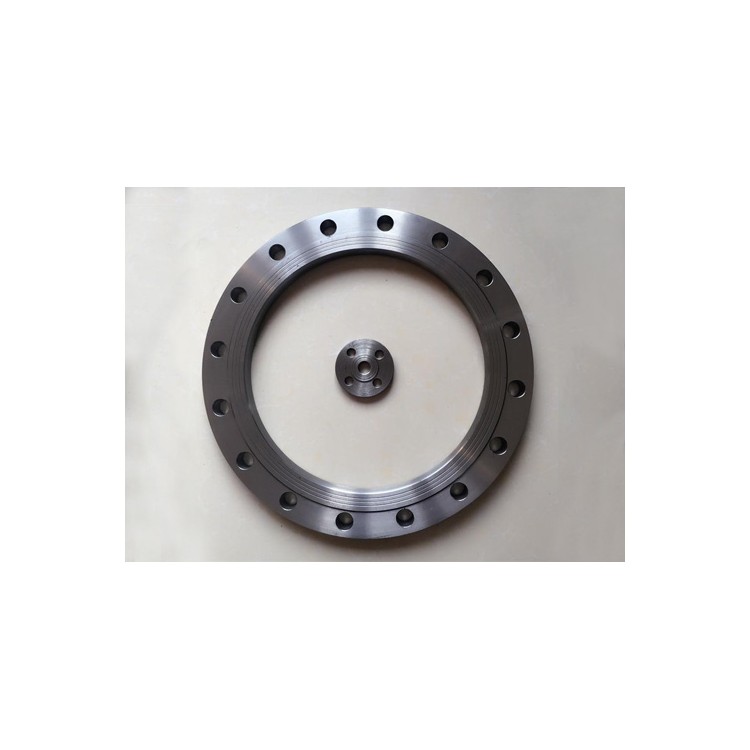

When assembling and welding flanges with larger diameters, it is crucial to avoid welding under load or pressure conditions. Efforts should be made to eliminate the impact of external forces on the welding path, and prevent deformation of the flange. The following measures are recommended:
(1) When conditions permit, assemble and weld the flange on the horizontal cylinder placed on a roller stand. First weld the inner edge of the flange, then the outer edge. Avoid excessive welding current and voltage to minimize heat accumulation.
(2) In case of necessity, process stiffening plates can be added to flanges to resist deformation tendencies. Remove the stiffening plates after welding and fill and smooth the weld scars left behind.
(3) When assembling and welding the flange of the cylinder in an upright position, efforts should be made to support the cylinder, keeping the flange suspended, so that the welding seam is not affected by the weight of the cylinder.
4) If necessary, use bolts to secure another process mating flange on the flange, then assemble and weld the flanges as usual. Remove the mating flange after welding.
In summary, with proper pre-welding process measures in place, even the largest and thinnest flanges can be guaranteed to not deform during welding.