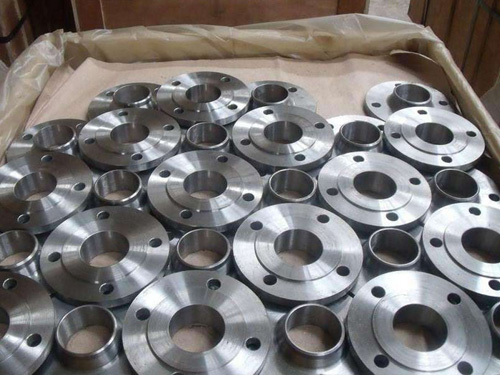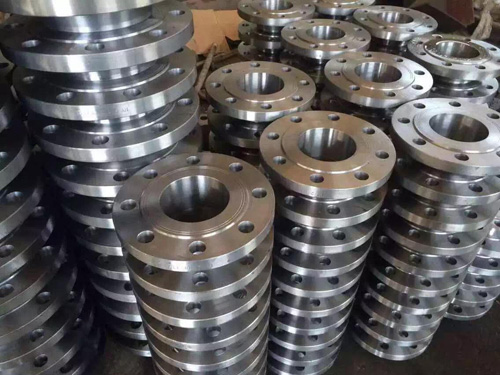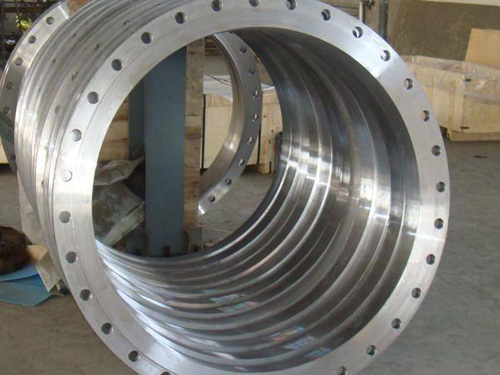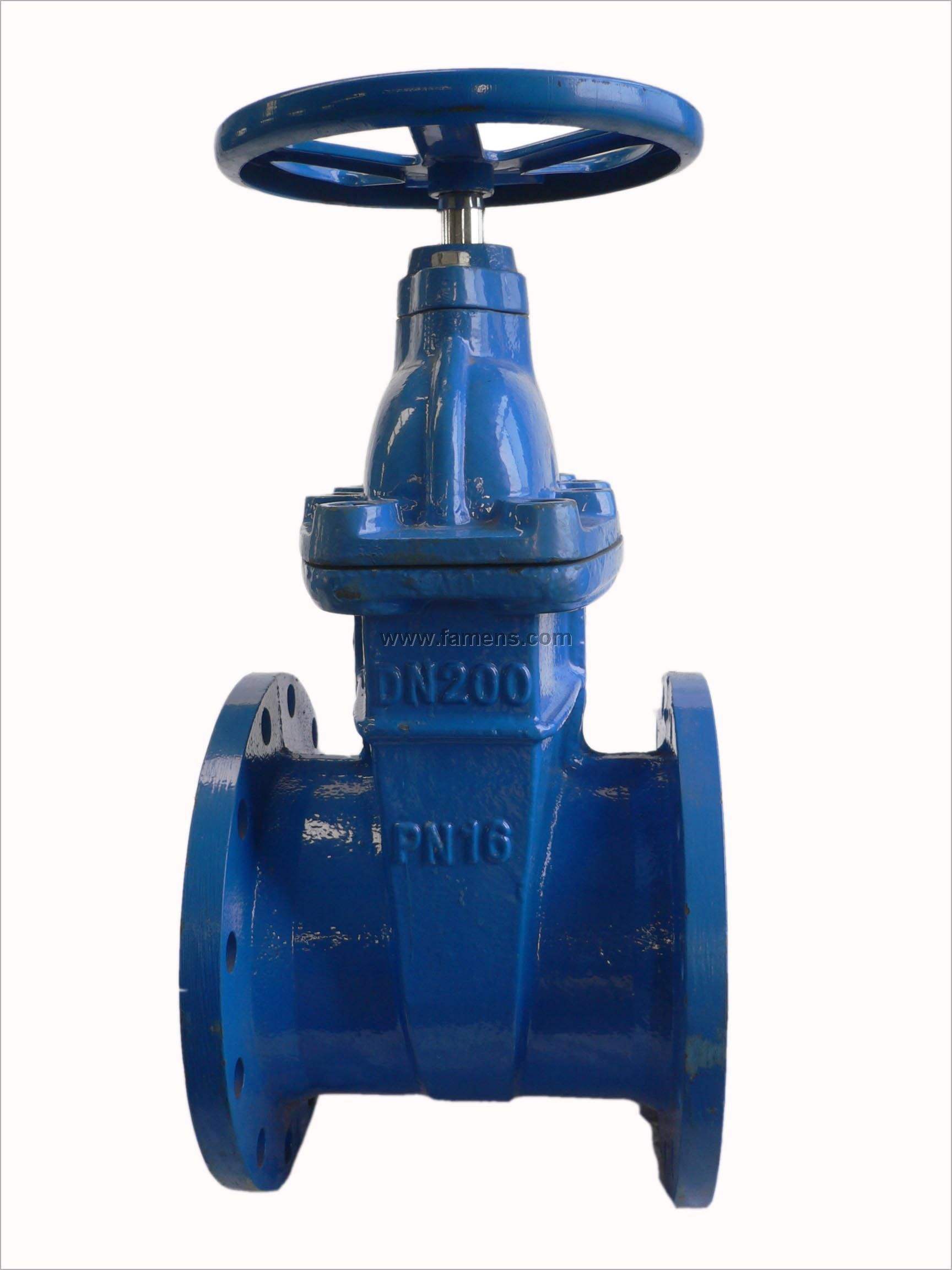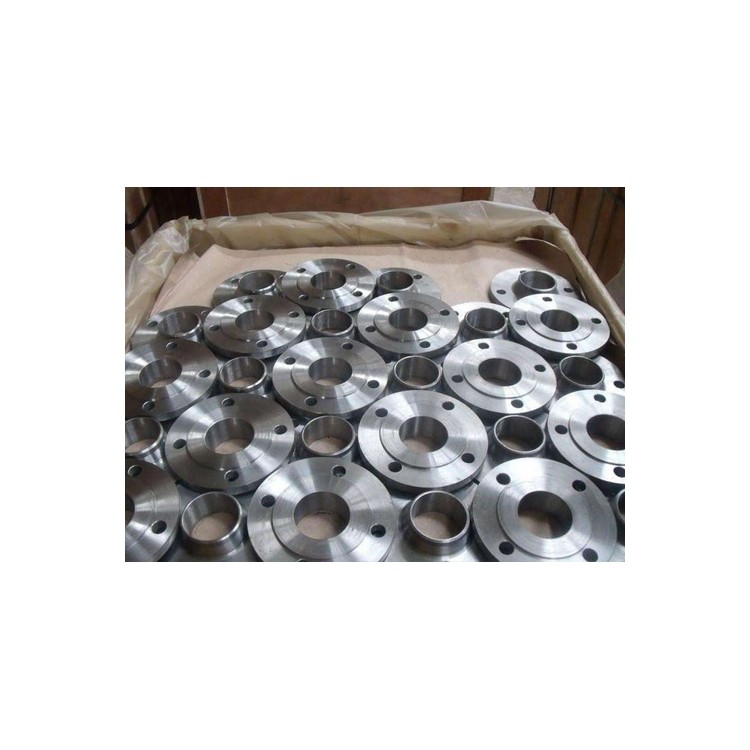

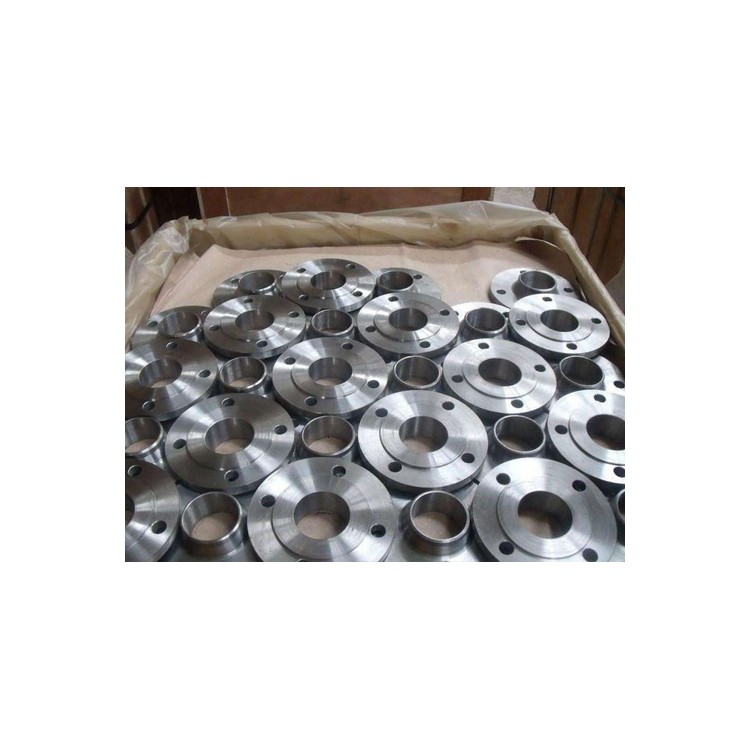
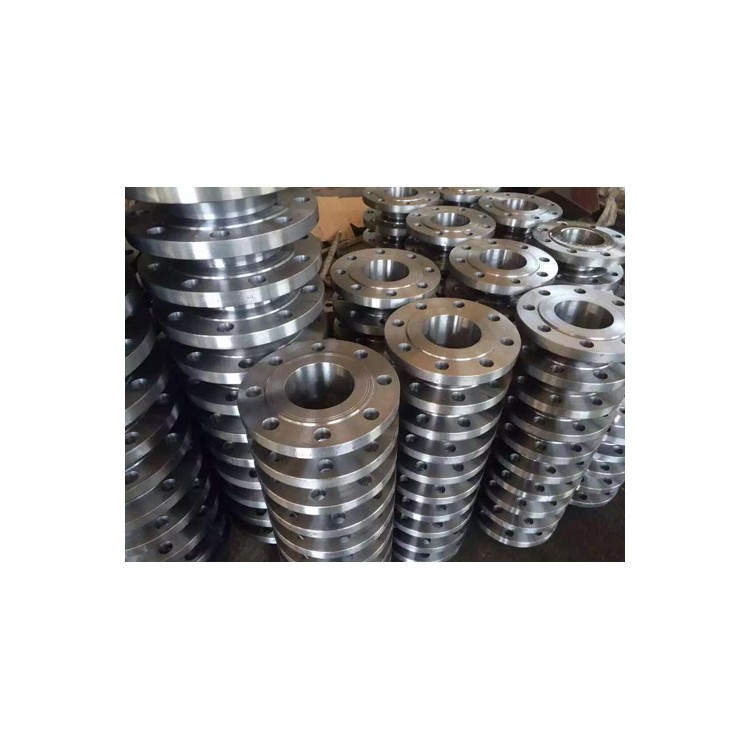


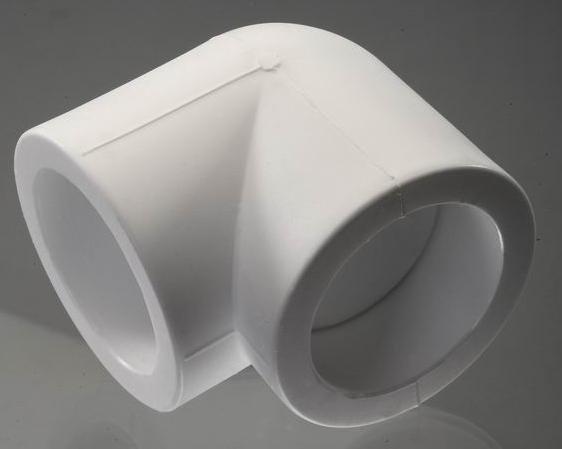






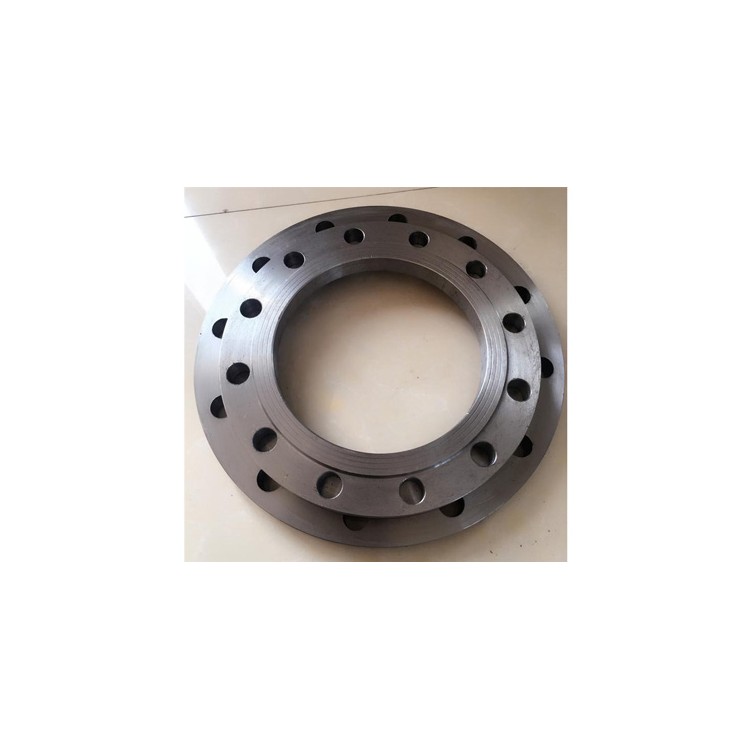
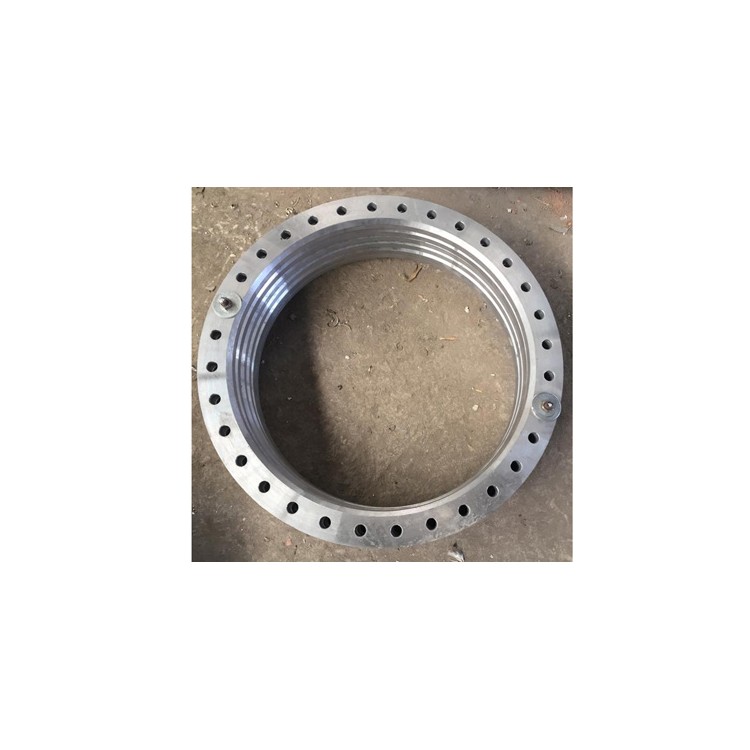

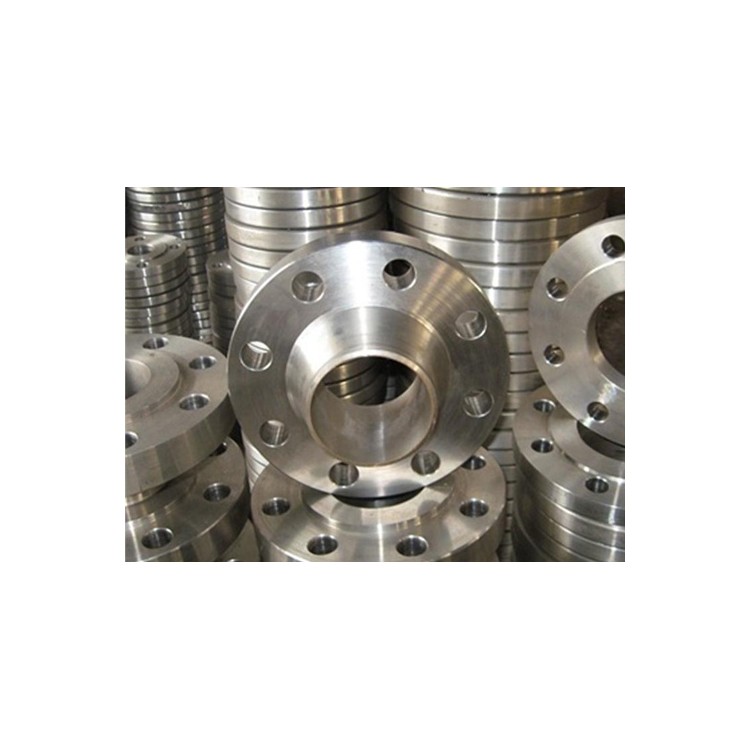
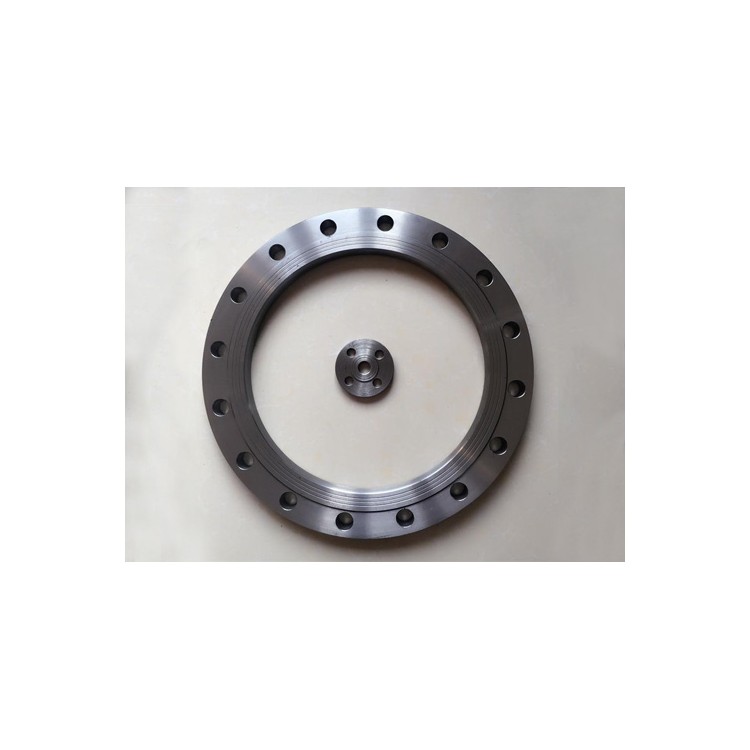

Bolted flanges have holes, and the bolts secure the two flanges together. Ship flanges are sealed with gaskets. Ship flanged pipe fittings refer to pipe fittings equipped with ship flanges (bends or plates). They can be cast, threaded, or welded. A flange joint consists of a pair of flanges, a gasket, and several bolts and nuts. The gasket is placed between the sealing surfaces of the flanges, and after the nuts are tightened, the gasket deforms and fills the uneven surfaces of the sealing face, ensuring a tight and leak-proof connection. Flange joints are removable. They can be categorized into vessel flanges and pipe flanges, and by structural type, they include integral flanges, loose flanges, and threaded flanges. Common integral flanges are flat weld flanges and socket weld flanges. Flat weld ship flanges have lower rigidity and are suitable for pressures of p≤4MPa; socket weld flanges, also known as high-neck flanges, have higher rigidity and are suitable for high-pressure and high-temperature conditions. The sealing surfaces of ship flanges come in three types: flat sealing surfaces for low-pressure, non-toxic medium conditions; concave-convex sealing surfaces for slightly higher pressure conditions; and tenon-groove sealing surfaces for flammable, explosive, toxic mediums, and high-pressure conditions. Gaskets are circular rings made from materials capable of plastic deformation and with certain strength. Most gaskets are cut from non-metallic plates or made to specified sizes by factories, with materials such as asbestos rubber boards, asbestos boards, polyethylene boards, etc. There are also metal jacketed gaskets made by wrapping non-metallic materials like asbestos with thin metal sheets (galvanized iron, stainless steel), and coiled gaskets made by wrapping thin steel strips with asbestos strips. Common rubber gaskets are suitable for temperatures below 120℃; asbestos rubber gaskets are suitable for temperatures below 450℃ for steam and below 350℃ for oils, with pressures below 5MPa, and for general corrosive mediums, acid-resistant asbestos boards are commonly used. In high-pressure equipment and pipelines, lens-shaped or other shaped metal gaskets made of copper, aluminum, No.10 steel, and stainless steel are used. High-pressure gaskets have a very narrow contact width with the sealing surface (line contact), and the sealing surface and gasket have high processing smoothness.